Story and photos by Brandes Elitch
The last time VT published my column on Hershey, “The Eastern Division AACA National Fall Meet,” was in 2009. It’s time for an update. I was able to attend the event this year, held on October….and this is my report.
Background
In its 65- year existence, last year was the only year when the show did not occur. It’s indisputable that this is the largest automobile related event in the world. It started back in 1955.
The original car show was held in the Hershey High School stadium, and a few vendors sold parts on the parking lot outside the stadium. 1960 saw 891 vehicles registered, the largest gathering of old cars in the world. By 1981, the show grew to cover 80 acres. At the end of the eighties, over 2000 cars were being judged and there were 10,286 flea market spaces. Now, it was now an international event, with visitors from all over the world. By 1997, there were 1722 show cars, judged by 600 judges, displayed on 15 acres. The flea market took up 134 acres, with over 10,000 vendors. The car corral, cars for sale, covered another 15 acres. If you walked the entire show, it would be 29.5 miles to cover. In total, the meet took over 296 acres. Over 100,000 people attend now.
If you love chocolate…
Hershey was built as a company town, utopian in vision, created by Milton Hershey, a great American. Hershey invented an inexpensive chocolate bar, after many failures. He built a factory, created a town from scratch, and provided housing for his employees, plus a bank and a department store. He needed a lot of milk, obviously, so he created what might be called mini factory farms: a farmhouse run by a husband and wife and perhaps a dozen orphan boys who lived there under their supervision, went to school during the day, and milked the cows. These farmhouses have survived and still dot the countryside, but they have been closed for many years. Hershey took these orphans in from the surrounding area, and fed and clothed them, educated them through high school (which he built), and gave them a future (orphanages were common in the early 20th century). But that’s not the end of the story. Hershey created a trust from the profits of the candy company, to support the orphans in perpetuity. Today there are a few thousand disadvantaged children living in modern dormitories, and the trust is now in excess of thirteen billion dollars. He also built the Hershey Hotel, one of the most beautiful and iconic hotels in the country. The show was originally on grass fields in front of the hotel and the High School, but it moved to paved areas across the main road, adjacent to what is now the Hershey amusement park.
Your gracious host
The Antique Automobile Club of America is perhaps the largest car club in the world, with over 50,000 members. It has a museum building, and a new library and research center building, adjacent to the Hershey show fields.
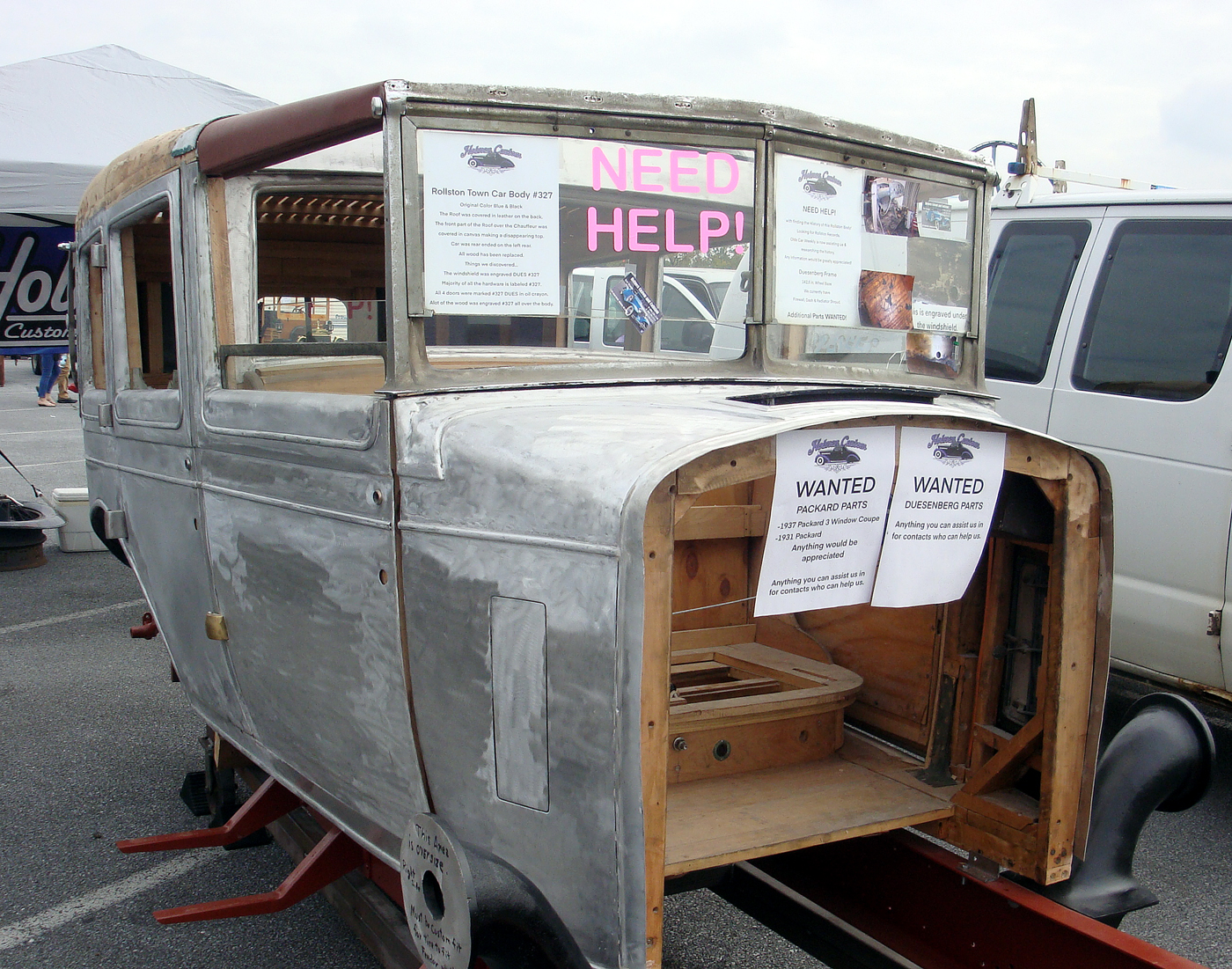
The AACA accepts any car (or vehicle) that is at least 25 years old. This is part of the appeal of the show: that you will see anything and everything, things (and parts and automobilia) you will not likely see anywhere else. In the early days, most of the cars and parts were prewar American, and there is still a lot of that.
If you are looking for cars or parts that are less than 25 years old, there is another show in Carlisle, about 55 miles west of Hershey (see www.carlisleevents.com). Carlisle was founded in 1974 when the founders could not get a spot at Hershey, because their car was not yet 25 years old. Carlisle is actually multiple shows during the year for different marques, and attracts half a million people annually. I have attended the July Chryslers at Carlisle event and it is fabulous, well except for the heat and humidity. Weather is very important, crucial even, at Hershey and Carlisle. I cannot overemphasize that fact.
Will it survive
One of the remarkable things about Hershey is that many people attend with the same group of friends for decades. For ten years, my friend Stanley and I commuted from California to make the meet, one of the highlights of my life. This year I stayed with my friend Guy, who was on my freshman floor in college in 1965, and five of his high school friends joined us. This is quite typical, and it lends a kind of magic and uniqueness to the event which I have never seen elsewhere, under any circumstances.
After not happening last year, people were wondering if Hershey could come back as it was before, given all the changes in society since then. I talked to a Board member, who told me that almost all of the 9000 flea market spaces were spoken for (people keep these for many years, like tickets to a favorite sports team). One change was that I heard very few foreign languages being spoken, so it was not an international meet this year, hopefully next year. Another change is the profusion of people riding around in golf carts. Ostensibly, this is due to the age of the typical attendee, which by my totally unscientific guess, is somewhere north of sixty years of age. I saw very few young people, i.e. in their teens or twenties. There are a lot of theories for that. I’m sure you have seen comments about “the future of the hobby,” and “what will happen if young people don’t collect and restore cars the way my generation has done” (and continues to do).
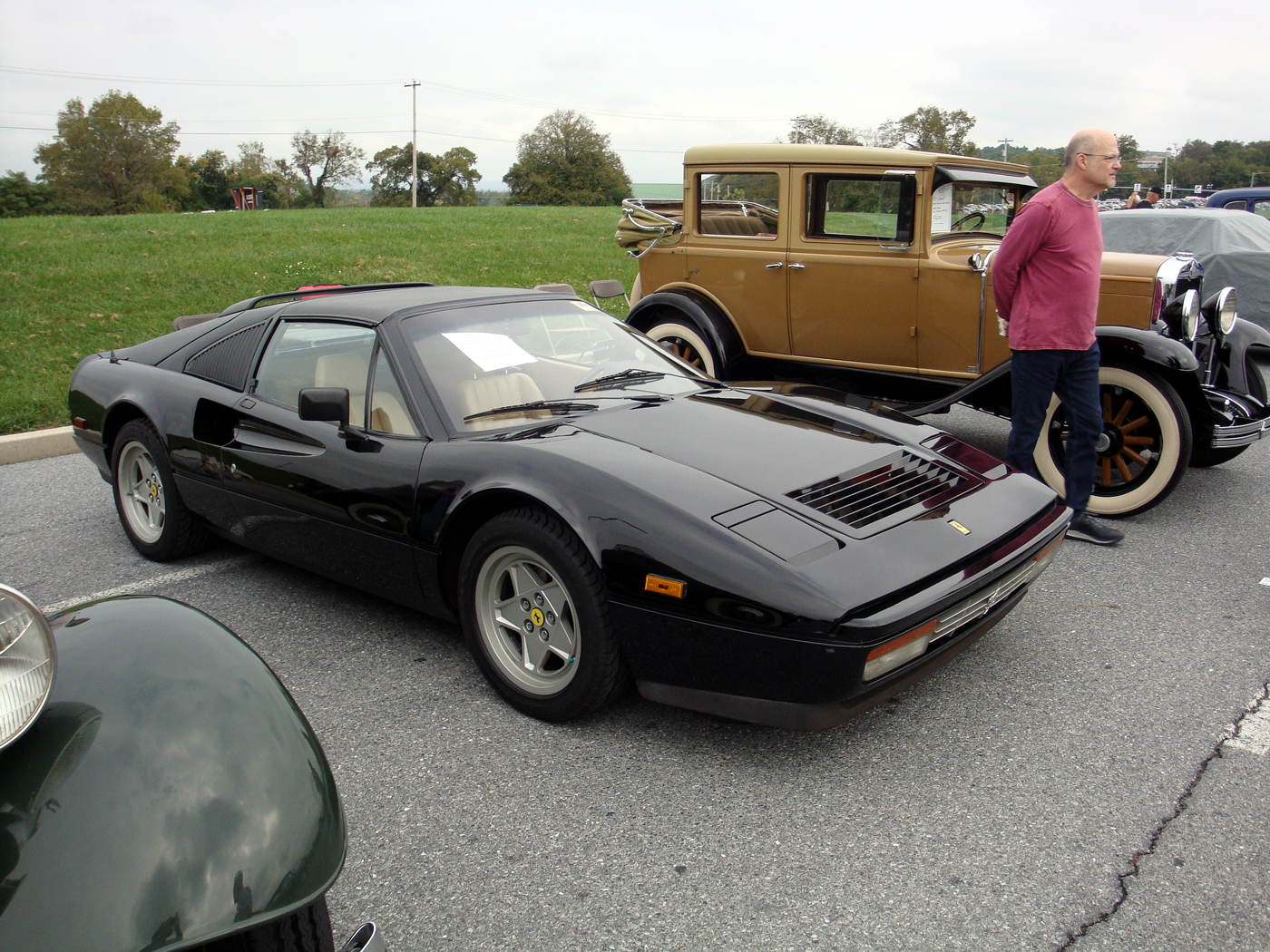
Even Ferraris can be found.
There is some hand-wringing about that, but I am not overly worried. My crystal ball was recalled, but I have a few hunches. One year, I saw a race inside the Hershey stadium of High-Wheel cars, made around the turn of the (last) century. The owners were almost as old as the cars. I doubt if I will see that again. Brass era cars and cars recognized by the Classic Car Club of America will likely go to private collections and private museums and will sometimes be visible on the show circuit, but not as much as now. While this is an old truism, that may not even be true, new collectors typically start with cars that they wanted when they were in High School. The day after the Hershey show, I attended a small show in Briarcliff, N.Y. With a couple of exceptions, everything on display was from the eighties and nineties. The judge’s choice was a Plymouth Prowler, which to my mind is a new car. I don’t think of these cars as old, but a car built in 1980 is 41 years old.
Is there hope for the future?
There are many great cars still being discovered and coming to light, and we see amazing restorations of cars that would never have been saved in the past. There are many talented restorers and vendors and suppliers that just did not exist 50 years ago, and today there is a whole industry and ecosystem supporting it. Just look in Hemmings. Part of this is due to the extraordinary price increases in collectible cars, which has happened in the last ten or fifteen years.
The people who attend Hershey are more down to earth, shall we say. The cars for sale are mostly affordable. You just have to supply the drive, dedication, passion, enthusiasm, will power, and talent. I think there are plenty of people out there who can do just that. You will see them at Hershey. Below, a few of my favorite photos from the meet. Call it Hershey Light. (Now there is a great marketing idea for the company!)
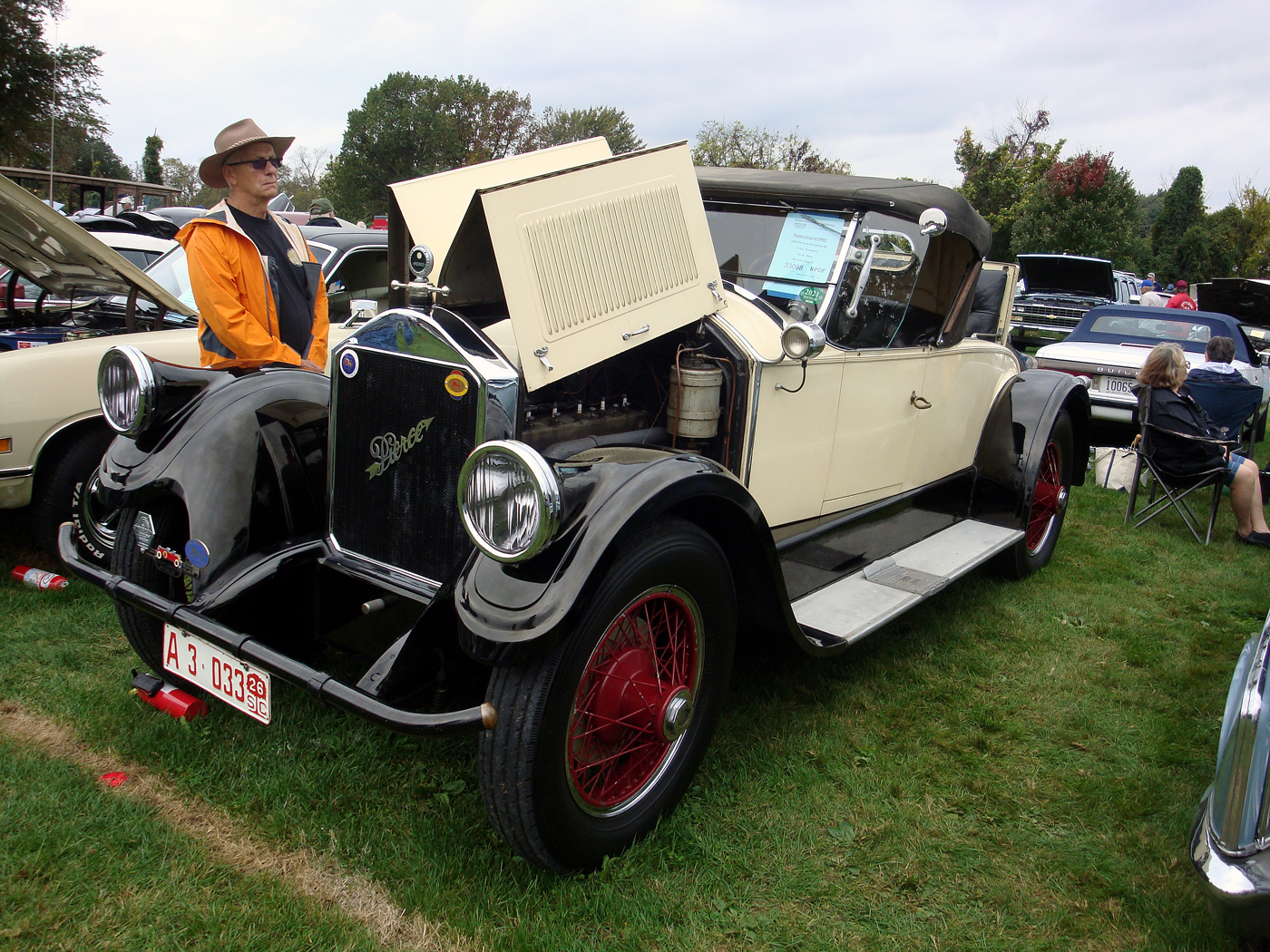
1926 Pierce Arrow. Pierce is considered one of the greatest American marques, recognized as a Classic TM by the Classic Car Club of America. Pierce built cars, and many other things, in Buffalo, N.Y. from 1901-1938. Pierce was the first official car at the White House.
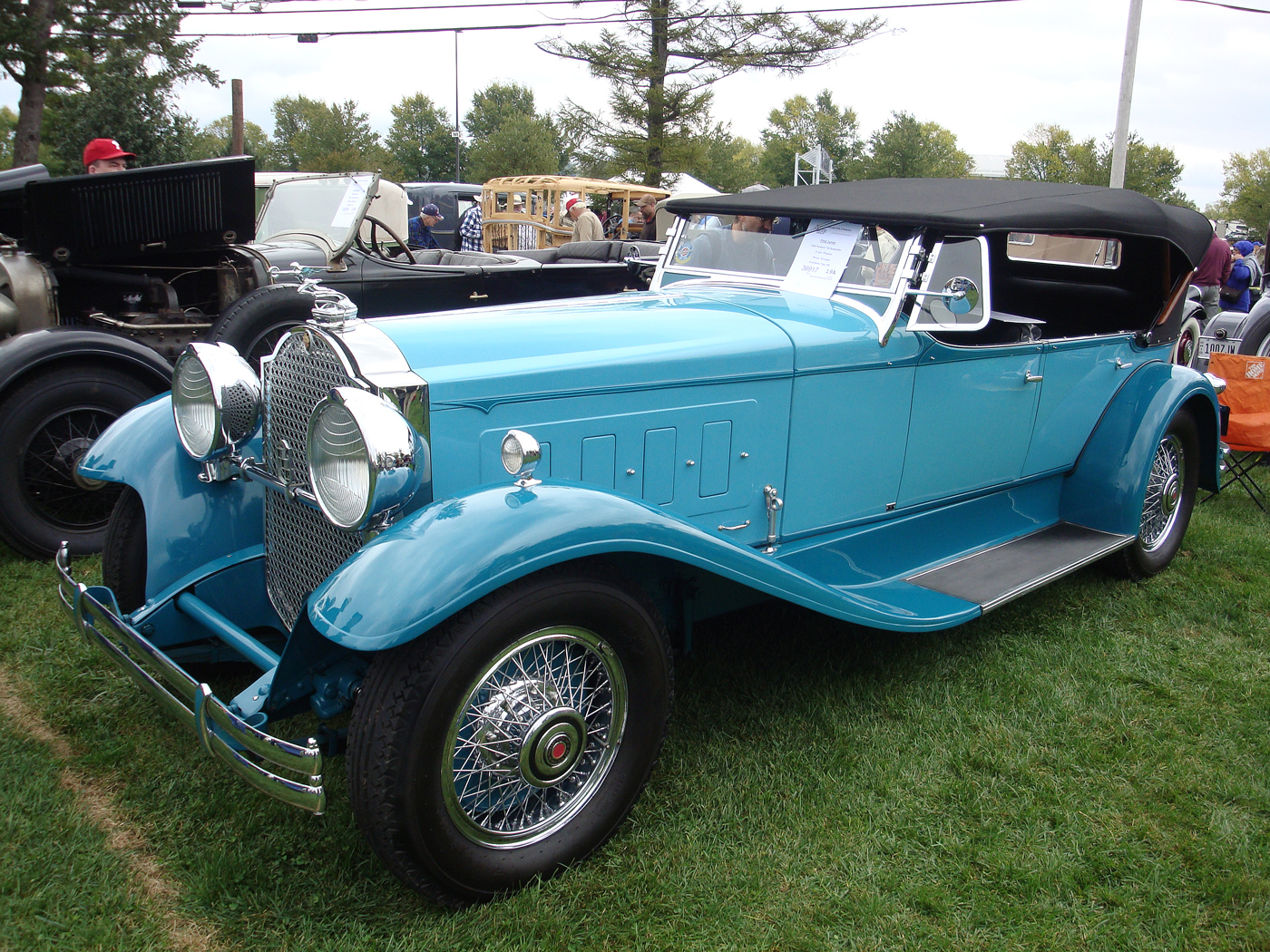
1932-Packard. Many people, including me, consider Packard the greatest American marque. Packard built cars from 1899 until 1956. Also recognized as a Classic TM by the CCCA. In fact, when I joined the club in 1966, it was jokingly referred to as “The Old Packard Club.” Today, there are two main clubs: Packard Automotive Classics and Packard International.
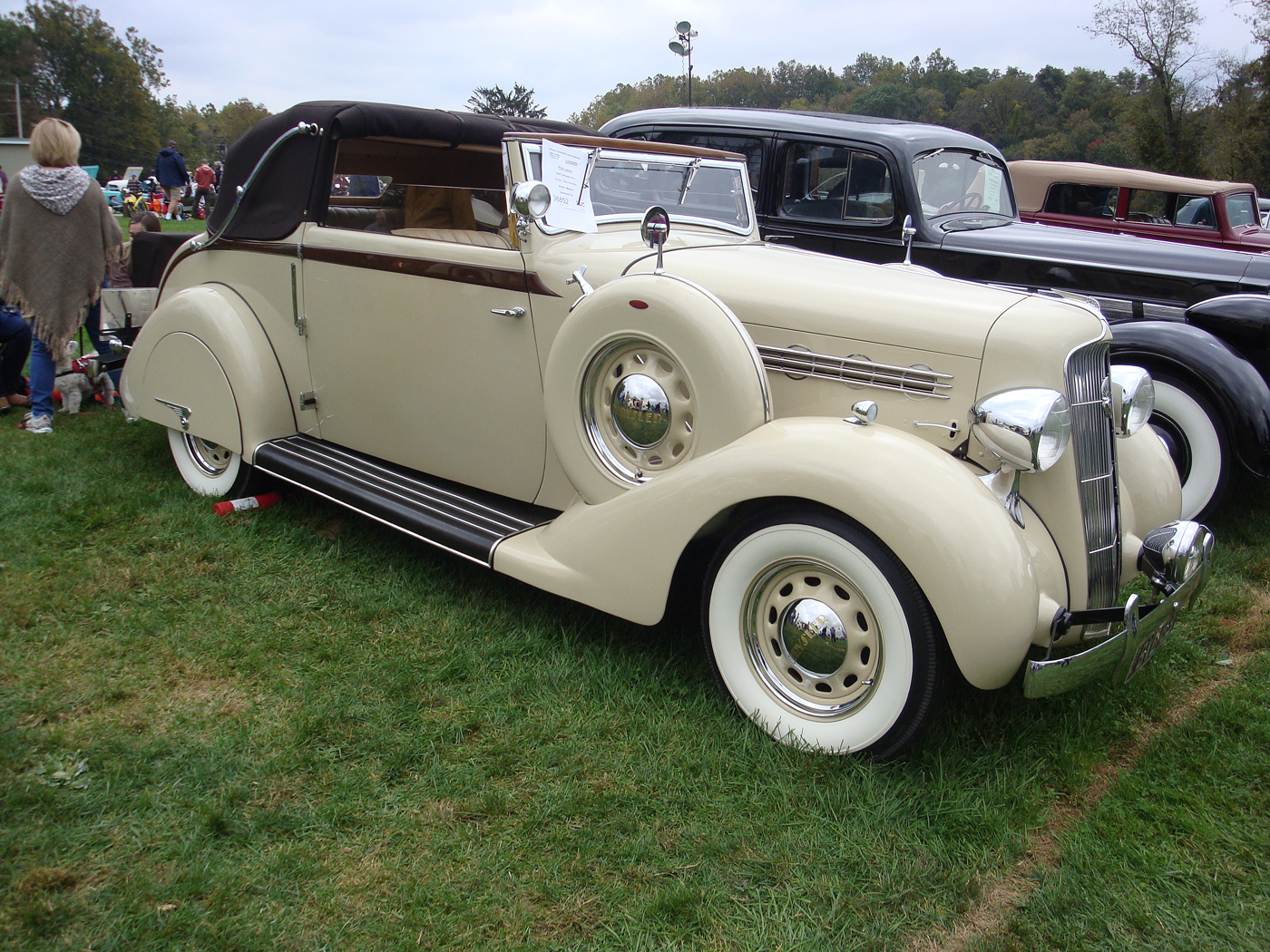
This is one of those rare finds that you would never see except at Hershey and a major concours. It is a 1935 Chrysler PJ-6, with a custom body built in England by Carlton Carriage Company. Carlton was located in London and is best known for bodies on Bentley and Rolls Royce chassis int he 1930’s. It was started in 1924 but the war put paid to the new car business and it closed in 1939. However, after the war they rebodied prewar Rolls Royce cars until 1965.
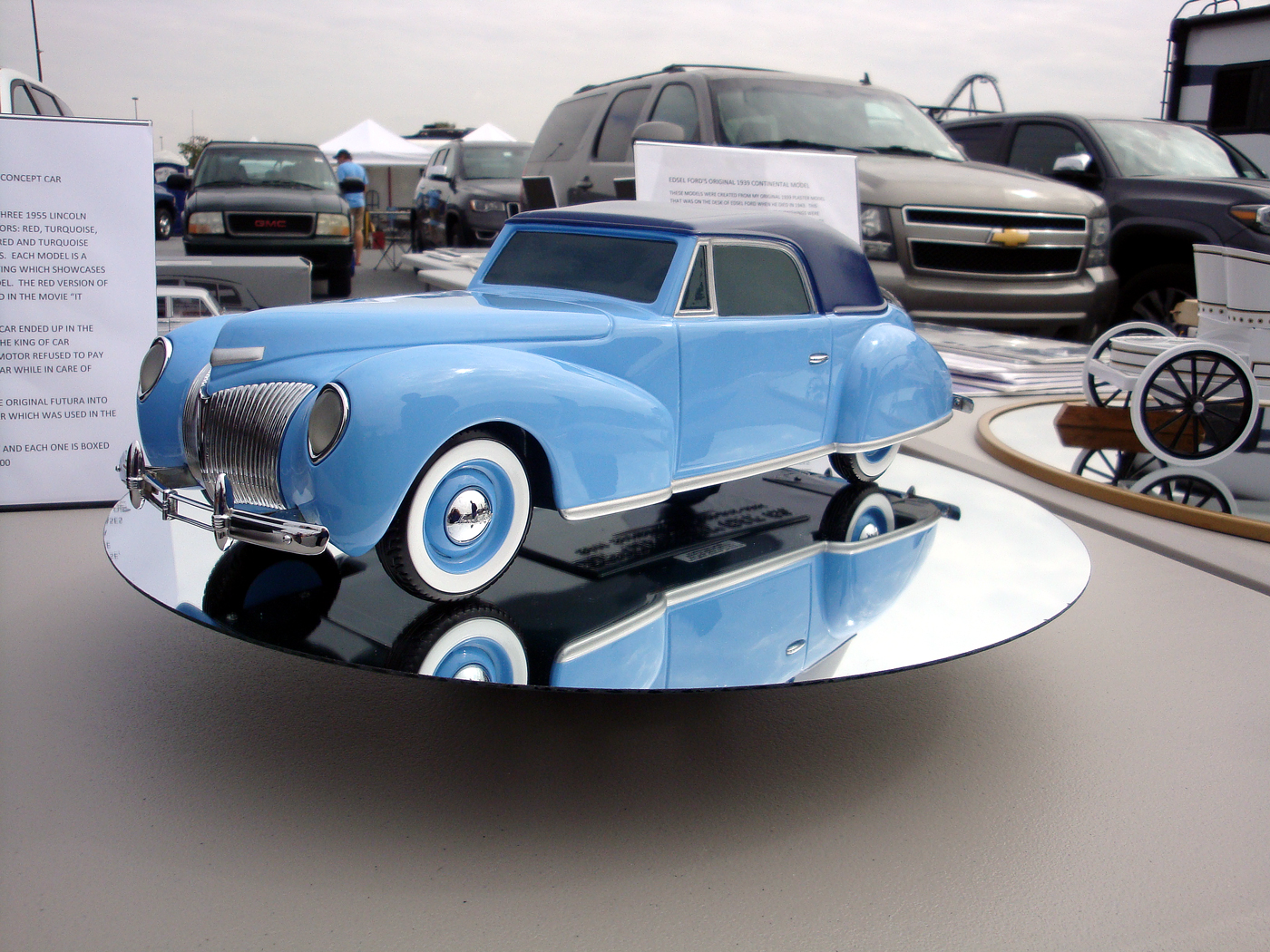
Another thing that you will find at Hershey is a vast network of people who work in all aspects of the old car world. Here, I met Samuel M. Sandifer, Jr., museum director of the National Museum of Automotive Design, located in Wilson, N.C. He had a compelling display of models, including this one, which I believe is the original model that Edsel Ford had made for the first Continental. An extraordinary piece.
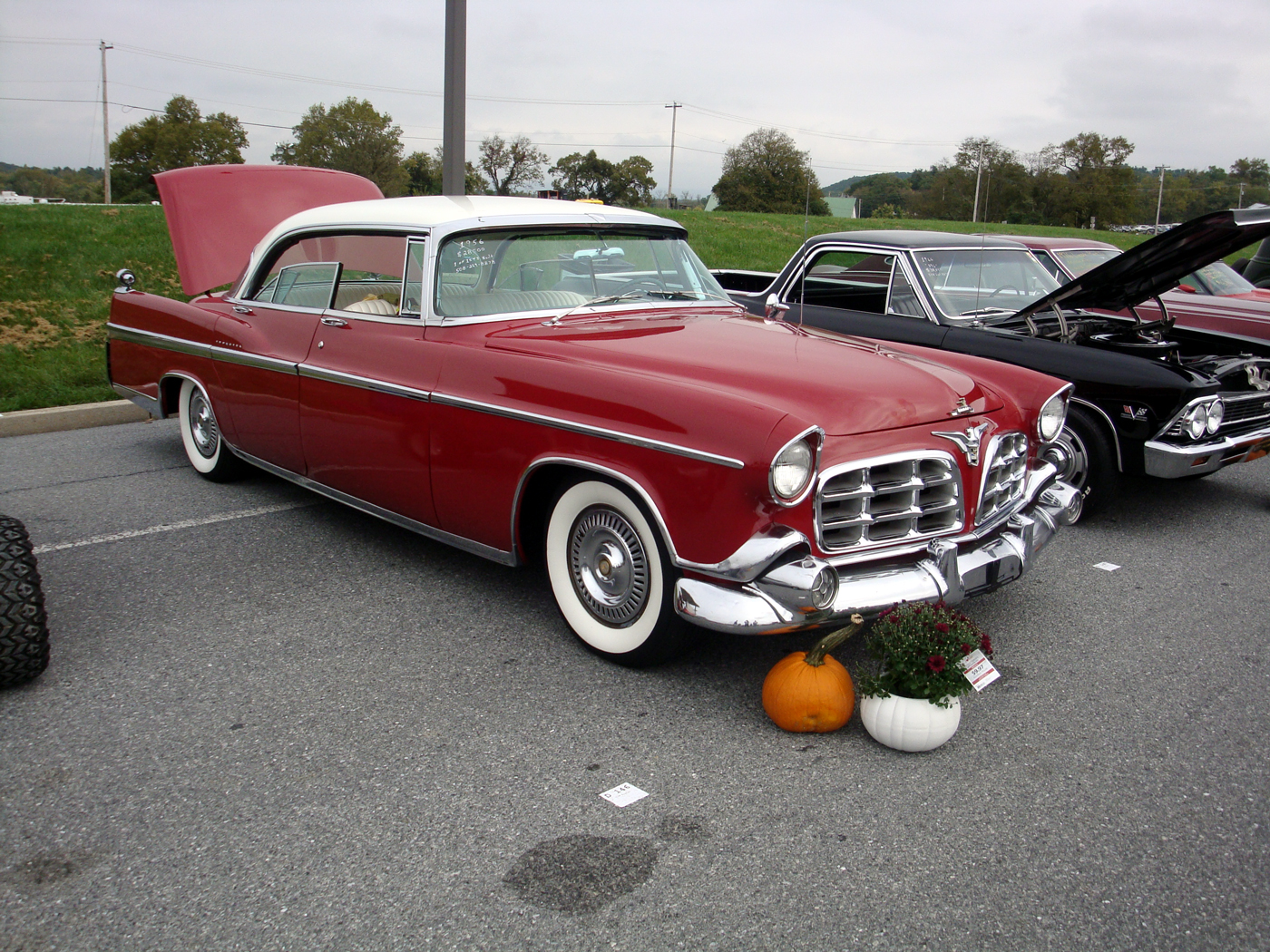
1956 Imperial. I am partial to this car, having owned one myself, which is currently being restored in Lithuania. A wealthy buyer in 1956 would have had a tough choice between this and the Lincoln, Packard, and Cadillac.
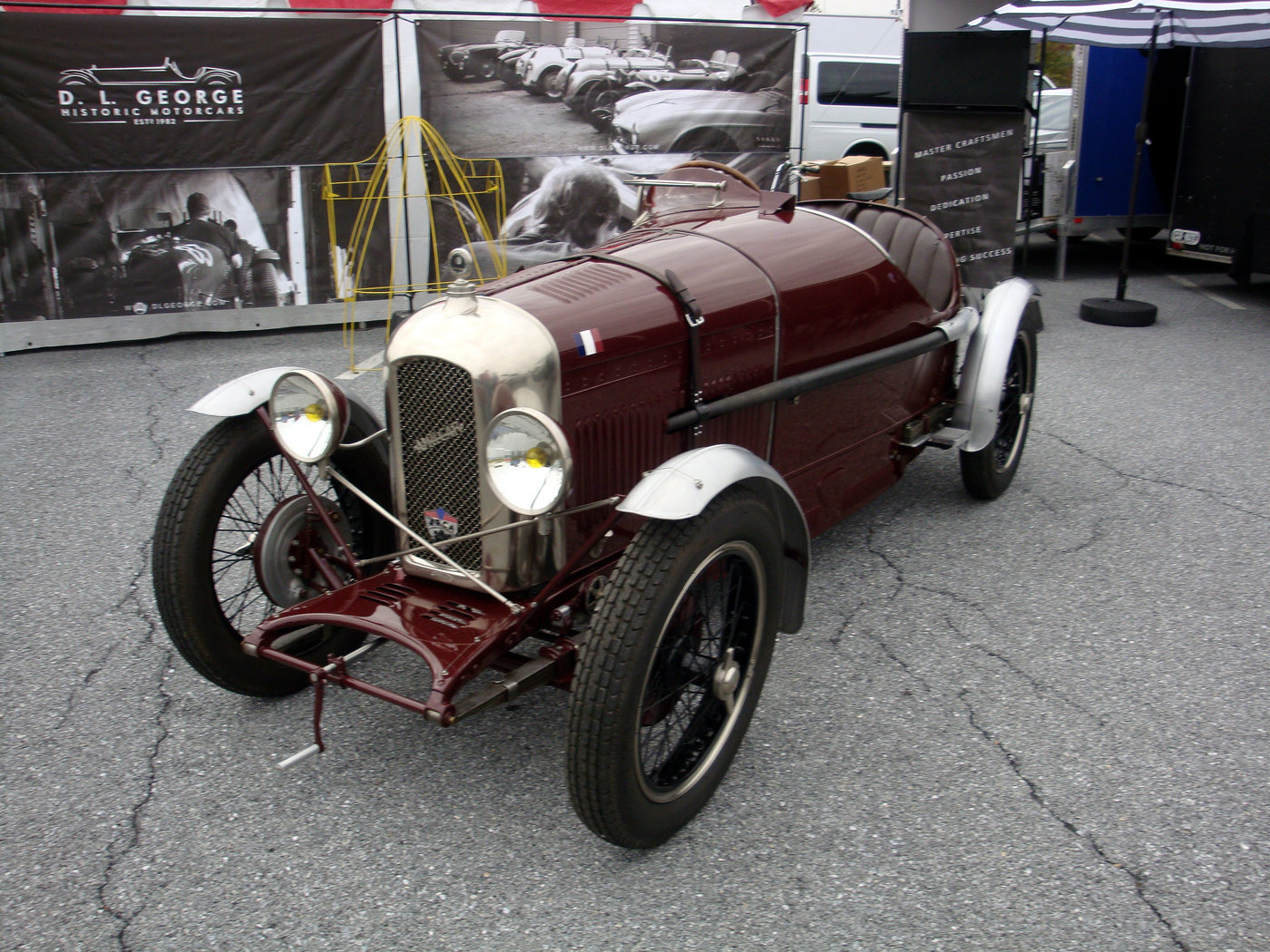
Here is a famous French marque, made in Saint-Denis (Paris) from 1921-1940. It is classified as a “sporting voiturette” and was quite successful in competition, including the 1922 1100 cc. Class Champion of France. The CGS model was made from 1924-29 and dominated its racing class so well that it was made under license in Italy and Germany. One of the most desirable French cars of the interwar period.
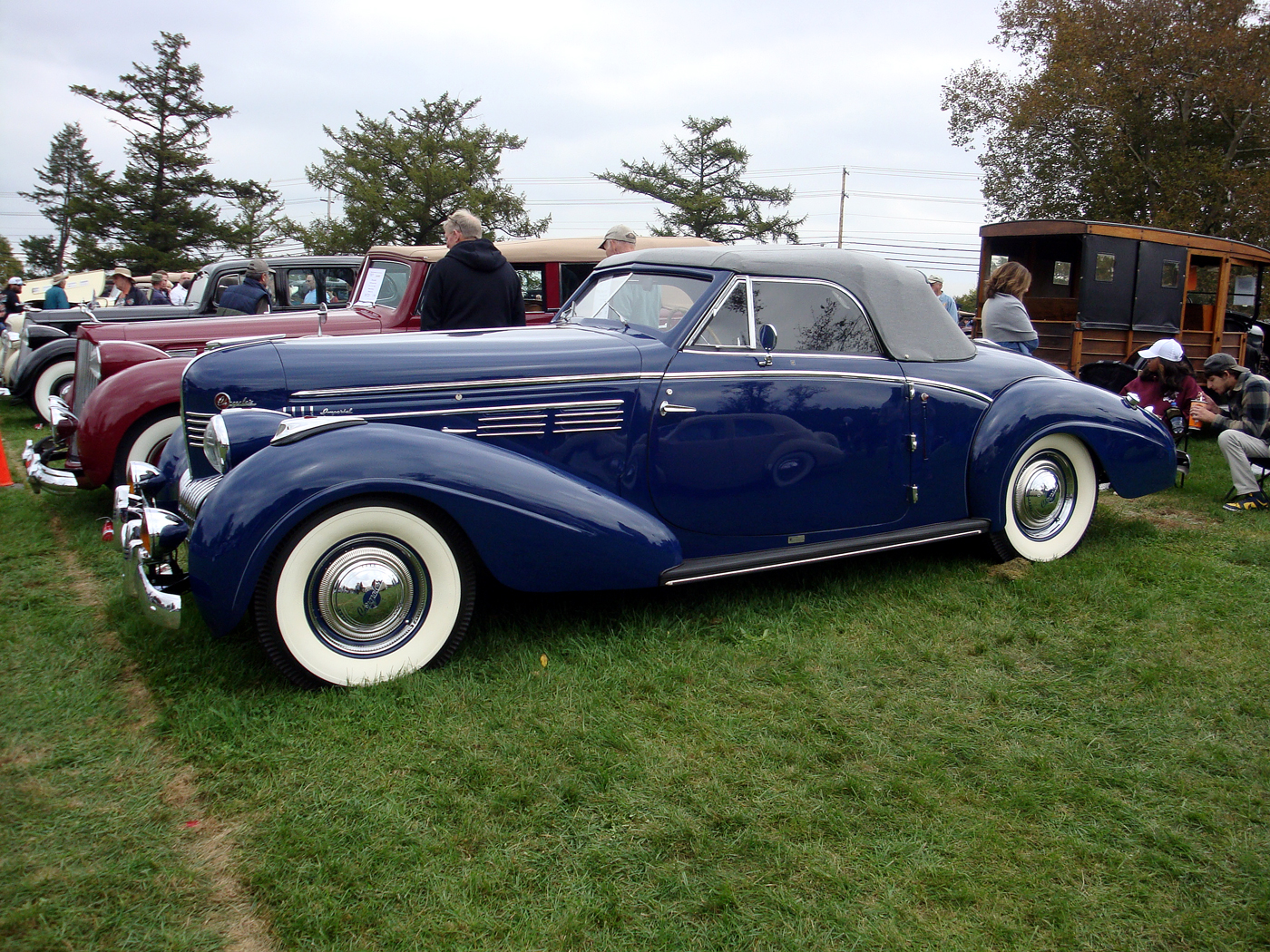
1939 Chrysler Imperial Pourtout. Here is the car that most impressed me at the judging, because it was bodied by Carrosserie Pourtout in France.
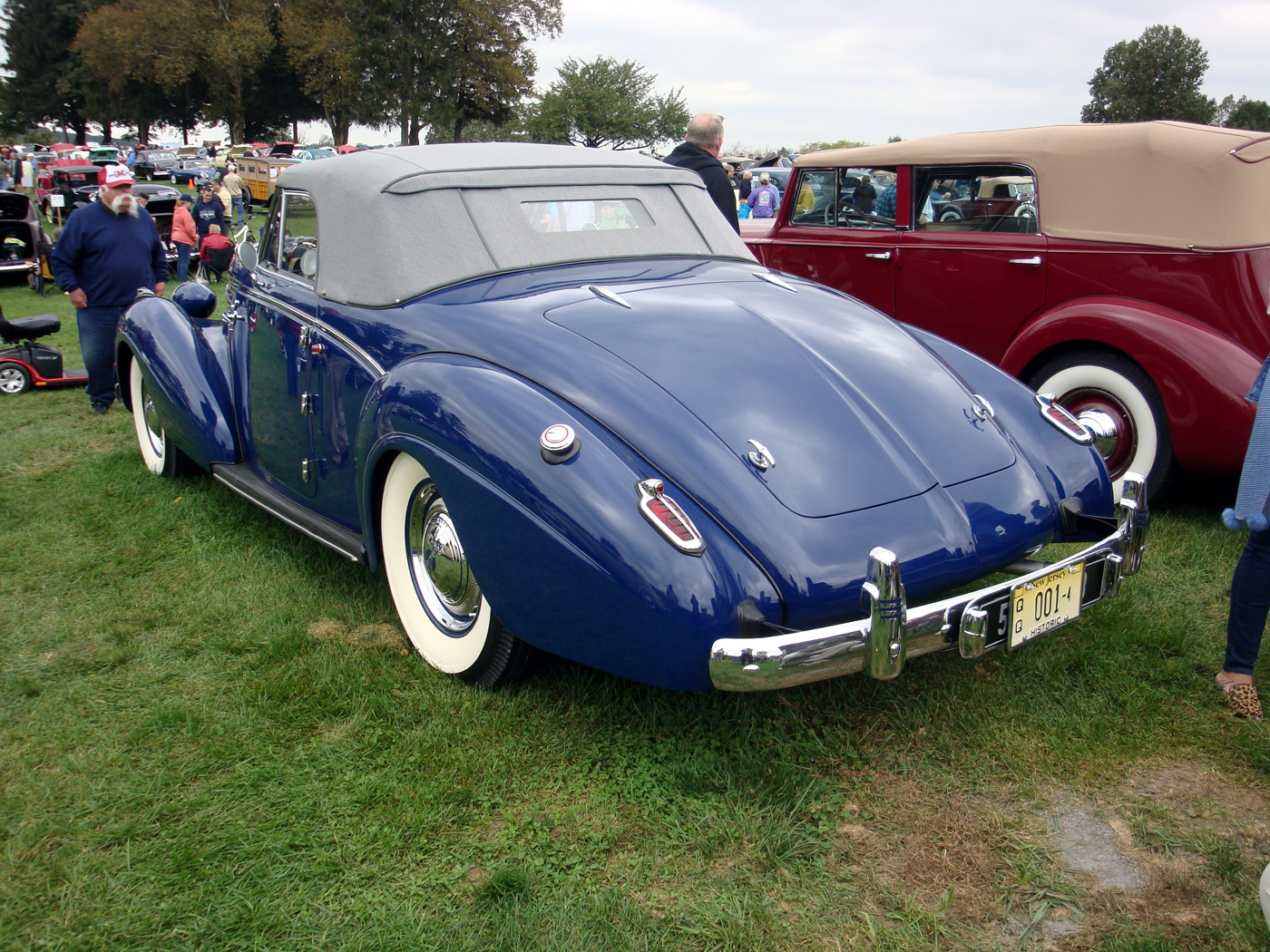
Rear view. Pourtout is of course best known for aerodynamic and sporting bodies, including the Peugeot “Eclipse” retractable hardtop and Darl’mat, and because from 1933 their chief stylist was the great Georges Paulin, executed by the Germans as a member of the French Resistance.
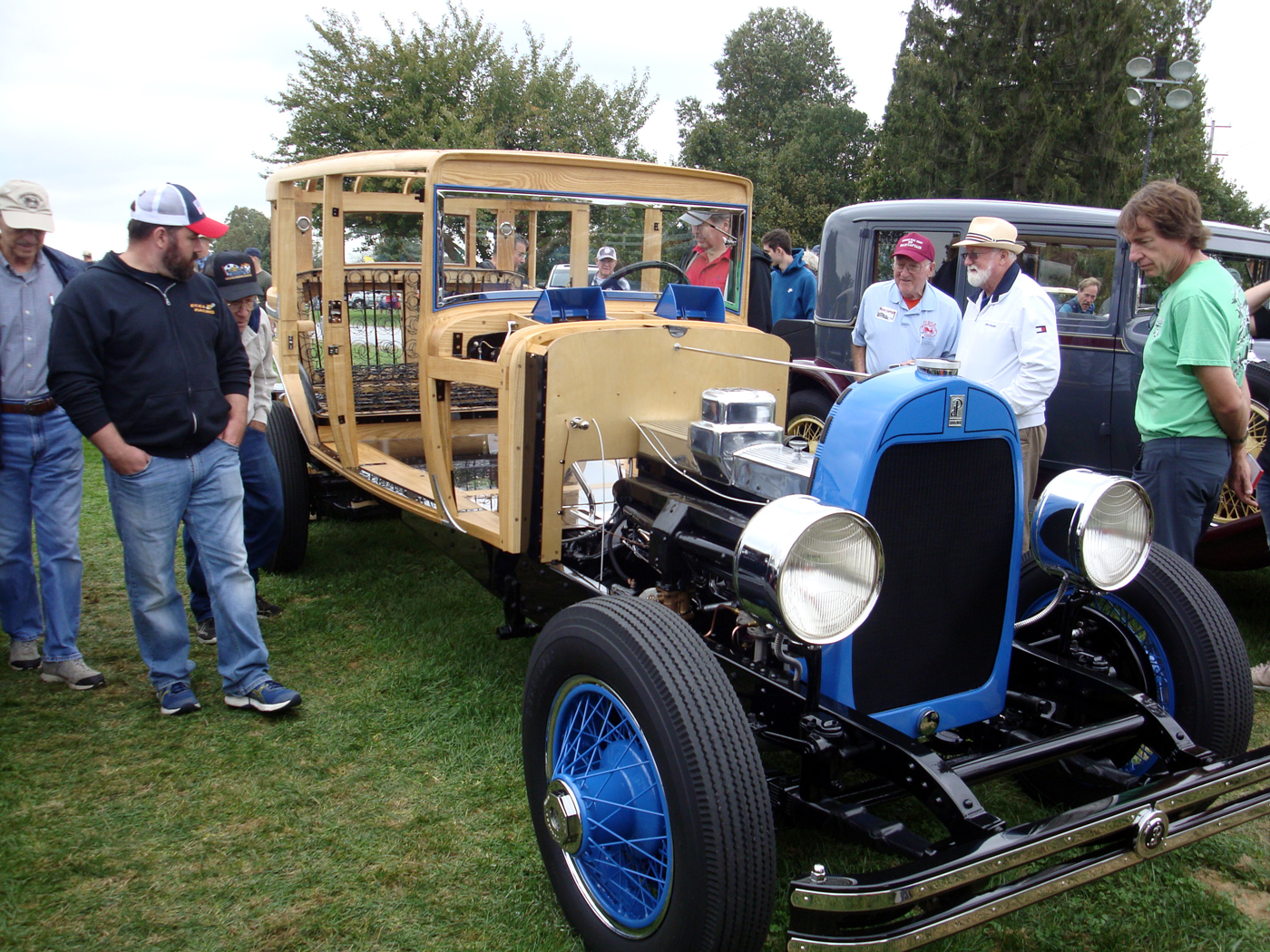
Dupont. Founded by a member of the Du Pont family to make marine engines during WW I, and after that, made 625 automobiles from 1919-1931. Also one of the greatest (and rarest) Classic TM cars, an extraordinary find anywhere, and perhaps along with Locomobile the ne plus ultra of the period.
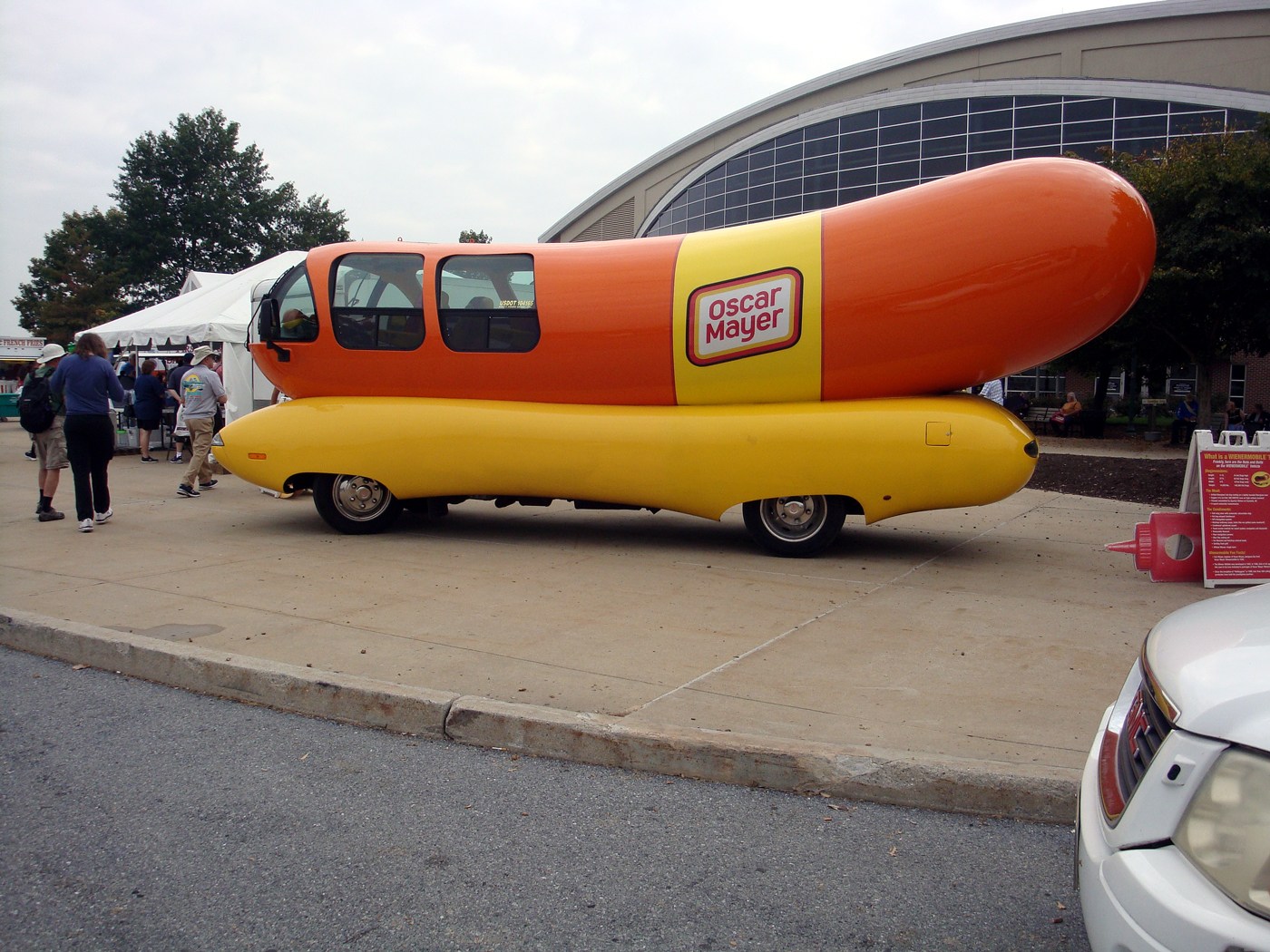
Wienermobile. No caption necessary. Pass the mustard.
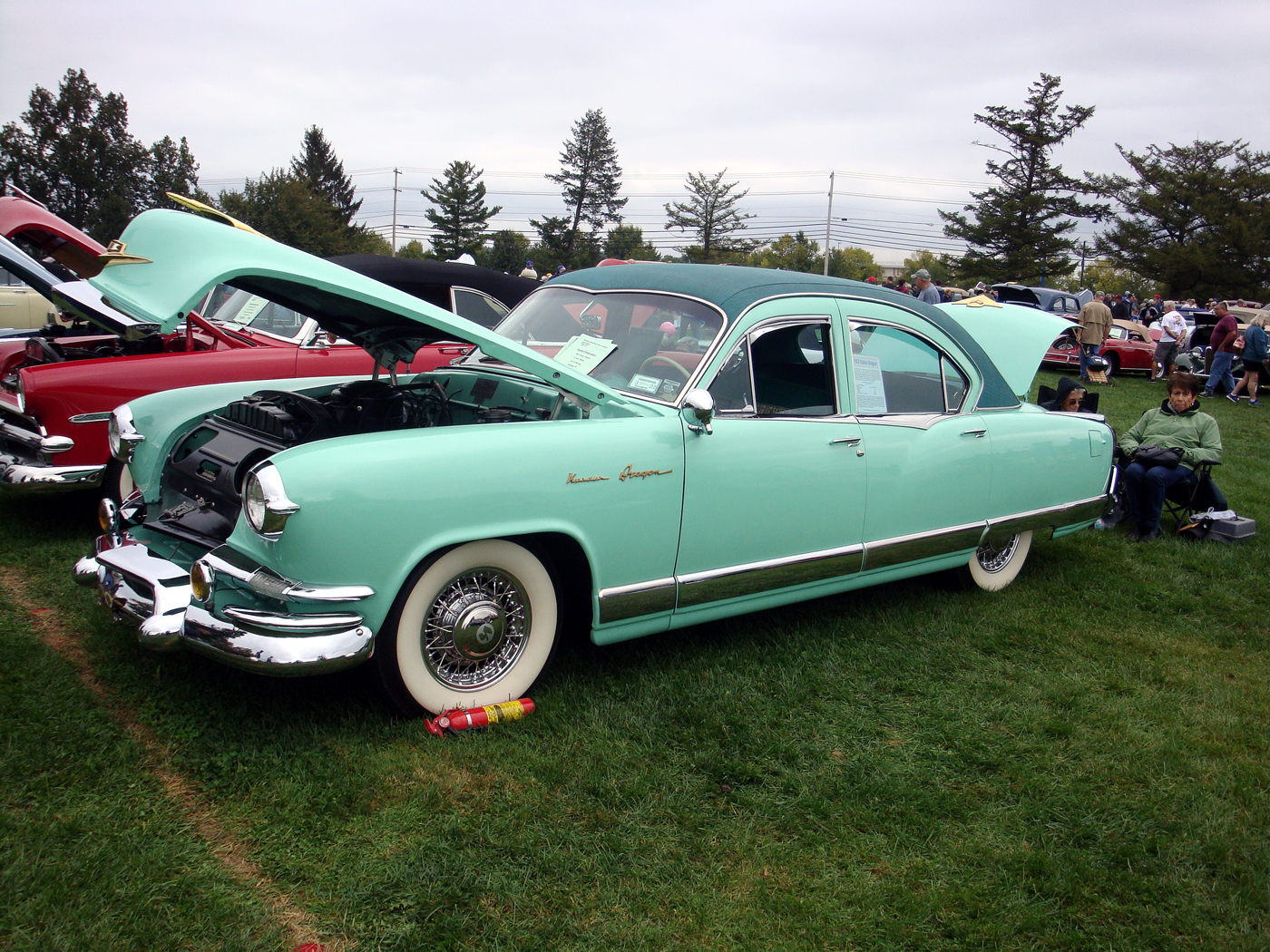
Kaiser Dragon. Perhaps the greatest industrialist of the twentieth century, Henry Kaiser is best known as the father of modern shipbuilding (once building a ship in 4 days), building the Hoover Dam (with others), and creating Kaiser Permanente, the first HMO and considered the premier HMO today, to keep his employees healthy and productive. Other activities included Kaiser Steel and Aluminum, and multiple other ventures, including manufacturing a car, and in 1953 buying Jeep. Cars were built from 1947 to 1955, and later in Argentina until 1961. The Dragon model is the top of the line and quite rare.
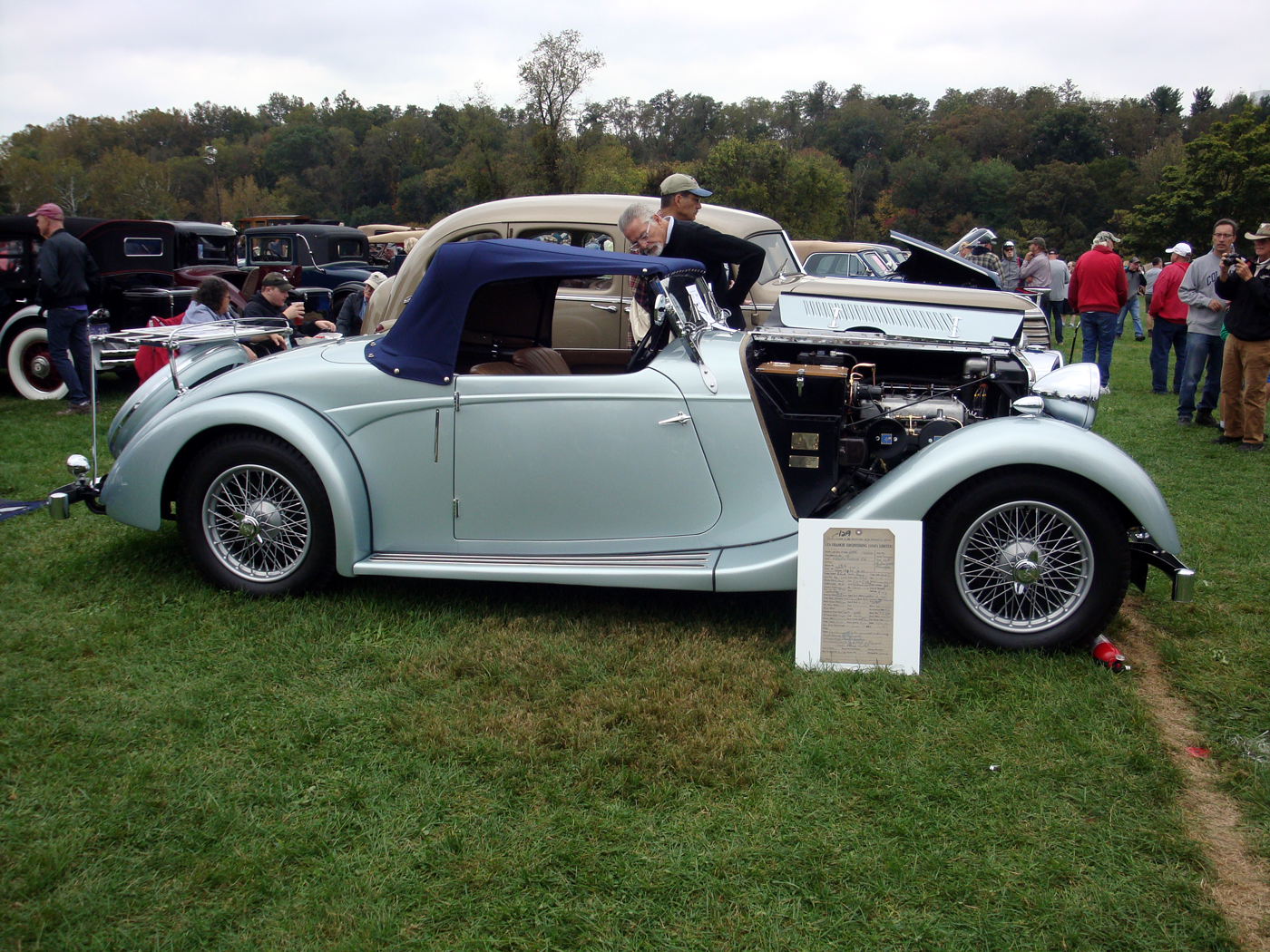
Lea Francis. Here is another car you would only see at Hershey or a major concours. The firm started in 1895 in Coventry, and closed in 1962. It is most famous for winning the 1928 Ulster TT, a race watched by 250,000 spectators, which gave it a sporting reputation. It would be unlikely to find another one in the U.S.
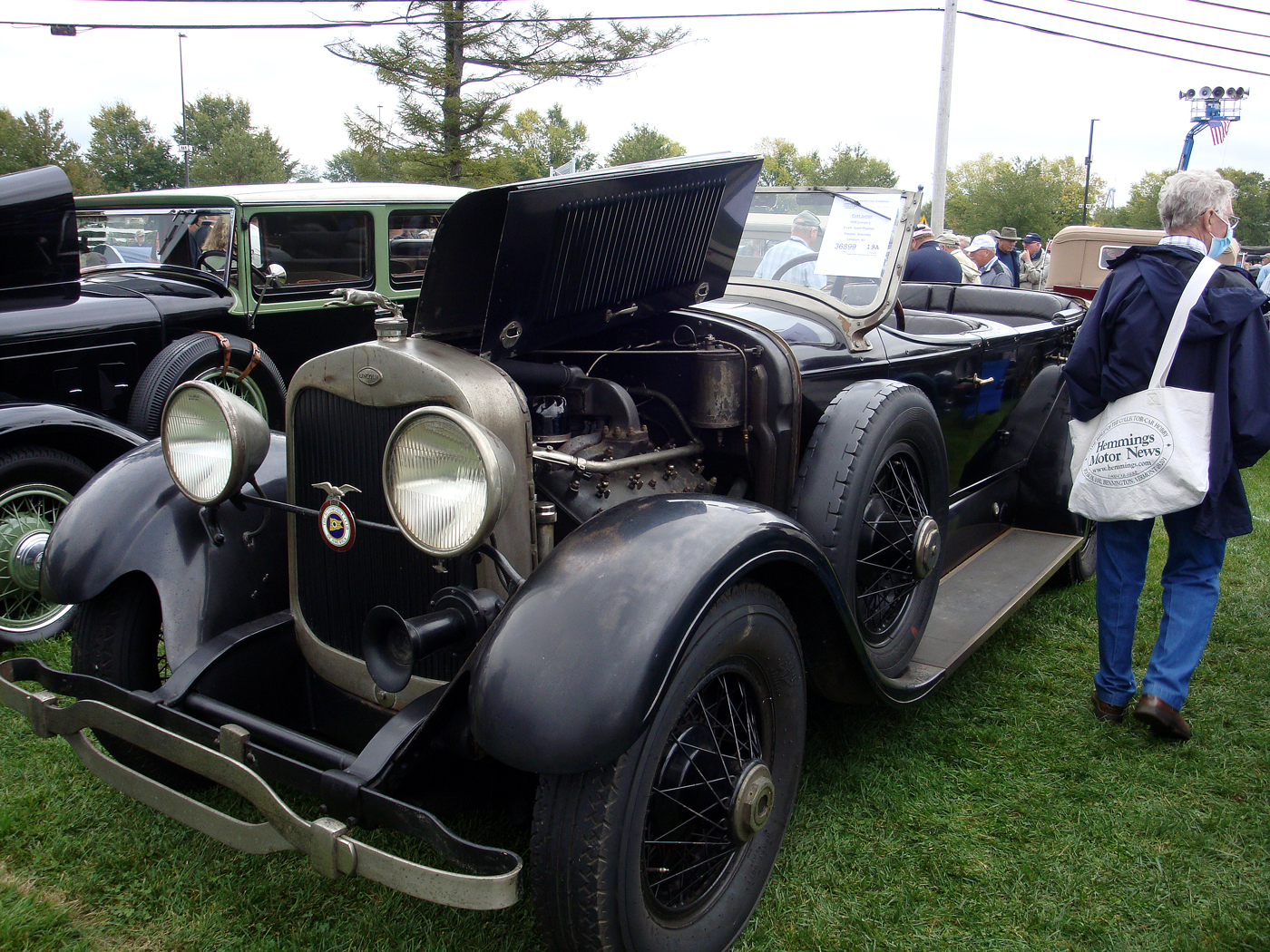
1930 Lincoln. Started by the great Henry Leland in 1917, Lincoln was acquired by Henry Ford in 1922. One of the greatest American cars, although Ford kept the factory body styling constant for the Model L over a ten year period, in line with Ford’s dictum on the Model T. However, many were custom-bodied.
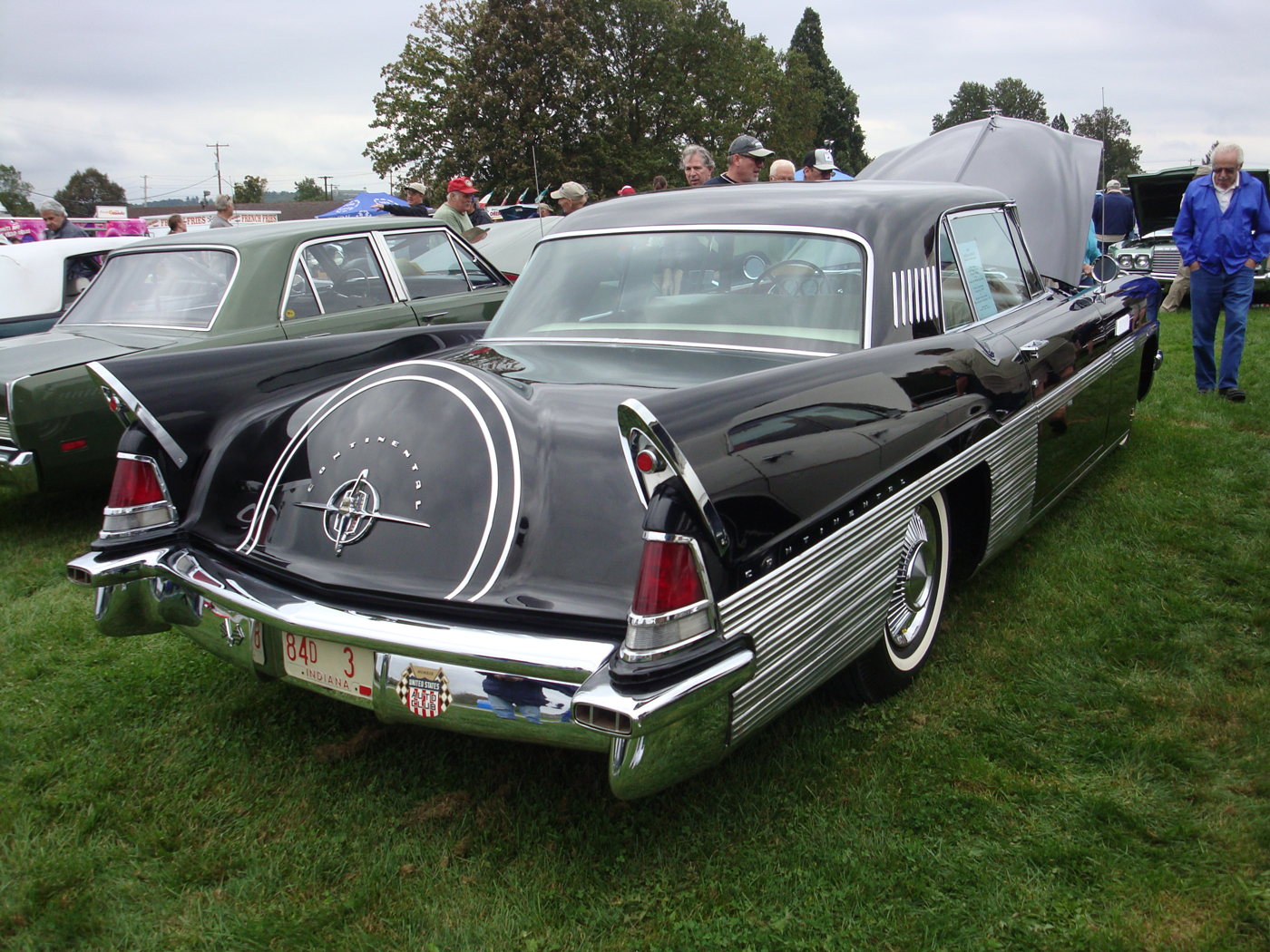
Somebody with too much money took one of the most attractive cars of the postwar period, a Continental Mark II, and did this. I will refrain from further commentary. A chacun son goût!
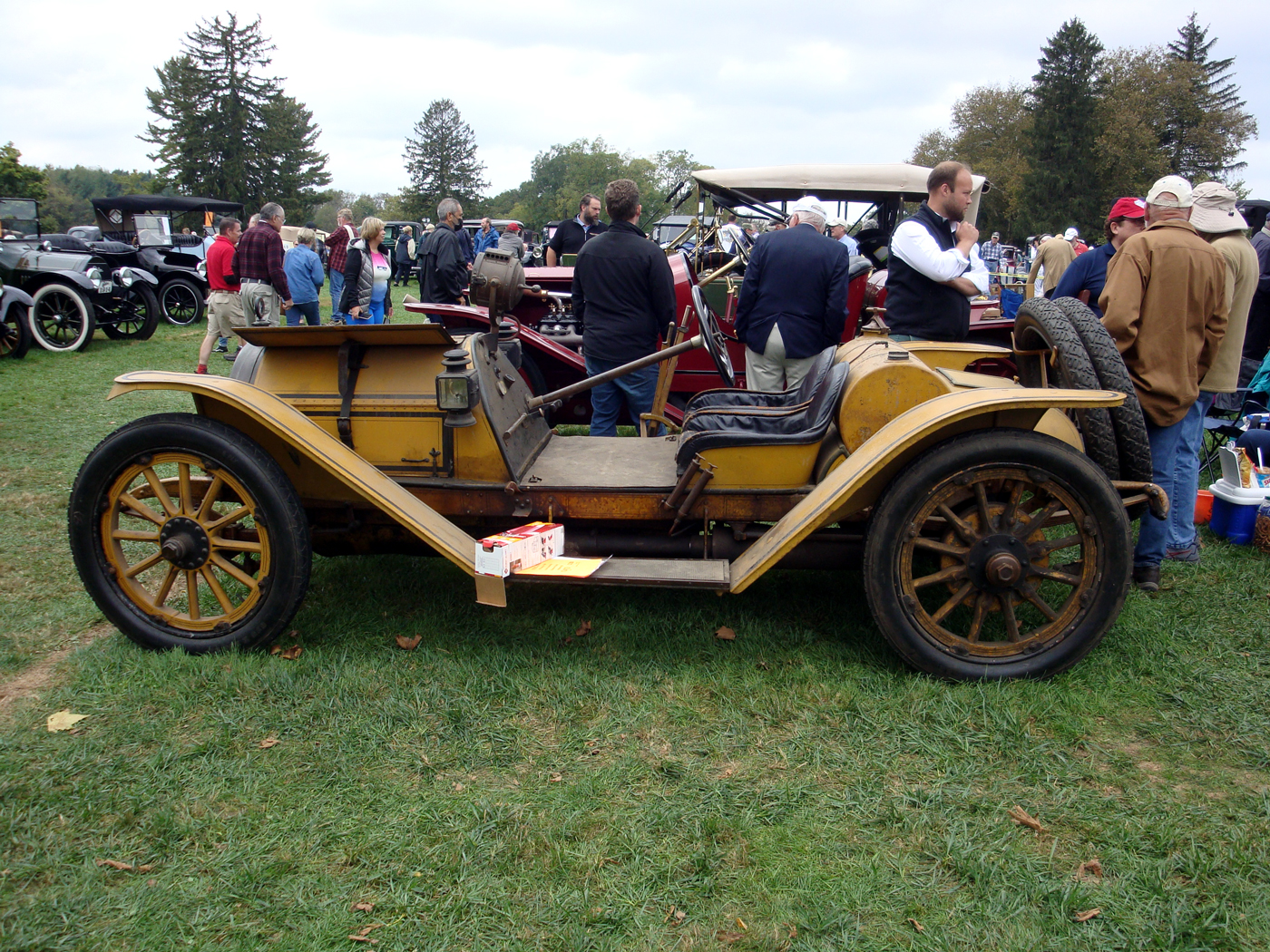
Mercer. Of course, Mercer and Stutz were the greatest racecars of the early twentieth century, and this is the kind of thing you will always see at Hershey.
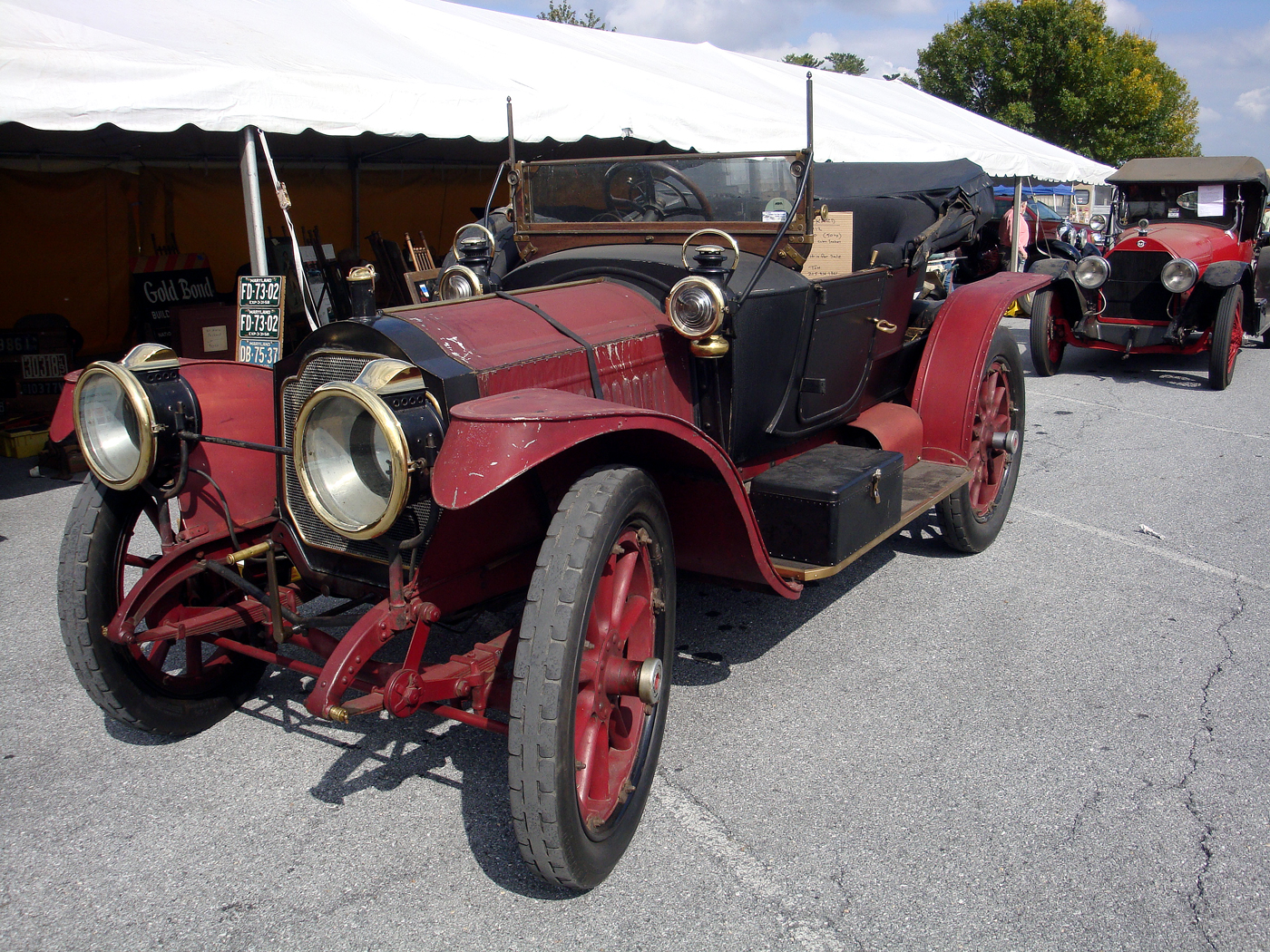
Here is a breathtaking Packard on a dealer space. The words “museum quality” come to mind.
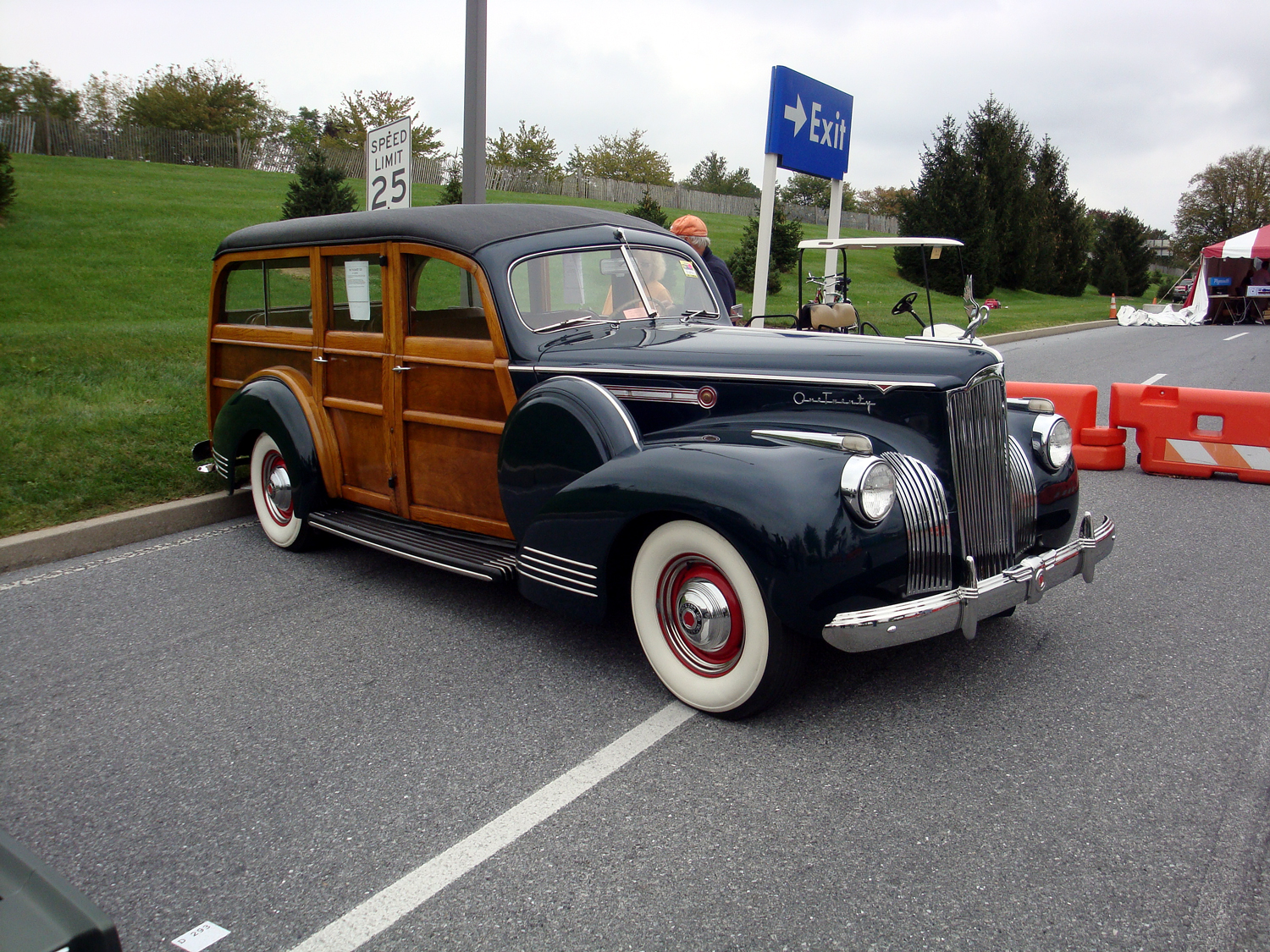
In 1939 the first Packard station wagons appeared in the Six model line and they sold 500 of them. In 1940 Packard introduced the model 120, and the Hercules Body Co. of Evansville, Indiana supplied the coachwork, made with birch and mahogany. It would appear to be one of the most difficult restoration challenges anywhere.
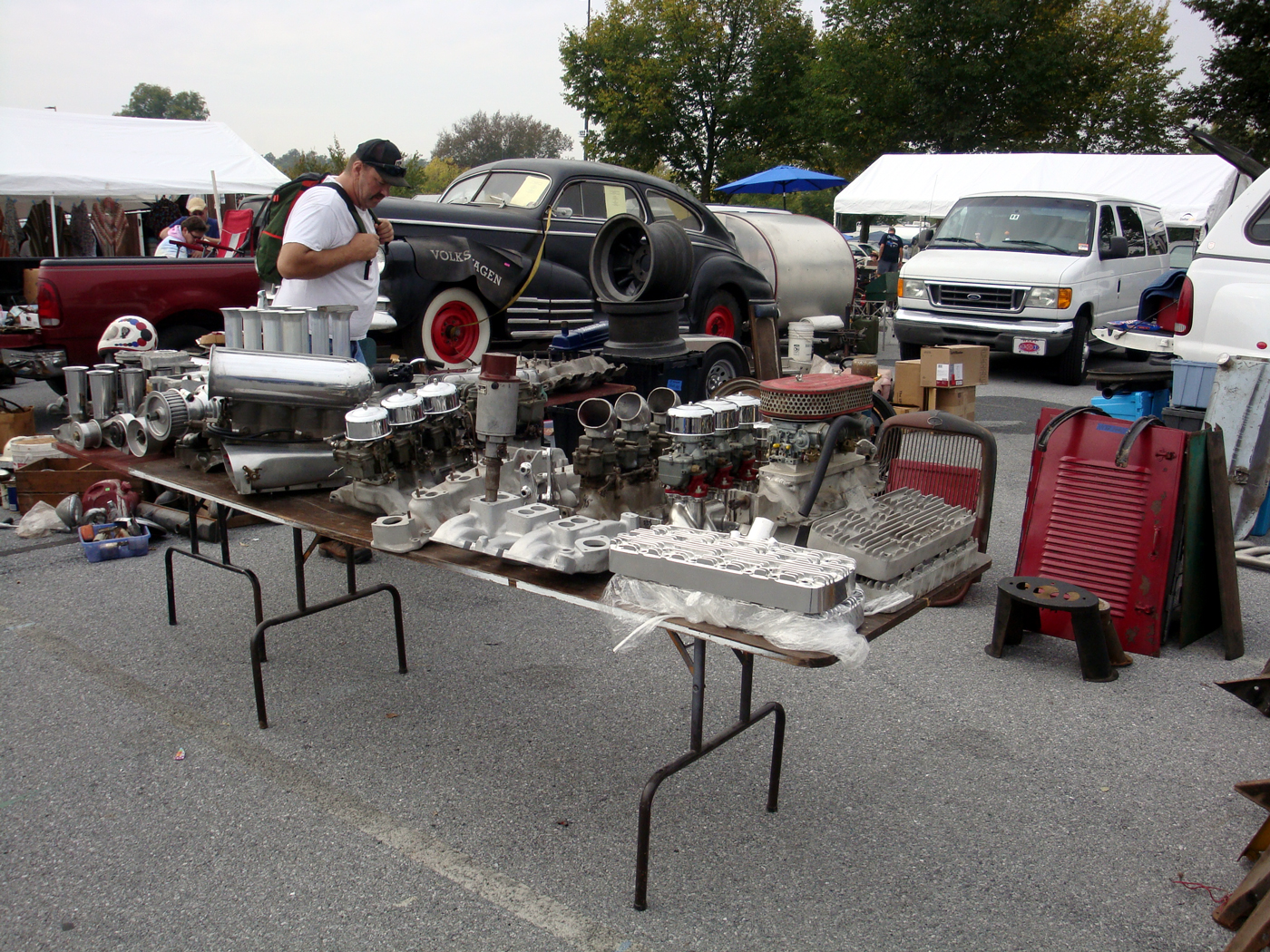
Parts, and parts, and parts.
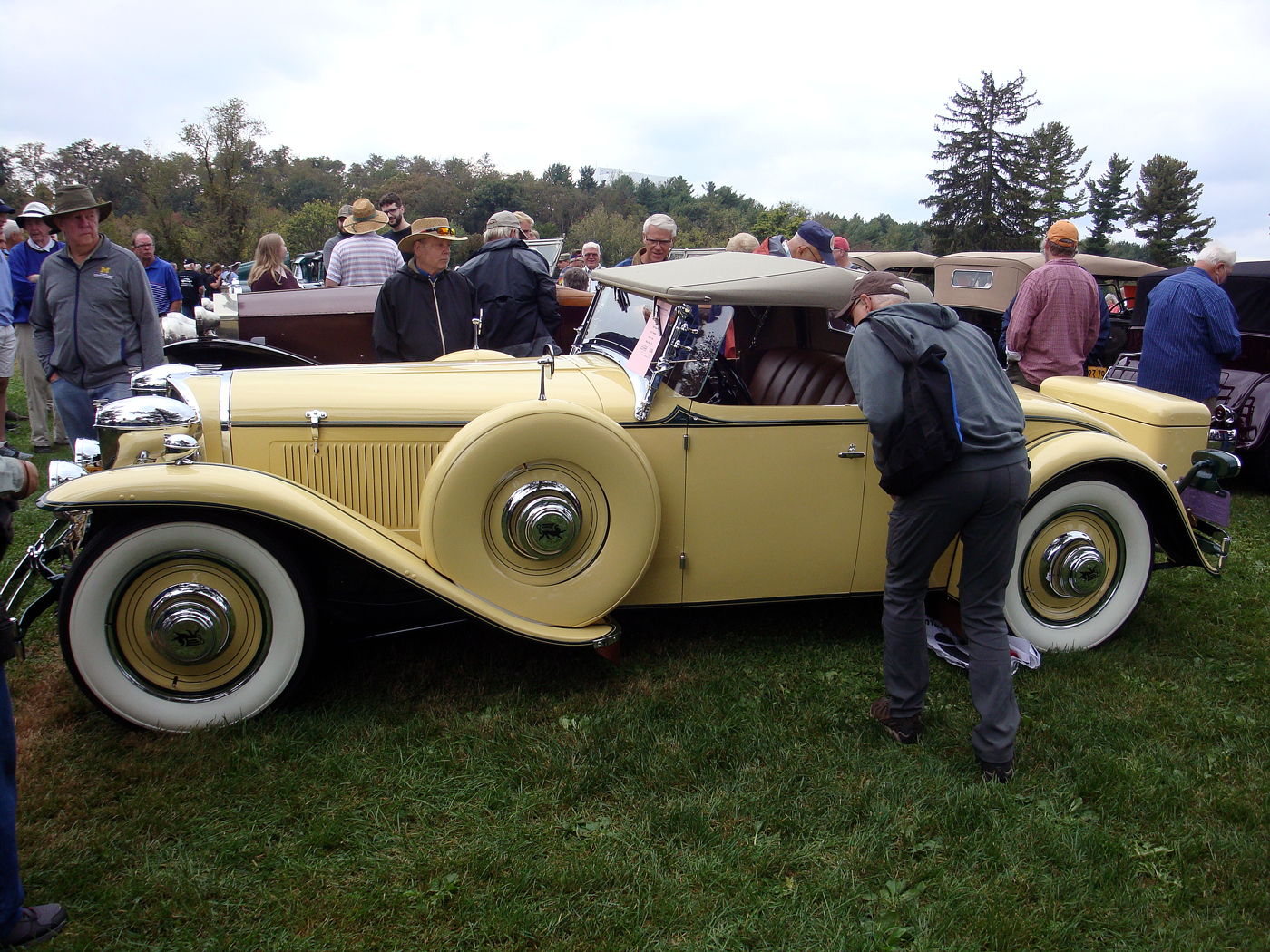
Other than a display at Pebble Beach some time ago, I cannot recall seeing a Ruxton, which went into production in 1930. Total production was only 96 cars, and this would be the hit of any concours.
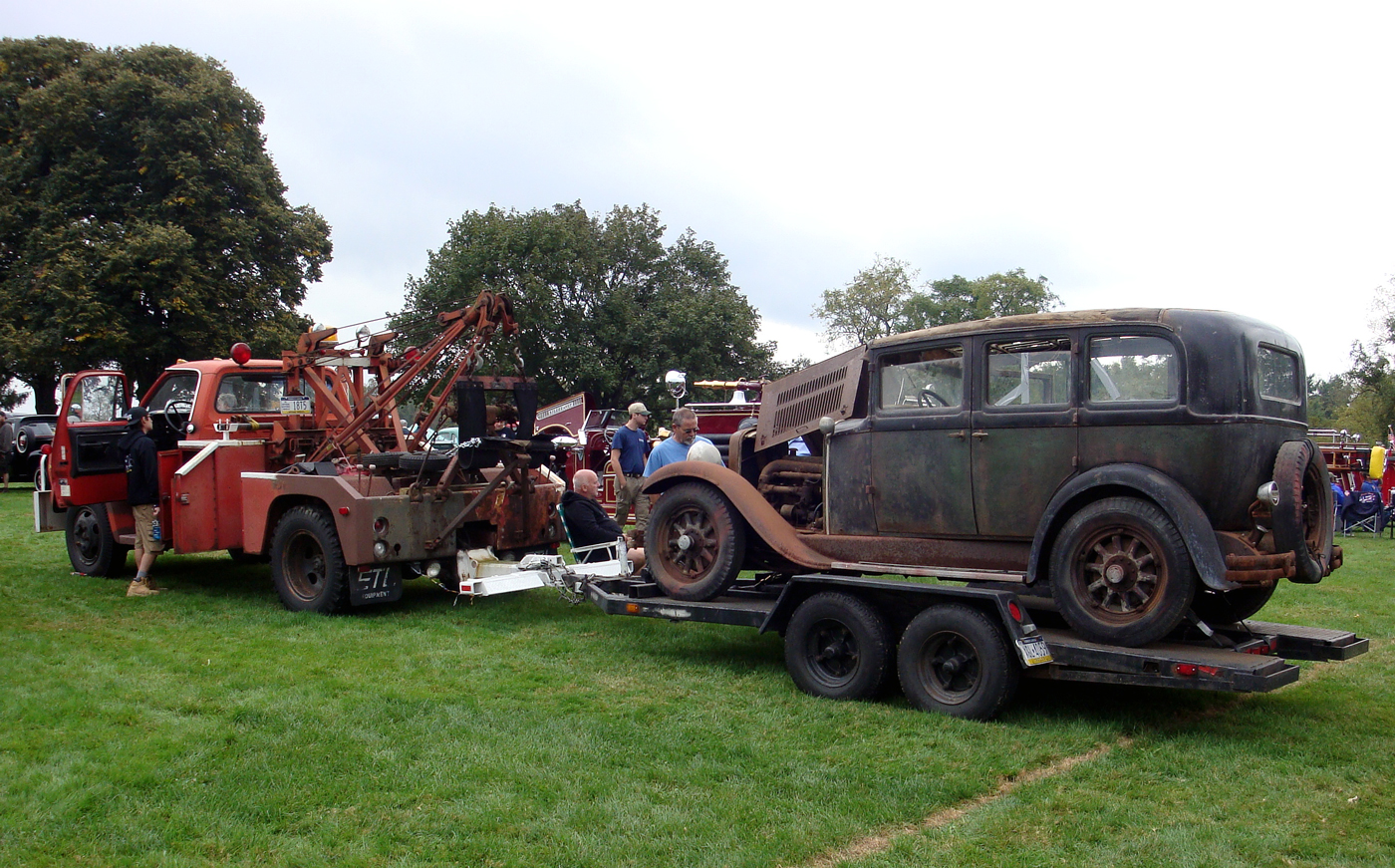
A common site amongst the 9000 flea market spaces.
Very interesting. Hope to go there with my friends next year!
I first went to Hershey in 1971 with my parents. My dad had a 1931 Pontiac two door. Through the 80’s and 90’s, it seemed like it was getting bigger and bigger every year. Just like me, Hershey is not what it used to be. Back in the 80’s long before the internet, Hershey was where the world came to see and buy old cars. The most exotic of the exotic was there. Now, you don’t see the Bugatti’s or the Ferrari’s at Hershey. From my point of view, (obviously limited) Hershey has turned into mostly a pre war Ford swap meet. Granted, there are still plenty of other cars there but over 50% of the parts are Ford. I’m not critical of this, as I’m building a Ford speedster. And I will always look forward to going as it’s a great time but as everything does, Hershey changes and evolves. And I certainly don’t miss the mud.
Brandes
As always very informative and well written!
Excellent photos & commentary, thank you! We are long-time Hershey enthusiasts, having started going there in the mid-’80s. We used to show our ’54 VW there, which eventually achieved First Junior & Senior, and then our ’73 Pinto Squire in HPOF for several years also. These days we vend in the Chocolate Field, and of course browse and socialize a lot too! Good times! Glad to see The Hershey Experience Return in 2021!
Thanks, now I cannot un-see that poor MkII. There’s a hint that the front end has suffered similar treatment – are there any shots of it online somewhere, maybe that you could post a link to as a comment?