Photos by Jonathan Sharp
In 2016, Jonathan Sharp made an intensive visit to the Schlumpf Museum, and returned with thousands of photos. This week we’ve selected just a few of our favorites taken from the several articles showing the treasures of the Schlumpf. And why? Because next week we are going to feature the work of Hugues Vanhoolandt, who recently had and exclusive visit to the 200 cars in the Schlumpf Reserve, not seen by most visitors to the Schlumpf. Sharp’s images below are taken from the regular display cars, but will serve to whet your interest in what’s coming up next week from the lense of Vanhoolandt.
At the end of this article you’ll find links to Sharp’s articles, as well as the story of Fritz and Arlette Schlumpf by Gijsbert-Paul Berk.
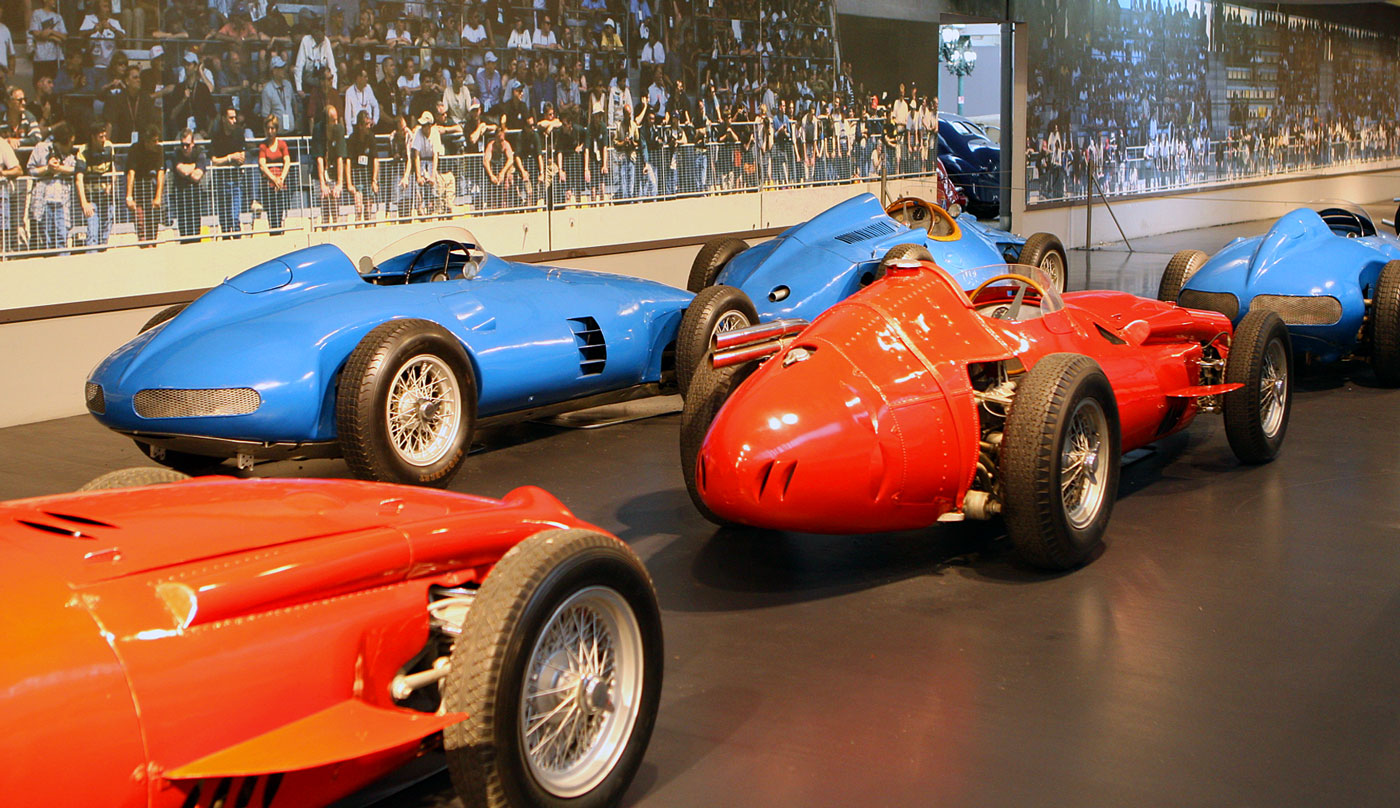
Always impressive is this lineup of Maserati, Ferrari and Gordini Grand Prix cars from the mid-1950s.
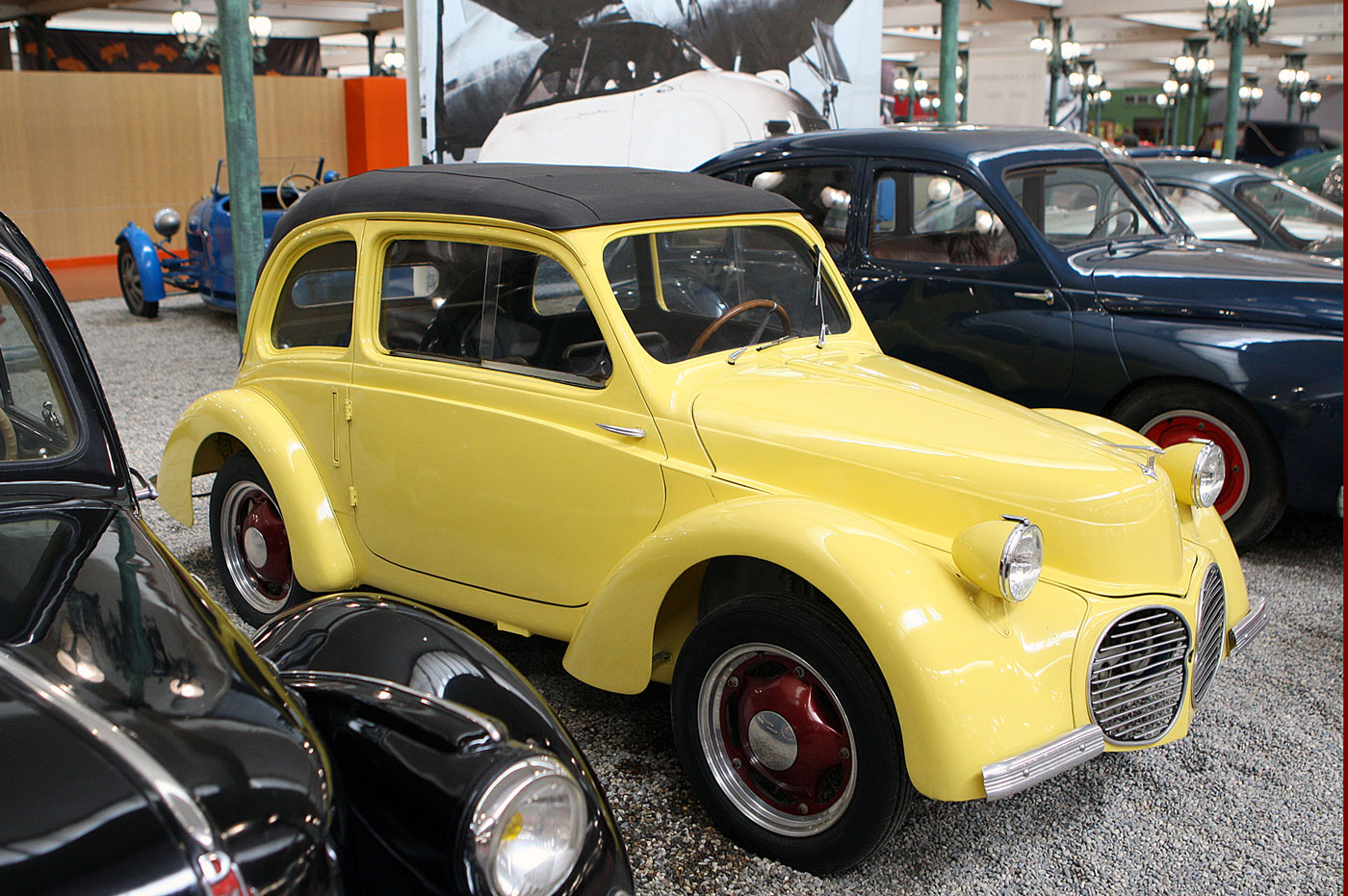
Yellow, rare and all-aluminum, the AFG-Gregoire was well ahead of its time.
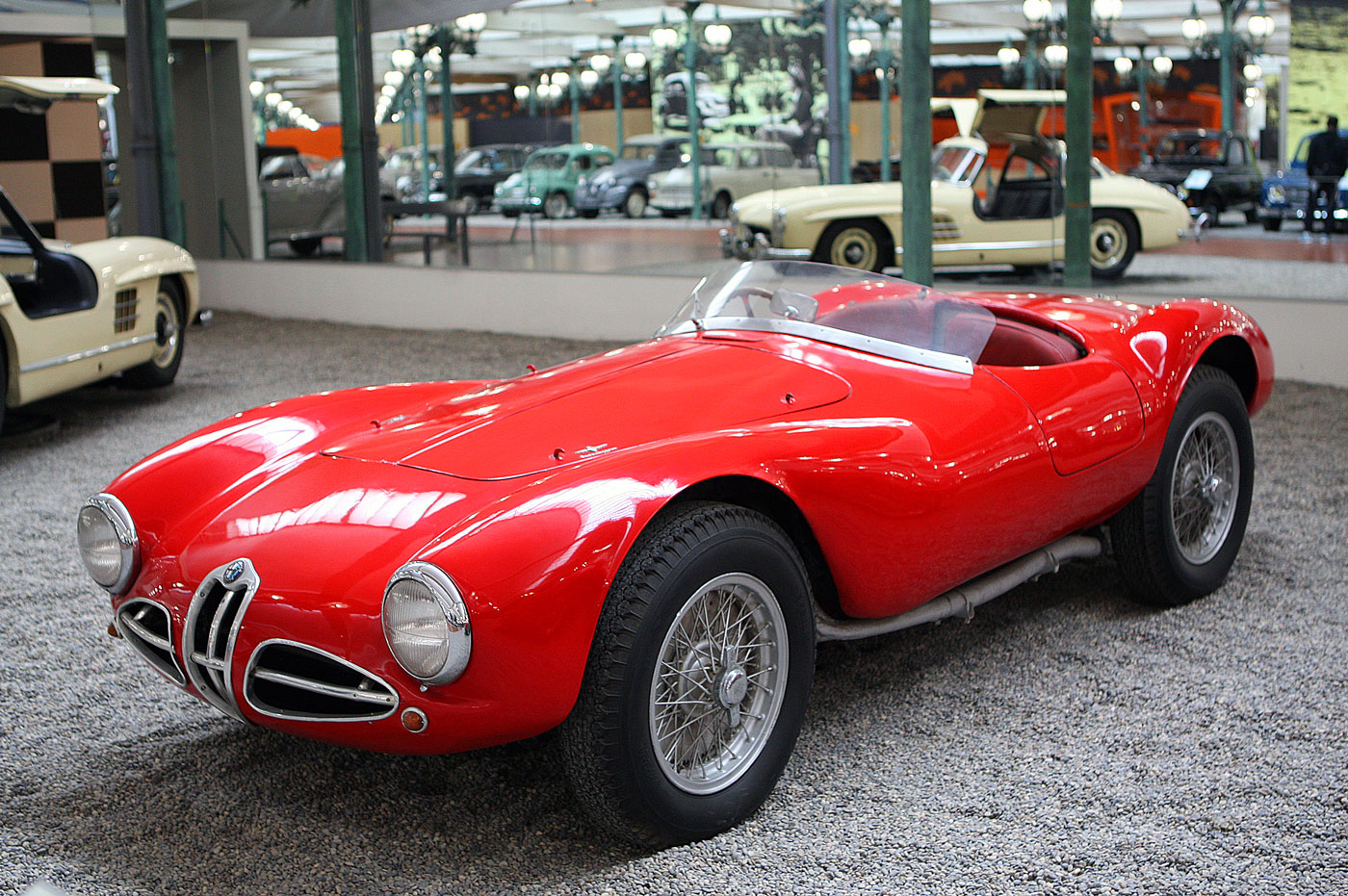
This is the third of five ‘Disco Volantes’ constructed by Alfa and Touring. The S/N is 1359.00002 and is the four cylinder version. It was known as the ‘narrow sided’ Touring because it was much narrower than the first car from which the name Disco Volante was derived. It was raced in several hillclimbs in the mid 1950s before being scooped up by the Schlumpfs.
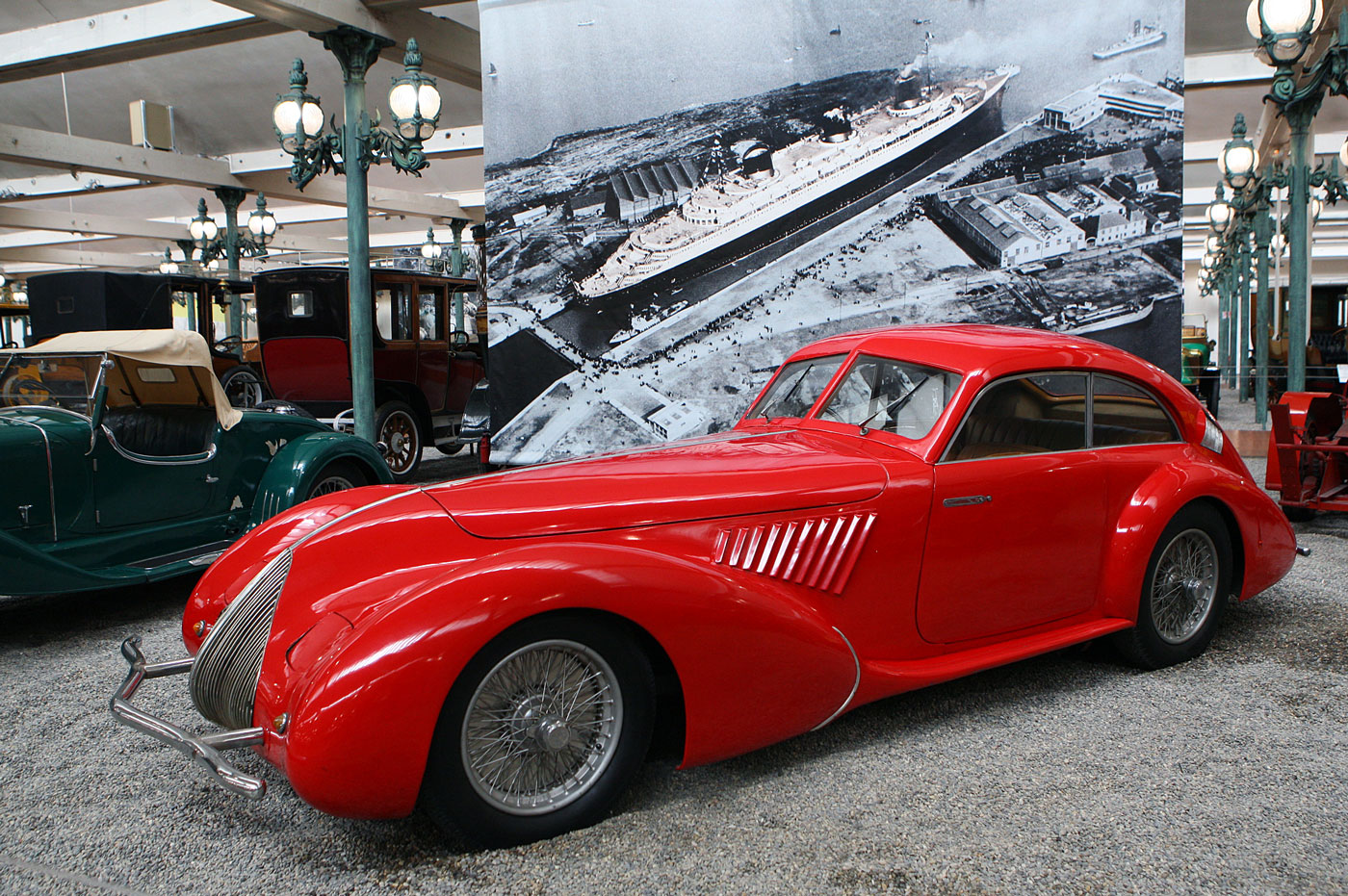
1936 Alfa 2.9A Coupe, S/N 412004 began life with a ‘botticello’ body (meaning cask or barrel-like), and won the 1936 Mille Miglia. See Moore page 97. In 1939 it was rebodied as a striking convertible by Pininfarina, and after the war converted into a coupe by a coachbuilder named Martin but lost elegance in the translation.
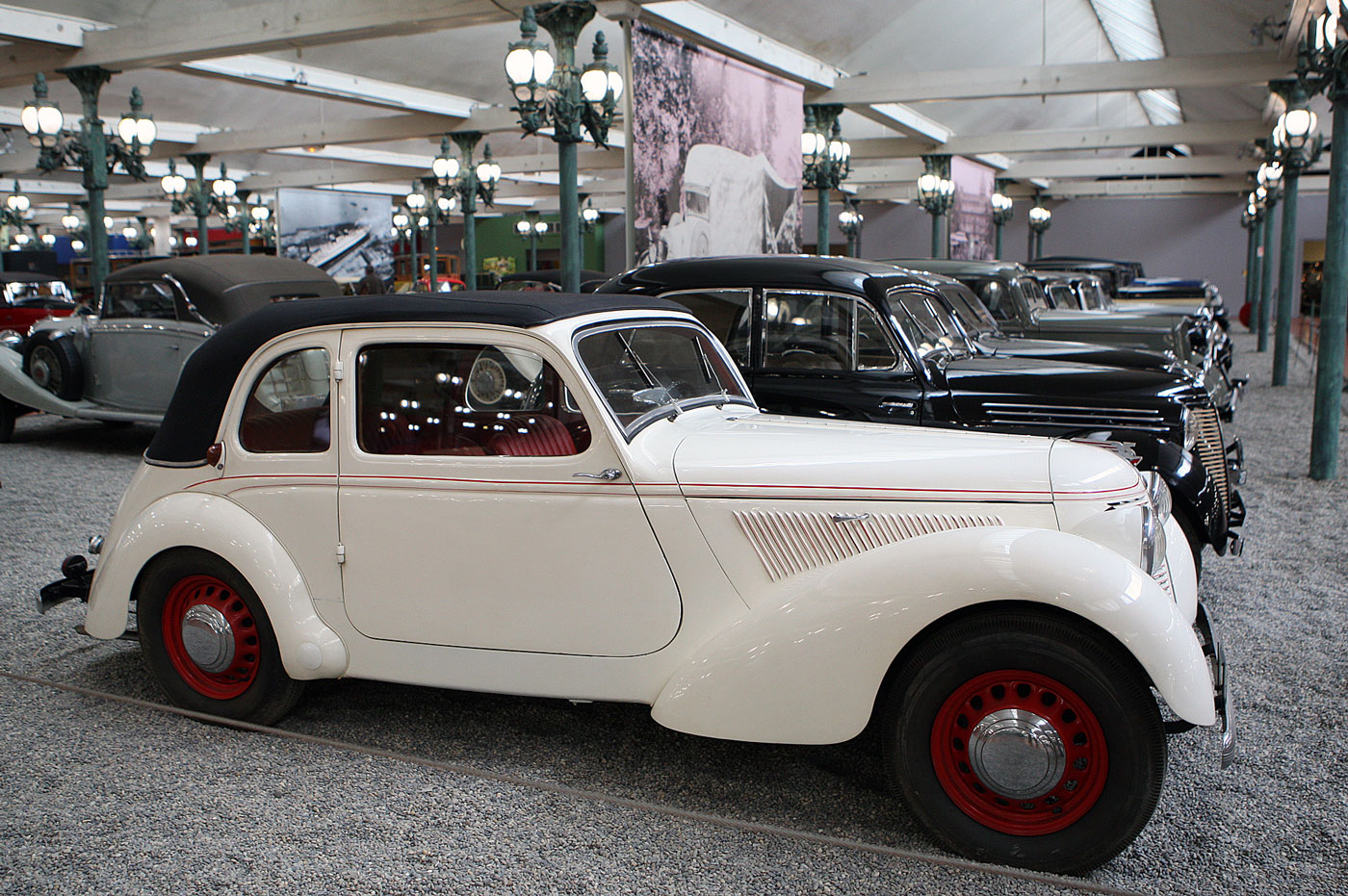
Last of the Amilcars.
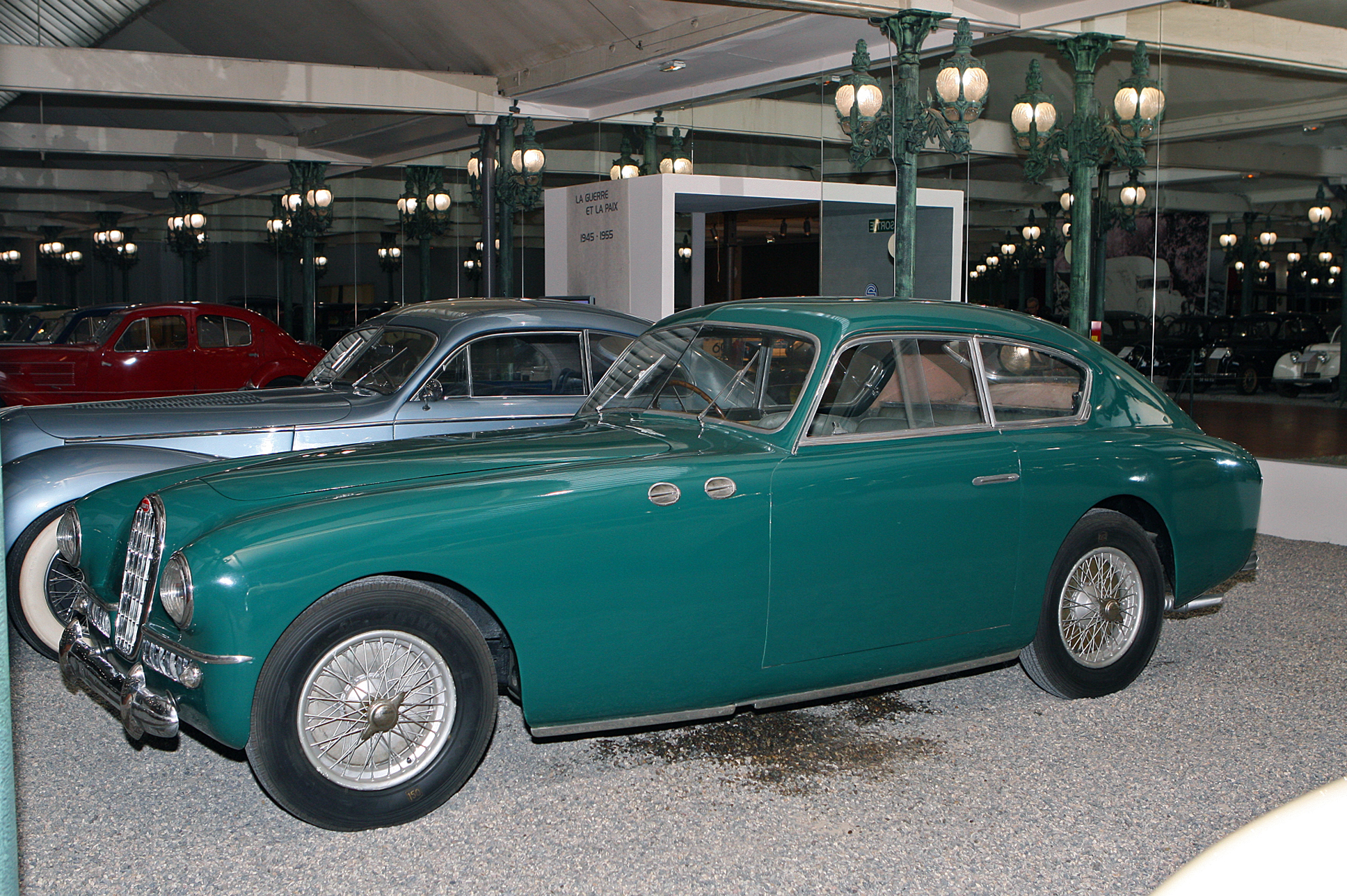
This Type 57SC has bodywork by Ghia. Originally constructed in 1939 the chassis was re-clothed by Ghia in 1951.
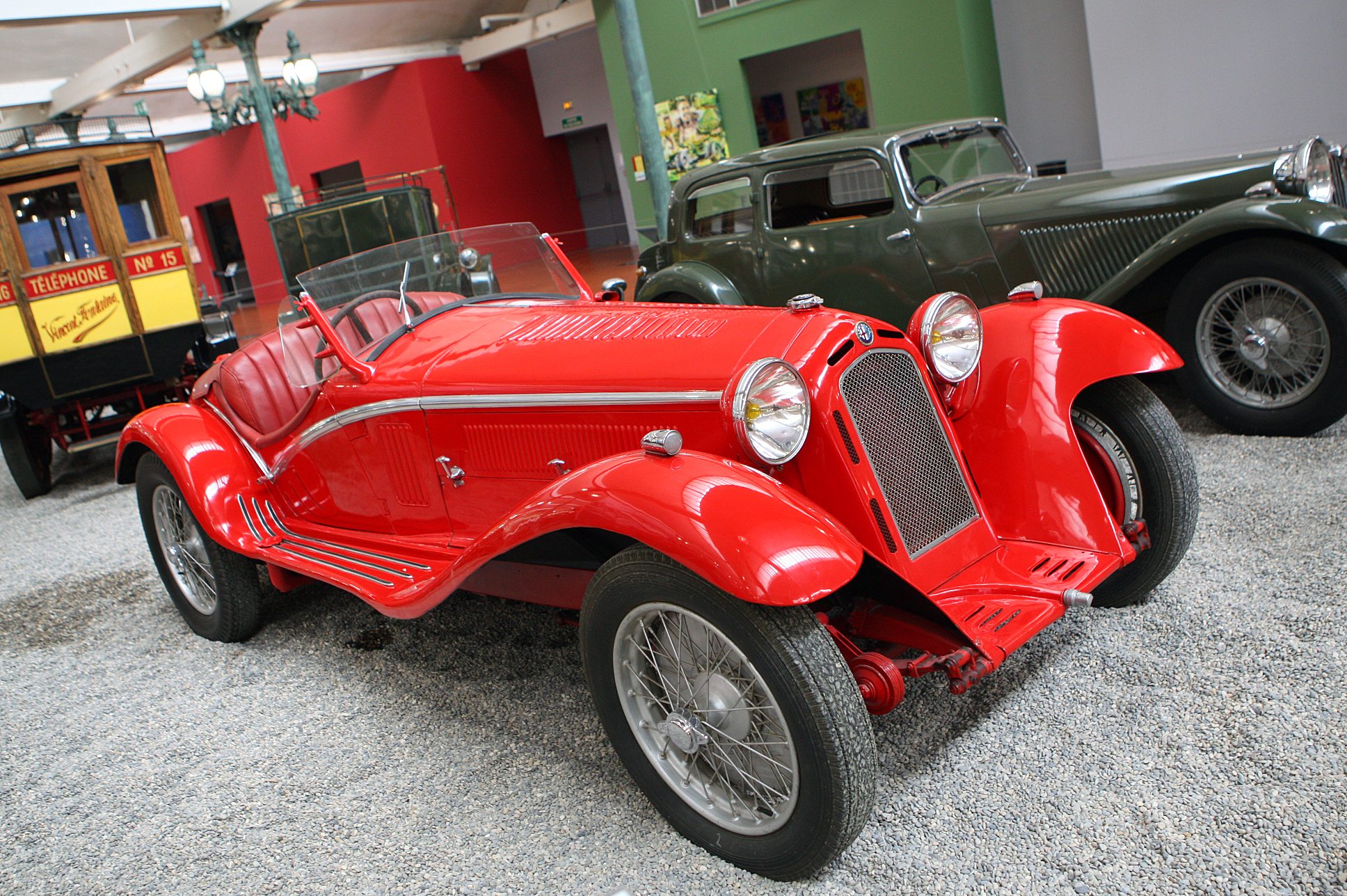
8C 2300 Alfa Romeo. According to Simon Moore, this is chassis 2311226, and aside from a Monza cowl, it is very original. Body is by Touring.
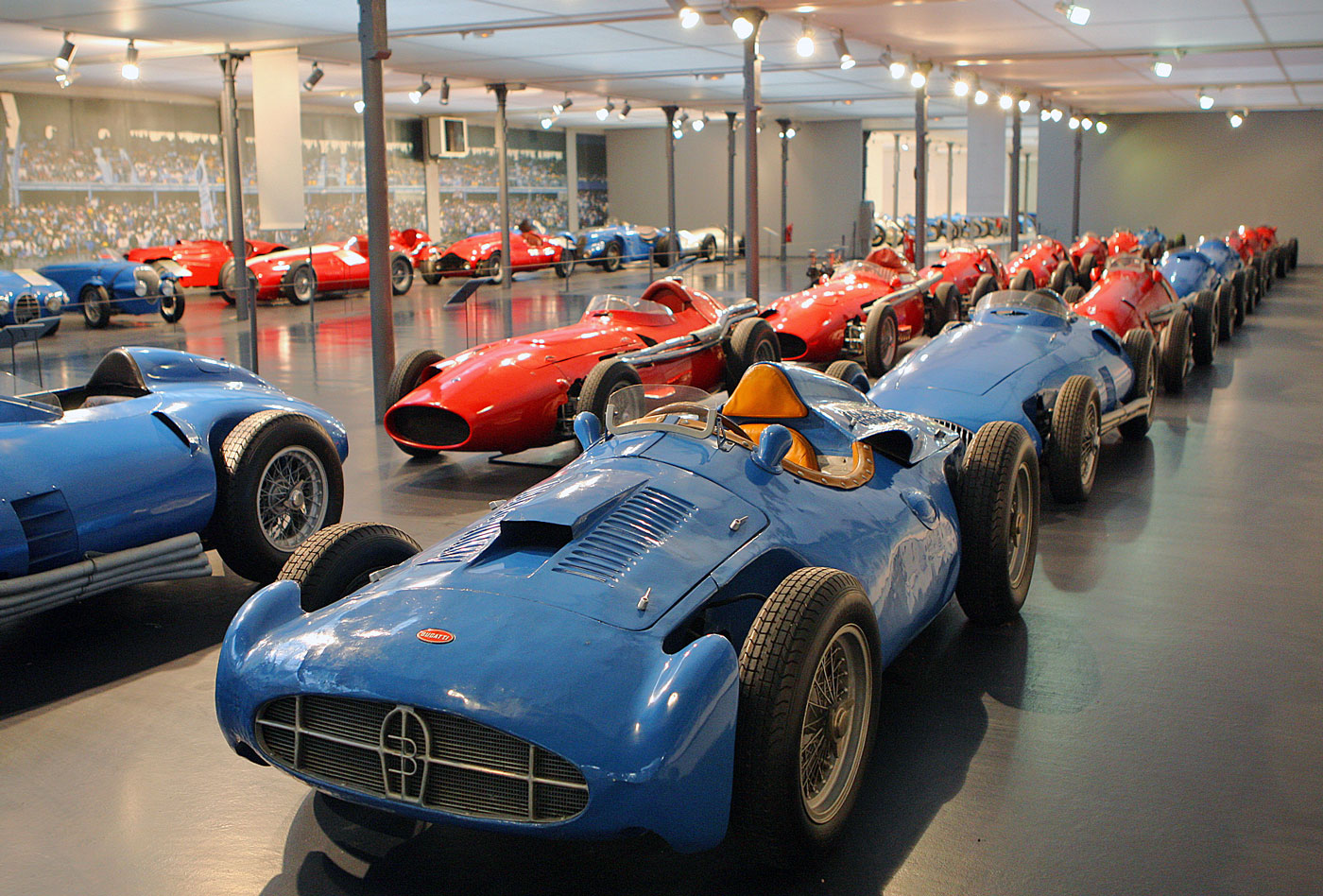
A Bugatti T251. But there is another in the 200 car reserve. We’ll see that next week.
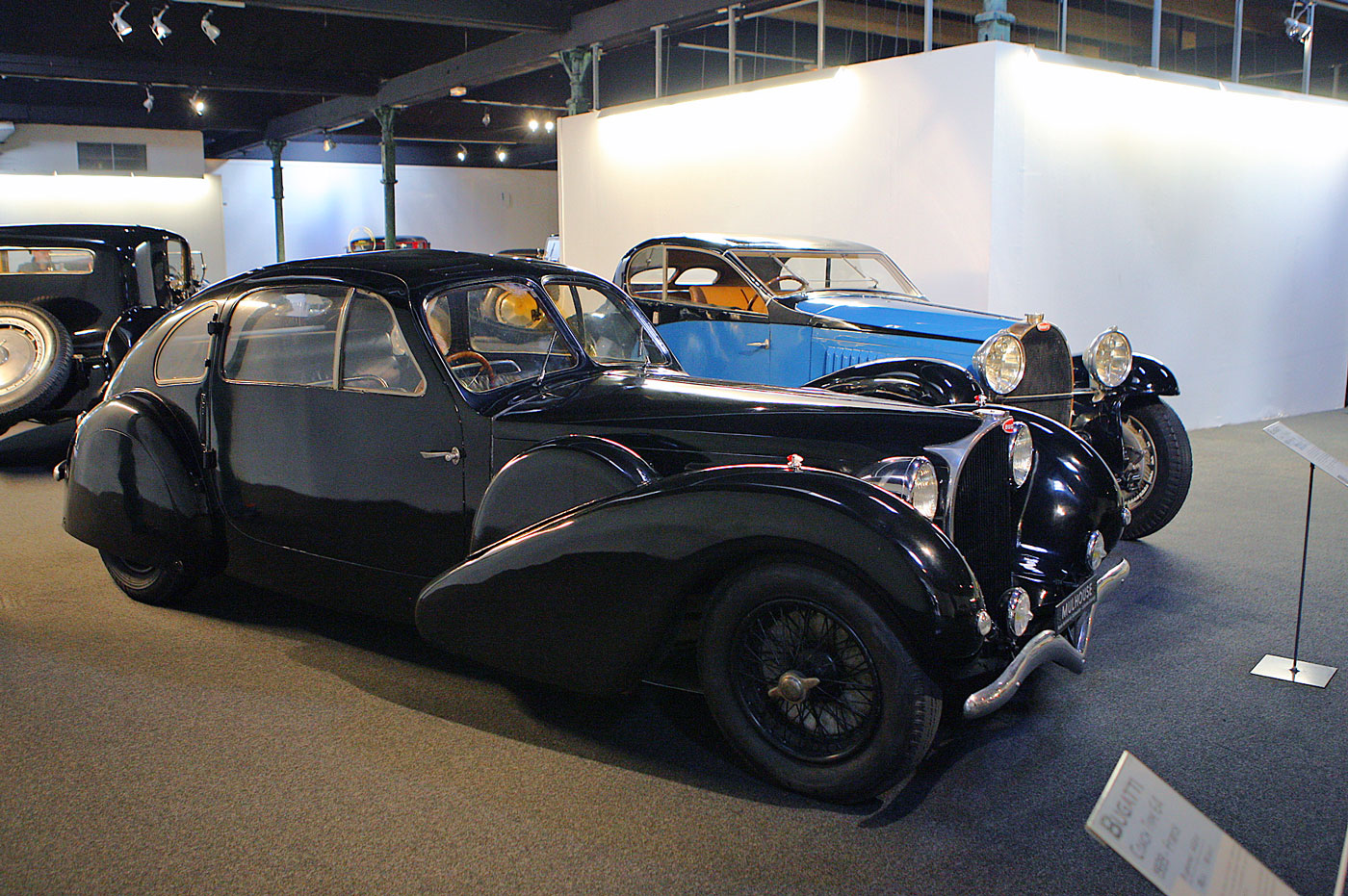
What a story this is. The Bugatti T64.
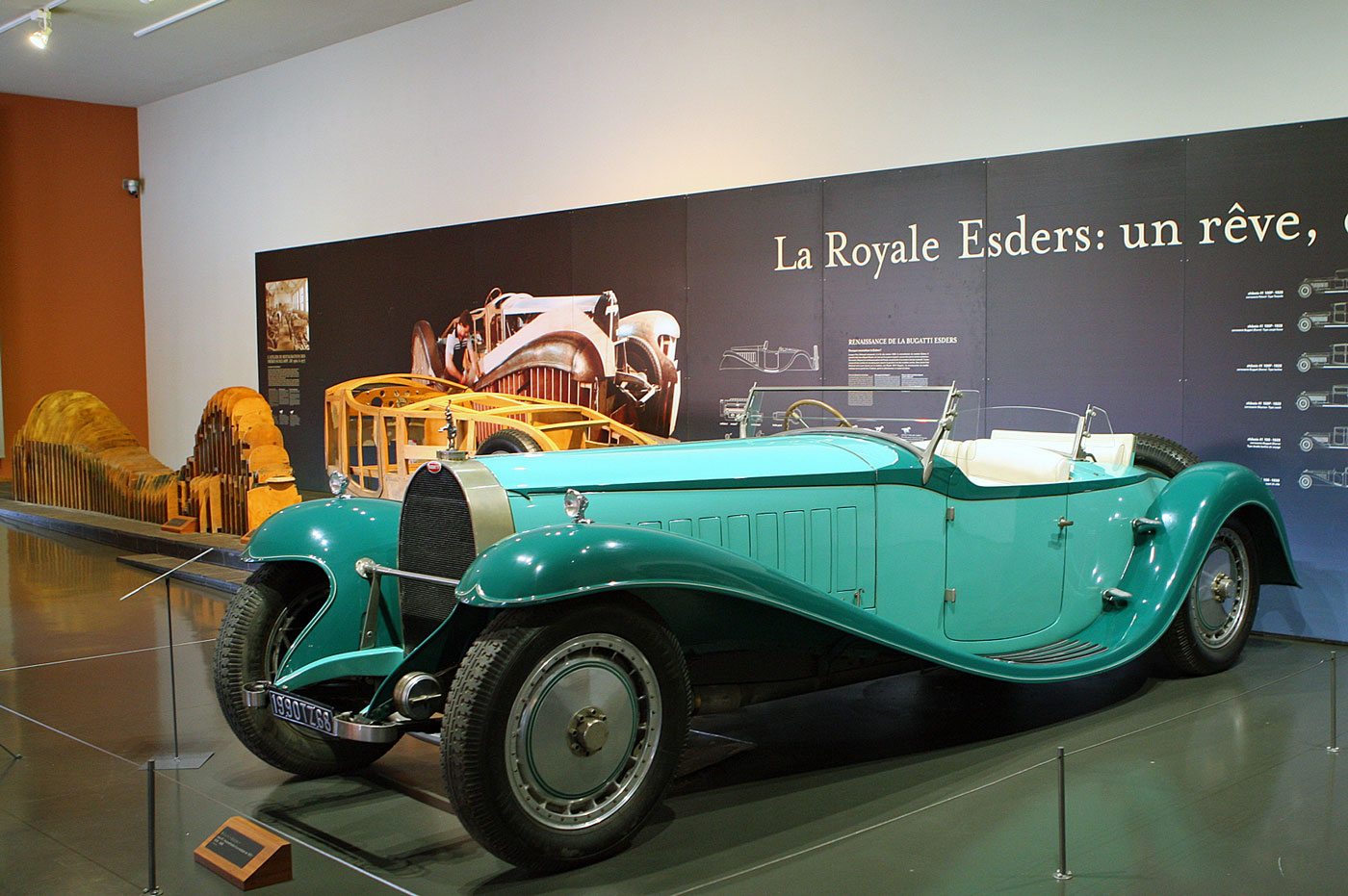
A Schlumpf recreation of the Esders Bugatti Royale.
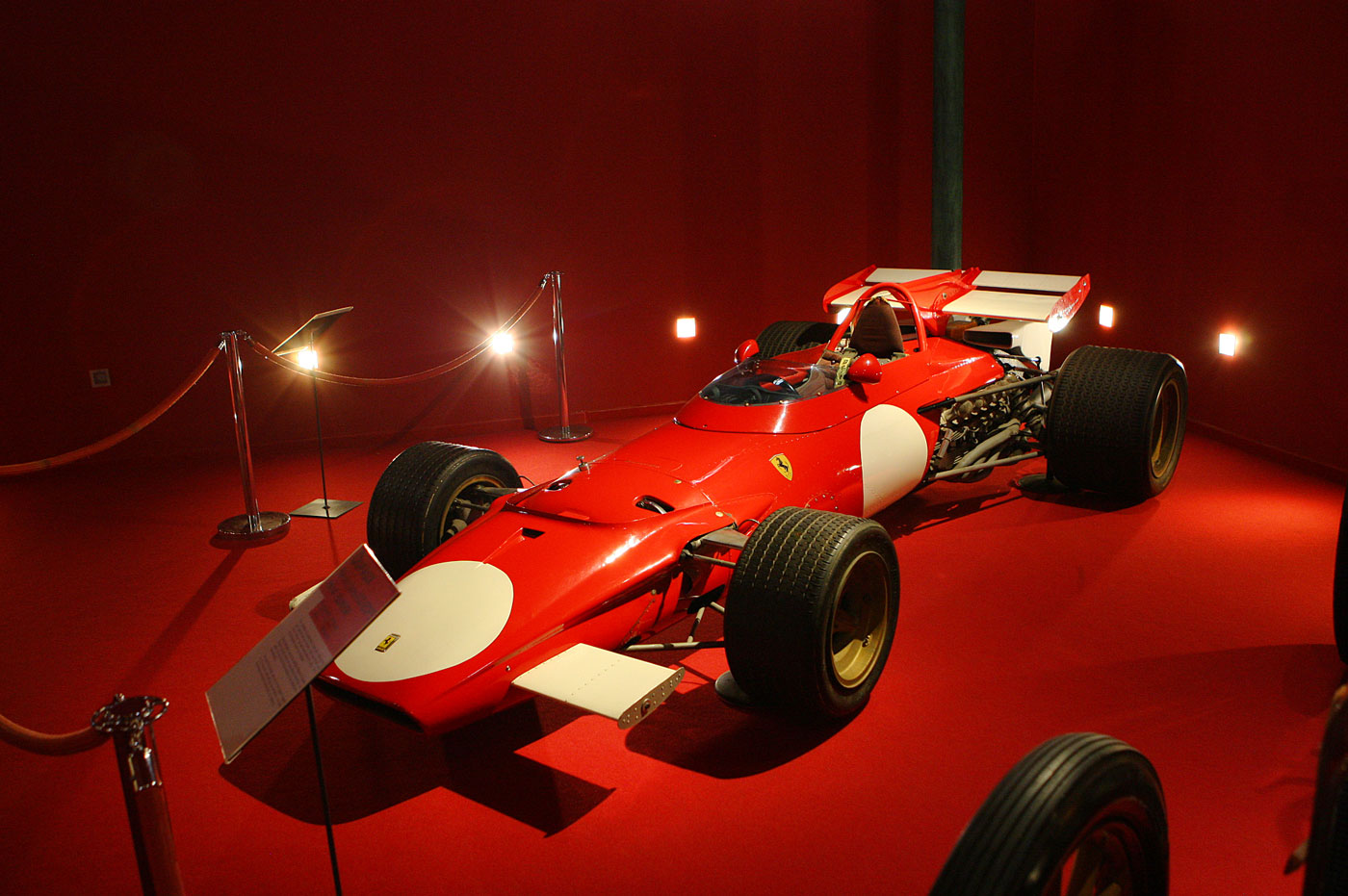
1970 Ferrari 312B1, S/N 002 is one of the last Schlumpf acquisitions. According to Alan Henry, the first 002 was destroyed. The replacement chassis took the S/N and went on to win the South African GP in 1971 driven by Andretti.
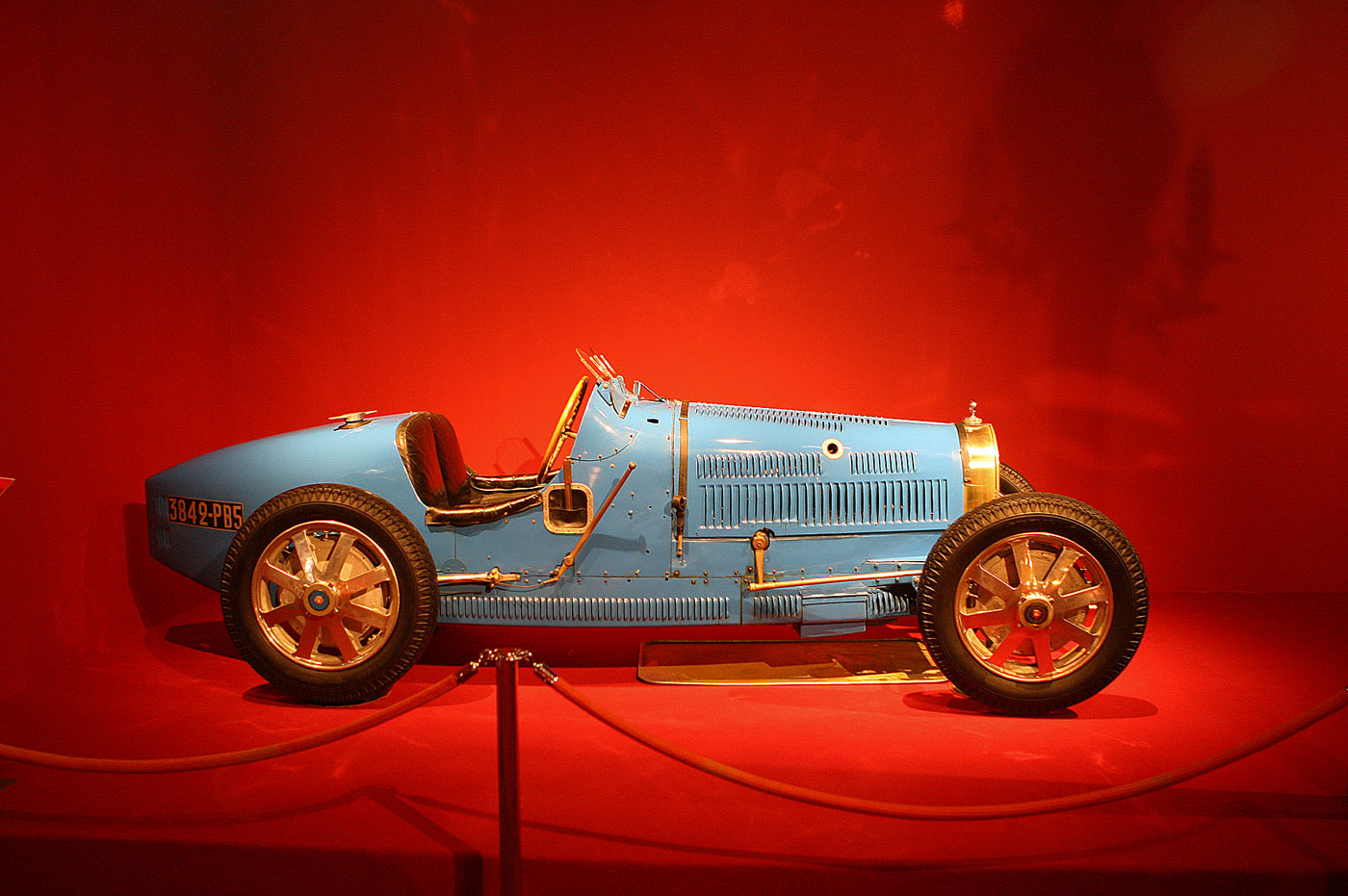
Fritz Schlumpf’s first Bugatti, enshrined.
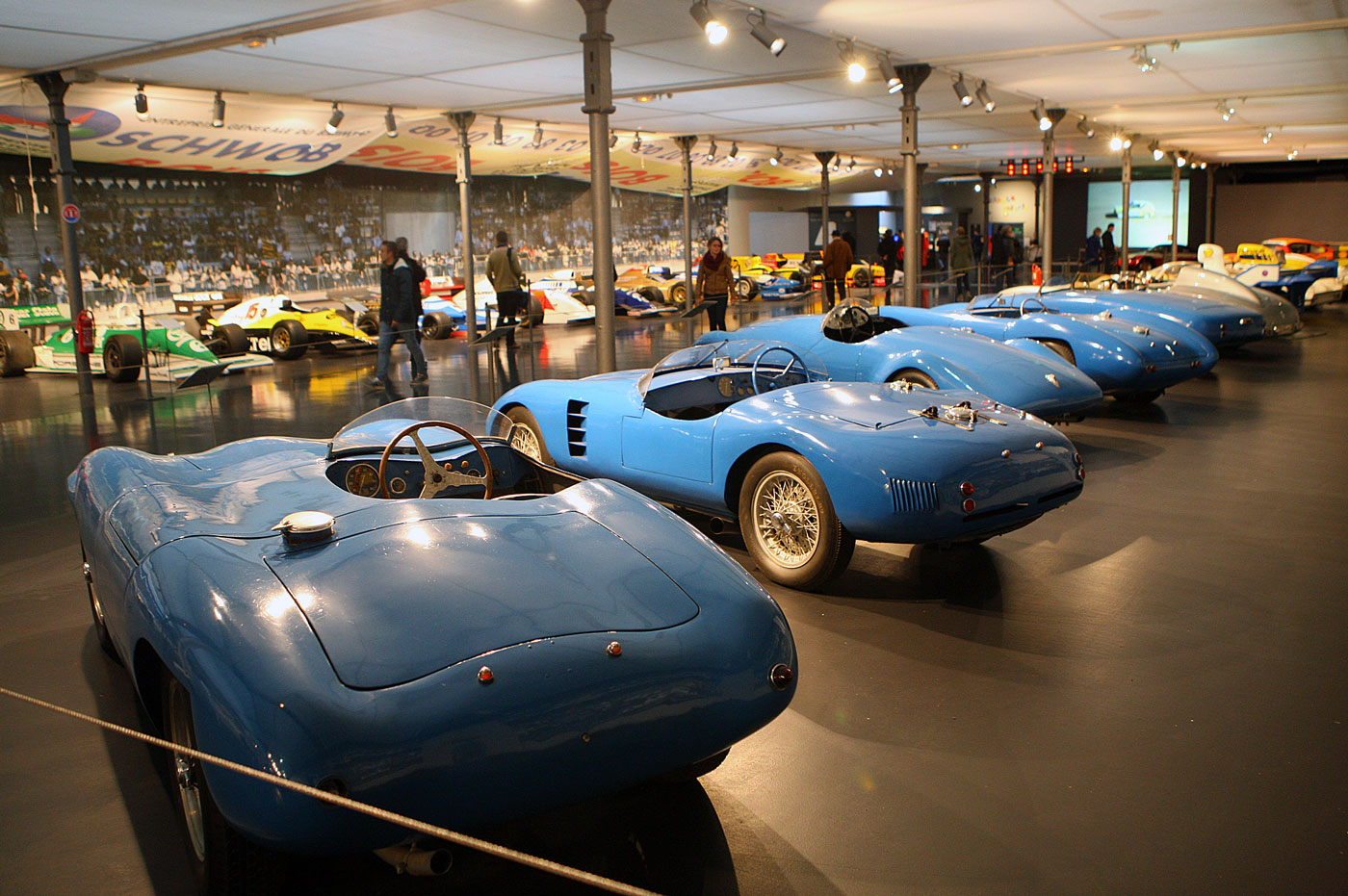
Gordinis from the rear.
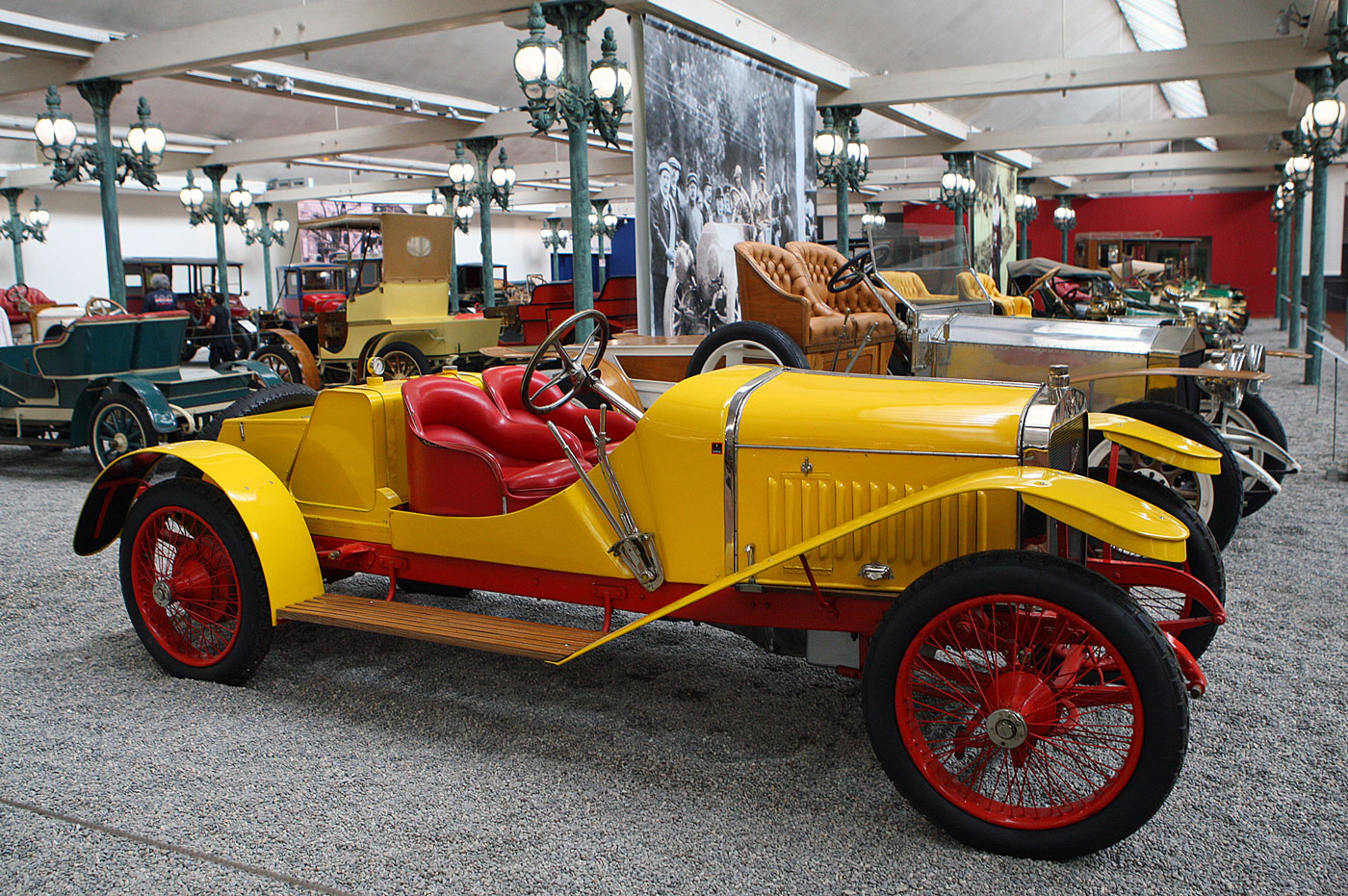
Hispano Suiza Alfonso. More on the King Alfonso Hispanos coming up.
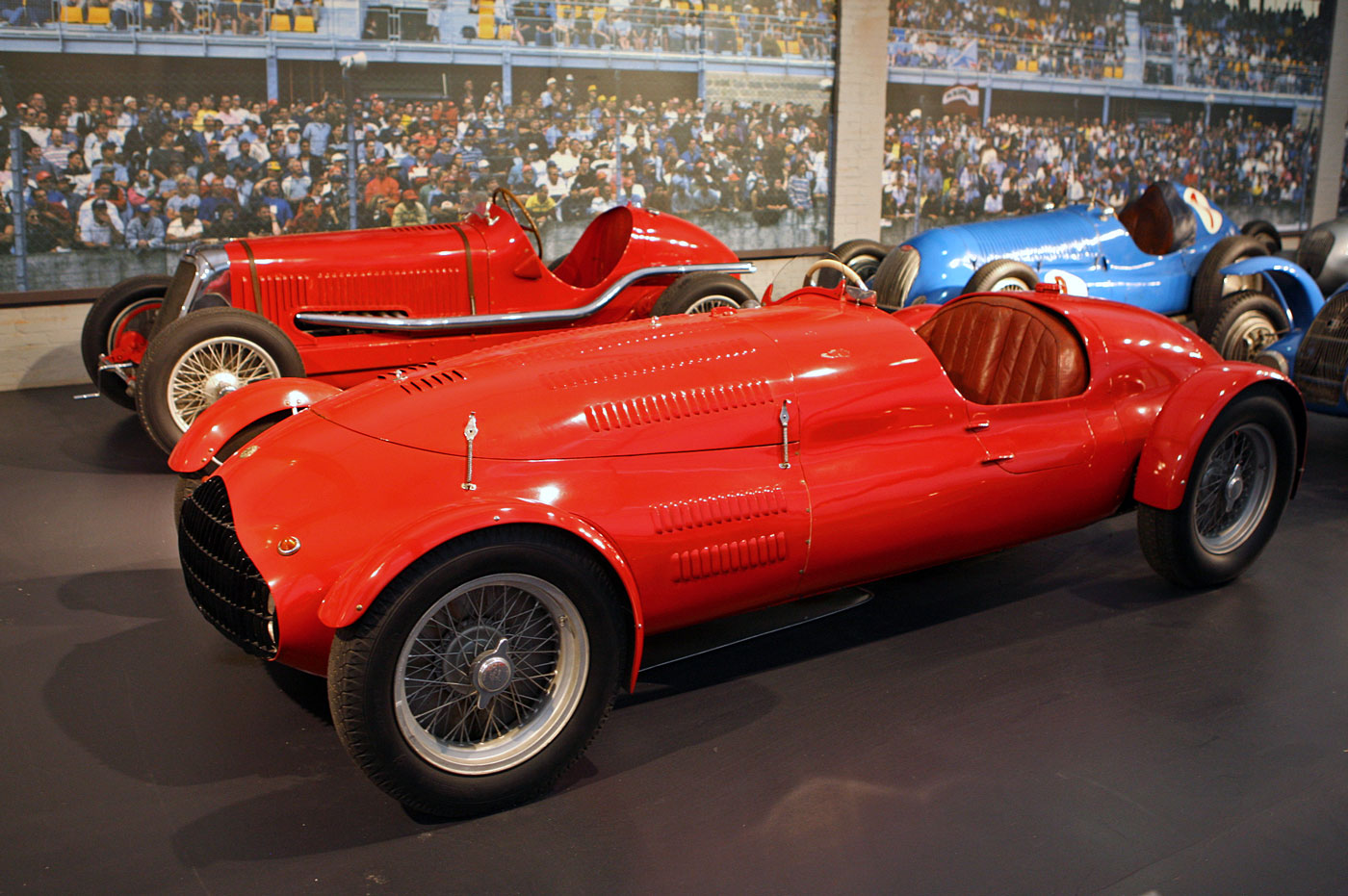
Alfa Romeo 8C 2900 B S/N 412034. Thought to be one of the great 1938 MM spiders with a Touring body, it was rebodied by Graber in 1949 and sold to Schlumpf via Eckert in 1963. See Moore 2.9 page 336.
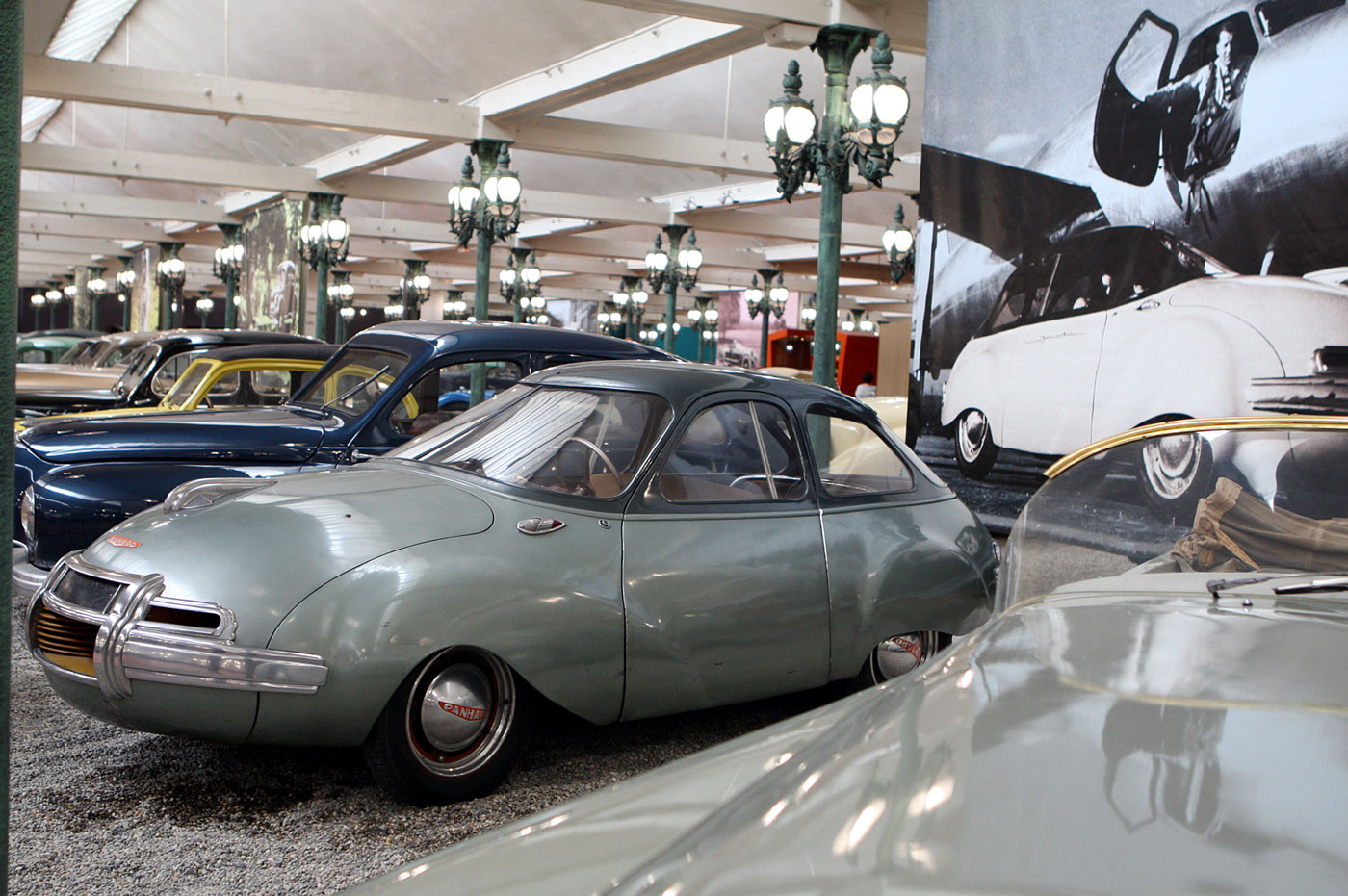
Panhard Levassor Dynavia, strikingly unique.This prototype from 1948 was an experiment in aerodynamic efficiency, using the flat twin 605 cc Dyna Panhard engine.
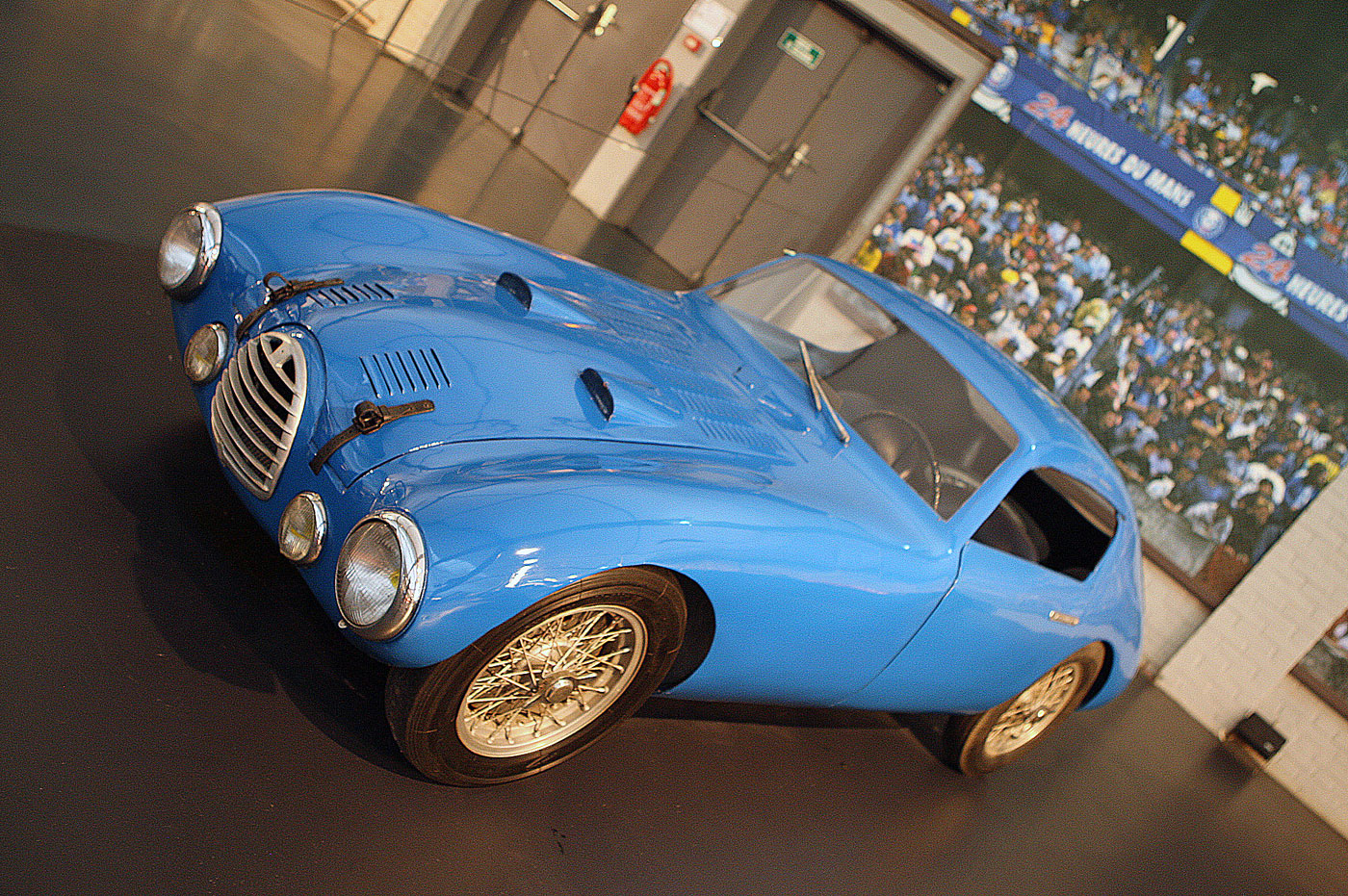
1950 Sima Gordini Coupe 15S; 4 cylinders, 1490cm, 135cv, 200 km/h. This little coupe, driven by Trintignant and Manzon in the 1950 Le Mans 24 hours is one of the rare Gordinis to have a closed body. Two coupes ran that year.
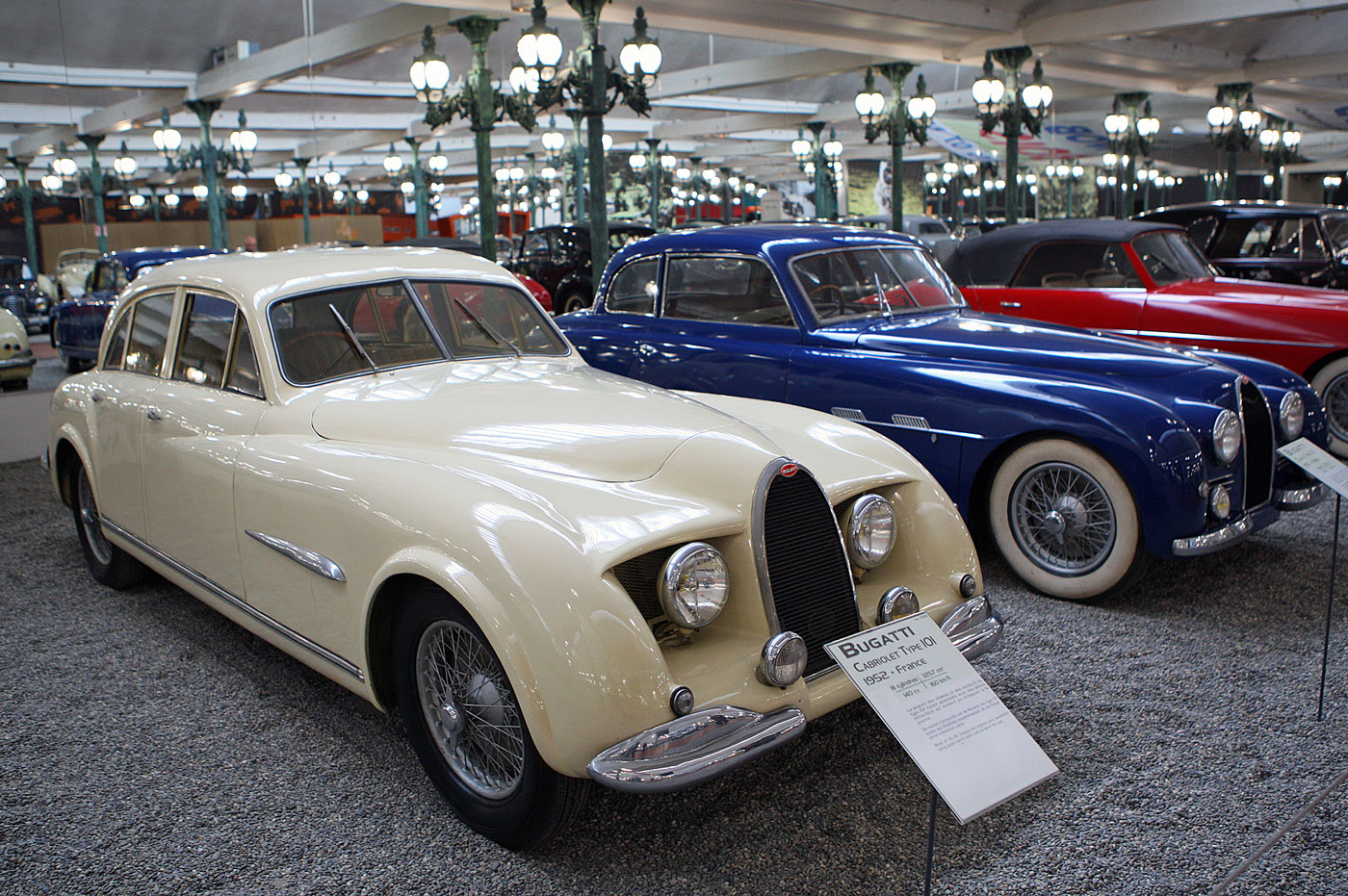
T101 Bugatti, a 1952 4 door example bodied by Guillore.
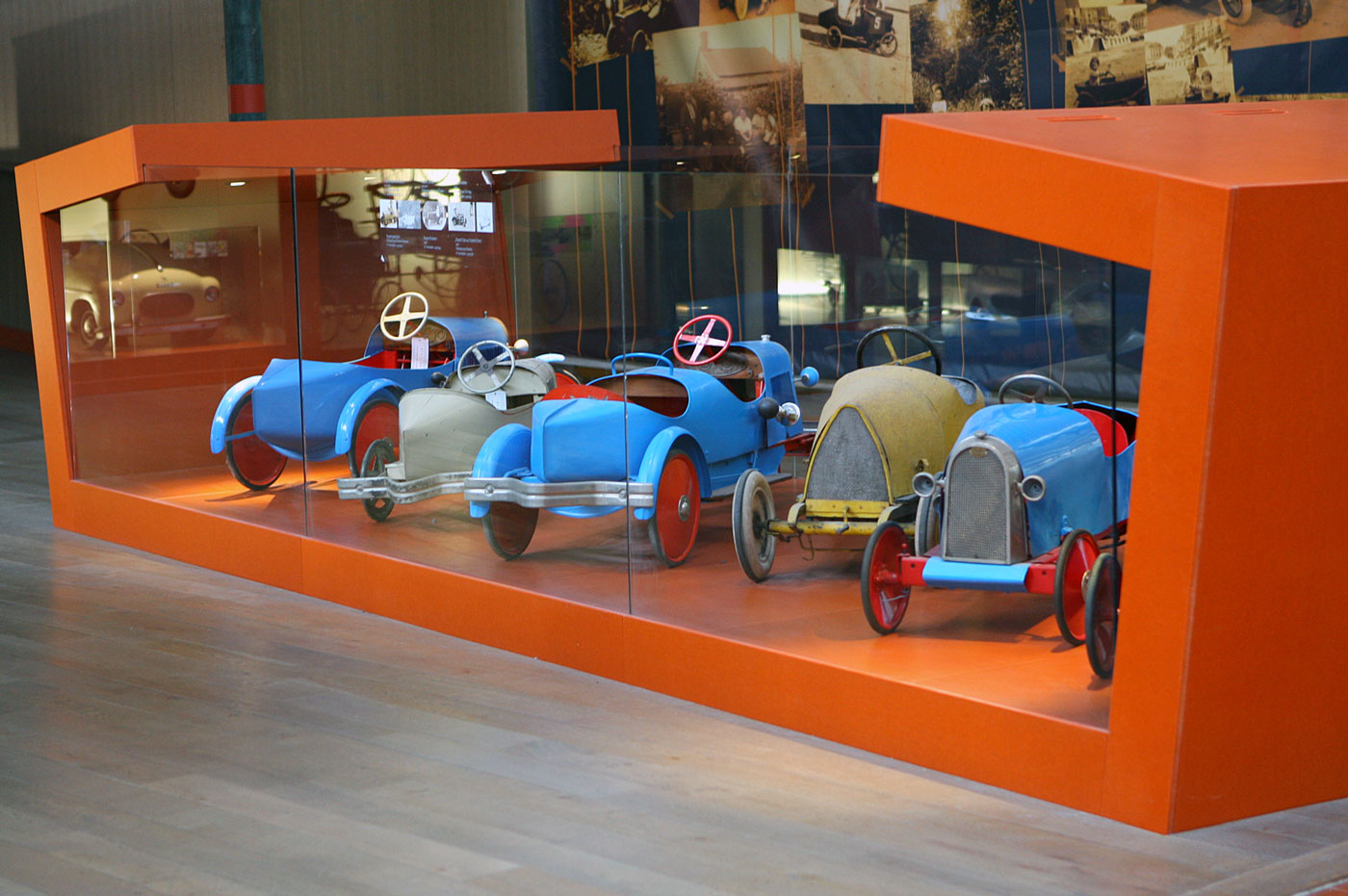
This collection of 101 toy cars exhibits a century of motorcar history through the dreams of young children and how they saw “Daddy’s car”. Several date back to the beginning of the 20th century, including rare, sought-after little Citroëns and even Eureka vehicles, a popular children’s toy from 1920 to 1940. From the Jammet collection.
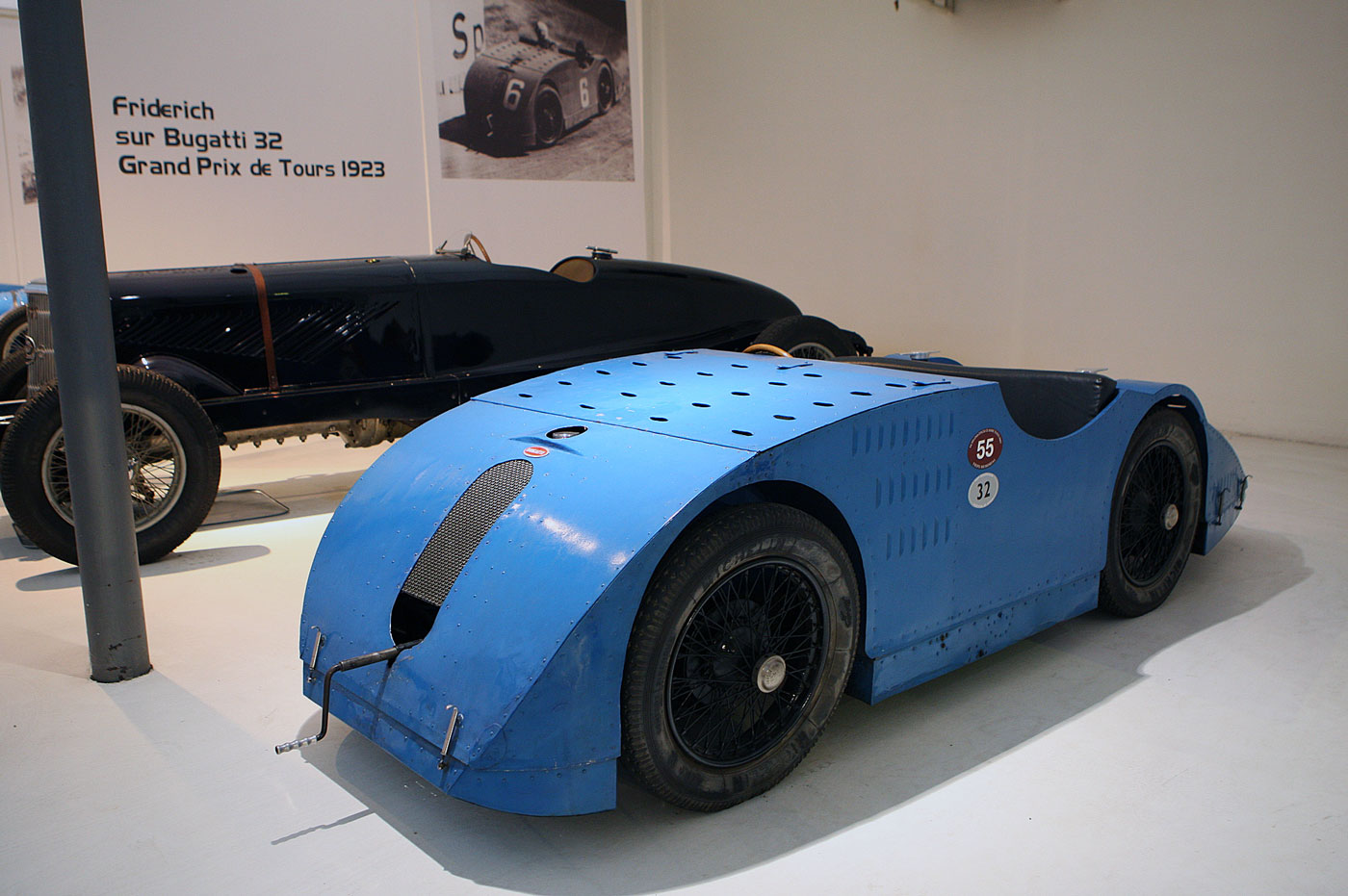
Bugatti T32 Tank. Search Bugatti Tank in VeloceToday for the full story.
For more on the Schlumpf from Jonathan Sharp
The National Automobile Museum in Mulhouse
More than Alfa and Bugatti at the Schlumpf
Italians at the Schlumpf
Gordini and Bugatti race cars at the Schlumpf
For the story of Fritz and Arlette Schlumpf by Gijsbert-Paul Berk
Read Part 1
Read Part 2
Read Part 3
I was fortunate enough to visit the museum in 2016 and was, literally, overwhelmed at the range and quality of the cars there. I spent 3 hours there, my camera ran out of power from taking so many photos, and I could have spent more time there except the wife wasn’t willing to stay in the cafeteria and read any longer. Hardly offset all the time I’ve spent with her shopping for antiques, clothes and gifts to bring back to the States. But, then again, we also drove north and east so I could have long visits at the Porsche and Mercedes museums!
Makes me wish someone had the forsite to keep the Harrah collection together