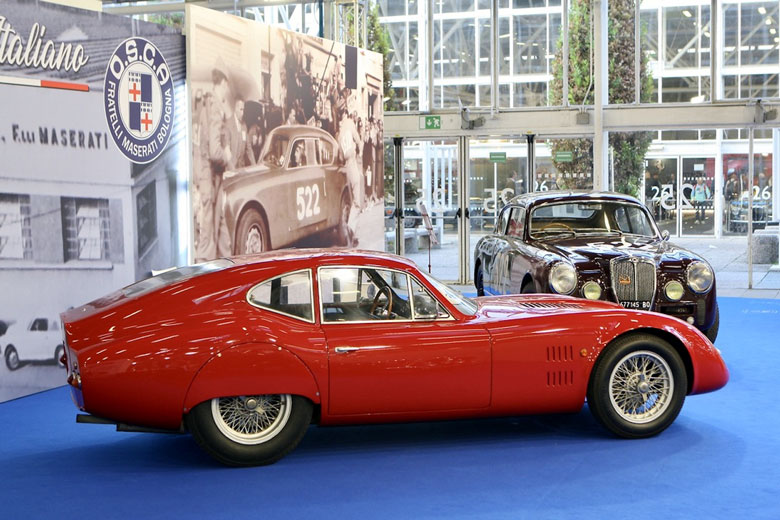
A personal favorite, 1963 Osca 1600 SP (Sperimentale)
Story and photos by Jonathan Sharp
It was all very last minute as I had not intended to go, but as this year was the 40th running of the Auto e Moto d’Epoca classic car show, (October 26-29)and the first year for the event at its new location in Bologna, I decided grab a less-than-cheap flight out to Bologna, arriving on the afternoon of first day of the show.
The new location offered far more space for the displays. But the layout was a bit confusing with the organizers suggesting different routes between the thirteen halls depending upon whether you wanted to follow the world of classic cars’ path, the cars’ path (confusing title), the spare parts’ path, or the motor bike path. But whichever path you followed, and you really do need to follow all four paths, you just kept finding gems whether it be on a manufacturers or club stand, or in amongst the vast selection of cars for sale from dealers and private individuals. If I had any money when I walked into the show I would not have had any by the time I left and I would have needed a car transporter to bring the goodies home.
As this was an Italian show the food available for the hungry show-goer to feast on was superb, none of your greasy sausage rolls and dodgy burgers here.
Local manufacturers’ products predominated the halls so much so that I have had to split this report into several editions over the next few weeks starting with cars NOT made by Alfa Romeo, Fiat and Lancia. Next week we’ll cover the Alfas, and the next the rest. We do this as download time for many of our readers can get a bit slow if we pack a lot of photos, so we try to keep each segment down to about 30-40 images or less. This gives one time to breathe, which can’t be said of the show-goers who are constantly bombarded with delightful treasures.
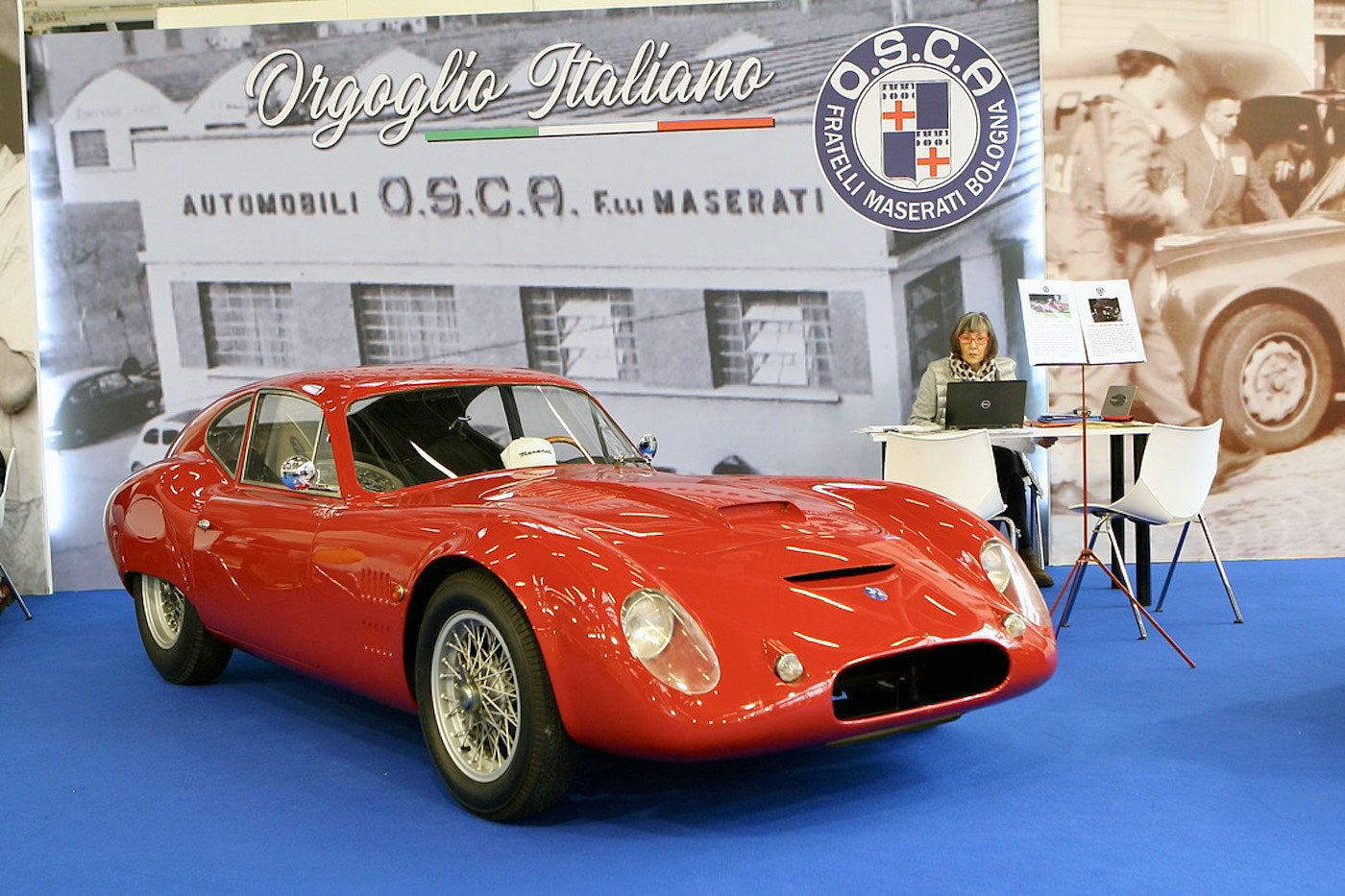
1963 Osca 1600 SP (Sperimentale)

The Bandini GT 750 Zagato from 1955, the work of engineer/designer Ilario Bandini, displayed courtesy of the Bandini Automobile Collection. Once owned by VSCCA member Jerry Greaves.
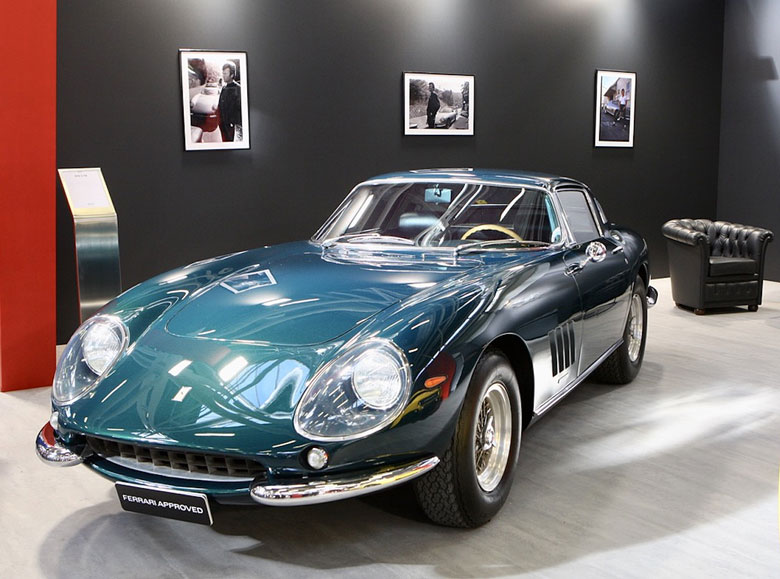
Ferrari 275 GTB, constructed in March 1966 and first registered to the Italian film producer Dino De Laurentis who then gifted the car to Clint Eastwood. Clint Eastwood then commissioned George Barris to repaint the car metallic dark green.
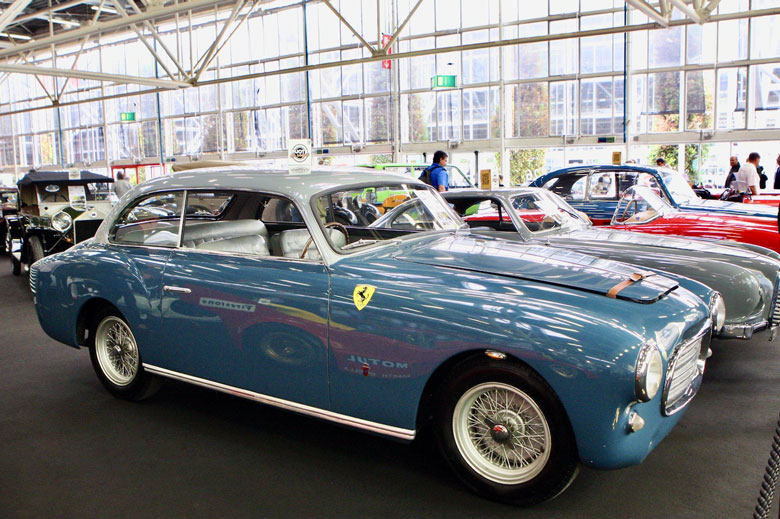
For sale on the Route da Sogno stand, this 1952 Ghia bodied Ferrari 212 Inter.
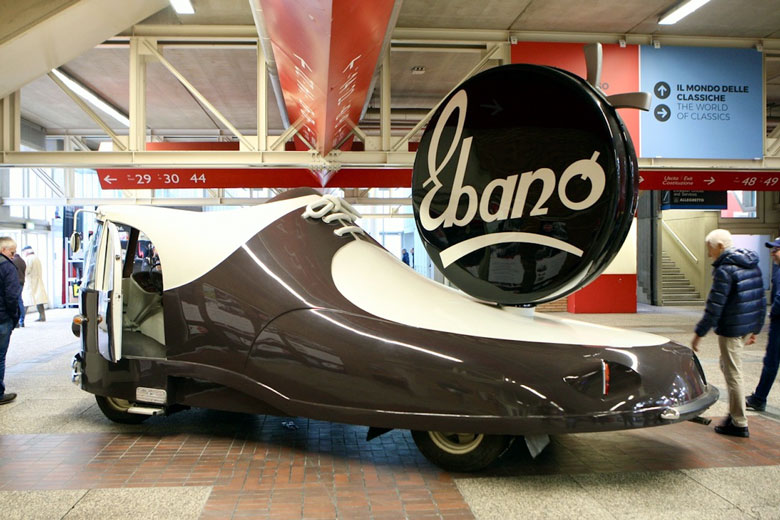
You should always expect to see the unexpected at Auto e Moto d Epoca, I believe this publicity vehicle for Ebano is based upon a Fiat 615 Furgonato.
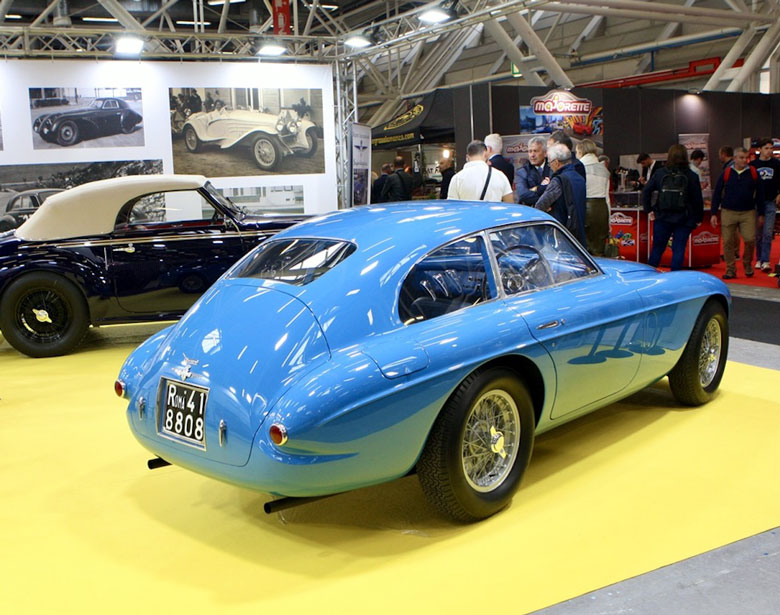
Displayed by the Registro Internazionale Touring Superleggera this Ferrari 195S, Coupe LM- Berlinetta Superleggera, one of only seven constructed.

Ferrari 195S, Coupe LM- Berlinetta Superleggera Touring.

Probably the most popular exhibit in the “cars from the great car museums” display in the atrium was this ex-Gilles Villeneuve 1980 Ferrari 312 T5 from the Museo Nazionale dell’Automobile, Torino (Mauto).

From MAUTO, the straight eight supercharged Maserati Tipo 26B. In 1928 the Tipo 26B, in the hands of drivers such as Borzacchini, Maggi, Ernesto Maserati, and others, won the Italian Makes Championship.

1953 Maserati A6GCS, a participant in the 1954 Targa Florio.

1955 Maserati A6 GCS, ex-Pancho Pepe Croquer of Venezuela. Chassis 2098.
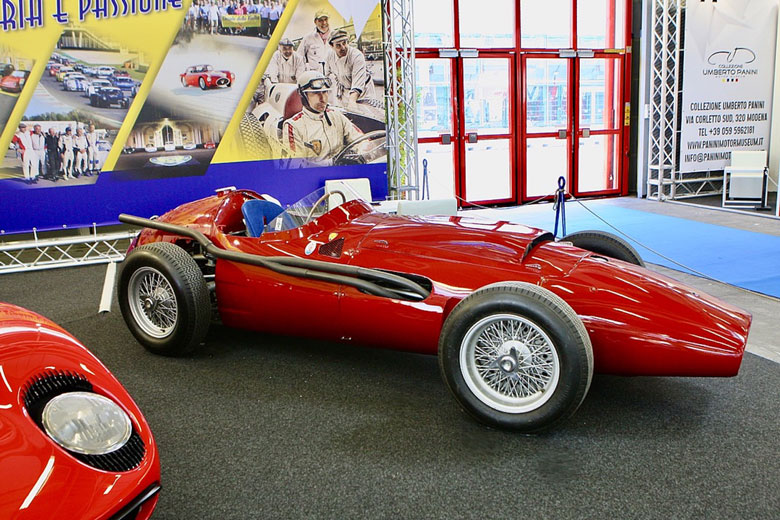
From the Panini Collection, the prototype Maserati 250F V12 which in 1957 Fangio failed in his attempt to qualify for the Monaco Grand Prix due to the excessive power of the engine.
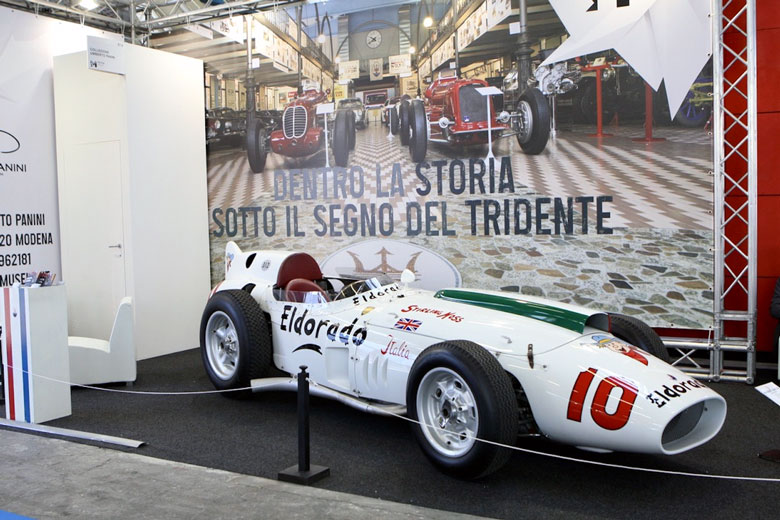
The Maserati 420M/58, commissioned by the ice cream manufacturer Eldorado Sud and driven by Stirling Moss in the 1958 500 mile Race of Two Worlds. Whilst Moss was the quickest of the European entries he was lucky to walk away unhurt when the steering let go at 250 km/h.
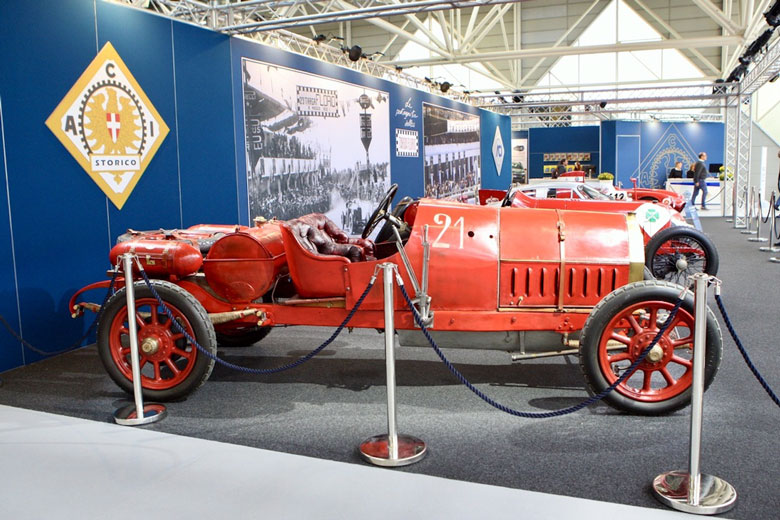
The 1912 25/30 cv Aquila Italiana, an entrant in the 1914 Targa Florio. La Fabbrica Aquila Italiana was founded in Turin in 1906 and remained active until 1917. Designed by Giulio Cesare Cappa, the big four and six cylinder cars proved successful driven by the likes of Meo Constantini and Giulio Masetti.
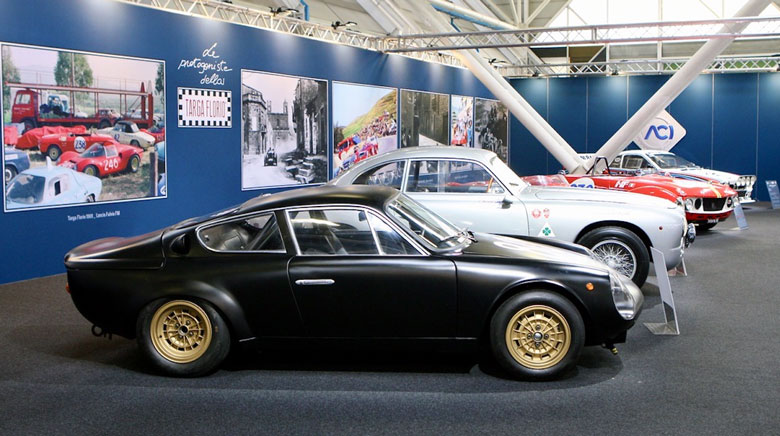
Forming part of a stunning display by the organizers of the Targa Florio, Simca Abarth 2000 GT, an entrant in 1964.
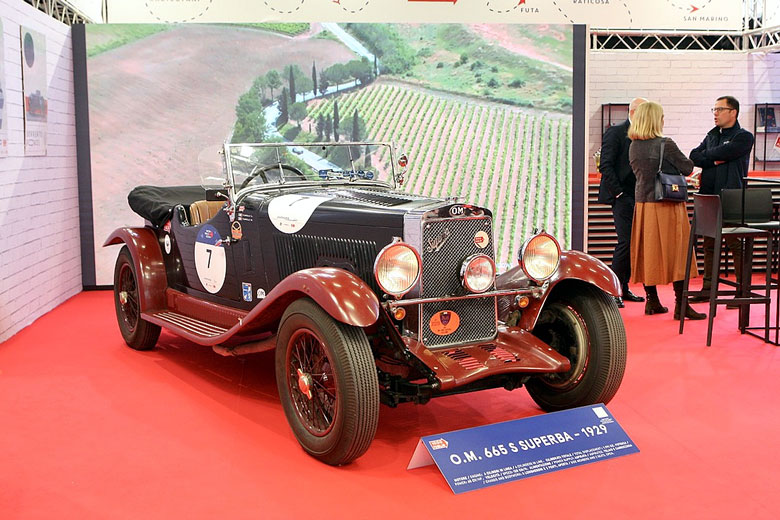
On the organizers of the Millie Miglia stand, a 1929 OM 665 S Superba.
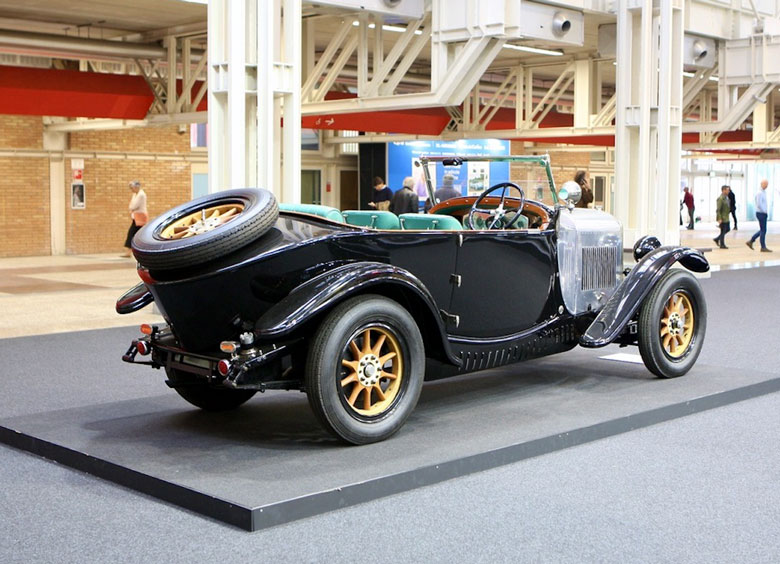
From Autoworld Brussels, the 1928 Nagant Six Type 137. Built in Belgium and powered by a 1980cc six cylinder engine producing 45 hp giving the Type 137 a top speed of 100 km/h.

Unfortunately I can not tell you much about this car other than it carried Zagato badges, had a plaque on the dash stating that it raced at Monza in 1952 as car number 40, oh and that it has two motors.
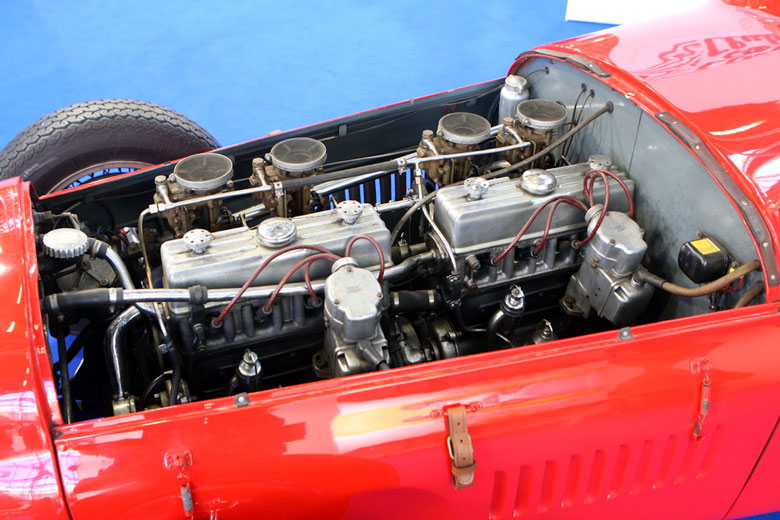
The Zagato bodied car had two Fiat 1100 engines upfront.

Courtesy of the Louwman Museum, Piero Taruffi’s 1951 Taruffi Italcorsa Tarf II Bisiluro record car. Powered by a 1.7 Litre 290 BHP supercharged Maserati engine, Taruffi achieved a top speed of just under 300 km/h over the flying kilometer and flying mile on the deeply cambered, less than 23 foot wide Via Appia in Rome in 1951. In later years, and using various engines, Taruffi broke many long distance records at Monza and Montlhery.

From the Musee National de l’Automobile, collection Schlumpf, the Gioacchino Colombo designed 2486cc straight eight powered Bugatti Type 251. The type 251 was raced by Maurice Trintignant in the 1956 French Grand Prix but the car proved to be uncompetitive and was retired after 18 laps.
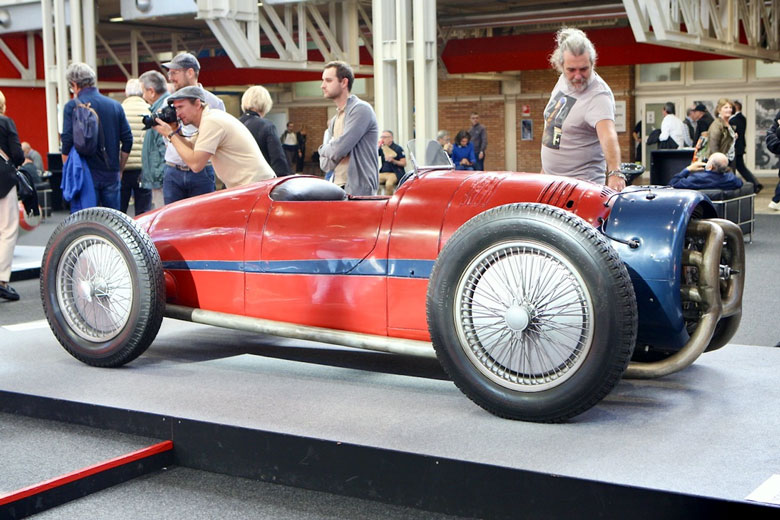
Another gem from MAUTO, The Monaco Trossi was the brainchild of Augusto Monaco and was funded by Carlo Trossi. Powered by a 250bhp twin supercharged 3982cc 16 cylinder double row air cooled two stroke engine. Entered for the 1935 Monza Grand Prix where in testing it reached speeds of around 150 mph but it did not make the start due to experiencing severe overheating and massive understeer caused by the 75% front and 25% rear weight distribution.

1923 Diatto 20S

1930 Bianchi Torpedo Tipo ‘Lusso’
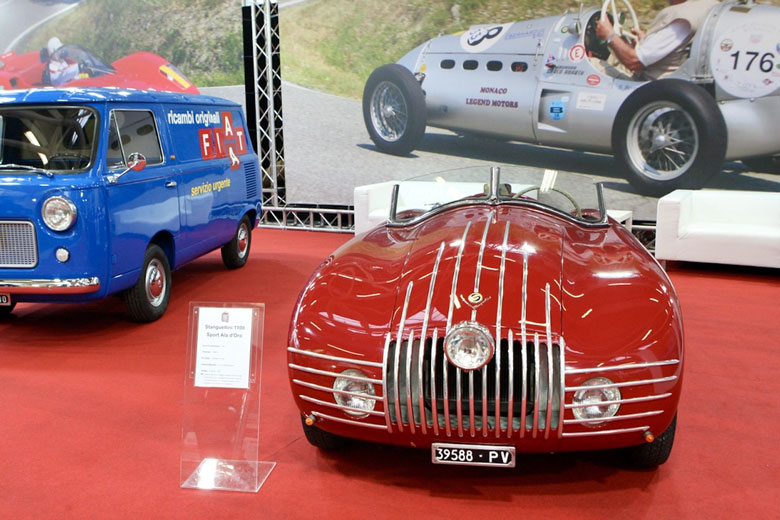
1947 Stanguellini 1100 Sport Ala d’Oro.
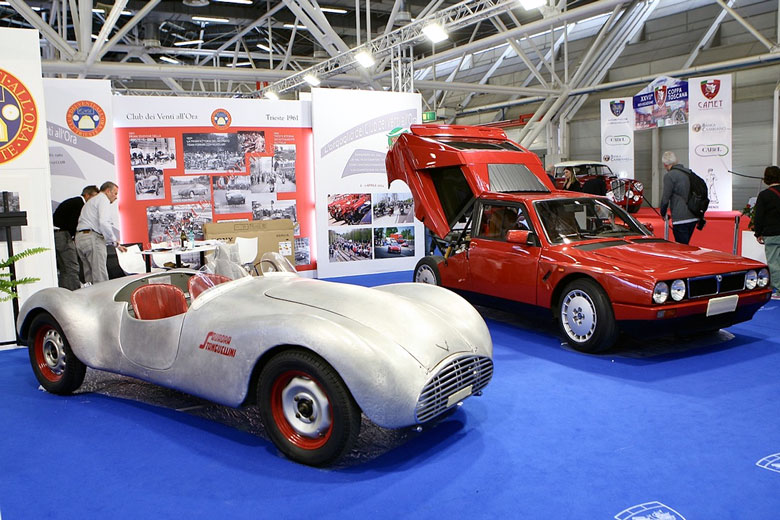
Stanguellini Sport 1100 from 1947, driven by Patane and Di Grazia to a number of class finishes.
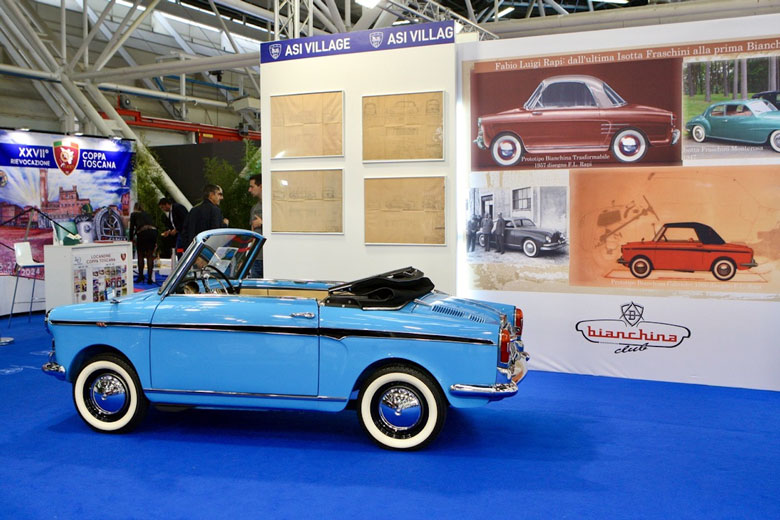
The pretty Autobianchi Bianchina Cabriolet.

A great way to display your Automobilia, in an OM Tigrotto van.
Cisitalias on parade
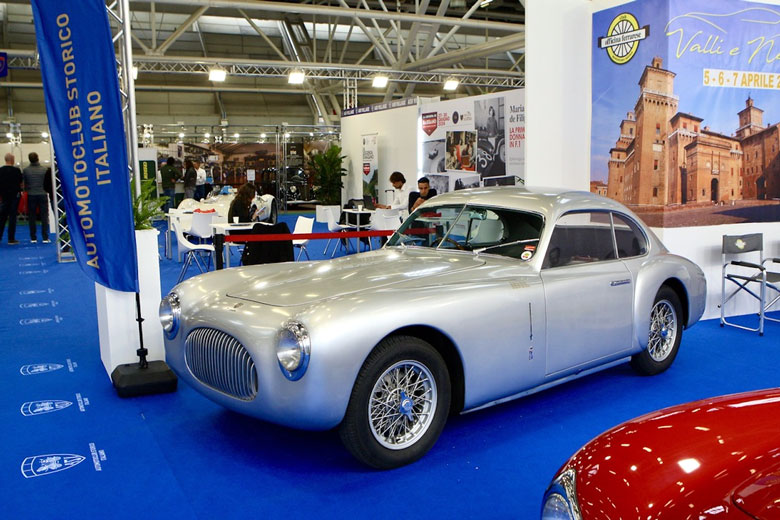
PF coupe
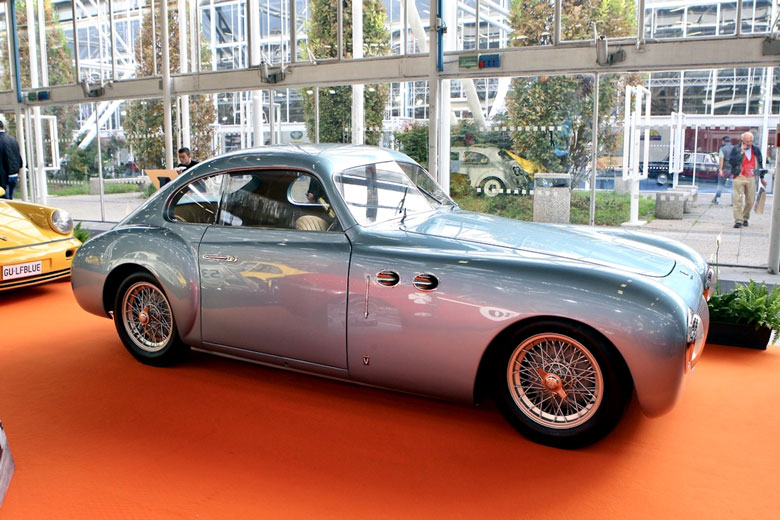
Vignale

Spider Nuvolari
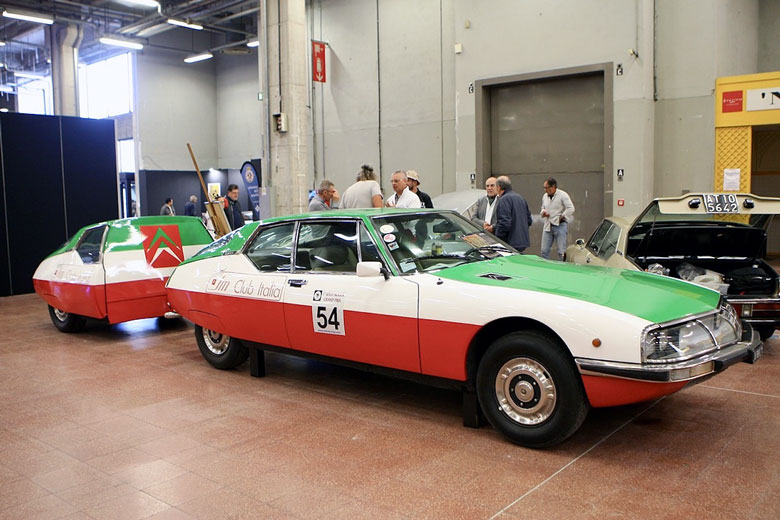
A tricolor Citroen SM complete with matching trailer.
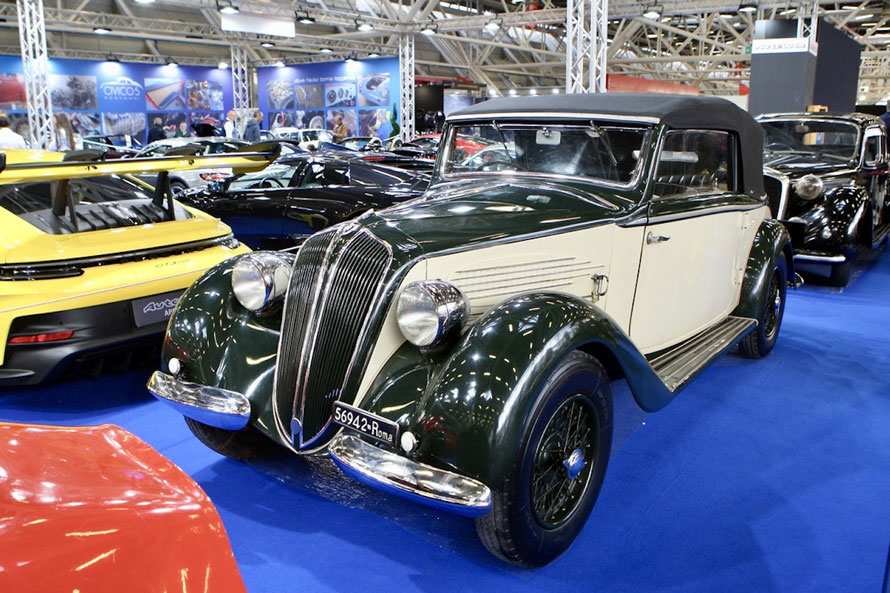
The name badge on the nose indicates that it is a Bianchi.
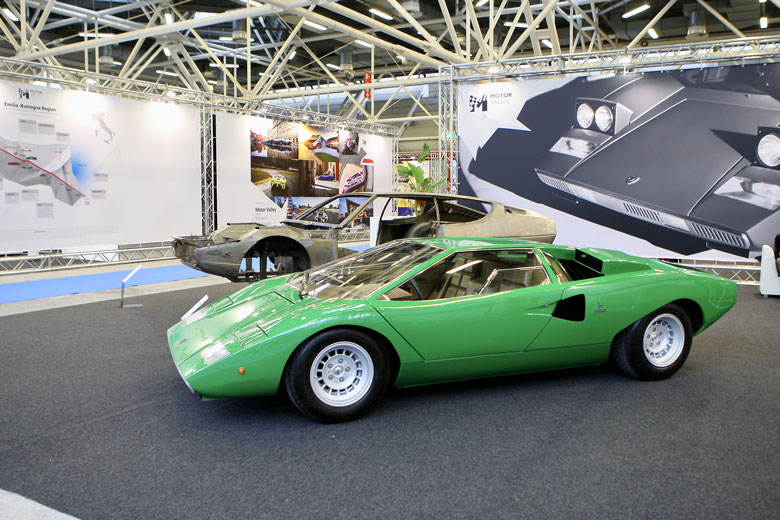
On the Polo Storico Lamborghini stand, an early Countach.
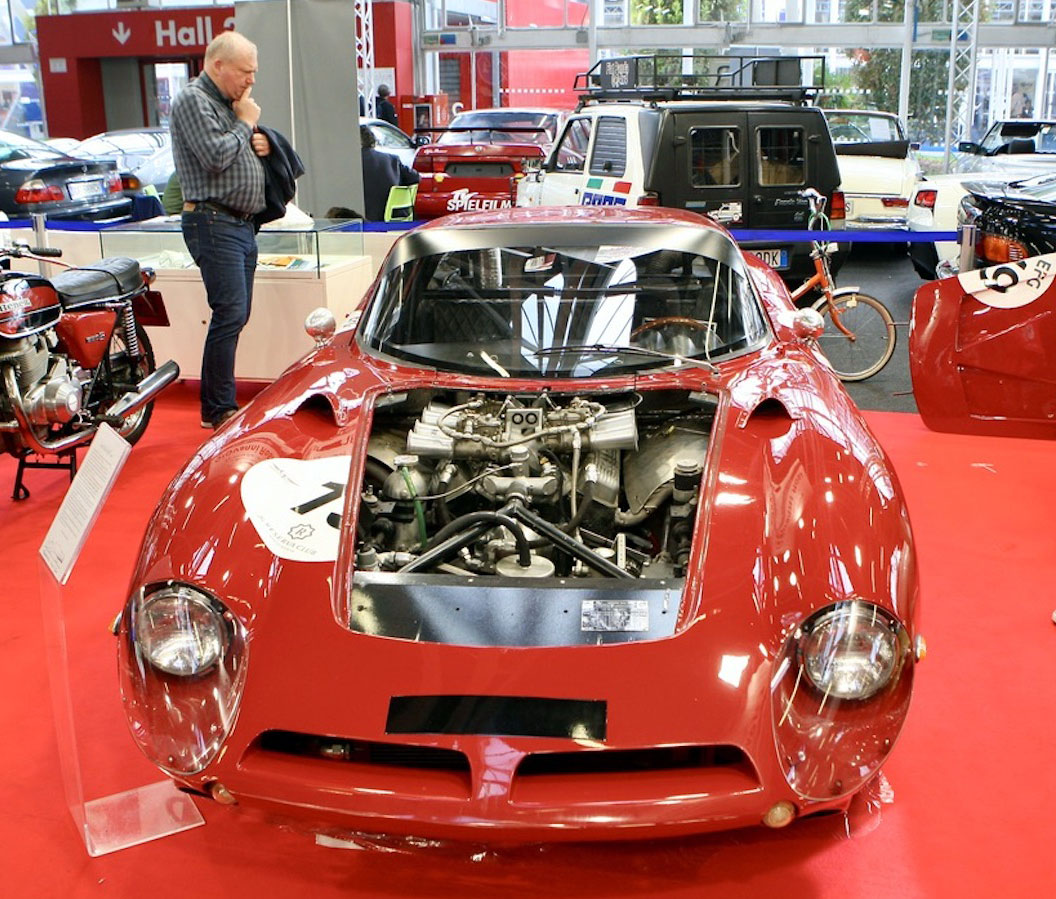
Iso Grifo A3/C
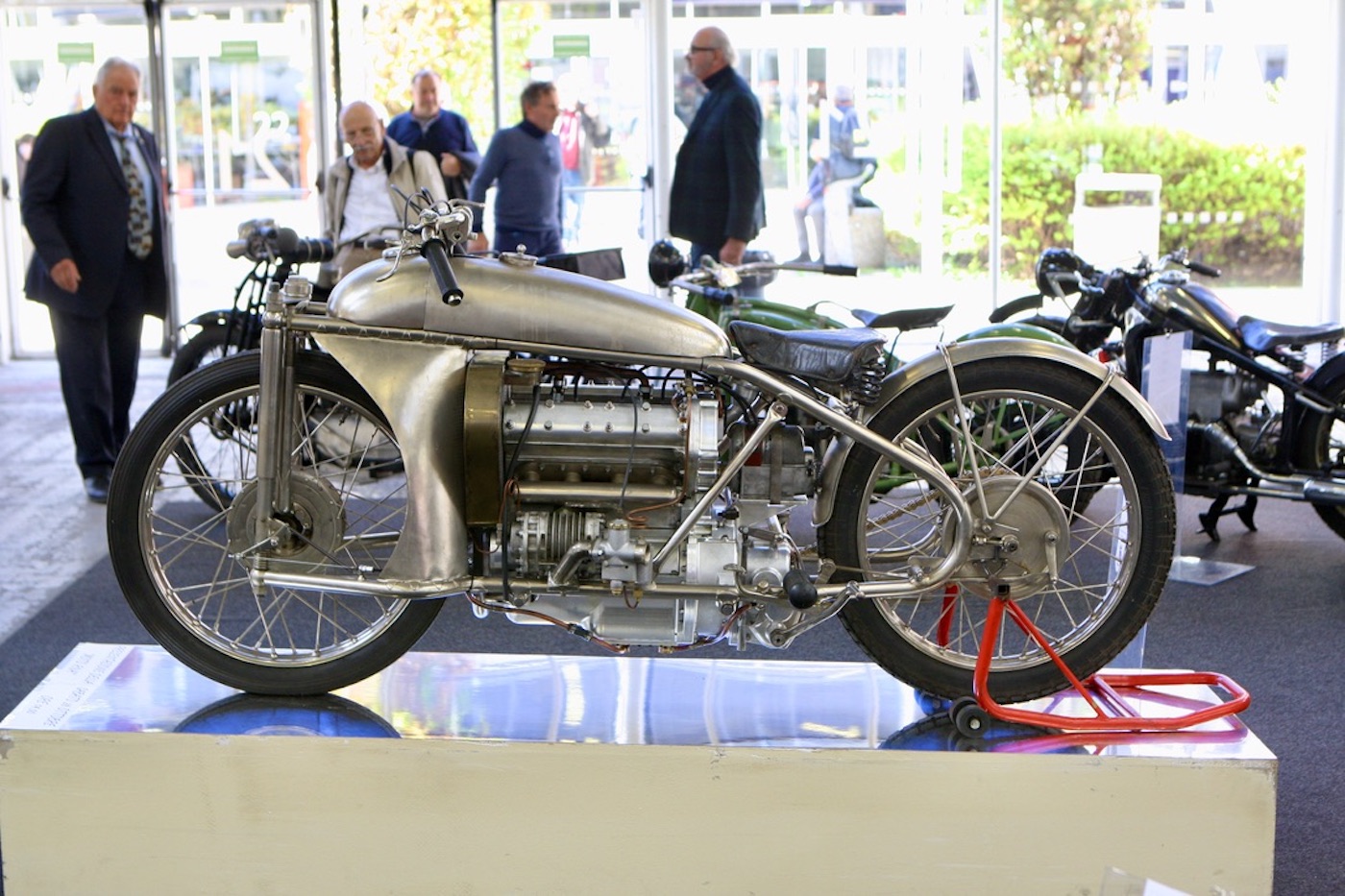
I have mentioned before that I am not really much of a bike man but I was really taken with this 1929 Riva Competizione complete with a four cylinder supercharged water cooled twin cam 500cc motor as built by Valerio Riva. Simply stunning!
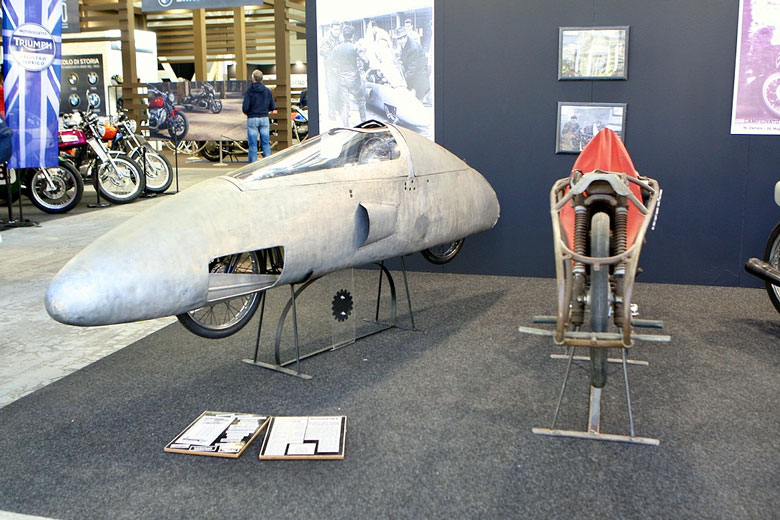
Another bike that peaked my interest, from what I can gather it is a 49cc Mondial that broke 24 world records.
Caption
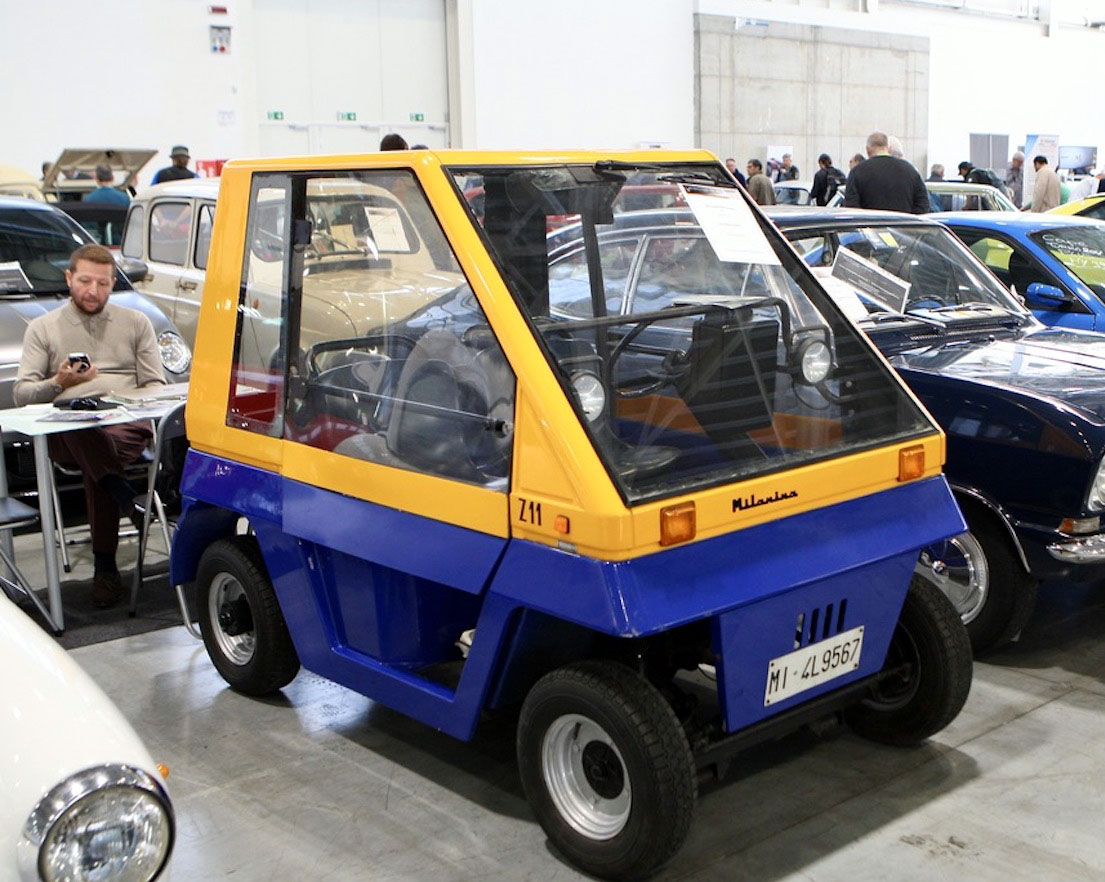
I had read about one, but never seen one! 1989 Zagato Milanina.
Were some of these cars brought from the Biscaretti museum in Torino?
Yes but it is now known as the Museo Nazionale dell’Automobile (MAUTO).
Any time I see a photo of an Autobianchi Bianchina Cabriolet, I think of a teeny tiny Hillman Minx like the one my parents had.
They have produced and forgotten more beautiful automobiles in Italy than in all the other countries of the world combined! It amazes me that after more than 60 years of actively reading about beautiful cars that have been produced over the last hundred or so years, there are still cars I haven’t seen before! And if they are really great looking, chances are they came from Italy. I tip my hat to my Italian friends. Not only do you have a great eye for beauty, but you have the skill sets necessary to turn it into fantastic machines!