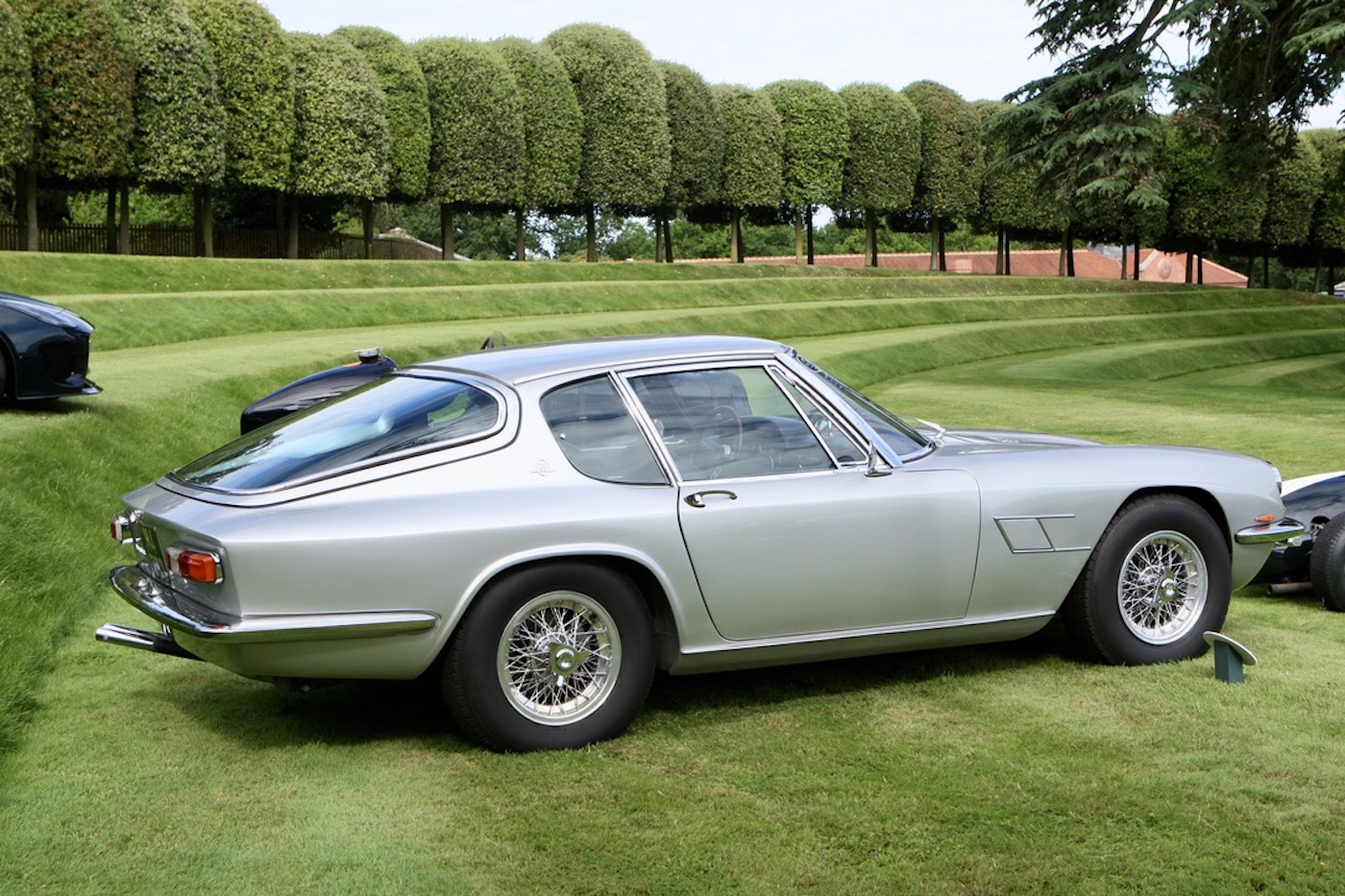
1967 Maserati Mistral Coupe, chassis 1146, after spending many decades languishing in a California garage is now with a UK based enthusiast, and it is a 4.0 Litre example to boot, great looking and 265 bhp.
Story and photos by Jonathan Sharp
After what can only be described as a Friday afternoon nightmare journey via the M25 to my hotel near Ipswich, it was so nice to take to the nearly deserted roads of Suffolk for a very pleasant 40 minute run to once again attend the Heveningham Hall Concours on June 28-29. With the cars displayed on the grass terraces I have to say that, along with Hampton Court, it is one of the best locations for displaying automotive works of art.
It does not seem possible that the event has been going since 2016; doesn’t time fly when you get old. The concours itself forms part of the larger country fair taking part on the estate during the weekend, and should you fancy a rest from admiring the automotive and aviation gems on display then you can simply walk to the front of the House and enjoy the displays and demonstrations of country life going on throughout the weekend in the display ring. I was particularly impressed with the display of falconry and on previous visits have also admired the display by the heavy horses. Another great thing about the event is that it raises lots of money for local charities, sports clubs and the East Anglian Air Ambulance, a service we all hope to never require but are glad it exists and which receives no government funding whatsoever.
In addition to the Concours and the country fair it was but a short walk to the Aviation Concours, which If I ask the Editor nicely, he may let me feature in a later issue, and Horsepower Hill in which competitors, mainly in supercar and hypercars, blast up the estate road that leads from the estate’s main entrance down to the Hall itself. This year the winner was a Ferrari 296 which touched 117 mph during the short blast.
The classes for Automotive entries were as follows:
Pioneer & Pre War
Mid Century 1946-1965
Post Modern 1966-1999
Performance Supercar and Hypercar
Race and Rally.
The judges this year included Max Hunt, Marino Franchitti, the supermodel and petrol head David Gandy, and the car designers Peter Stevens and Ian Callum.
So who won what award?
Best in Show, 1920 Sunbeam 350 HP
Chairman’s Choice, 1951 Ferrari 212 Export
Race and Rally, Aston Martin DBR2
Pioneers and Pre War, Bugatti Type 57
Mid Century, 1961 Aston Martin DB4 GT Zagato
Post Modern, 1995 Porsche 911 Carrera RS
Performance Supercar and Hypercar, 1984/2022 Porsche 930 Tag Turbo by Lanzante.
The following is a selection of my favorites which I hope you will enjoy.
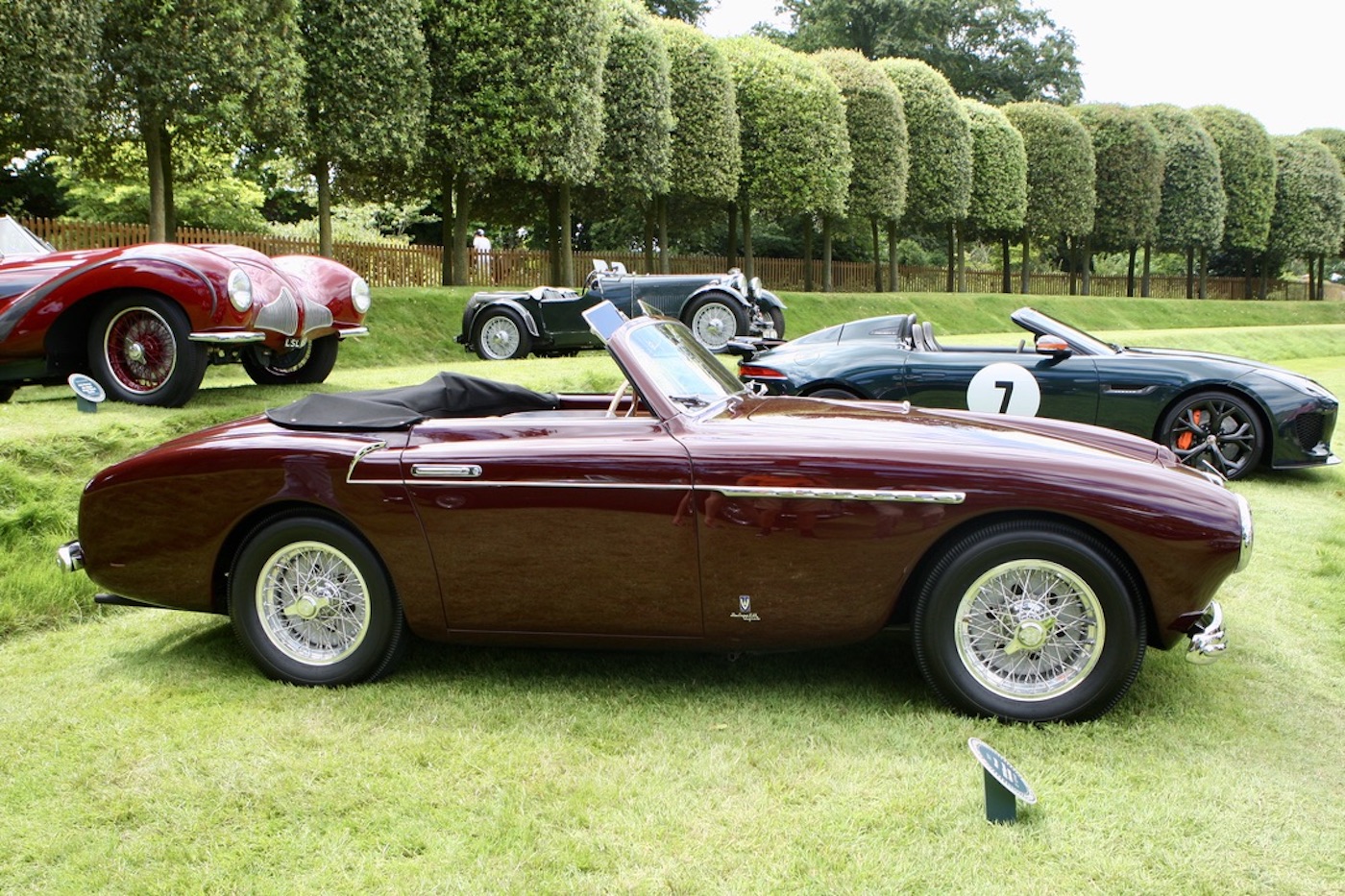
1951 Ferrari 212 Export Cabriolet, chassis 0106E, is one of just two (of the 27 built) to carry cabriolet coachwork by Vignale. After being in the ownership of Ferrari dealer David Clarke from 1961 until his death in 2002, it was only in 2024 that the current owners obtained the car and then enlisted the services of Motion Products Inc to restore the car back to its original colour of Carminio Metallizzato, the resultant work being simply out of this world; no wonder it won the Chairman’s Choice award at the event.
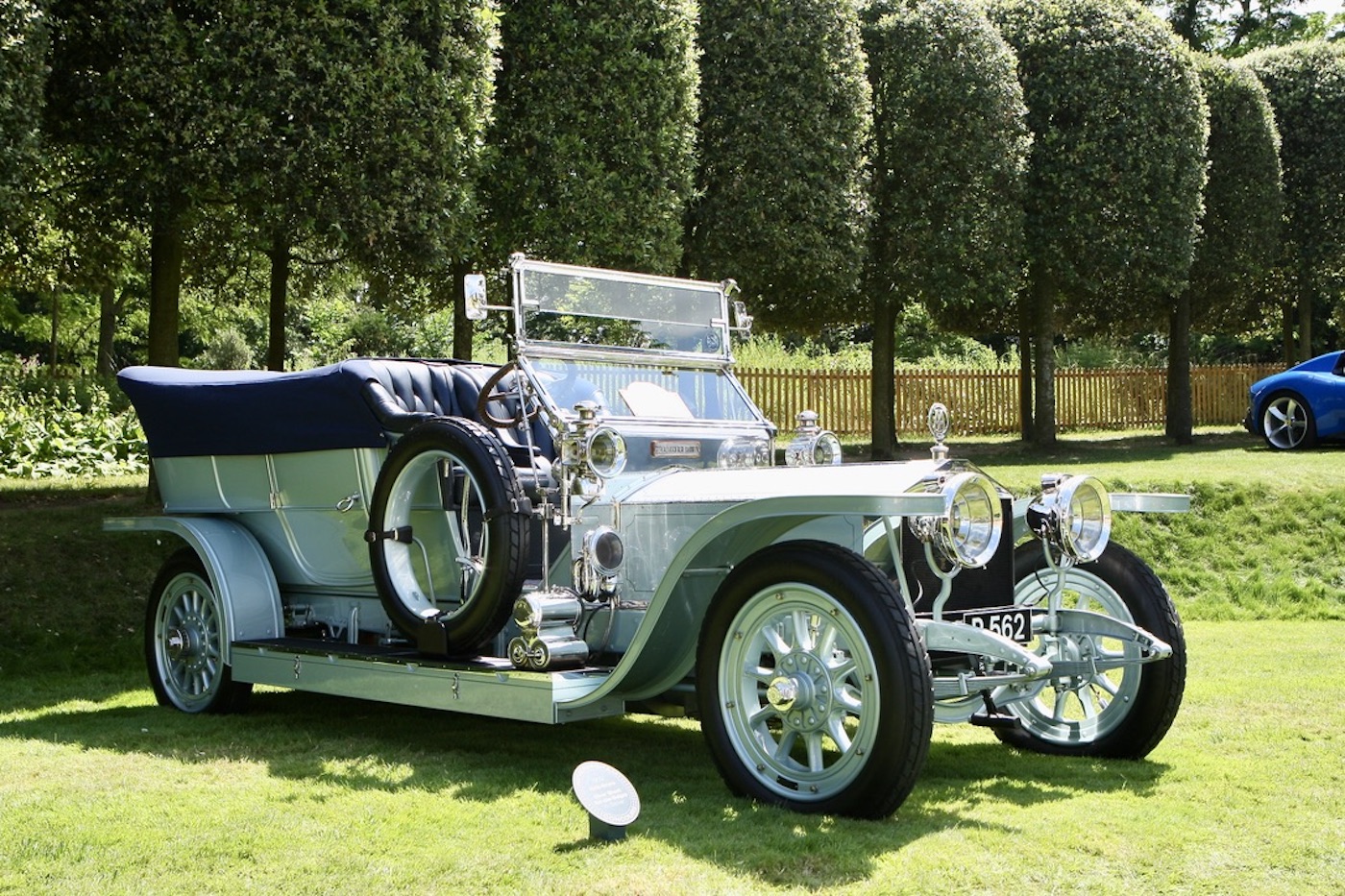
1909 Rolls Royce Silver Ghost Roi-des-Belges, chassis 60922, known as ‘The Silver Dawn’ was ordered in 1908 by Charles Angas, whose family had founded the South Australian Company in the 19th Century, and was fitted with Roi-des-Belges coachwork by Brainsby. Charles retained the Rolls until 1919 and whilst it was rebodied by subsequent owners it was not messed about with. Restored by P & A Wood and fitted with a period Roi-des-Belges body, the work was completed in time for it to partake in the 1800 mile 2013 Alpine Trial.
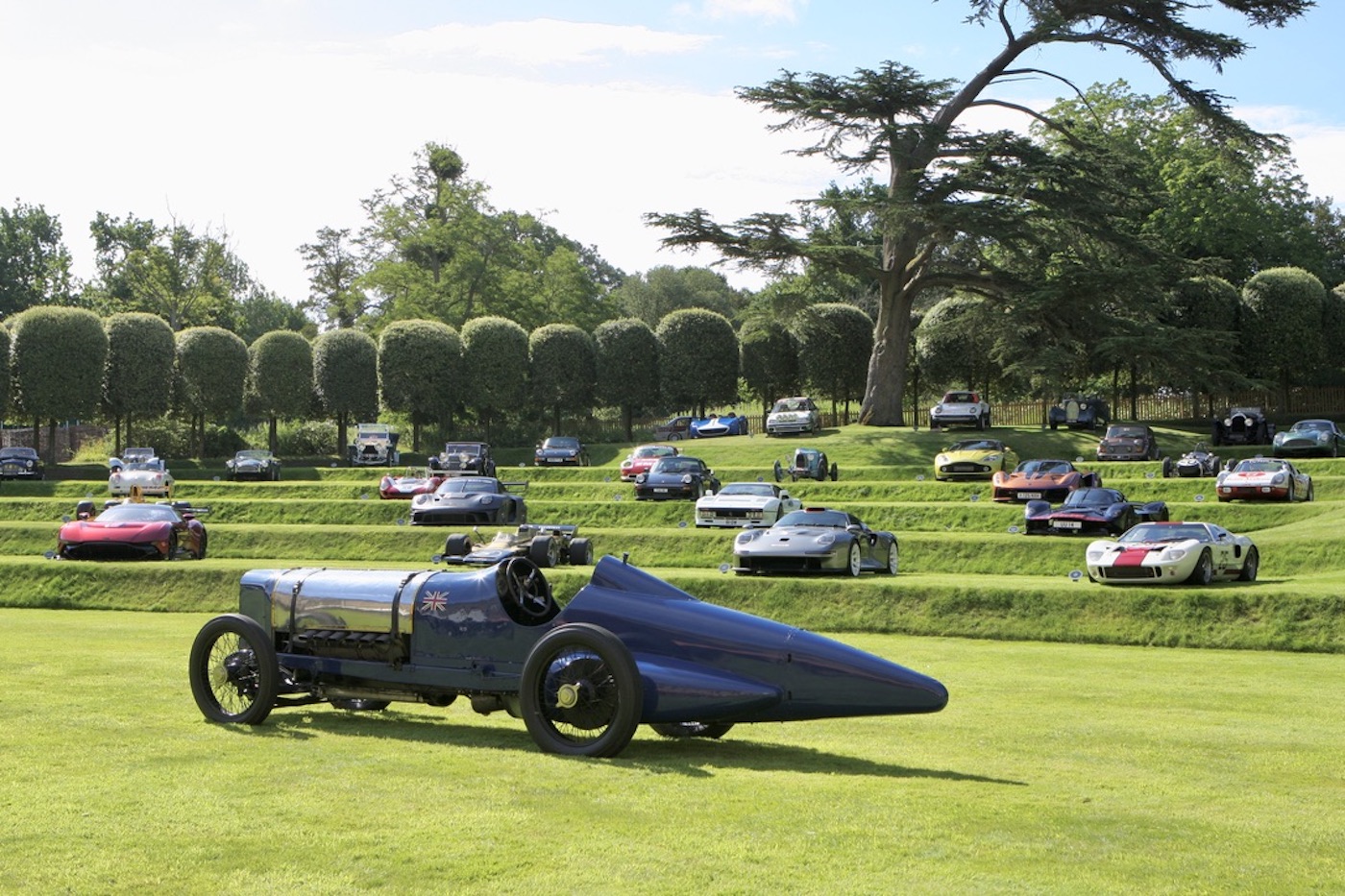
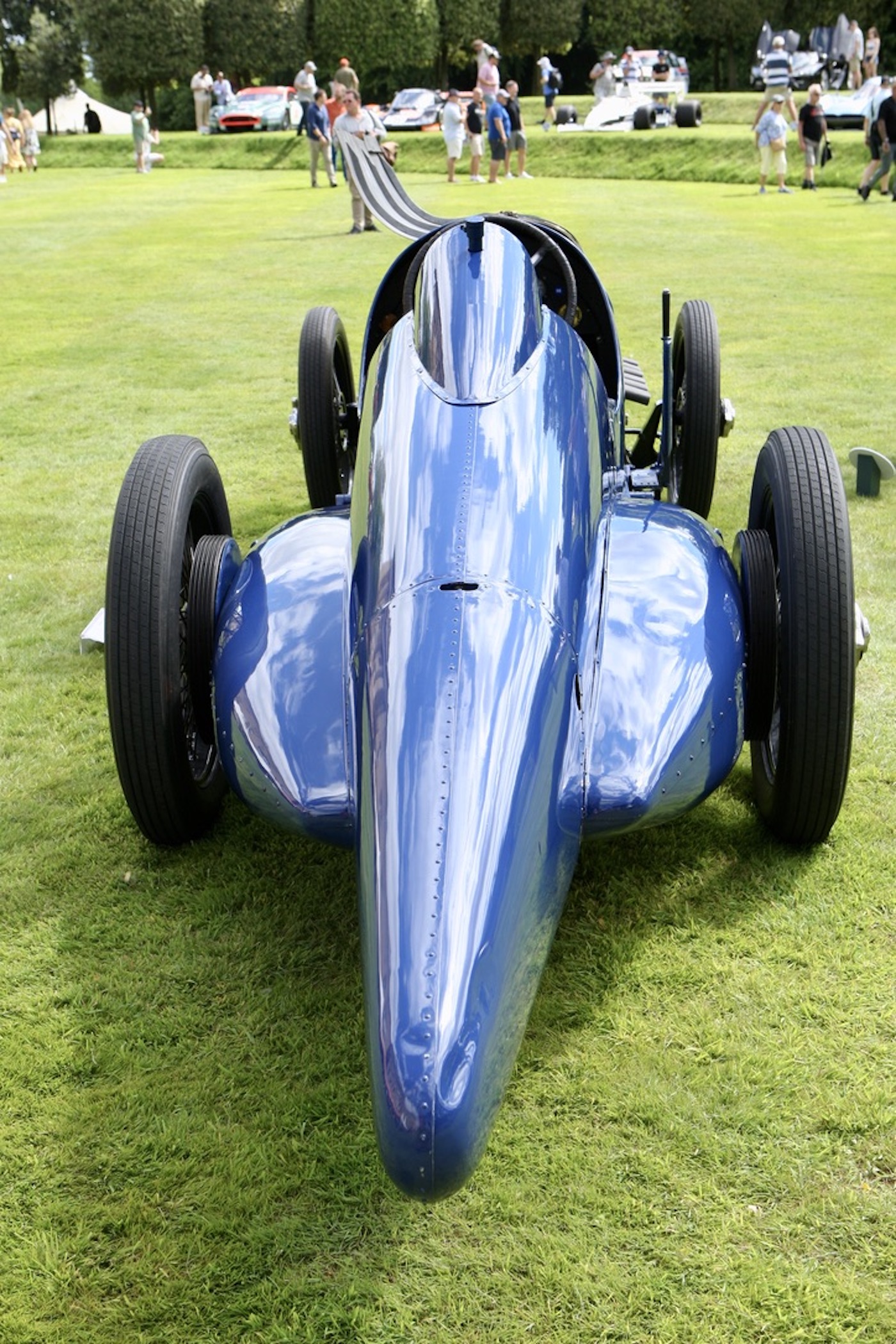
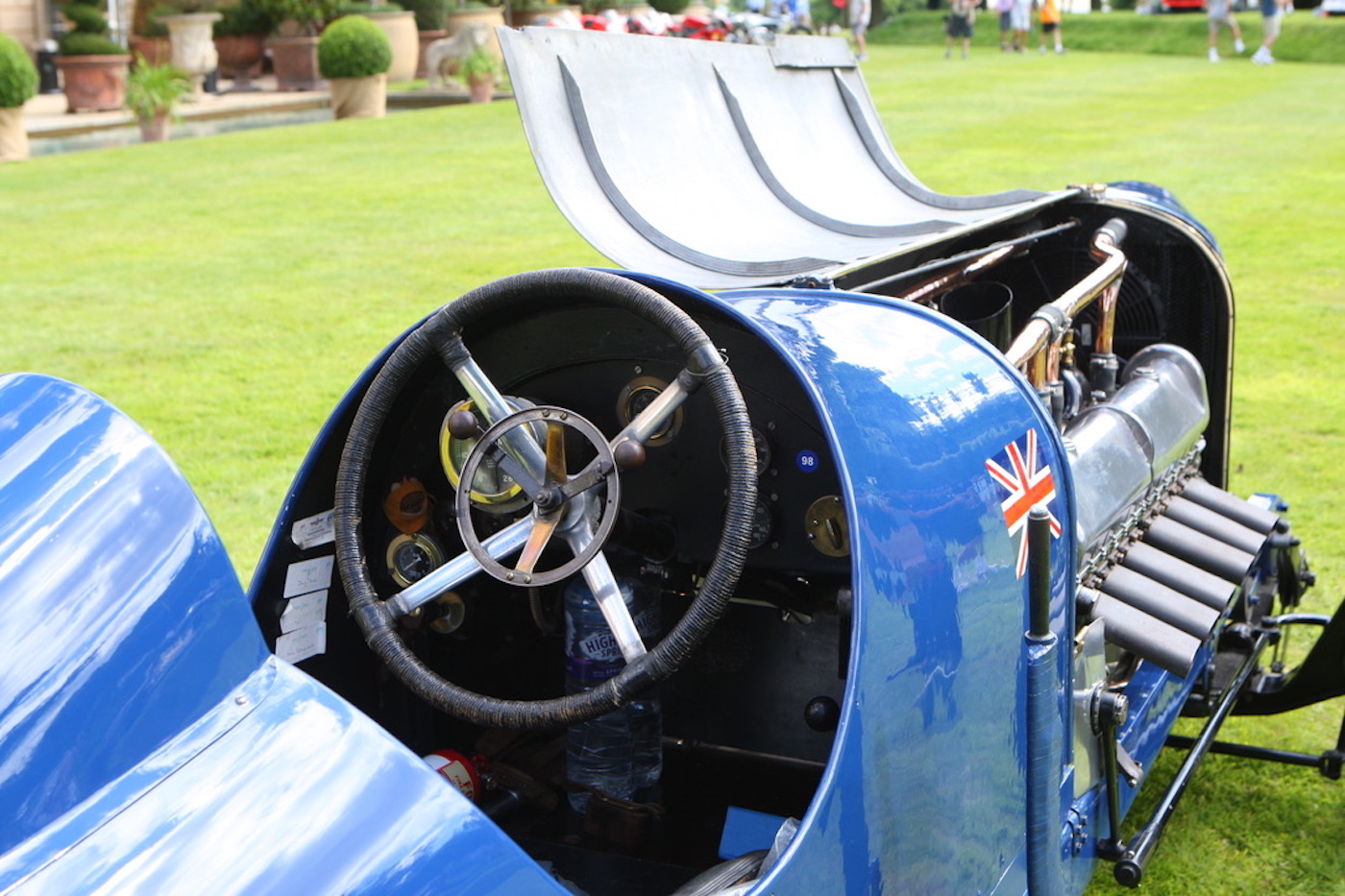
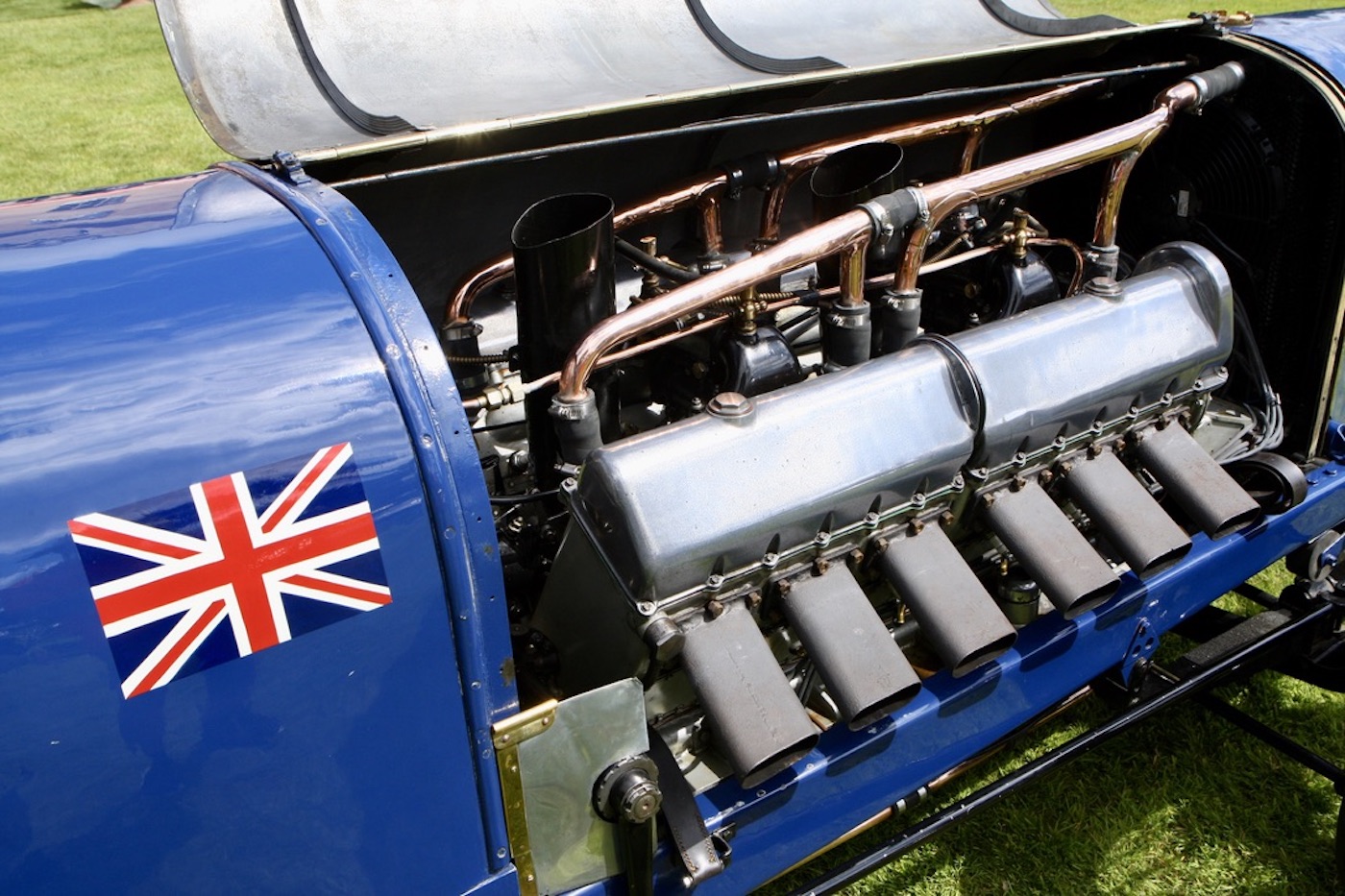
Winner of Best in Show, the 1920 Sunbeam 350HP. Whilst famously known as ‘Blue Bird,’ the 350HP Sunbeam was designed by Louis Coatalen and originally driven by Kenelm Lee Guiness at Brooklands to a new Land Speed Record of 133.75 mph on the 17th May 1922. Malcom Campbell purchased her in 1923 and, together with Leo Villa, set about modifying her, adding the elongated tail and blue paint before taking her to Pendine Sands in South Wales and breaking the Land Speed Record twice, 146.16 mph on the 25th September 1924, and 150.76 mph on the 21st July 1925.
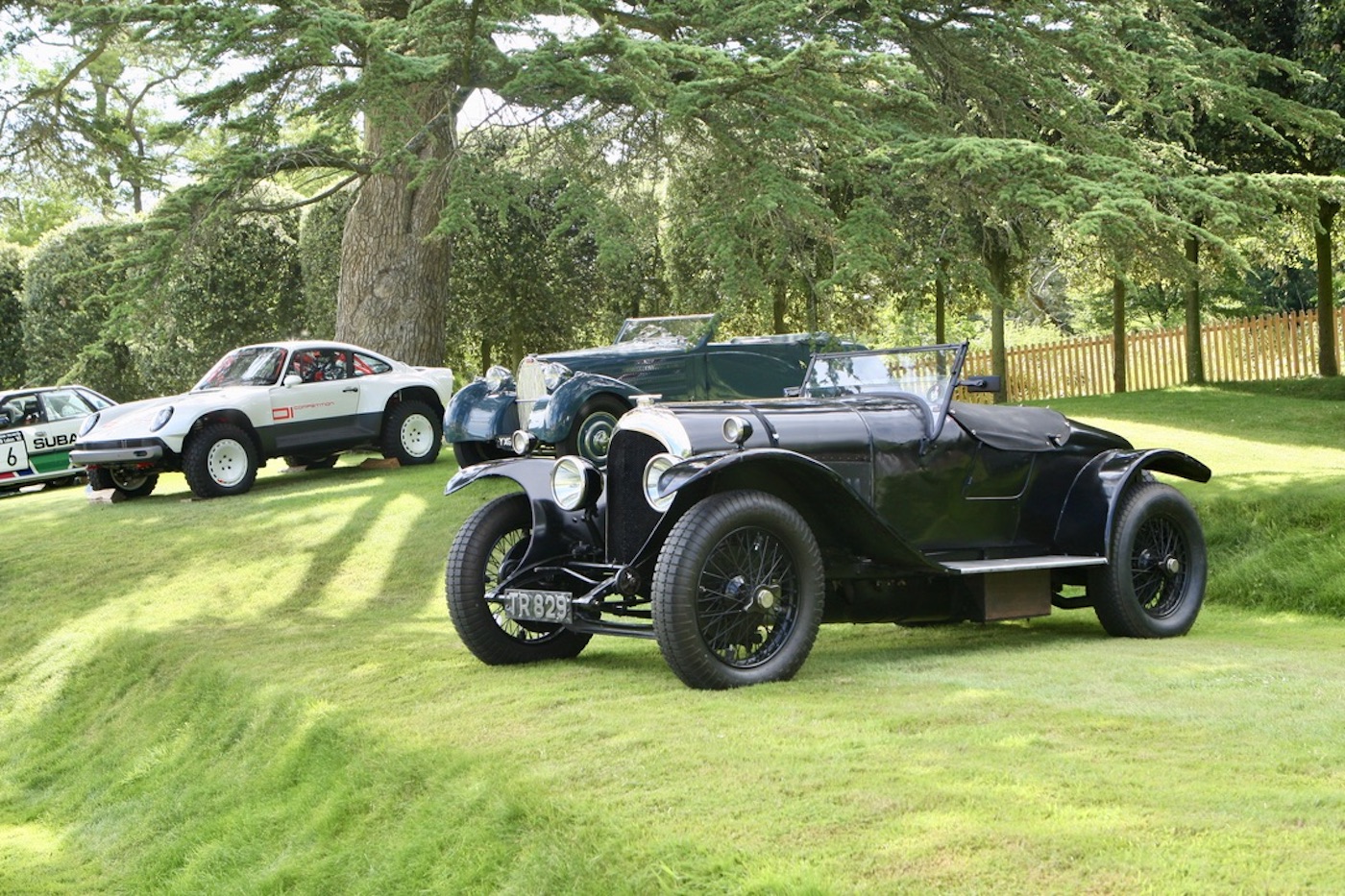
1925 Bentley 3 Litre SS Three Seater by Short. Chassis 1174 is one of only 18 ‘Green Label’ (guaranteed to do 100 mph) 3 Litres built. A stunning example, never modified and still wearing her original coachwork.
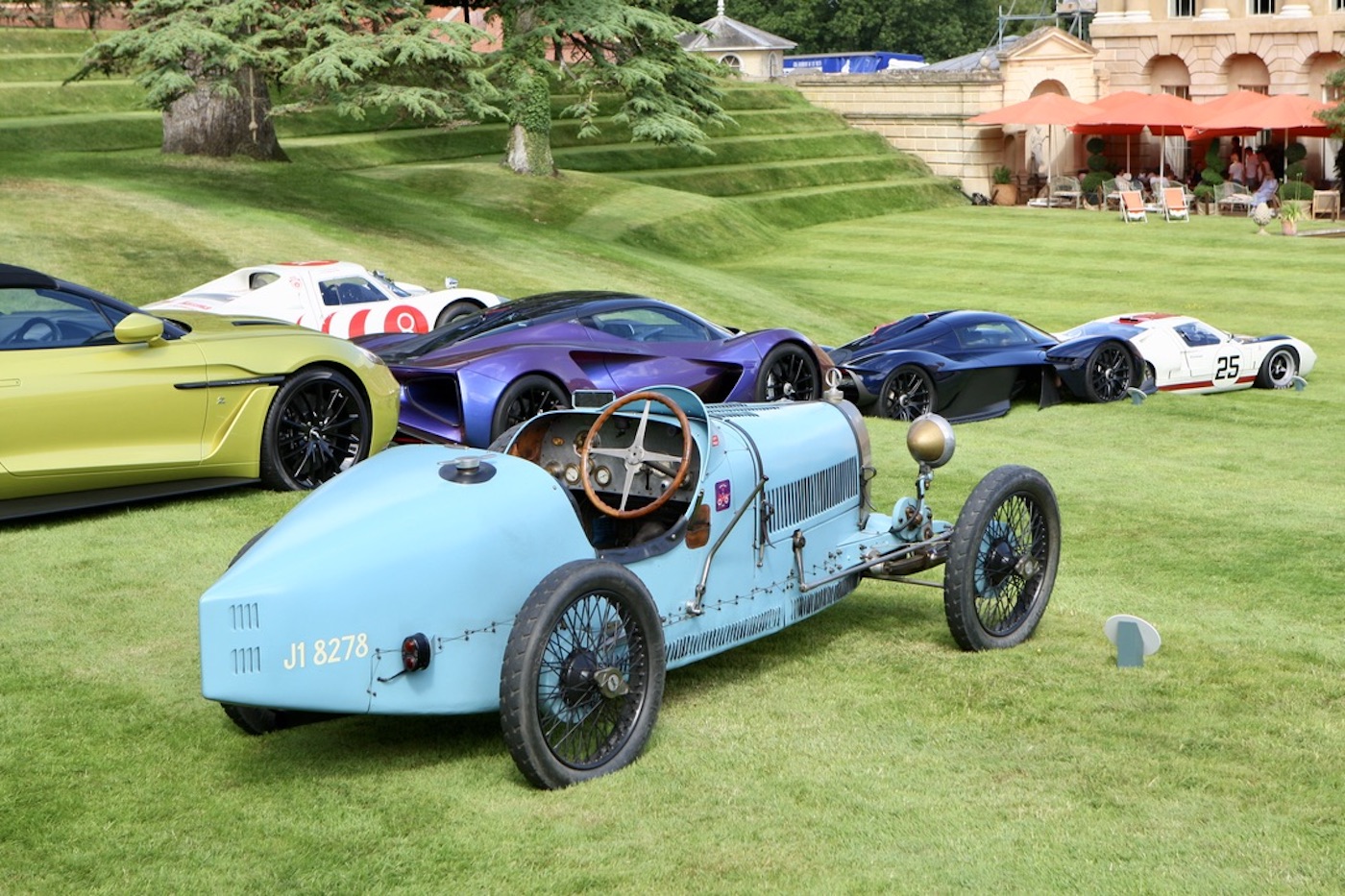
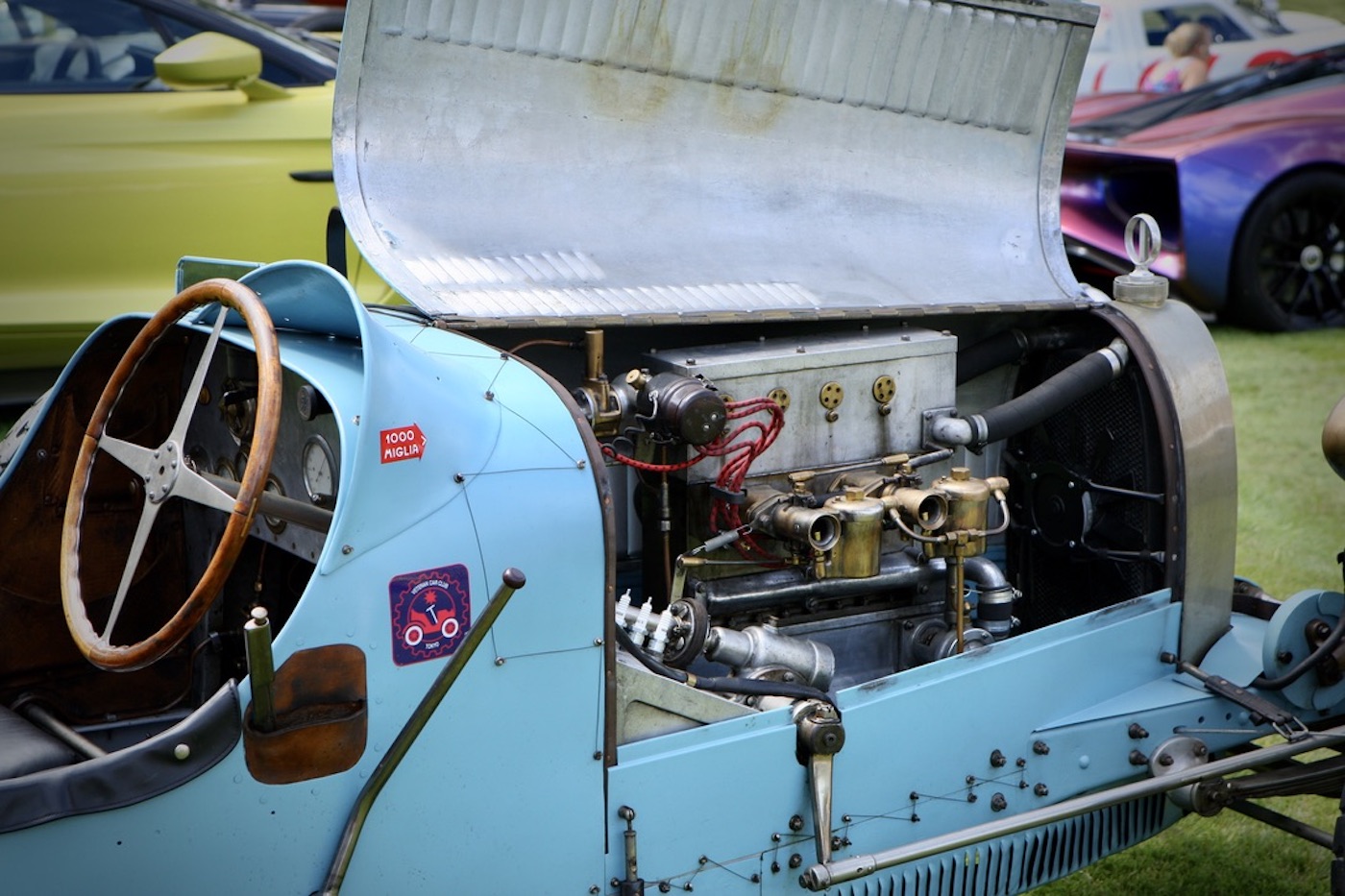
1926 Bugatti Type 37, Sold in 1926 by Bugatti’s UK agent Captain Malcolm Campbell, chassis 37139 has remained essentially in the condition as sold by Campbell nearly 100 years ago.
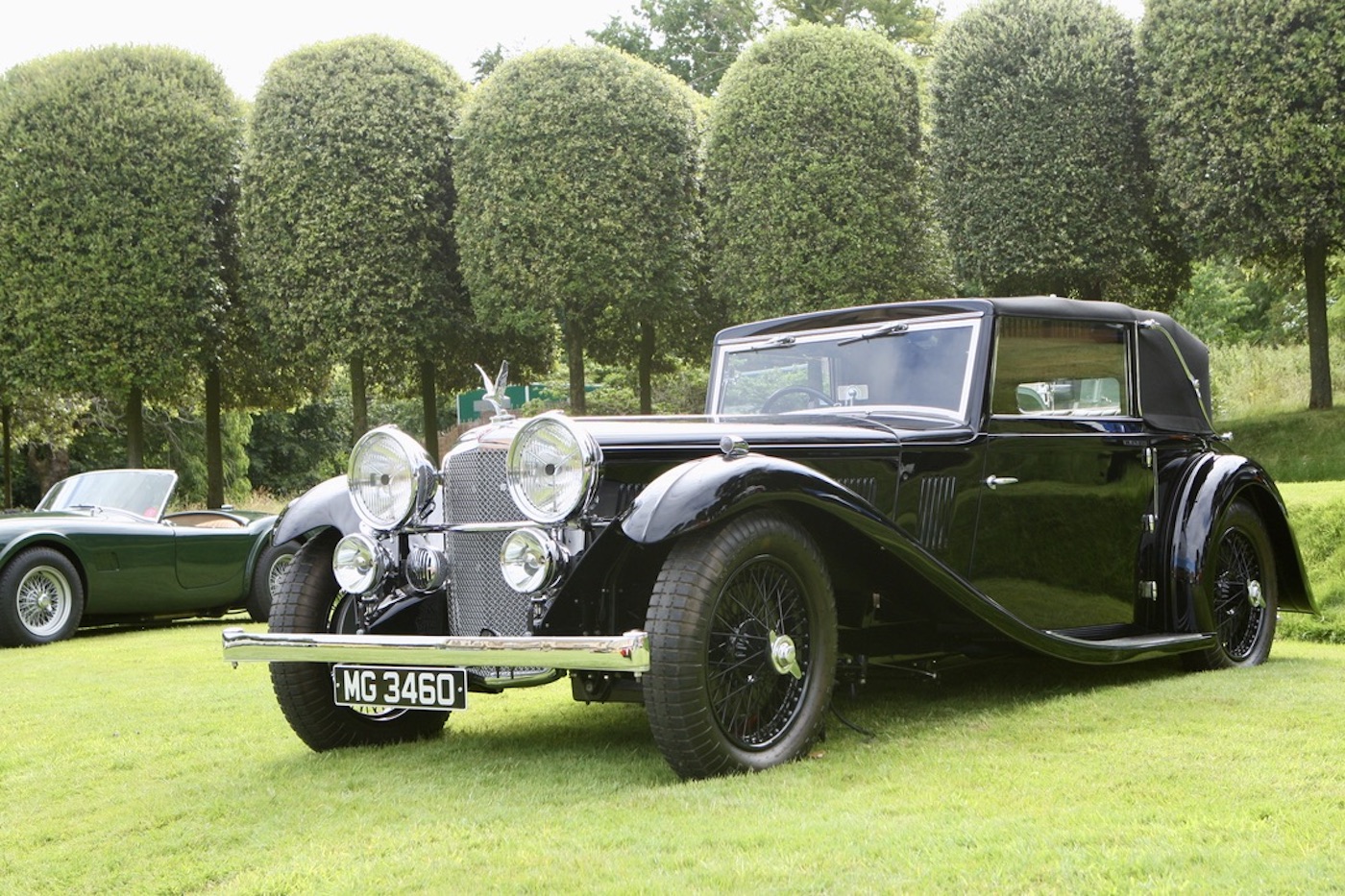
1934 Alvis Speed Twenty SB DHC by Vanden Plas. Chassis 11857 is perhaps one of three surviving (of the 38 examples) clothed by Vanden Plas.
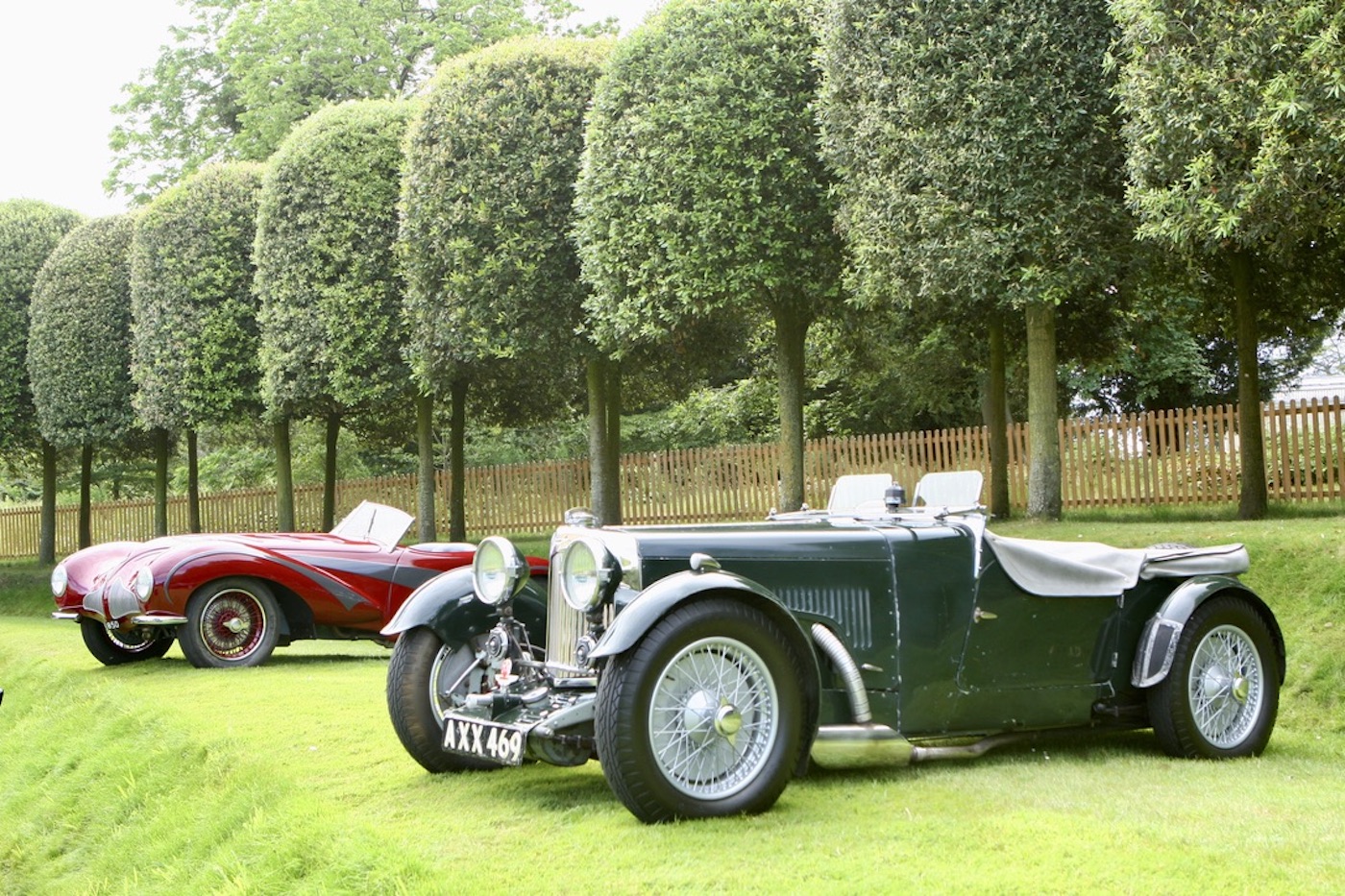
1934 Aston Martin MkII 2/4 Seater. Chassis B4/402/S was sold new to the British actor Ralph Richardson (later Sir Ralph) but by 1962 the Aston Martin had passed into the hands of a Surrey resident who drove her regularly until engine problems in 1969 relegated the Aston Martin to a barn where it sat for 50 years until coming to the attention of Robert Blakemore, the MD of Ecurie Bertelli, the pre war Aston Martin specialist. In 2021 Robert acquired the remarkably well-preserved Aston with the intention of finding a new owner who shared in his wish to see the car not restored but sensitively recommissioned. Those new owners are Tom and Sue Wood who fell in love with the car after seeing pictures of the still dirty covered Aston in Octane magazine. Following their purchase all safety critical parts have been replaced, a new engine (to preserve the original) has been fitted, and a small section of wood frame has been replaced. The paint was then stabilized and sealed and vast amounts of elbow grease was applied to the car. Lovely!
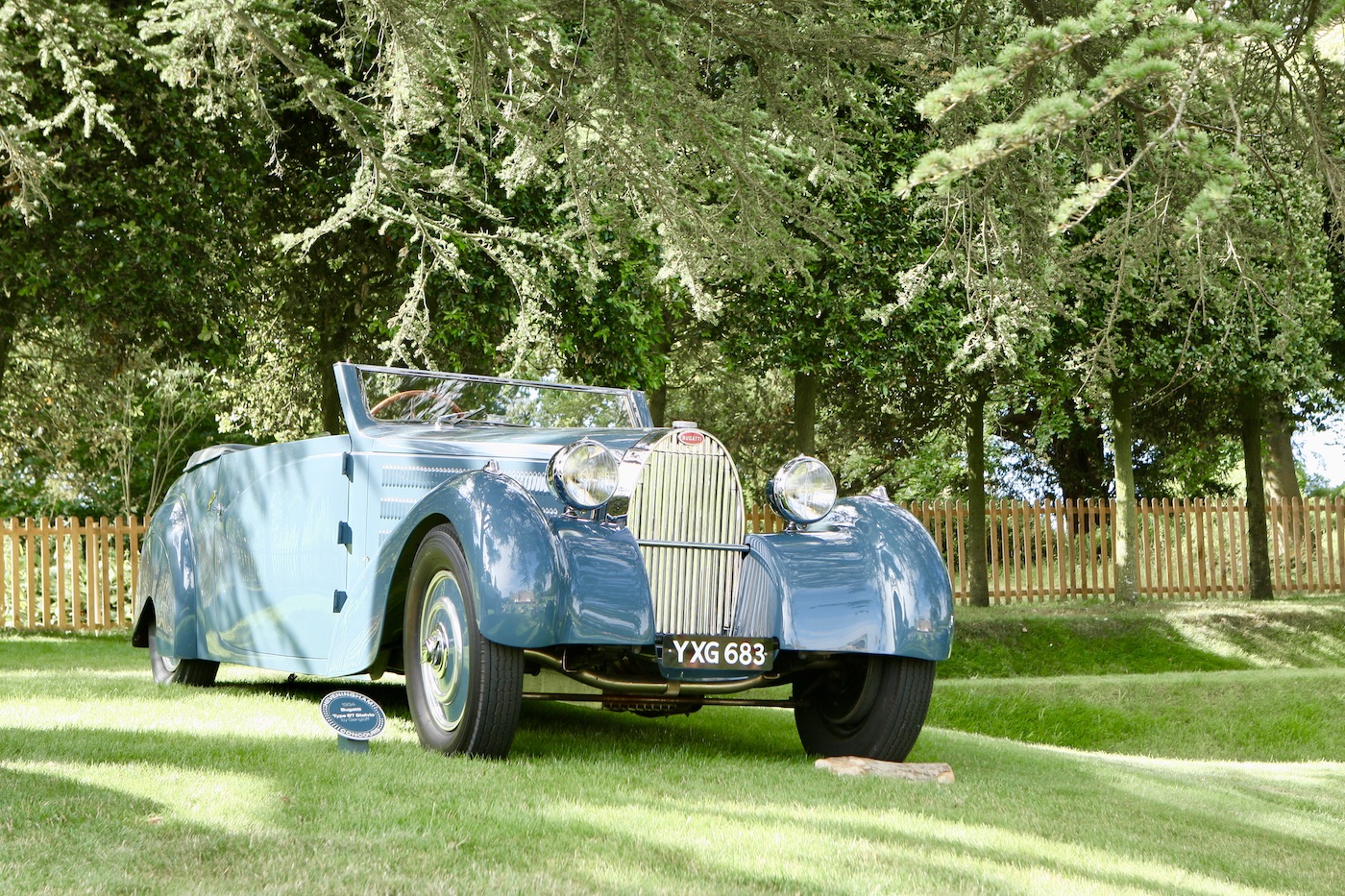
1934 Bugatti Type 57, Chassis 57143 was ordered by Maurice Desmuront of Tourcoing in northern France and fitted with the factory’s Galibier saloon body. Having received the car in May 1934, by October 1934 he had moved it on to a Divion based Brewer. In 1936 the said Brewer traded the car to Parisian Bugatti dealer Dominique Lamberjack who then had the car rebodied in the Stelvio style, probably by Gangloff.
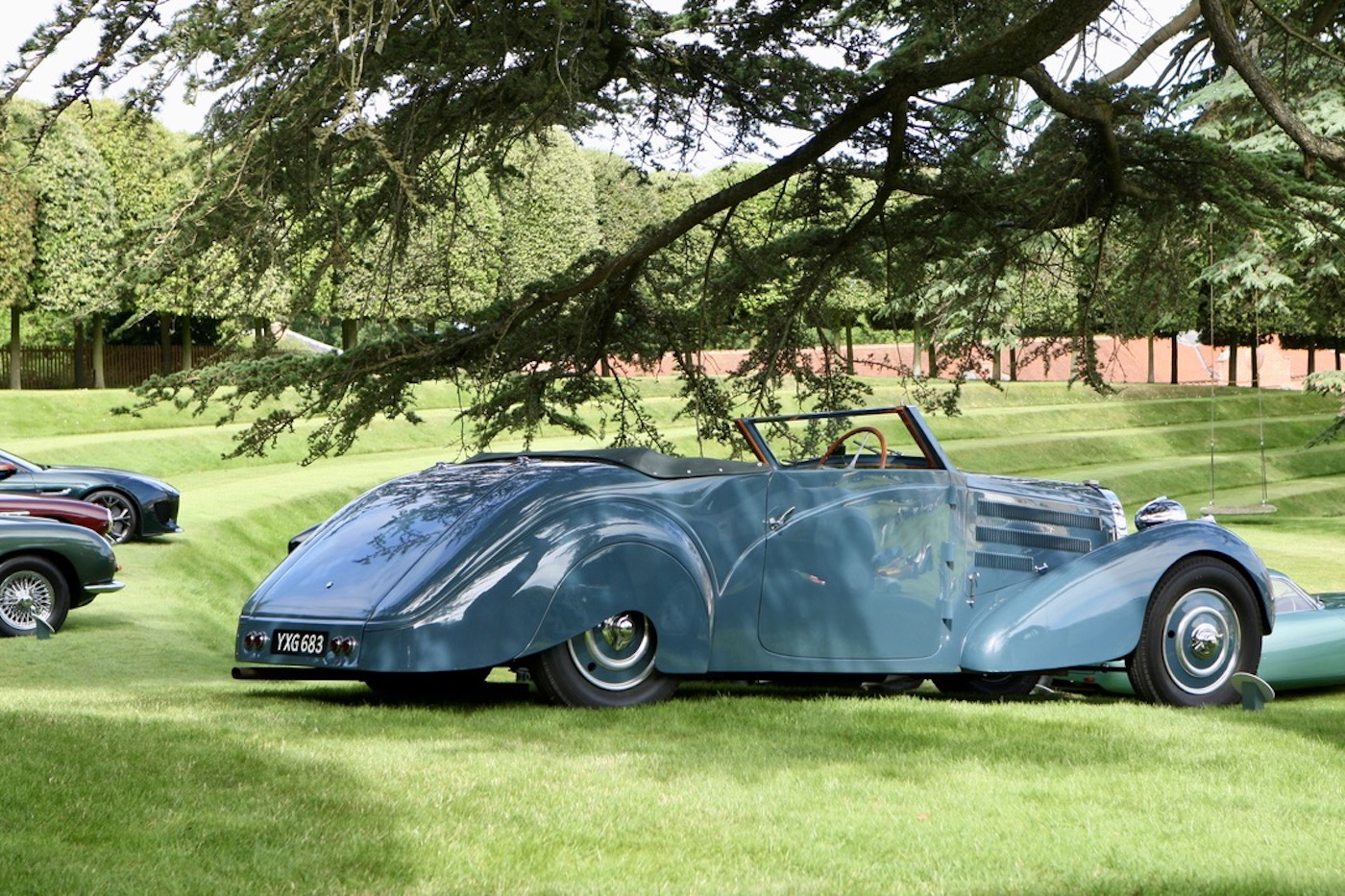
The Stelvio body is unusual as it features a lower than standard windscreen. After WW2 the car was exported to the USA where its owners included Lance Reventlow. After appearing at Pebble Beach in 2003 the Bugatti made its way to the UK via Germany.
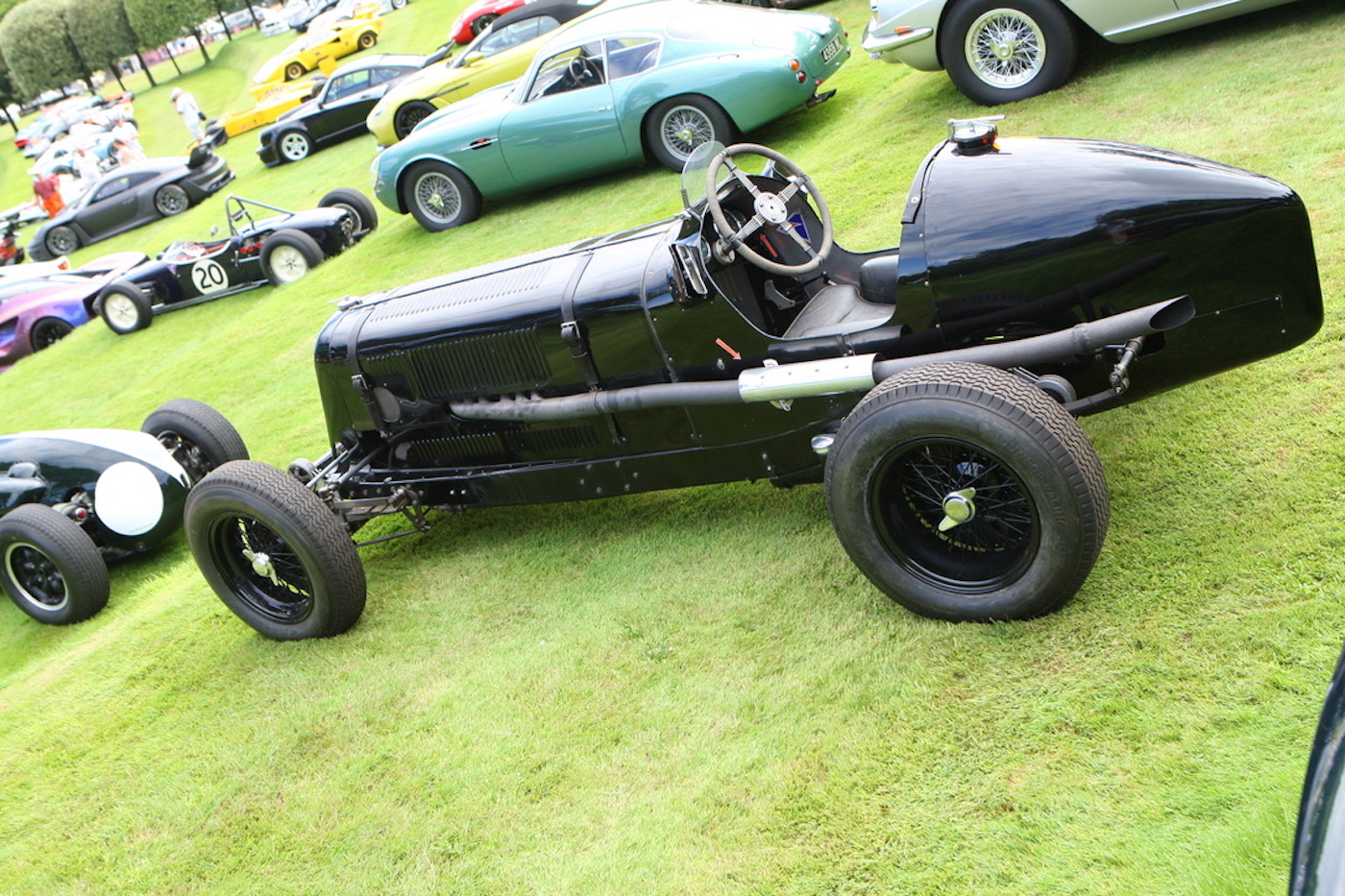
1936 ERA B Type, chassis R10B was sold new to Peter Whitehead who shared it with his friend Peter Walker with some success including Peter Whitehead’s victory in the 1938 Australian GP.
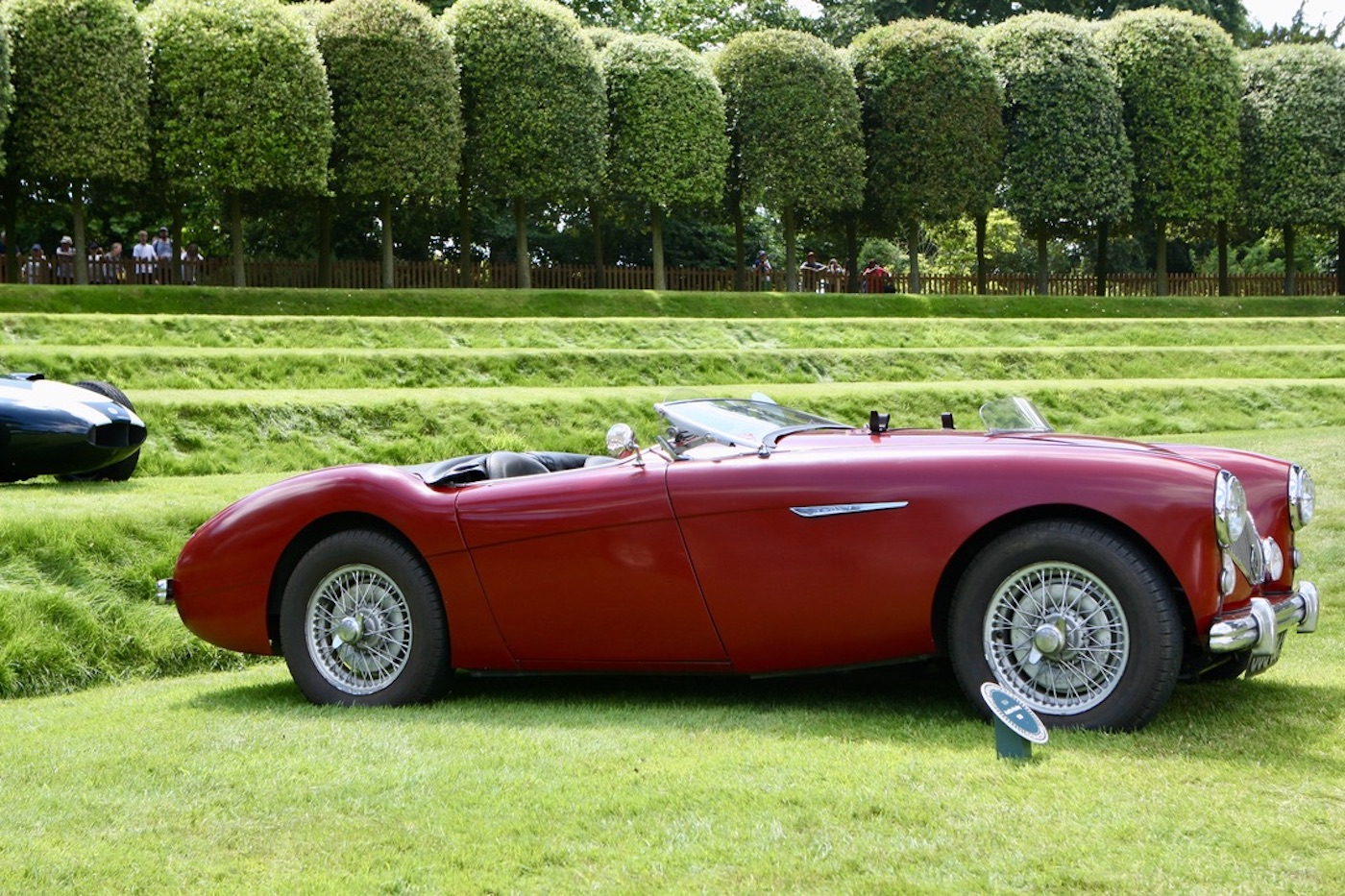
1954 Austin Healey 100. In Denis Jenkinson’s report on the 1955 Mille Miglia he describes the early hours of the race as ‘on the straights we were getting 170 mph. We seemed to spend most of the time between Verona and Vicenza passing Austin Healeys.” Chassis 157103 was one of those Healeys. Driven by George Verrilli, 157103 was flagged off six minutes before Moss. “When he went by me I thought I was standing still.” In fact George was doing over 110 mph at the time. From the 534 starters in 1955 George finished 88th. In 1956 he entered again but failed to finish. Having become very attached to the car it was not until 2012 that he sold it to the current owner.
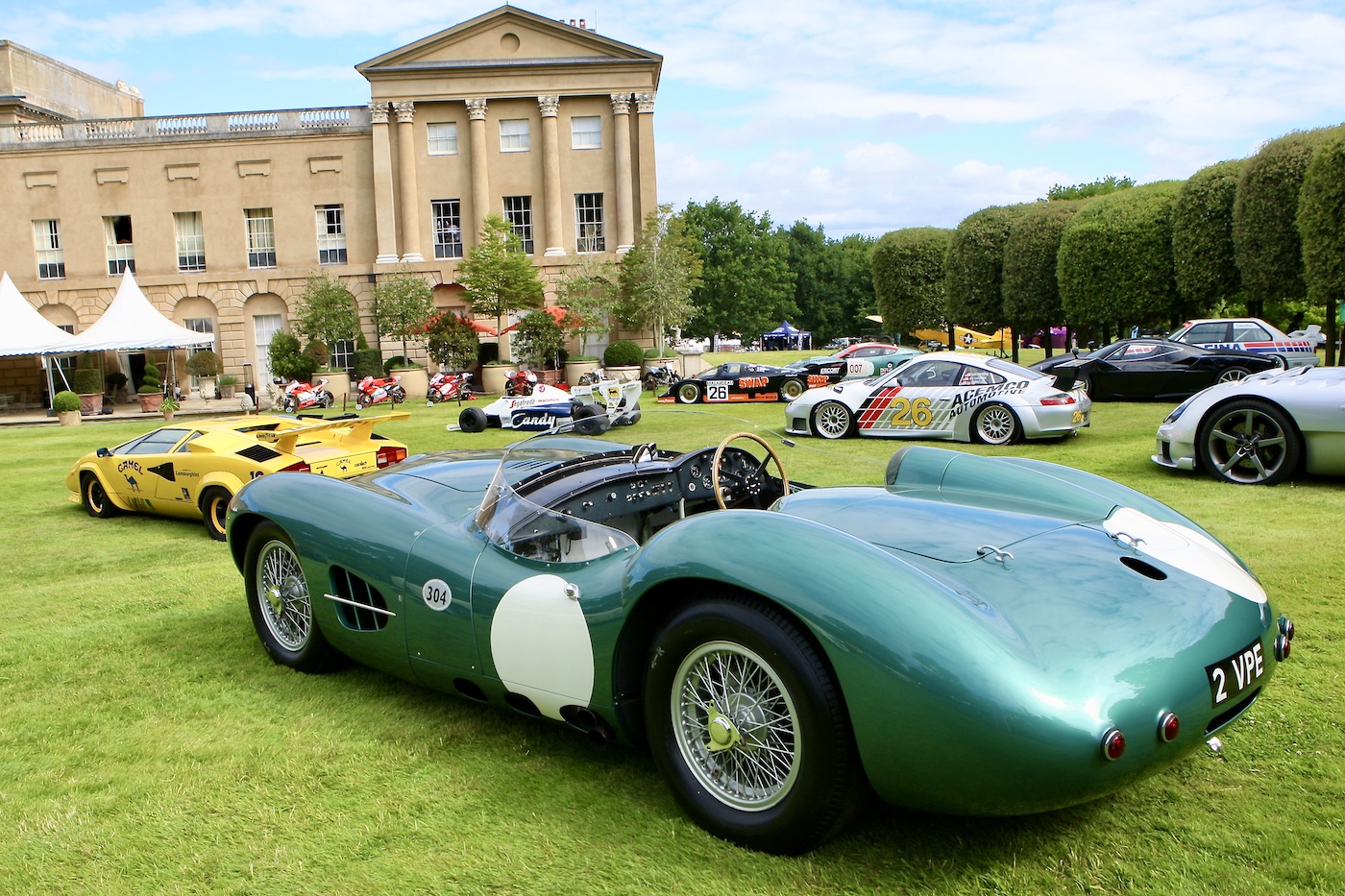
1957 Aston Martin DBR2 . In 1957 the organizers of the Le Mans 24 hour race decided to allow engines of any size to compete. The 3.0 litre engined Aston Martin DBR1 was in serious risk of being outgunned. Ted Cutting, the head of the racing department, set about repurposing the 3.7 litre straight six of the new DB4 and fitted into the spaceframe chassis that had been developed for the failed Lagonda V12 racer. To clothe the car he scaled up the bodywork he had already produced for the DBR1. For Le Mans DBR2 chassis 1 was entrusted to the Whitehead brothers who found during practice the car to be particularly potent so they decided to sandbag in case team manager Reg Parnell decided to allocate the chassis to his more established drivers for the race. Come the race day the brothers proved the car’s worth and were in contention until being undone by a blocked gearbox breather. For 1958 the organizers reintroduced the capacity limit.
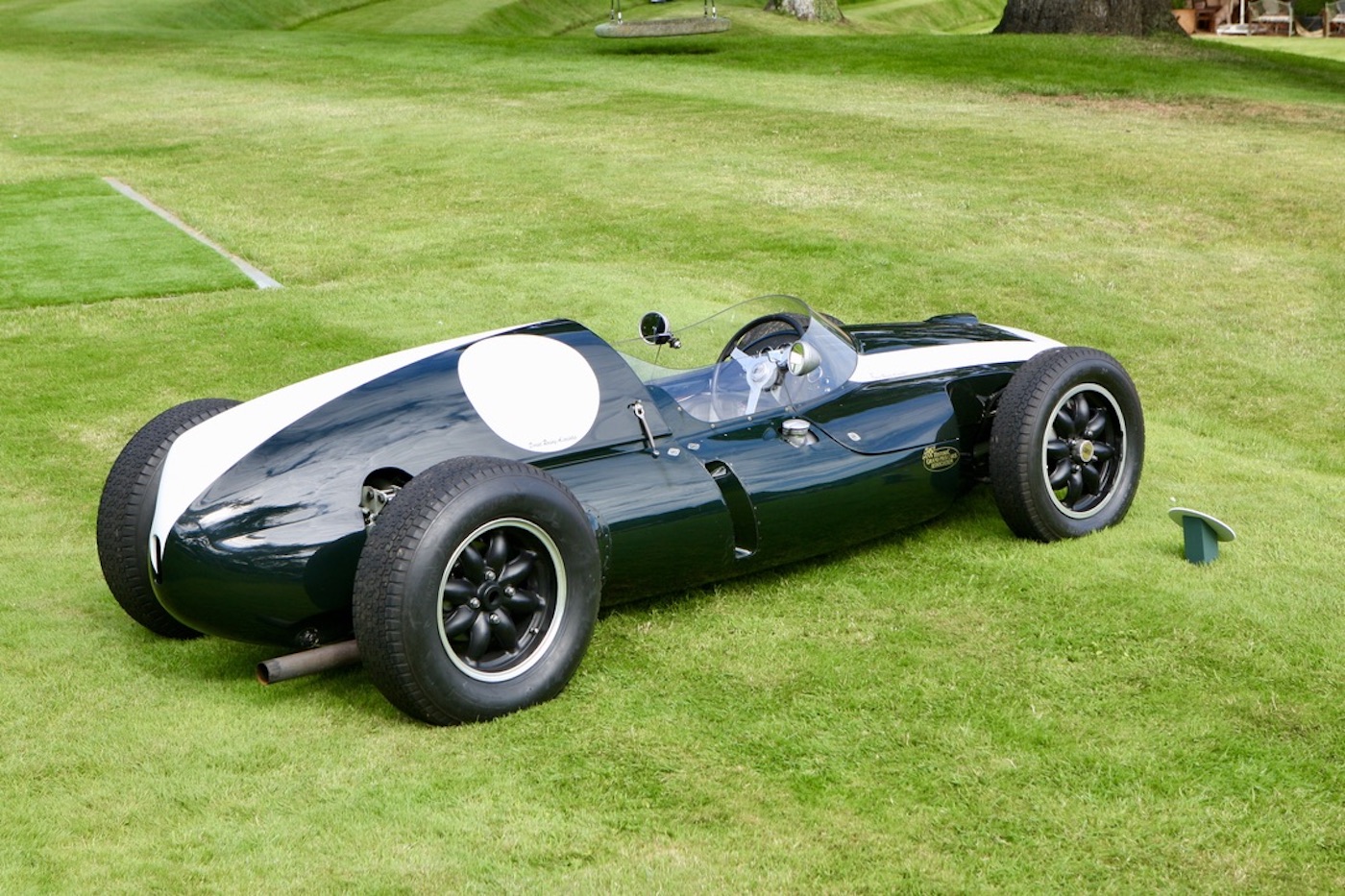
1959 Cooper-Climax T51, Bruce McLaren’s 1959 US Grand Prix-wining chassis.
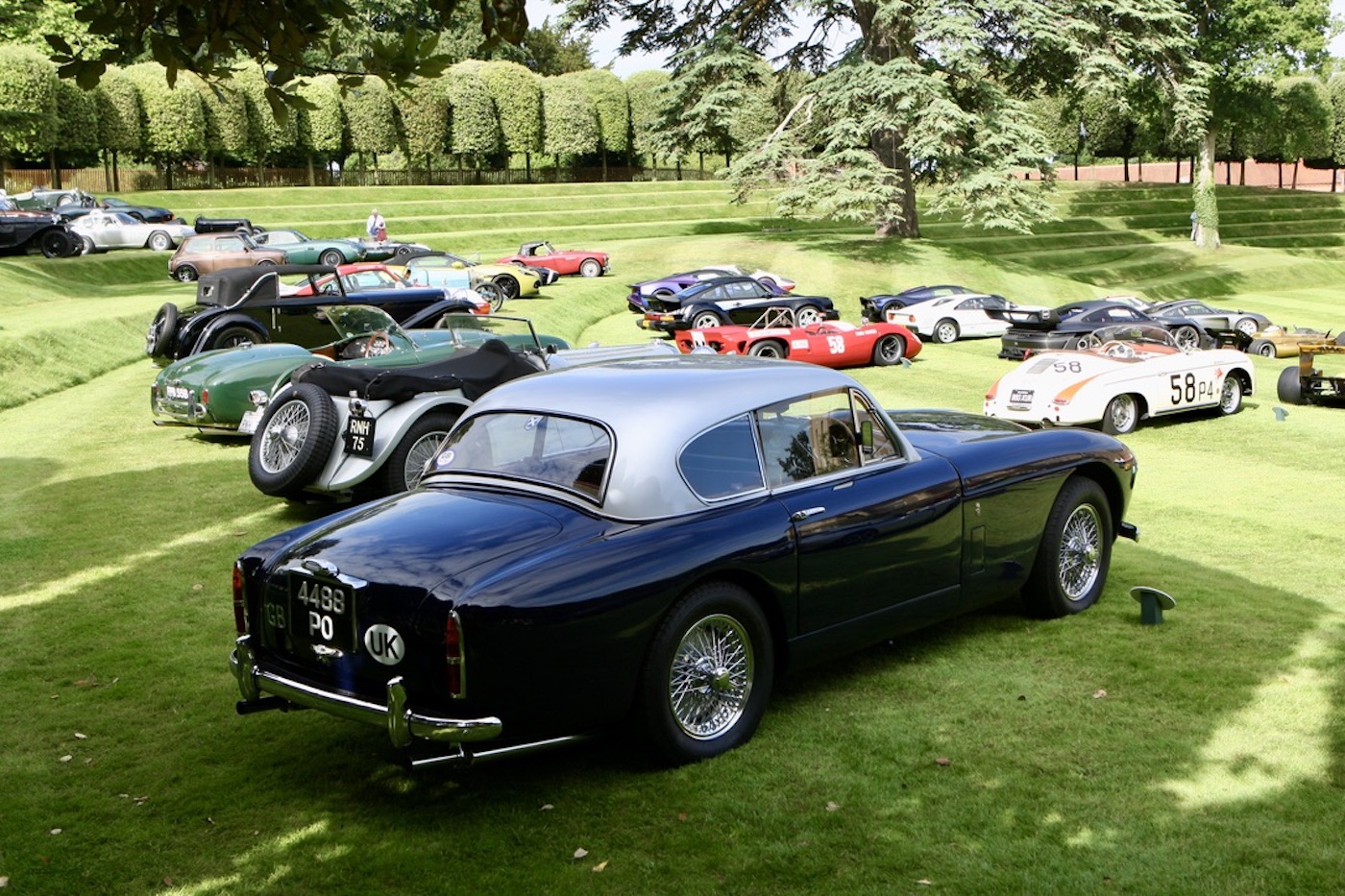
1959 Aston Martin DB Mk111 Fixed Head Coupe. By 1956 Aston Martin dealers were desperate for a new model to sell. The DB4 would not be ready until 1958 so John Wyer got his team to develop the DB Mk111 as a stop gap, updating the DB Mk11 with a front end taking inspiration from the company’s DB3S sports racer. The Mk111 also got a new clutch and instrument panel, and the option of overdrive. All of the Fixed Head Coupes were built towards the end of the production run to use up unsold Drop Head Coupe chassis, and all five examples received the more potent three SU carb’d motor producing 180 bhp. This example is chassis 1830.
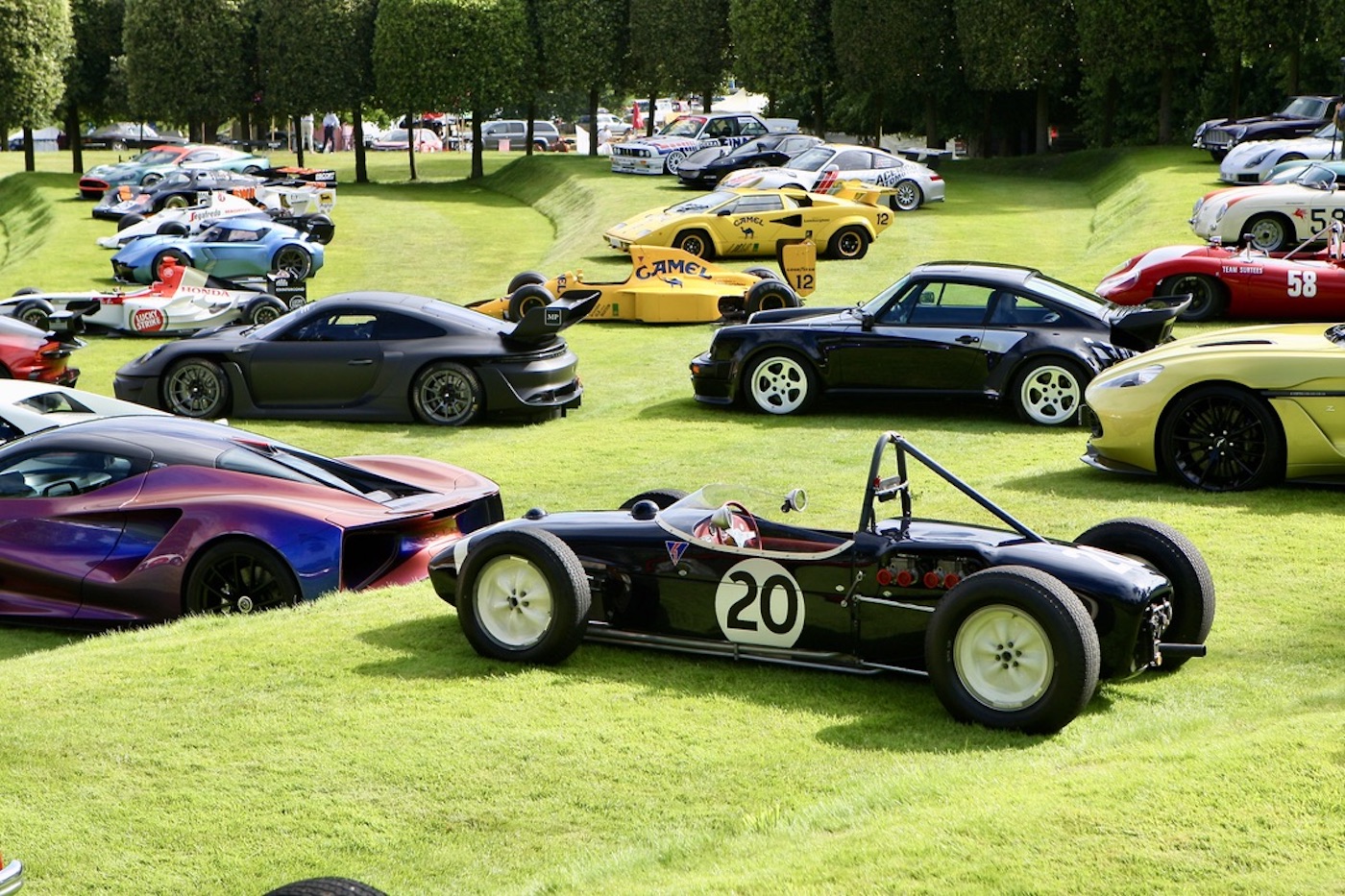
1960 Lotus Climax 18, Stirling Moss’s 1961 Monaco and German Grand Prix winning chassis 912.
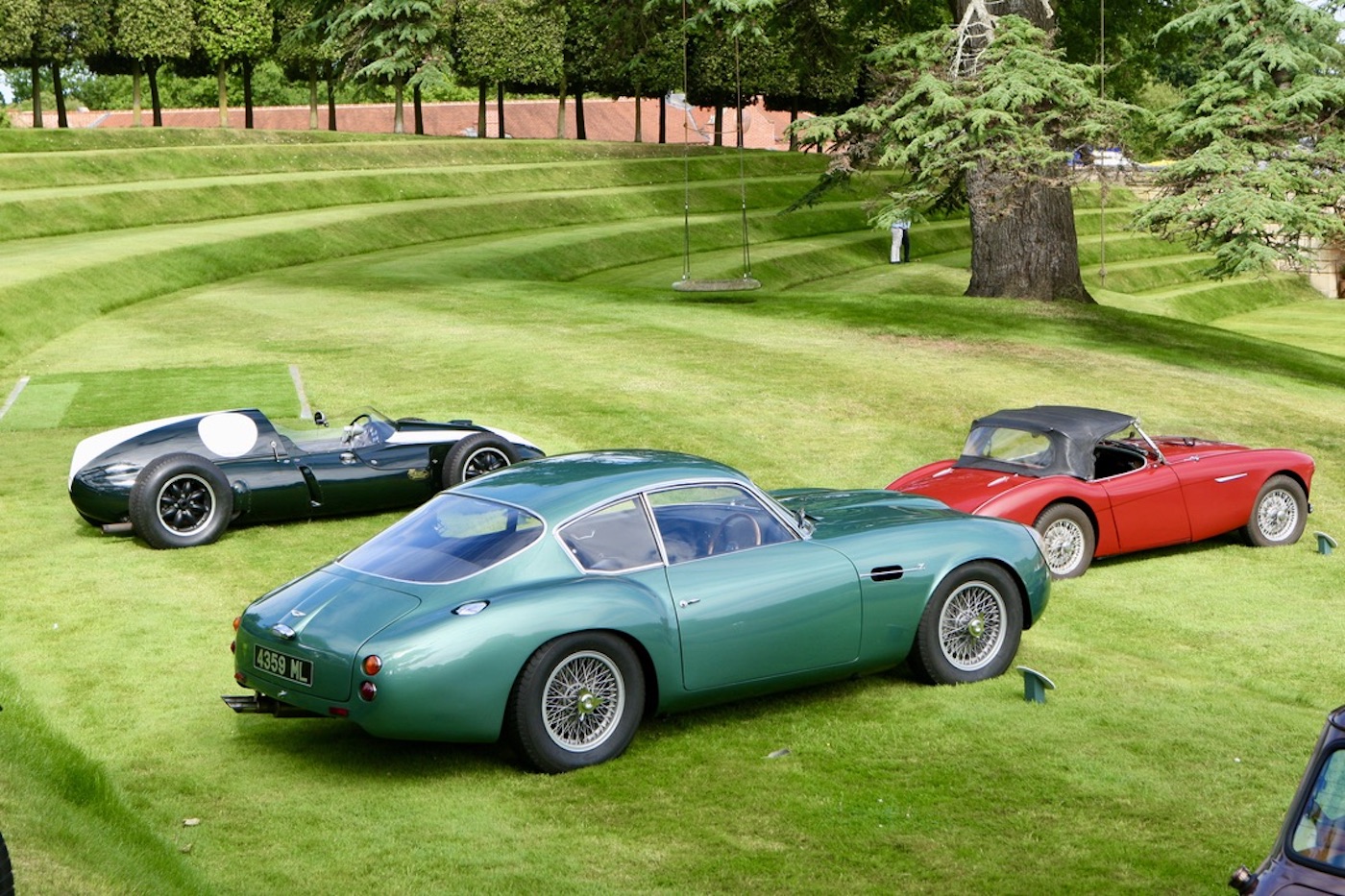
1961 Aston Martin DB4 GT Zagato. Chassis 0184/R was originally sold to Dunlop after serving as the factory development car. Dunlop used the car until 1967 as part of their brake testing program clocking up 25,000 miles along the way.
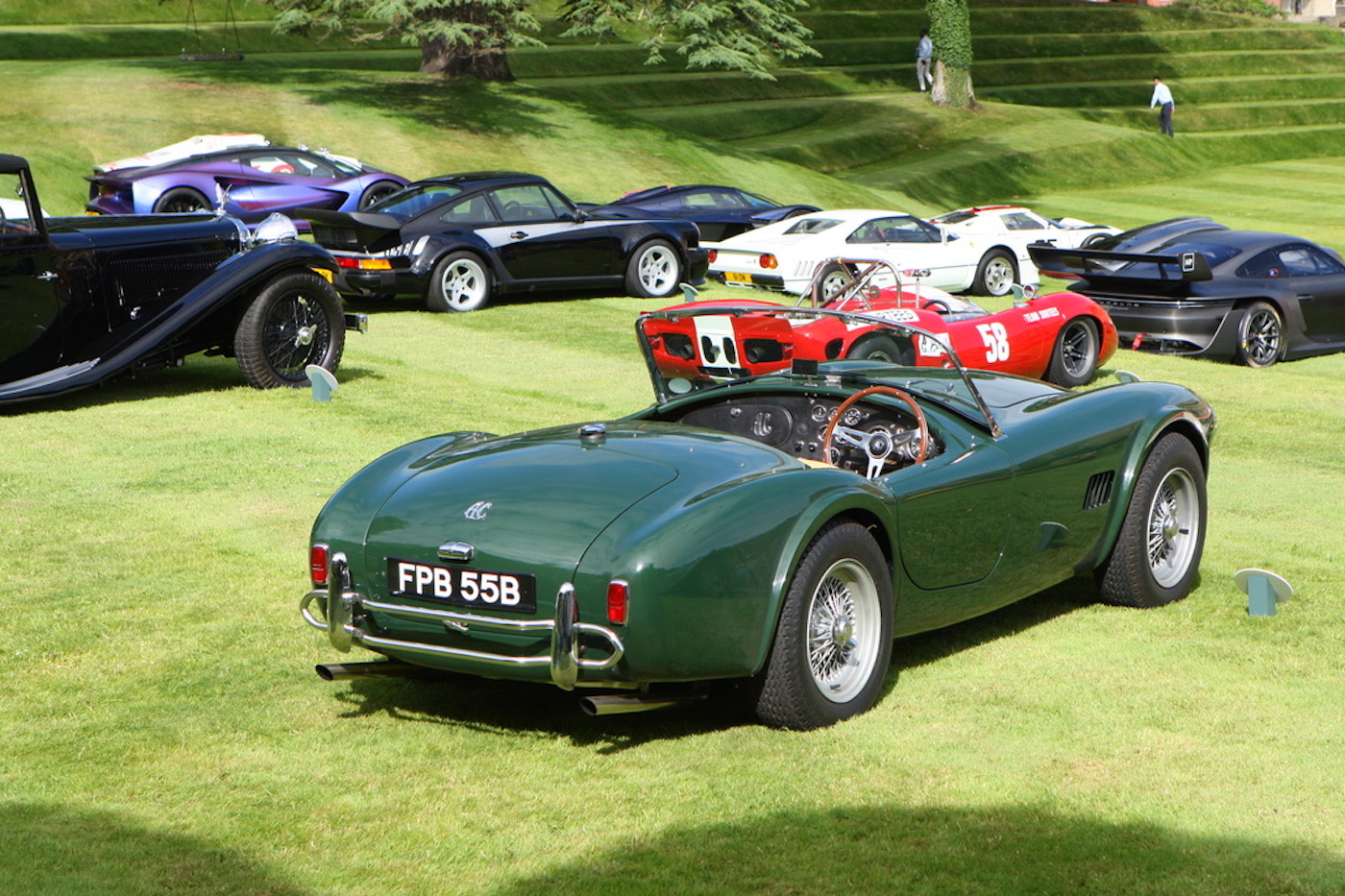
1964 AC Cobra. Chassis COB6043 (the prefix stands for Cobra Britain) is one of just 45 right hand drive AC badged Cobras constructed. Raced extensively in period and for many years the chassis’ original 289 HiPo Ford V8 was used as a wine rack. Luckily during the sympathetic restoration the chassis and motor were once more reunited.
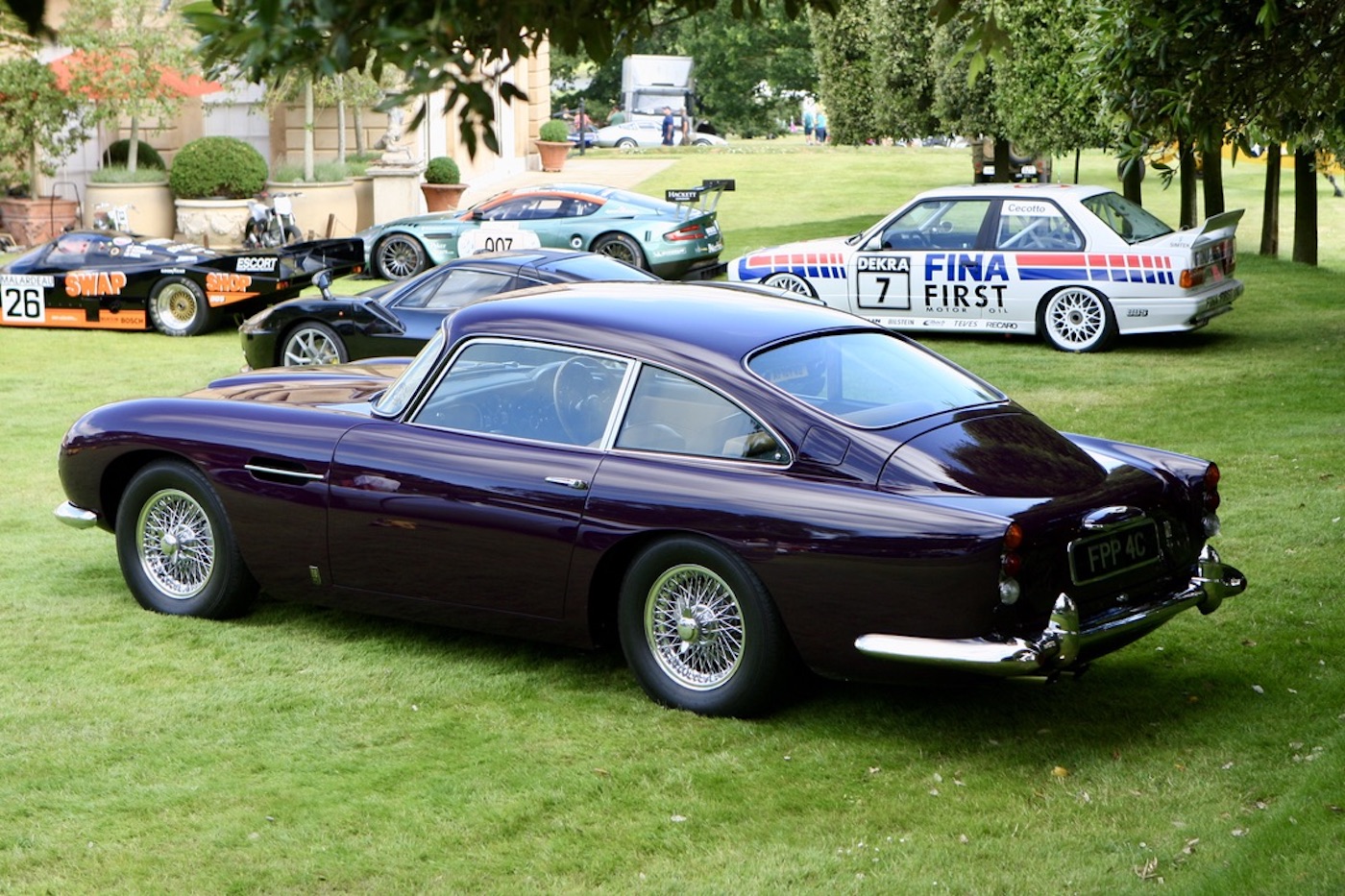
1965 Aston Martin DB5 Sports Saloon. This is chassis DB5/1962/R as used by David Brown’s second wife Marjorie and finished in David’s favourite colour Roman Purple.
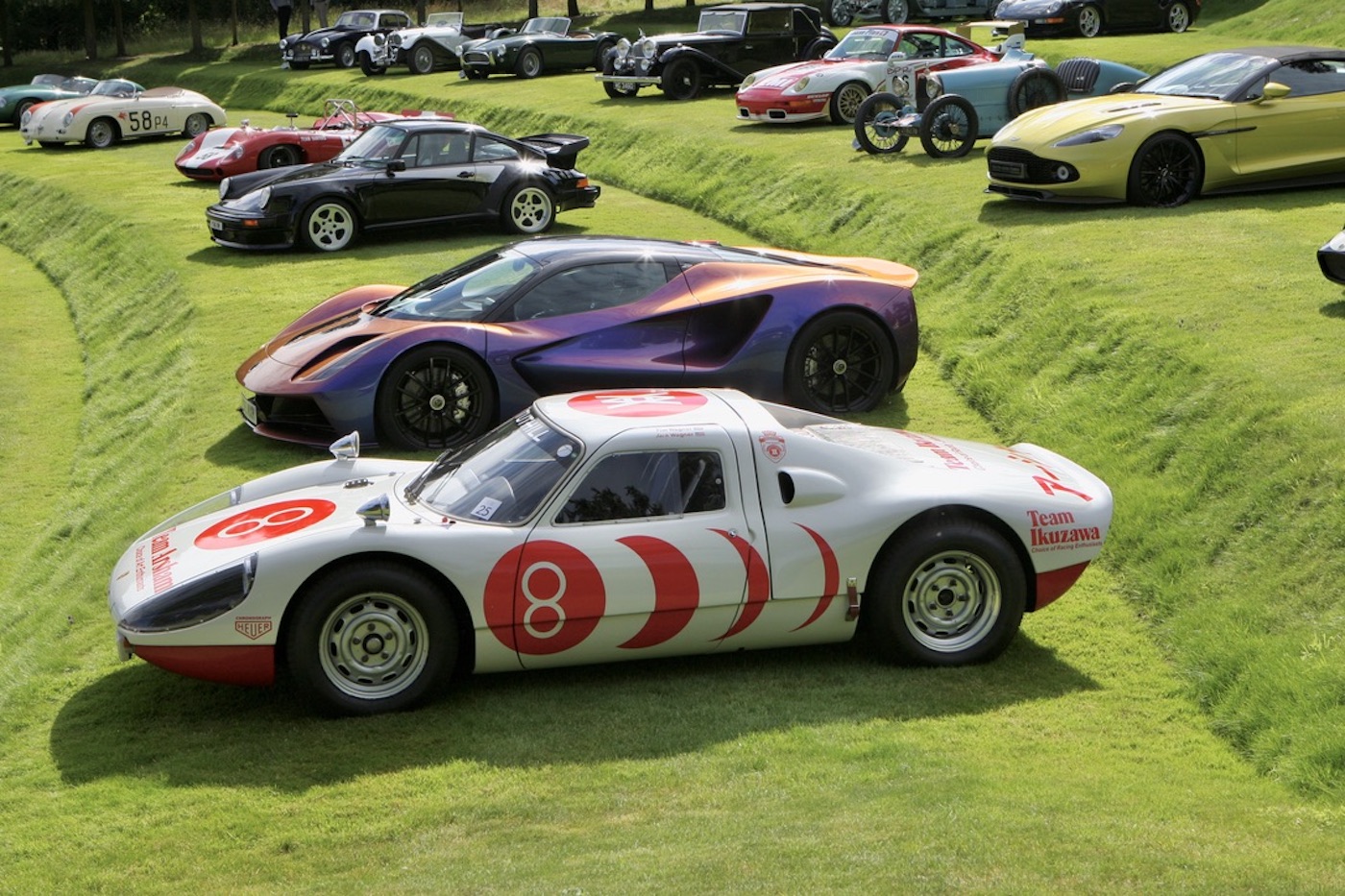
1965 Porsche 904/6. The 2.0 litre flat six engine in this Team Ikuzawa liveried example produces 240 bhp, enough to give some bigger engined racers a run for their money.
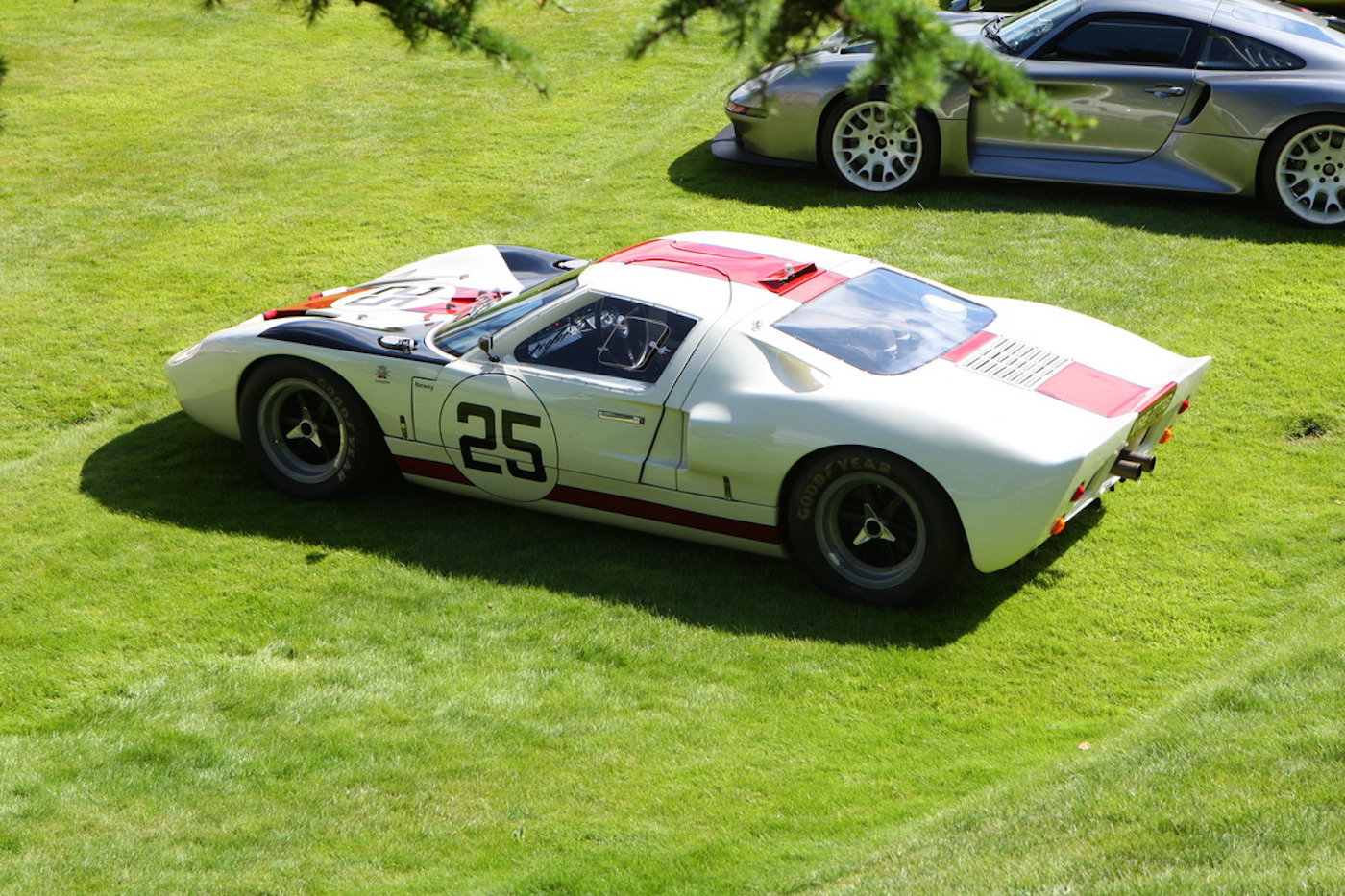
1965 Ford GT40 Mk1. Chassis P/1010 was the first Mk1 to race in the USA. Entered by the Essex Wire team in round 8 of the US Road Racing Championship in August 1965. P/1010 went on to become one of the most raced examples including outings at Le Mans, Sebring, Daytona, Tour de France, and the Nurburgring. It now pops up a lot at Goodwood, usually in the hands of the Neweys.
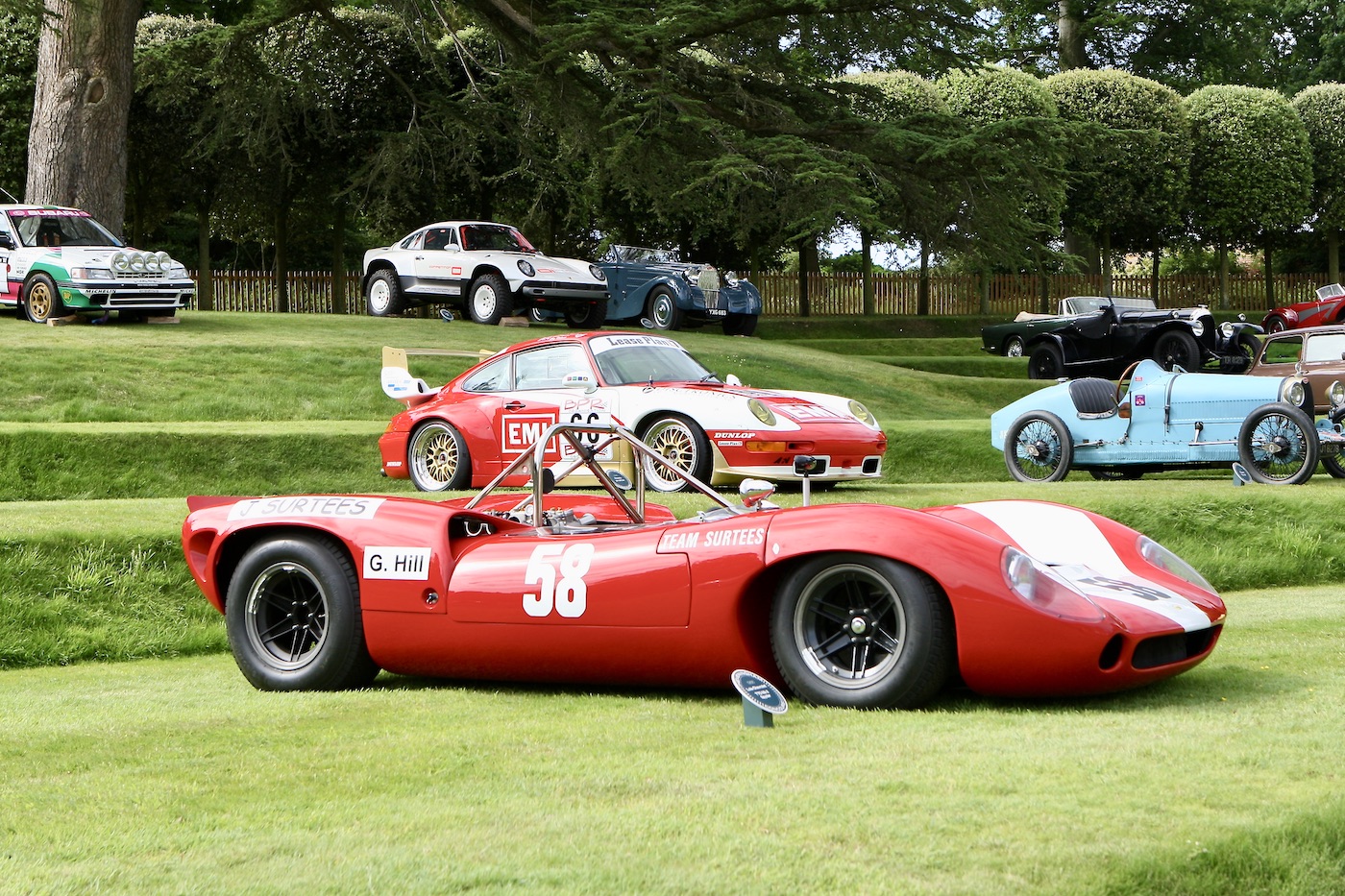
1966 Lola T70 Mk II Spyder. Chassis SL71/48 is John Surtees’ Wills Trophy-winning chassis and was also driven in period by Graham Hill and David Hobbs. More recently 71/48 has been at the front in historic racing and setting lap records at Goodwood.
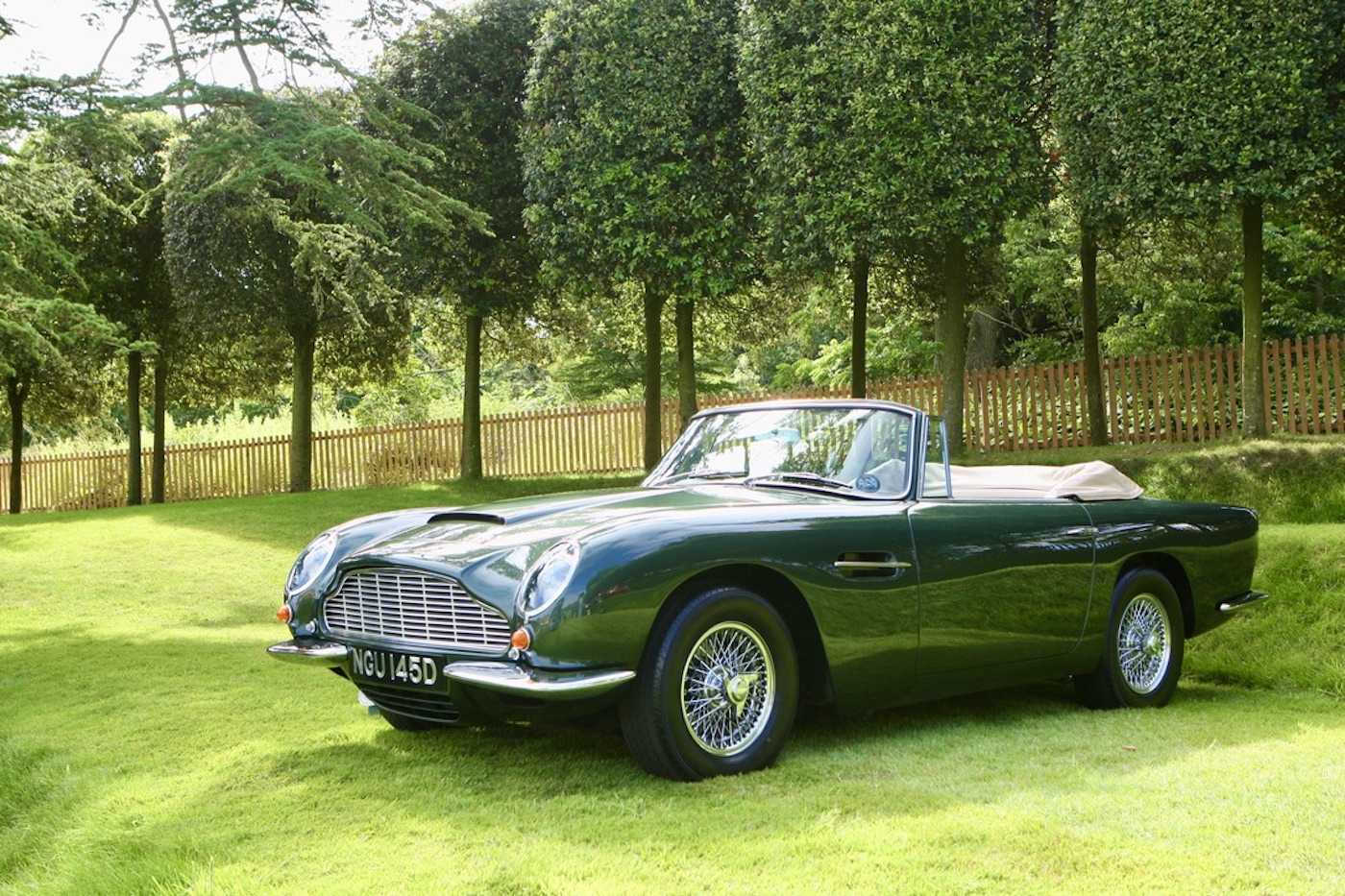
1966 Aston Martin Short Chassis Volante. Chassis 2306/R is number six of just 37 examples constructed and was originally sold to a restauranteur based in Middlesex and carried the registration number ‘7 KC’. The short chassis Volante offered the DB5 dimensions as they were built upon the DB5 chassis, but offered the interior comfort of the later DB6.
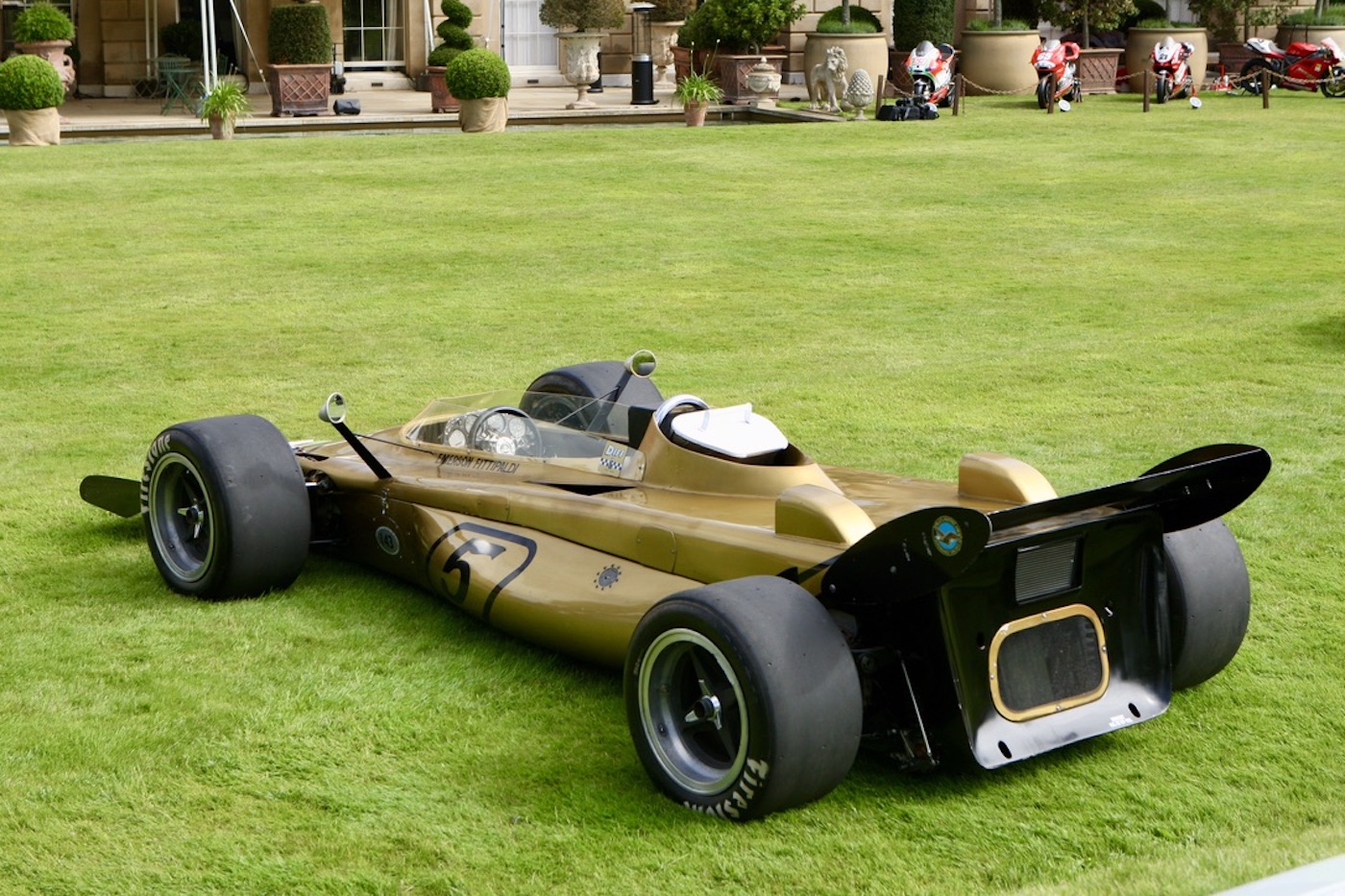
1971 Lotus 56B, Developed from the all-wheel drive gas turbine-powered Type 56 that nearly won the Indy 500 in 1968, the 56B is the only gas turbine-powered car to have competed in F1, though not very successfully, with a best place finish being Emerson Fittipaldi’s 8th place at the 1971 Italian Grand Prix.
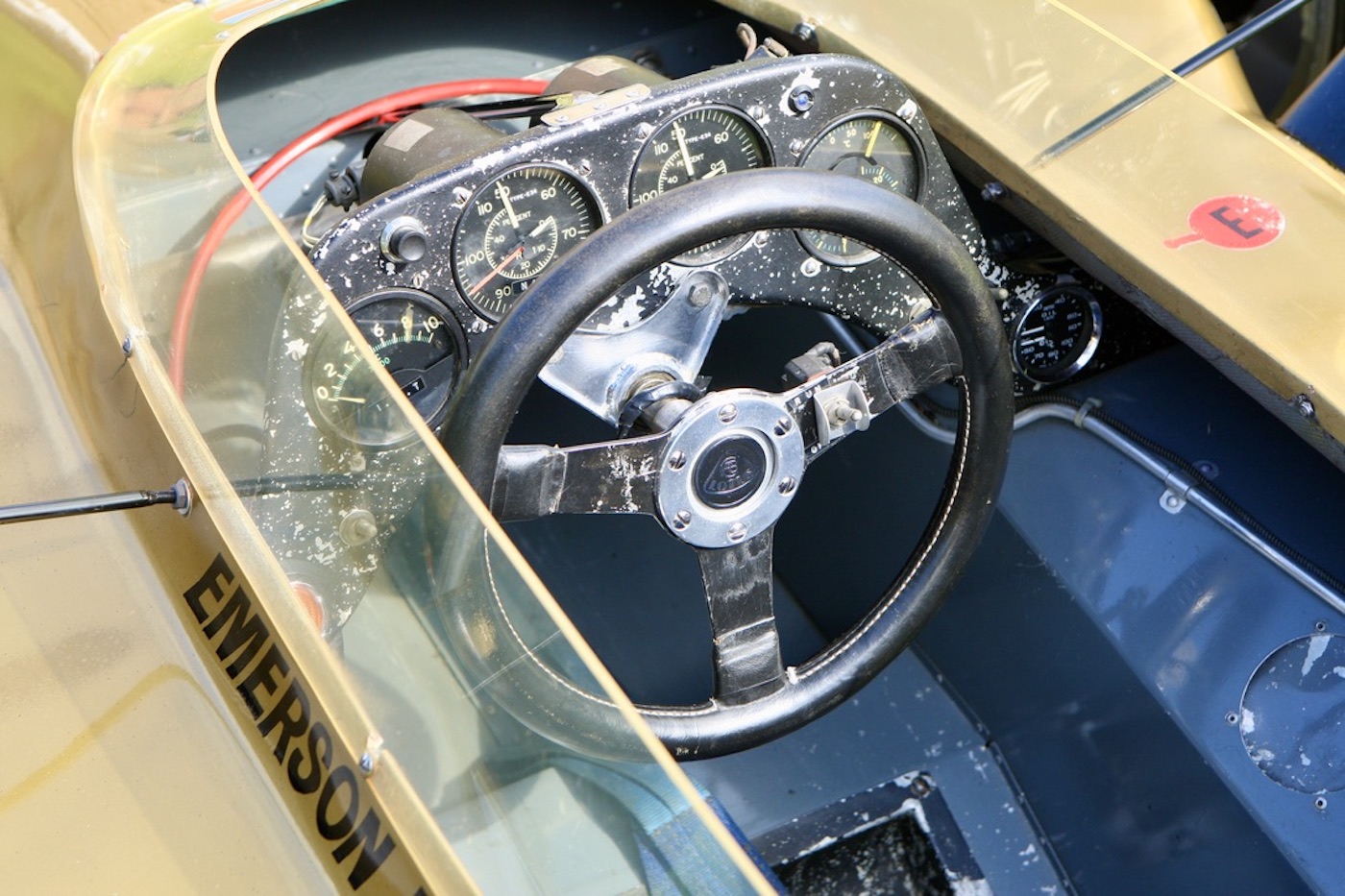
Lotus 56B cockpit
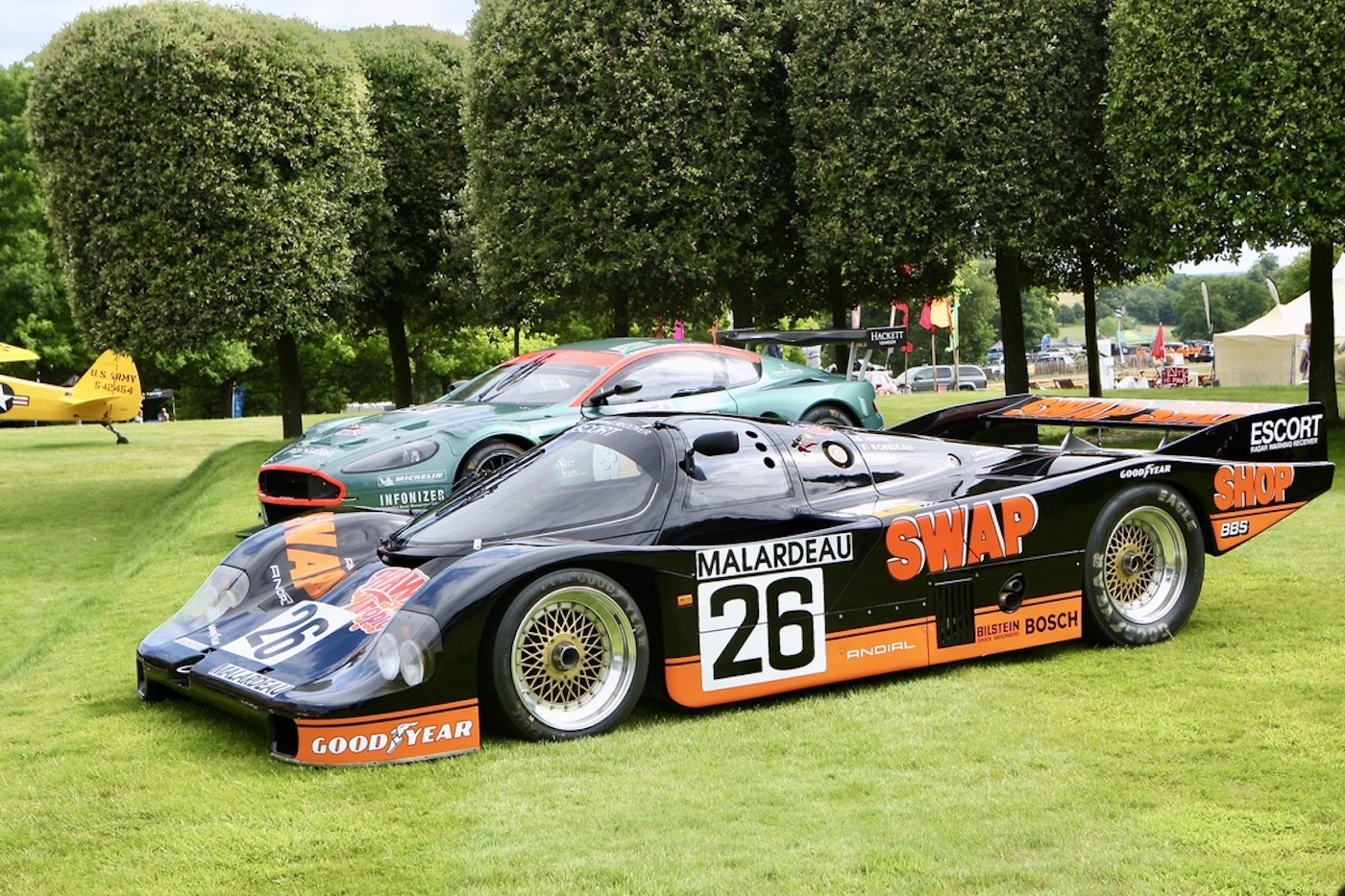
1983 Porsche 956. Chassis 956-103 was one of the first customer 956s built and sold to Preston Henn, the founder of the ‘Thunderbird Swap Shop’ team, who drove it to a 10th place finish at Le Mans in 1983. In 1984, now driven by Jean Rondeau and John Paul Jnr chassis 103 faired even better finishing in 2nd place.
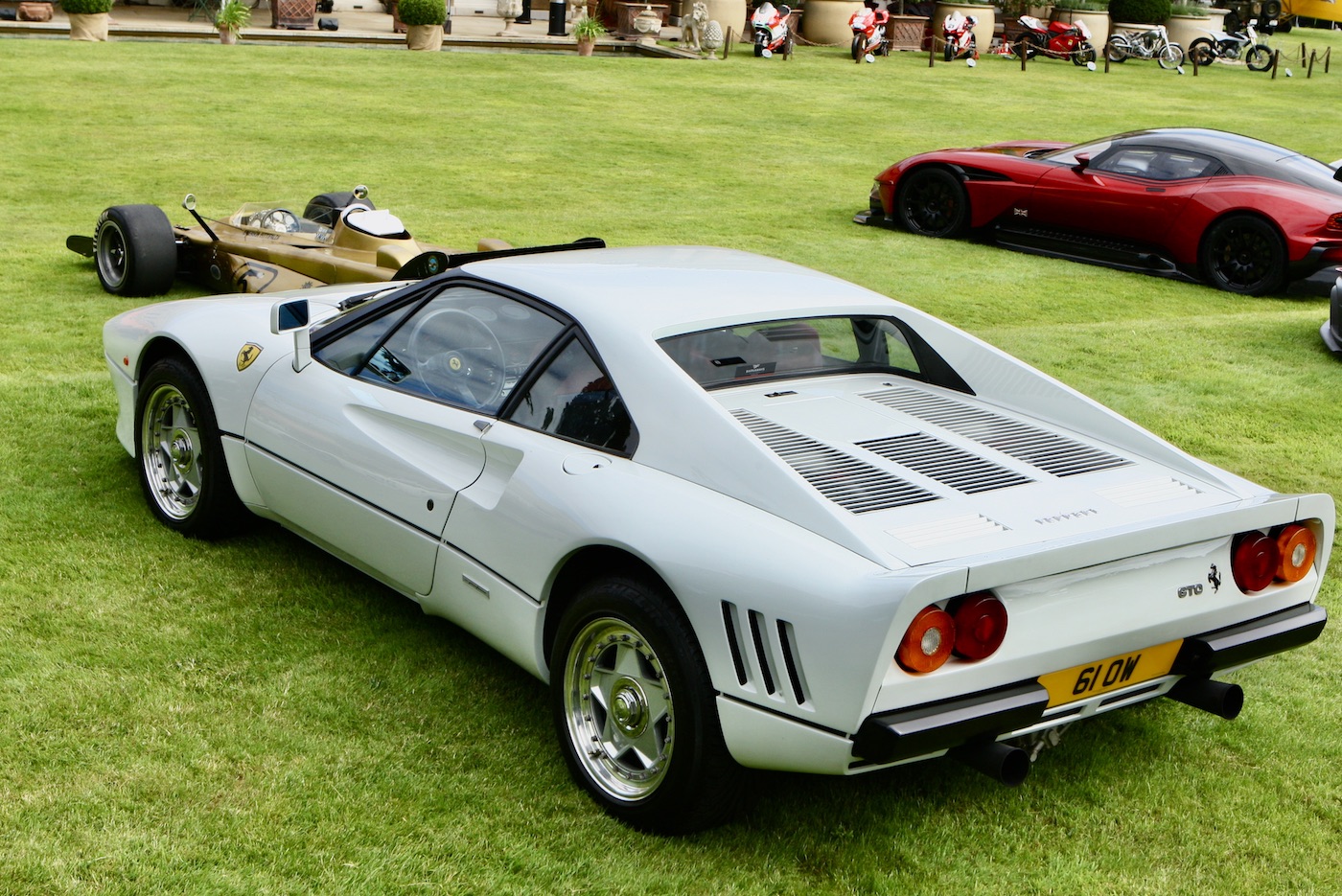
1984 Ferrari 288 GTO. Since it is white, so probably was/is part of radio personality Chris Evan’s collection of white Ferraris.
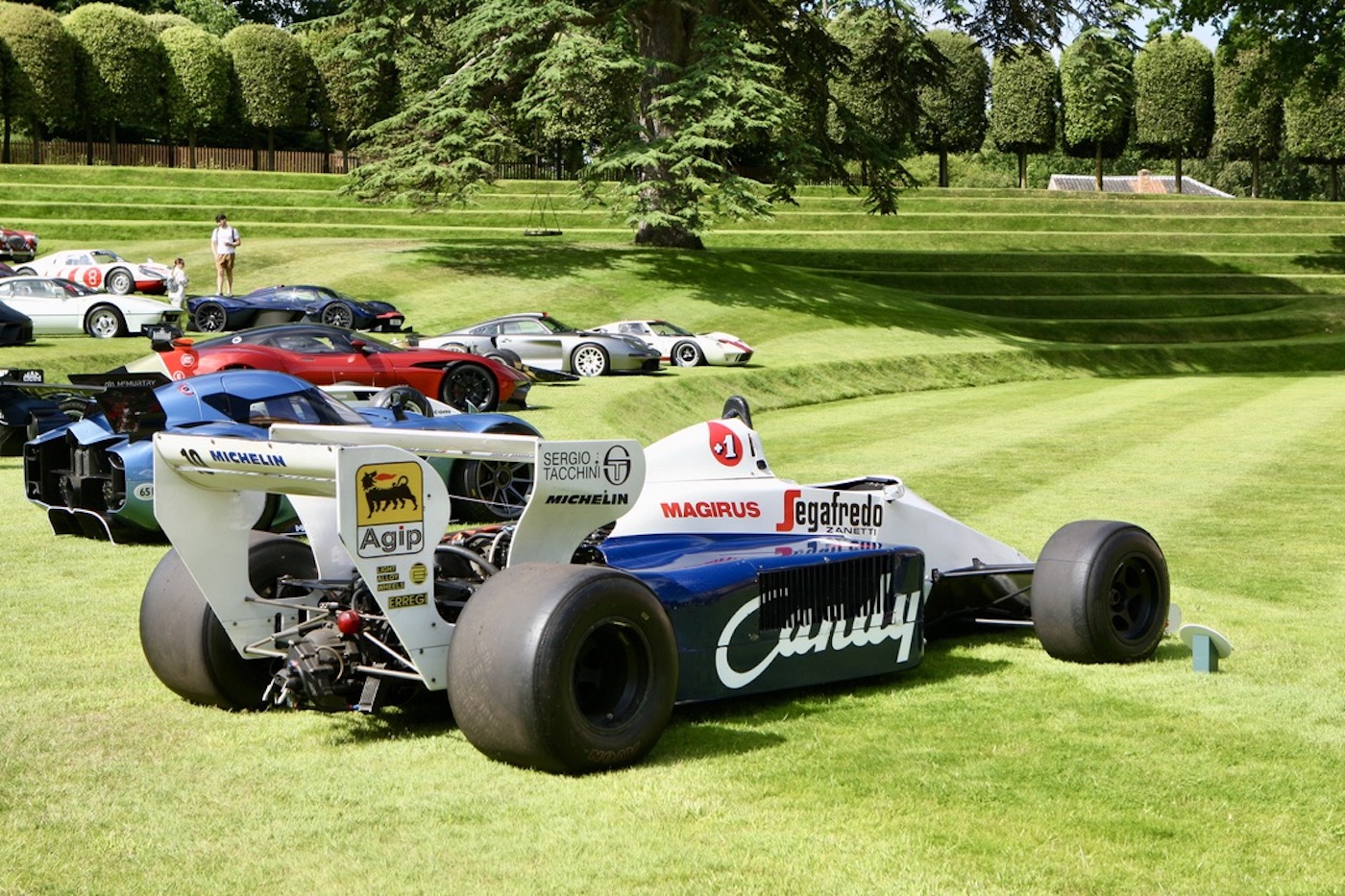
1984 Tolman TG184. This is chassis number 5 which Senna drove to third place finishes at that year’s British and Portuguese Grands Prix.
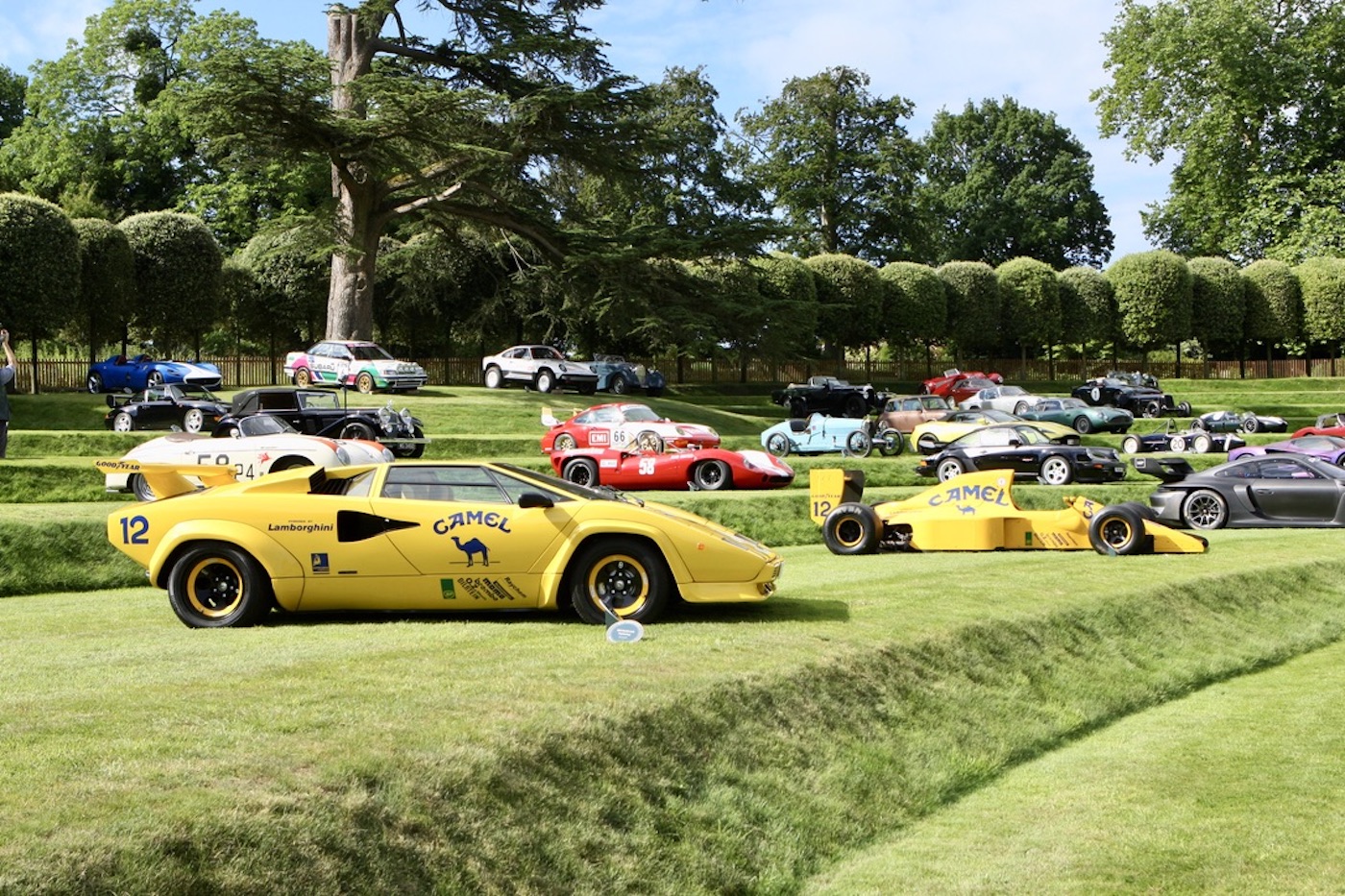
1985 Lamborghini Countach LP5000 QV. Of the 610 QVs built this is the only right hand drive example finished in Giallo by the factory.
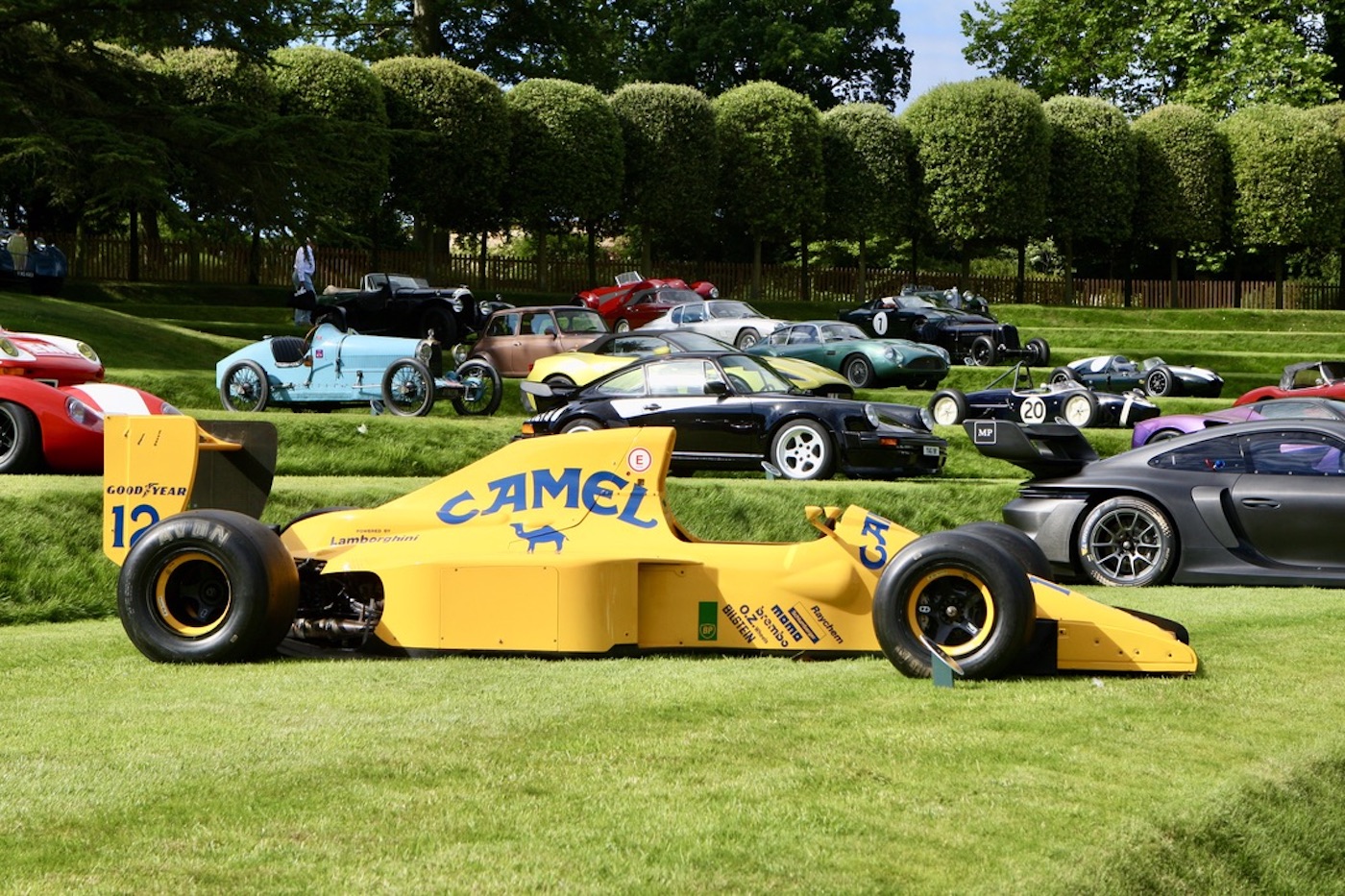
1990 Lotus-Lamborghini 102, chassis 2 as driven by Derek Warwick, Martin Donnelly and Johnny Herbert, but with little success.
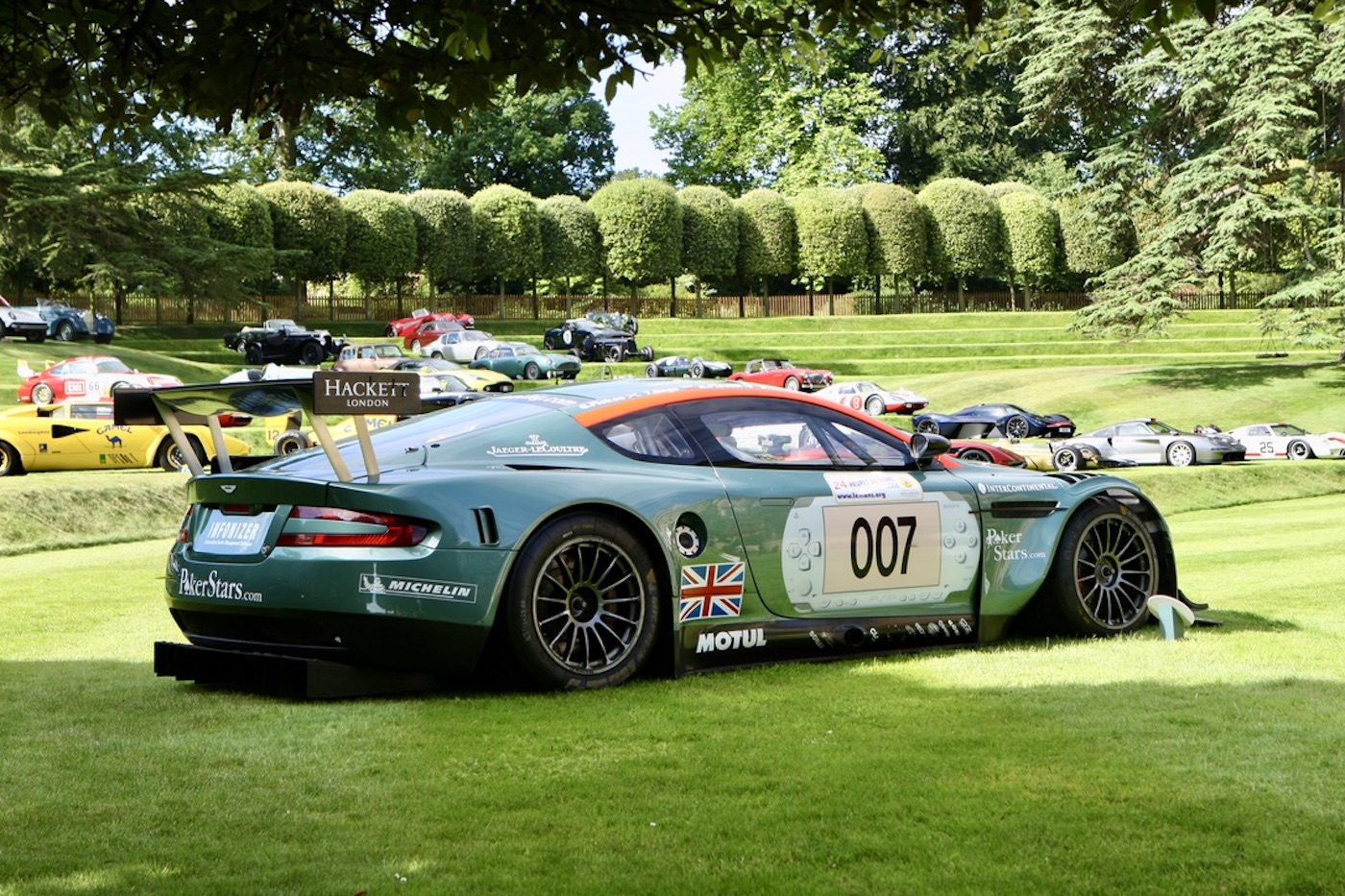
2006 Aston Martin DBR9. This example is the third team DBR9 built and first ran in the 2006 American Le Mans Series in which, driven by Darren Turner and Tomas Enge, it scored two wins and finished on the podium in every race but one. It also finished 2nd in class at that year’s Le Mans.
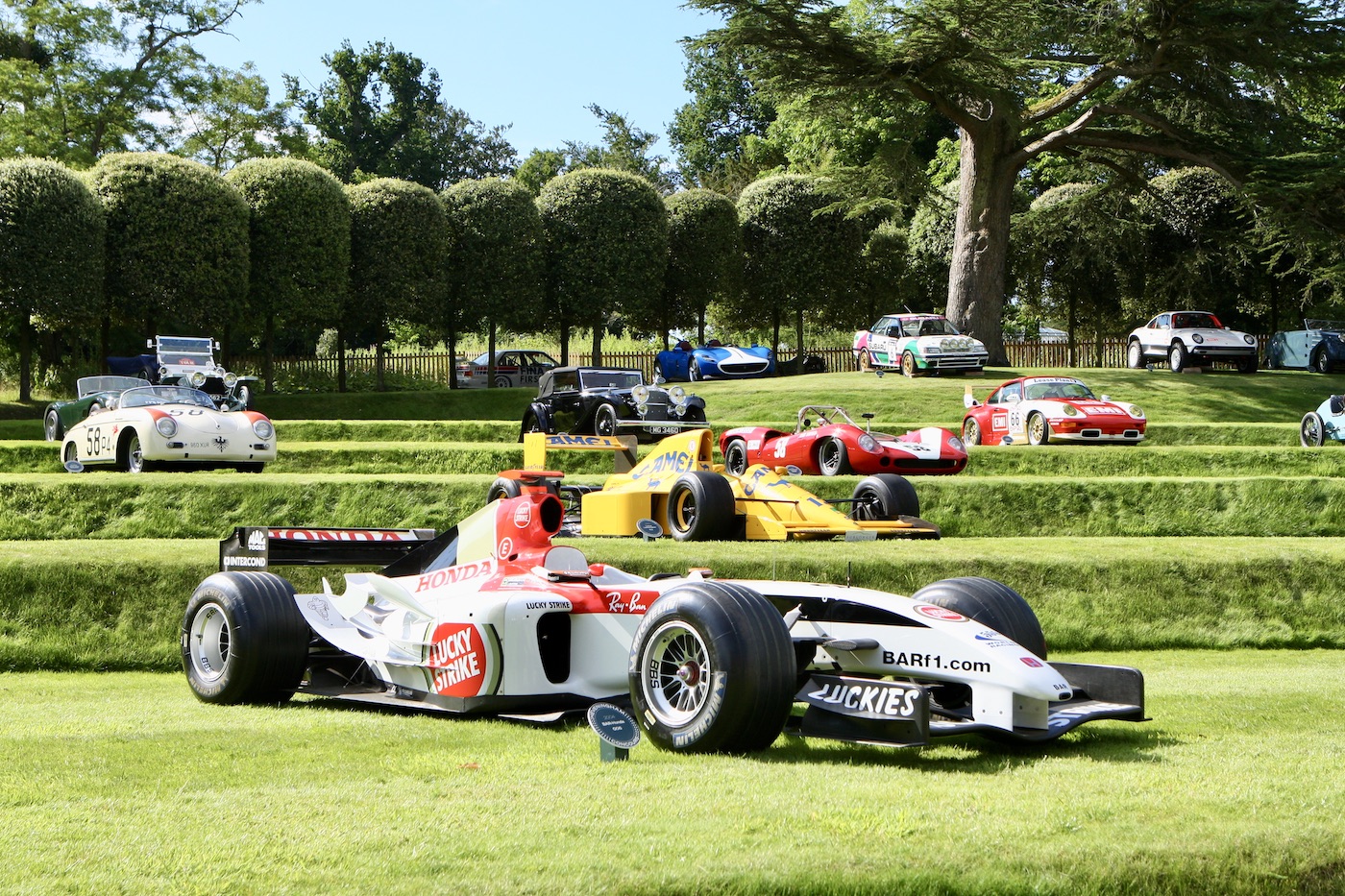
BAR Honda 006. Jenson Button’s mount for the 2004 season, a season which saw him on the podium 10 times, and BAR Honda finish as runners-up in the constructors championship after Ferrari.
It did this old Healey owner’s heart good to read Jenks’ comments about passing them in the Mille Miglia.
And I got to watch the 1961 German Grand Prix. That headrest was definitely not present on the Lotus that day.
Great pictures!
It is great to see the Swap Shop car owned by Preston Henn. He and my father grew up in the mountains of North Georgia and Western North Carolina. In 1948 they were running cars up and down the rural Appalachian roadways. My father raced Abarths he bought from FDR Jr., son of President FDR, the Roosevelt racing team in 1960. He got 5 Abarths. Preston bought the famous Ferrari #06885; he never called it anything but the number. He paid $19,000 for it and used to drive it on the streets of Fort Lauderdale in Florida. His widow was offered $80 million for it recently, but she turned it down. Preston was a genuine one-of-a-kind person. I was talking to the founder of Andial at Road Atlanta 3 years ago. Mr Alwin Springer told me that Preston saved Andial from going out of business. He keeps them busy making cars for him and his friends. I never knew that before Alwin said they were about to go under, and cash was just not in the bank. I still live in Georgia , so it was fun to see Preston’s old car over the pond. He was going to dinner with Presiden Bush back years ago, it was all black tie, big deal event. Well that did not sit right with Preston, so he put on his Levis and then took black electrical tape and ran it down each leg.