
1939 Hawker Hurricane Mk 1, P2902 served with 245 Fighter Squadron initially on the east coast of Scotland patrolling local shipping routes but was soon ordered south to provide air cover for the little ships and naval craft involved in operation Dynamo… the evacuation of Allied troops from the beaches of Dunkirk. On the 31st May 1940 19-year-old Pilot Officer Kenneth McGlashan was attacked by two bf109s sustaining major damage to the airframe, believing that a Hurricane could out dive a bf109 the by now seriously injured McGlashan put in the aircraft into a steep dive outrunning his attacker, pulling up just 10 feet above the beach. McGlashan then managed to land the stricken plane on the beach and walked away to join the troops awaiting evacuation. P2902 eventually was swallowed by the sand were it would remain until being exhumed in 1988. It would then be a further 29 years before P2902 took to the air again following a painstaking restoration by Hawker Restorations.
Story and photos by Jonathan Sharp
Those who visited the Heveningham Hall Country show on June 28-29 and purchased the additional ticket to view the Concours cars on the terraced lawn were also entitled to view the entrants for the Hanna Aviation Trophy, a concours for aeroplanes, which is run alongside the main event. It was but a short walk up the hill to a little copse of trees, around which were displayed a mouth-watering display of vintage aircraft. The Hanna Aviation Trophy is named in honour of the late Ray and Mark Hanna, Two of the greatest Warbird display pilots to grace the skies and the silver screen.
The judges for this year were:
Chairman Vic Norman, Vic with over 1500 displays under his belt is one of the country’s most experienced display pilots who back in the 1980s formed AeroSuperBatics renowned across the globe for the wing walking display team. Vic is also a display authorisation examiner for the CAA and an honourary air commodore for 614 Squadron, an ambassador for the Royal Air Force Association, and a member of the Royal Air Squadron.
Sarah Hanna, the managing director of the Old Flying Machine Company, founded in 1981 by her father Ray Hanna and brother Mark Hanna.
Paul Bonhomme, A professional pilot with over 40 years of experience, a British Airways captain since 1993, and also a three-time winner of the Red Bull Air Race Championship.
James Gilmour, based at the Aircraft Restoration Company’s Duxford base, James is a distinguished figure the the field of history aviation with expertise in both the operation and engineering of historic aircraft.
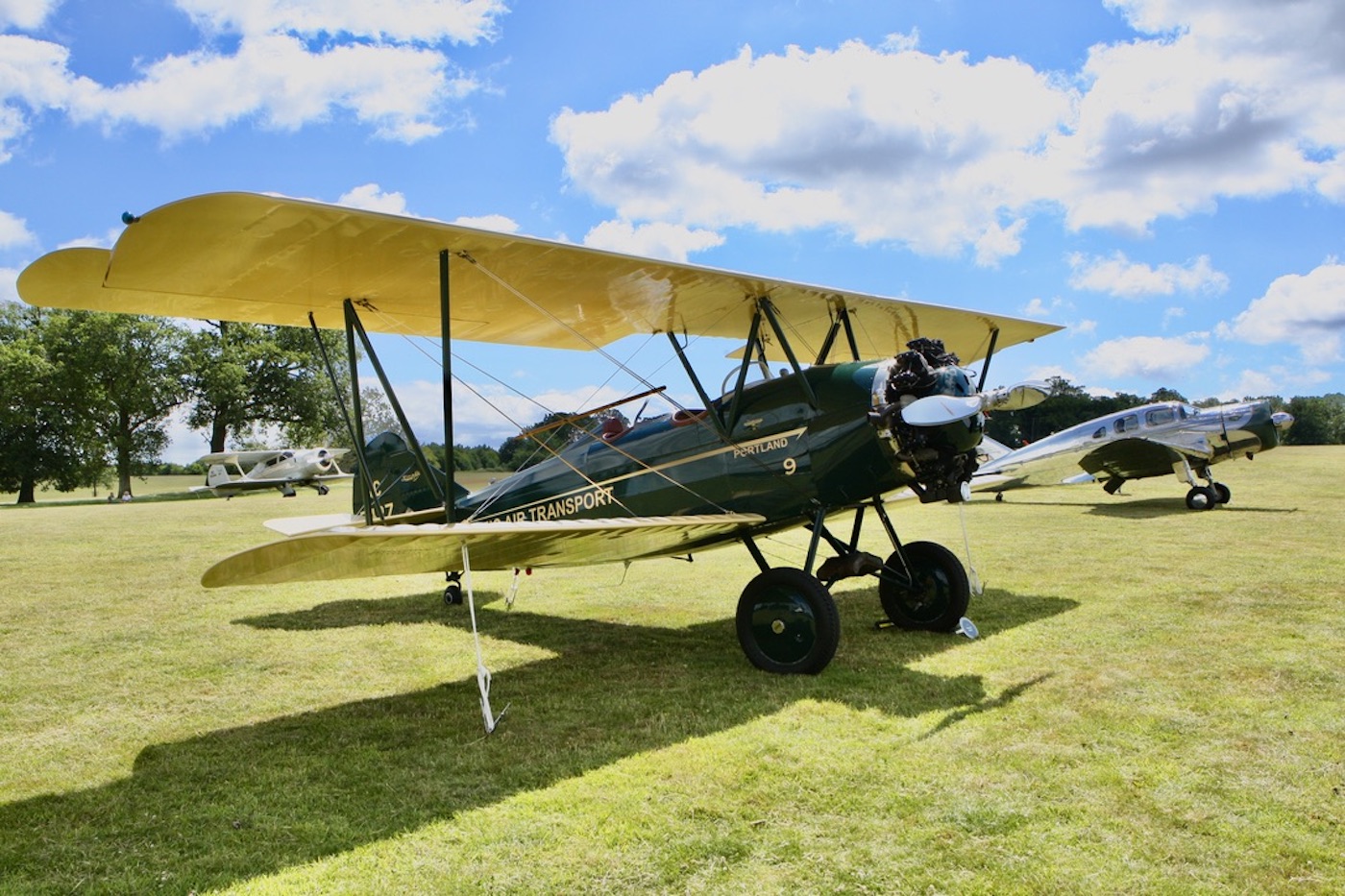
1928 Travel Air 4000. This aircraft originally left the Travel Air Manufacturing Company of Wichita Kansas factory as a model 3000. Used initially as a training aircraft, then between 1945 and 1970 as a crop duster. It was during this period that the original Hispano Suiza V8 was replaced with a Travel Air 4000 spec Continental engine. Restored in the 1990s she now wears the colors of Pacific Air Transport which during the 1920s operated an air mail service on the West Coast of the USA.
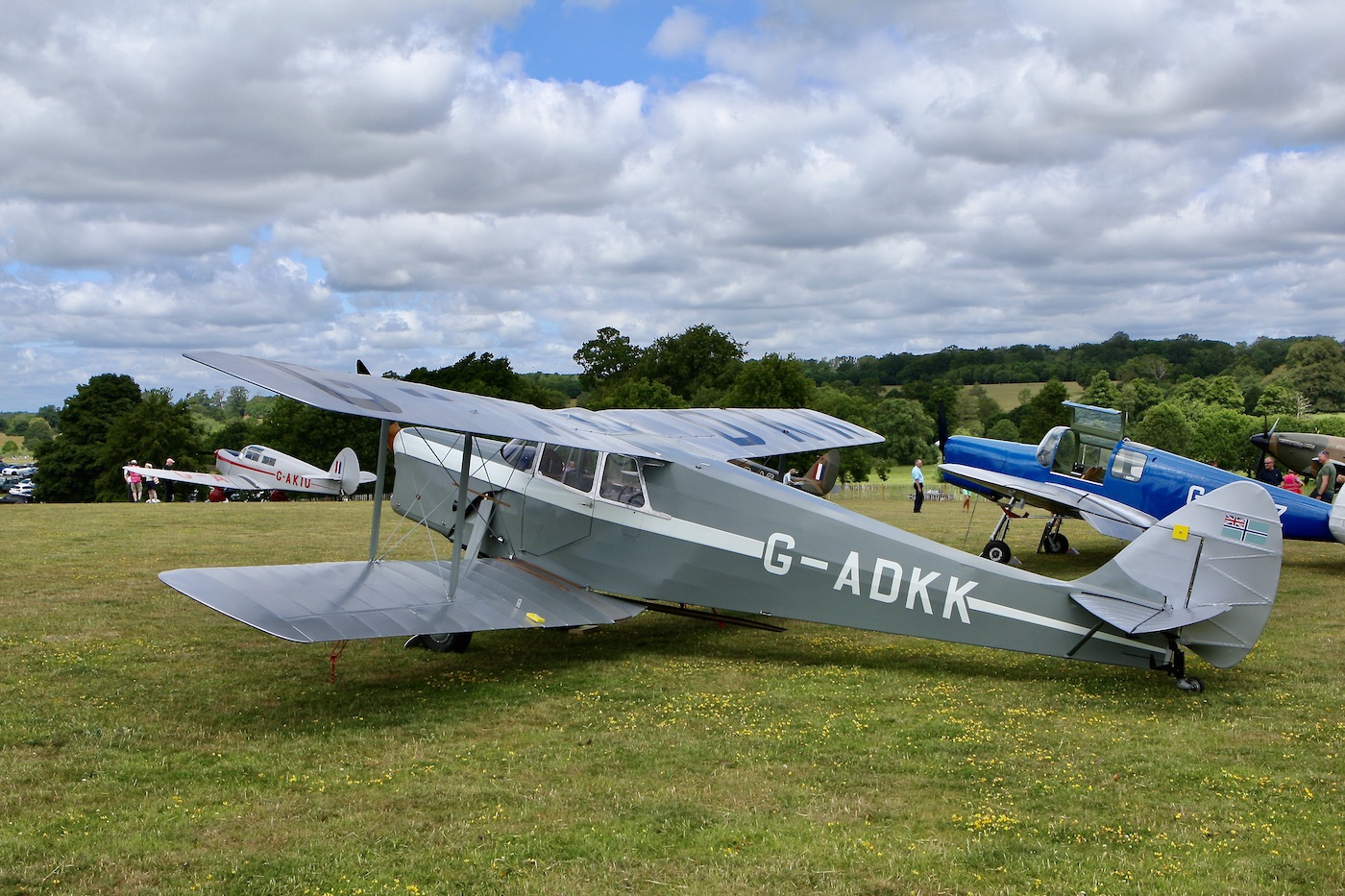
1928 Travel Air 4000 Hornet Moth, At the start of the war all private aircraft in the UK were requisitioned by the British Government. G-ADKK, built as a DH87A in 1935 but updated to DH87B spec in 1936, was allocated U-Boat spotting duty by the RAF but was later moved to 1 Photographic Reconnaissance Unit based at Heston. It then shuttled between Heston and RAE Farnborough during the testing of the cameras that were fitted to the first of the photo reconnaissance versions of the Spitfire. After the war G-ADKK was purchased by the circus impresario Cyril Bertram Mills, who used to fly himself around Europe seeking out new circus acts.
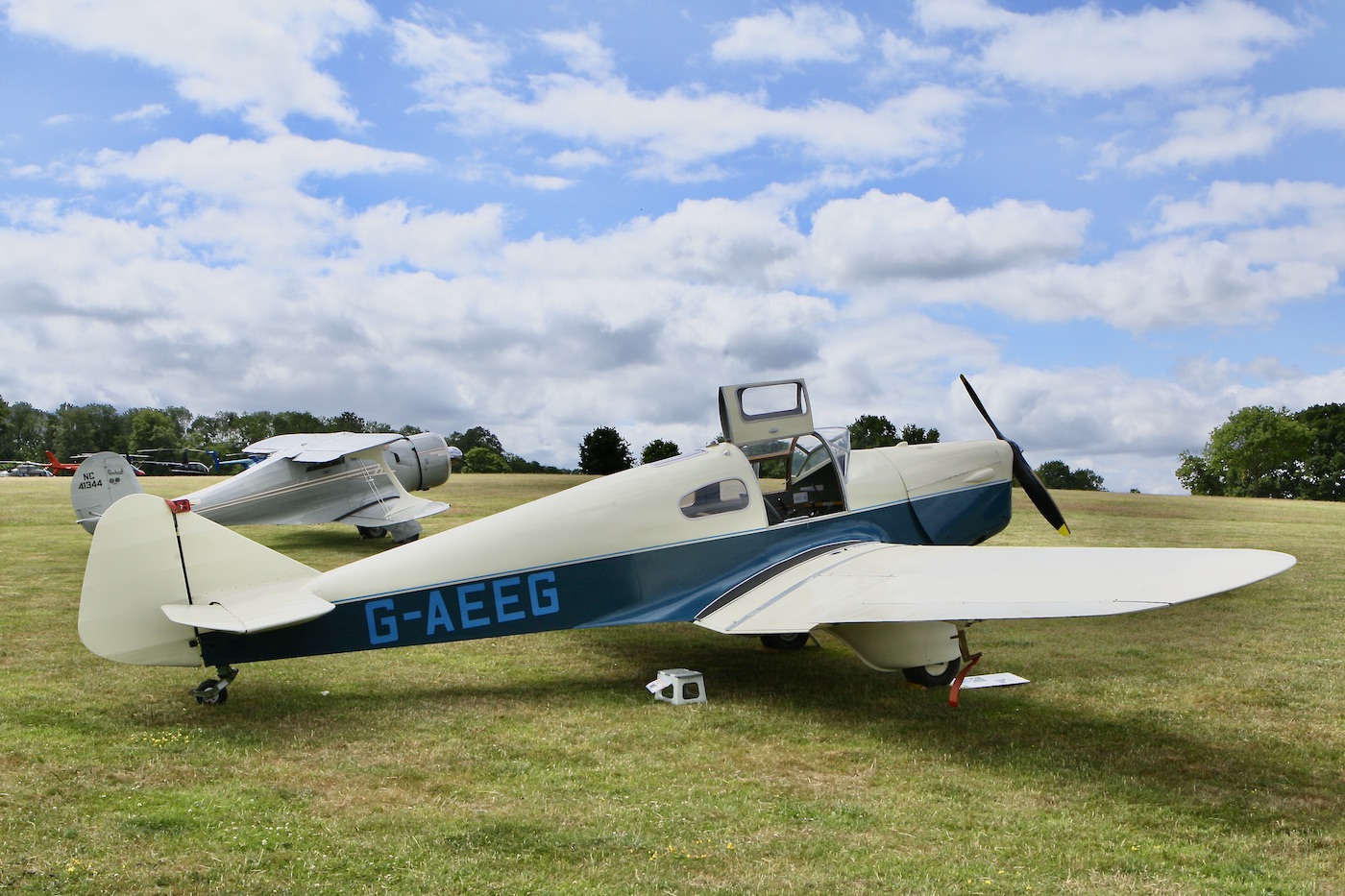
1936 Miles M3A Falcon Major. Designed by FG Miles for Phillips and Powis Aircraft, G-AEEG left the factory in 1936 and later that year was sold to Sweden where during the war it was used as a liaison aircraft. She remained in service until 1961 when the Swedish authorities declined to renew its permit, concerned about the integrity of its ageing glue joints. The plane was then flown to the UK on a three-day permit for remedial work where upon it remained in the UK eventually being traded against an Alfa Romeo by noted motoring journalist Edward Eves. Following further restoration G-AEEG won the 1979 Kings Cup Air Race piloted by Dr Ian Dalziel on behalf of the owner Philip Mann. Since 2018 G-AEEG has been under the custodianship of Shipping & Airlines of Biggin Hill that was run for many years by Philip Mann.
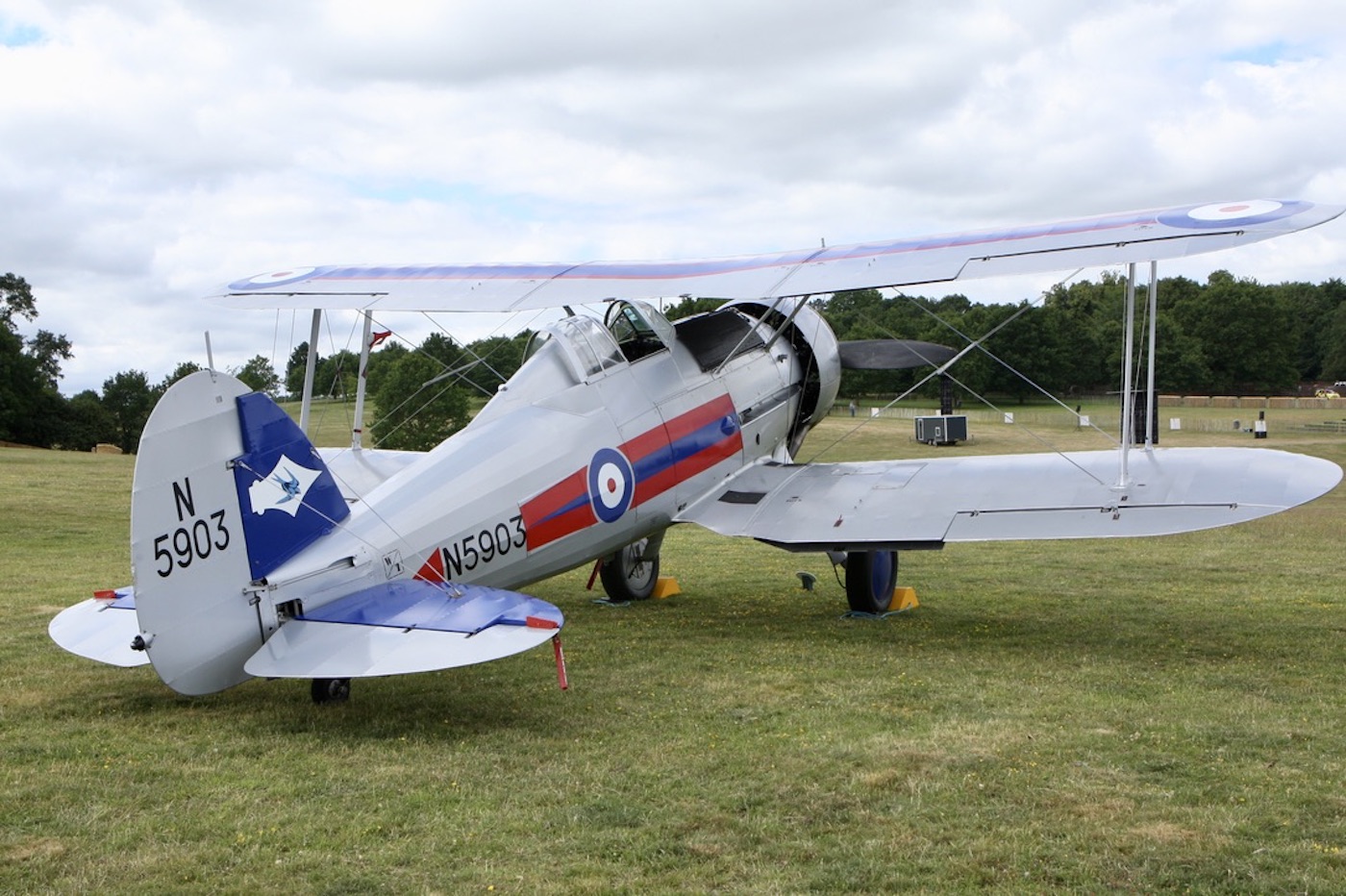
1939 Gloster Gladiator MKII, show winner. The RAF’s last biplane fighter but also their first enclosed cockpit fighter, The Gladiator first flew in the spring of 1934 and entered service in 1937 at just about the time when production of the Hurricane and Spitfire was ramping up. Whilst already outdated Gladiators played an important role in the defense of Malta and also in protecting the Suez Canal. This example is one of just two flying examples and was constructed by Gloster as a MKII in 1939 and was the last of a batch of 25 examples constructed. N5903 served initially in the role of a flight trials aircraft before being allocated for meteorological survey work in 1944. Today she wears the markings of a 72 Squadron aircraft.

1939 Spartan 7W Executive. Spartan built thirty-four 7W Executives and this example was first used by the Red Rock Glycerin Company of Texas, which supplied explosives to the fracking industry. During the war the aircraft was used by the USAAF for VIP transport, and later spent 44 years in the collection of physics professor Dr Colgate Darden III. In 2008 the aircraft made the trip across the pond to the UK under its own power, a trip which, due to bad weather, took over two weeks.
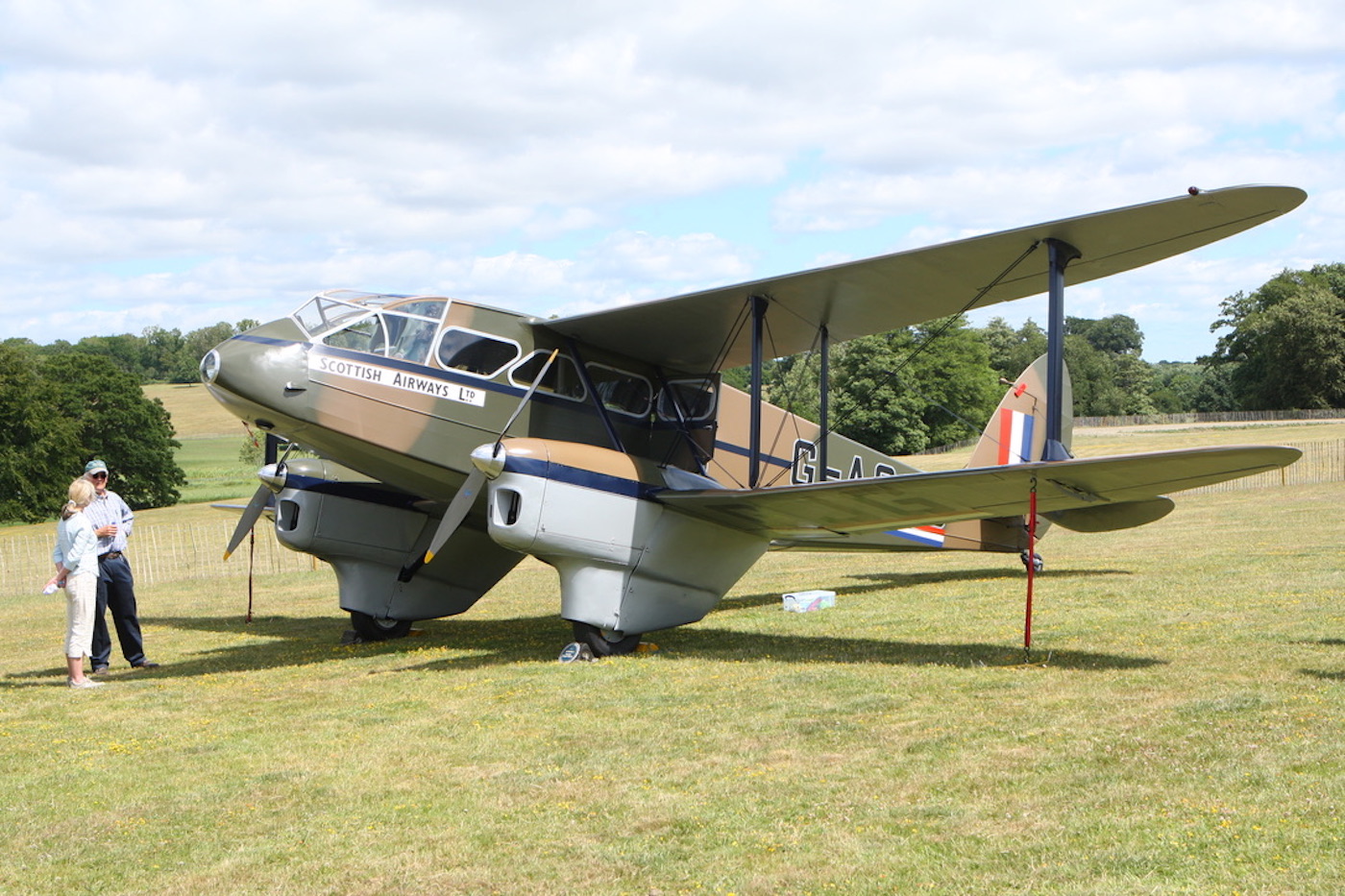
1941 de Havilland DH.89A Dragon Rapide. Built for the RAF, and first used to assess the effectiveness of the camouflage measures at military and industrial sites. In 1943 G-AGJG was transferred to Scottish Airways and began operating flying services in the Highlands and Islands and the odd parachute drop, a role in which she continued in until the 1950s. Discovered at Biggin Hill in a very poor state, probably best described as fire wood, by Mike Donelan from the Duxford Aviation Society (DAS) it was agreed that the group would return the Rapid to the sky and the owner would loan the aircraft to the Society for 20 years. However when the airframe arrived at Duxford it was discovered that the work required was really immense so the deal had to be reconsidered. Ultimately in 1986 DAS members David and Mark Miller were able to purchase the airframe where upon the father and son team set about the mammoth task of restoration, a task that was finally completed in 2004.

1944 Beech D17S Staggerwing. This example was originally used as a communications aircraft by the US Navy. At war’s end she passed into the civilian market and at one point was campaigned at the Reno Air Races. By 1973 however she was grounded having been badly damaged when she ran out of fuel mid-flight. Restored in 2011, the current owner says that whilst she will cruise happily at 200 mph she uses much less fuel at 160 mph.

1945 Miles M.38 Messenger 4B. In 1942 – to speed things along -a group of British Army officers issued a brief directly to Miles to design an aircraft for use for air observation post duties (AOP). The resultant Messenger was brilliantly engineered to allow it to operate from small areas of rough terrain, tough enough to operate in all conditions, and be easy to fly. The problem was that the said officers had contacted Miles without first consulting with the Ministry of Aircraft production who were not pleased and decreed that AOP units would not fly the Messenger. When a small order was finally placed it was for the RAF with a view to use the Messenger for VIP transport. At war’s end only 21 examples had been constructed but a further 71 were built for the civilian market. This example is the only ex RAF example still flying and after being demobbed was owned by a time by McVitie’s, the biscuit maker, but since the 1970s has been in the care of the Biggin Hill based aircraft maintenance outfit ‘Shipping and Airlines.’

1948 Percival Proctor 5, During the war Percival had built several iterations of a communications aircraft named ‘Proctor.’ Proctors I, II and III were 3-seater aircraft but the Proctor IV was a larger aircraft able to carry four passengers. After the war, Percival, like many other aircraft manufacturers, faced an uncertain future but Percival believed that a commercial version of the Proctor IV would be a commercial success. Three surplus Proctor IV’s became prototypes of the new 5 and production commenced at the company’s Luton factory. Ultimately 154 examples were built. This example was first owned by Rolls Royce and used as a company hack until 1965 when its certificate of airworthiness expired. In 1999 Mike Collett of Classic Flight rescued the airframe and had it carefully restored by Hornet Aviation. Returning to the sky in 2012 she wears a livery based on that of a Proctor formally used by the British Embassy in Washington DC.

Not an entrant in the Hanna Aviation Trophy but interesting nevertheless. Parked by the concours entrance together with Rutley the Jeep, the Aircraft Restoration Company’s Piper PA18-150 Super Cub G-Kuby rolled off the production line in 1954 and was registered to the United States Air Force as 54-2454. Later the aircraft was allocated to the Royal Netherlands Air Force (RNLAF) where it gained a wraparound camouflage paint scheme and the registration R-164. Whilst in Dutch service Kuby was tasked with the role of an air observation aircraft and advance flying training. At the 1973 60th Anniversary of the RNLAF celebration airshow Kuby performed as part of the four ship ‘Popsey’ team of Super Cups. In 1977 she was retired from Air Force service, passing into the hands of a private Dutch operator. In 1980 Kuby was damaged in a taxying accident and was placed into storage. Then 31 years later Kuby arrived at the Antwerp facilities of Raymond’s Aircraft Restoration, returning to the air again in 2015. In November 2020 Kuby was purchased by the Aircraft Restoration Company where she is used mainly in ferrying crew members around the country and as a trainer to introduce pilots to the joys of flying a Tail dragger.

Piper PA18-150 Super Cub G-Kuby
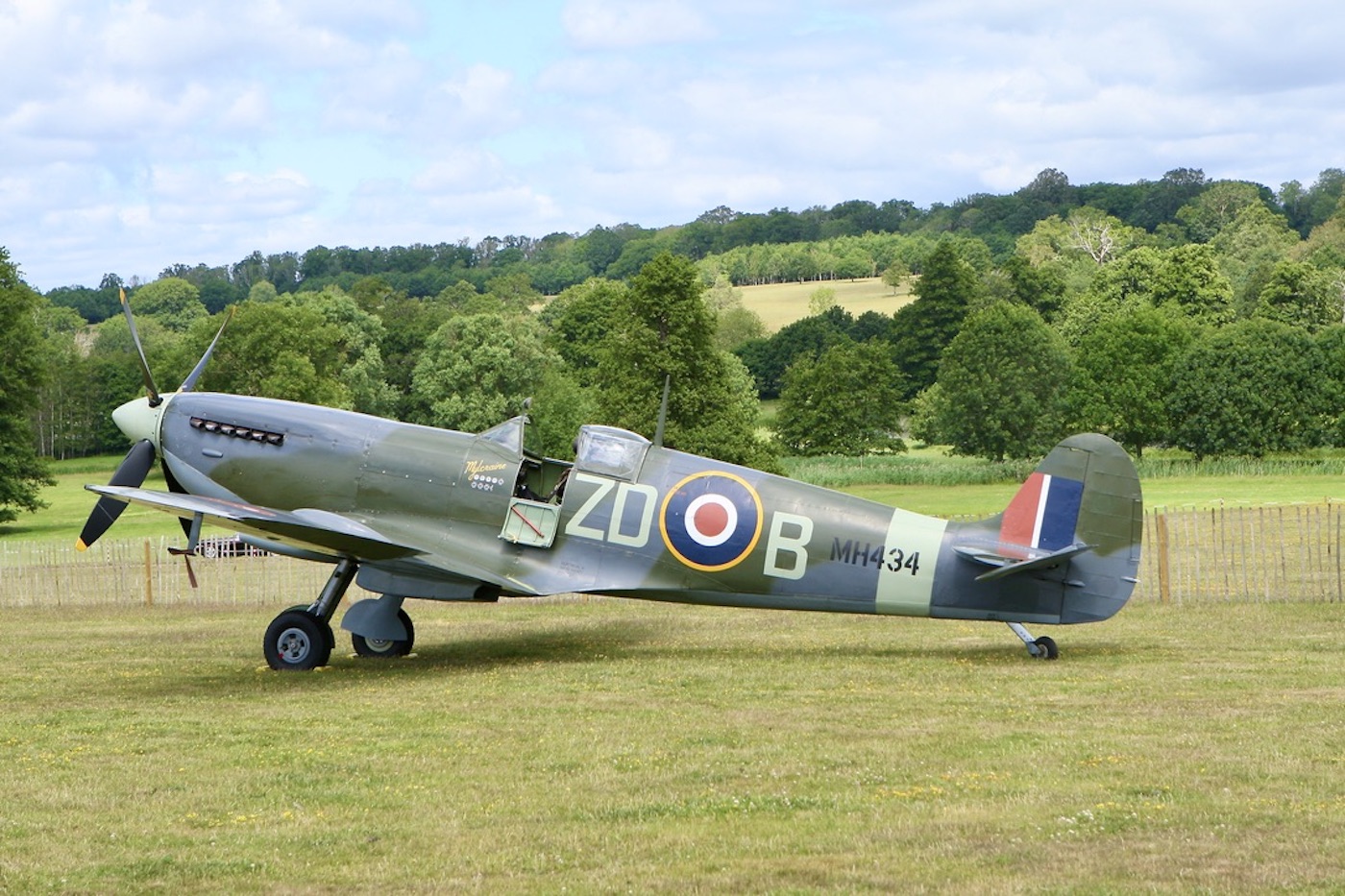
Again not an entrant in the Hanna Aviation Trophy, but heck it’s a Spitfire, and if you are British you have to photograph a Spitfire, but this is not just any Spitfire, this is Vickers Supermarine Spitfire IX MH434, probably the best known Spitfire in the world. Made famous by the late great Raynham (Ray) George Hanna.
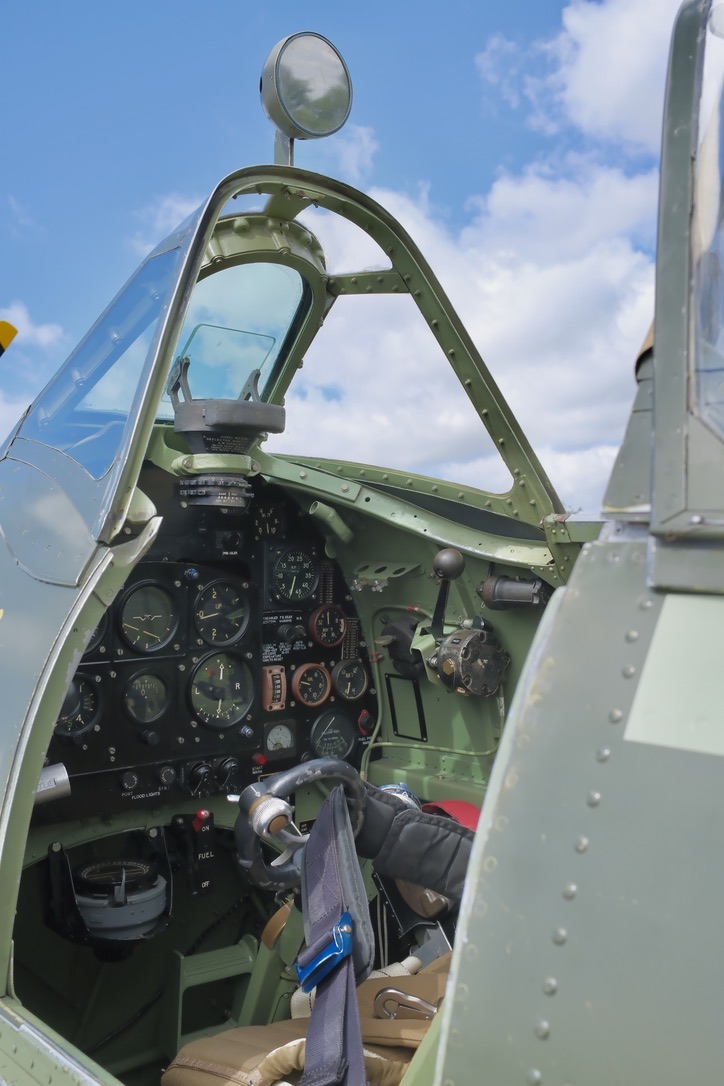
Spitfire cockpit
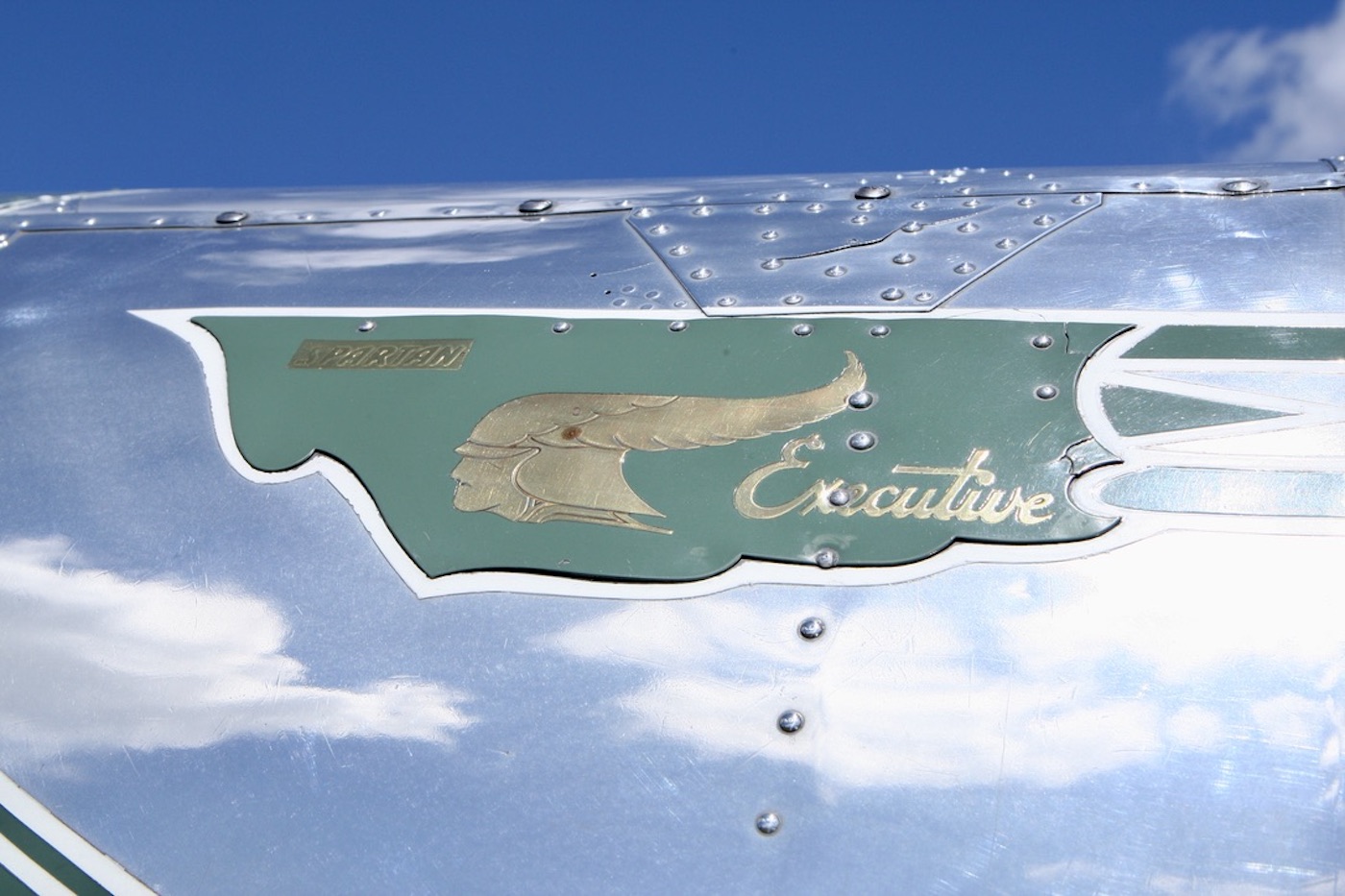
Spartan
Related:
Spartan also built the aluminum house trailers .
Great to see the aircraft line up at Heveningham. As a passionate car collector and historic racer I’m pleased Veloce Today features the mix of great cars and also unique aircraft.
Interestingly as aircraft owner /restorers our family owned the Miles Falcon in your line up in the early 60’s. My late father Doug and I rescued it from being scrapped at Shoreham airport. We paid £20 for the aircraft rebuilt it and flew it for a short time. We traded it with Doug’s old friend Ted Eaves for the ex Jesse Alexander, 1929 Graber DHC 1750 Alfa Romeo. This car had a fascinating wartime history rescuing downed allied fighter pilots .
Interesting history didn’t elude the Miles Falcon – it was impressed by the Luftwaffe in Sweden and allegedly carried Herman Goering at one point.
The other aircraft we had a long association with is the Spitfire Mk9 MH434. After the Battle of Britain film production in the late 1960’s my father was offered the aircraft for £5000 but declined as he thought its fuel burn was too expensive in those far off days and at 17 i was not yet experienced enough to fly it.
However it was subsequently acquired by Adrian Swire and it then came under our care to be maintained and operated out of our base in High Wycombe in about 1969 .
Ray Hanna although based overseas flew the aircraft in the early days and for special events. Neil Williams, test pilot and aerobatic champion backed up Ray doing the film work and other international commitments ( Neil’s low flying over the boy on a bicycle in”A Bridge to Far” ).
Ferrying MH434 to and from was often carried out by our resident engineer and Spitfire lover the intrepid Bert Goodchild.
In 1977 Neil Williams was killed in northern spain ferrying a Heinkle bomber .
Due to air show commitments and a lack of pilots I was also asked to fly the aircraft in 1978.
I made many air show demonstrations in the near parts of Europe and all over the U.K. for the next seven years and had a lot of memorable adventures together. MH434 was a great Spitfire and It was a great era with lots of things to do with wartime aircraft – Film flying – air shows and special events etc. Great Days !
Ultimately Ray and Mark acquired the aircraft and it started its new life at Duxford amongst their growing collection to be enjoyed by all. Sadly Mark and Ray are no longer here to see their legacy but they and MH 434 remain in all our hearts.
Tony,
Thanks much for the nice comments and background. We are very fortunate to have Jonathan Sharp, who loves old aircraft and is teaching us so much about aircraft we’ve never seen. We’ll be glad to ask him to do more!
Pete Vack, Editor