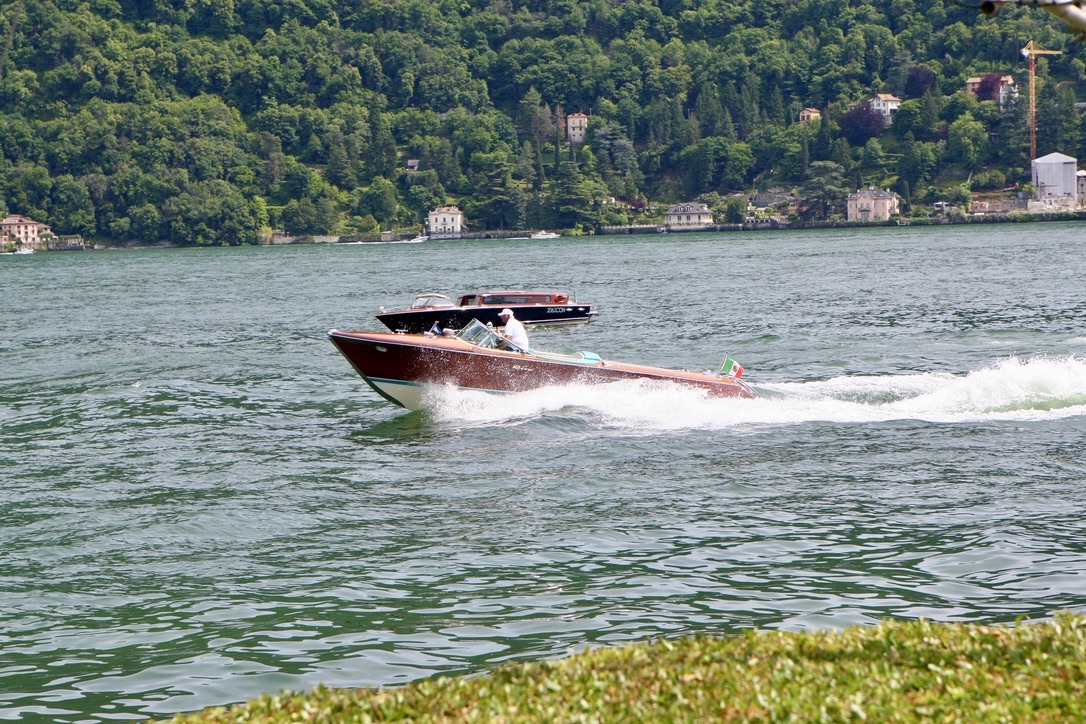
Arriving at the Villa Erba in style.
Story and photos by Jonathan Sharp
Note to self, if you attend the Villa d’Este/Villa Erba Concours again (which I probably will!) then take the ferry! It is 3.9 miles from the town of Como, where our hotel was located, to Cernobbia where the Villas are located. It should take about 16 minutes by car and about half an hour by bus. Sunday morning of Concours weekend has not a chance, took me 75 minutes on the bus.
The event consists of the same group of cars at two locations; Villa d’Este is a hotel on the shore of Lake Como, and Villa Erba is an historic villa, again on the lake shore, with a conference centre attached. The event starts on Saturday at the Villa d’Este Hotel and is very select. On Sunday the cars move to nearby Villa Erba which is a public event and where these photos were taken.
I am going to start with the BMW art cars that formed part of a display of ‘Motorsport Icons’ within the main indoor arena at the Villa.
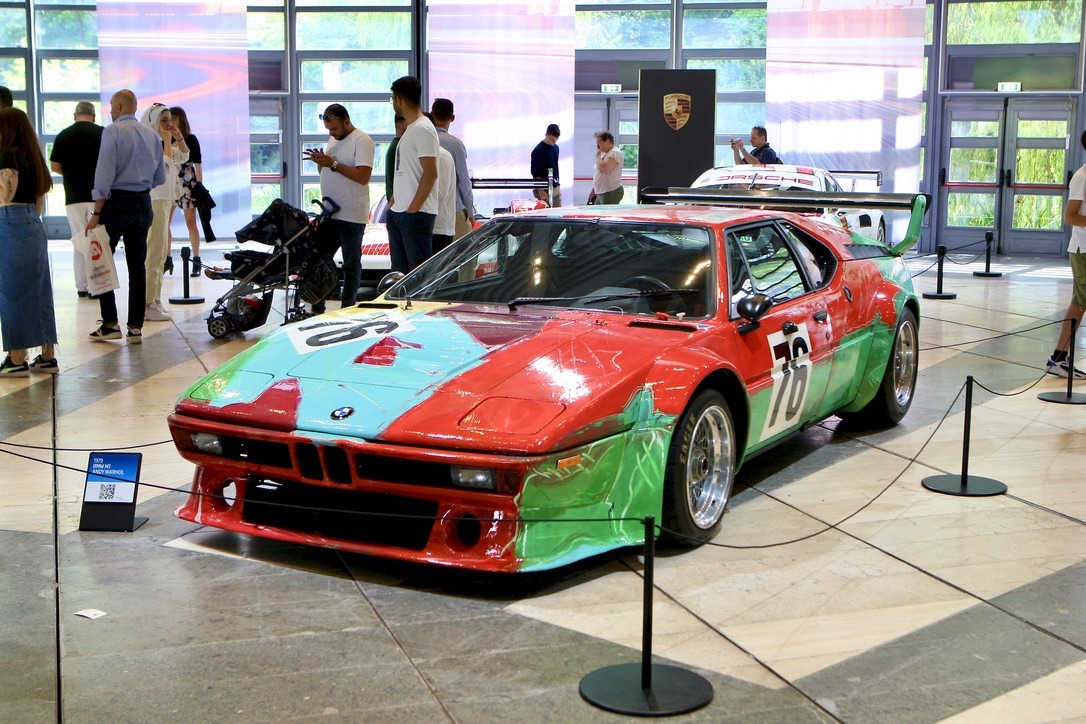
BMW M1, as painted by Andy Warhol. To quote Mr Warhol ‘I attempted to show speed as a visual image. when an automobile is really travelling fast, all the lines and colours are transformed into a blur.’
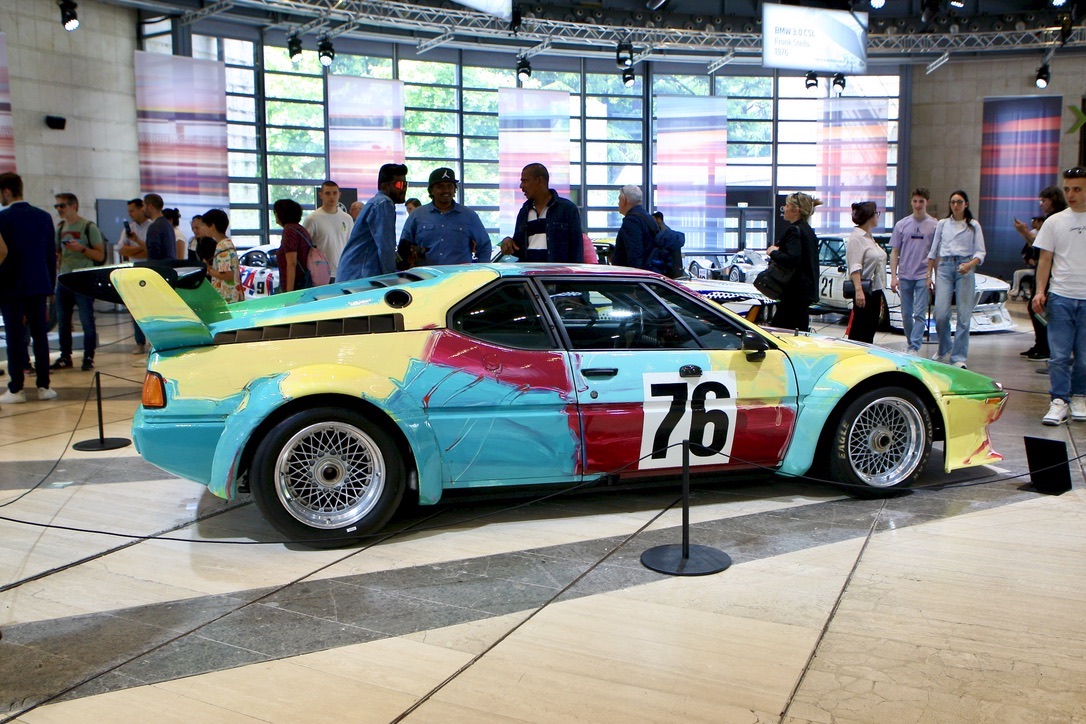
He certainly did not hang round whilst painting it, using 13 pounds (six kilos) of paint applied with a big brush in just 28 minutes. The car was later raced at Le Mans in 1979, finishing sixth overall and then retired straight to a museum.
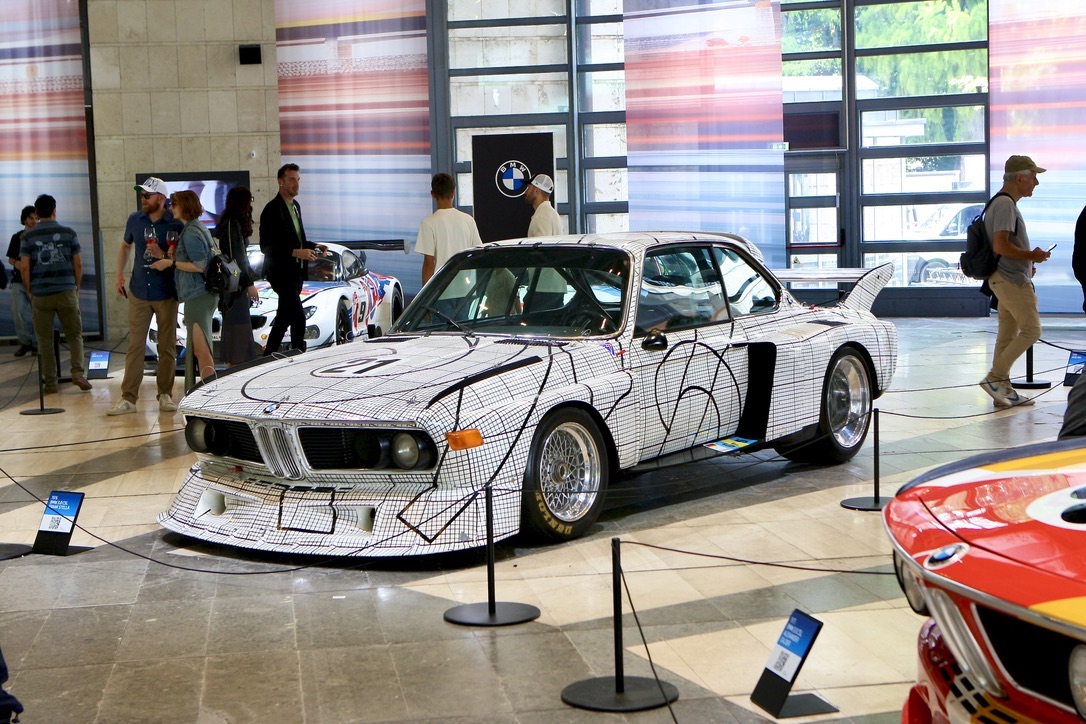
Unlike Mr Warhol who painted directly onto the car, Frank Stella created this startling black and white design, but the actual painting of the car from a scale model was carried out by Walter Maurer. BMW’s famous paint master. As to the car itself, ex 1976 Le Mans and with 750 bhp and designer paint finish it must have stood out somewhat.
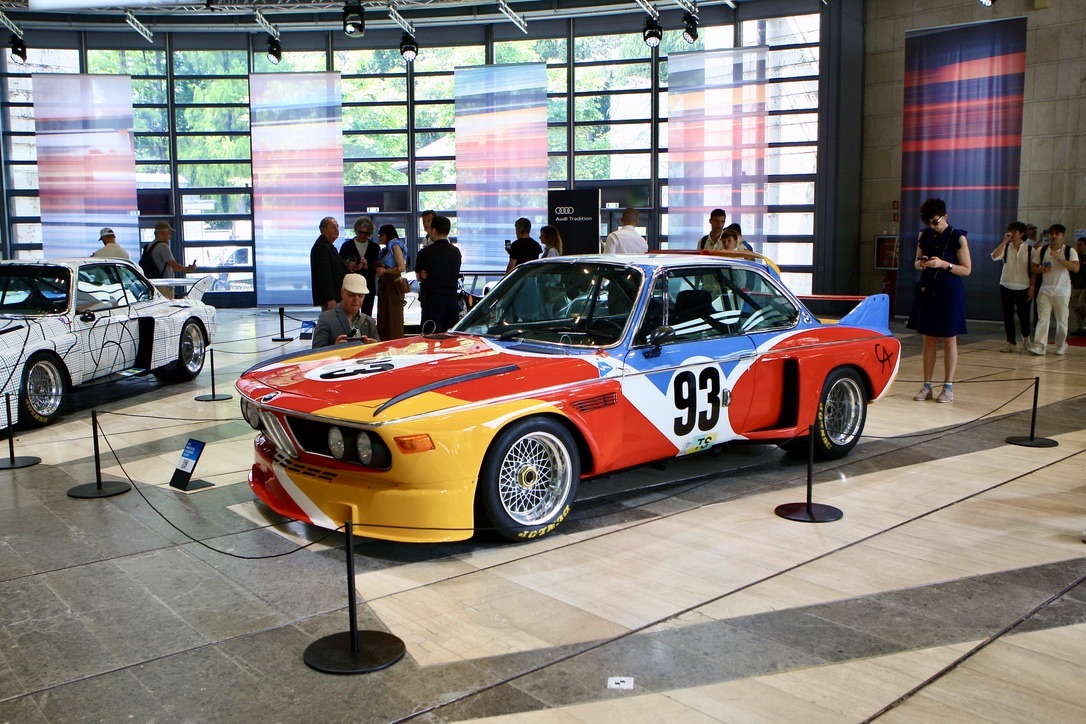
This BMW 3.0 CSL race car designed by the American sculptor Alexander Calder would be the prelude to what is now a legendary art series. In 1975 Hervé Poulain approached the automaker with the idea of an art car. Poulain actually drove the no. 93 BMW 3.0 CSL in the Le Mans 24-hour race himself.
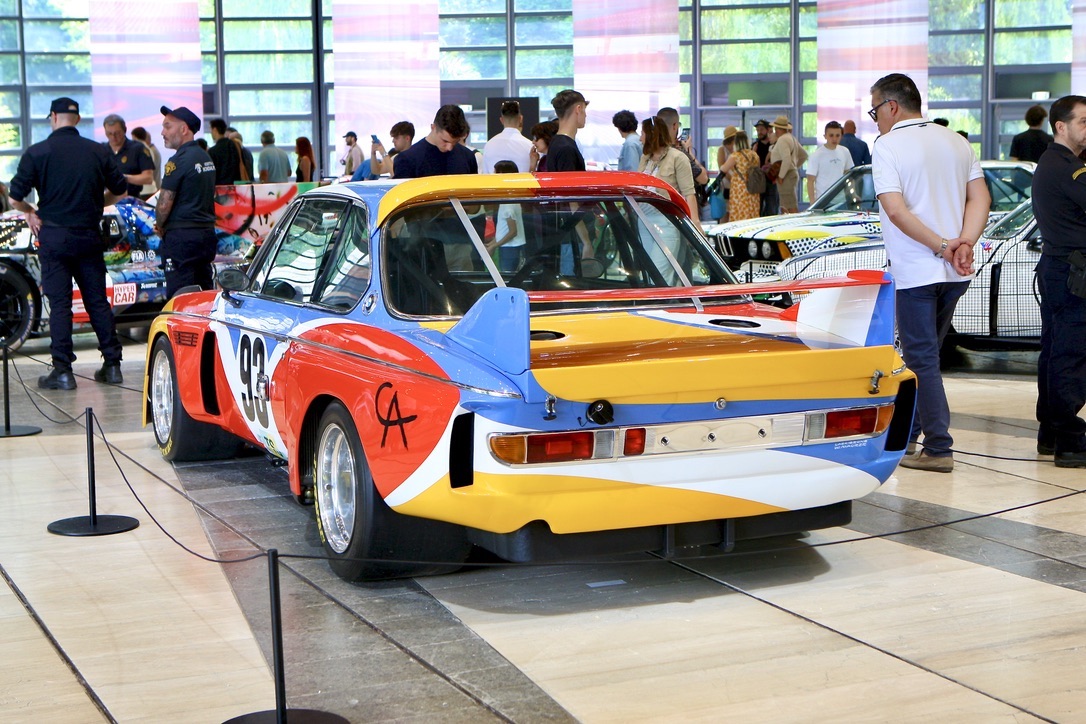
Although he didn’t finish, the response to the colorful Calder-mobile was phenomenal. The world’s first BMW Art Car was also one of Calder’s last works of art as he died the same year it was unveiled.
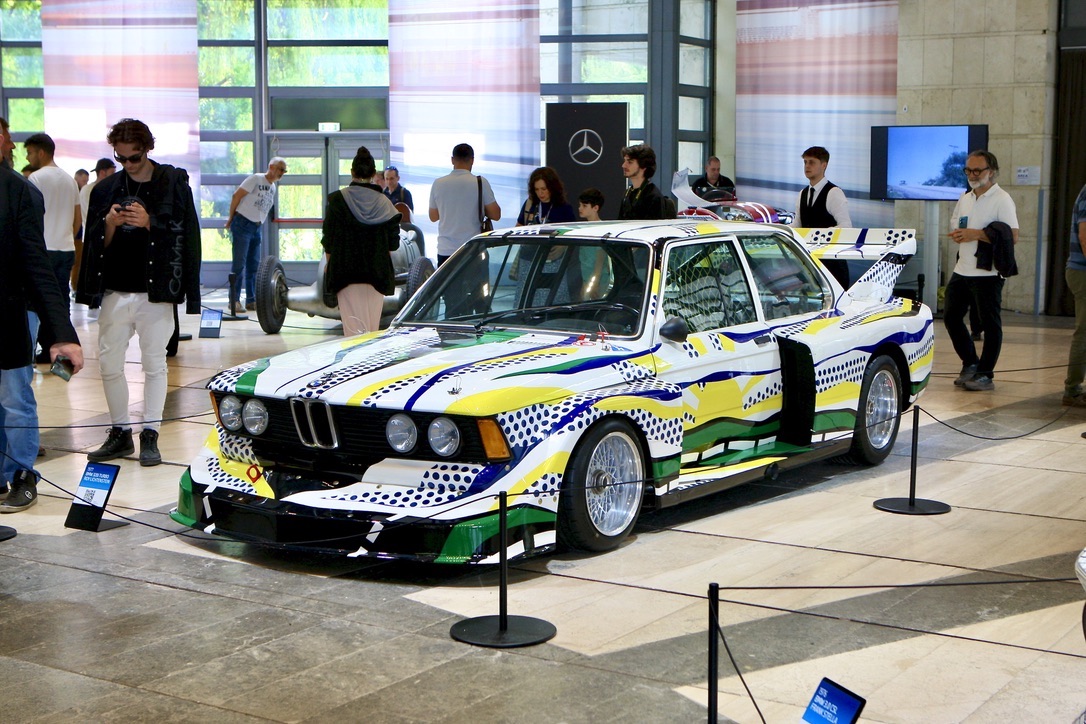
This is Art Car number 3, 1977 320i Turbo Group 5, painted by American Pop artist Roy Lichtenstein. Again this car was driven in competition at Le Mans by Herve Poulain and Marcel Mignot to 9th overall and first in class.
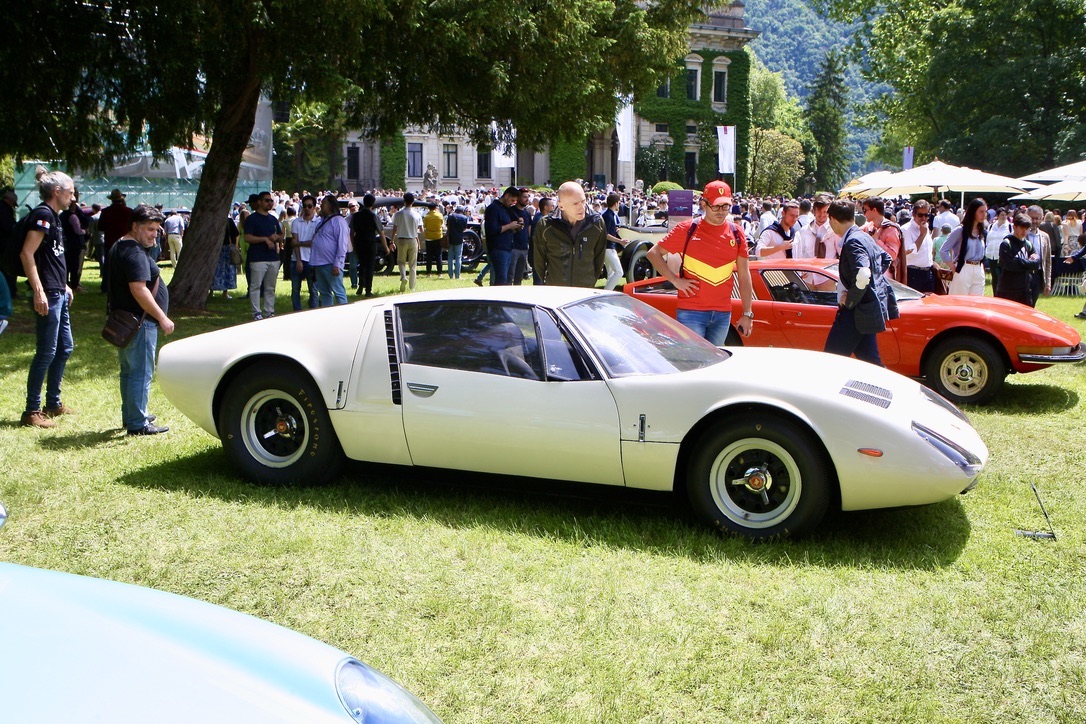
From the ‘Time Capsule’ class, the Serenissima Agena. Automobili Serenissima was founded in 1963 by the Venetian nobleman Conte Giovanni Volpi di Misurata with the aim of building his own racing cars. Ultimately located in Formigine near Modena, between 1963 and 1970 the company developed and produced four different models.
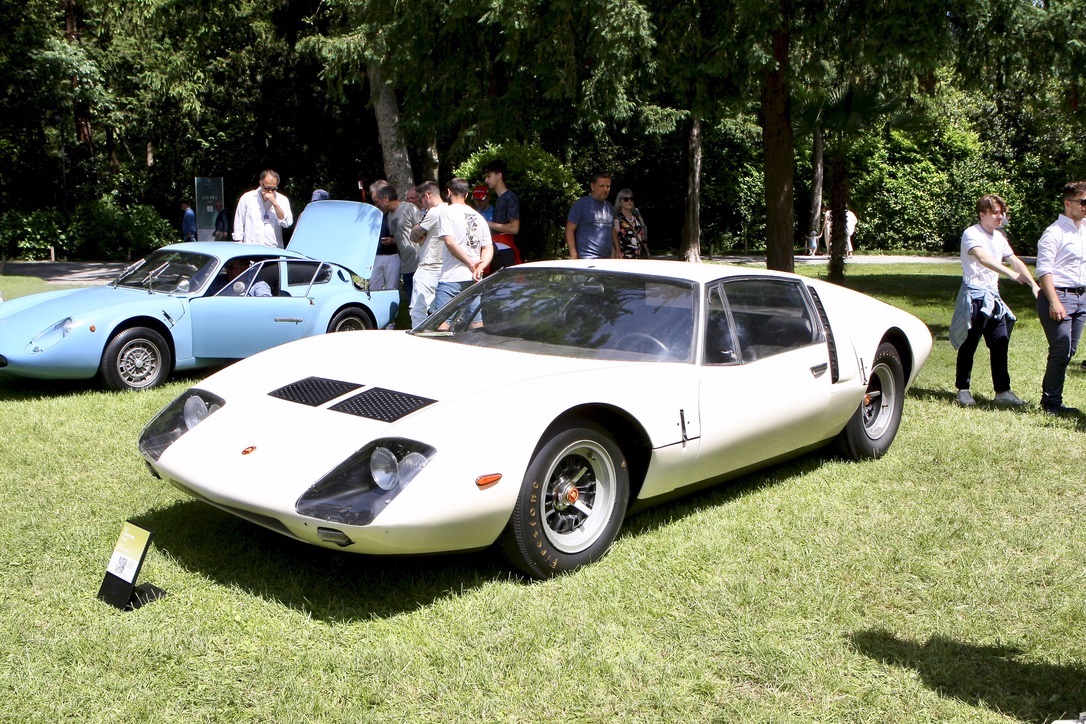
This prototype is the sole example constructed and was never road registered, being only ever driven on prova plates until being mothballed in 1969. In 2020 the Conte sold the Agena to her current custodian. The car has never been restored and only required a mechanical refresh to waken her from her long hibernation.
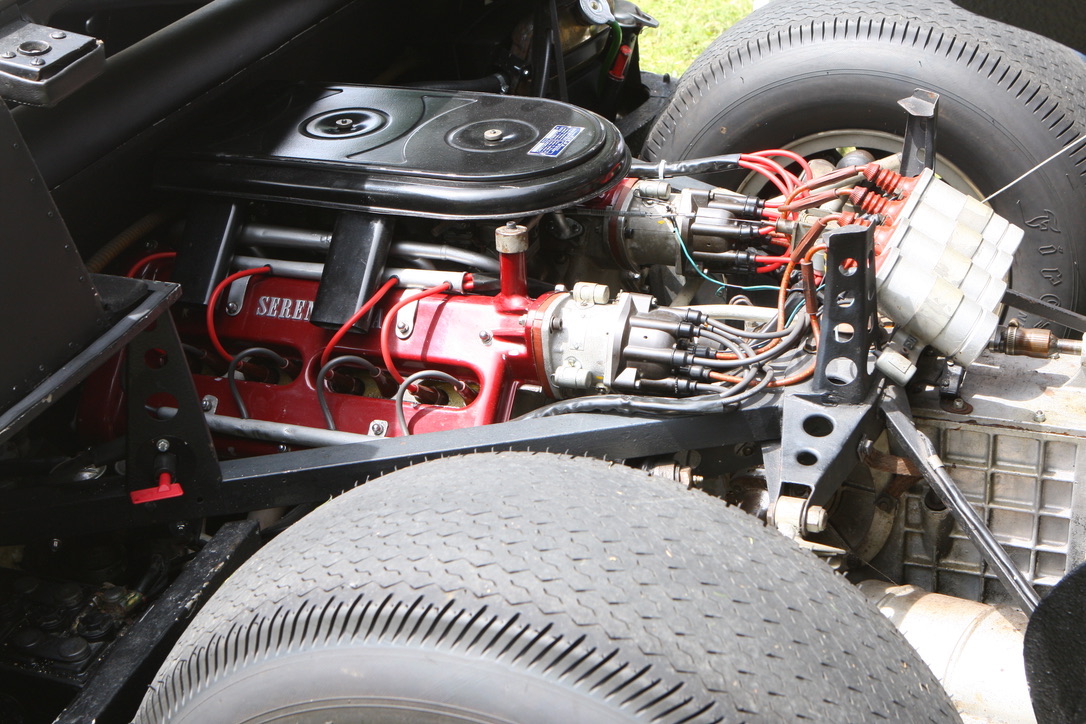
Agena engine.
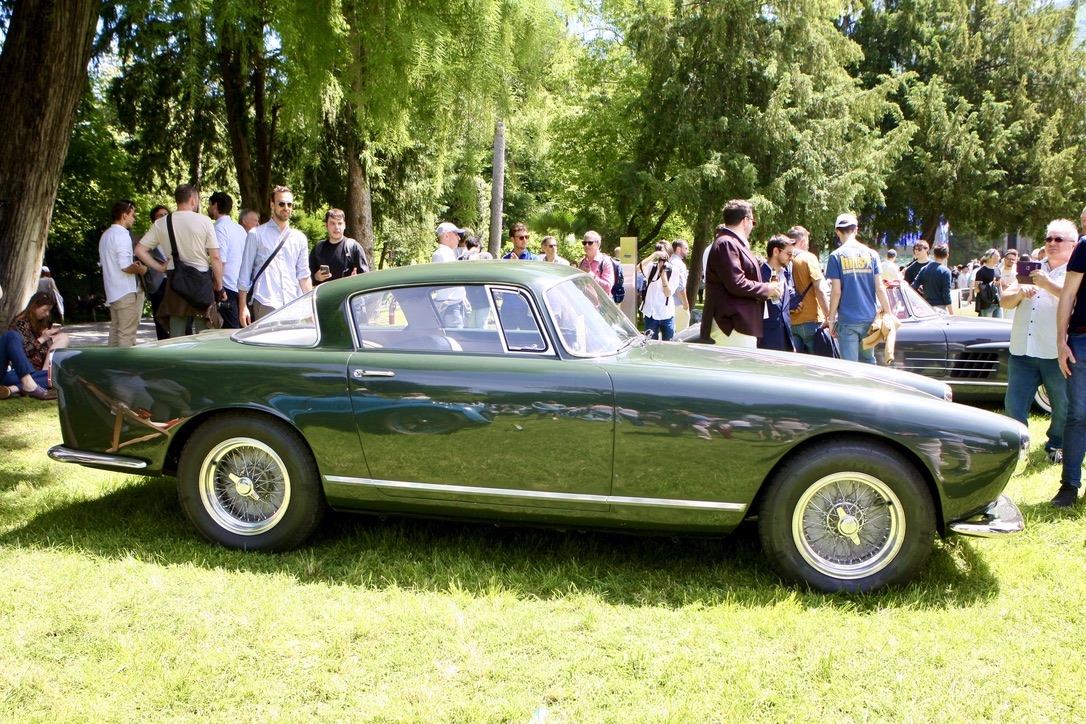
From the ‘Time Capsule class,’ the Ferrari 250GT owned by Ulbe Hempenius carries coachwork by Boano. Originally registered in Monaco on the 31st December 1957 and finished in Marrone 115 (dark brown) but at the time of sale was repainted in Verde Riviera 1160, a colour retained till this day.
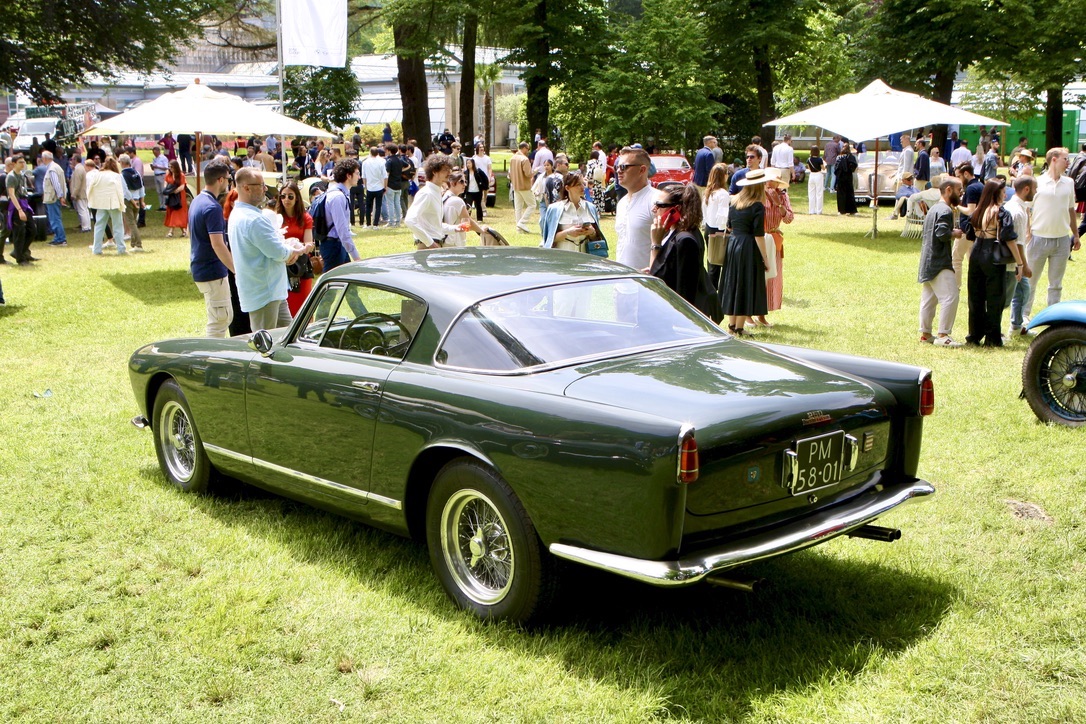
This example also has some competition history. During 1958 it competed in the Monte Carlo Rally,the Coupes des Alpes, and the Tour de France.
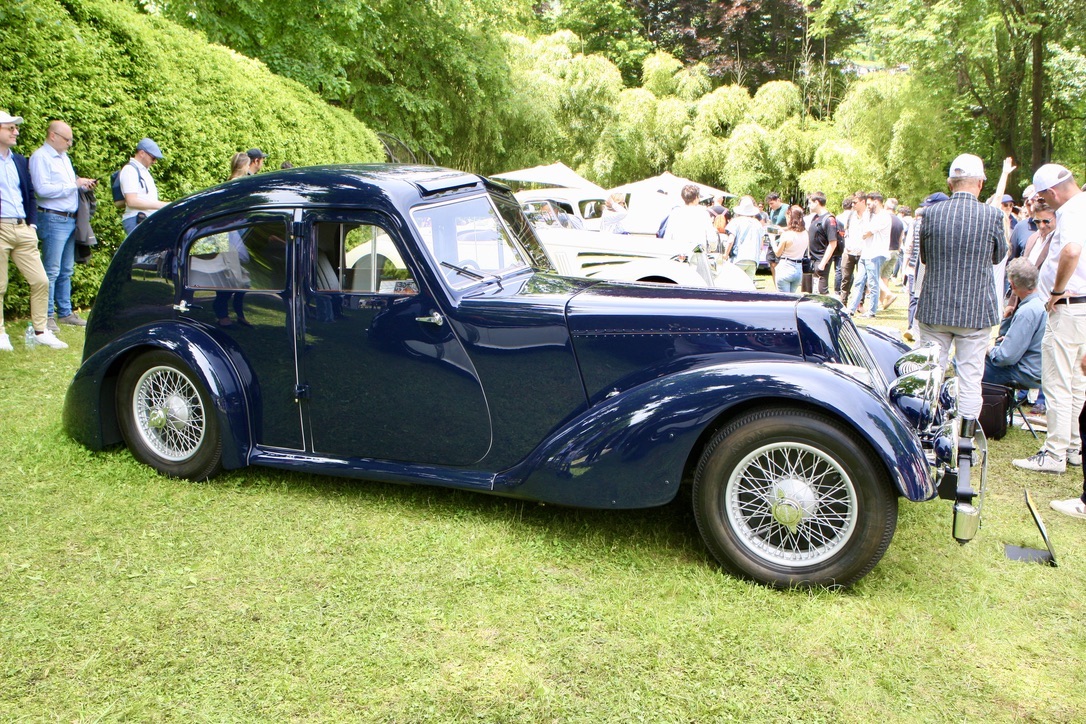
From the ‘Shaped by the Wind, the Evolution of Aerodynamics’ class. Norbert Hieber’s 1936 Aston Martin 2.0 Litre. Designed by long time Aston Martin employee Claude Hill, when the car was unveiled at the London Motor Show it was greeted which much enthusiasm but soon became known as ‘Donald Duck’. EML132 was the first Aston Martin to feature a tubular steel frame and also featured a centrally located fuel tank making for a much larger boot than was the norm at the time.
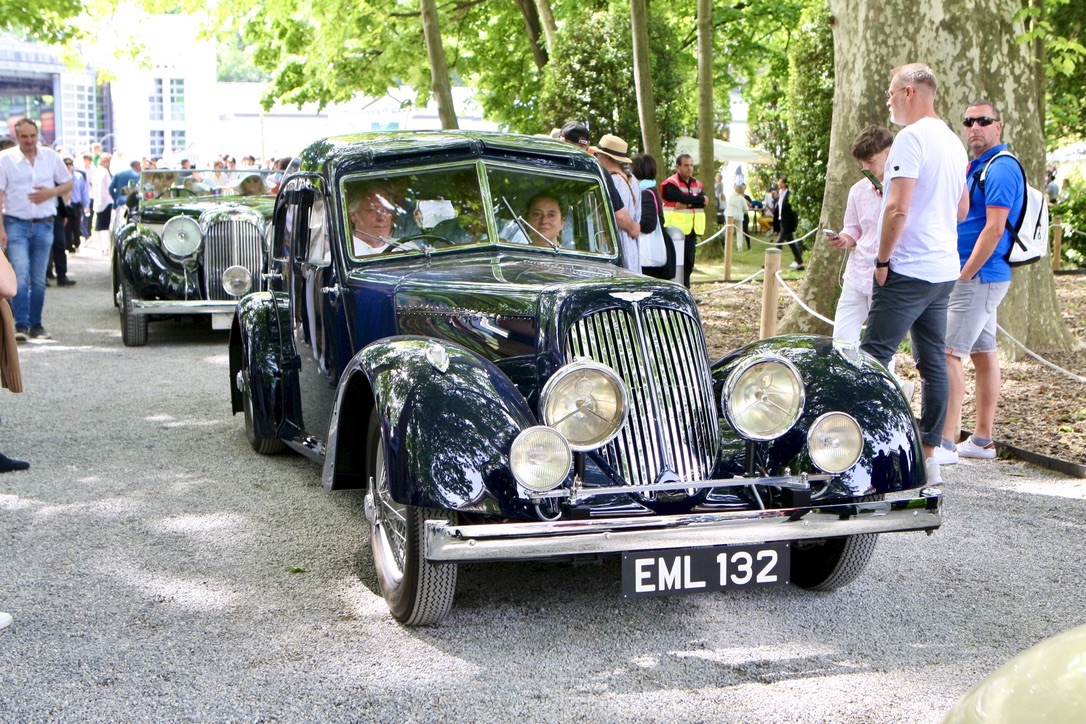
The Autocar magazine tested Donald in 1940 and praised the car for its steering and reliability. Donald was sold in about 1942 and all trace was lost until a chance discovery in a barn by a German antiques dealer in the 1980s. A 25 year restoration then followed with this year’s event being the first time that Donald has been seen in public.
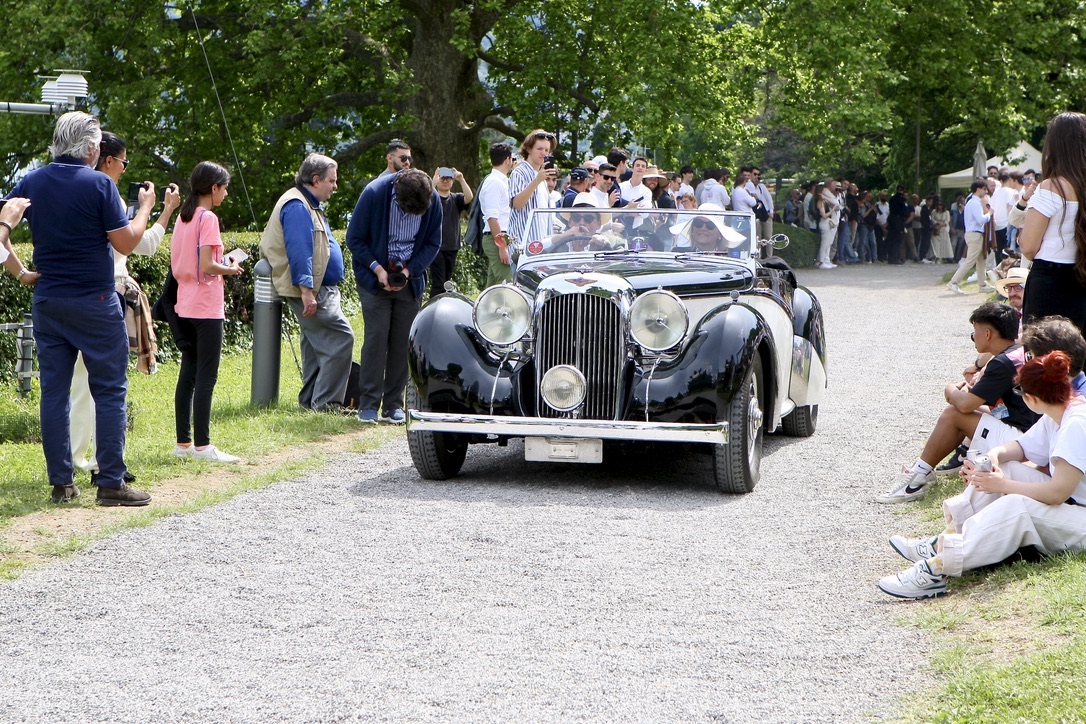
From the ‘Shaped by the Wind’ class, Christoph Zeiss’s 1938 Lagonda V12 Rapide. The WO Bentley-designed Lagonda Rapide was considered by many to be one of the finest pre-war V12 engined road cars.
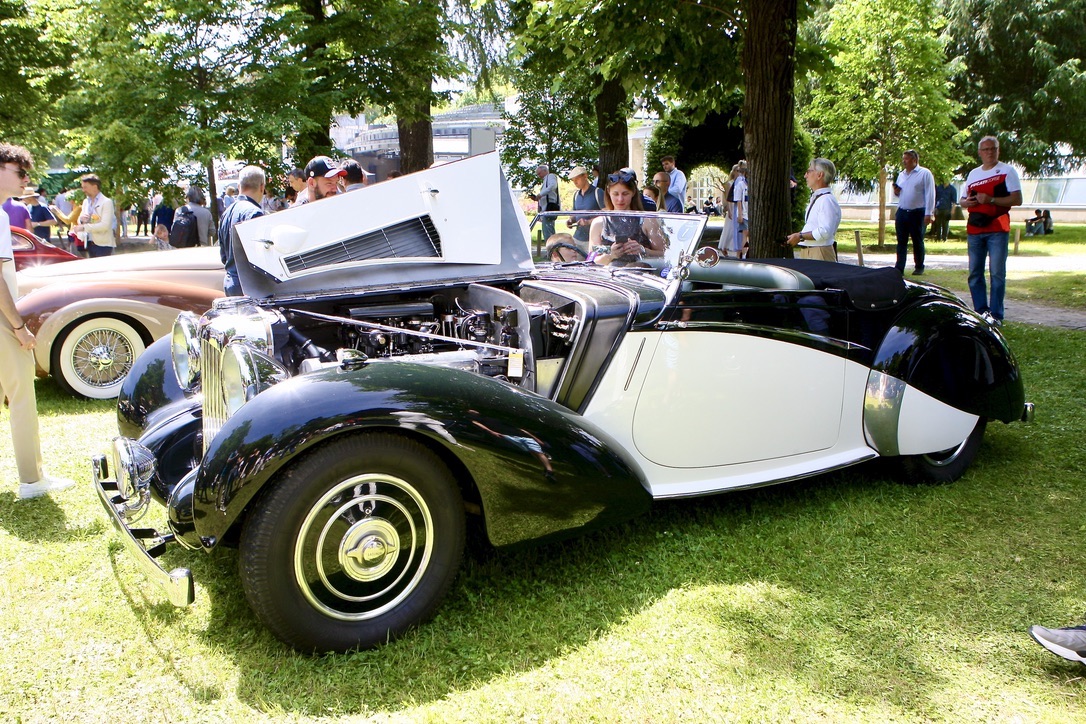
Of the 187 V12 Lagondas built only 17 were sold as the more powerful Rapide version. It is believed that this example was first purchased by Alfred ‘Jimmie’ McAlpine, grandson of British engineering giant Sir Robert McAlpine, and son of construction king Sir Alfred McAlpine.
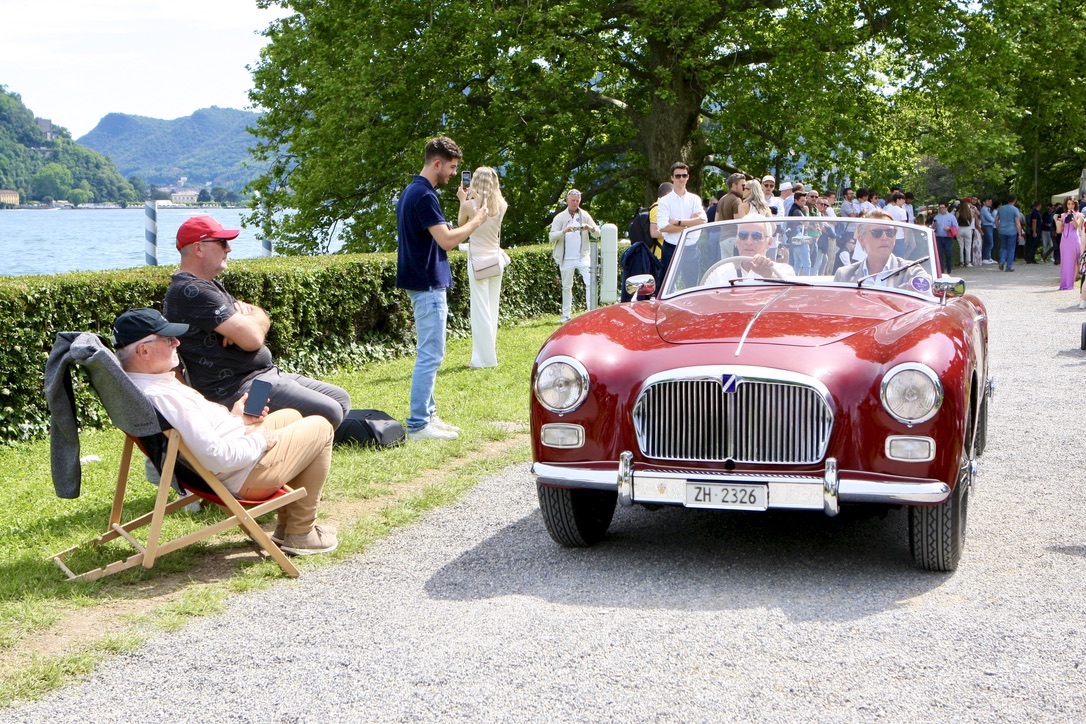
From the ‘Shaped by the Wind’ class, Kaspar Fleischmann’s Talbot Lago T26 Grand Sport Prototype chassis 101069. This example left the factory in 1950 as a Talbot Lago Record powered by the more powerful Grand Sport engine and fitted with a factory coachbuilt ‘surprofilee’ (I think only one e on this) body.
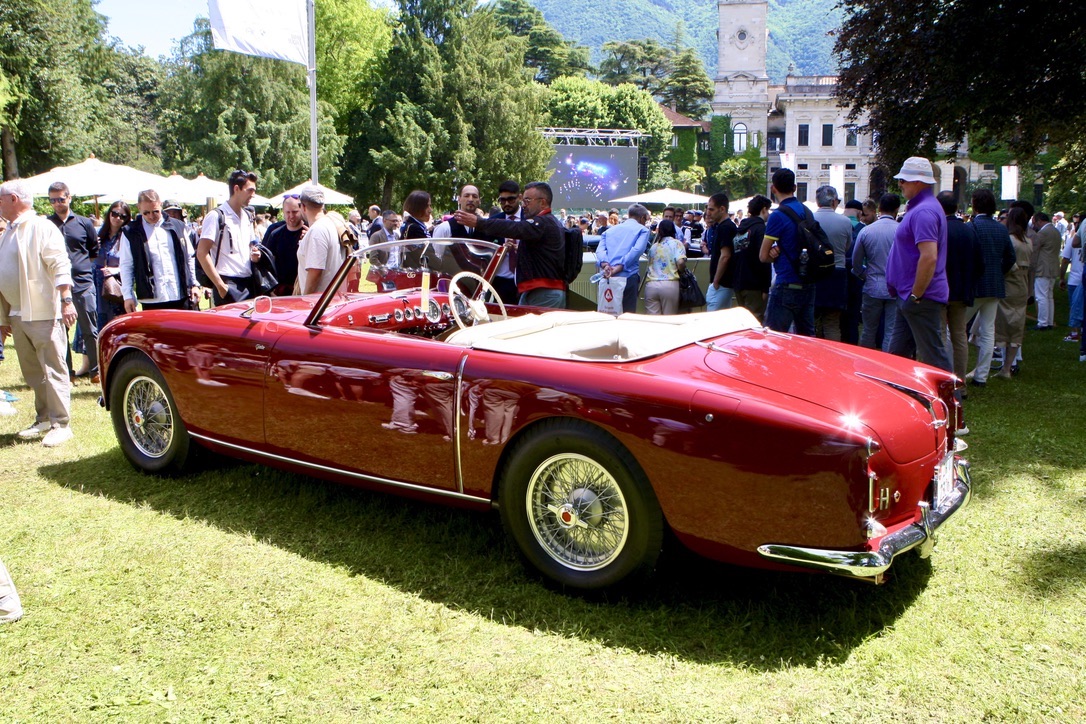
In 1953 the chassis was shortened by Carrosserie Graber and re-bodied with a unique convertible body and re-classified as a Grand Sport. Records also suggest that this chassis was Hermann Graber’s personal car for many years.
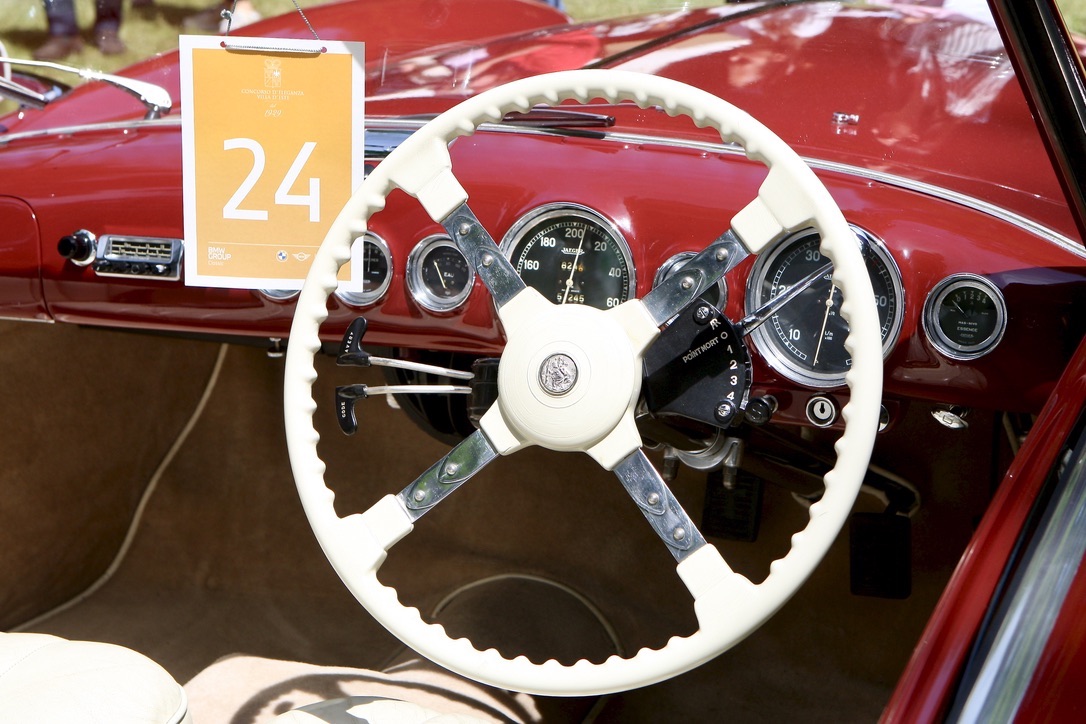
Talbot Lago’s white steering wheel.
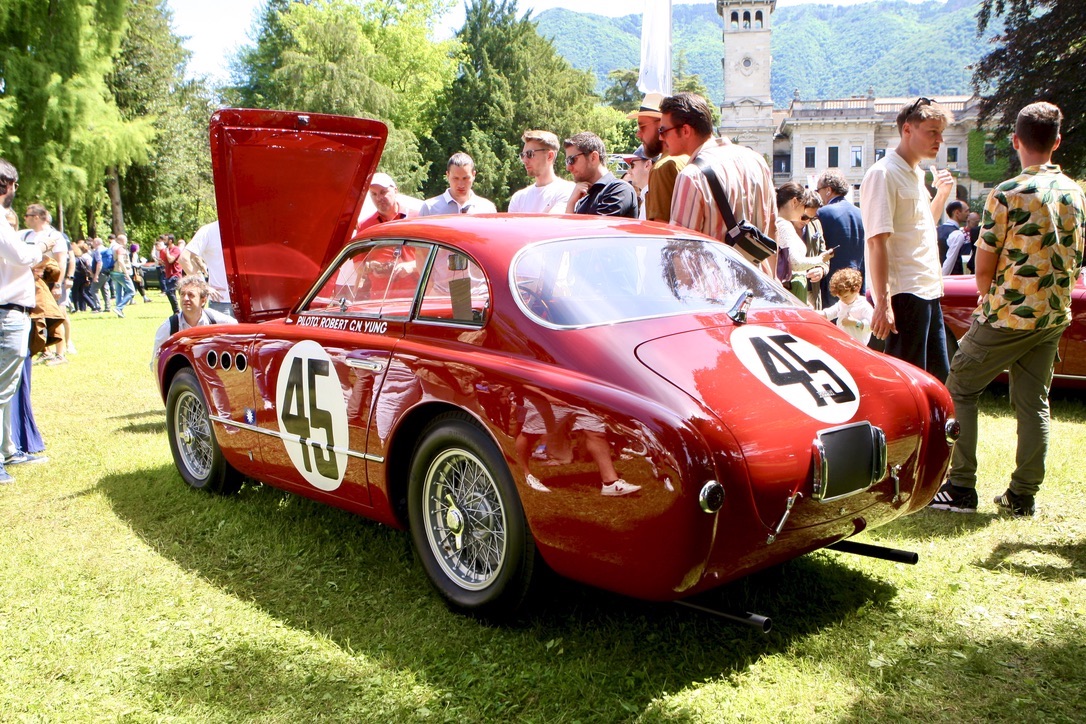
From the ‘Shaped by the Wind’ class. Arnold Meier’s 1952 Ferrari 225 S Tuboscocca, thus called because of the additional tubes welded into the frame to increase rigidity. With a competition history including Sebring in 1953, and the Cuban Grand Prix in 1955..
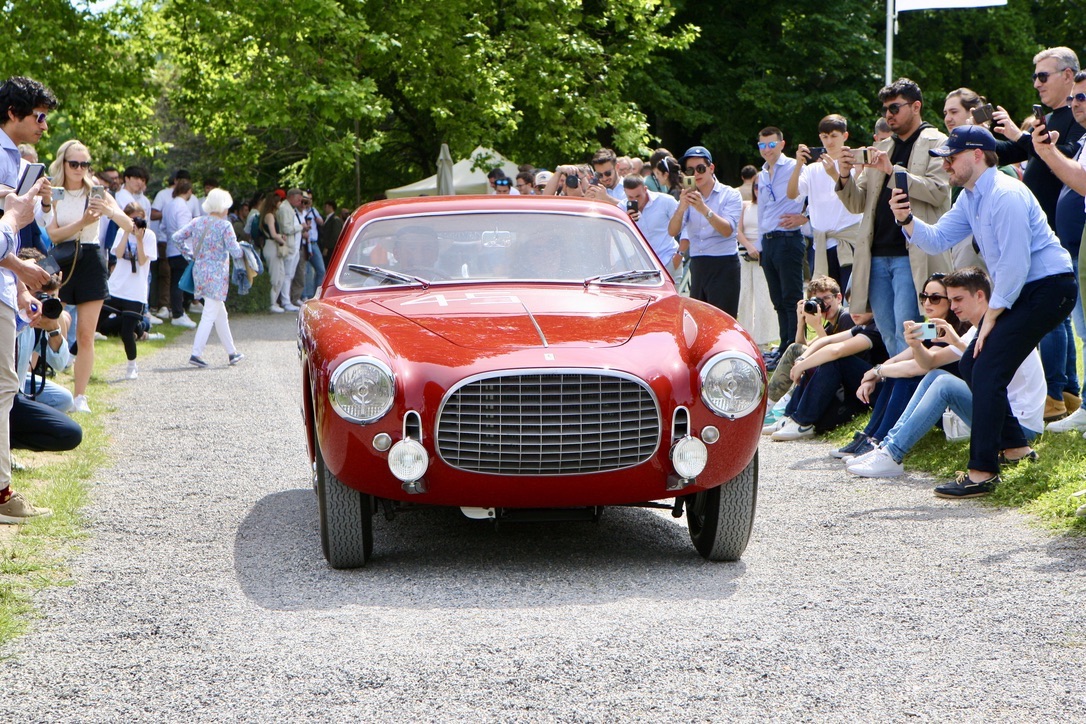
Originally delivered to a customer in Rome, and later sold to Luigi Chinetti, this Vignale bodied (one of only seven) has never been restored and still retains its unmodified original coachwork
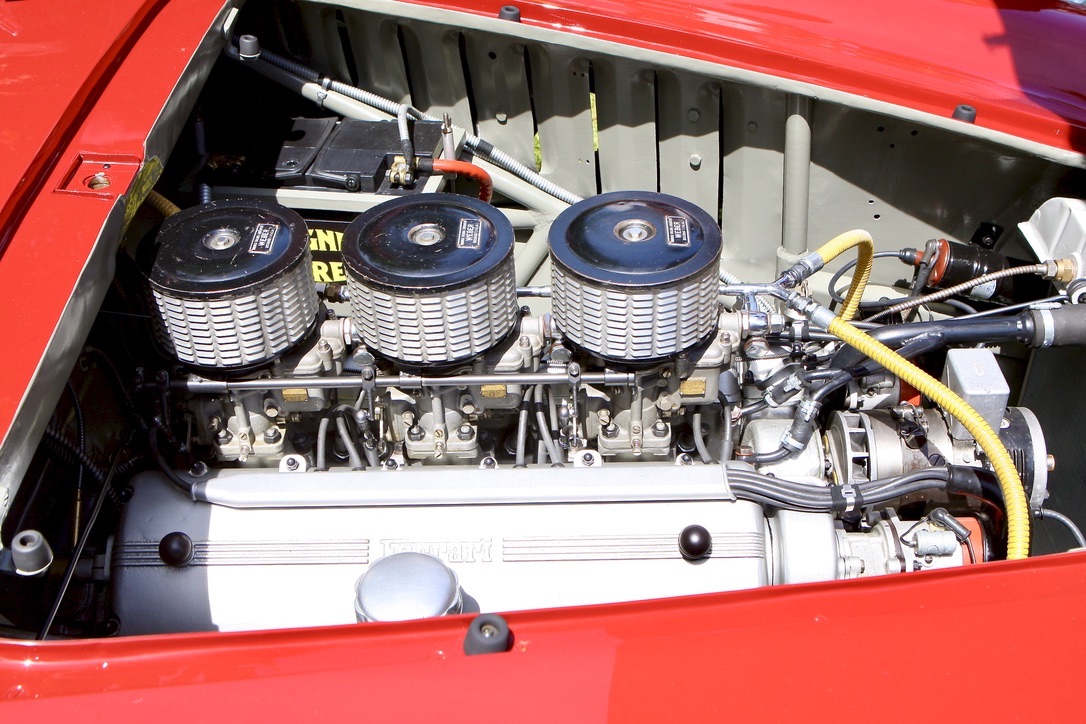
225 Engine
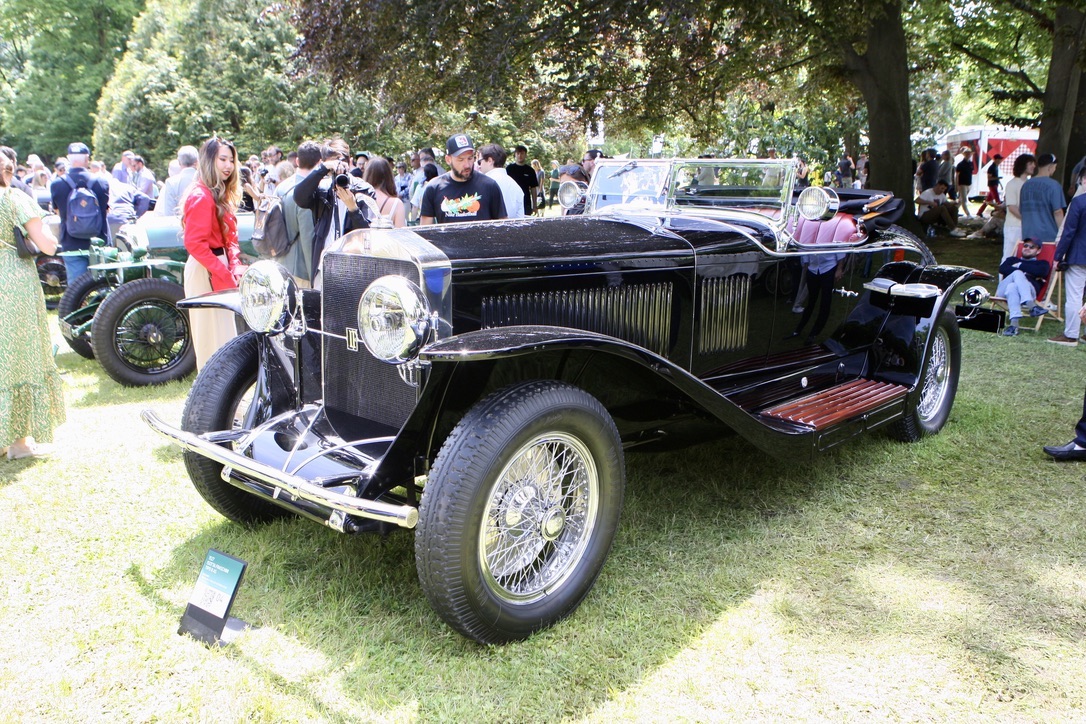
From the ‘Dawn of the Performance Age’ Nicholas & Shelley Schorsch’s 1927 Isotta Fraschini Tipo 8 AS, S for ‘Spinto’. Originally commissioned by Rodolfo Pietro Filiberto Raffaello di Valentina d’Antonguella, better known as silent film star Rudolph Valentino. It is understood that Valentino was personally involved in the design, paying particular attention to the precise specification. The roadster body was originally designed by LeBaron of New York and built by Fleetwood. Sadly Valentino did not get to enjoy his creation as he died following a misdiagnosis of a perforated ulcer aged only 31 in 1926.
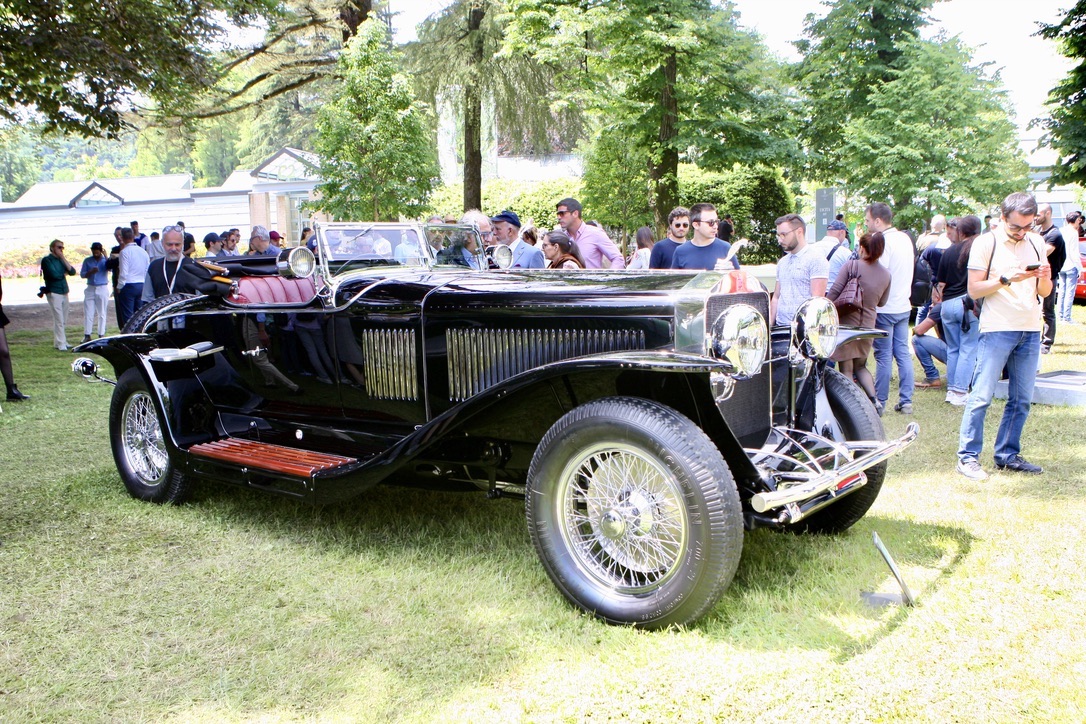
First shown at the New York Auto Show held in the Commodore Hotel, the car proved to be a magnet to the stars with a price tag of $25,000 and was ultimately snapped up by New York High Society Socialite Peggy Hopkins Joyce, who was well known for her flamboyant lifestyle and financially advantageous marriages. In fact it is even claimed that she did not actually pay for the car, it possibly being gifted to her by Walter P Chrysler.
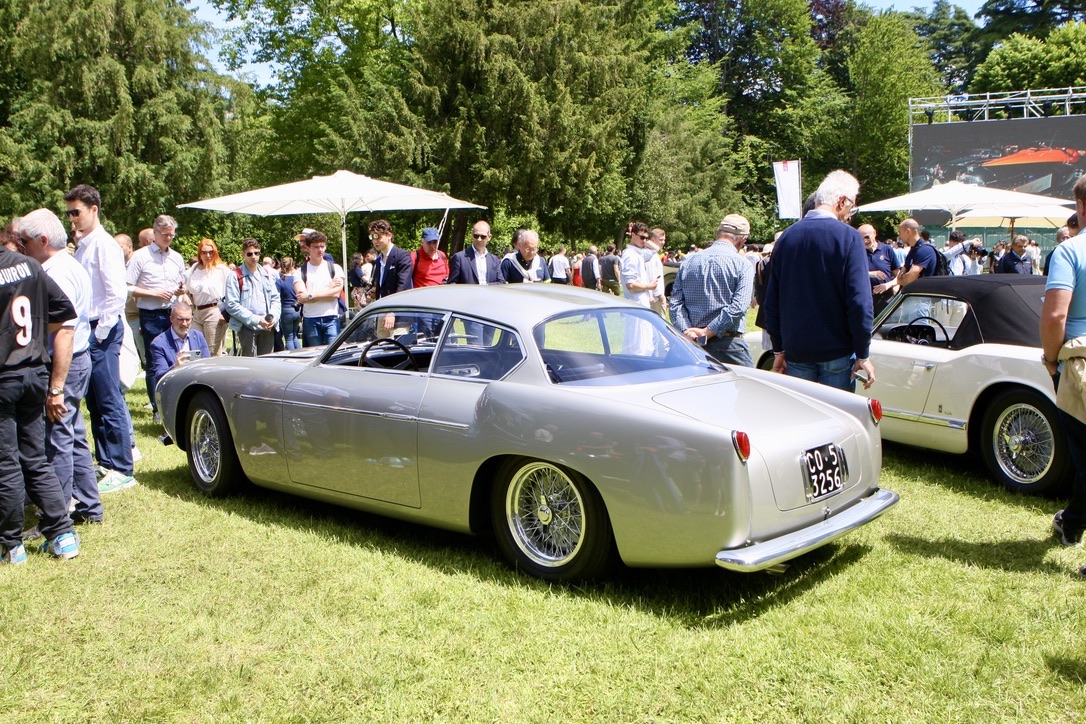
From the ‘Best of Italian Grace,’ Maserati at 110, Roberto Quiroz’s 1956 A6G/54.Of the 60 odd examples constructed it is believed that 20 carried coachwork by Zagato, this being number 17. Constructed for Luigi Fornasari to compete in the Millie Miglia.
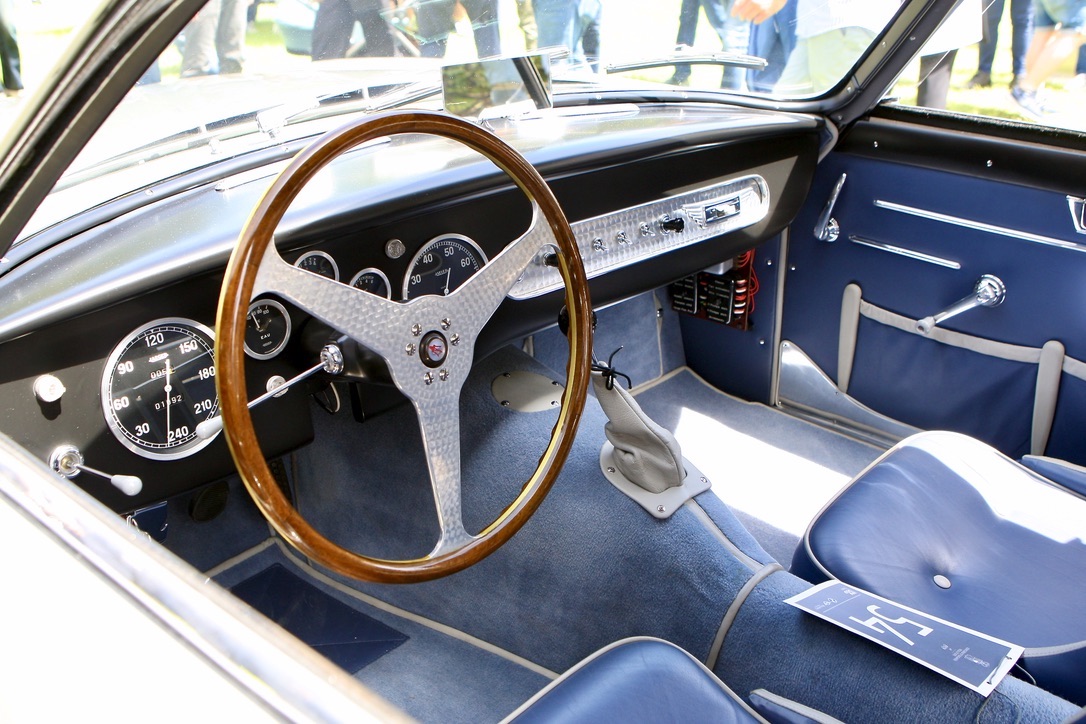
The effort came to an end on the rain soaked roads in Ravenna where Fornasari rolled the car, luckily without injury to himself. The chassis was then returned to Zagato and repaired, emerging from the Carrozzeria with a smaller radiator intake and lowered headlights.
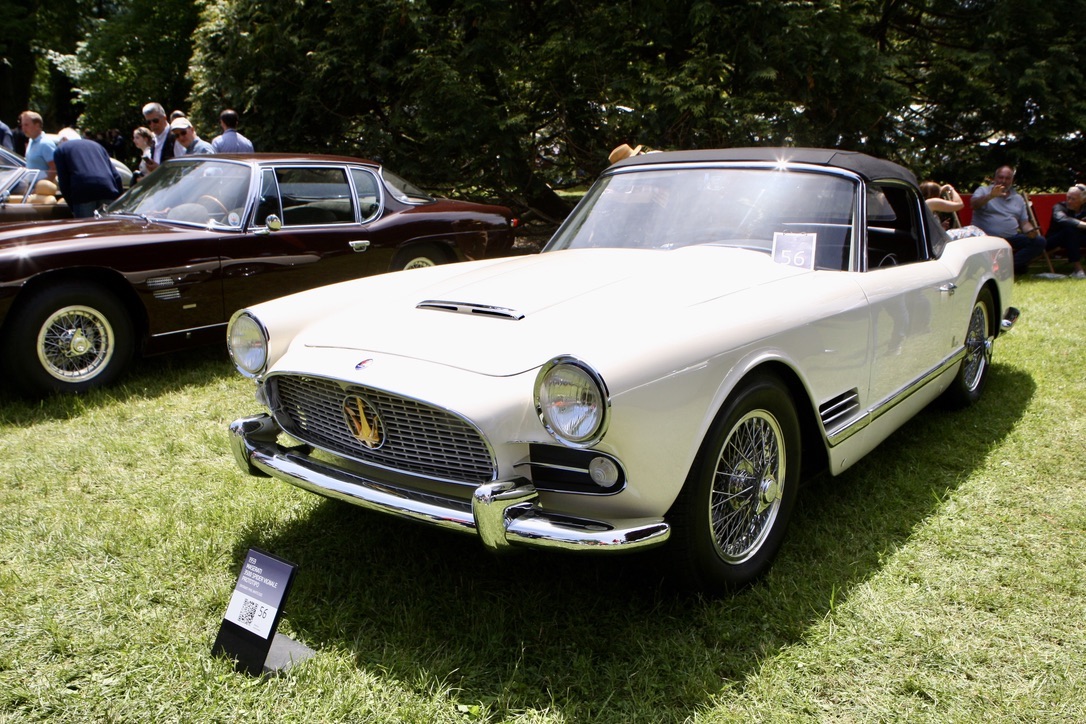
From the ‘Best of Italian Grace’ class, Phil White’s 1959 Maserati 3500 Spider Vignale Prototype. First delivered to gentleman racer Joe Lubin of California. In 1958 Touring had already constructed two prototypes of an open top 3500 GT Spider version but this example has coachwork by Vignale from the pen of Michelotti. This example differs from the production models in the shape of the front bumper, the front grill and Trident, and the bonnet bulge reprising the shape of the instrument binnacle.
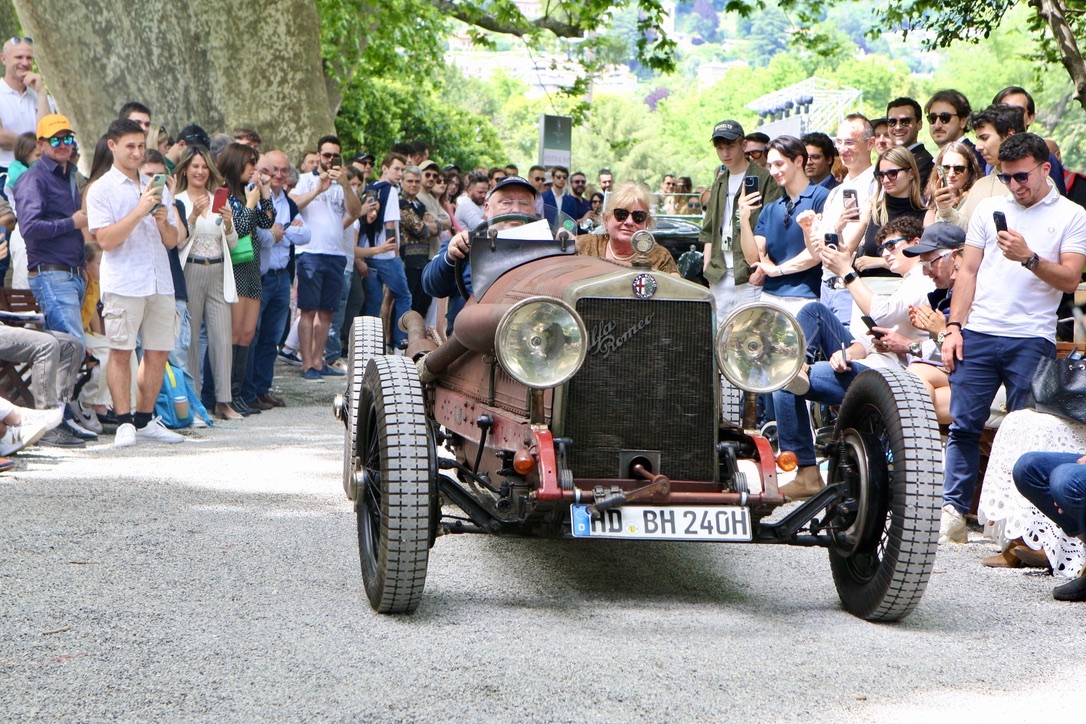
From the ‘Dawn of Performance Age’ class. Bernard Hubel’s 1922 Alfa Romeo RL Sport 1st series Spider Corsa.
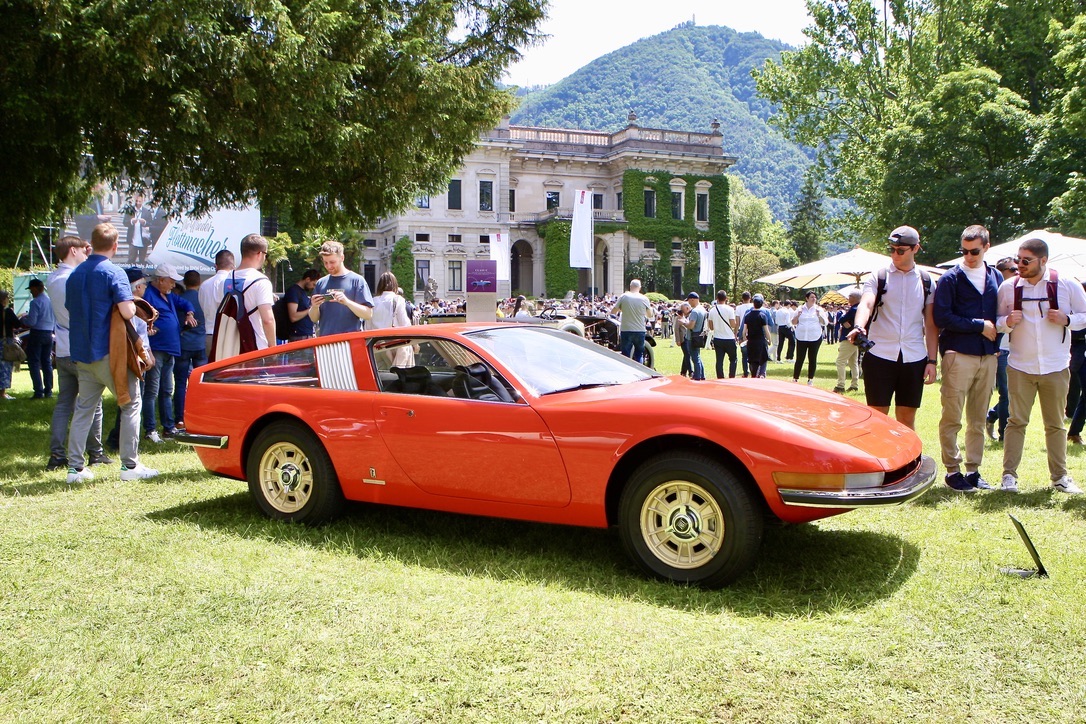
From the ‘Time Capsules Class’ and probably my favorite car of the event, Lee Hower’s 1967 Fiat Dino Aerodinamica. Designed by Paolo Martin, first shown at the 1967 Paris Motor Show and originally white. The design was then revised with a much slimmer rear profile, and retractable headlight covers for the 1968 Geneva Motor Show.
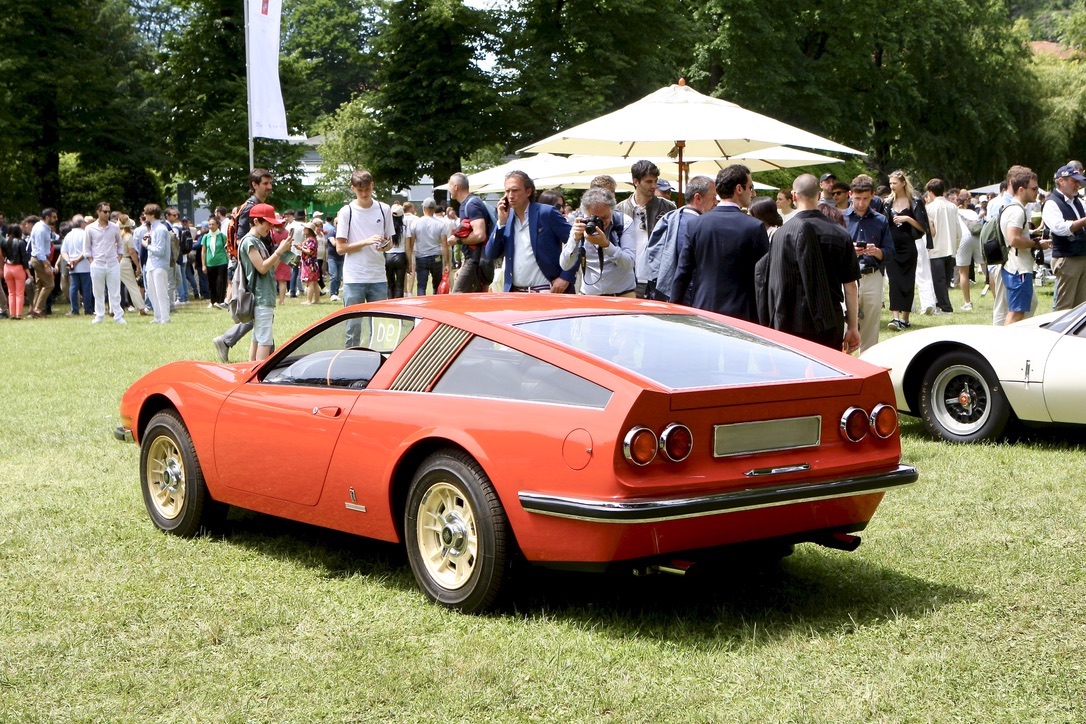
Finished in ‘Rosso Dino’ the car appears exactly as it did in 1968 with less than 6000 kms on the clock.
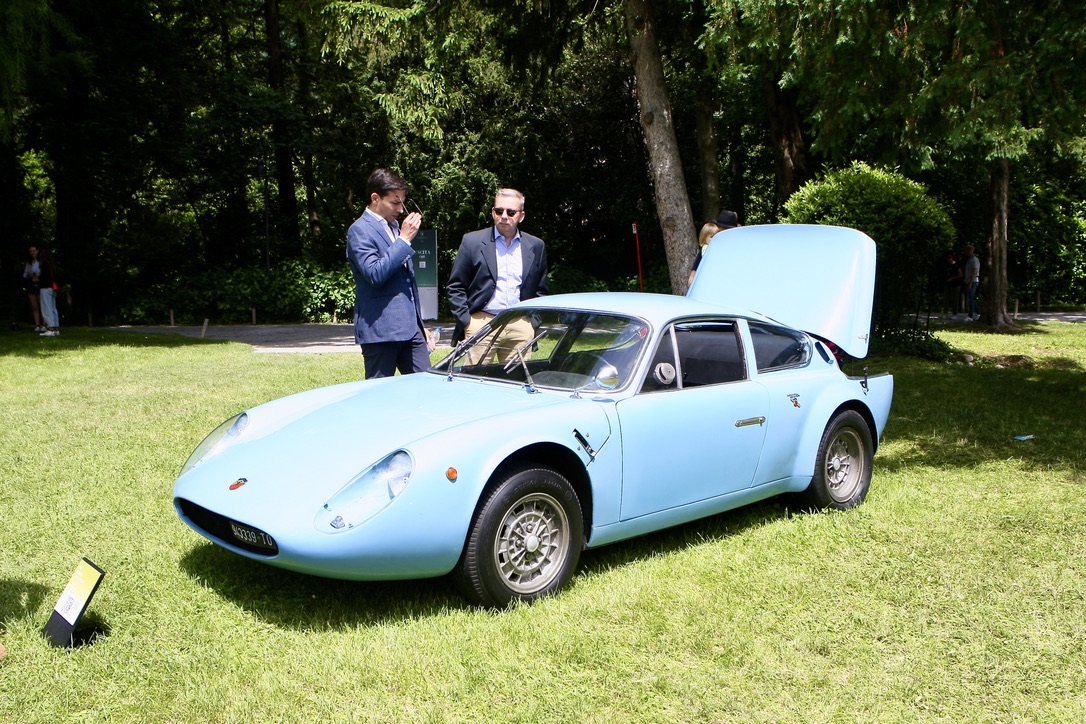
From the ‘Time Capsules’ class, Elad Shraga’s 1963 Abarth Simca 1300GT was constructed with the then standard nose and rounded tail section The first owner, Neapolitan architect Renato Arfe, traded the car back to the factory in 1966 where it was retained by the works team.
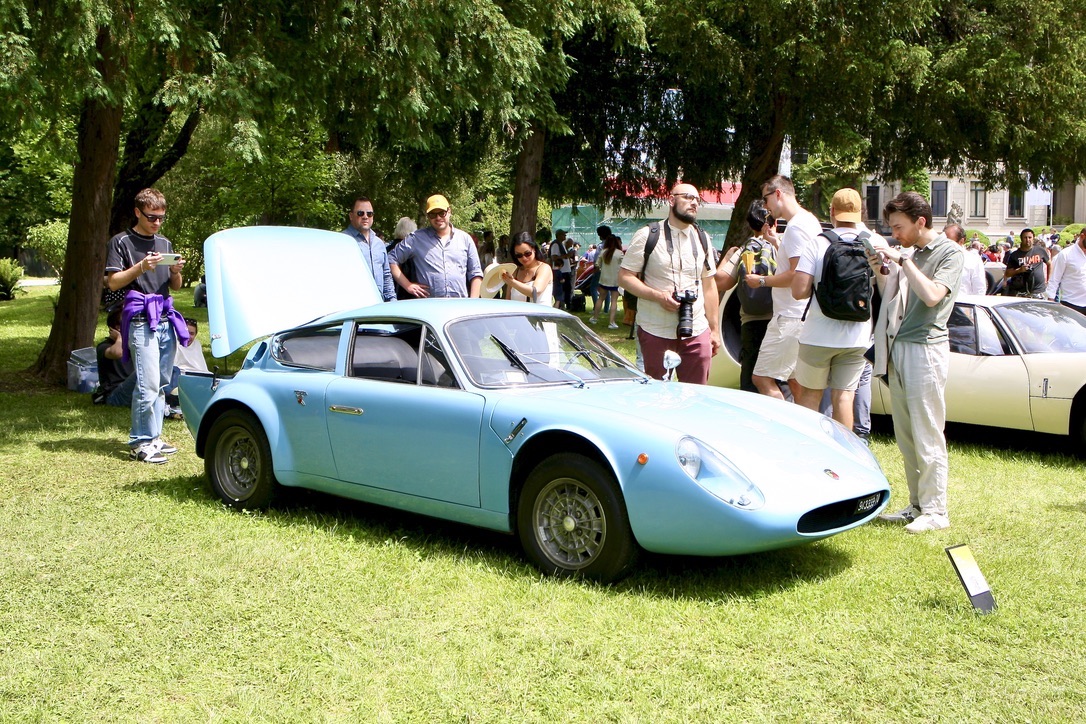
It was updated to the latest racing specification with the restyled longer nose and streamlined duck-lip Kamm tail design by Sibona-Basano. The motor was also updated with a twin spark cylinder head. In 1978 the car became part of Fabrizio Violati’s San Marino based Maranello Rosso Museum where it remained until 2014 when the collection was broken up.
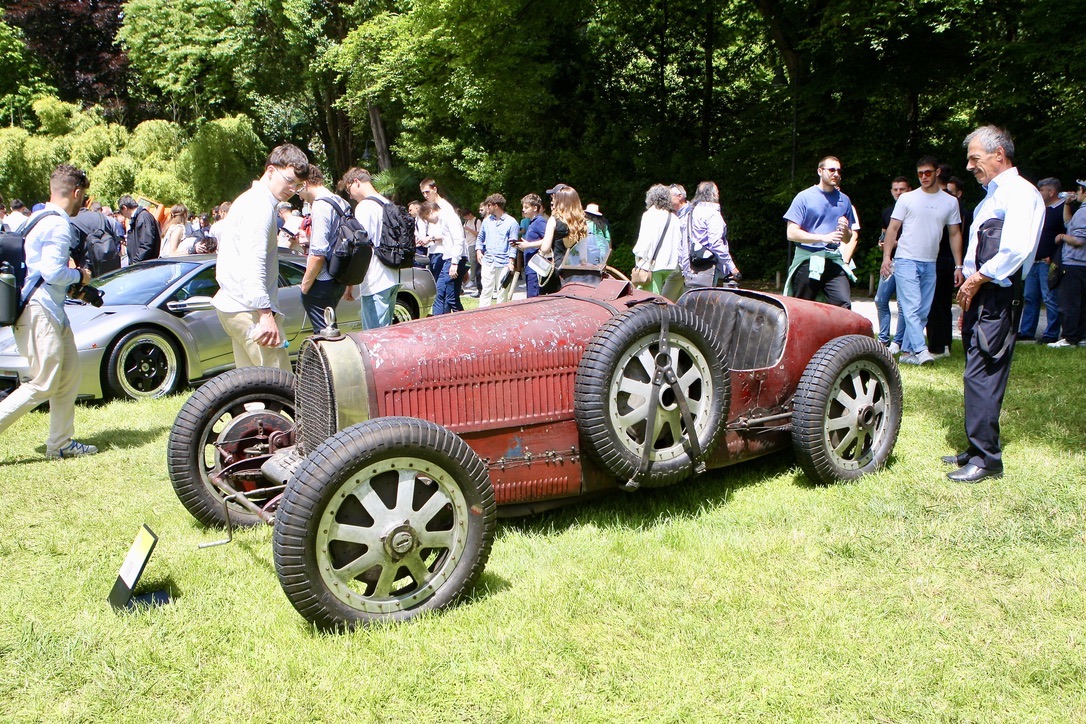
From the ‘Time Capsule’ class, The Auriga Collection’s 1928 Bugatti Type 35C. No history available.
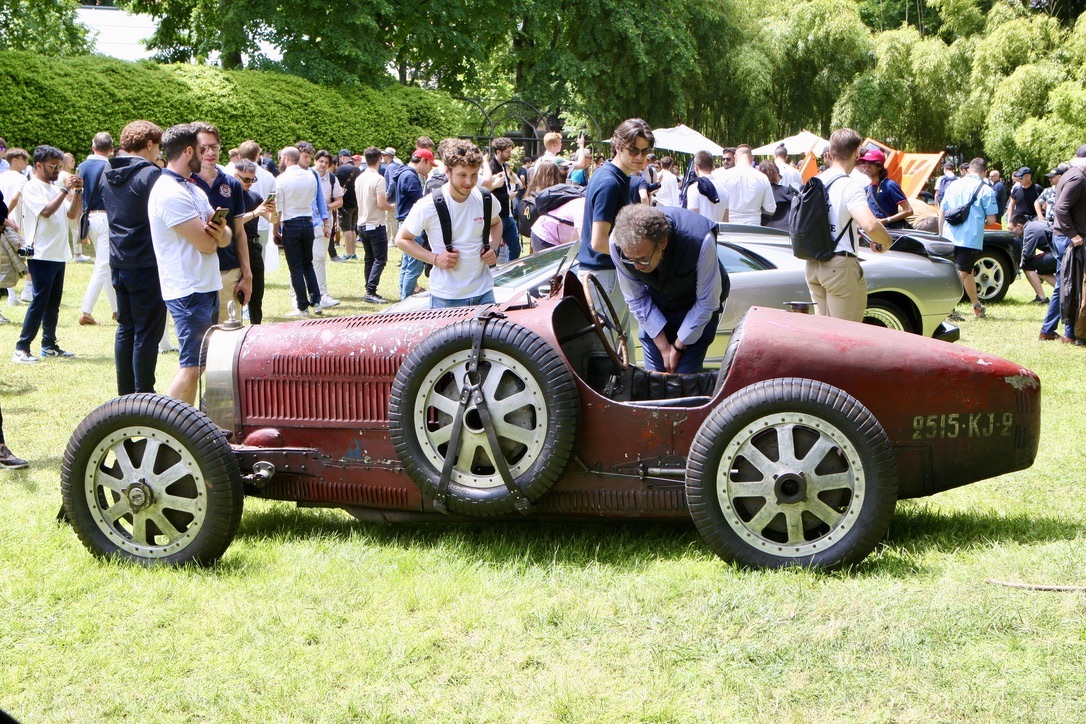
Another view
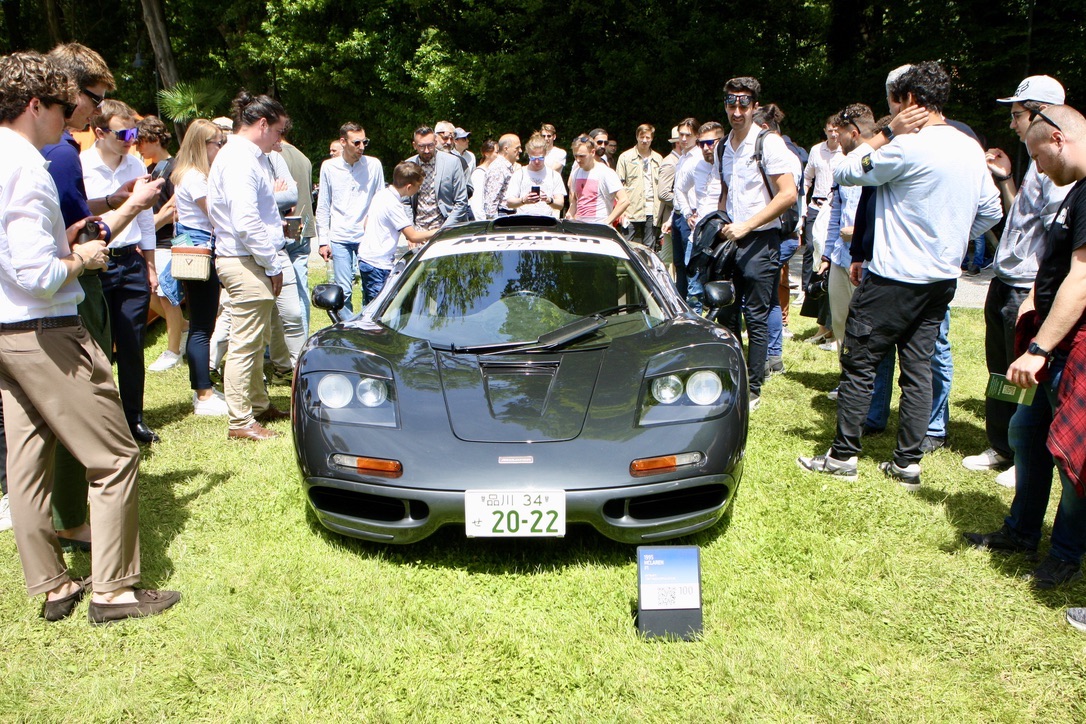
If you really want to stand out from the crowd at a car show buy a McLaren F1. This example, car 43, was ordered by Motokatzu Sayama, the owner of Ueno Clinic in Japan. He ordered his F1 to be finished in the same shade of grey as his Mercedes SL. His company later went on become the main sponsor of the factory prototype F1 GTR that won Le Mans in 1995. In the ‘Need for Speed’ class.
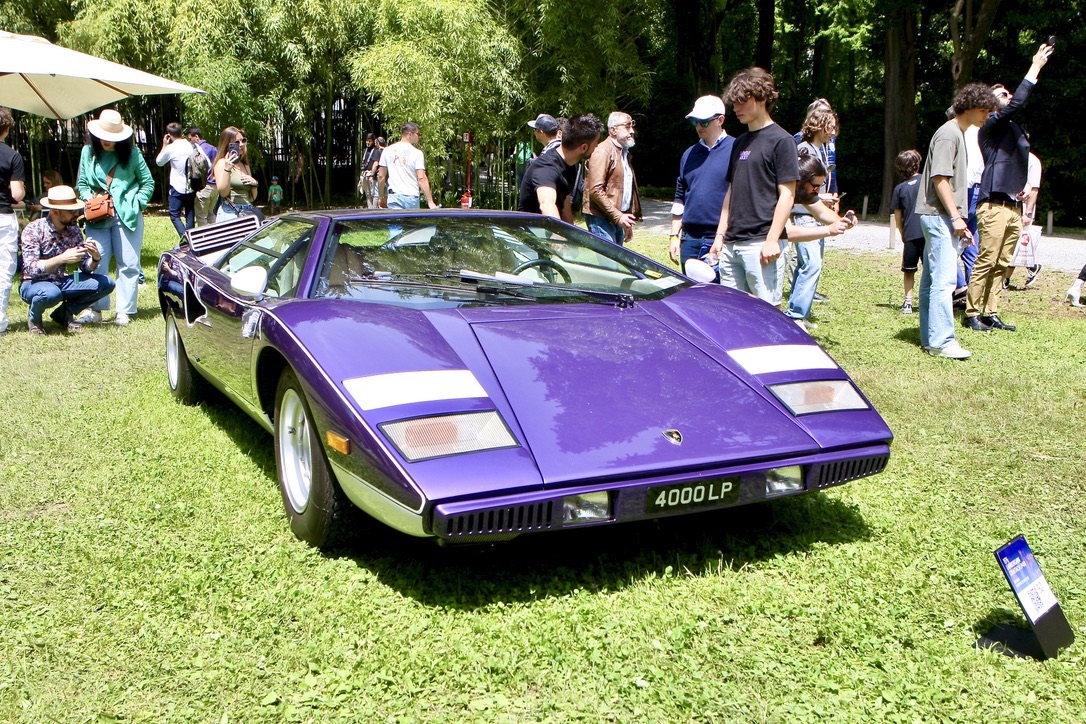
From the ‘Need for Speed’ class, Christine Scham’s Lamborghini Countach LP400 is one of only two originally painted purple. Delivered new in 1976 to Princess Dalal bint Saud al Saud, the daughter of King Saud of Saudi Arabia.
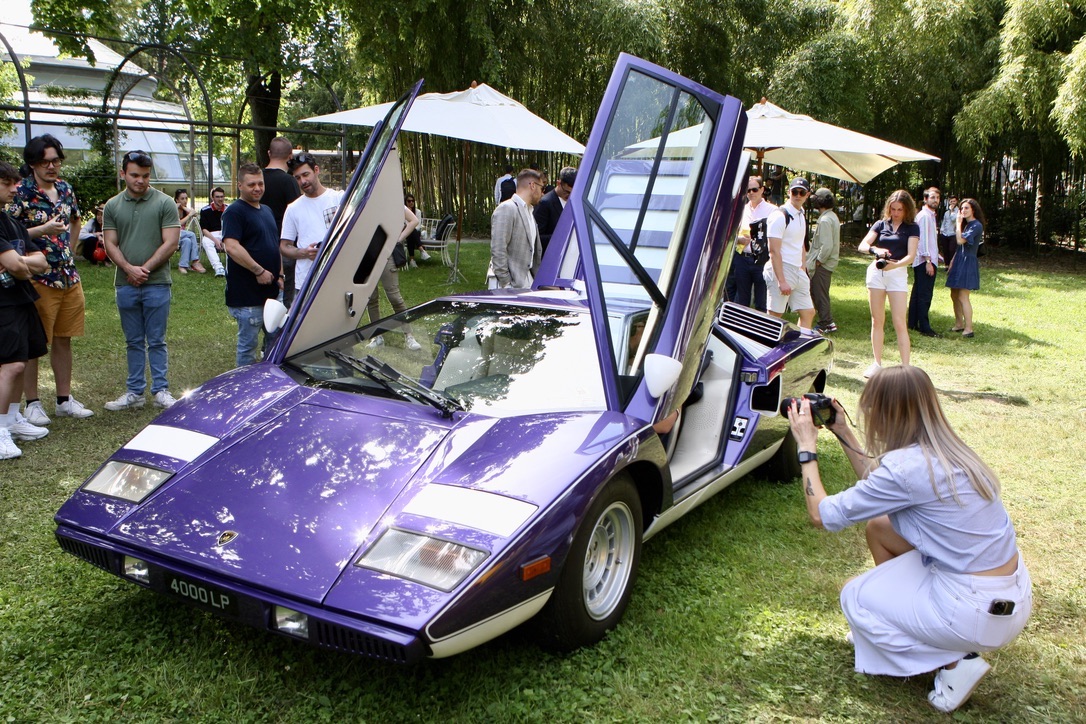
It was a gift from her soon-to-be husband Prince Al Waleed bin Talal Al Saud. The Prince also owned a red Countach with a bold white stripe. Prior to delivery, the Prince had the car customized with white accents to enhance the cars dramatic lines.
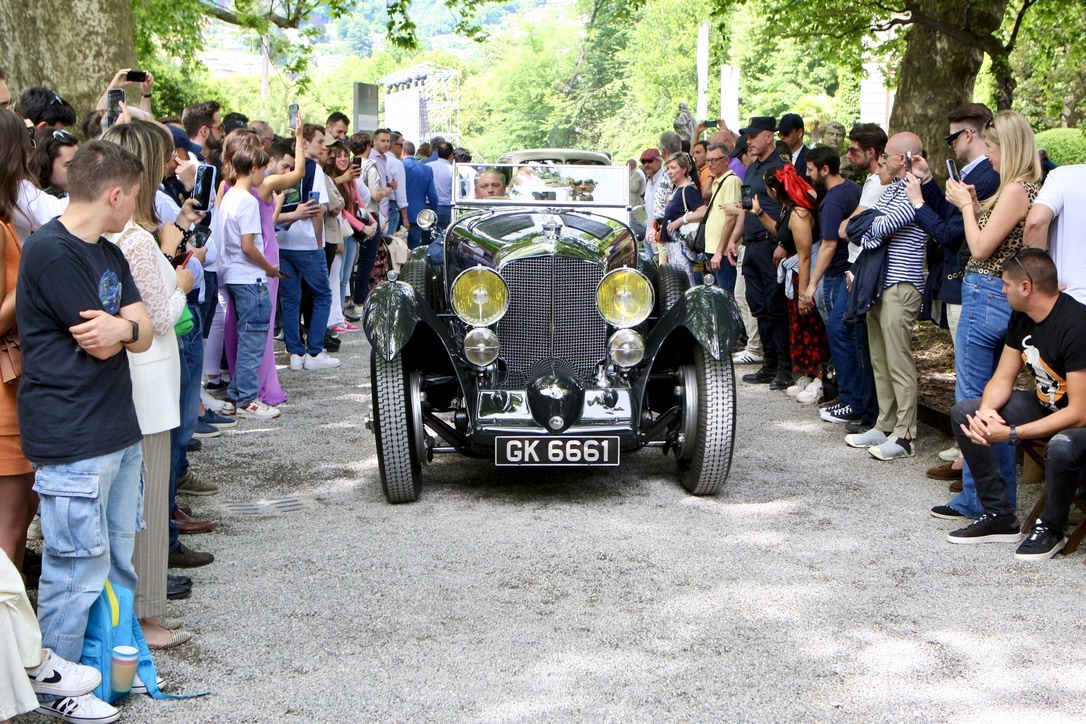
From the ‘Dawn of Performance Age’ class, The Lee Collection’s 1930 Bentley 4 1/2 Litre Blower with two-seater plus rear cockpit coachwork by Gurney Nutting.
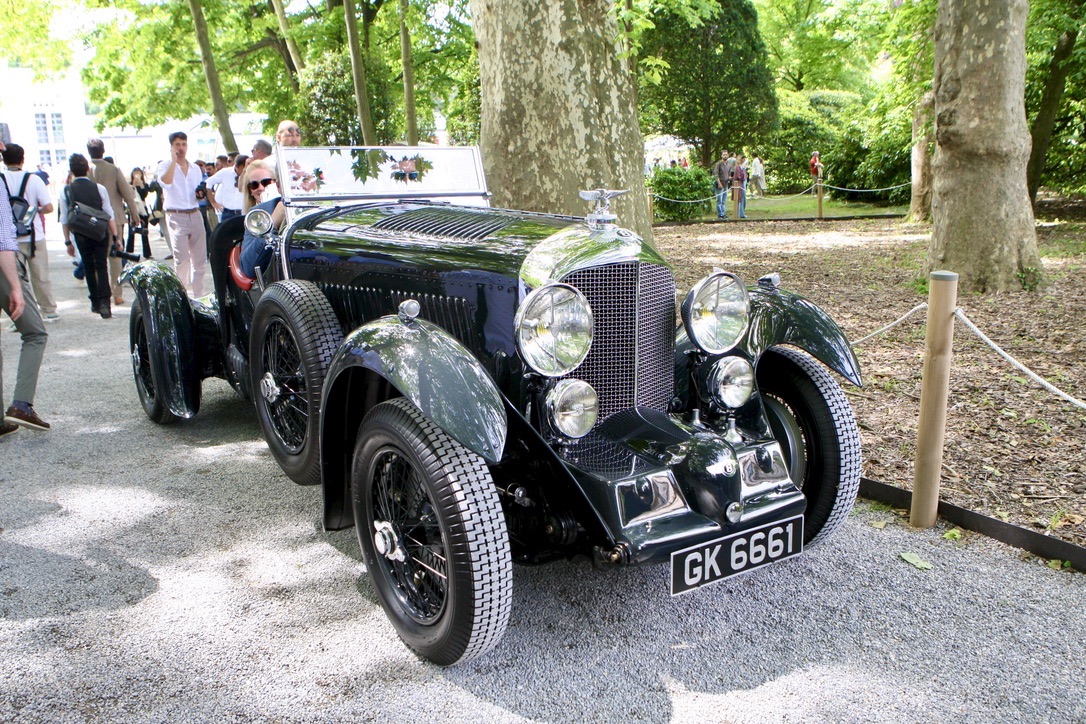
Originally built for, and to the design of, Bentley Motors chairman Woolf Barnato.
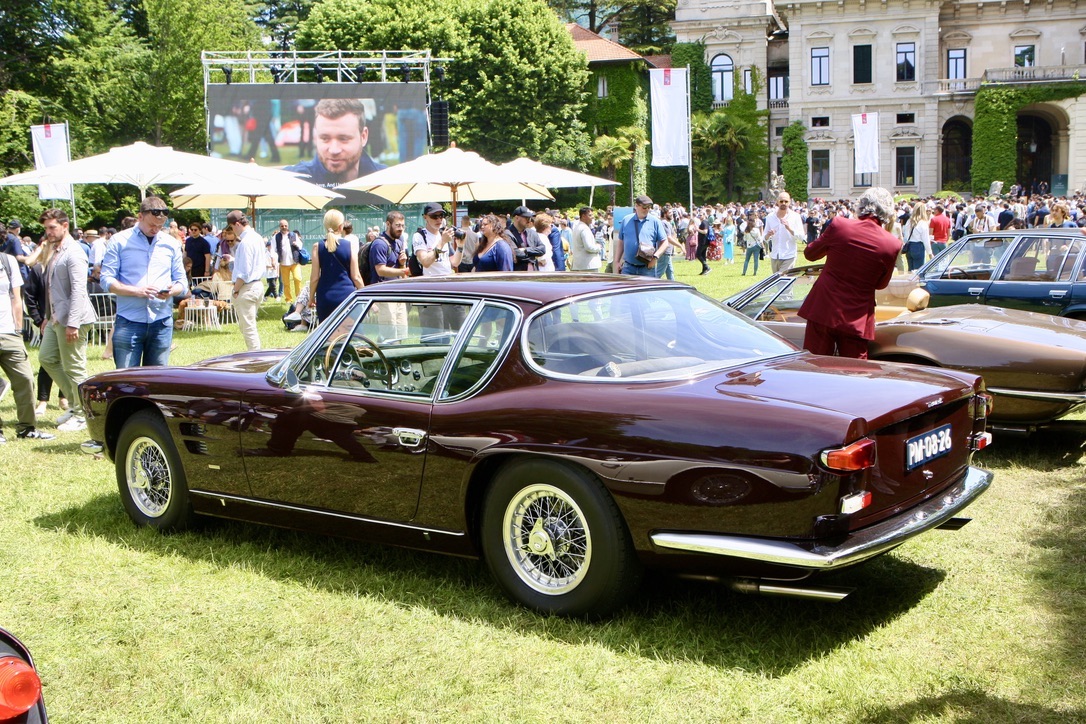
From the ‘Best of Italian Grace and Pace’ class, Henk De Vries’s 1966 Maserati 5000GT with coachwork by Frua. Of the 34 examples built this is the last example to be constructed. Only three examples were clothed by Frua.
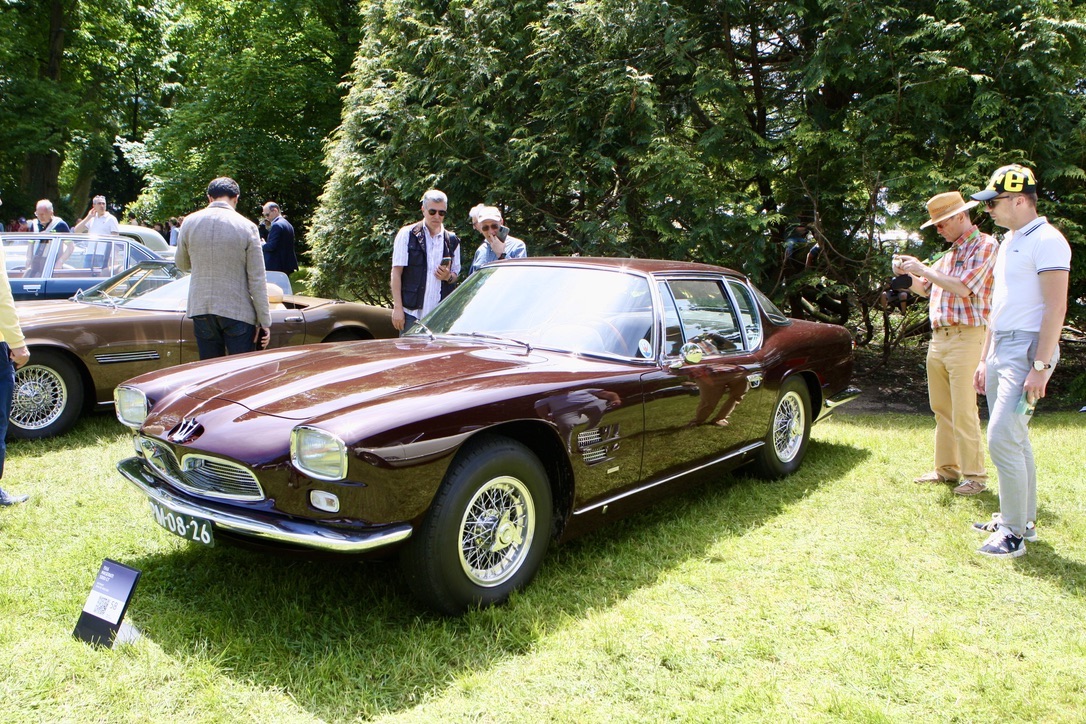
This example differs from the earlier examples by being fitted with the prototype 4.7 Litre Mexico V8 rather than a detuned 450S motor. Finished in a unique Pearl Metallic brown known as ‘Marrone Cangiante’ with a Camoscio deer suede interior, the car was delivered new to a German architect through Auto Konig of Munich.
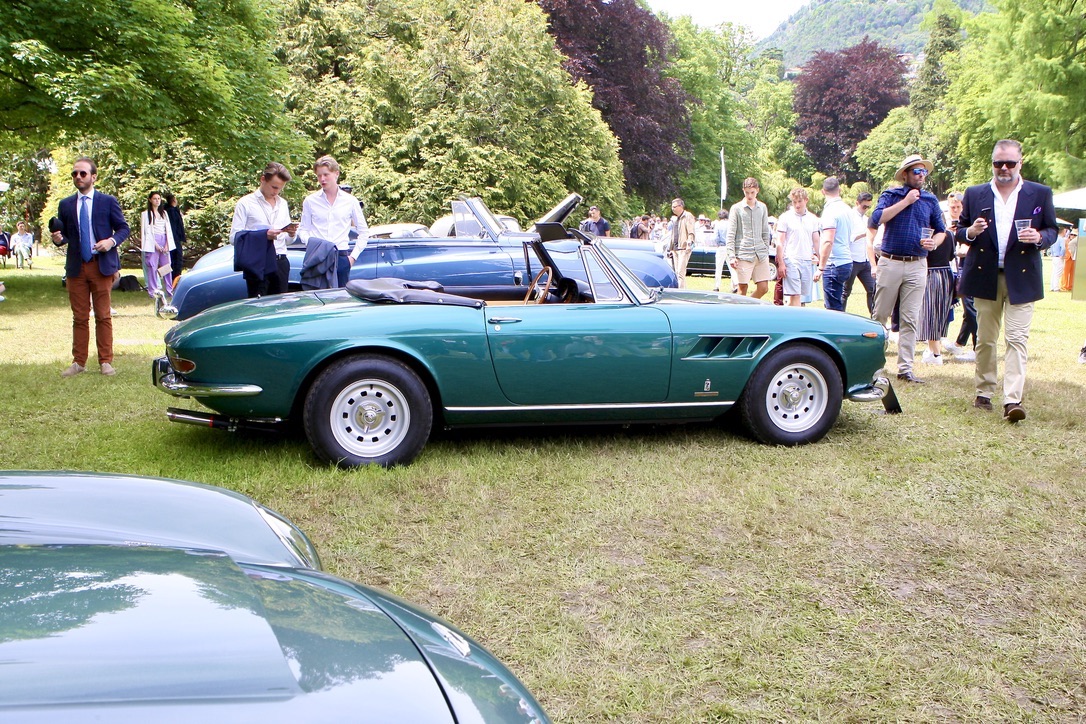
From the ‘Gentleman Drivers: Style for the Fortunate Few’ class, Christopher Stahl’s Ferrari 275 GTS. This example, number 189 of 200, was delivered new to the brother of King Hassan II of Morocco – Prince Moulay – in July 1966.
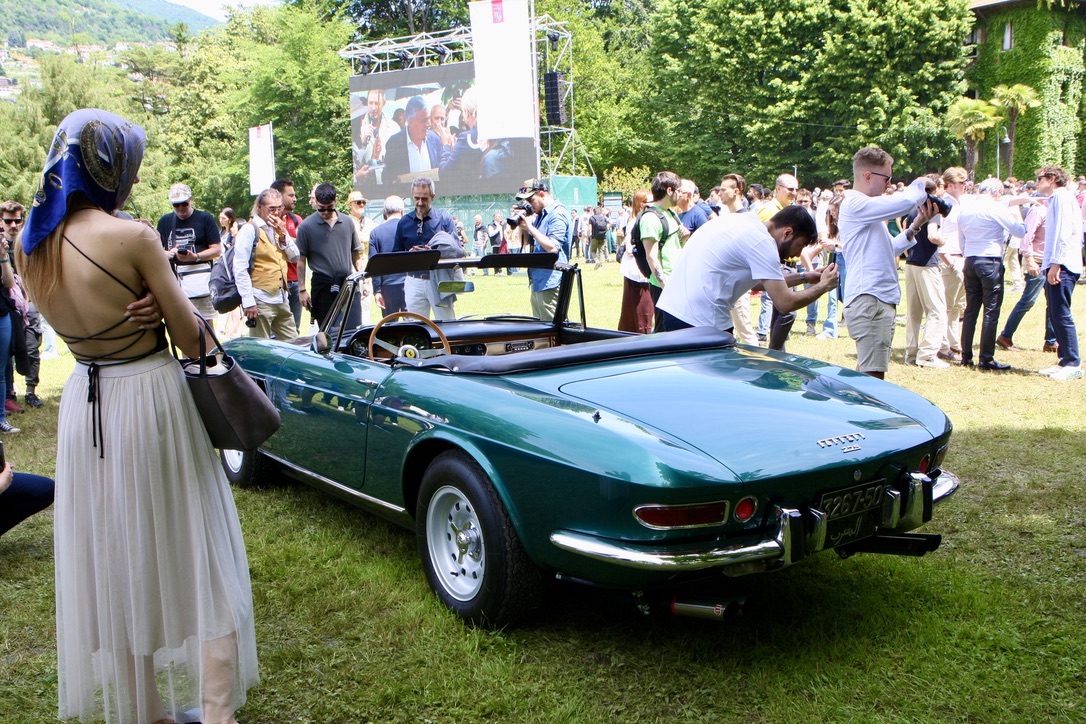
Morocco’s national colours are green and white and the car was finished in ‘Verde Pino Metallizzato’ with a cream Connolly leather interior. and alloy rather than Borrani wire wheels.
Ahh, Pete and Jonathan Sharp.
The “Donald Duck” lead photo sucked me right in and from there it was a delightful few minutes. “Duck” is a wonderful example of British airline sedan design, neatly portrayed and complemented by the Frua-bodied 5000GT.
A gorgeous day among gorgeous cars.
Rick
Joe Lubin is described as a gentleman racer, but apart from some minor pre-war midget adventures [” I drove very little actually”, his post-war days were entirely occupied as a racing entrant for other drivers. The competition cars he owned: Cooper, Aston Martin and Maserati.
Excellent photos with very fitting comments.
Many Thanks