• Skip to primary navigation
  • Skip to main content
  • Skip to primary sidebar

VeloceToday.com

The Online Magazine for Italian and French Classic Car Enthusiasts

  • Home
  • Subscribe
  • About
  • Contact
  • Donate
  • As Found

ermini

Etceterini Corner Number Two

June 9, 2020 By pete

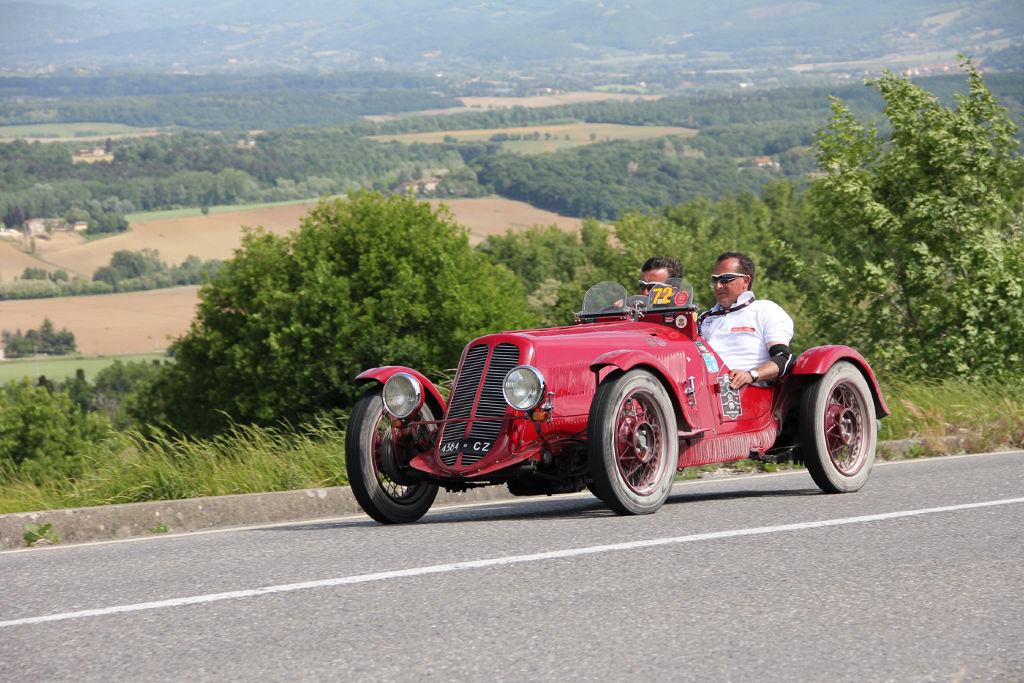
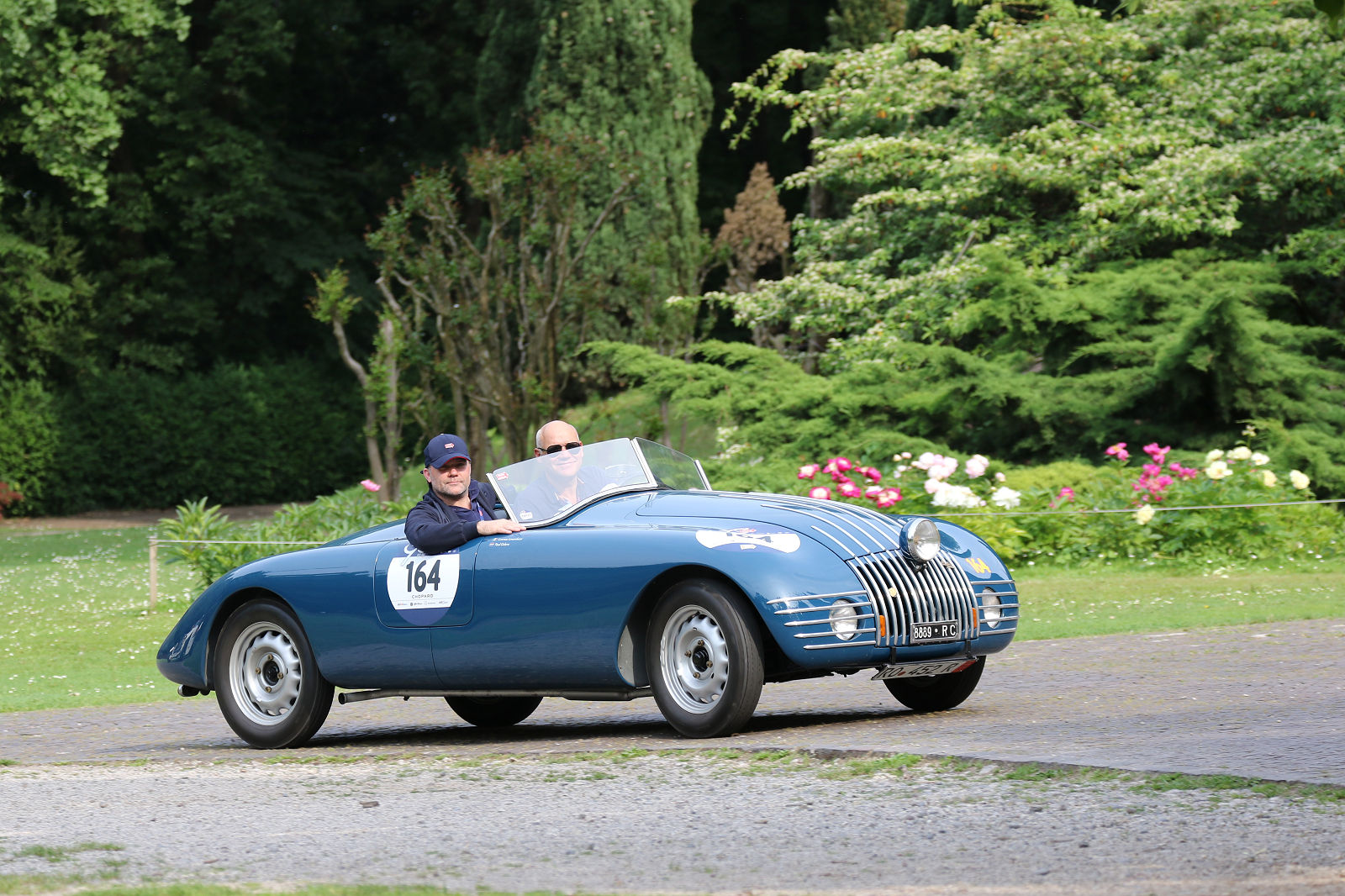
Fiat 508 C Ala d’Oro, Mille Miglia 2017. More on this in our mini feature below.

Photos by Hugues Vanhoolandt unless otherwise noted

Read Part 1

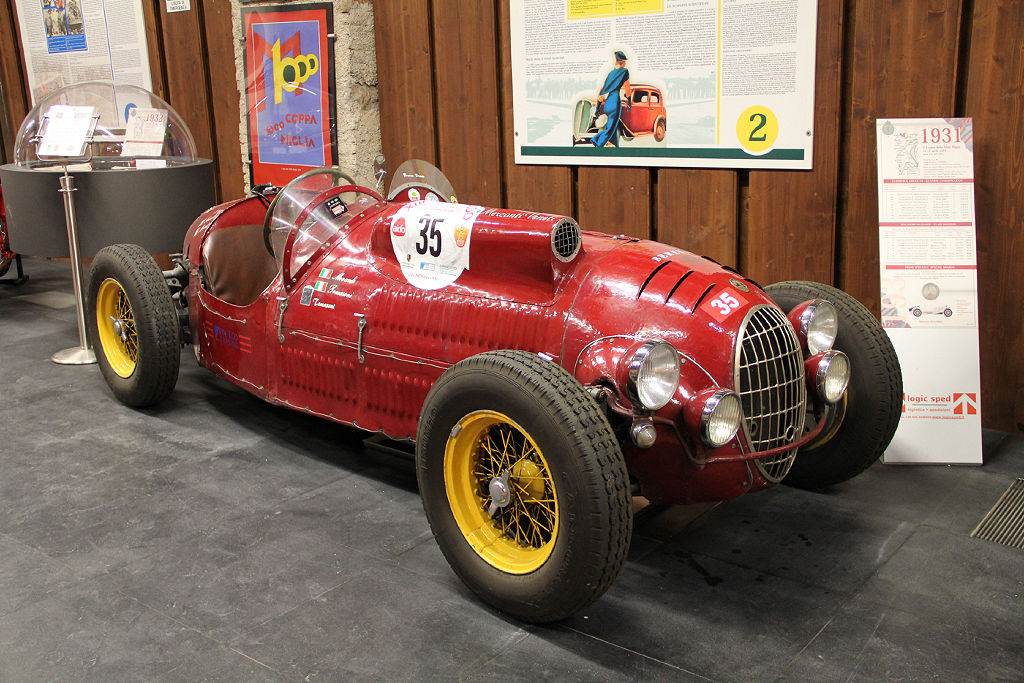
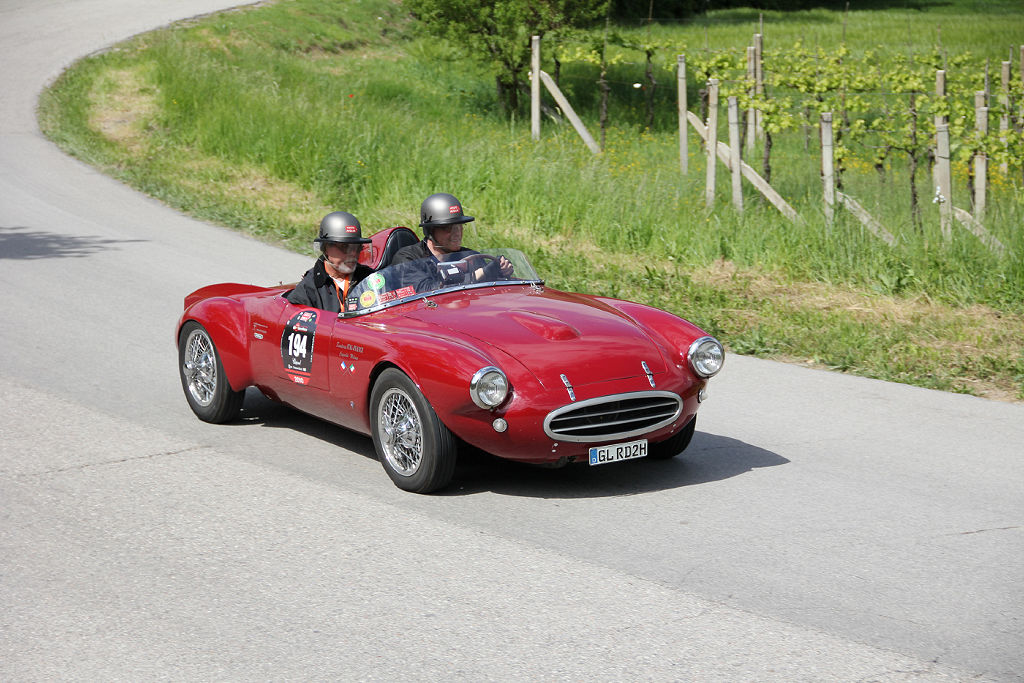
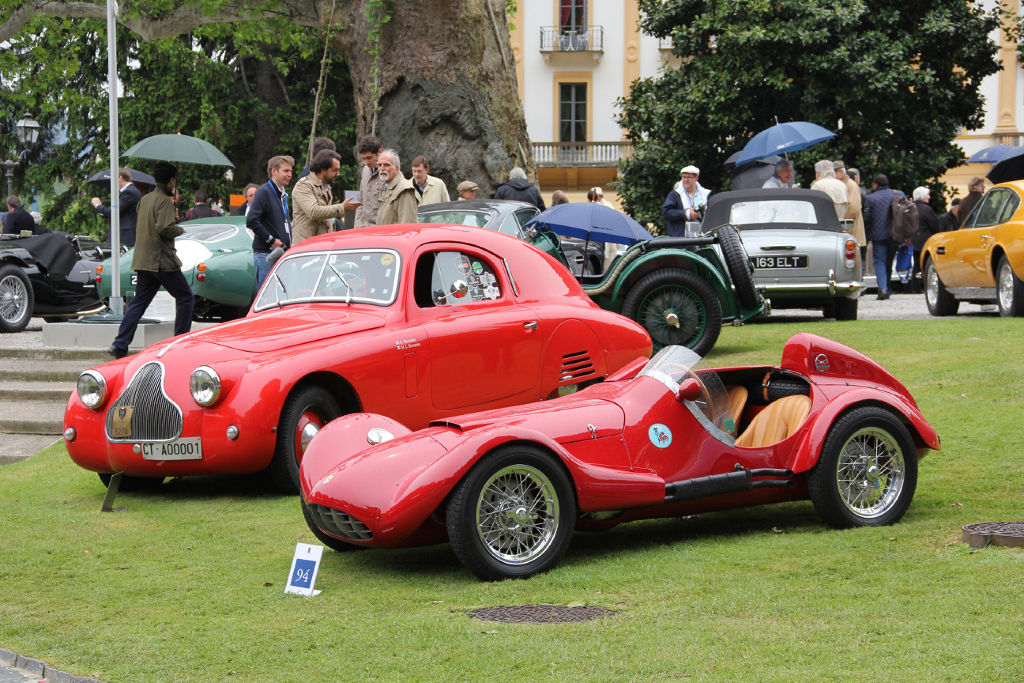
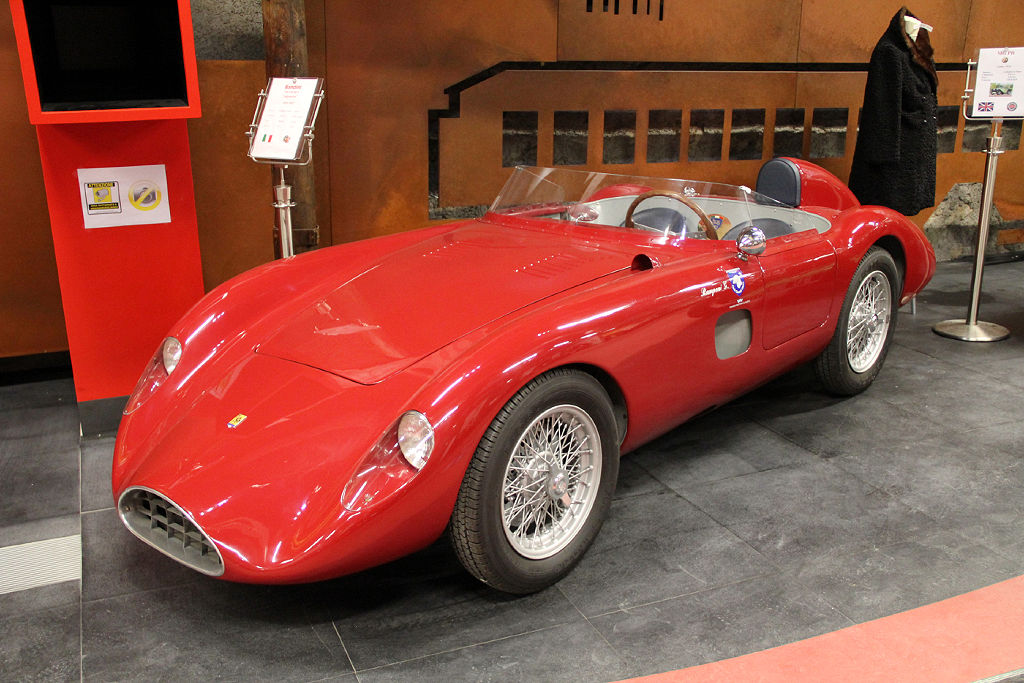
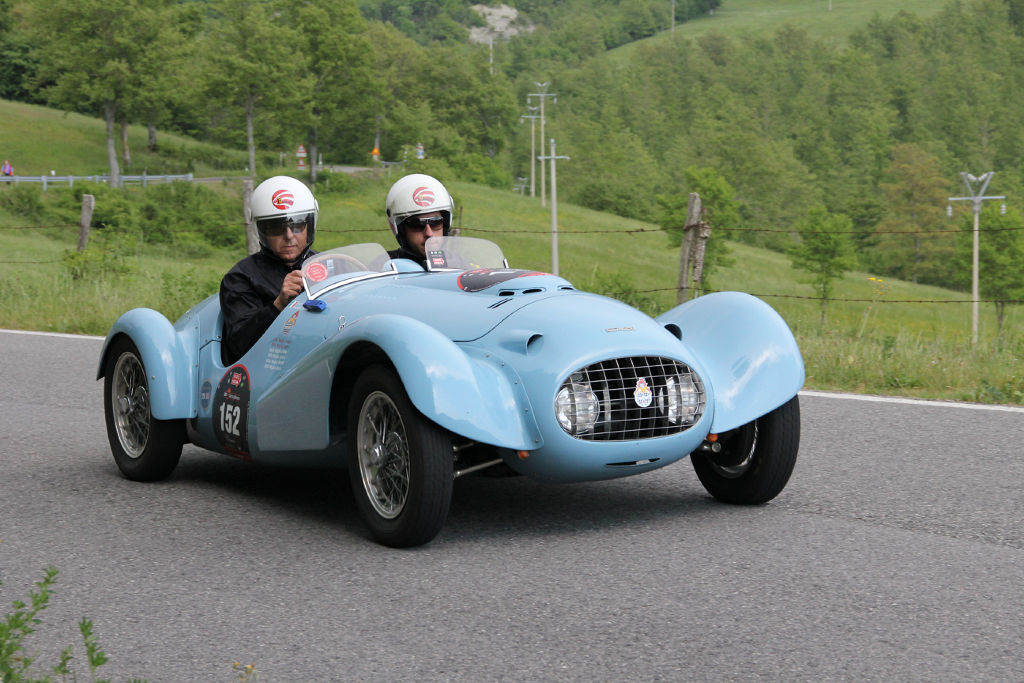
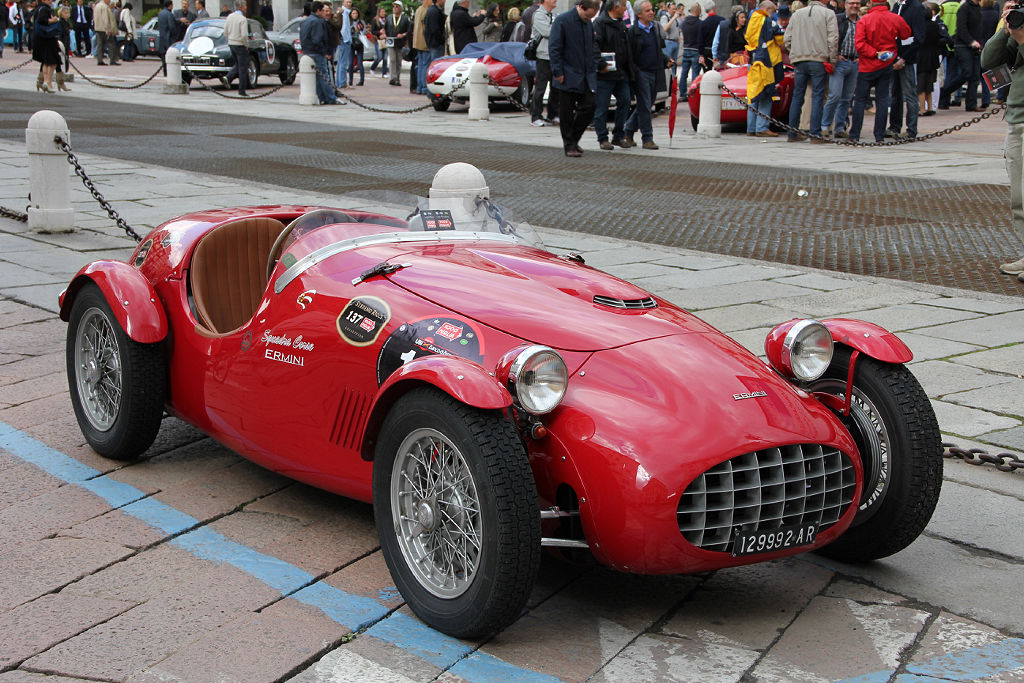
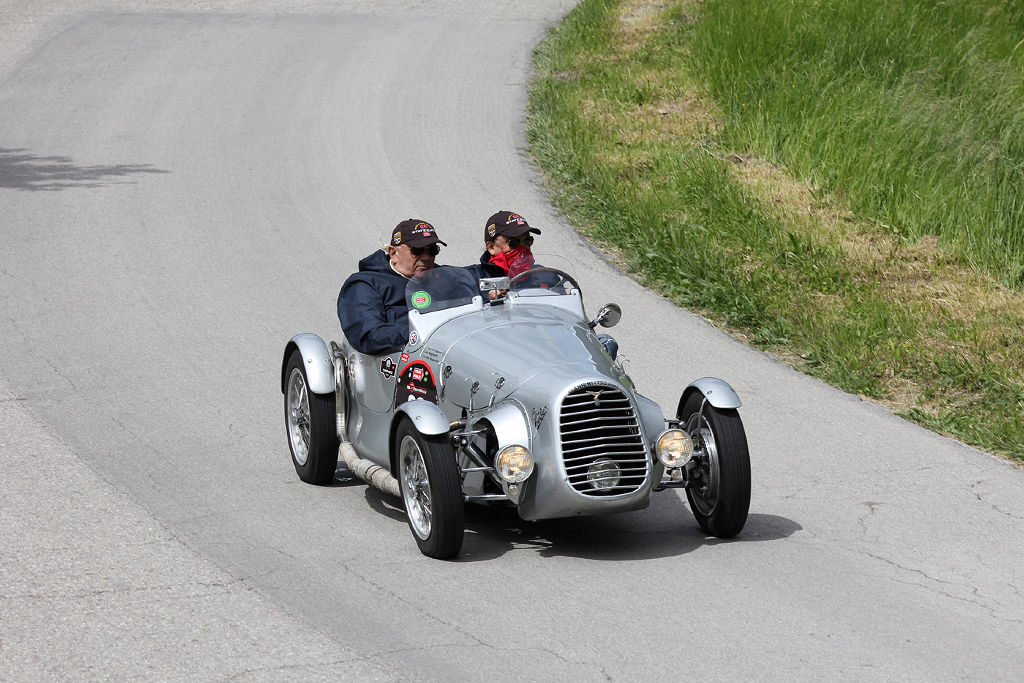
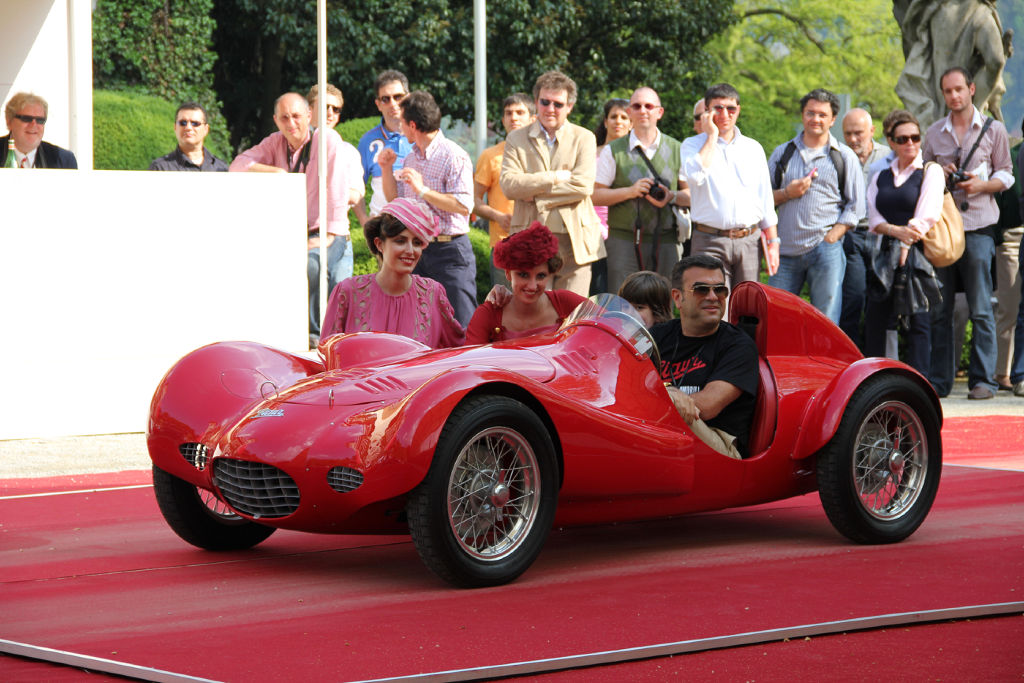
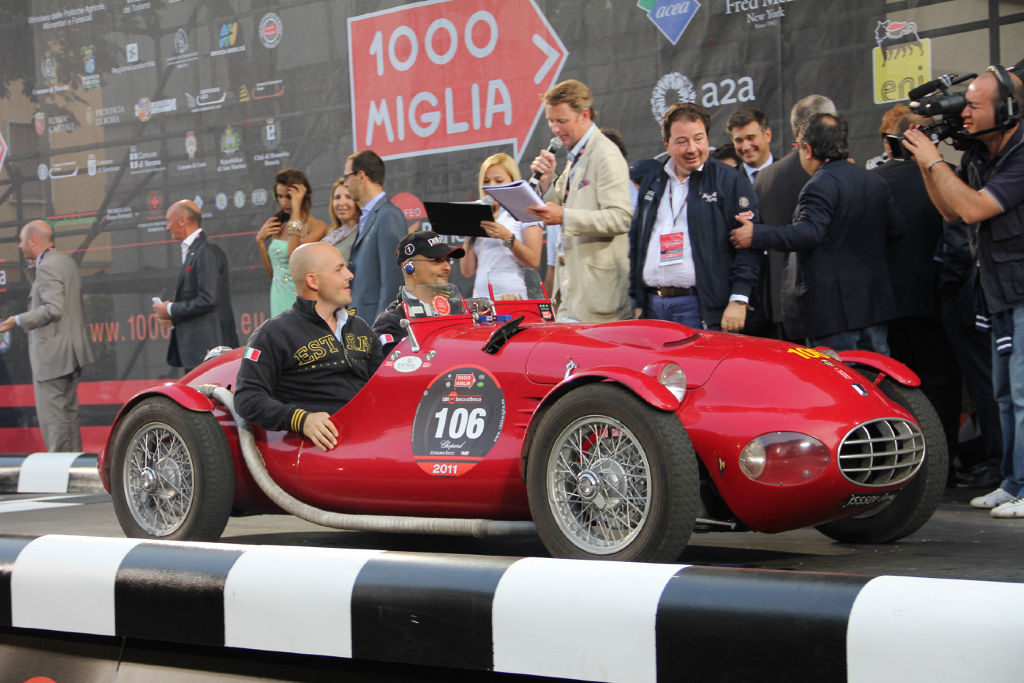
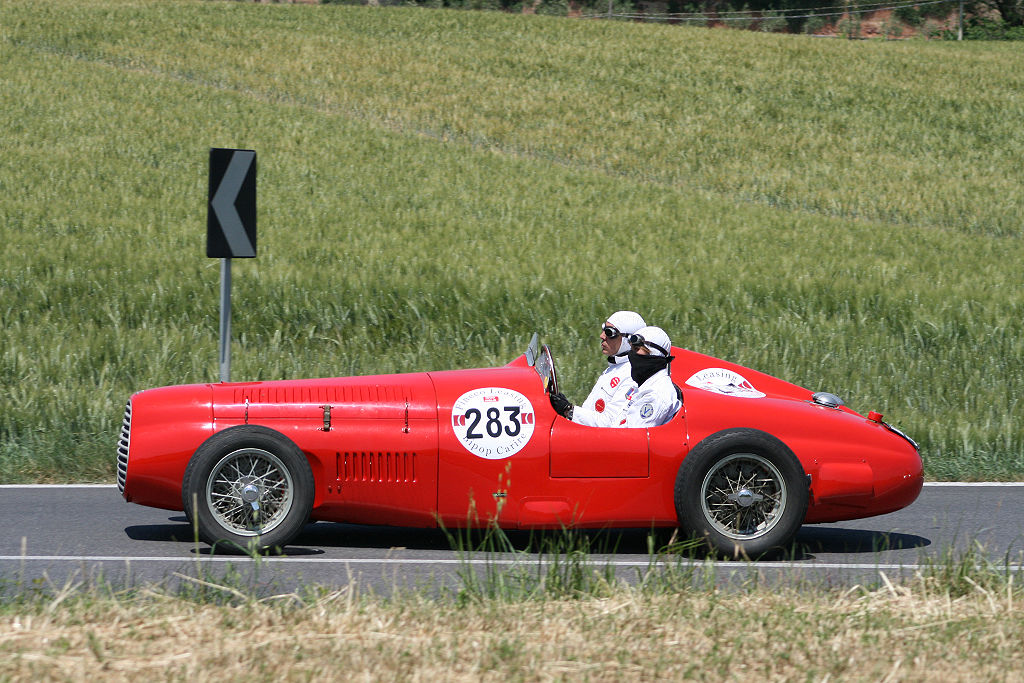
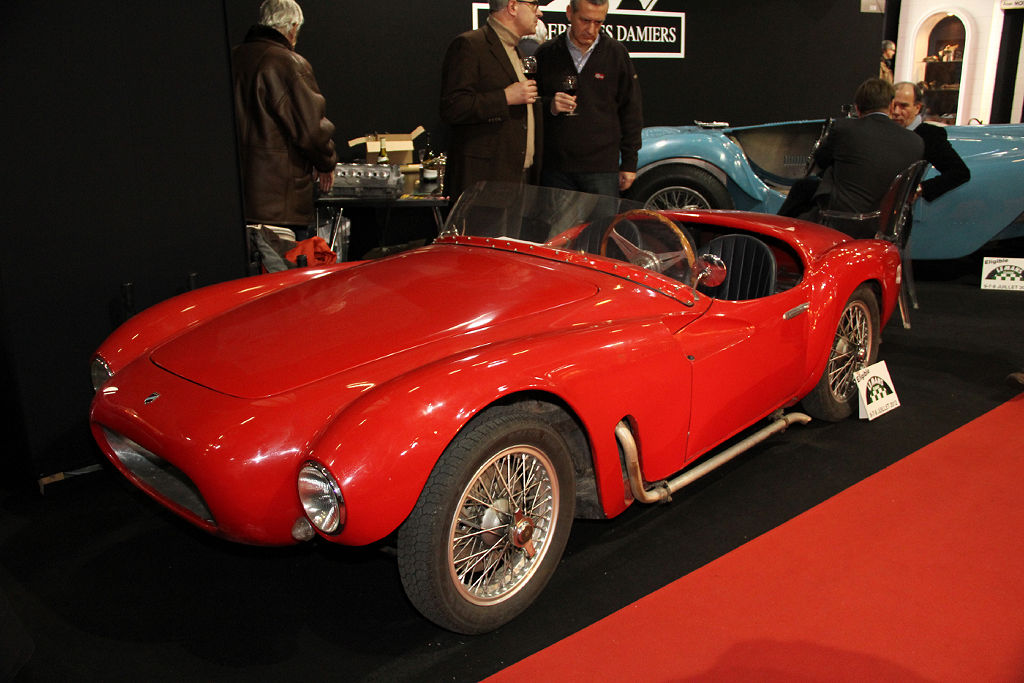
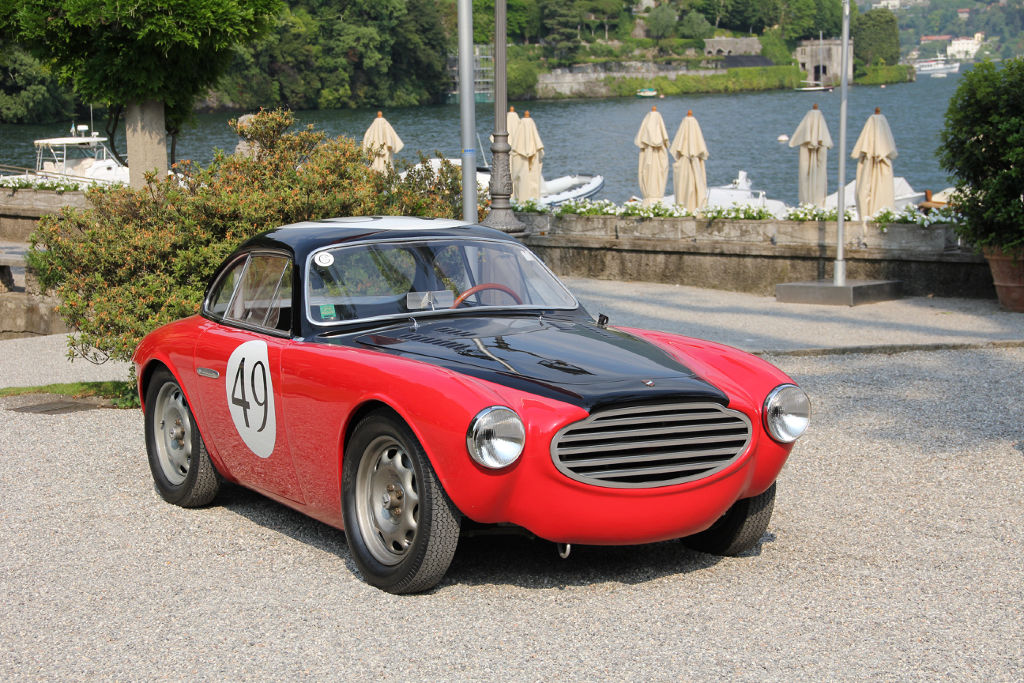
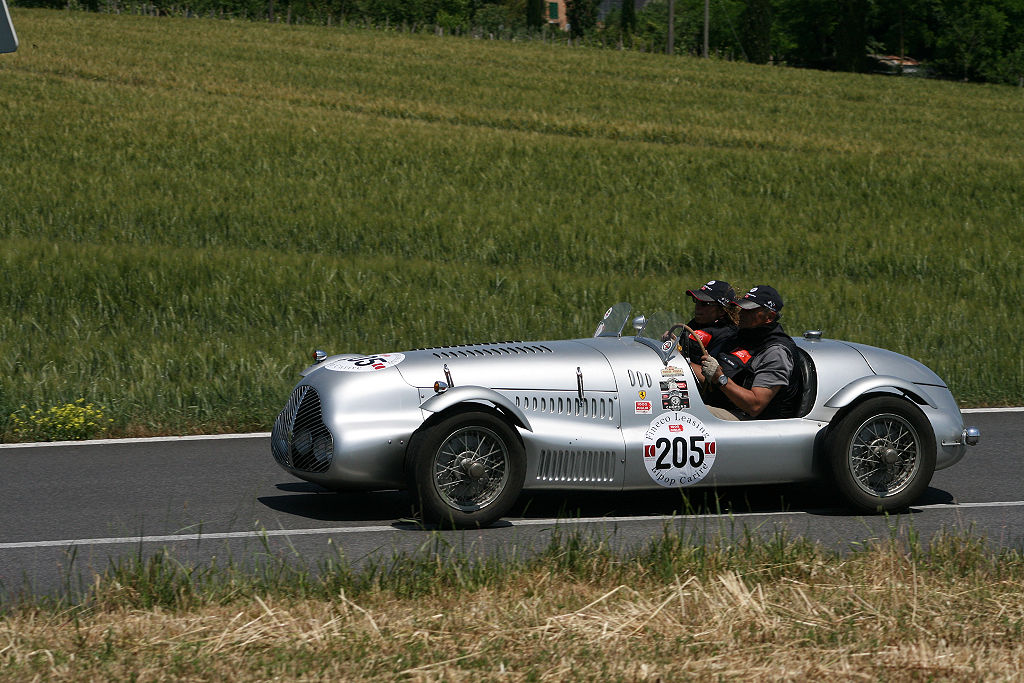
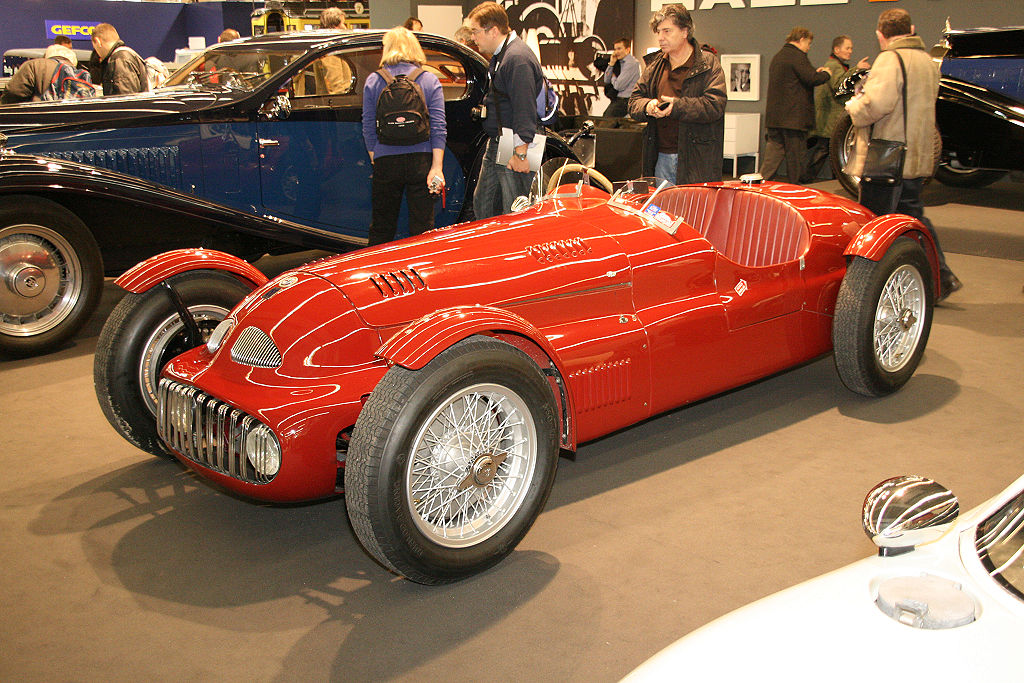
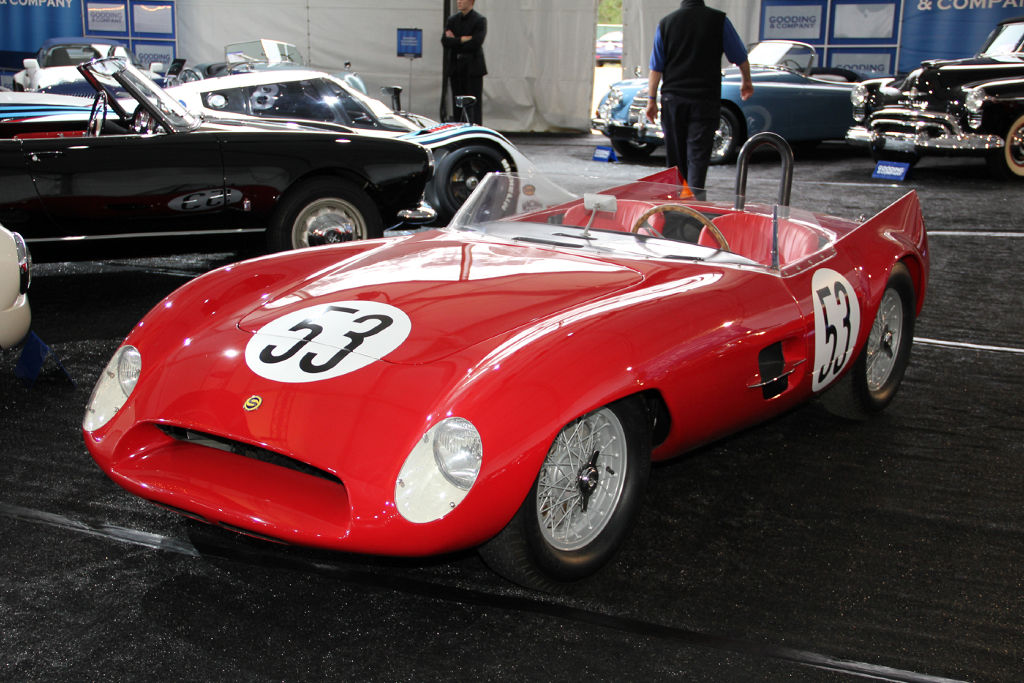
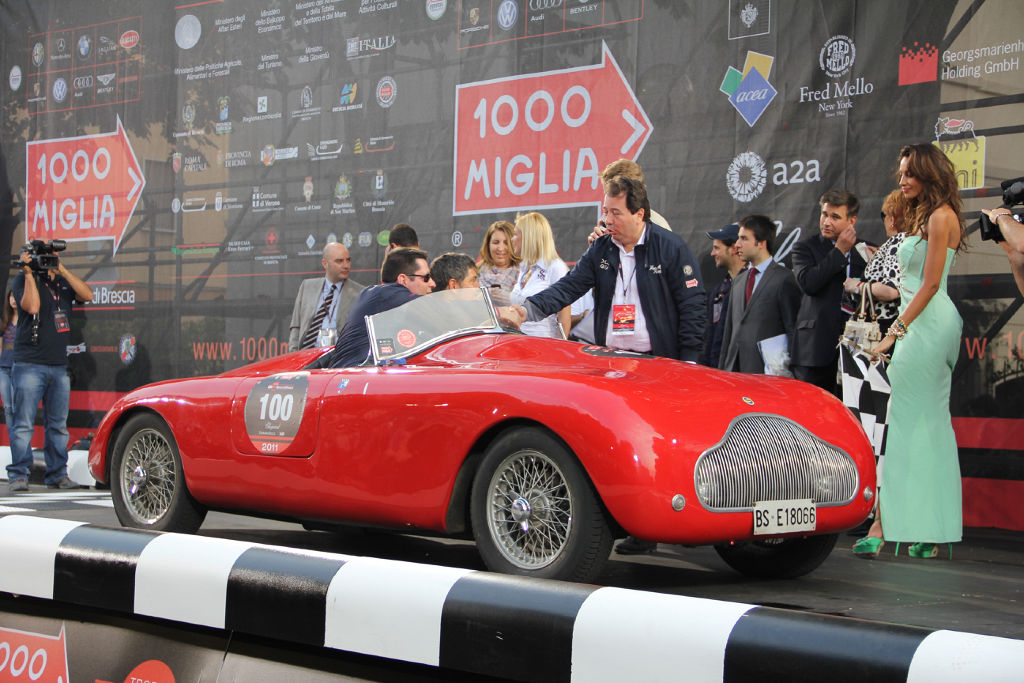
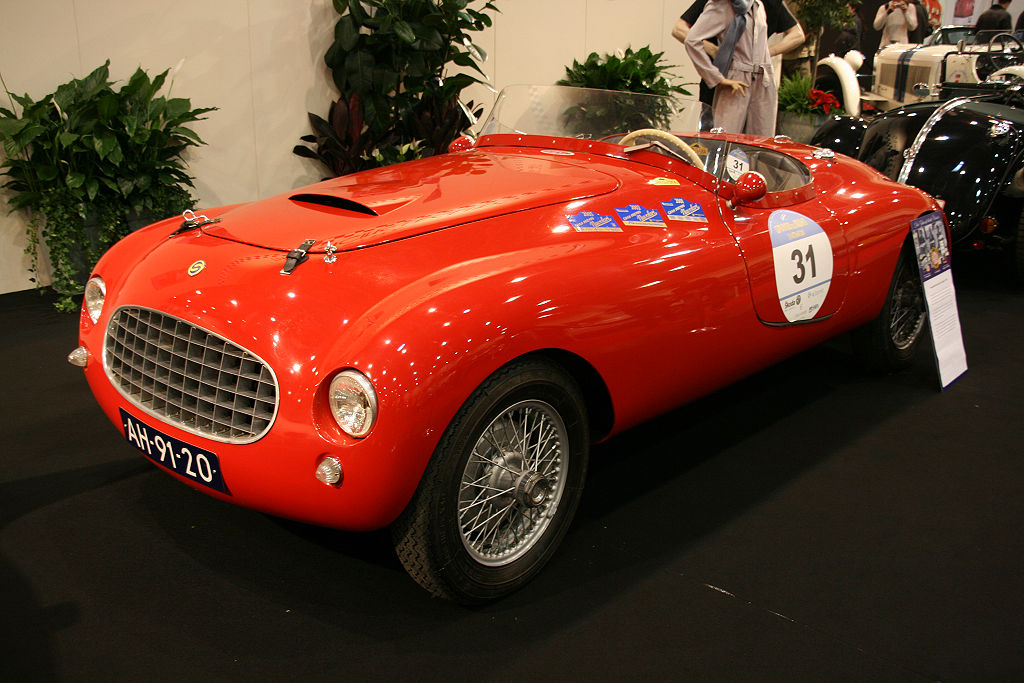
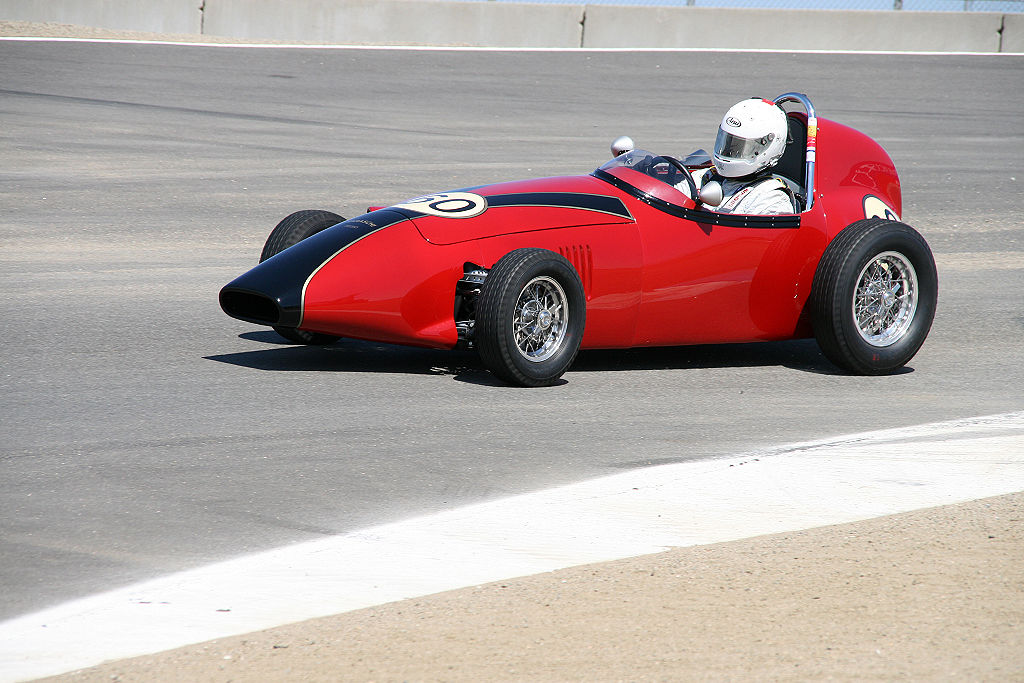
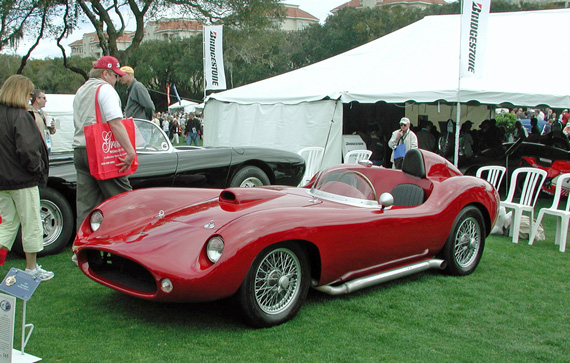
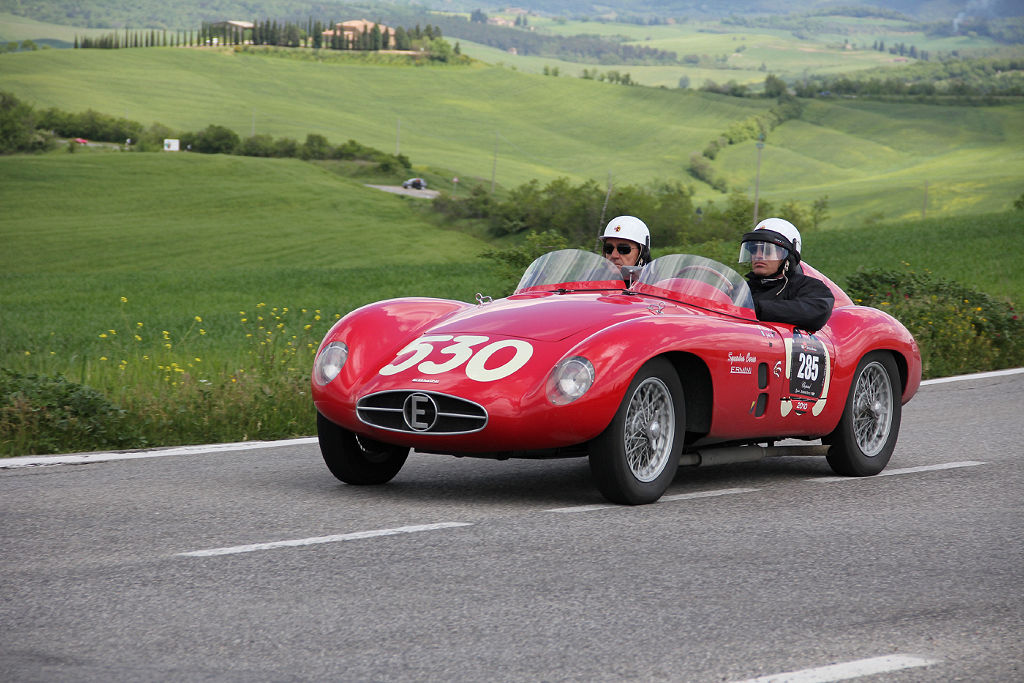
For our second edition of Etceterini Corner, we present another series of images by Hugues Vanhoolandt taken over a period of years. Although seven of the eight images are of different Erminis, we focus on the Ala d’Oro, a fascinating car meant more for the street than the track. How many were made is a good question.
This content is for Premium Subscriber members only.
LoginSubscribe

Tagged With: ermini, Ermini 1100 sport, ermini 357, Ermini Berlinetta, Etceterinis, Fiat Ala D'Oro, hugues vanhoolandt

Etceterini File: Hugues Vanhoolandt

November 14, 2017 By pete

Photos by Hugues Vanhoolandt
Click to enlarge

From the archives May 19,2015

Hugues Vanhoolandt

Belgian Hugues Vanhoolandt has been image-making for VeloceToday since 2007, and covered every major event from Monterey to Monaco. Below, he has gathered up 27 photos of what we call Etceterinis and a Formula Junior or two. [Read more…] about Etceterini File: Hugues Vanhoolandt

Tagged With: Abarth, bandini, cisistalia, De Sanctis, ermini, Etceterini, Faccioli, giannini, gilco, hugues van hoolandt, Monaci, moretti, Nardi, Patriarca, taraschi

VeloceToday Gallery: Vanhoolandt’s Etceterinis

May 19, 2015 By pete

Ermini 357 Sport: Mille Miglia 2010, San Quirico

Photos by Hugues Vanhoolandt
Click to enlarge

From the archives May 19,2015

Hugues Vanhoolandt

Belgian Hugues Vanhoolandt has been image-making for VeloceToday since 2007, and covered every major event from Monterey to Monaco. Below, he has gathered up 27 photos of what we call Etceterinis.

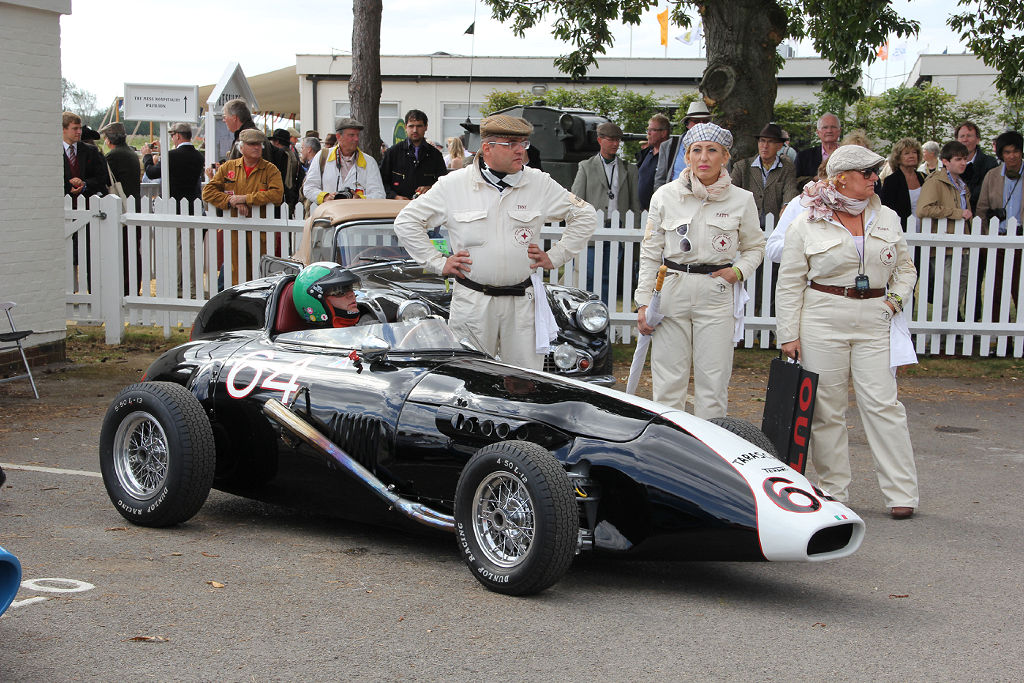
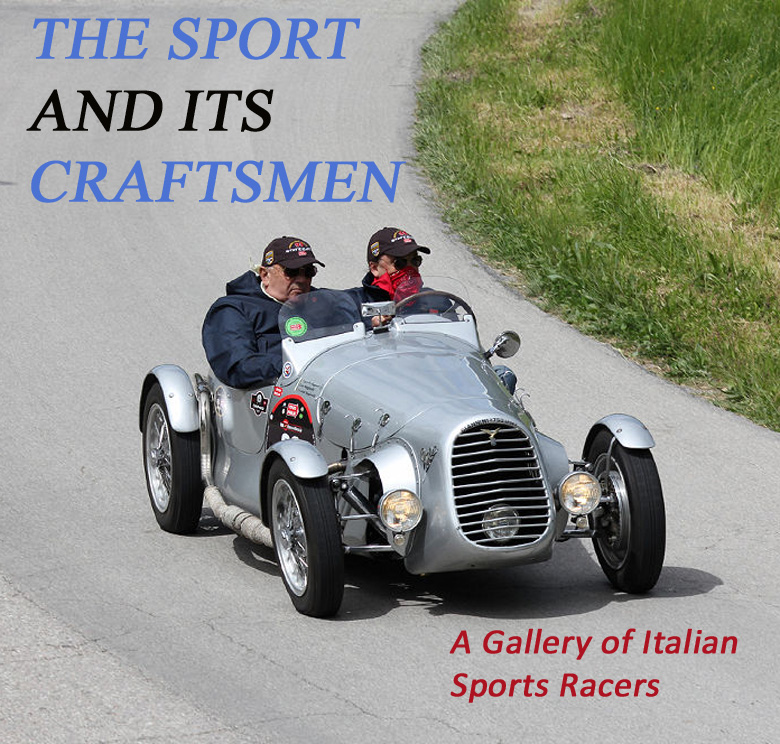
The term Etceterini may require some explanation. According to Andrea Curami in the indispensable La Sport e i suoi Artigiani (1937-1965), (The Sport and Its Artisans), there were at least 84 different constructors of small displacement racing cars to compete in the Italian National Championship races. There were many more that were simply listed as Fiat Specials, both in the 750 and 1100 cc classes. Etcetera, from which the word Etceterini is derived, means ‘and so on’ or ‘and the like’. Tacking on the ‘ini’ was a stroke of linguistic brilliance; not only were most of the artisan cars built from Fiat components and therefore somewhat like, all but seven of the 84 constructors had names that ended in a vowel such as “Stanguellini”; hence the ‘ini’. So fitting is the moniker that to try to categorize the cars by any other means seems hopeless. We believe the term was first used by an American enthusiast in California in the late 1980s. For more on this, read “The Essential Etceterini.”
In alphabetical order, with the event and year, Vanhoolandt’s Etceterinis:

Alfa Maserati Prete: Museo Mille Miglia, Brescia, 2011

Autocorse Gilco Panhard 750 Sport: Mille Miglia 2010, Urbino

Bandini 750 Siluro barchetta: Villa d\’Este 2013

Bandini 750 Sport saponetta: Museo Mille Miglia, Brescia, 2011

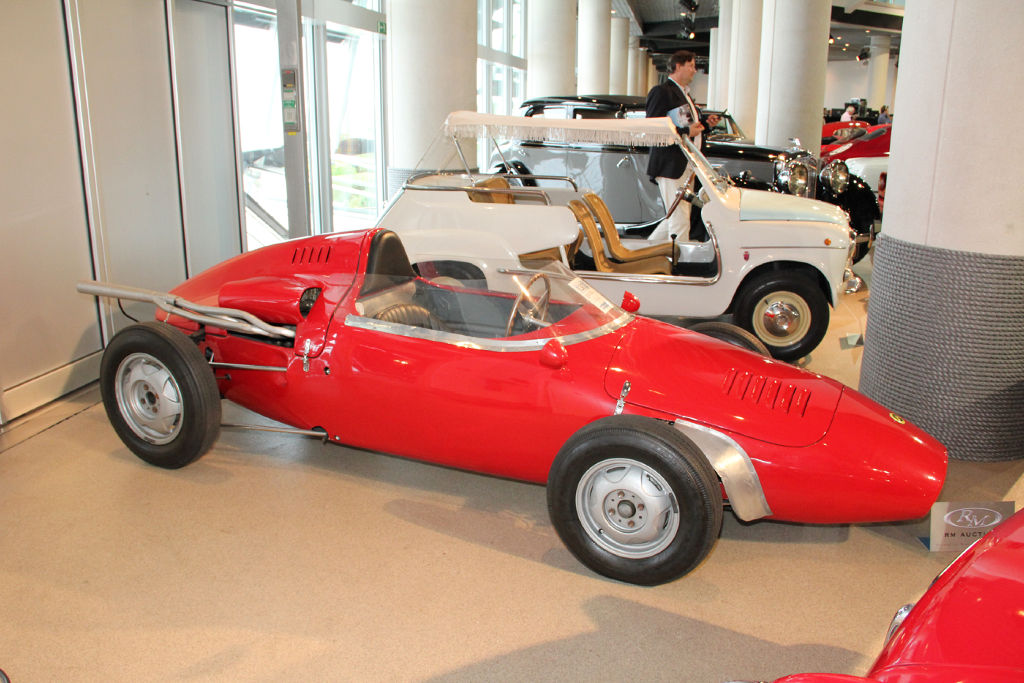
De Sanctis Formula Junior: RM Auction Monaco 2010

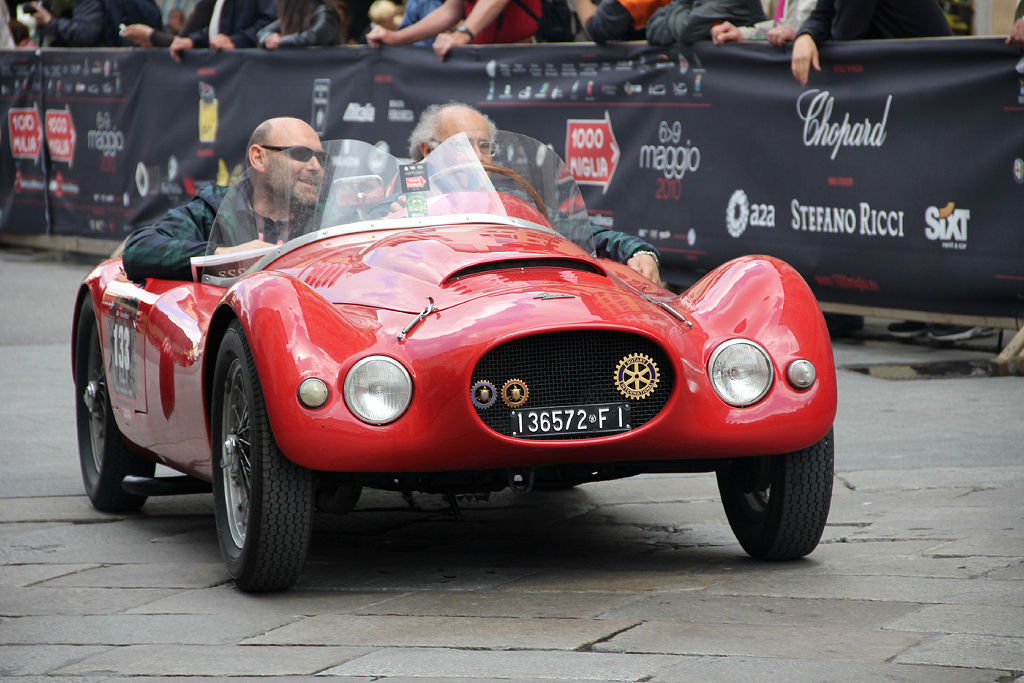
Ermini 1100 Sport: Mile Miglia 2011, Pieve Santo Stefano

Ermini sport siluro, Mille Miglia 2010, Brescia

Faccioli Formule Junior: Goodwood Revival 2010, Bonhams Sale

Giannini 750 Sport: Mille Miglia 2010, Urbino

Giaur Champion 750 (Motto): Villa Erba, Cernobbio, 2010

Gilco Fiat 1100: Mille Miglia 2011, Brescia

Monaci 8C Bimotore: Mille Miglia 2007, Buonconvento

Moretti 750: Rétromobile, Paris, 2012

Moretti 750 Grand Sport: Villa d\’Este 2012

Morettini Fiat 508 S: Mille Miglia 2011, Barberino di Mugello

Nardi Danese 1500 Sport: Mille Miglia 2007, Buonconvento

Nardi Danese Alfa Romeo: Rétromobile, Paris, 2010

Nardi-Danese 750 Boby Sport: Techno Classica Essen 2014

Patriarca 750 Sport: Mille Miglia 2010, Brescia

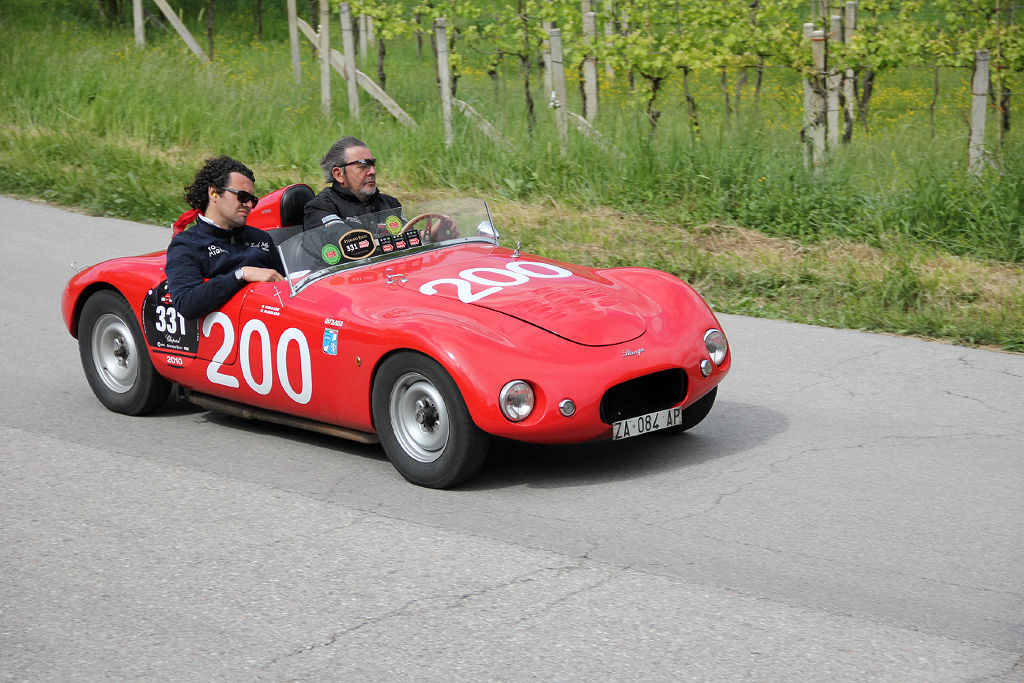
Stanga 750 Sport: Mille Miglia 2010, Urbino

Stanga 750 Sport: Mille Miglia 2007, Brescia

Stanguellini 1100 Bialbero Sport: Gooding Auction Monterey, 2010

Stanguellini 1100 Sport: Mille Miglia 2011, Brescia

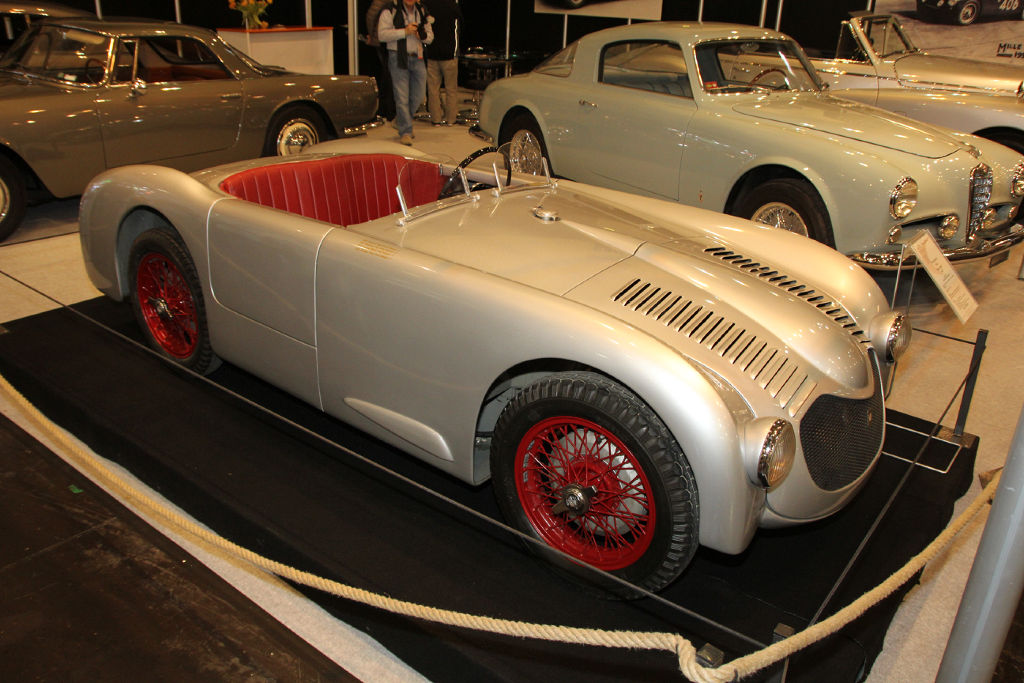
Stanguellini Barchetta: Essen Motor Show, 2007

Taraschi Formule Junior: Monterey Reunion Laguna Seca, 2008

Taraschi-Fiat: Goodwood Revival, 2012

Tagged With: Abarth, bandini, cisistalia, De Sanctis, ermini, Etceterini, Faccioli, giannini, gilco, hugues van hoolandt, Monaci, moretti, Nardi, Patriarca, taraschi

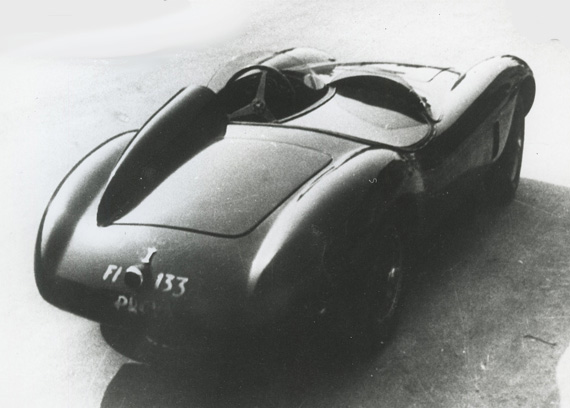
Devin’s Father: The Ermini 357

July 22, 2014 By pete

Bill Giltzow quickly identified the contest car as a 1955 357 Ermini. Below, Dino Brunori tells us how many were made and by whom.


The fascinating story of the 357 Ermini

By Dino Brunori
Photos courtesy Dino Brunori

Pasquale Ermini (1905-1958) aka ‘Pasquino’ was a former driver and pre-war racing mechanic of great experience. He started his career when he was 21 years old in Emilio Materassi’s workshop in Florence. Materassi was running his own racing team, Scuderia Materassi, using Talbot and Bugatti GP cars and soon Pasquino became chief mechanic of the team. In 1932, with the death of Emilio, the team was liquidated and Pasquino set up his garage in Via Campo d’Arrigo in central Florence devoted to tuning and preparing racing cars for the great racing events of the period. [Read more…] about Devin’s Father: The Ermini 357

Tagged With: devin, ermini, ermini 357, ermini engines, ermini history, ermini race cars

European Influence, American Know How: America’s First Postwar Sports Cars

July 22, 2014 By pete

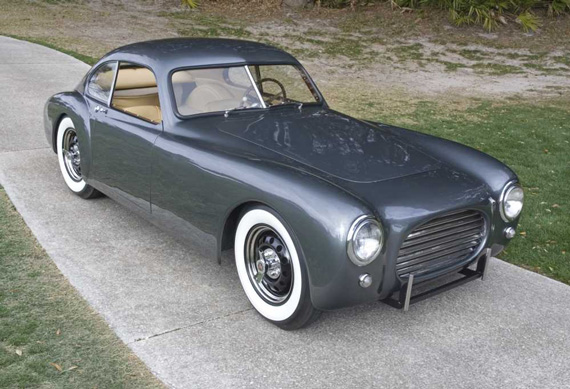
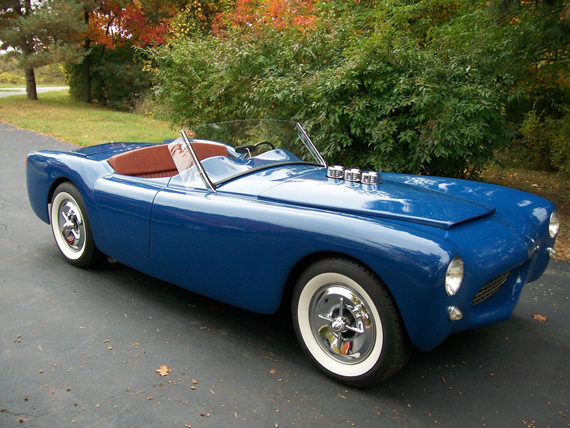
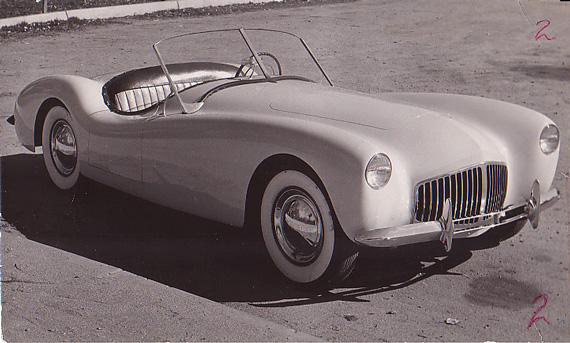
Instant Cisitalia. Americans wanted a low cost reliable sports car with European styling. What better way to go than taking a mold from the Cisitalia driven from New York to L.A. by race driver Bill Pollack and creating a new car with American running gear. This was called the Allied Swallow. Another effort, called the Vale, was inspired by the Cisitalia Nuvolari Spider (see below).


Geoff Hacker and Rick D’Louhy are dedicated enthusiasts who are breaking new ground by doing significant research on early American sports cars – those built between 1946 and 1954 – which used both fiberglass and other materials for the construction of the body (metal in the case of Paul Farago’s remarkable Fiat special)

As we’ll demonstrate in future articles, these pioneering constructors were highly influenced by Italian and French designs. To set the stage, we begin with an article taken in part from their excellent website, www.forgottenfiberglass.com, which describes the beginnings of the American postwar sports car.

By Geoff Hacker and Rick D’Louhy
All photos courtesy Geoff Hacker

In the late 40s’ and early ‘50s, if you wanted a sports car in America your options were mostly European. Making this choice meant evaluating a high purchase price, problems with parts availability, and complicated maintenance. It was during this time that a critical phase of automotive history took place – the emergence of the American sports car. These new sports cars often used designs based on European cars, if not actual copies.
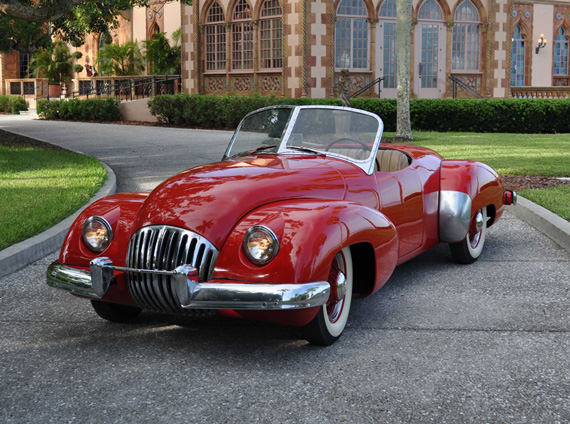
American muscle, French influence. Kurtis-Omohundro Comet, from 1947, one of two designed by Indy race car builder Frank Kurtis and built by Paul Omohundro’s Comet Company. This is also been shown to be the earliest postwar sports car built and documented after the end of WWII.

Prior to 1953, there were few American sports cars available; the Crosley Hotshot (1949) the Cunningham (1951), the Kurtis (1949) and Nash-Healey (1951), but these were rare and or expensive. In a very real sense, American sports cars didn’t exist until a number of enterprising young men and small companies began to create them.

These enthusiasts often shared the following attributes:
* Pioneers of the first automotive “Start Ups” building “something out of nothing”
* American innovators advancing from novice to expertise with their resourcefulness and “can-do” attitude
* Fueled not by large corporate investment but shoe-string budgets and trial and error prototyping as small builders and independent shops.

This pivotal movement was captured in December, 1949 by author Thomas E. Stimson Jr., who penned a comprehensive article on American sports cars titled “The New Breed of Sports Cars” in Popular Mechanics. In this article he showcased the best of what was being built in America, and the reasons why they were being built. “Sports car enthusiasts who have preferred European automobiles because they could find no domestic makes that satisfy them are beginning to build cars for themselves. Scores of owners have spent from $2500 to $20,000 each to build the kind of cars they desire. One manufacturer of race cars, in answer to the demand, has tooled up for limited production of a sports car of his own design.”

The use of a reliable (usually domestic) chassis/engine a combination promised to solve the problem of expensive and often unreliable foreign mechanicals. In 1952, writer Ralph Stein wrote:

“If you’re a fairly good mechanic, you can arm yourself with some metric or Whitworth wrenches and the instruction book and do pretty well. Even if you’re a lousy mechanic, it’s worth trying because you can’t do much worse than the so-called professionals. The servicing situation is a disgrace to the foreign manufacturers who sell their cars in this country. Spare parts, except for one or two makes, are rarely available without a long wait, charges are high, and workmanship poor.”

1955 Woodill Wildfire, a popular fiberglass car, was featured in the Hollywood movie 'Johnny Dark'.

Early American sports cars bear names that few recognize such as Glasspar, Wildfire, Victress, Meteor, Devin, LaDawri, Kellison, Byers and many others. Sometimes just one car was built, but in many cases five, ten or more examples were produced. It’s been forgotten that over 50 American sports cars were already on the road, both as one-off designs and in limited production, by the time the Corvette began appearing in showrooms in the fall of 1953. Many of these newly designed sports cars were available for purchase – and more were on the way. American sports cars were “born” in the early postwar era by motivated Americans who decided to build their own.

Not as easy as it sounds

The process of building a sports car was not for the faint of heart. Period magazines reported that building a car using an available fiberglass or aluminum body took an average of 2000 hours. That’s 50 weeks at 40 hours a week and 2 weeks off for good measure to complete a car in a full year. If you use a modern rate of $50 an hour, labor alone would top $100,000 before buying your first part.

Individuals who choose to design and build their own bodies had a more challenging course to follow. In these cases, it took an additional 1000 hours to design and build your own body. This is clearly seen by the special built by Jules Heumann (now Chairman Emeritus of the Pebble Beach Concours d’Elegance), on a Singer chassis in the mid 1950s where he reported that the entire enterprise took closer to 3000 hours to complete. For more on the Singer special click here.

These cars allowed enthusiasts to satisfy their desire to own an affordable American sports car. Individuals got their hands dirty and went out and built what they wanted. Handcrafted American sports cars are often seen as quintessential “Americana” showing what individuals achieved when they brought forth their creativity, design, engineering, innovation, tenacity, and hand-crafting expertise.

Influencing Detroit

An important view was offered by Walt Woron, founding editor of Motor Trend magazine. He wrote about the topic of handcrafted cars in a November, 1951 editorial titled “Amateurs are Creating New, American Designs.” Here he said:

“It has been freely admitted by top Detroit automotive designers that many innovations on production cars are the result of watching the developments of these enthusiasts who build their own custom cars, sports cars and hot rods.”

Another insight was offered by famed automotive writer Ken Purdy, in his 1952 book on sports cars titled The Kings of the Road. In this book, he dedicated his final chapter on the hope for modern sports cars – from his vantage point in early 1952. While praising young hot rodders for their clean designs, Purdy wrote “… most of the designs Detroit threatens to ram down our throats in the next few years look like something by Captain Video out of Superman. Why an automobile should look like a jet plane is hard to fathom. Jet planes do not try to look like automobiles. Jet planes, being mature and sensible things, are satisfied to look like what they are. The American automobile is still in adolescence.”

Sports car enthusiasts and hot-rodders were both being influenced by designs outside of Detroit, and in turn influencing the shape of the automobile in Detroit.

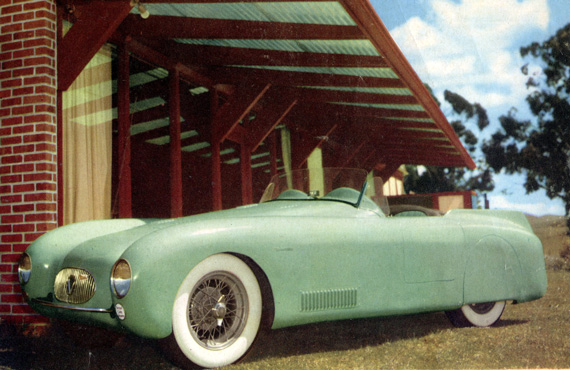
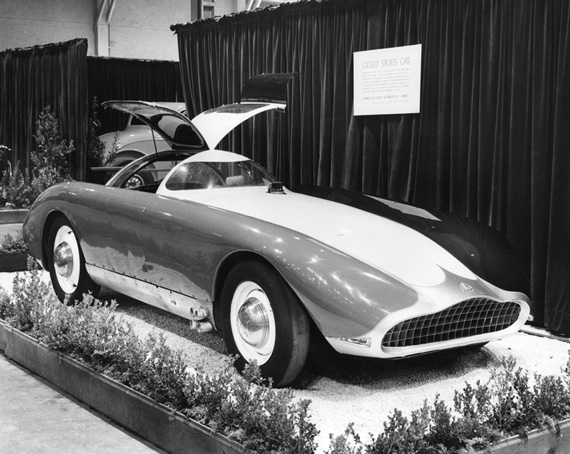
Shown here is the 1952 Vale designed by Vale Wright, an architectural designer from Berkeley, California. Design was based on the 1948 Cisitalia 202 Nuvolari Spyder. It won many awards - most notably first place in the 1953 International Sports Car Show in Oakland, California. This same design was modified by Wright and raced throughout California in a car he called “Lil Stinker.” An interesting side note - Chairman Emeritis of the Pebble Beach Concours d’Elegance, Jules “J” Heumann, borrowed these molds from Vale Wright in the mid ‘50s, and created his own sports car based on a Singer chassis/drivetrain.

“Fiberglass” – The New Wonder Material

For an individual to build a sports car body using either steel or aluminum required a high level of skill, time, and experience. Fiberglass solved this problem and was a far easier material to master.

When fiberglass bodies were introduced at the 1951 Petersen Motorama in Los Angeles, California, they were seen as the “carbon fiber” equivalent of their day. Fiberglass bodied sports cars received immediate attention everywhere they appeared. Lightweight, strong, readily able to conform to beautiful shapes and designs, and cost effective too, fiberglass was the optimal choice for designers building race cars, sports cars, and concept cars alike. Composite materials remain the primary choice of sports and racing car bodies to this day.

The most famous and successful of the American fiberglass companies was Devin, who made a mold from the Ermini 357, S/N 1255, belonging to Jim Orr.

Shows, Exhibitions, and Fame

Throughout the late 1940s and 1950s, handcrafted sports cars were celebrated across the land at shows as large as GM’s Motorama. They appeared in shows which including:
* The Hot Rod Exposition, Los Angeles, California. America’s first postwar custom and hot rod show – 1948 to 1949.
* National Roadster Show – also known as the Oakland Roadster Show, originally held in Oakland, California, held from 1950 to the present.
* Petersen Motorama in Los Angeles, California sponsored by Trend Inc., which published Motor Trend, Hot Rod, and other magazines. Held from 1950 to 1955.
* The World Motor Sports Show held in New York City. This was held from 1953 to 1954.
* And many others

Each of these venues showcased production cars, foreign cars, concept cars, and handcrafted cars. The stars of all of these shows were often the handcrafted cars – designed and built by talented individuals as well as small fabrication shops across America. We now refer to these shows, collectively, as “America’s Motoramas”.

Denny Larsen’s SR100 Sorrell at the Petersen Motorama in 1955.

Fame Beyond the Motoramas

People came to these shows to see what Americans had designed – and most of the handcrafted show cars on display could be bought or built by the public. One person’s dream could be another person’s reality. These cars were famous – they were the “rock stars” of their day, and appeared on:

* In TV
* In Movies
* In Newsreels

In fact, these cars appeared on over 100 magazine covers in this era – more than the Corvette did during this same timeframe.

Racing

While most of the first postwar sportscars were constructed for street use, at the same time there was tremendous growth in sports car racing from coast to coast. From the tiny 750cc class to the unlimited V8 classes, there were American specials throughout the grids. They were fabricated in metal, but that began to change once the potential of fiberglass was seen in sports car bodies at the November, 1951 Petersen Motorama, for it was at this show that sports cars with fiberglass bodies were first seen. The Glasspar G2, the Lancer, the Skorpion and the Wasp all made their debut.

A Glasspar G2 body graced the Morgensen Special I, which was a dual-purpose sports car.

Dick Morgensen’s first special (better known as Morgensen Special I) used a handcrafted Glasspar bodied on a modified 1950 Ford chassis – power was a 220 horsepower ’52 Cadillac mill. This car raced in December, 1952 at Torrey Pines and took first place (some sources say second). He was 31 years old when he built this car with typical construction for a handcrafted special at that time – a modified ‘50 Ford chassis (independent front suspension) with work being completed at his engine bearing company based in Phoenix, Arizona.

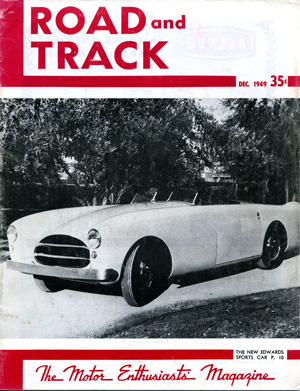
As with many early race cars in the late ‘40s and early ‘50s, the Morgensen Special was a dual-purpose sports/race car. This was the same quality embodied by an earlier car built by Sterling Edwards – the R26. This car, an aluminum coachbuilt car by Diedt and Lesovsky, debuted on the cover of the December, 1949 issue of Road & Track. This car was conceived by Sterling during his postwar trips to the Continent where “Edwards decided his car must have comparable appearance, performance, and roadability” (R&T, December, 1949) of a European sports car. And what an impressive car this was!

He won the first three times he entered races in Palm Springs, Buchanan Field, and Pebble Beach. And won “Best of Show” at the first ever Pebble Beach Concours d’Elegance too – an event that he helped create in California.

_________________________________________________

More about www.forgottenfiberglass.com

For the aforementioned reasons concerning the time and effort it took to complete a sports car, more – or less – of these cars were built than one might have imagined. When looking at production numbers from the large companies of this era (Glasspar, Woodill, and Victress), each built approximately 100 bodies of their most popular design. And when you add in the smaller companies such as Meteor, Byers, Allied, Grantham Stardust, and other such manufacturers, you only get to about 1000 bodies being produced by companies, coachbuilders, and one-off fabricators from 1947 through 1956.

This estimate coincides nicely with a letter written in 1977 from John Bond, owner and editor of Road & Track magazine in the ’50s and ’60s to Ray Scroggins about these very cars – handcrafted cars. In this letter, based on his knowledge of the era, John Bond estimated that nearly a 1000 of these cars were individually and collectively built in the 1950s.

Our goal is to accurately portray the lineage, document the practices, and reveal the hidden history behind the innovators and their very first American sports cars. Through interviews, archives, and expert historians, we hope to tell the story of America’s Sports Car legacy.

Through period magazines and literature, interviews with builders and their families, and discussions with historians across America, the story of the design and building of these early American sports cars unfolds as a complex and detailed undertaking, revealing multiple twists and turns along our adventure.

The text was prepared in collaboration with our research team: Guy Dirkin, Rollie Langston, Raffi Minasian, Paul Sable, Harold Pace, Erich Schultz, and Phil Fleming. Click for more about the Emergence of the American Post War Sportscar.

For more about the Ermini 357, click here.

Tagged With: american sportscars, cisitalia, devin, ermini, fiberglas sports cars, fiberglass specials

Coppa d’oro delle Dolomiti, 2012

September 26, 2012 By Gerelli

This year's winner is Canè and Galliani with a Lancia Aprilia.

Story and Photos by Alessandro Gerelli

A very rainy edition of the Coppa d’Oro delle Dolomiti in Cortina d’Ampezzo witnessed the victory of Canè Galliani in both the events, the Coppa and the “Alte Sfere Heritage by Bark” of Sunday morning.

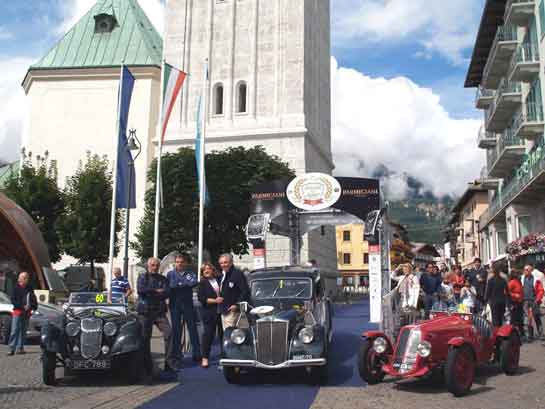
As for other international events, the cars in the entry list are becoming more and more “young”: this year no Ferraris, only two Maseratis, no Oscas, one Bugatti, very few etceterinis, few Alfas, but many Jaguar, Triumph, Austin, Porsche.
See the website, Coppadorodelledolomiti for more details.

Maserati A6GCS  (Boglioli/Pezzia).

Maserati A6GCS (Boglioli/Pezzia).

Maserati A6GCS   (Bellue/Peter).

Maserati A6GCS (Laurent Bellue/Come).

[Read more…] about Coppa d’oro delle Dolomiti, 2012

Tagged With: bandini 750, Coppa D'Oro delle Dolomiti, ermini, fiat 1100, galliani, giannini, lancia aprilia, morettini, siata gs, simca huit deho, topolino

Le Mitiche Sport a Bassano 2011

July 13, 2011 By pete

By Chuck Schoendorf and Dino Brunori
Photos by Dino Brunori

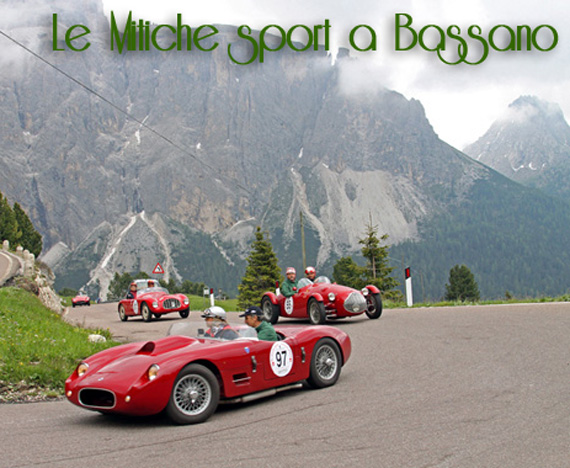
If you own an open sports car from the golden era of the great Italian road races like the Mille Miglia, Targa Florio or Coppa d’Oro, you must attend Le Mitiche Sport a Bassano. Come once and you will become a Mitiche addict, and both a certified sports car driver and a certified nut ! A certified driver because of the gruelling, non-stop challenging mountain roads, a certified nut because all the cars are barchettas, meaning open cockpit, and it always rains in the mountains!
[Read more…] about Le Mitiche Sport a Bassano 2011

Tagged With: arnolt bristol, barchetta, barchetta events, barchettas, bassano, dino brunori, ermini, events at bassano, italian car events, le mitiche sport, le mitichie sport a bassano

Etceterini Internet Sources

February 23, 2010 By pete

Websites and Links

There is a growing amount of information on the Net, and we are just scratching the surface here. Say or type the favored word into Google or Bing and they will appear.

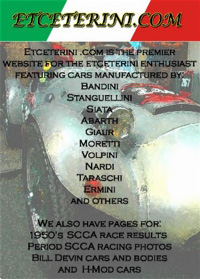
Below are some of our favorites along with some good things found in our very own pages, compiled from our archives. But no where is there more information in one spot than at Etecterini.com. Almost singlehandedly Cliff Reuter has turned his site into a veritable Wikipedia for Ecteterinis. You’ll spend hours just cruising through the vast amounts of material Cliff has accumulated and organized and don’t miss the SCCA results and programs: Etceterini.com.
[Read more…] about Etceterini Internet Sources

Tagged With: bandini. giarr, conrero, Coppa D'Oro delle Dolomiti, ermini, etcterini books, gilco, Mille Miglia, Nardi, stanguellini

Primary Sidebar

     SIGN UP BELOW TO RECEIVE VELOCETODAY EVERY WEEK FOR FREE


       EXCLUSIVE ARTICLES ABOUT 

    EXTRAORDINARY AUTOMOBILES

PositiveSSL

Recent Posts

  • VeloceToday for March 3, 2026
  • Sports Car Racing at Midland, TX 1960-62
  • Smith’s Alfa Vintage Racing Chronicles
  • Squarebacks to Love
  • The Final Word on Squarebacks!
  • Sports Car Racing at Midland, TX, 1959
  • Tripoli 1939: Italian Job That Mis-fired
  • Gauld Checks Out the Ferrari Estate Car
  • Juan Manuel Fangio Tribute
  • Sports Car Racing at Midland, TX, 1958-59
  • Behind the PBS SOCAL Story: My Extra 5 Minutes of Fame
  • Sharp’s Retro Part 4: French Classics
  • Sharp’s Retro Part 5: Interesting Others
  • Sharp’s Retro Part 6: Art and Neat Stuff
  • Sharp’s Retro Part 1: Ferrari
  • Sharp’s Retro Part 2: Alfa and Lancia
  • Sharp’s Retro Part 3: Fiat and Others
  • Amore mio Ardea
  • Bill Warner finds the Don Vitale Nardi
  • Thornley Kelham, the home of the Lancia Bandit
  • The Legends of Bob Gerard
  • Retromobile 2026, First Report
  • Graham Gauld on Nardi
  • Gauld and the Auburn Douze
  • The Races of Life, a Review
  • The Selected Works of Aldo Zana
  • Aldo Zana at the Monaco Grand Prix, 1968
  • Wilson’s 6C 2500: Will it Fit?
  • Panning for Gold Part 2
  • Robert F. Pauley explores the SCCA parking lots

Copyright © 2026 · VeloceToday.com · Privacy · Sitemap

MENU
  • Home
  • Subscribe
  • About
  • Contact
  • Donate
  • As Found