• Skip to primary navigation
  • Skip to main content
  • Skip to primary sidebar

VeloceToday.com

The Online Magazine for Italian and French Classic Car Enthusiasts

  • Home
  • Subscribe
  • About
  • Contact
  • Donate
  • As Found

pete

ADA Part 2: Legal and Social Issues

August 12, 2014 By pete

Don’t try this at home! A suggestive photo published by Volvo to illustrate the advantages of semi self-driving cars. Experts think that even before 2020, the combination of adaptive cruise control and autonomous brake systems will allow drivers of cars in the premium segment to cruise along in convoy, without having to pay attention what is happening in front.

Part 1 of ADA revealed a long history of attempts to create a self-driving automobile, while Part 2 discussed the political, social and legal issues confronting such vehicles. In Part 3, Gijsbert-Paul Berk considers the needs and fears of the marketplace.

By Gijsbert-Paul Berk

Li Shufu (Li), Chairman of the Chinese Zhejiang Geely Holding Group (Geely and Volvo), has confided in an interview with Chengdu Business Daily (CBD) in February, that his company has as goal to produce fully autonomous automobiles by 2020. This may be a reasonable goal if China does not have to deal with the complex politics and legal systems in place in Europe and the U.S.

Carlos Ghosn: The industry is ready, but are the legislators?

Back in Europe, Carlos Ghosn, head of the Renault-Nissan alliance, declared at a recent meeting at the French Automobile Club in Paris, “Cars that drive themselves can be on the roads four years from now, provided red tape does not get in the way. The problem isn’t technology, it’s legislation, and the question of liability that goes with these cars moving around … especially who is responsible once there is no longer anyone inside.” [Read more…] about ADA Part 2: Legal and Social Issues

Tagged With: ADA, blind drivers, Self drive cars, self drivers

ADA Part 3: Goodbye Nardi?
August 12, 2014 By pete

The Rinspeed XchangE concept car offers passengers virtually any seating or resting position and the interior they want and provides the relaxing business-class comfort found with major airlines. The seats allow more than twenty possible seating arrangements with a host of adjustment, tilting and swiveling options.

Part 1 of ADA revealed a long history of attempts to create a self-driving automobile, while Part 2 discussed the political, social and legal issues confronting such vehicles. In Part 3, Gijsbert-Paul Berk considers the needs and fears of the marketplace.

By Gijsbert-Paul Berk

Aside from legal, political, and social issues, a growing market for ADAs also depends to a large extent on the price and consumer trust.

That there exists a market for such cars is beyond doubt. There are sufficient people who dislike driving in today’s dense traffic; some of the younger generation will certainly prefer sending SMS message with their smartphone or playing with their tablet over concentrating on the traffic around them. In Europe and the U.S. there are a great number of older drivers who are conscious that their reaction time is gradually slowing down or who have other minor handicaps. [Read more…] about ADA Part 3: Goodbye Nardi?

Tagged With: ADA, Self drive cars, self drive racing cars, steering wheel demise

VeloceToday for August 5, 2014

August 5, 2014 By pete

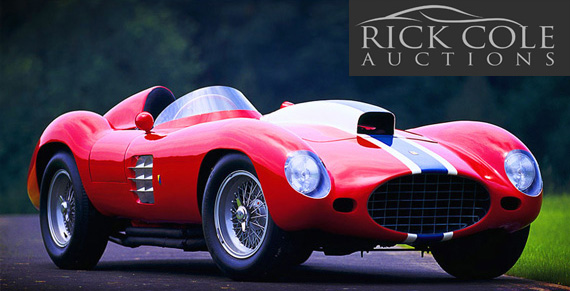
Ferrari 410 Sport Prototype, first raced by Carroll Shelby; Offered by Rick Cole Auctions in Monterey. Click on image for details.


_________________

The most successful series in the 12 year history of VeloceToday.com! Click each icon to read.

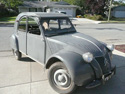
SOLD! 1959 Citroen 2 CV “Dans son Jus”! Imported from Avignon France and shipped to California in 1984. Running and has new convertible top, a new wiring harness and five new Michelin 135 X 400 tires. contact Clark Rodgers clark@f1weekly.com Click to see photos.

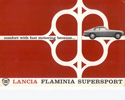
Two Lancia Sales Brochures: Lancia Flamina Zagato Supersport from 1966 and another from 1959 which features all 4 Flaminia models. Excellent condition, never drooled on. Click on pic to see complete brochures. $100 for both. Contact:vack@cox.net

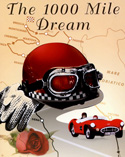
As fast as the race itself, The 1000 Mile Dream, is a novel about the Mille Miglia. Author Jim Fontana ably creates characters that are reminiscent of a number of drivers, team managers and journalists of the era. He knows his Mille Miglia history. A fascinating winter read for everyone. On sale for $23 Hardcover, $19 Softcover, all signed by the author and shipping is FREE. jfont29118@aol.com .
Click here for review.

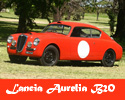
Lancia Aurelia B 20 GT. Third Series, 1953 Engine: B20 3201 Chassis : B20 2923 Imported to Uruguay in the 1950s and used in a few races, reportedly driven by Juan Carlos Gutiérrez and dismantled. It was completely restored beginning in the mid-eighties and finished three years ago. Click photo for more details. Contact:julioberges@gmail.com

*$25 Ads for anyone who has something to sell, to giveaway, or to holler about. Ad will be placed above the fold and run for one month. Contact vack@cox.net .

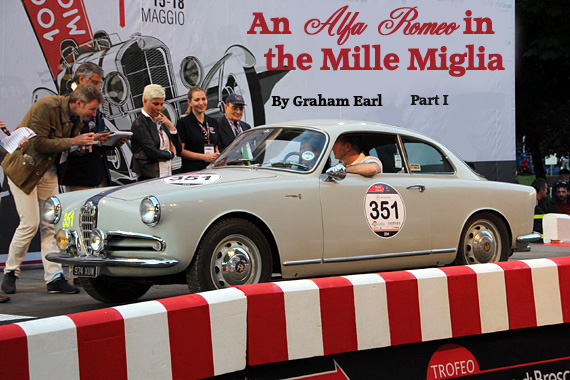
An Alfa in the Mille Miglia Part 1

August 5, 2014 By pete

La Mille Miglia, Part 1 UK to Brescia

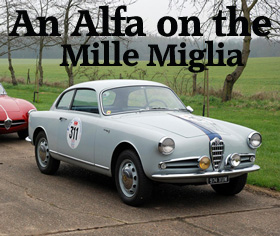
A longtime contributor to VeloceToday, Graham Earl entered this year’s Mille Miglia with one of our favorite cars, an Alfa Giulietta Sprint. Earl is a veteran of three Mille Miglias, and in no respect a novice. This three part article is an absolute must-read and like the Alfa and the Mille Miglia, itself a classic. Remember Henry Manney’s account for Road & Track? This one is better! Ever wanted to run the Mille Miglia? Read it! Owned an Alfa? Delight in it! Earl writes the truth while composing one of the most maddeningly humorous and interesting series of articles to appear in VeloceToday. Ever. We’ll also make it available as a pdf so you can read it at your leisure. Ed.
[Read more…] about An Alfa in the Mille Miglia Part 1

Tagged With: alfa and the Mille Miglia, Alfa Romeo, driving in the Mille Miglia, entering the Mille Miglia, Mille Miglia cars, participating in the Mille Miglia

Self-Drive Cars and You: A History Longer than You Think

August 5, 2014 By pete

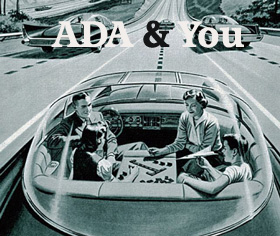
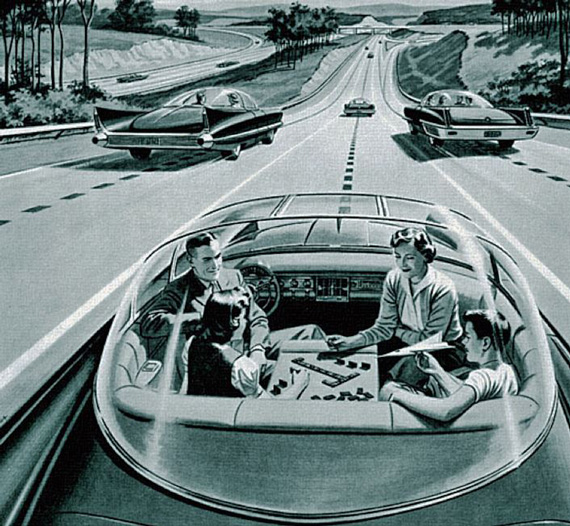
Playing scrabble while your car is driving itself on the Turnpike. As early as 1956 the Central Power and Light Company inserted this ‘inspired’ advertisement in leading US newspapers. Under the intriguing heading 'Electricity may be the driver', its text read: 'One day your car may speed along an electric super-highway, its speed and steering automatically controlled by electronic devices embedded in the road. Highways will be made safe – by electricity! No traffic jams ... no collisions ... no driver fatigue.'

Forget all of what you have considered major advancements in the development of the automobile: Ford’s assembly line, automatic transmissions, disc brakes, fuel injection, computerized fuel systems. By far the most important and far reaching automobile innovation since the very invention of the automobile is just taking form. ADAs (Autonomous-driving-automobiles) are not just around the corner but here, much to the delight of aging baby boomers who will never be immobile, and younger generations who will be able to play computer games and message text all while being driven automatically. Gijsbert-Paul Berk helps us understand where we’ve been, where we are going, and can we get there without the steering wheel and gas pedal.

By Gijsbert-Paul Berk

Part 1

The well-known high-tech company and Internet search-site now intends to produce this urban ADA that even has no steering wheel. Legislators and managers in the car industry are skeptical about the feasibility of such a project in view of the high financial risk law suits over product liability. But Google is determined.

Recently Mark Reuss, Chief of Product Development at General Motors, confided to journalists that if Google pursued its development of ADAs (autonomous-driving automobiles), it could become a “serious competitive threat”. Reuss admitted that GM is developing its own self driving systems as well. “But we are not in a race with Google to create driverless cars. Our industry will phase in these technologies over years. I don’t think you’re going to see a fully autonomous car take over the city anytime soon.” [Read more…] about Self-Drive Cars and You: A History Longer than You Think

Tagged With: ADA, Autonomous-driving-automobiles, GM ADA, Google car, history of ADAs

Silverstone in One Day

August 5, 2014 By pete

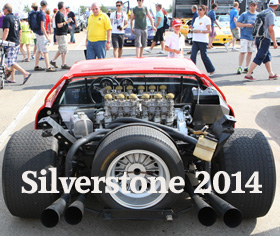
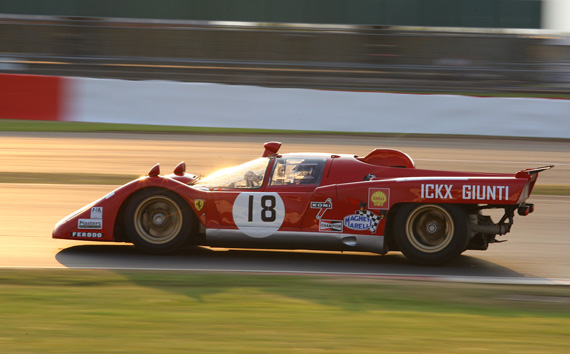
The 512M was driven by Paul Knapfield and Jamie Campbell Walker finishing 8th out of 32 cars.


Photos and story by Jonathan Sharp

Amongst the myriad of press releases I received from the Media department of the Annual Silverstone Classic race meeting, was one which told me that spending only one day would not be sufficient to see and enjoy everything that the event had to offer. Unfortunately, one day was all that I had available, but as the final race finished at 9pm maybe I could just fit it all in. The morning was therefore spent nosing around the two different paddock areas. [Read more…] about Silverstone in One Day

Tagged With: Annual Silverstone Classic, cars at silverstone, F1 cars silverstone, silverstone 2014

VeloceToday for July 29, 2014

July 29, 2014 By pete

Ferrari 410 Sport Prototype, first raced by Carroll Shelby; Offered by Rick Cole Auctions in Monterey. Click on image for details.

SOLD! 1959 Citroen 2 CV “Dans son Jus”! Imported from Avignon France and shipped to California in 1984. Running and has new convertible top, a new wiring harness and five new Michelin 135 X 400 tires. contact Clark Rodgers clark@f1weekly.com Click to see photos.

Two Lancia Sales Brochures: Lancia Flamina Zagato Supersport from 1966 and another from 1959 which features all 4 Flaminia models. Excellent condition, never drooled on. Click on pic to see complete brochures. $100 for both. Contact:vack@cox.net

As fast as the race itself, The 1000 Mile Dream, is a novel about the Mille Miglia. Author Jim Fontana ably creates characters that are reminiscent of a number of drivers, team managers and journalists of the era. He knows his Mille Miglia history. A fascinating winter read for everyone. On sale for $23 Hardcover, $19 Softcover, all signed by the author and shipping is FREE. jfont29118@aol.com .
Click here for review.

Lancia Aurelia B 20 GT. Third Series, 1953 Engine: B20 3201 Chassis : B20 2923 Imported to Uruguay in the 1950s and used in a few races, reportedly driven by Juan Carlos Gutiérrez and dismantled. It was completely restored beginning in the mid-eighties and finished three years ago. Click photo for more details. Contact:julioberges@gmail.com

*$25 Ads for anyone who has something to sell, to giveaway, or to holler about. Ad will be placed above the fold and run for one month. Contact vack@cox.net .

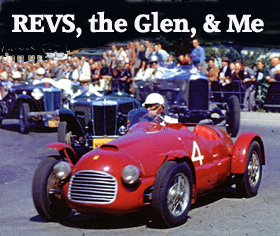
REVS, Cunningham, the Glen and Me

July 29, 2014 By pete

Briggs Cunningham in the 166 Ferrari at Bridgehamption in May 1953. The author would follow the legend from Watkins Glen to Costa Mesa and finally to Naples Florida. Courtesy Briggs Cunninham III.

By Eric Davison

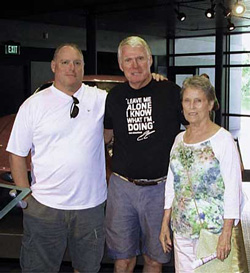
Bruce, Eric and Mary Davison at the Revs Institute.


[The re-opening of the Revs Institute prompted Eric Davison to pay a visit with his wife Mary and son Bruce. Davison has an unusual and long history of involvement with the early years at Watkins Glen, as recounted in his eight part Memoirs of Watkins Glen for VeloceToday. For Davison, this visit to the Revs Institute brought it all together. It began when Davison’s father brought young Eric to Watkins Glen, beginning a three generation span of Davison car enthusiasts. Next week, Revs welcomes the Davisons, where the Bu-Merc and Ferrari 166 are on display once again. Ed.]

Cunningham, Colliers, and the Glen [Read more…] about REVS, Cunningham, the Glen and Me

Tagged With: Briggs Cunningham Ferrari, car museums, cunningham, eric davison, Miles Collier, revs institute, Sam Collier, watkins glen, Watkins Glen the Early Years

VeloceToday for July 22, 2014

July 22, 2014 By pete

Ferrari 410 Sport Prototype, first raced by Carroll Shelby; Offered by Rick Cole Auctions in Monterey. Click on image for details.


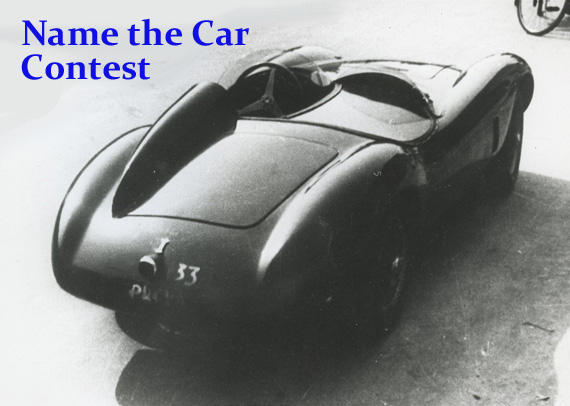
Name the Make, Model, and Year! Bill Giltzow did and won a copy or Dino Brunori's great book, 'Nardi, A fast life'. It's a 1955 357 Ermini. Below, read Brunori's story about how many were built and by whom, and what Enzo Ferrari had to do with it!

BARN FIND! 1959 Citroen 2 CV “Dans son Jus”! Imported from Avignon France and shipped to California in 1984. Running and has new convertible top, a new wiring harness and five new Michelin 135 X 400 tires. contact Clark Rodgers clark@f1weekly.com Click to see photos.

As fast as the race itself, The 1000 Mile Dream, is a novel about the Mille Miglia. Author Jim Fontana ably creates characters that are reminiscent of a number of drivers, team managers and journalists of the era. He knows his Mille Miglia history. A fascinating winter read for everyone. On sale for $23 Hardcover, $19 Softcover, all signed by the author and shipping is FREE. jfont29118@aol.com .
Click here for review.

Lancia Aurelia B 20 GT. Third Series, 1953 Engine: B20 3201 Chassis : B20 2923 Imported to Uruguay in the 1950s and used in a few races, reportedly driven by Juan Carlos Gutiérrez and dismantled. It was completely restored beginning in the mid-eighties and finished three years ago. Click photo for more details. Contact:julioberges@gmail.com

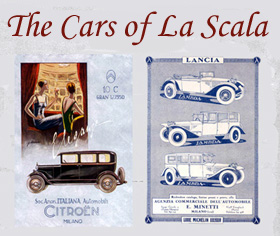
SOLD! An Opera program? But wait, this nearly mint original La Scala official program is from the 1927-28 Opera Season and is full of colorful car and parts ads, including the new Alfa 6c1500 and Lancia Lambda. This would make a great accessory for a mid-to late 1920s classic car. Click on pic to see full article about the program. Available now for only $100, free shipping. Contact:vack@cox.net

*ONE TIME ads ($25 USD) for anyone who has something to sell, to giveaway, or to holler about. Ad will be placed above the fold. Contact vack@cox.net .

Devin’s Father: The Ermini 357

July 22, 2014 By pete

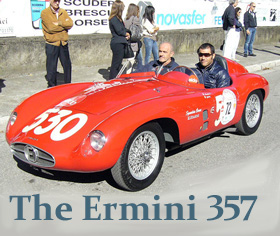
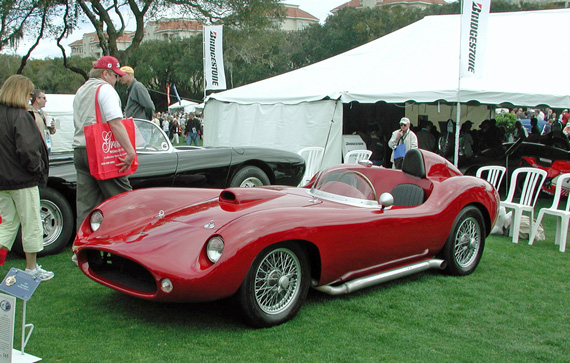
Bill Giltzow quickly identified the contest car as a 1955 357 Ermini. Below, Dino Brunori tells us how many were made and by whom.


The fascinating story of the 357 Ermini

By Dino Brunori
Photos courtesy Dino Brunori

Pasquale Ermini (1905-1958) aka ‘Pasquino’ was a former driver and pre-war racing mechanic of great experience. He started his career when he was 21 years old in Emilio Materassi’s workshop in Florence. Materassi was running his own racing team, Scuderia Materassi, using Talbot and Bugatti GP cars and soon Pasquino became chief mechanic of the team. In 1932, with the death of Emilio, the team was liquidated and Pasquino set up his garage in Via Campo d’Arrigo in central Florence devoted to tuning and preparing racing cars for the great racing events of the period. [Read more…] about Devin’s Father: The Ermini 357

Tagged With: devin, ermini, ermini 357, ermini engines, ermini history, ermini race cars

European Influence, American Know How: America’s First Postwar Sports Cars

July 22, 2014 By pete

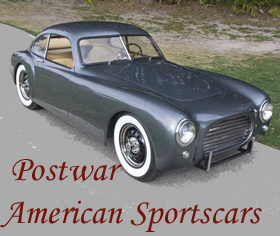
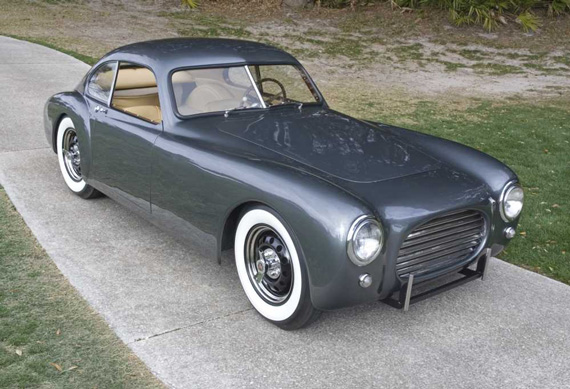
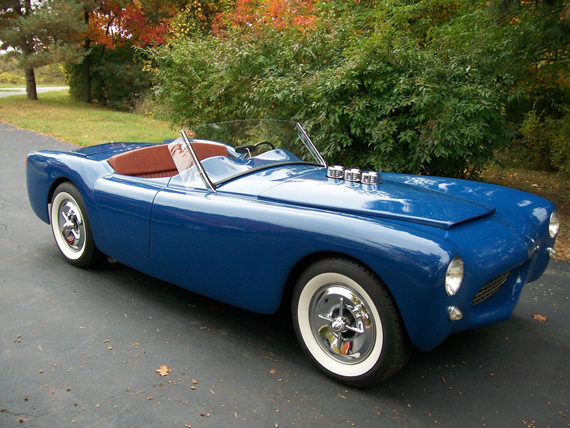
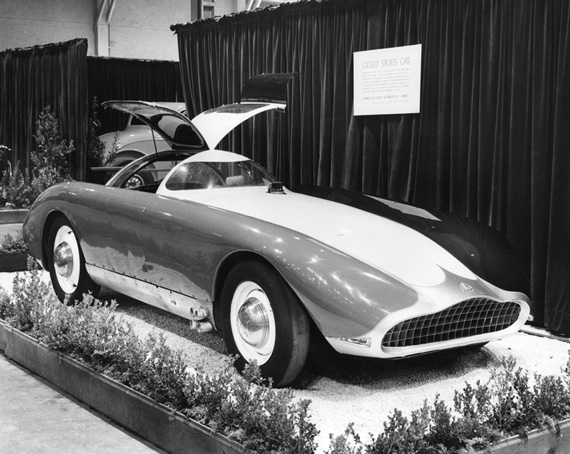
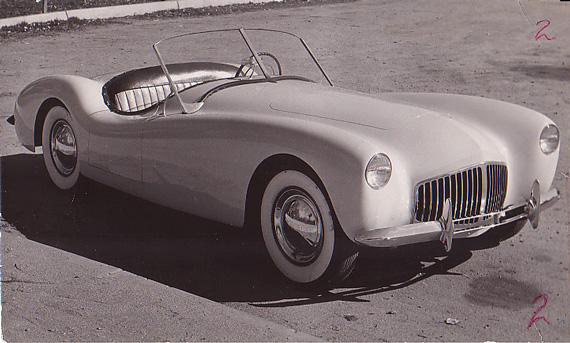
Instant Cisitalia. Americans wanted a low cost reliable sports car with European styling. What better way to go than taking a mold from the Cisitalia driven from New York to L.A. by race driver Bill Pollack and creating a new car with American running gear. This was called the Allied Swallow. Another effort, called the Vale, was inspired by the Cisitalia Nuvolari Spider (see below).


Geoff Hacker and Rick D’Louhy are dedicated enthusiasts who are breaking new ground by doing significant research on early American sports cars – those built between 1946 and 1954 – which used both fiberglass and other materials for the construction of the body (metal in the case of Paul Farago’s remarkable Fiat special)

As we’ll demonstrate in future articles, these pioneering constructors were highly influenced by Italian and French designs. To set the stage, we begin with an article taken in part from their excellent website, www.forgottenfiberglass.com, which describes the beginnings of the American postwar sports car.

By Geoff Hacker and Rick D’Louhy
All photos courtesy Geoff Hacker

In the late 40s’ and early ‘50s, if you wanted a sports car in America your options were mostly European. Making this choice meant evaluating a high purchase price, problems with parts availability, and complicated maintenance. It was during this time that a critical phase of automotive history took place – the emergence of the American sports car. These new sports cars often used designs based on European cars, if not actual copies.

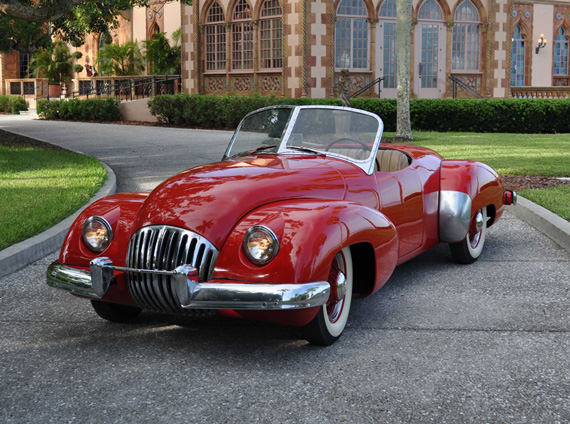
American muscle, French influence. Kurtis-Omohundro Comet, from 1947, one of two designed by Indy race car builder Frank Kurtis and built by Paul Omohundro’s Comet Company. This is also been shown to be the earliest postwar sports car built and documented after the end of WWII.

Prior to 1953, there were few American sports cars available; the Crosley Hotshot (1949) the Cunningham (1951), the Kurtis (1949) and Nash-Healey (1951), but these were rare and or expensive. In a very real sense, American sports cars didn’t exist until a number of enterprising young men and small companies began to create them.

These enthusiasts often shared the following attributes:
* Pioneers of the first automotive “Start Ups” building “something out of nothing”
* American innovators advancing from novice to expertise with their resourcefulness and “can-do” attitude
* Fueled not by large corporate investment but shoe-string budgets and trial and error prototyping as small builders and independent shops.

This pivotal movement was captured in December, 1949 by author Thomas E. Stimson Jr., who penned a comprehensive article on American sports cars titled “The New Breed of Sports Cars” in Popular Mechanics. In this article he showcased the best of what was being built in America, and the reasons why they were being built. “Sports car enthusiasts who have preferred European automobiles because they could find no domestic makes that satisfy them are beginning to build cars for themselves. Scores of owners have spent from $2500 to $20,000 each to build the kind of cars they desire. One manufacturer of race cars, in answer to the demand, has tooled up for limited production of a sports car of his own design.”

The use of a reliable (usually domestic) chassis/engine a combination promised to solve the problem of expensive and often unreliable foreign mechanicals. In 1952, writer Ralph Stein wrote:

“If you’re a fairly good mechanic, you can arm yourself with some metric or Whitworth wrenches and the instruction book and do pretty well. Even if you’re a lousy mechanic, it’s worth trying because you can’t do much worse than the so-called professionals. The servicing situation is a disgrace to the foreign manufacturers who sell their cars in this country. Spare parts, except for one or two makes, are rarely available without a long wait, charges are high, and workmanship poor.”

1955 Woodill Wildfire, a popular fiberglass car, was featured in the Hollywood movie 'Johnny Dark'.

Early American sports cars bear names that few recognize such as Glasspar, Wildfire, Victress, Meteor, Devin, LaDawri, Kellison, Byers and many others. Sometimes just one car was built, but in many cases five, ten or more examples were produced. It’s been forgotten that over 50 American sports cars were already on the road, both as one-off designs and in limited production, by the time the Corvette began appearing in showrooms in the fall of 1953. Many of these newly designed sports cars were available for purchase – and more were on the way. American sports cars were “born” in the early postwar era by motivated Americans who decided to build their own.

Not as easy as it sounds

The process of building a sports car was not for the faint of heart. Period magazines reported that building a car using an available fiberglass or aluminum body took an average of 2000 hours. That’s 50 weeks at 40 hours a week and 2 weeks off for good measure to complete a car in a full year. If you use a modern rate of $50 an hour, labor alone would top $100,000 before buying your first part.

Individuals who choose to design and build their own bodies had a more challenging course to follow. In these cases, it took an additional 1000 hours to design and build your own body. This is clearly seen by the special built by Jules Heumann (now Chairman Emeritus of the Pebble Beach Concours d’Elegance), on a Singer chassis in the mid 1950s where he reported that the entire enterprise took closer to 3000 hours to complete. For more on the Singer special click here.

These cars allowed enthusiasts to satisfy their desire to own an affordable American sports car. Individuals got their hands dirty and went out and built what they wanted. Handcrafted American sports cars are often seen as quintessential “Americana” showing what individuals achieved when they brought forth their creativity, design, engineering, innovation, tenacity, and hand-crafting expertise.

Influencing Detroit

An important view was offered by Walt Woron, founding editor of Motor Trend magazine. He wrote about the topic of handcrafted cars in a November, 1951 editorial titled “Amateurs are Creating New, American Designs.” Here he said:

“It has been freely admitted by top Detroit automotive designers that many innovations on production cars are the result of watching the developments of these enthusiasts who build their own custom cars, sports cars and hot rods.”

Another insight was offered by famed automotive writer Ken Purdy, in his 1952 book on sports cars titled The Kings of the Road. In this book, he dedicated his final chapter on the hope for modern sports cars – from his vantage point in early 1952. While praising young hot rodders for their clean designs, Purdy wrote “… most of the designs Detroit threatens to ram down our throats in the next few years look like something by Captain Video out of Superman. Why an automobile should look like a jet plane is hard to fathom. Jet planes do not try to look like automobiles. Jet planes, being mature and sensible things, are satisfied to look like what they are. The American automobile is still in adolescence.”

Sports car enthusiasts and hot-rodders were both being influenced by designs outside of Detroit, and in turn influencing the shape of the automobile in Detroit.

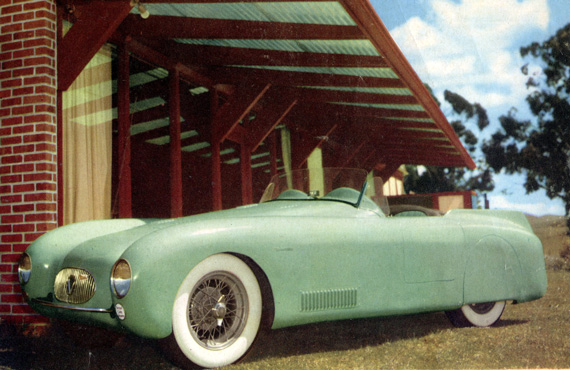
Shown here is the 1952 Vale designed by Vale Wright, an architectural designer from Berkeley, California. Design was based on the 1948 Cisitalia 202 Nuvolari Spyder. It won many awards - most notably first place in the 1953 International Sports Car Show in Oakland, California. This same design was modified by Wright and raced throughout California in a car he called “Lil Stinker.” An interesting side note - Chairman Emeritis of the Pebble Beach Concours d’Elegance, Jules “J” Heumann, borrowed these molds from Vale Wright in the mid ‘50s, and created his own sports car based on a Singer chassis/drivetrain.

“Fiberglass” – The New Wonder Material

For an individual to build a sports car body using either steel or aluminum required a high level of skill, time, and experience. Fiberglass solved this problem and was a far easier material to master.

When fiberglass bodies were introduced at the 1951 Petersen Motorama in Los Angeles, California, they were seen as the “carbon fiber” equivalent of their day. Fiberglass bodied sports cars received immediate attention everywhere they appeared. Lightweight, strong, readily able to conform to beautiful shapes and designs, and cost effective too, fiberglass was the optimal choice for designers building race cars, sports cars, and concept cars alike. Composite materials remain the primary choice of sports and racing car bodies to this day.

The most famous and successful of the American fiberglass companies was Devin, who made a mold from the Ermini 357, S/N 1255, belonging to Jim Orr.

Shows, Exhibitions, and Fame

Throughout the late 1940s and 1950s, handcrafted sports cars were celebrated across the land at shows as large as GM’s Motorama. They appeared in shows which including:
* The Hot Rod Exposition, Los Angeles, California. America’s first postwar custom and hot rod show – 1948 to 1949.
* National Roadster Show – also known as the Oakland Roadster Show, originally held in Oakland, California, held from 1950 to the present.
* Petersen Motorama in Los Angeles, California sponsored by Trend Inc., which published Motor Trend, Hot Rod, and other magazines. Held from 1950 to 1955.
* The World Motor Sports Show held in New York City. This was held from 1953 to 1954.
* And many others

Each of these venues showcased production cars, foreign cars, concept cars, and handcrafted cars. The stars of all of these shows were often the handcrafted cars – designed and built by talented individuals as well as small fabrication shops across America. We now refer to these shows, collectively, as “America’s Motoramas”.

Denny Larsen’s SR100 Sorrell at the Petersen Motorama in 1955.

Fame Beyond the Motoramas

People came to these shows to see what Americans had designed – and most of the handcrafted show cars on display could be bought or built by the public. One person’s dream could be another person’s reality. These cars were famous – they were the “rock stars” of their day, and appeared on:

* In TV
* In Movies
* In Newsreels

In fact, these cars appeared on over 100 magazine covers in this era – more than the Corvette did during this same timeframe.

Racing

While most of the first postwar sportscars were constructed for street use, at the same time there was tremendous growth in sports car racing from coast to coast. From the tiny 750cc class to the unlimited V8 classes, there were American specials throughout the grids. They were fabricated in metal, but that began to change once the potential of fiberglass was seen in sports car bodies at the November, 1951 Petersen Motorama, for it was at this show that sports cars with fiberglass bodies were first seen. The Glasspar G2, the Lancer, the Skorpion and the Wasp all made their debut.

A Glasspar G2 body graced the Morgensen Special I, which was a dual-purpose sports car.

Dick Morgensen’s first special (better known as Morgensen Special I) used a handcrafted Glasspar bodied on a modified 1950 Ford chassis – power was a 220 horsepower ’52 Cadillac mill. This car raced in December, 1952 at Torrey Pines and took first place (some sources say second). He was 31 years old when he built this car with typical construction for a handcrafted special at that time – a modified ‘50 Ford chassis (independent front suspension) with work being completed at his engine bearing company based in Phoenix, Arizona.

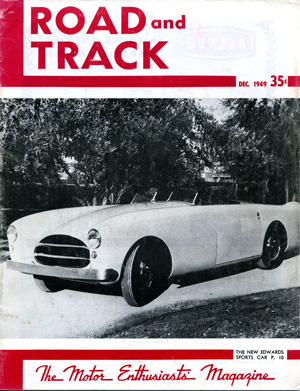
As with many early race cars in the late ‘40s and early ‘50s, the Morgensen Special was a dual-purpose sports/race car. This was the same quality embodied by an earlier car built by Sterling Edwards – the R26. This car, an aluminum coachbuilt car by Diedt and Lesovsky, debuted on the cover of the December, 1949 issue of Road & Track. This car was conceived by Sterling during his postwar trips to the Continent where “Edwards decided his car must have comparable appearance, performance, and roadability” (R&T, December, 1949) of a European sports car. And what an impressive car this was!

He won the first three times he entered races in Palm Springs, Buchanan Field, and Pebble Beach. And won “Best of Show” at the first ever Pebble Beach Concours d’Elegance too – an event that he helped create in California.

_________________________________________________

More about www.forgottenfiberglass.com

For the aforementioned reasons concerning the time and effort it took to complete a sports car, more – or less – of these cars were built than one might have imagined. When looking at production numbers from the large companies of this era (Glasspar, Woodill, and Victress), each built approximately 100 bodies of their most popular design. And when you add in the smaller companies such as Meteor, Byers, Allied, Grantham Stardust, and other such manufacturers, you only get to about 1000 bodies being produced by companies, coachbuilders, and one-off fabricators from 1947 through 1956.

This estimate coincides nicely with a letter written in 1977 from John Bond, owner and editor of Road & Track magazine in the ’50s and ’60s to Ray Scroggins about these very cars – handcrafted cars. In this letter, based on his knowledge of the era, John Bond estimated that nearly a 1000 of these cars were individually and collectively built in the 1950s.

Our goal is to accurately portray the lineage, document the practices, and reveal the hidden history behind the innovators and their very first American sports cars. Through interviews, archives, and expert historians, we hope to tell the story of America’s Sports Car legacy.

Through period magazines and literature, interviews with builders and their families, and discussions with historians across America, the story of the design and building of these early American sports cars unfolds as a complex and detailed undertaking, revealing multiple twists and turns along our adventure.

The text was prepared in collaboration with our research team: Guy Dirkin, Rollie Langston, Raffi Minasian, Paul Sable, Harold Pace, Erich Schultz, and Phil Fleming. Click for more about the Emergence of the American Post War Sportscar.

For more about the Ermini 357, click here.

Tagged With: american sportscars, cisitalia, devin, ermini, fiberglas sports cars, fiberglass specials

Phil Hill, On Record

July 22, 2014 By pete

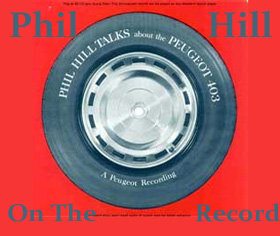
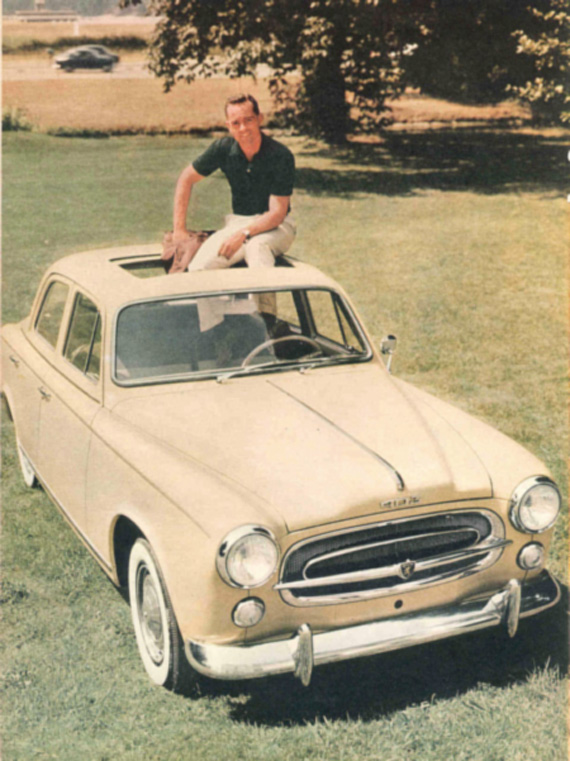
Phil Hill with a Peugeot in a R&T ad. Now listen to the recording below.


Below, we give our readers a chance to hear a rare 33 1/3 rpm recording, sent to us on a plasticized square piece of cardboard which measures seven by seven inches. It is about four minute long. It is simplistic, it is advertising, and it is not particularly well executed, even for the late 1950s. But it offers us a unique insight into what was then a new world for Americans, that of sports car racing and strange foreign cars with even stranger names. Despite being scripted, it says something about Phil Hill we may not have been able to ascertain elsewhere, and Hill explains his affection for Peugeot, which stems from his childhood. Most telling, even though it is obviously a bought and paid for commercial, it is honest, as honest as Phil Hill always was. [Read more…] about Phil Hill, On Record

Tagged With: john bond, phil hill, phil hill and john bond, phil hill and Peugeot, phil hill on record

  • « Go to Previous Page
  • Go to page 1
  • Interim pages omitted …
  • Go to page 189
  • Go to page 190
  • Go to page 191
  • Go to page 192
  • Go to page 193
  • Interim pages omitted …
  • Go to page 270
  • Go to Next Page »

Primary Sidebar

     SIGN UP BELOW TO RECEIVE VELOCETODAY EVERY WEEK FOR FREE


       EXCLUSIVE ARTICLES ABOUT 

    EXTRAORDINARY AUTOMOBILES

PositiveSSL

Recent Posts

  • VeloceToday for March 17, 2026
  • The Birth of Road America, 1955
  • 1939 Tripoli Grand Prix: The Race
  • AutoWorld Brussel’s Lancia Exhibition
  • Ferrari 750 Monza: Beauty Saved
  • Repco Adelaide Motorsport Festival, 2026
  • Never Out of Date: Cartier’s Concours from 2025
  • Baby Bugatti by Marshall Buck
  • A Brief History of Disappearing Hardtops
  • Sports Car Racing at Midland, TX 1960-62
  • Smith’s Alfa Vintage Racing Chronicles
  • Squarebacks to Love
  • The Final Word on Squarebacks!
  • Sports Car Racing at Midland, TX, 1959
  • Tripoli 1939: Italian Job That Mis-fired
  • Gauld Checks Out the Ferrari Estate Car
  • Juan Manuel Fangio Tribute
  • Sports Car Racing at Midland, TX, 1958-59
  • Behind the PBS SOCAL Story: My Extra 5 Minutes of Fame
  • Sharp’s Retro Part 4: French Classics
  • Sharp’s Retro Part 5: Interesting Others
  • Sharp’s Retro Part 6: Art and Neat Stuff
  • Sharp’s Retro Part 1: Ferrari
  • Sharp’s Retro Part 2: Alfa and Lancia
  • Sharp’s Retro Part 3: Fiat and Others
  • Amore mio Ardea
  • Bill Warner finds the Don Vitale Nardi
  • Thornley Kelham, the home of the Lancia Bandit
  • The Legends of Bob Gerard
  • Retromobile 2026, First Report

Copyright © 2026 · VeloceToday.com · Privacy · Sitemap

MENU
  • Home
  • Subscribe
  • About
  • Contact
  • Donate
  • As Found