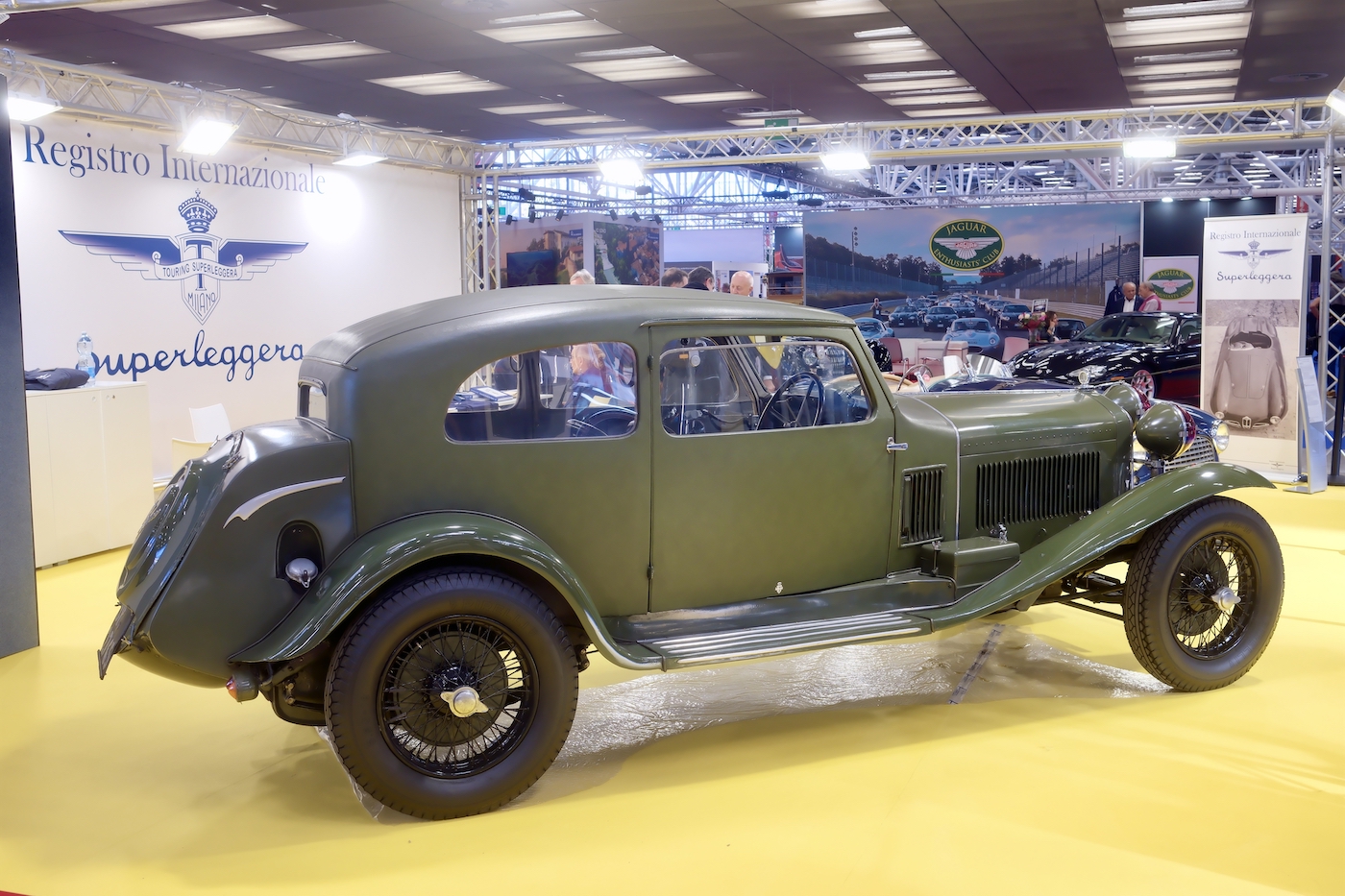
The first Grand Touring car? 1931 Alfa Romeo 6C 1750GT Berlinetta Aerodinamica Tipo Mille Miglia.
Story and photos by Jonathan Sharp
As mentioned in part one (See Editor’s Choice) the central atrium this year contained a first-class display of endurance racers title ‘Icons of Speed’ which start of this second selection of gems that were on display.
Funny but when I started to run through my photos I wondered if I would be able to offer much of a variety but now having finally sorted through them I find I have hardly scratched the surface. However, herein are a lot of Alfas, Lancias, and Fiats that did not make the so-called ‘Editor’s Choice’.
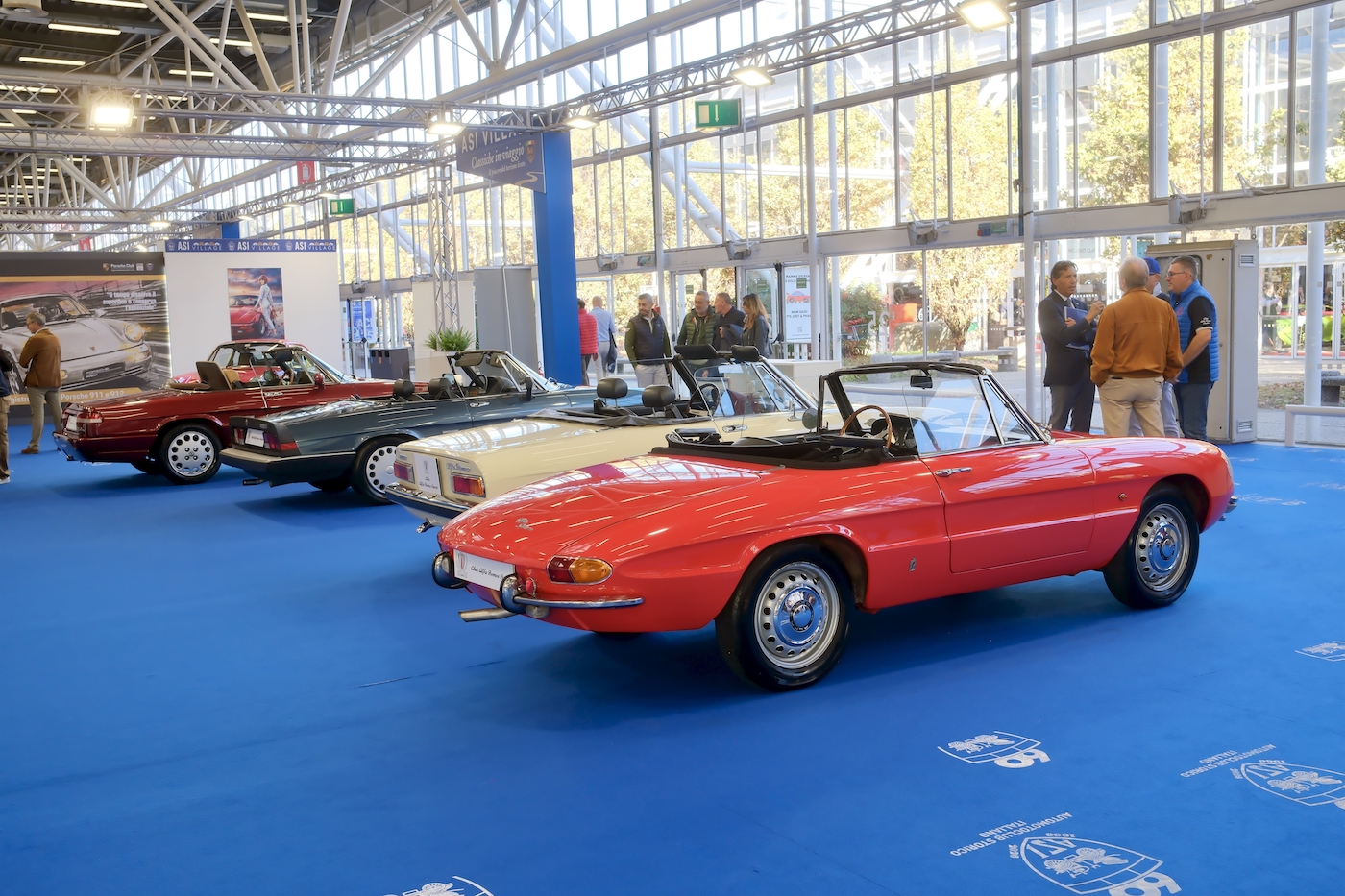
Also featured was 60 years of the Alfa Romeo Duetto.
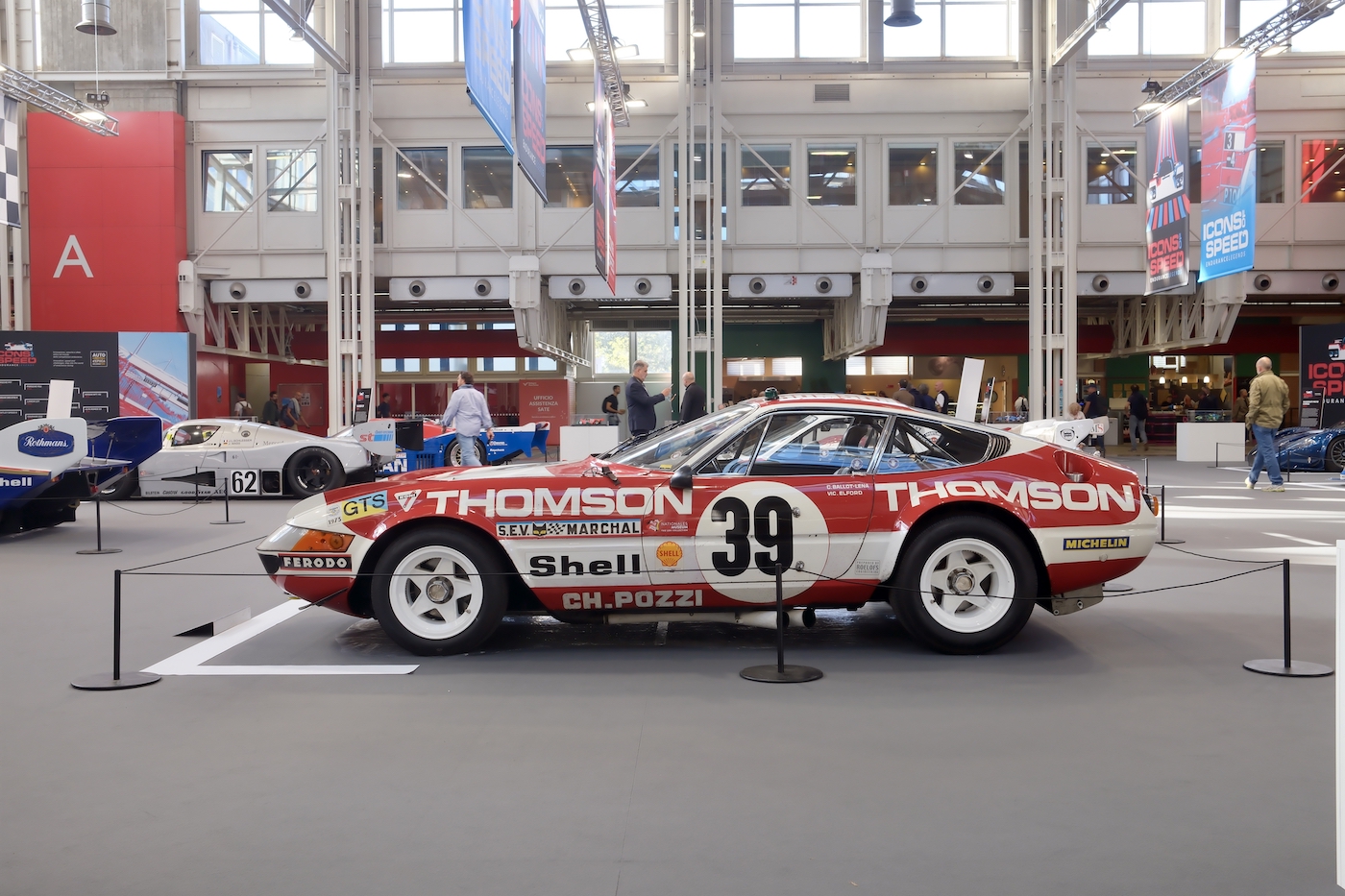
1973 Ferrari 365 GTB/4 Competizione Series III, ex Vic Elford/C Ballot-Lena, class winner at the 1973 24 Hours of Le Mans
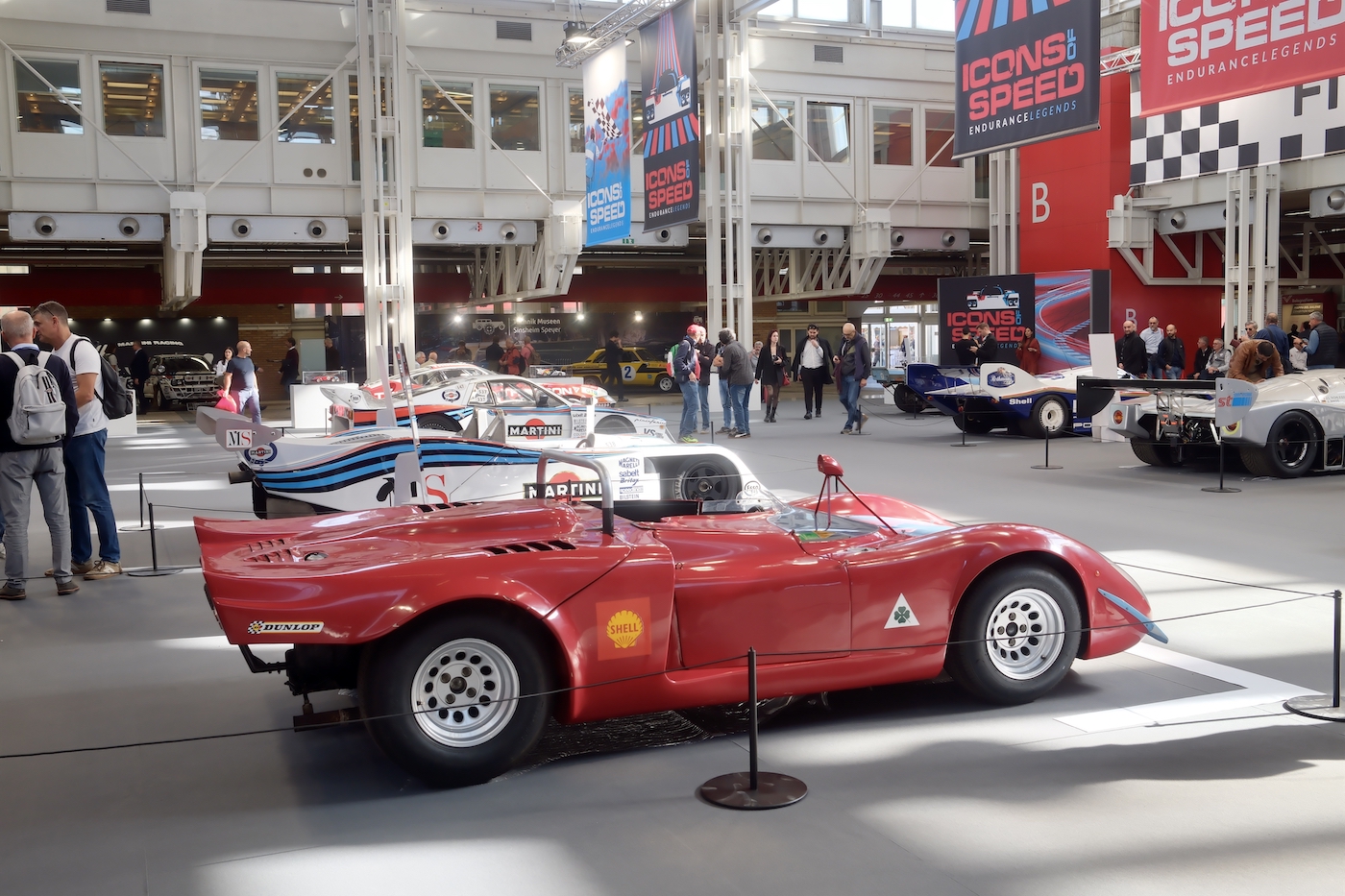
1968 Alfa Romeo 33, chassis 750.33.014 finished seventh overall at that year’s 24 Hours of Daytona and third place on the Targa Florio. Later modified by Autodelta into the lighter open version where it continued to be raced in private ownership before later joining the Rosso Bianco Collection.
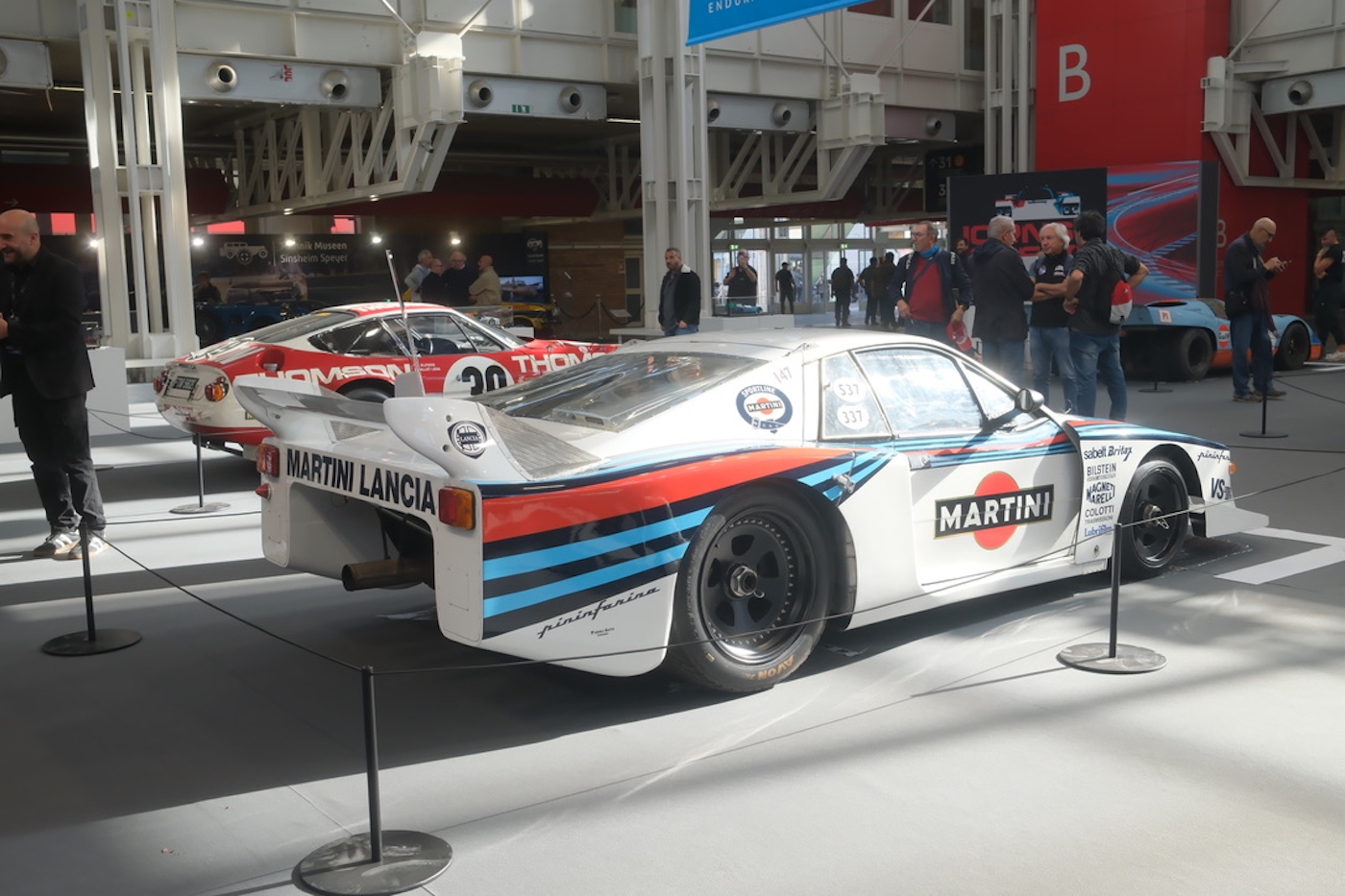
1980 Lancia Beta Montecarlo Turbo, Winner of the 1980 Mugello 6 Hours in the hands of Riccardo Patrese and Eddie Cheever.
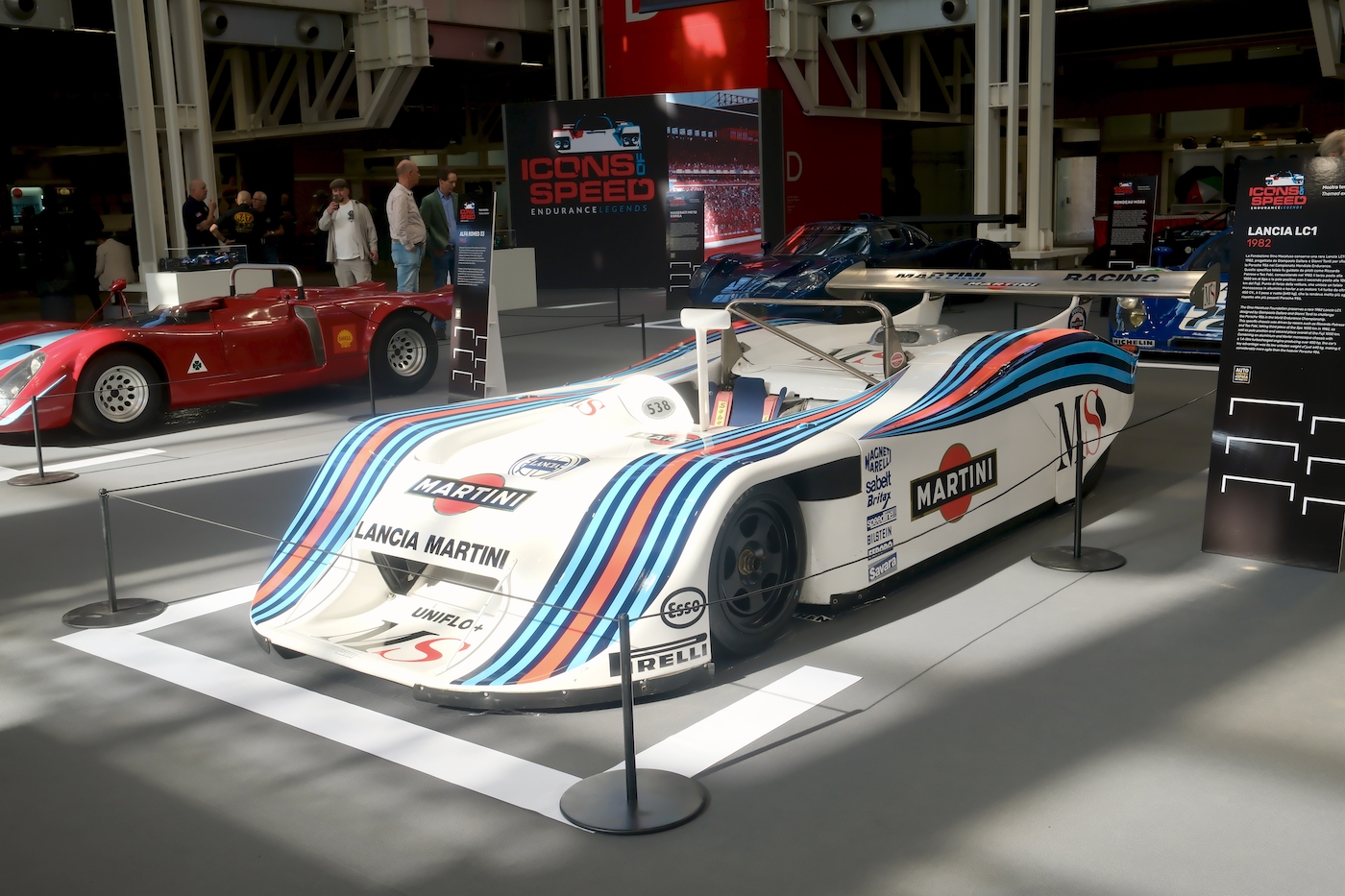
1982 Lancia LC1, as driven by Riccardo Patrese and Teo Fabi to third place at that year’s Spa 1000 km, and pole position and second place at the Fuji 1000 km.
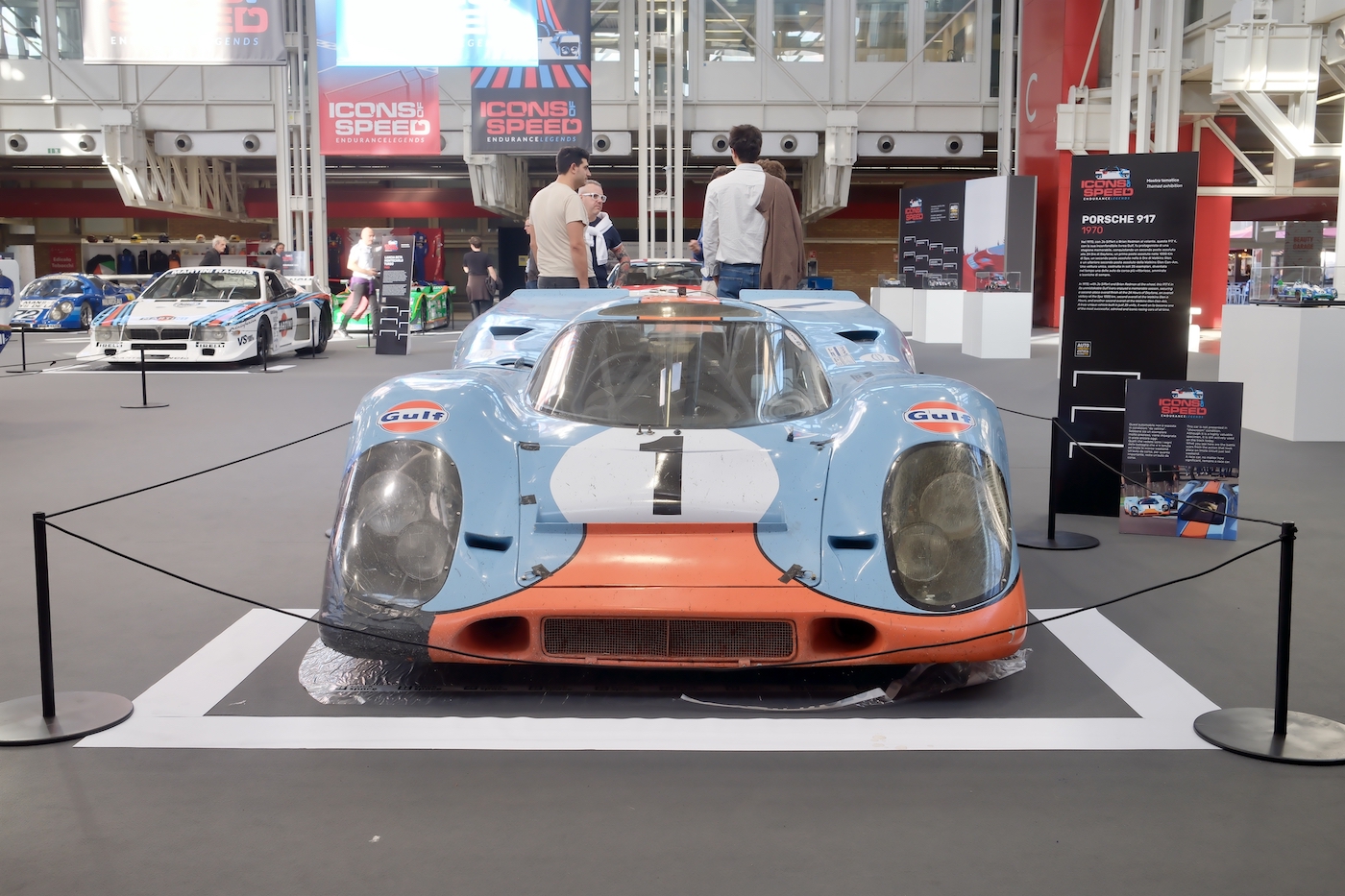
Fresh from racing at Imola just prior to the show, this Porsche 917 back in 1970 was driven by Brian Redman and Jo Siffert to second overall at the 24 Hours of Daytona, Victory at the Spa 1000 km, second overall at the Watkins Glen 6 Hours, and another second overall at the Watkins Glen Can-Am race.
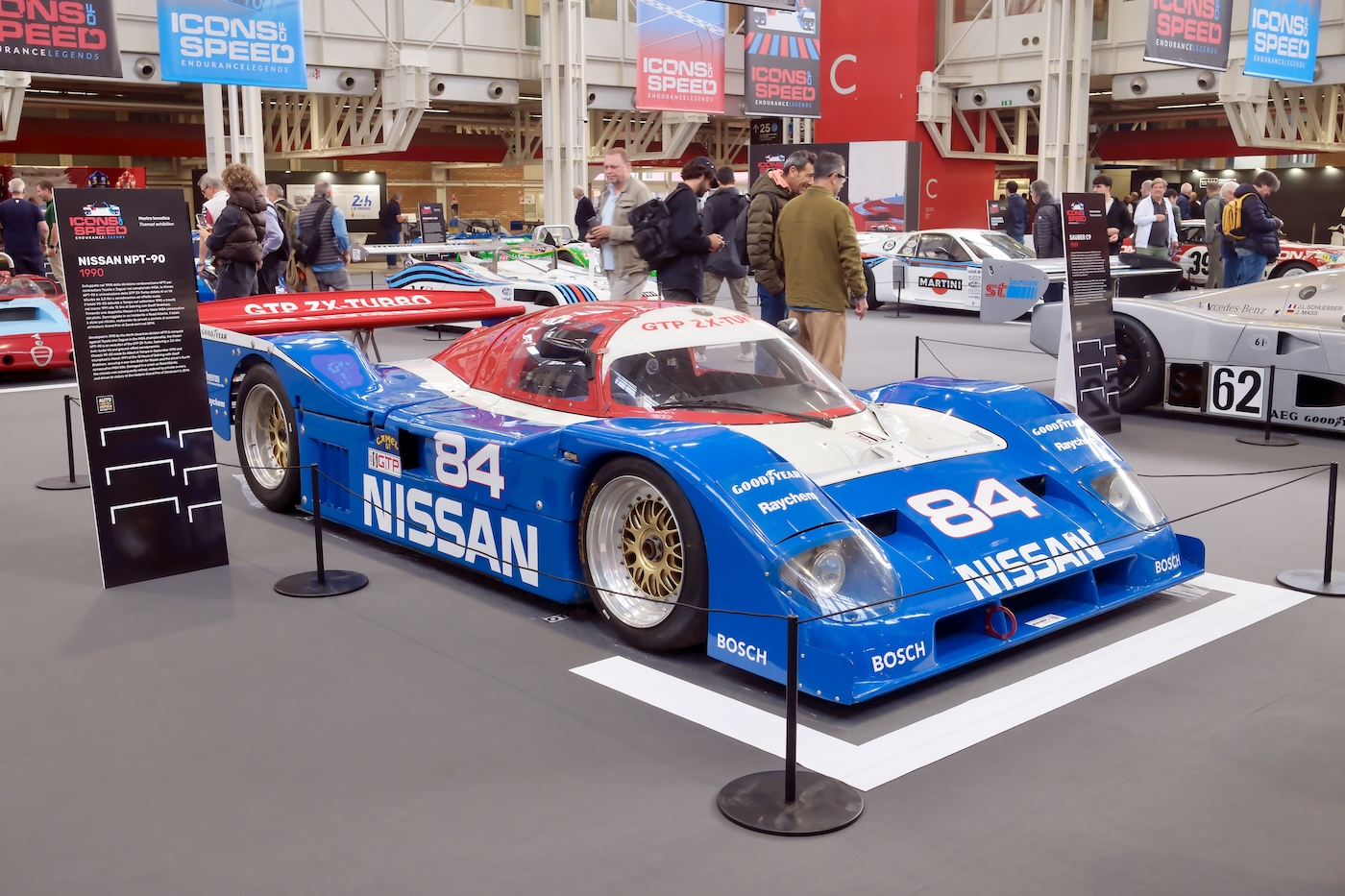
The Nissan NPT-90 was developed in 1990 by the North American division of NPT for the IMSA championship to compete against the likes of Jaguar and Toyota. This example is chassis 90-03 and was driven by Geoff Brabham to first place at the 1991 12 Hours of Sebring.
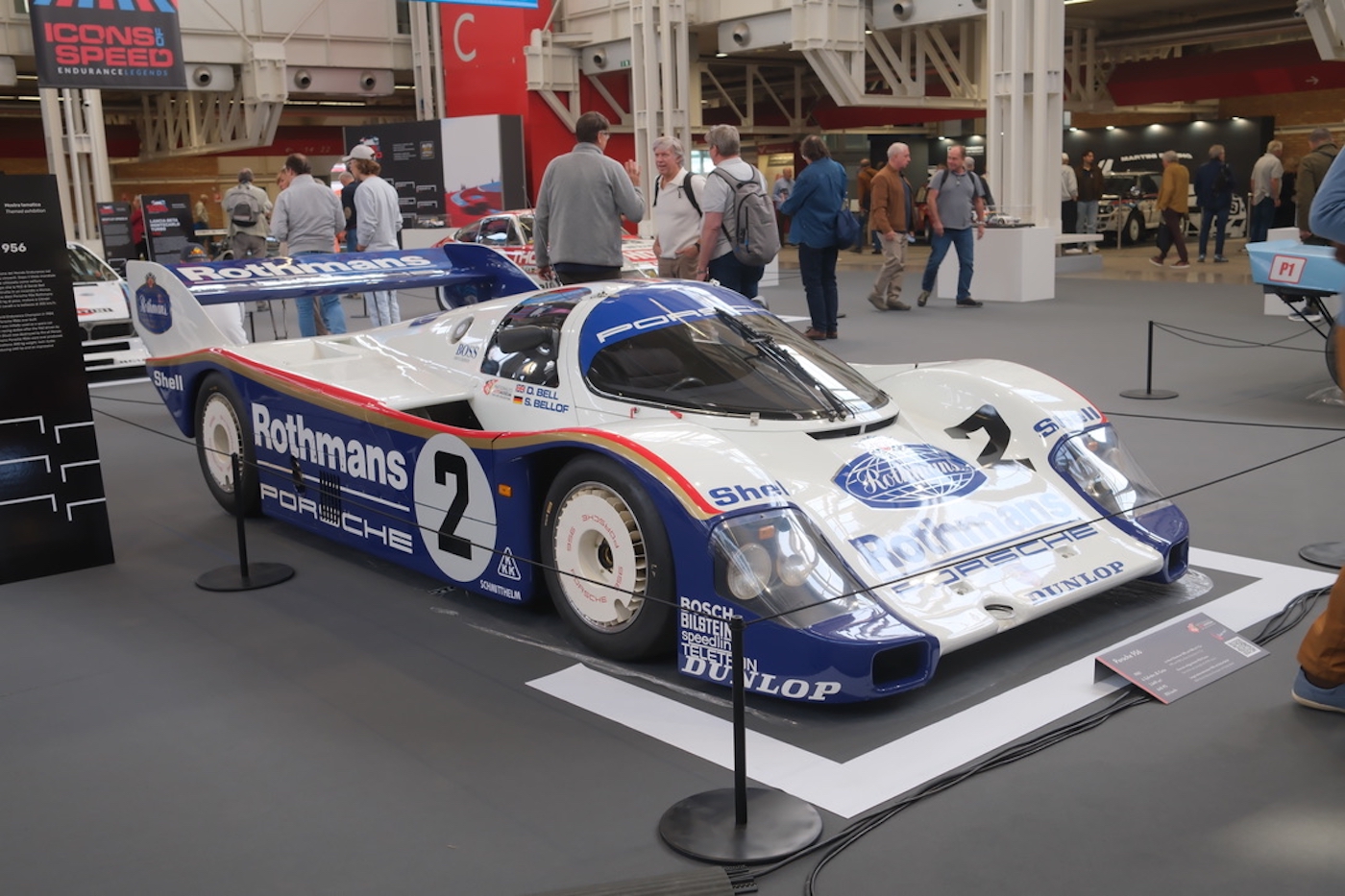
1983 Porsche 956, chassis 956-009 is the most successful of all the 956s built, taking Derek Bell and Stefan Bellof to seven victories in eleven races, and helping Stefan Bellof secure the 1984 World Championship title.
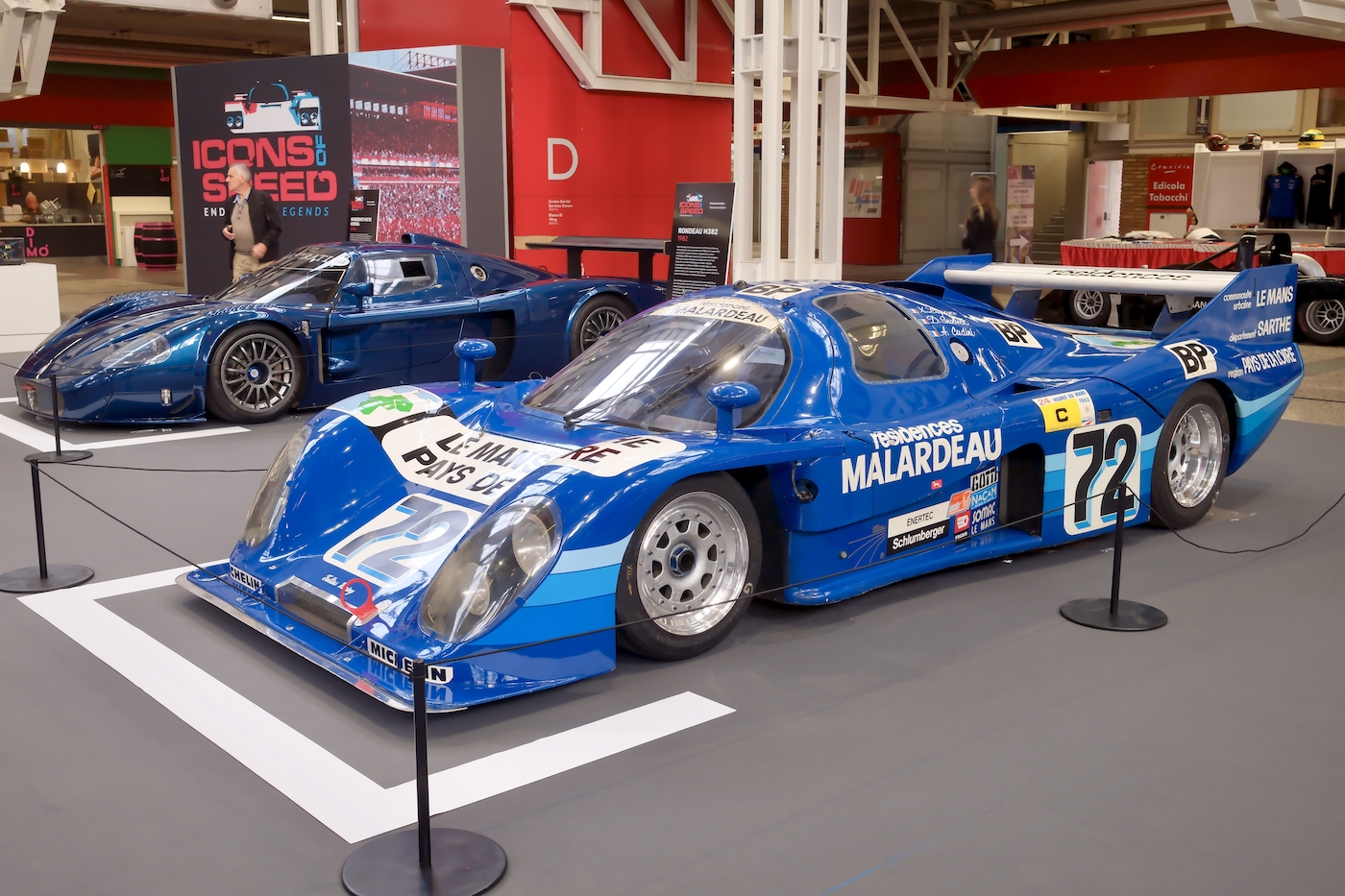
Jean Rondeau remains the only person (so far) to have won the 24 Hours of Le Mans as both a driver and constructor, securing victory in 1980 with the Rondeau 379. The Rondeau M382 was the company’s entry into the US market (IMSA category) and was constructed to allow it to be powered by both the Ford Cosworth engine and Chevrolet Chaparral units. This example is chassis number 7 which was raced by Lapeyre, Cudini and Snobeck, complete with the hand painted livery and scars from the 31 laps the chassis competed in the 24-hour race before mechanical maladies caused its retirement.
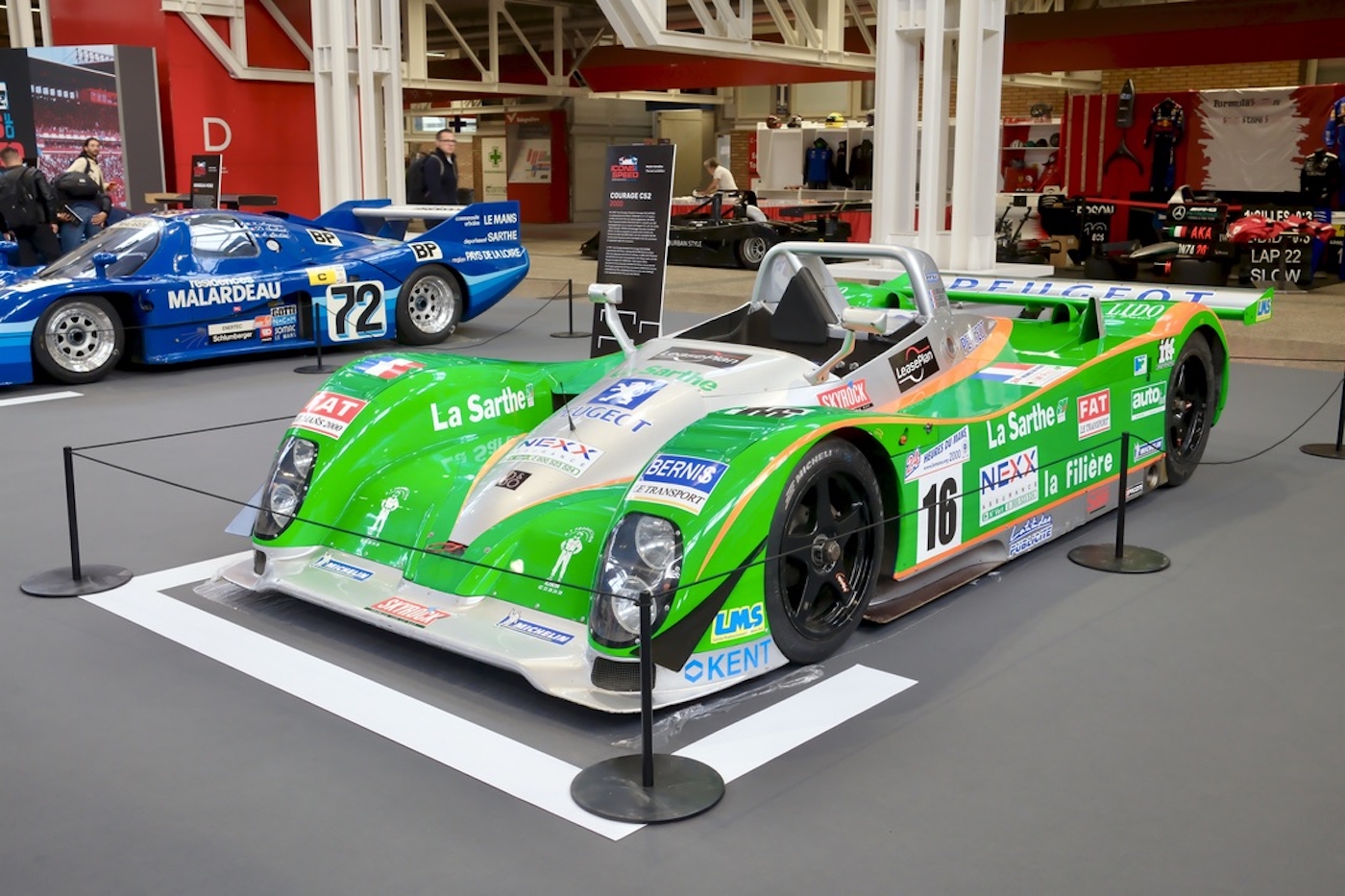
Developed in partnership with Nissan by Yves Courage in 1999, Courage C52s (LMP900) claimed 6th and 8th places at Le Mans before Nissan withdrew. In 2000 Henri Pescarolo, having founded Pescarolo Sport, purchased a C52 and fitted it with with a 3.2 Litre Peugeot motor, which in the hands of drivers Bourdas, Grouillard and Clerico placed fourth at that year’s Le Mans beaten only by the Audi R8s.
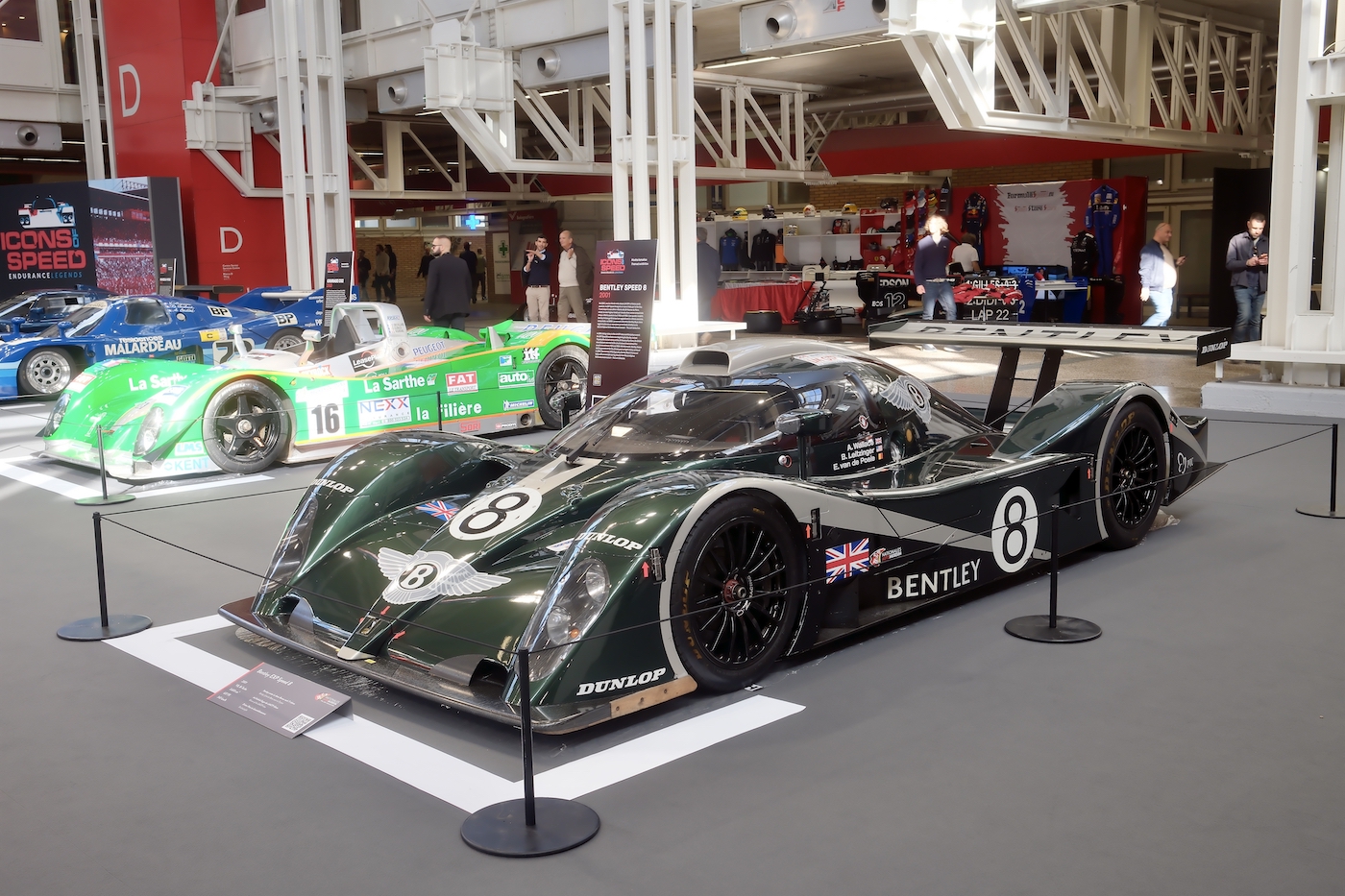
2001 Bentley Speed 8, ex-Andy Wallace, Eric Van de Poele and Butch Leitzinger.
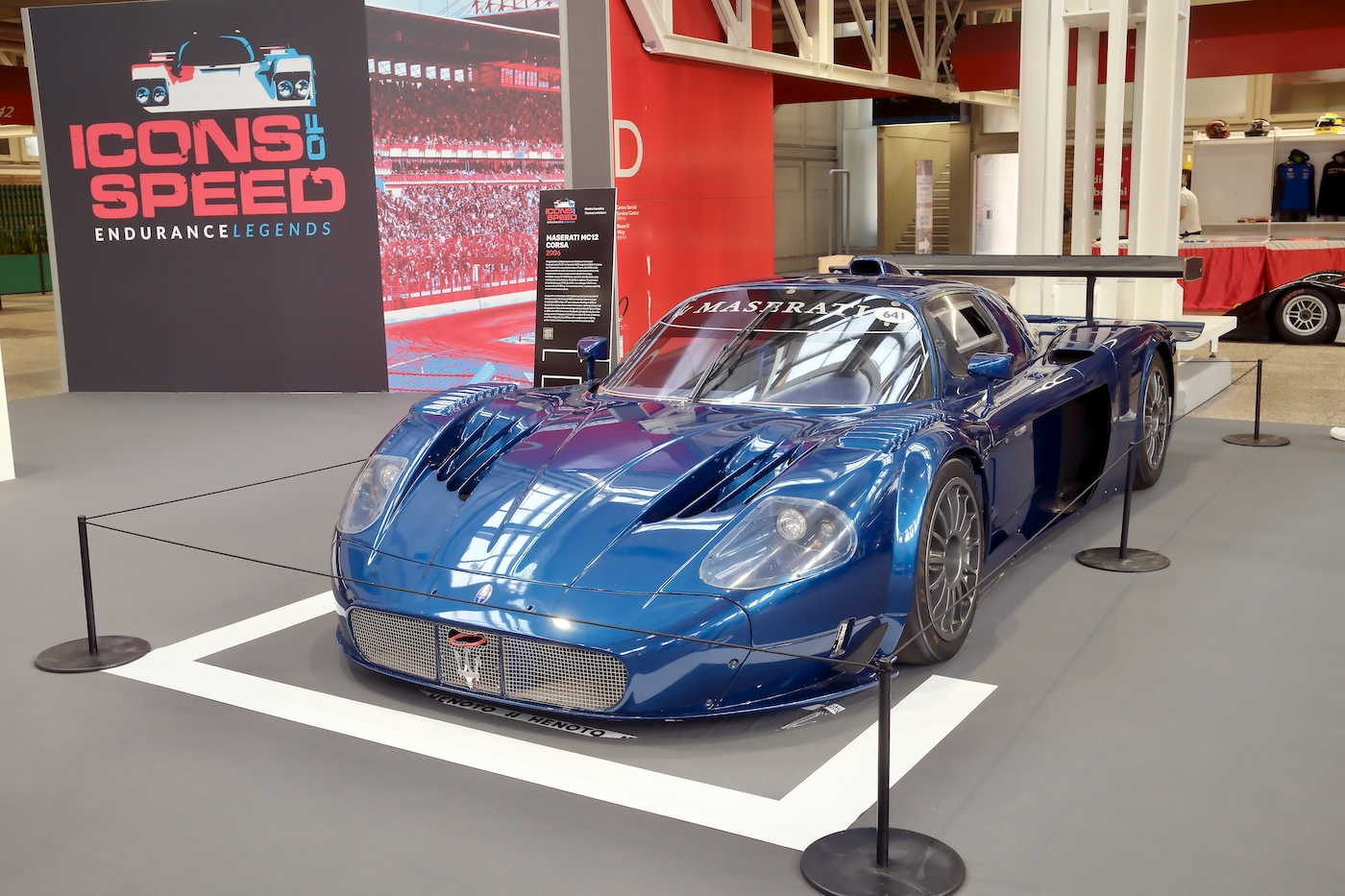
2006 Maserati MC12 Corsa, Derived directly from the race version, one of just 15 units built.
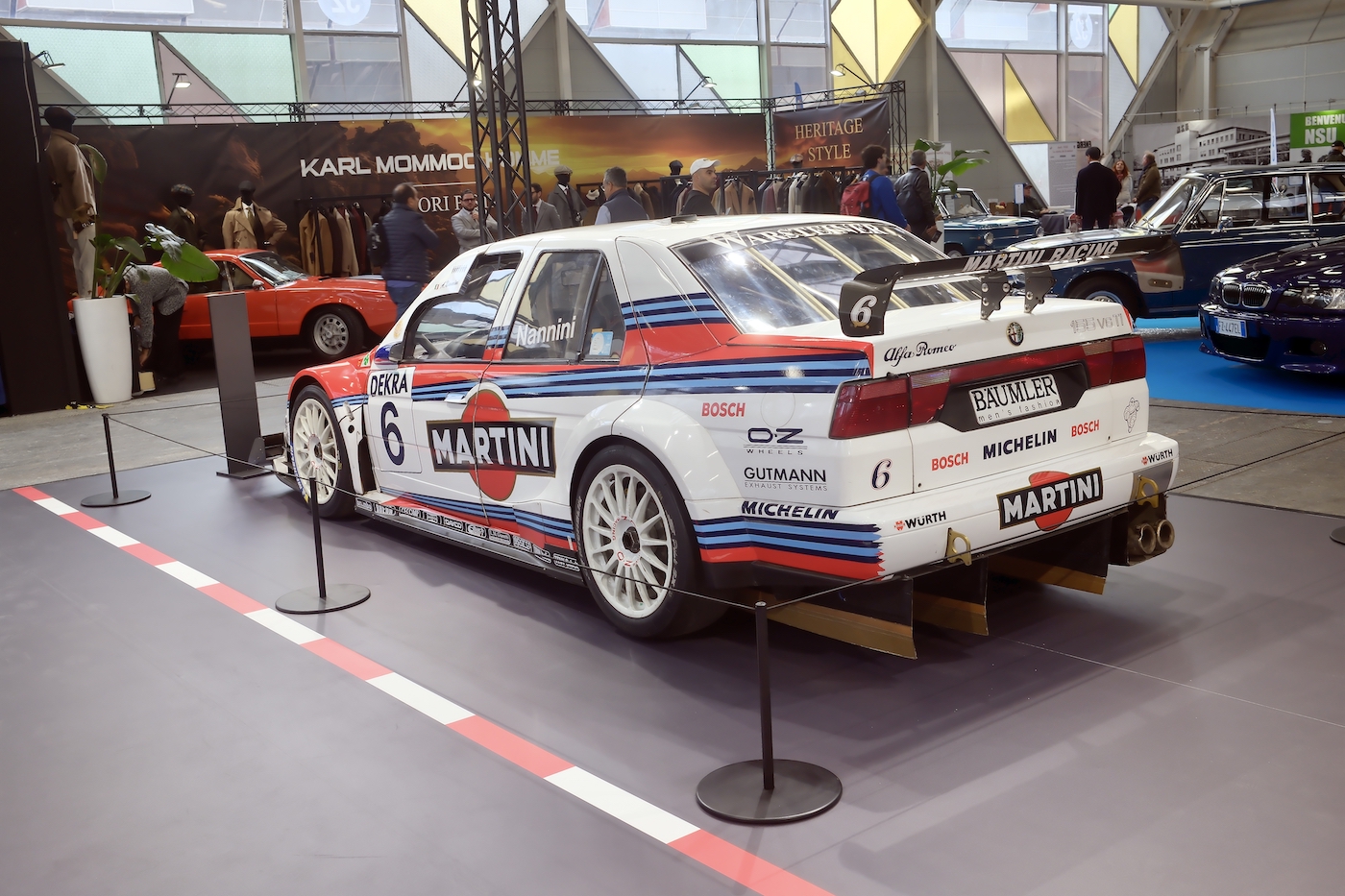
Nicola Larini’s 1996 Alfa Romeo 155 V6 Ti as used in the International Touring Championship.
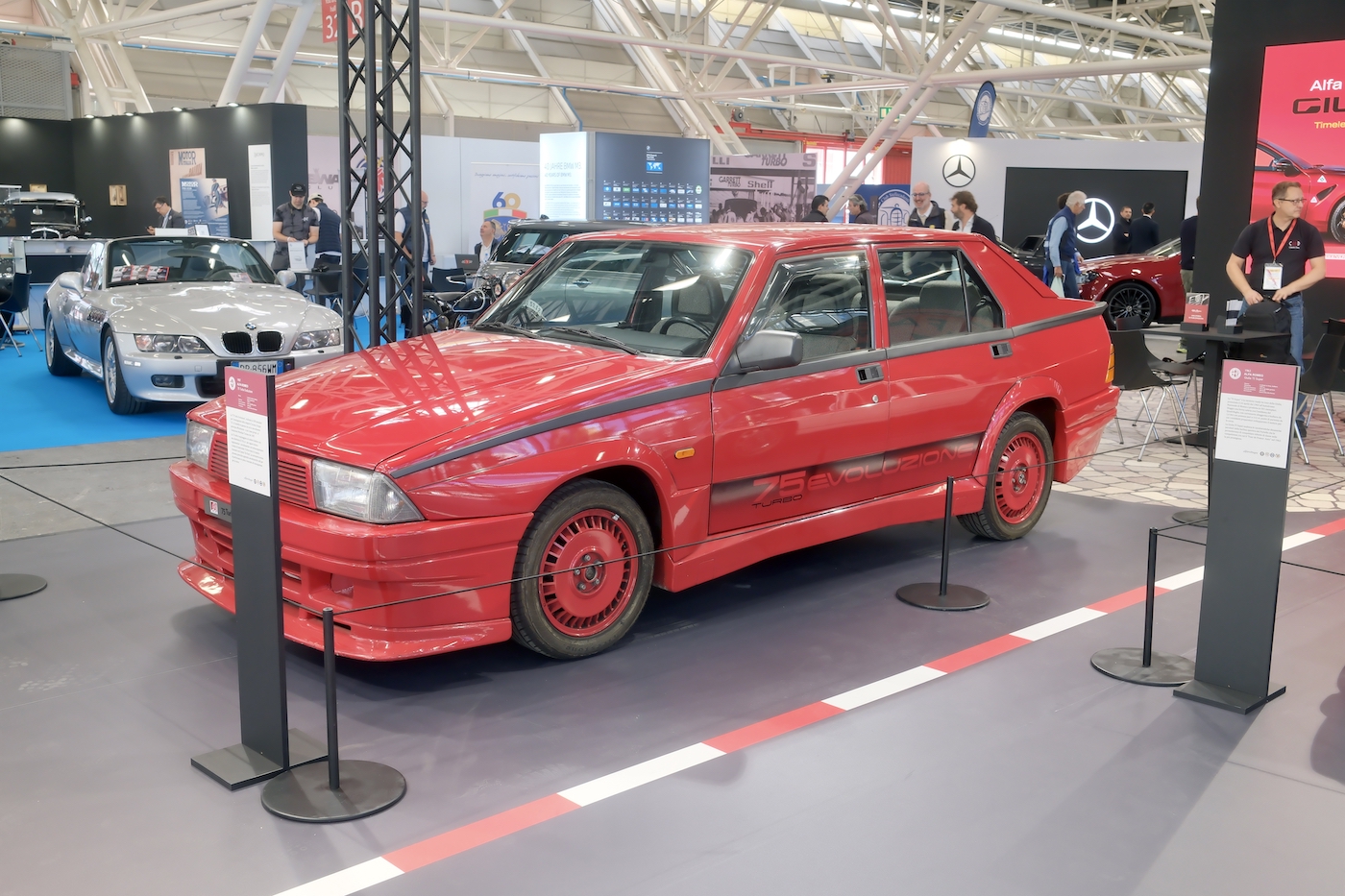
Continuing the theme Alfa Romeo celebrates the Berlina Sportiva, a 1987 75 Turbo Evoluzione, one of 500 examples built to obtain Group A homologation to allow both the works team and privateer teams to compete in the 1987 World Touring Car Championship.
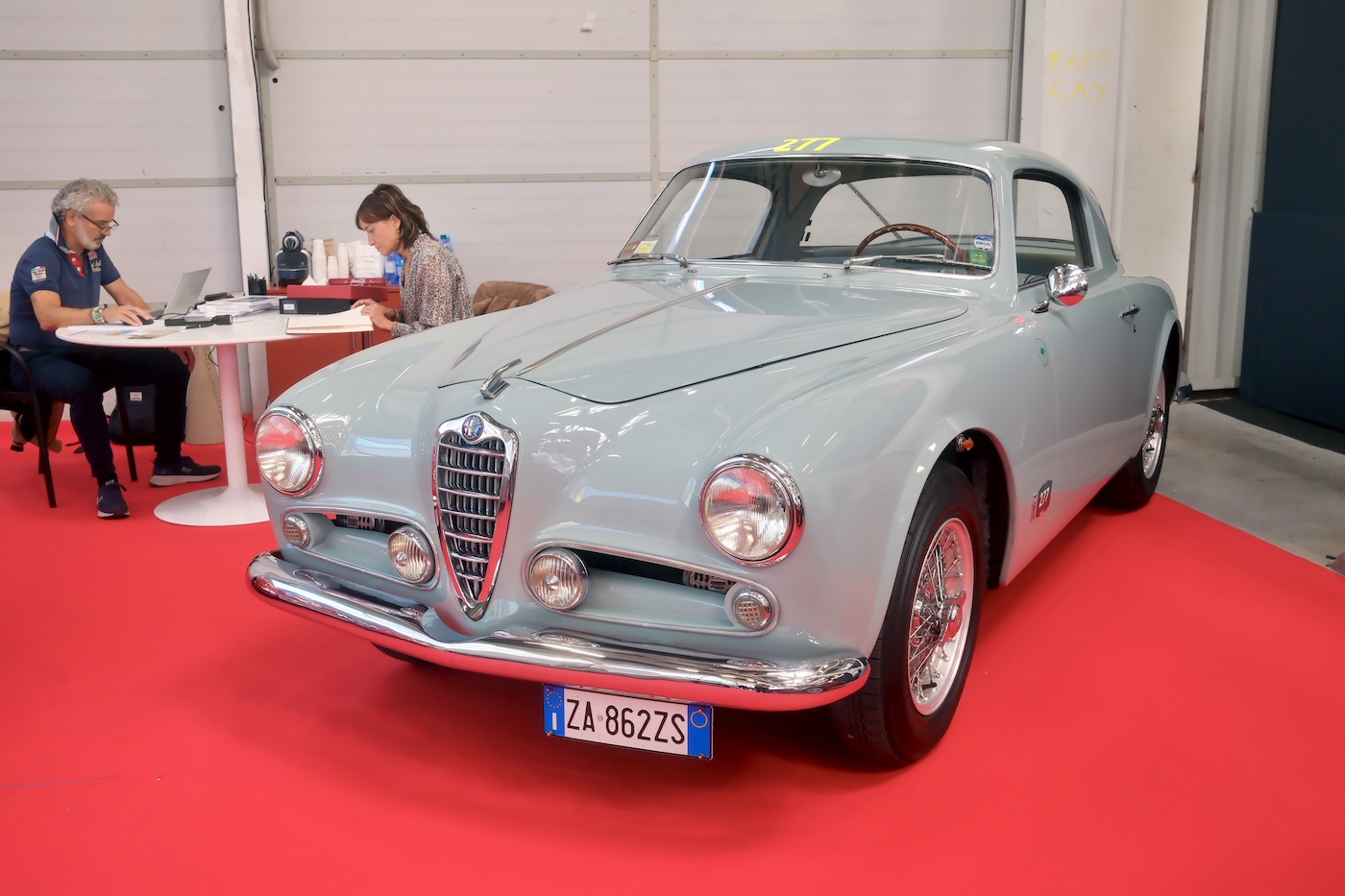
1953 Alfa Romeo 1900 Super Sprint by Pinin Farina, chassis AR1900C 01645.
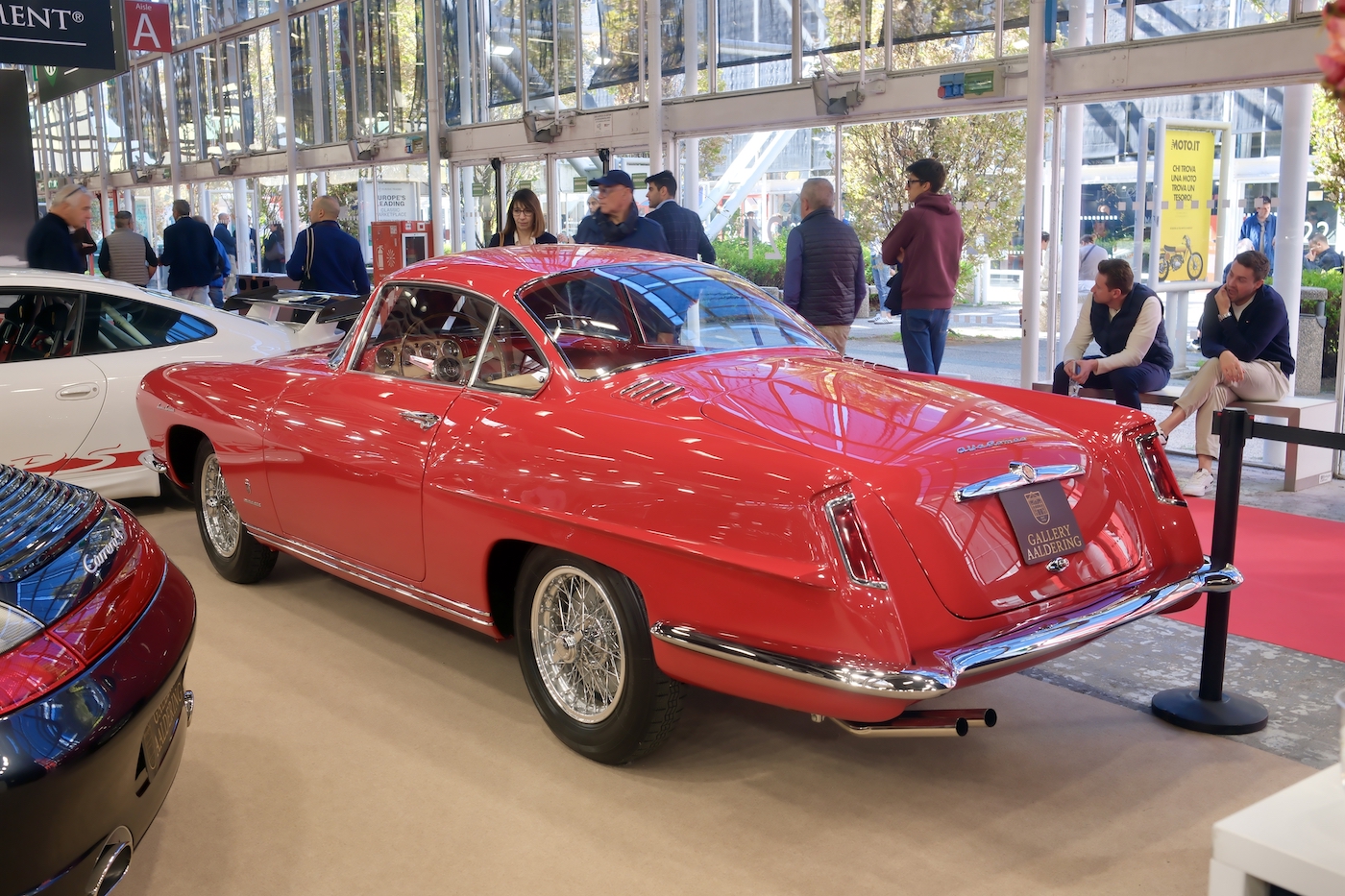
1954 Alfa Romeo 1900C Sprint Coupe, one of ten examples bodied by Ghia.
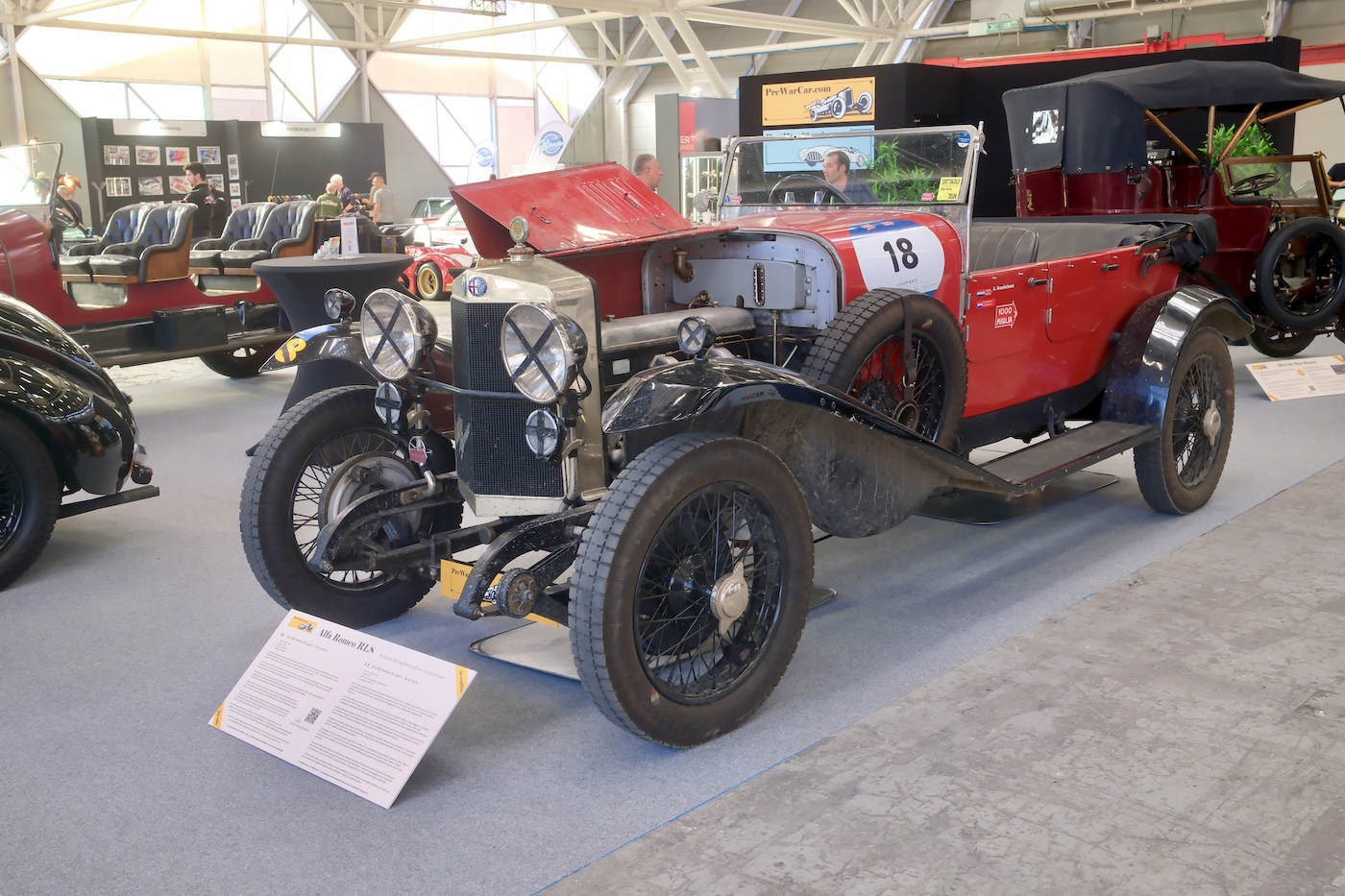
1923 Alfa Romeo RL Sport-Third Series. Chassis 7639S was originally exported as a rolling chassis to Overseas Motors of Melbourne, Australia and then bodied locally. It was rediscovered on a farm in Victoria after the Second World War.
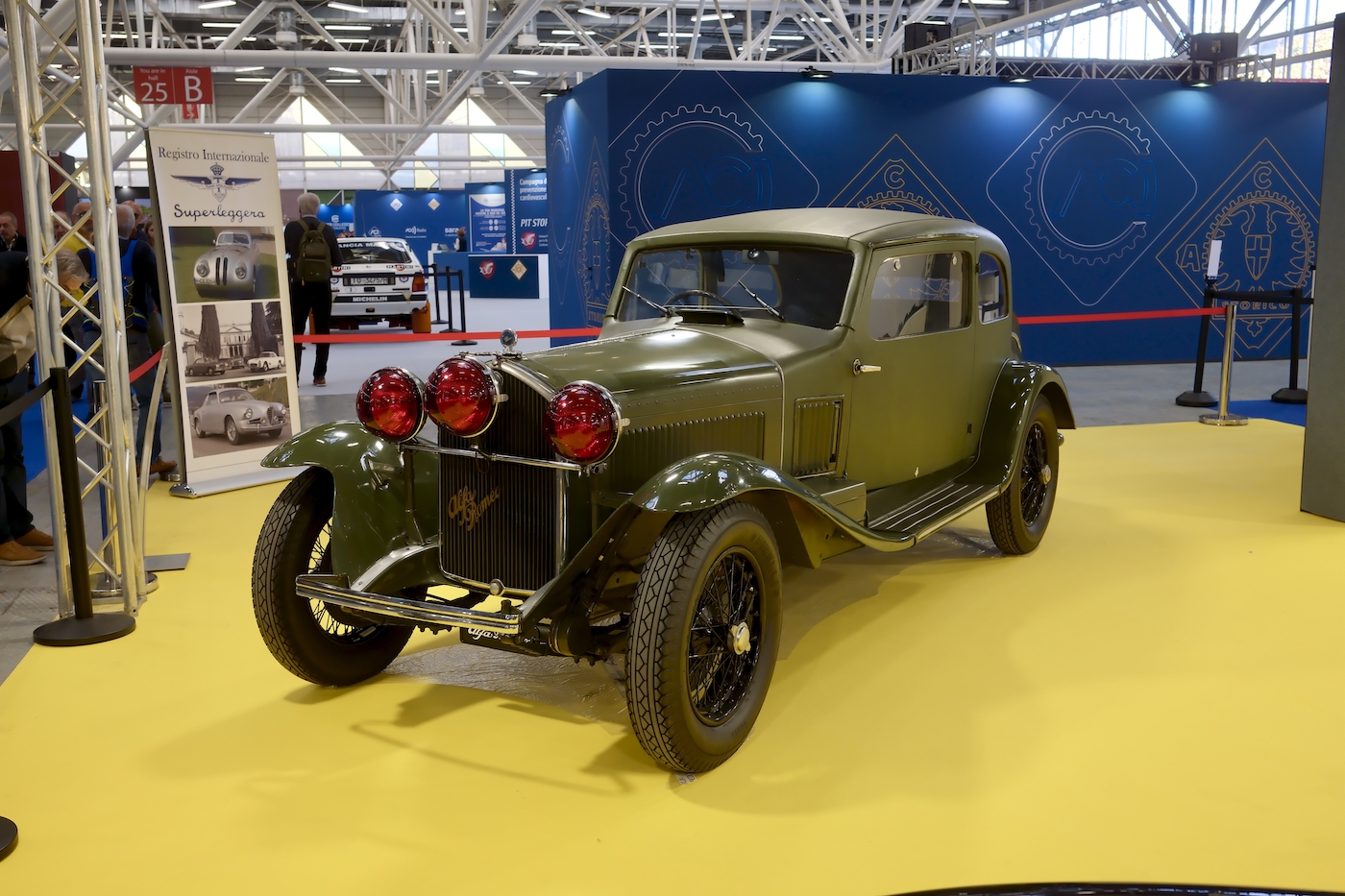
On the ‘Registro Internazionale Superleggera’ celebrating 100 years of Carrozzeria Touring Superleggera, 1931 Alfa Romeo 6C 1750GT Berlinetta Aerodinamica Tipo Millie Miglia. Built using the Weymann system and the only survivor of two, possibly three, examples built. First in class and 17th overall in the 1933 Millie Miglia, never restored and showing just 24,000 km since new.
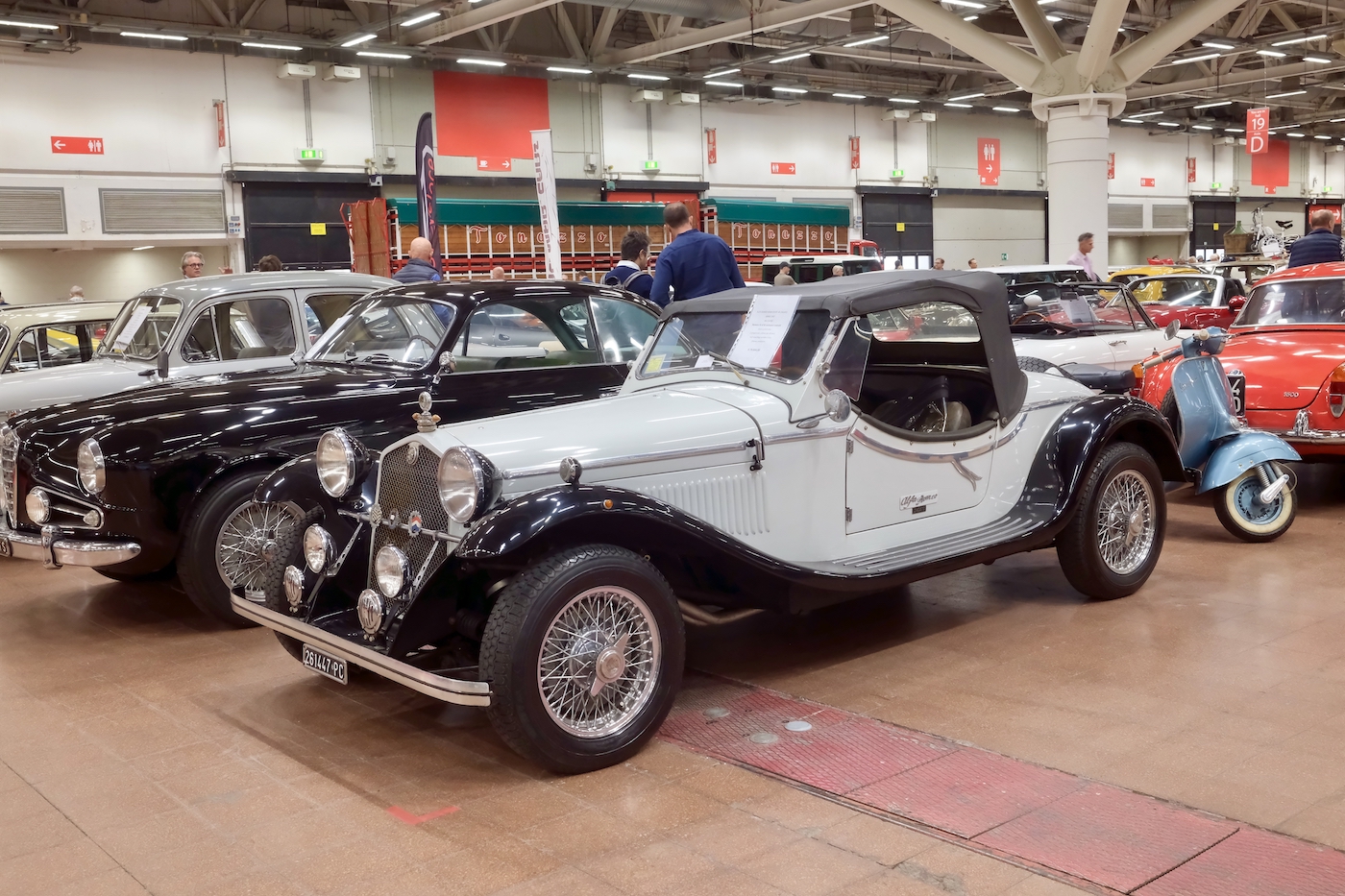
1967 Alfa Romeo Gran Sport 4R Zagato, number 56. Originally conceived by the Italian motoring magazine Quattroroute.
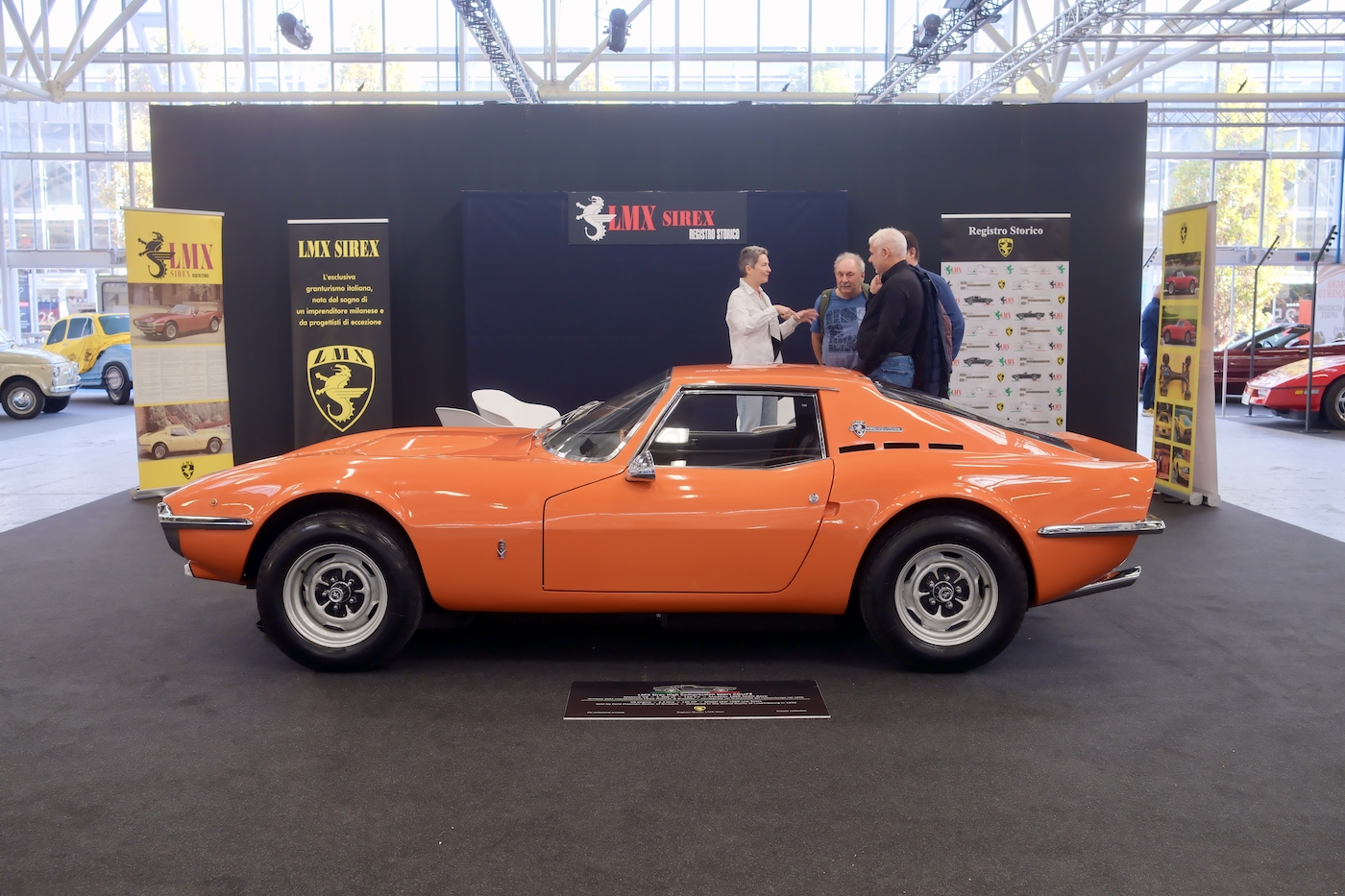
Not something I had seen before so I pinged VT’s own Gary Axon a shot of it and he straight away came back with make, model and engine detail. In a nutshell, this is an LMX Sirex. Back in the 1960s Milan born Giovanni Mandell and French born (but with Argentine roots) Michel Liprandi decided to make their dream. Mandelli was a director of a famous toy shop in Galleria Manzoni and Liprandi was an engineer who specialised in fibreglass cars having already worked with Abarth, De Tomaso, and Osca. The pair had first met in a Milan nightclub and upon becoming friends decided to build their own GT car. Once the general guidelines had been established they formed ‘Linea Moderna Executive’ (LMX). Their initial sketches for the Sirex were finesed by Franco Scaglione and the model was built by Eurostyle in Turin. Power was provided by a 2.3L V6 from a Ford Taunus offering in standard form 126 bhp, but it was possible to order the Constantin supercharged model producing 180 bhp, which was later replaced by a May-Bosch turbocharger producing up to 210 bhp. It is believed that the company produced about 30 examples including two convertibles before it went into liquidation, with the remaining twenty chassis being purchased by SAMAS, a company of Ricca, Diano d’Alba who specialsed in customising off road vehicles. SAMAS completed the remaining cars, all of which featured the May-Bosch turbocharger and had different interiors, and sold them on the Swiss market under the name Sirex LMS.
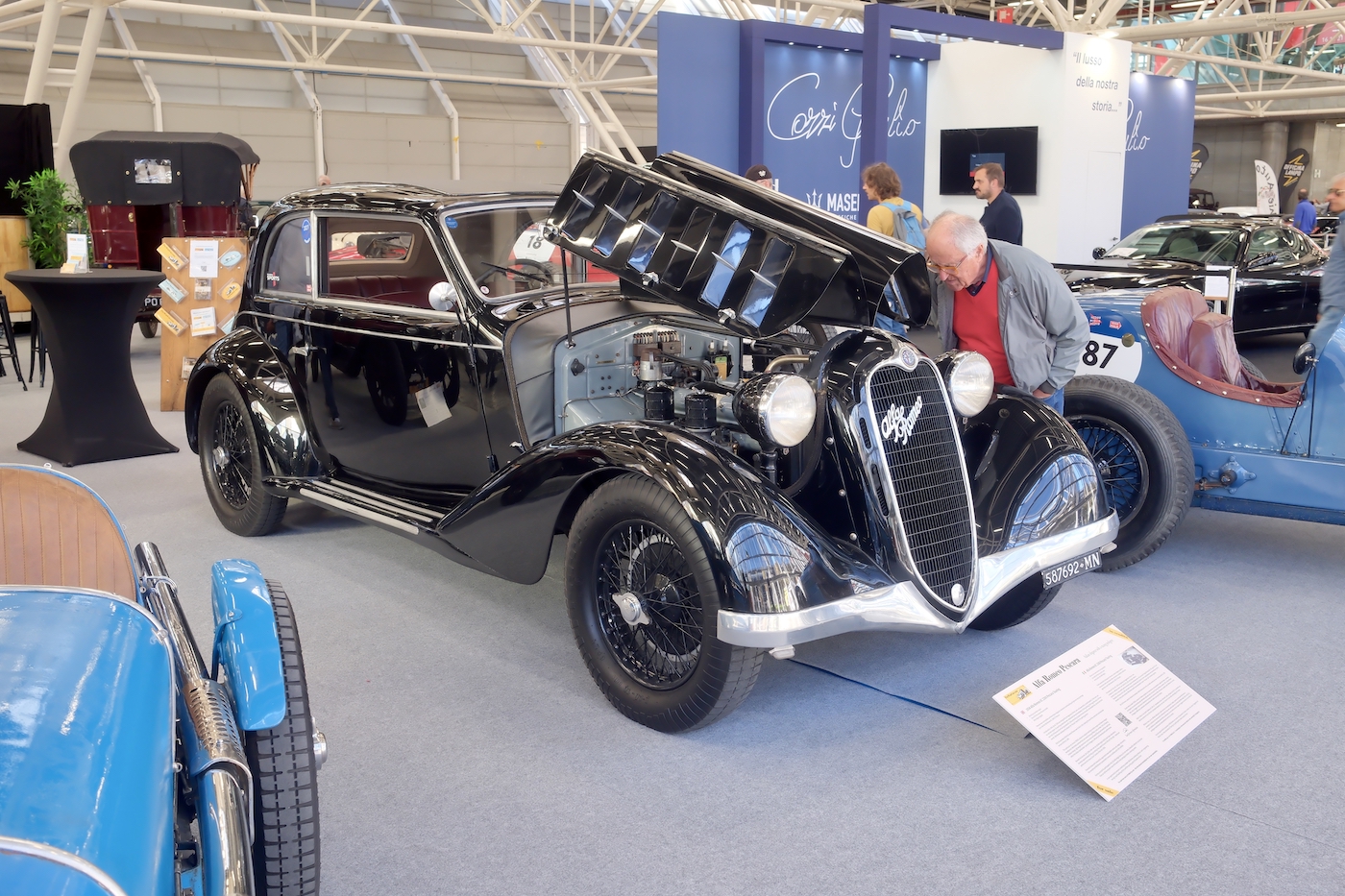
1934 Alfa Romeo 6C 2300 Pescara Touring, One of just 60 examples of the first series produced, chassis 700563 retains its original matching numbers engine and Aerodynamic Berlietta coachwork by Carrozzeria Touring of Milan, body number 1749.
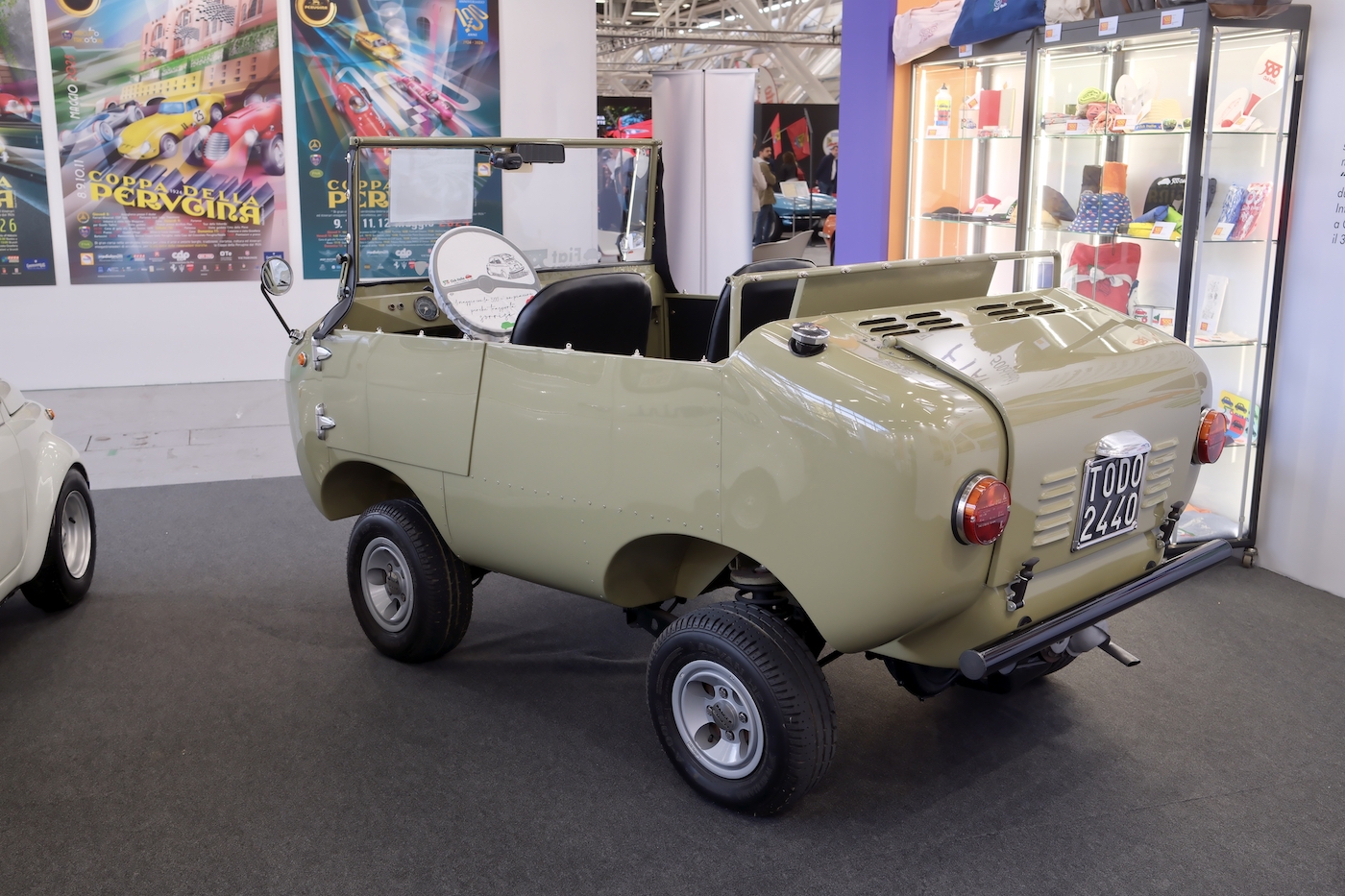
Based around a Fiat 500, a 1970 Ferves Ranger.
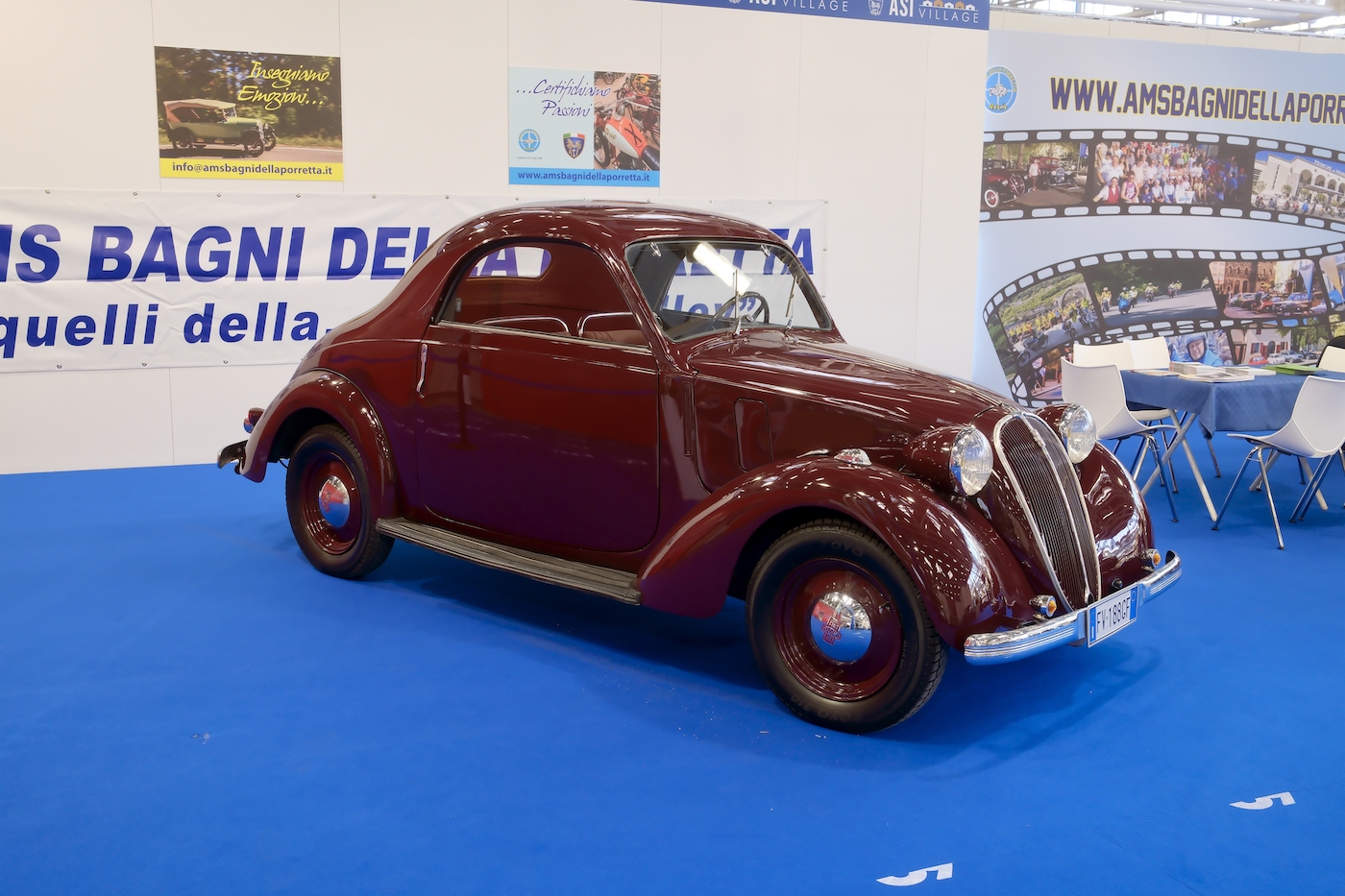
I was unable to learn anything about this rather lovely Simca Fiat. Maybe our readers can shed some light as to the coachwork etc.
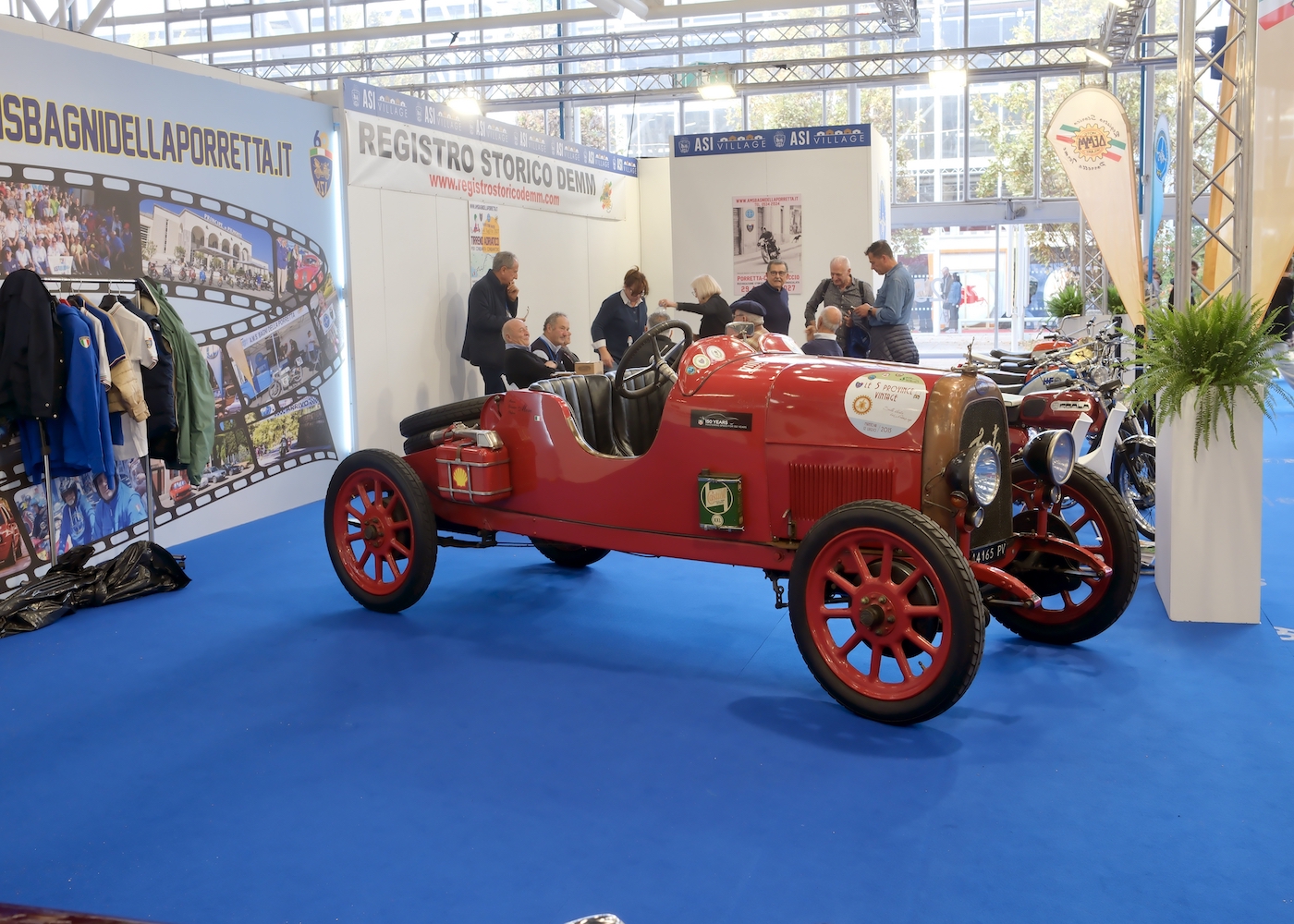
I was unable to ascertain much about this Fiat but a quick trip to Google AI tells me it is a 1926 Fiat 501 Sport (or Corsa Biposta). Or is it?
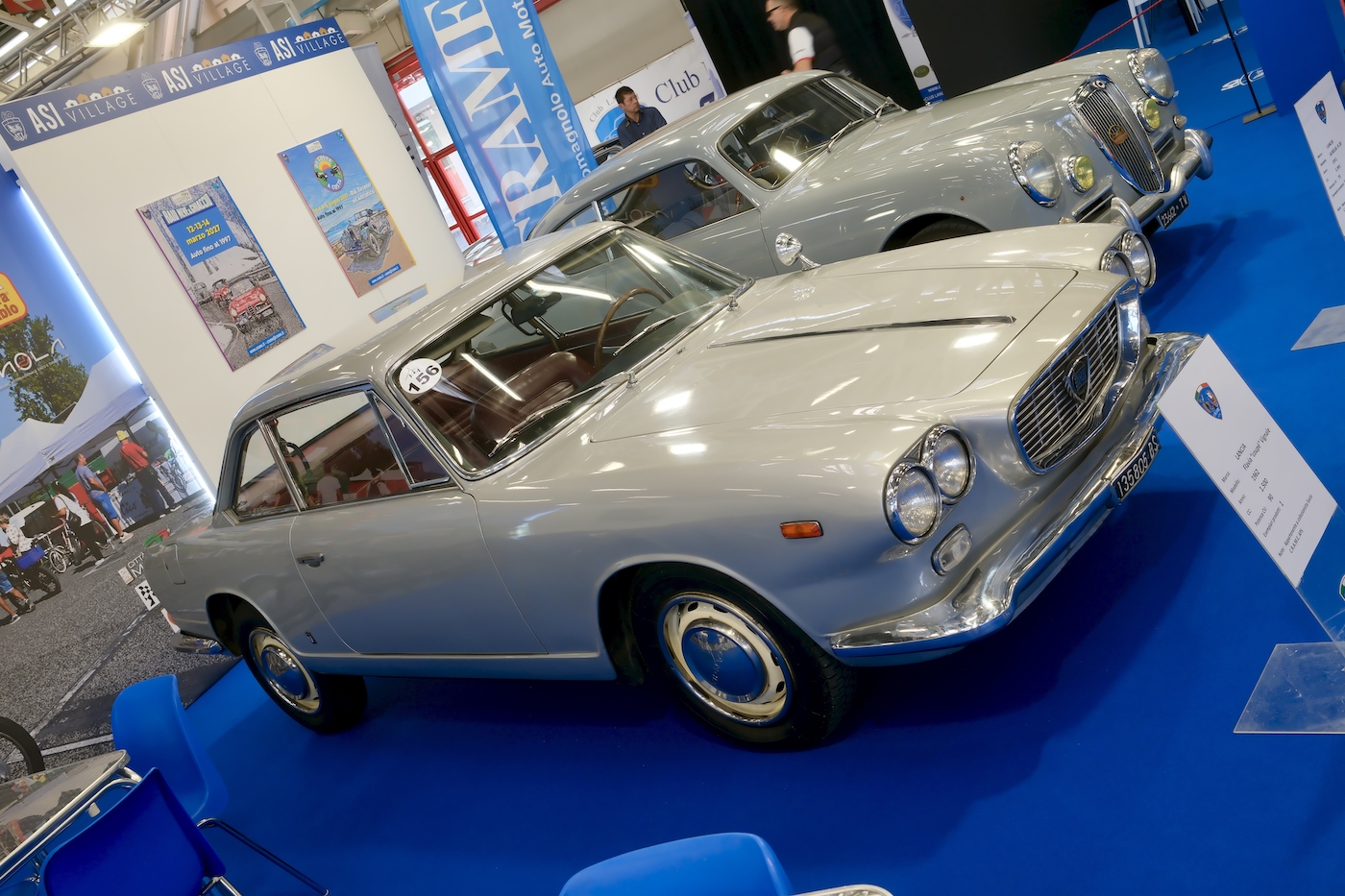
Just a little bit different to your usual Lancia Flavia. Listed on the placard as a 1962 Flavia Coupe by Vignale, A unique example.
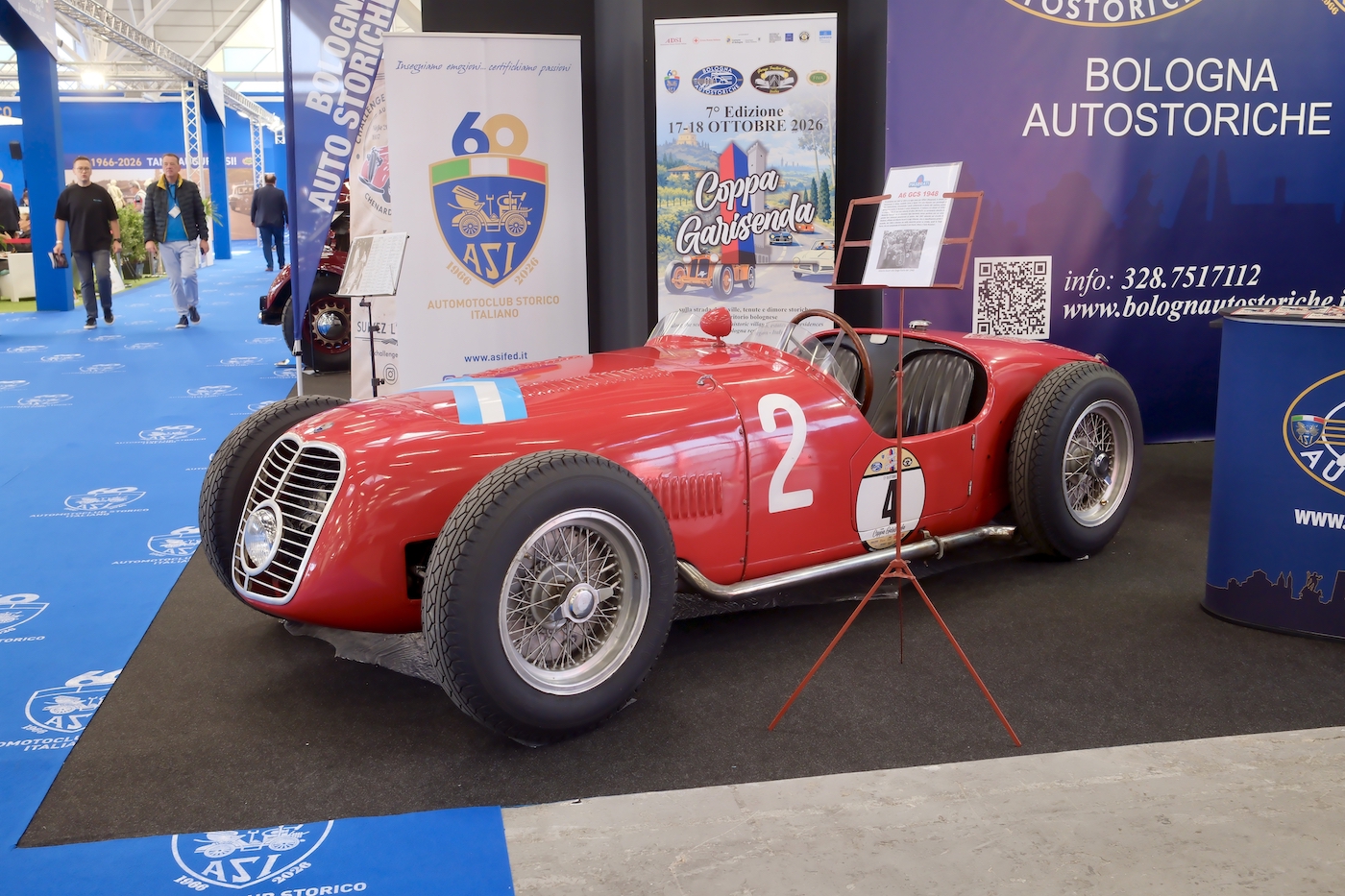
1948 Maserati A6 GCS, ex-Juan Manuel Fangio 1949 Gran Premio di Roma.
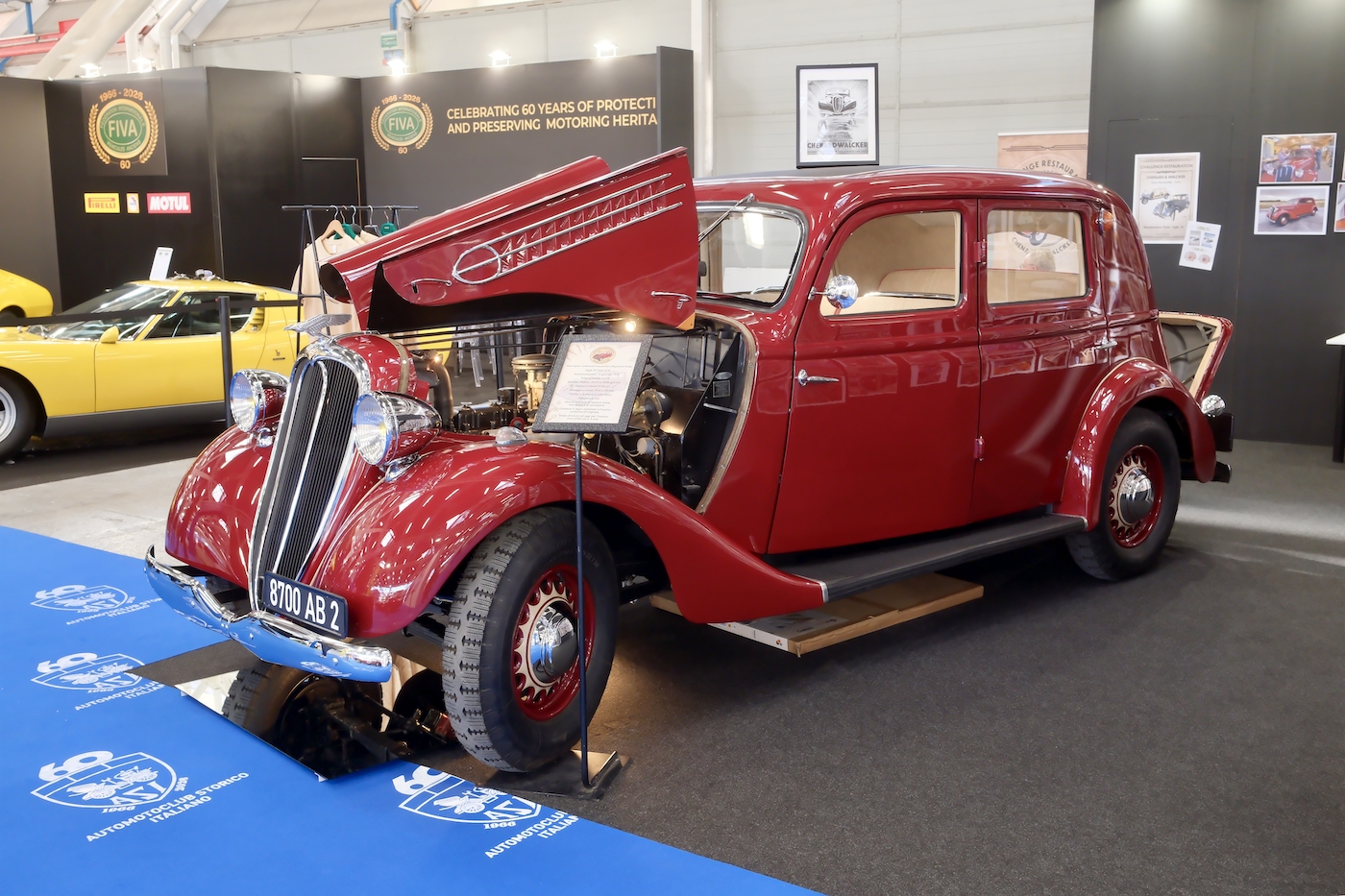
Not every car at the show was Italian, this 1937 Chenard & Walcker Aigle 22 from France being a case in point.
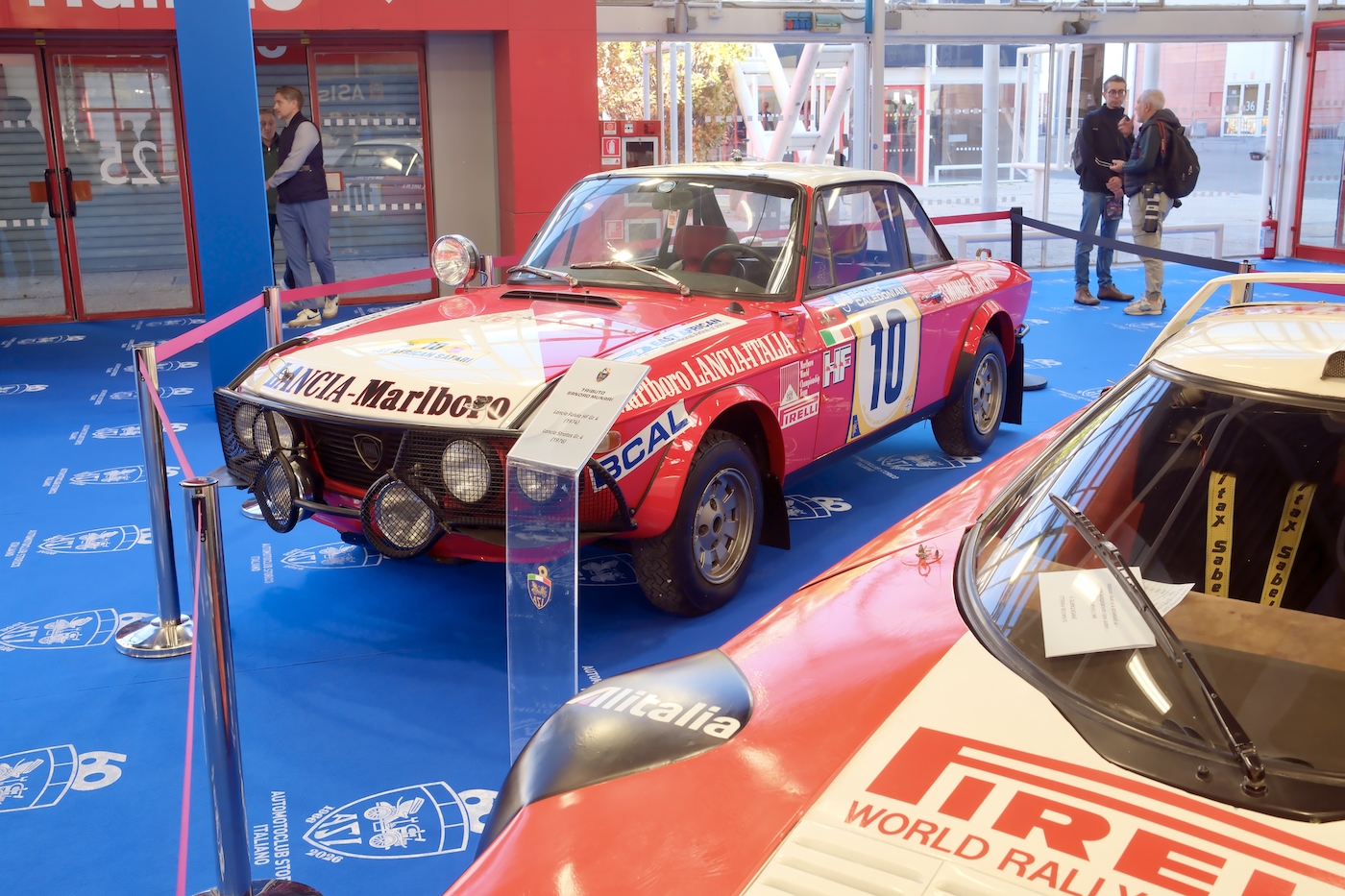
Two special cars in celebration of Sandro Munari, 1974 Lancia Fulvia HF Group 4 …
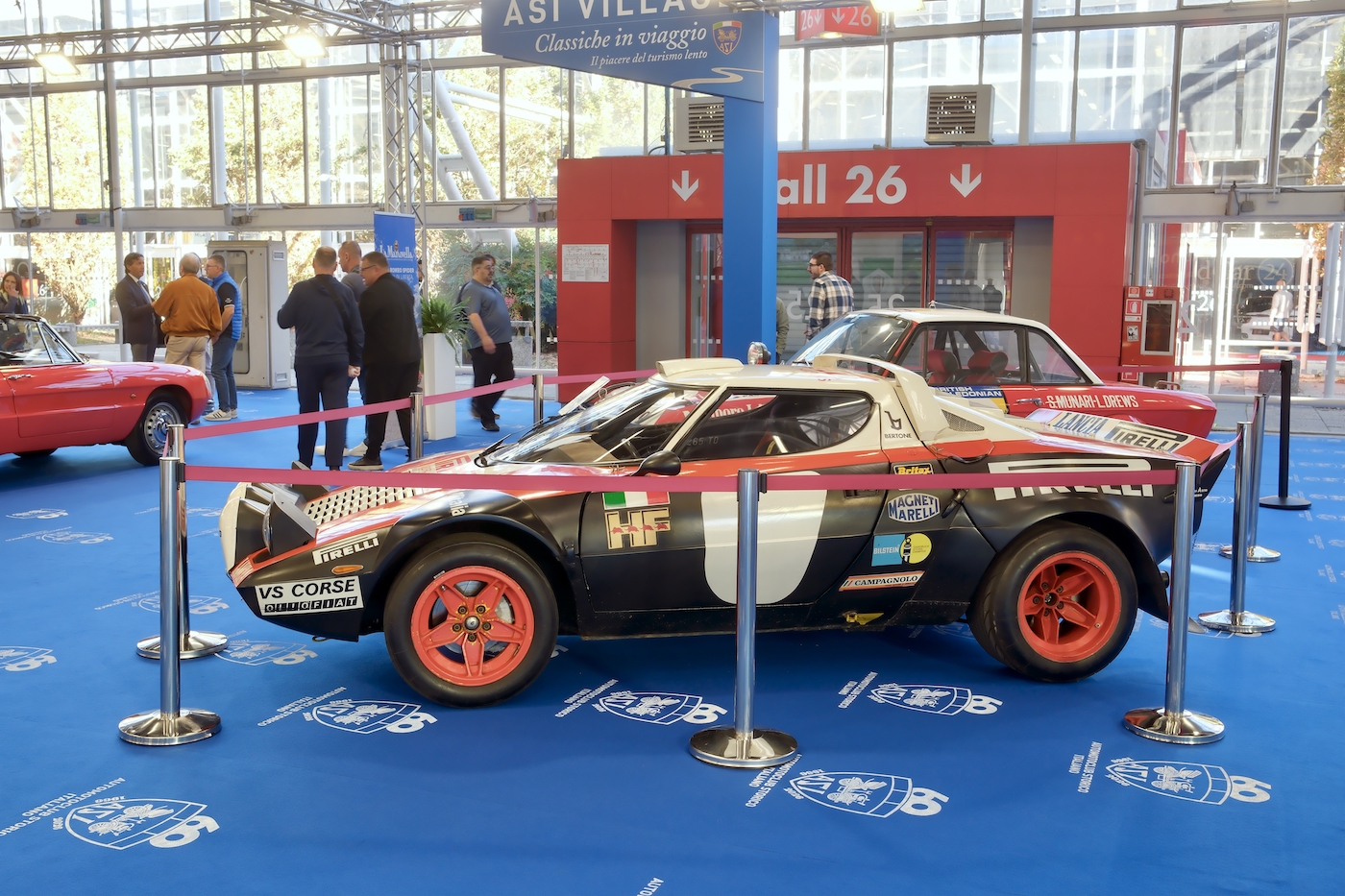
…and a 1976 Group Four Lancia Stratos.
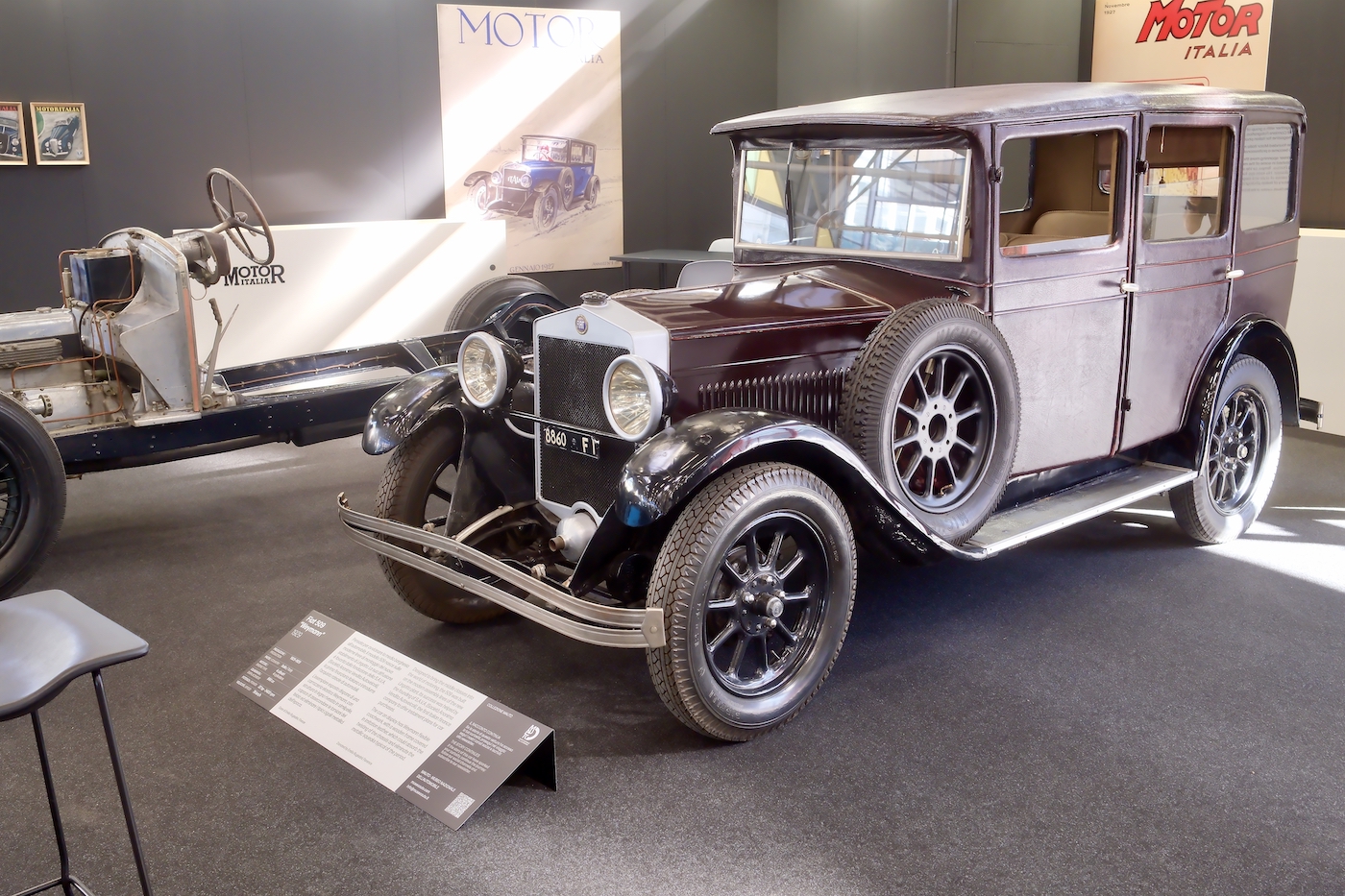
Dating from 1929, this Lingotto-built Fiat 509 was built with a Weymann body which combines a wooden frame covered in an imitation leather, which was designed to absorb the twisting of the chassis, thus reducing the metallic squeaks typical of the period.
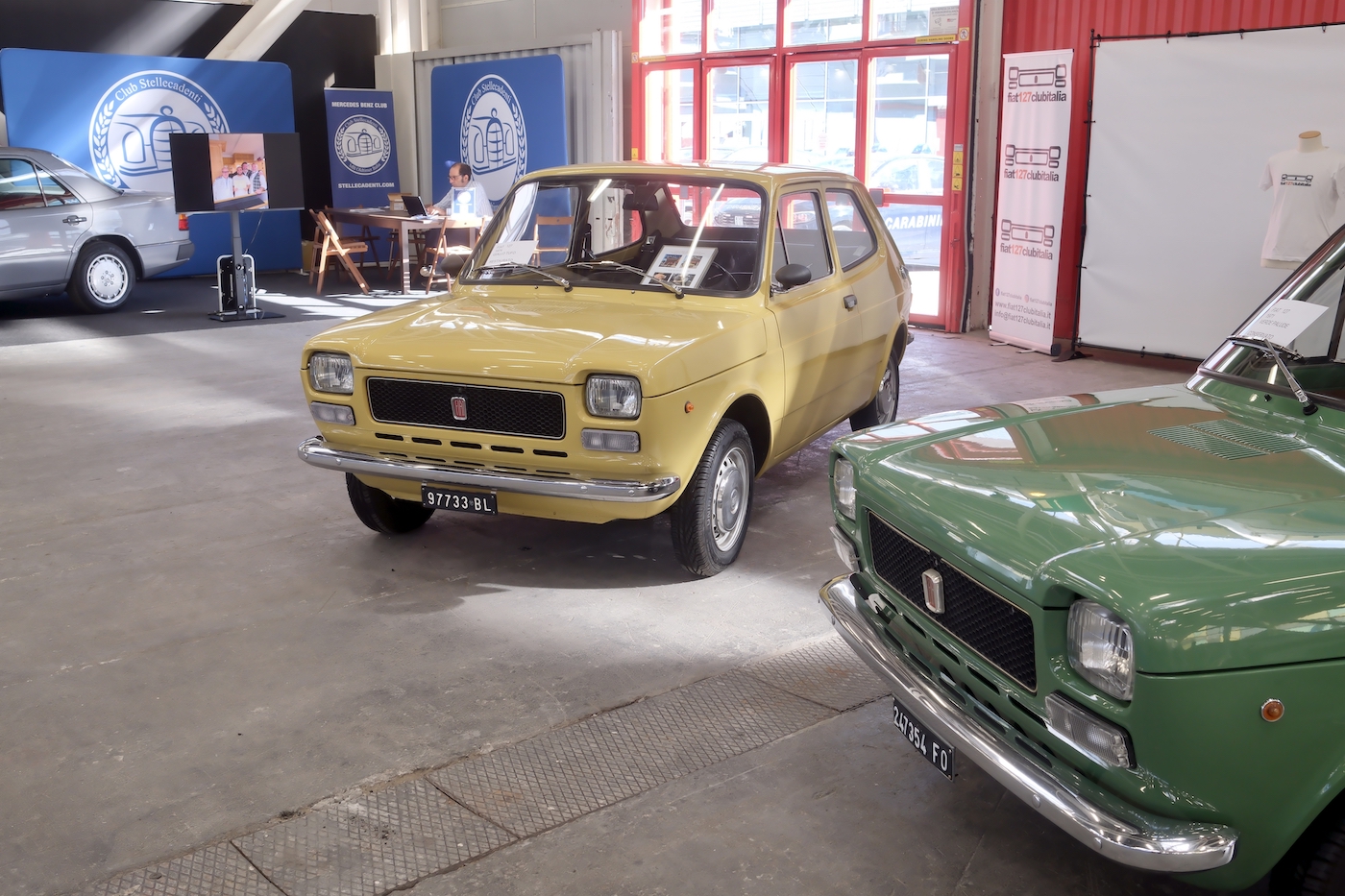
When was the last time you saw one of these on the road? Two absolutely cracking Fiat 127s, the yellow one was listed as restored, the green example preserved.
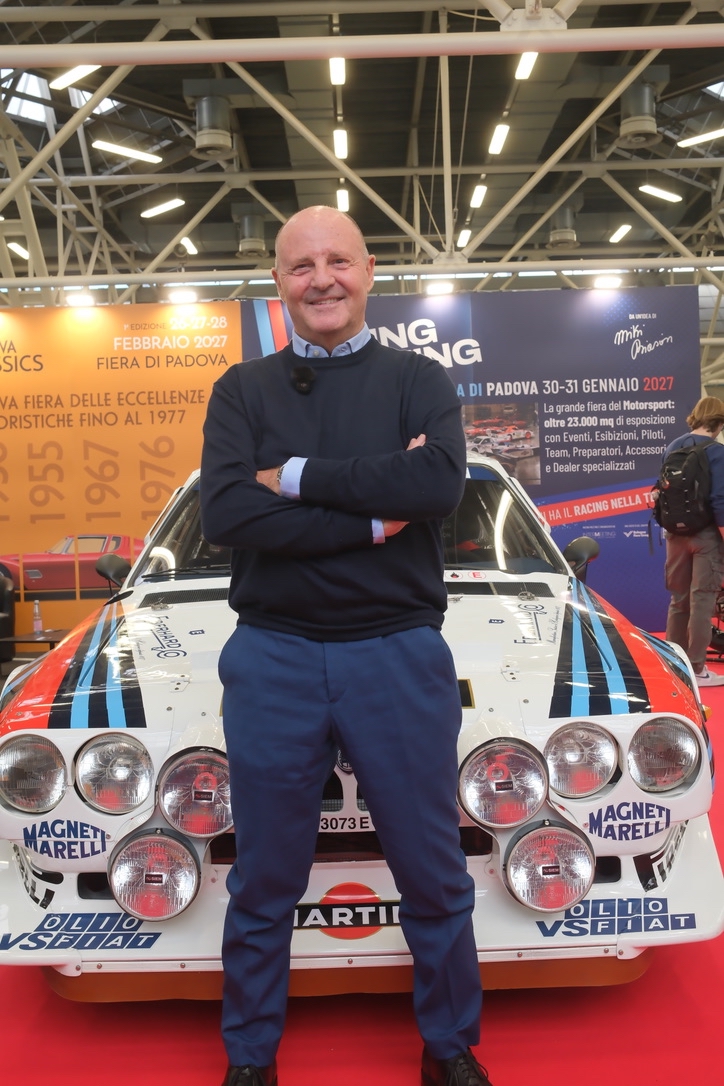
On display to promote two new shows taking place in Padova early next year, an ex Miki Biasion Lancia Delta S4 and an ex Markku Alen Lancia 037. Miki Biasion stands in front of the S4.
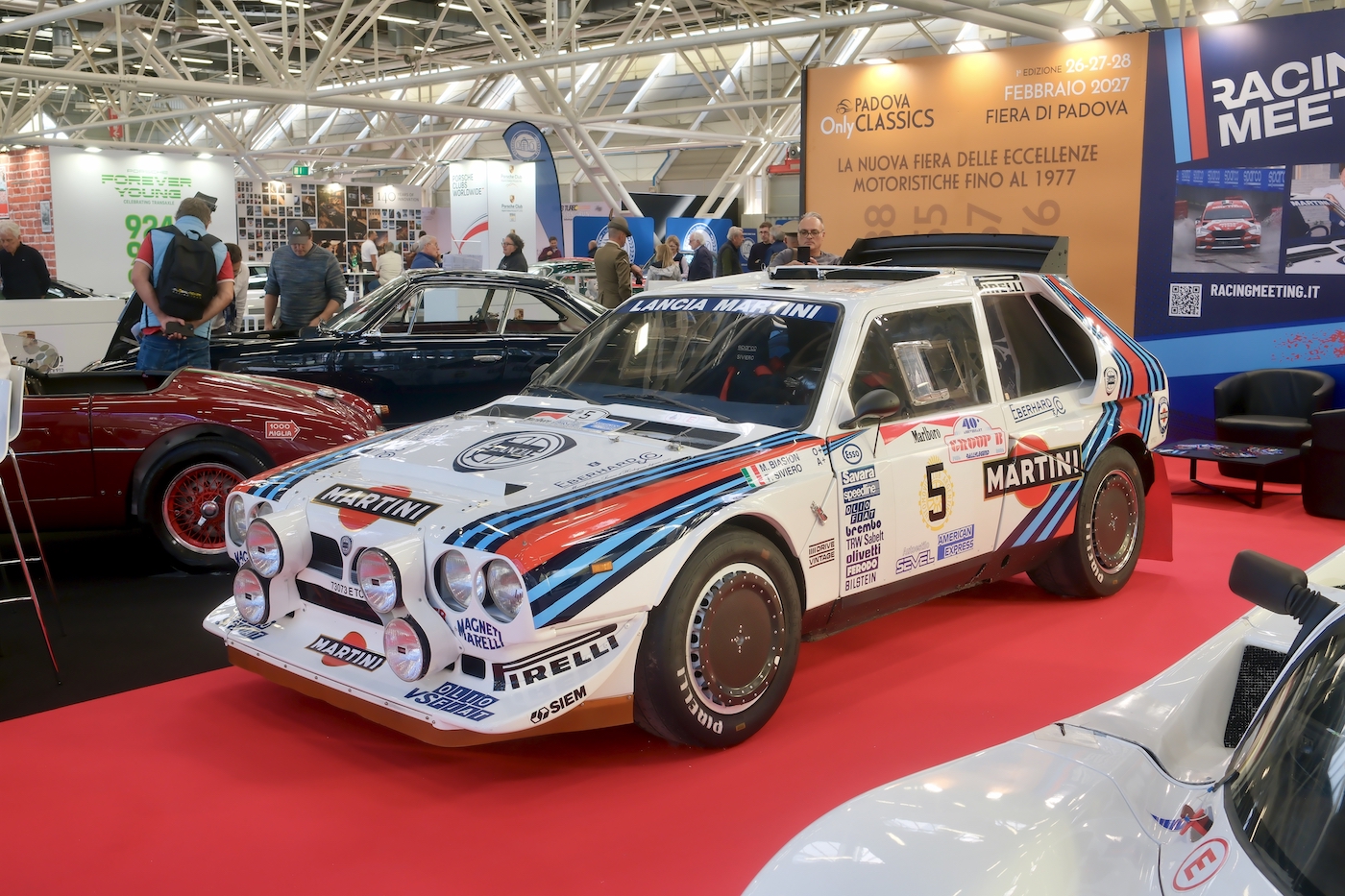
The S4
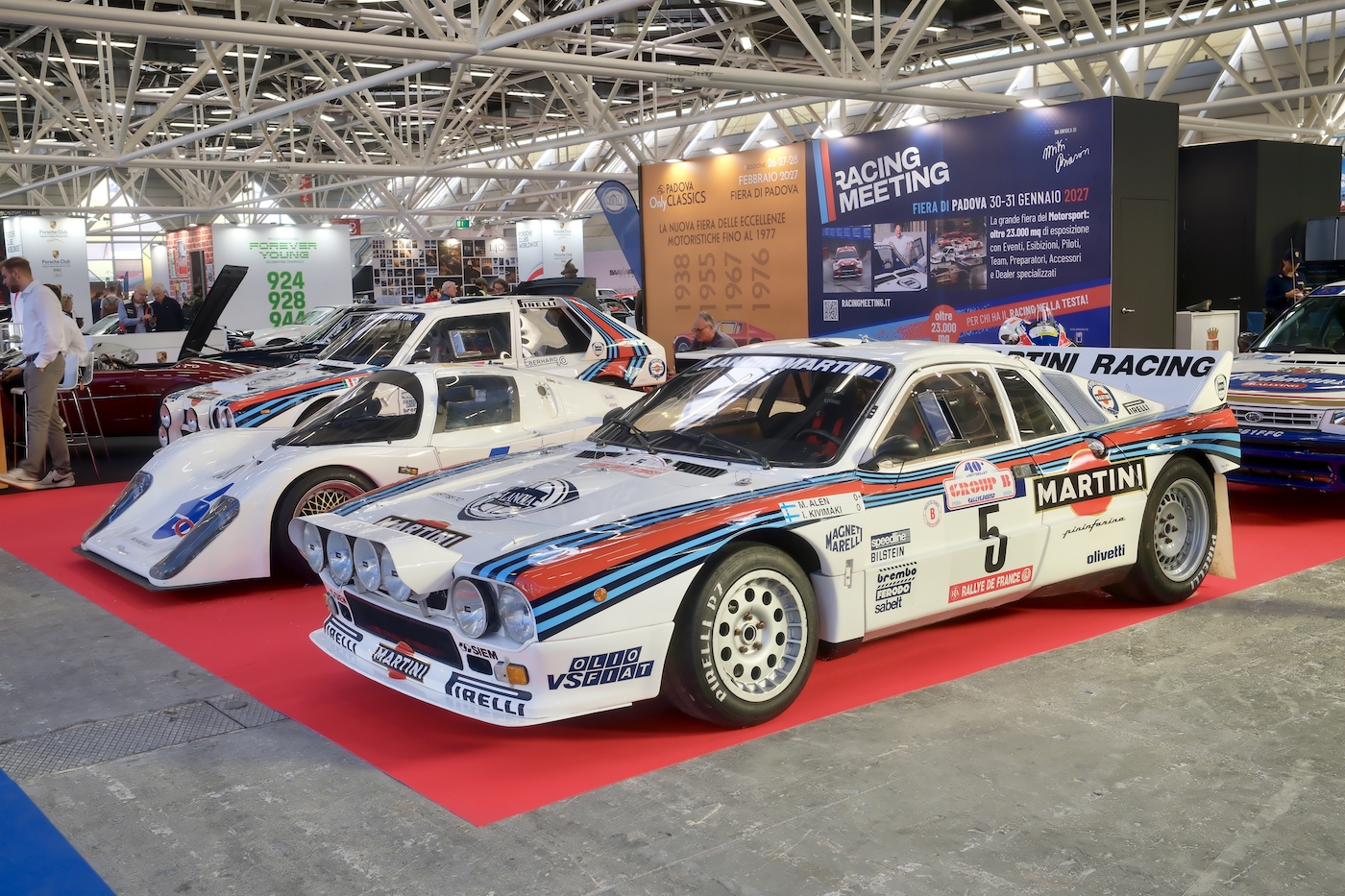
The 037
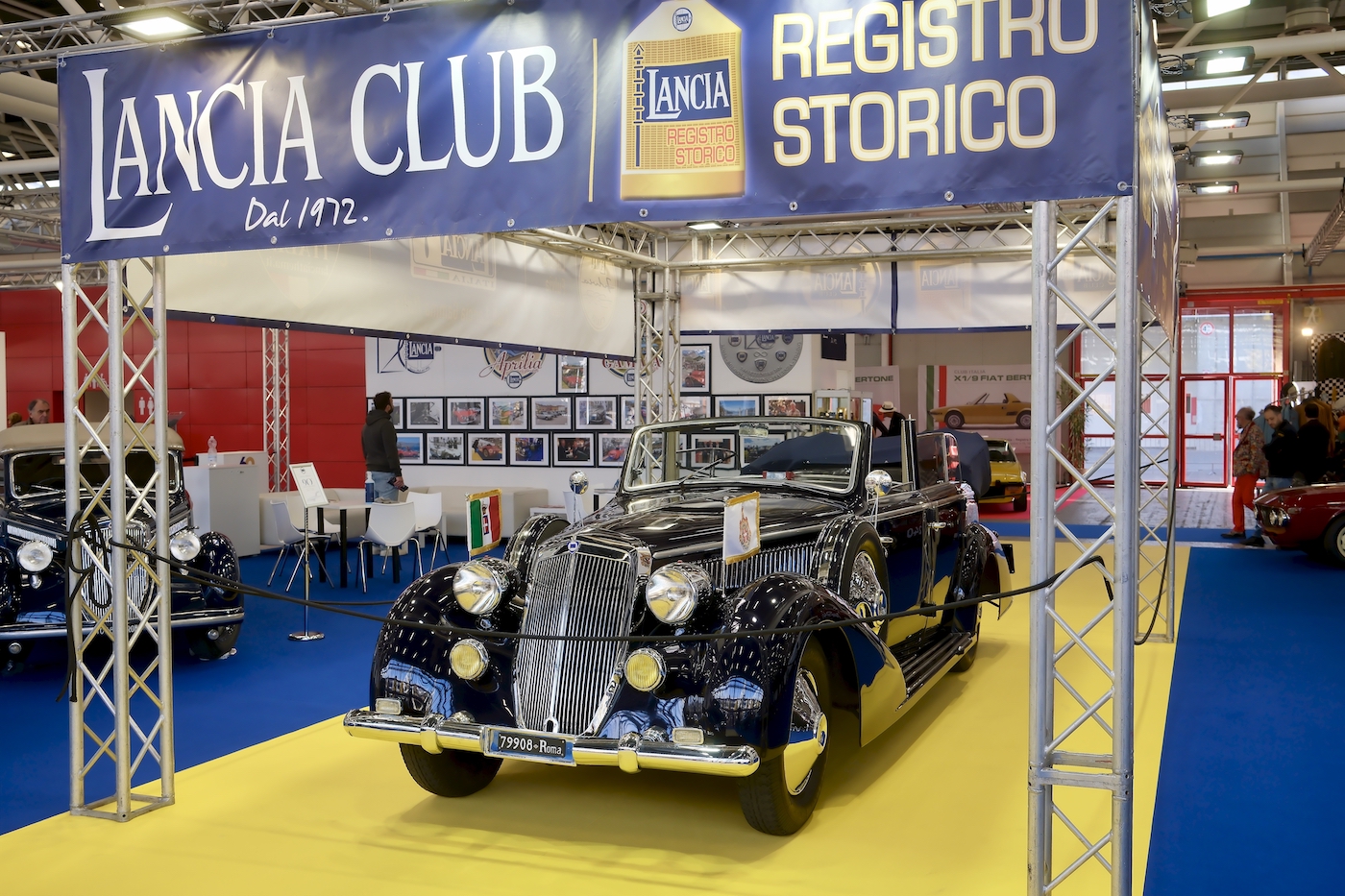
1938 Boneschi bodied Lancia Astura IV Serie Ministeriale specially commissioned for use during Adolf Hitler’s visit with Mussolini in May 1938.
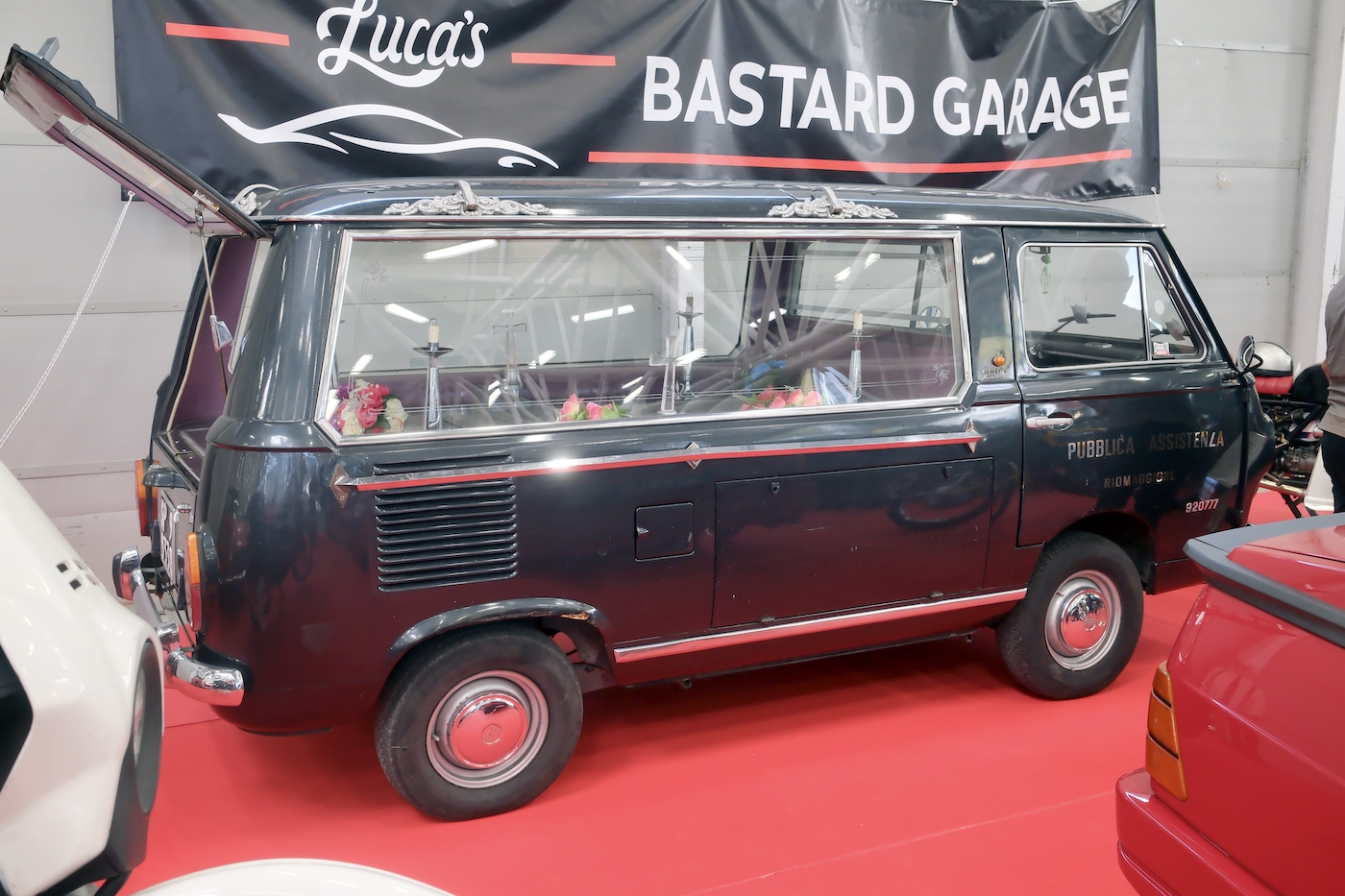
At your next Cars and Coffee meeting, when asked the question “Where did you buy that?” wouldn’t it be fun to say “Luca’s Bastard Garage”. The vehicle in question is a 1970 Fiat 850T Hearse conversion by Carrozzeria Grazia.
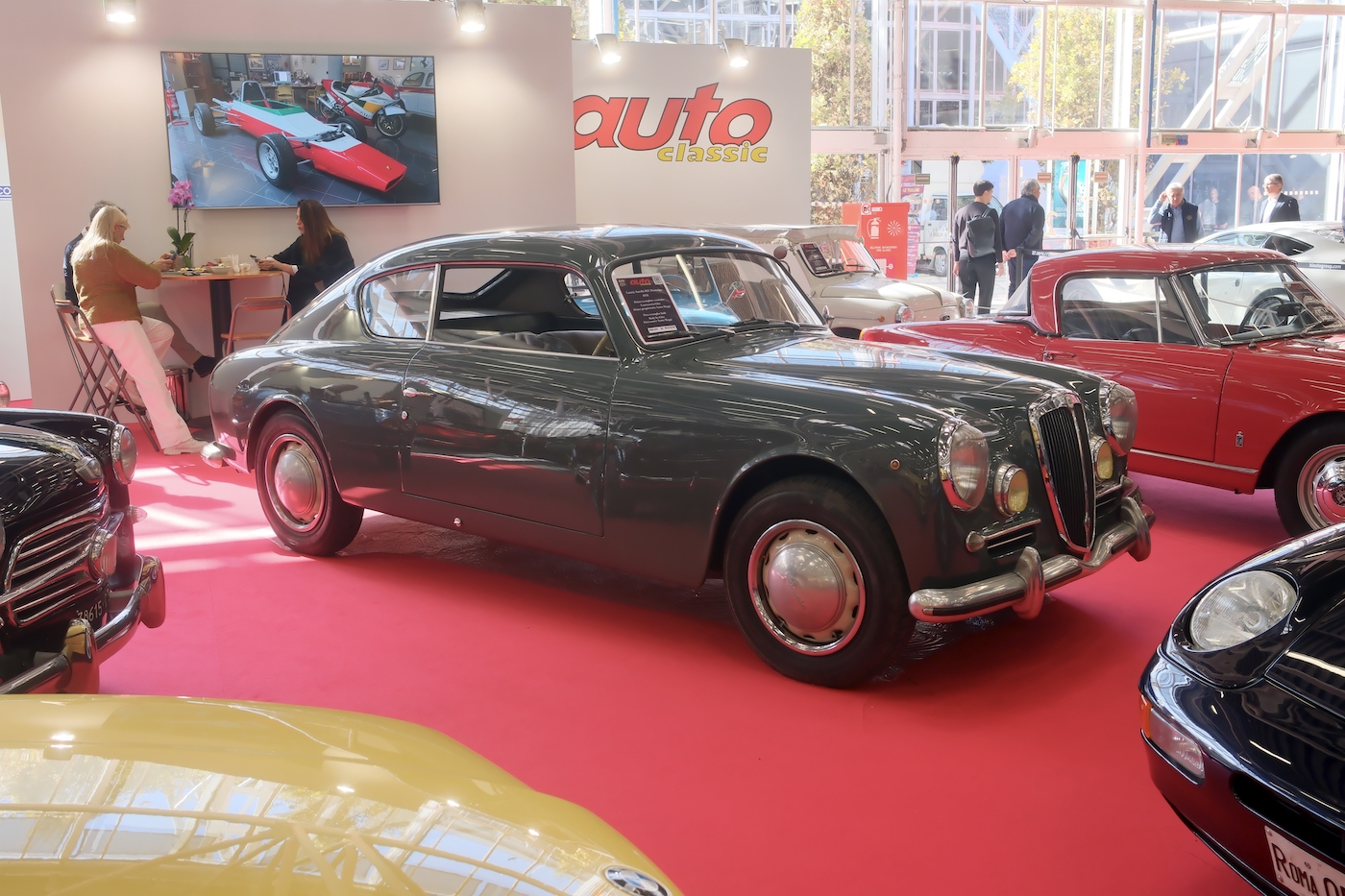
I spotted this Lancia B20 in the middle of the dealers’ display and thought that there was something unusual about it. The sales placard lists it as a 1951 Lancia Aurelia B20 Prototipo by Carrozzeria Ghia, first owned by the Italian racing driver Aymo Maggi.
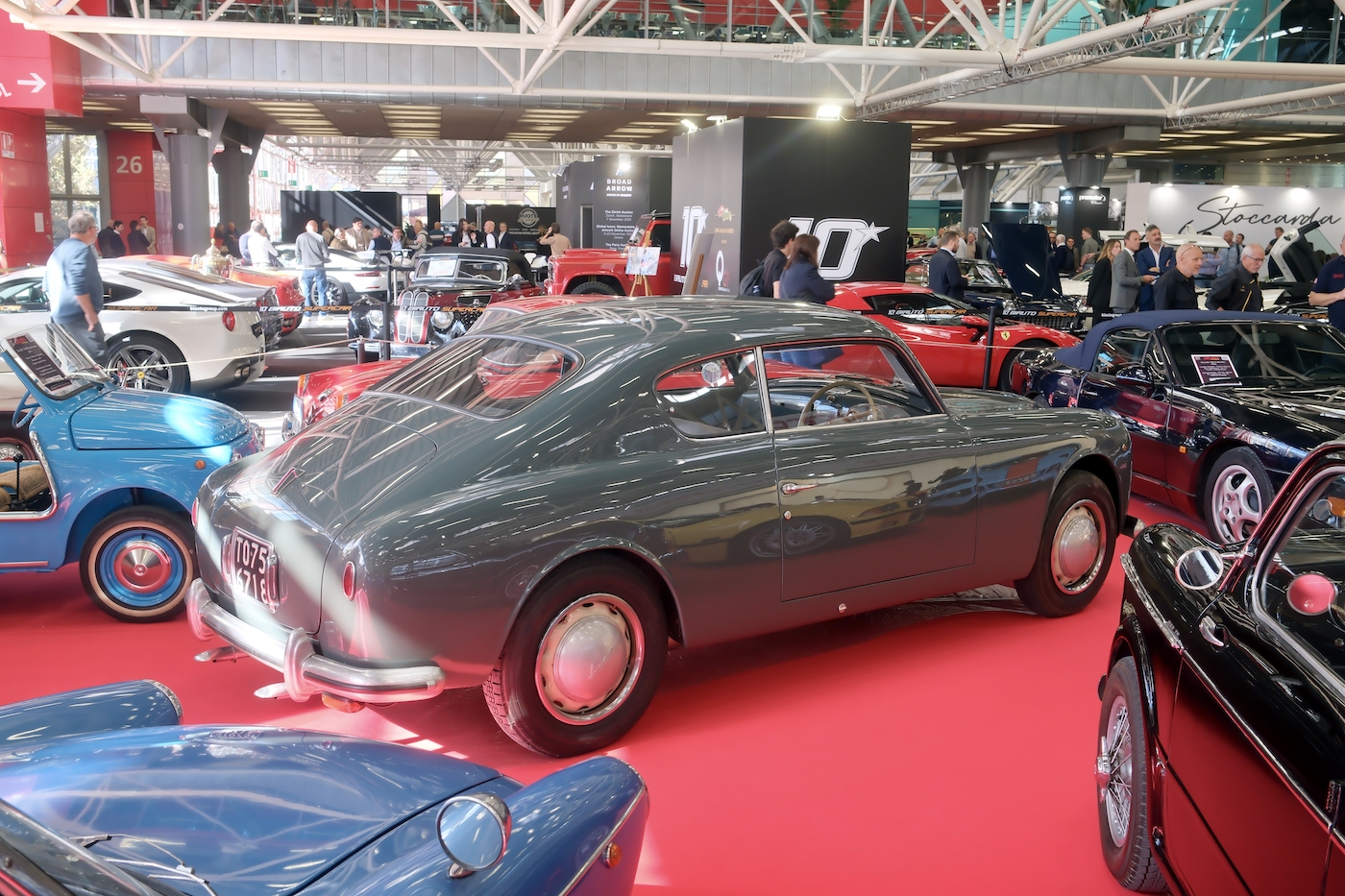
B20 Ghia
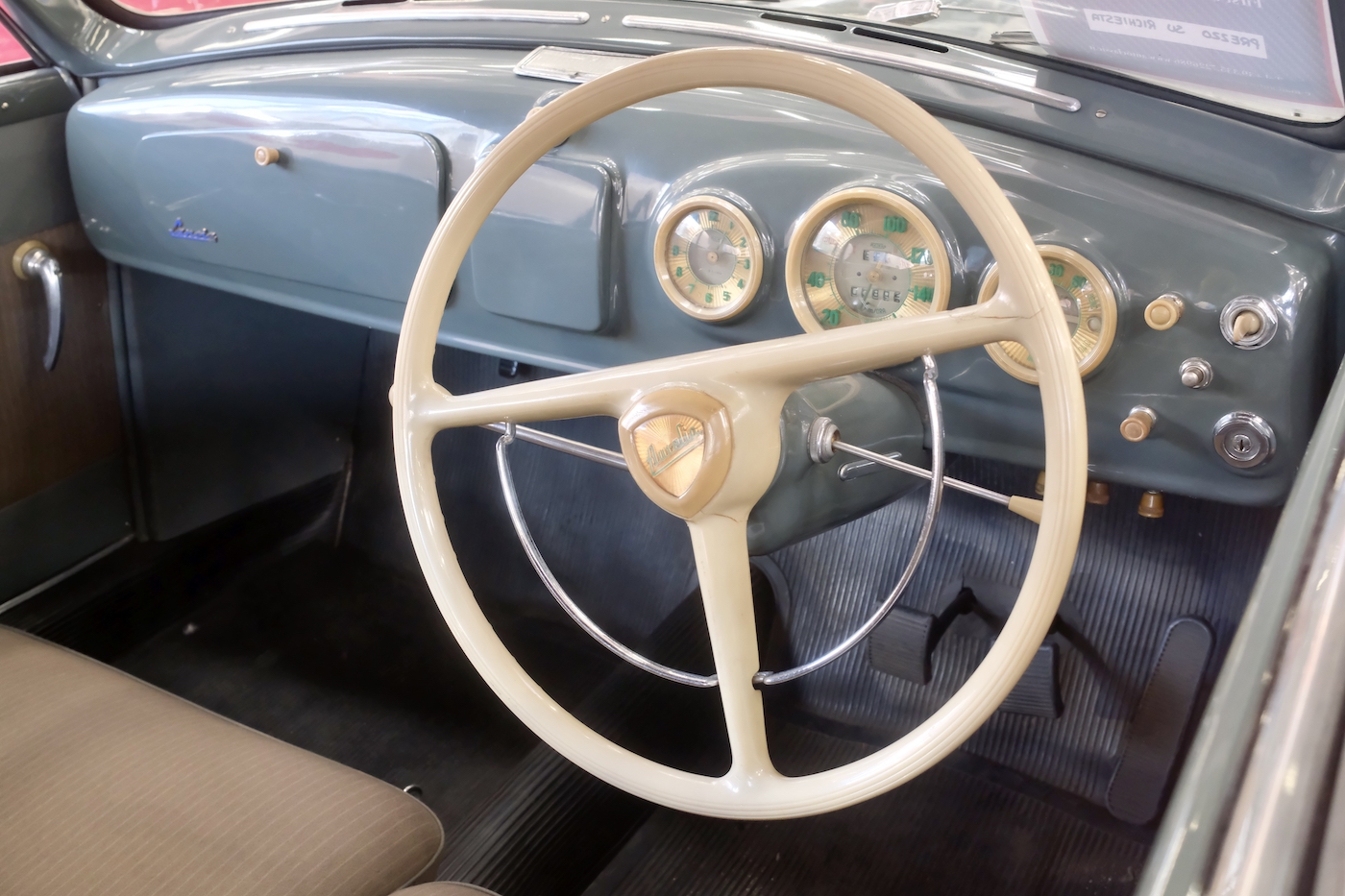
Lancia dash
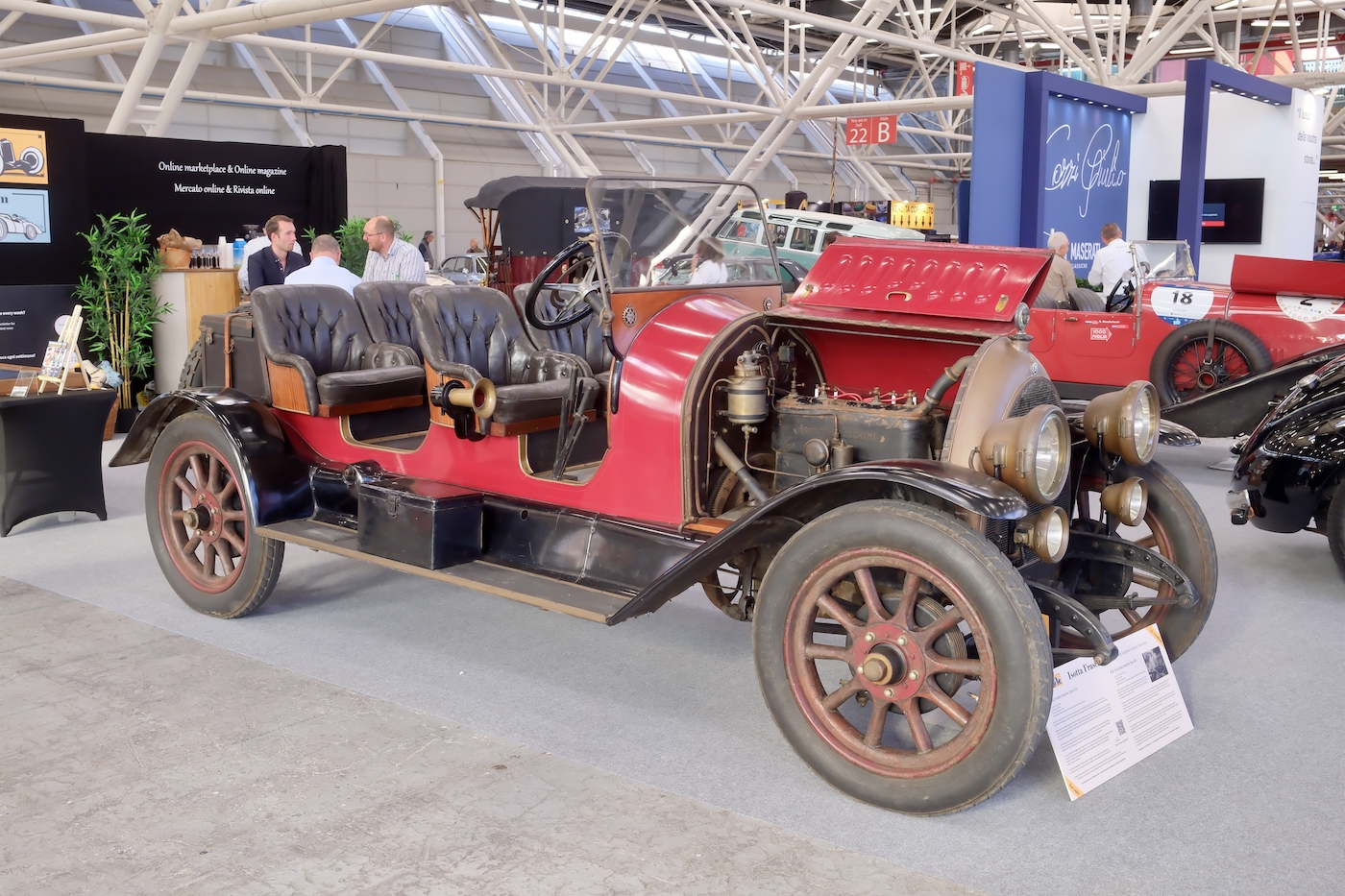
1913 Isotta Fraschini Type OC4, chassis 2780 was originally fitted with a closed six seater body but was later converted into a commercial vehicle. In 1961 the Isotta was discovered in a scrap yard in Novara where it had been used as a tow truck. After discovery the car passed into the hands of Count Giovanni Lurani and was restored and fitted with an open torpedo style body by Carrozzeria Riva.
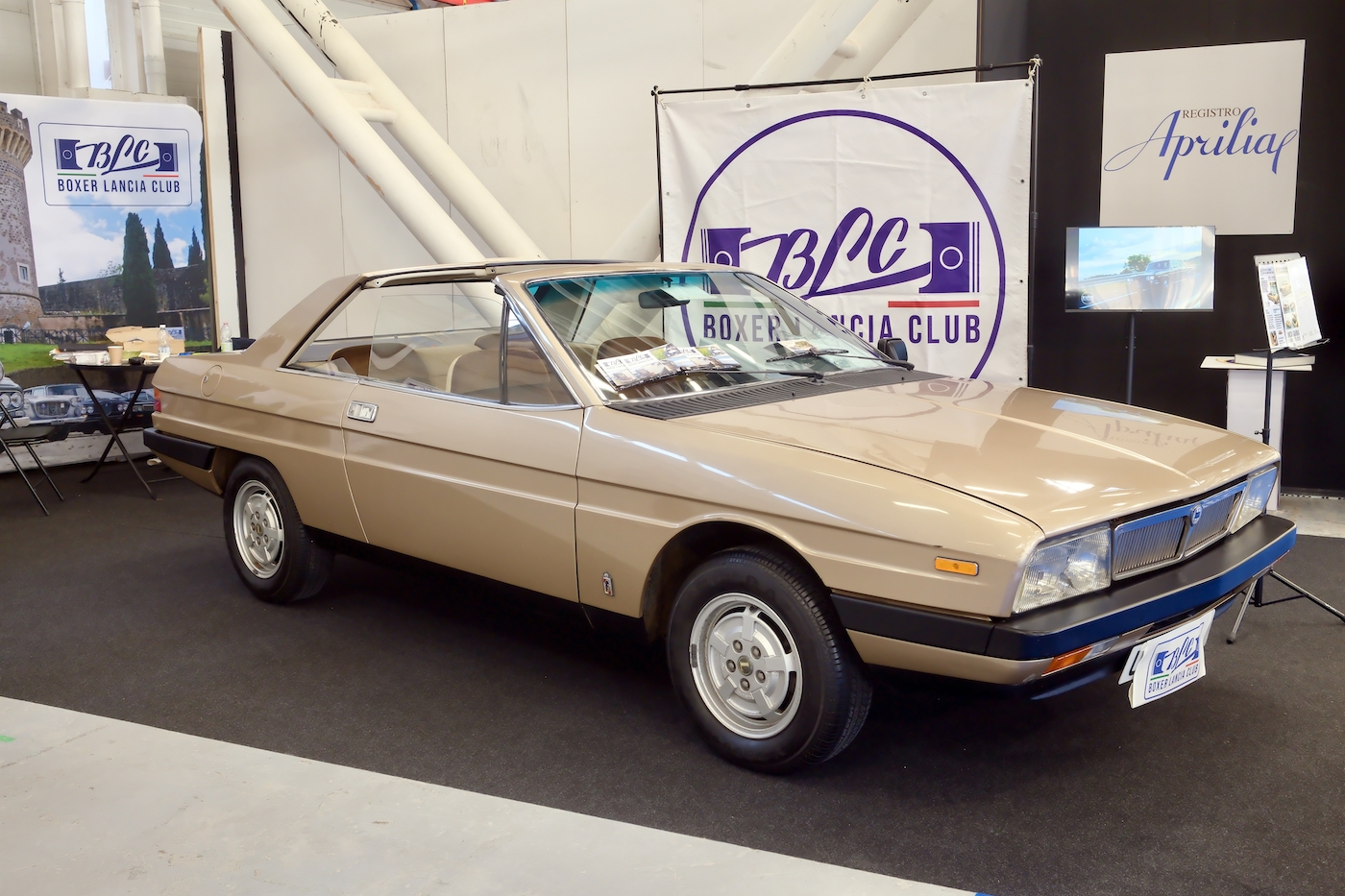
The unique Pininfarina built 1978 Lancia Gamma Spider T Top.
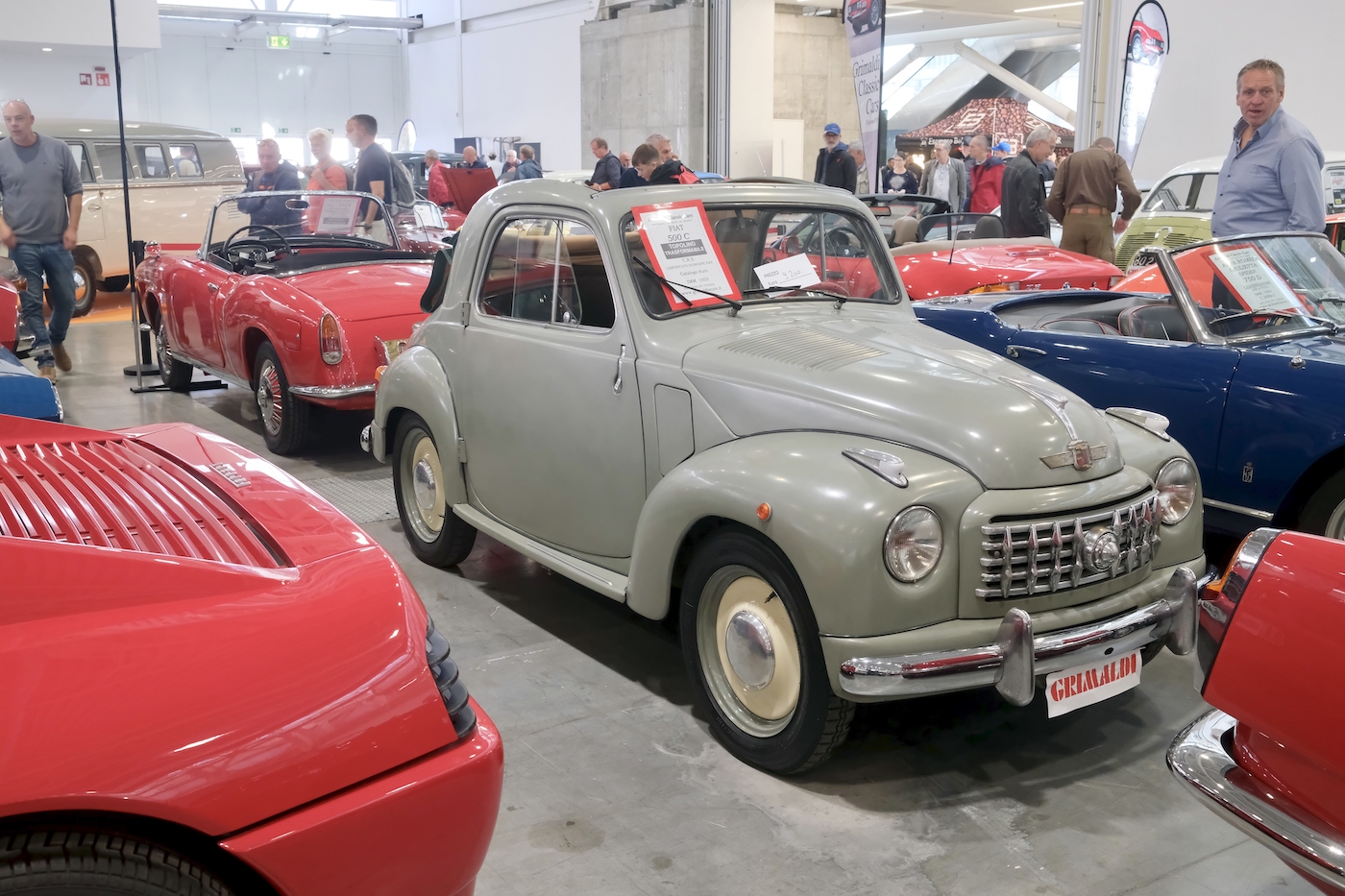
Topolino
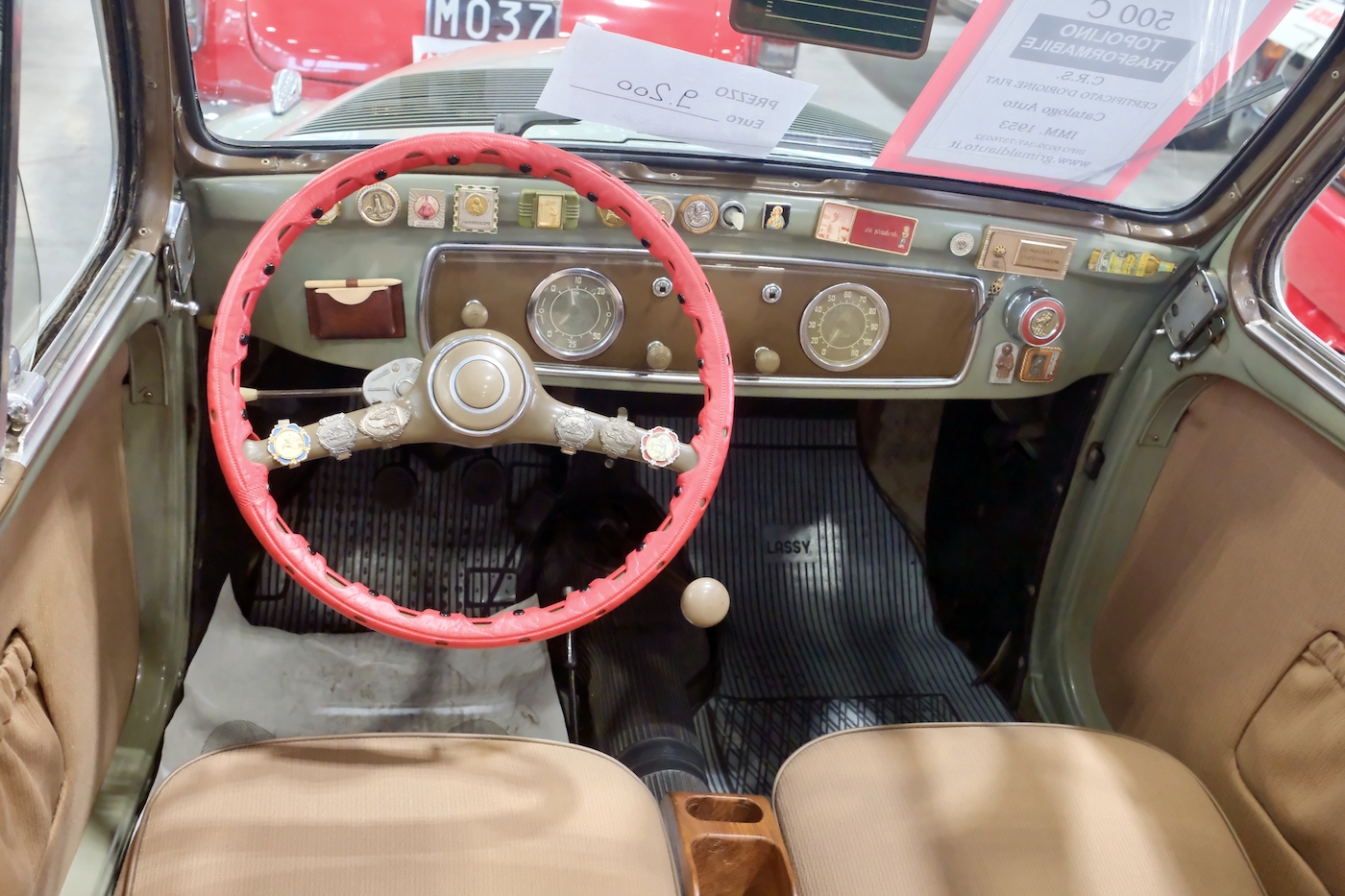
The well-protected Fiat Topolino.
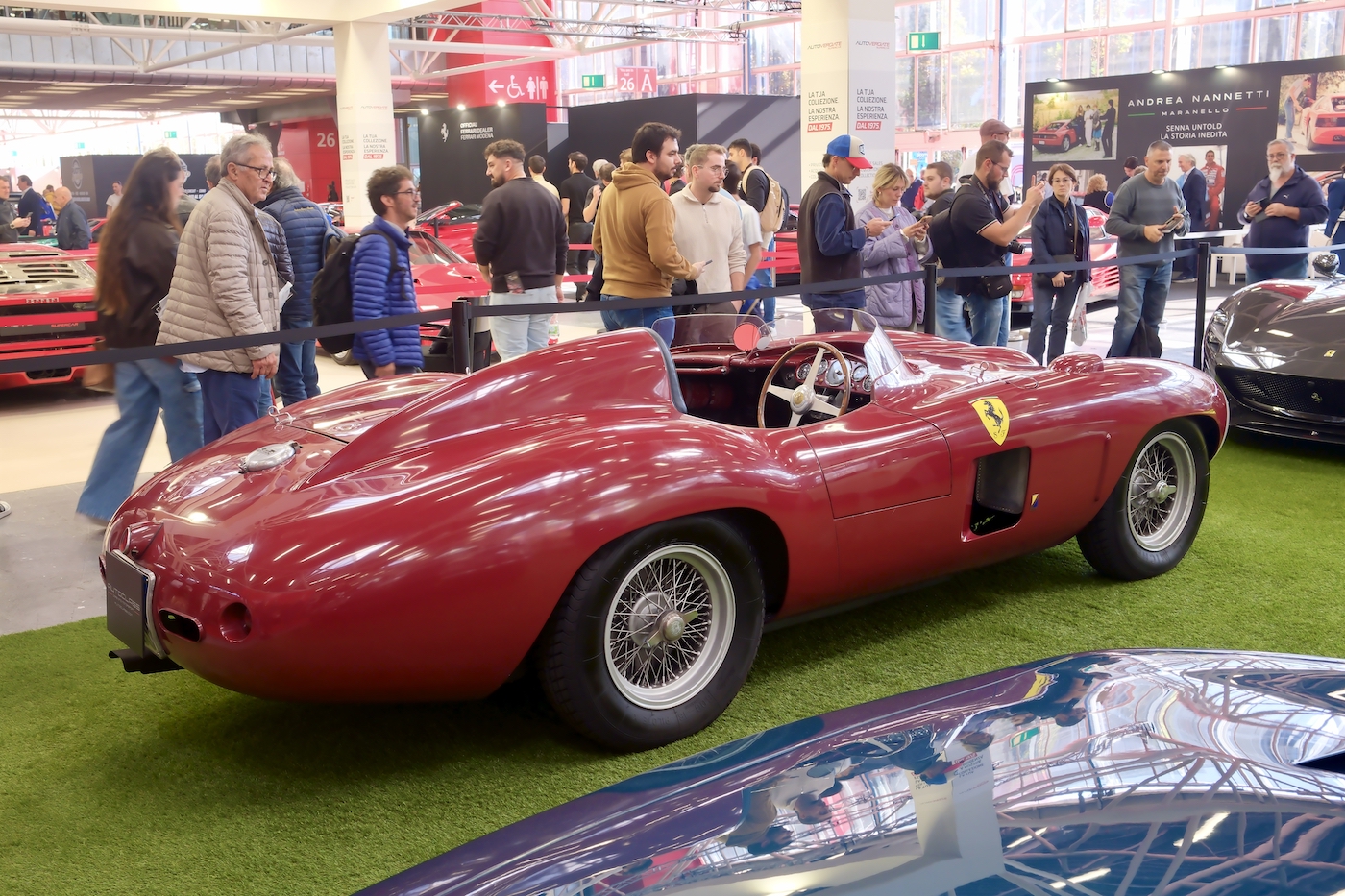
1955 Ferrari 857S
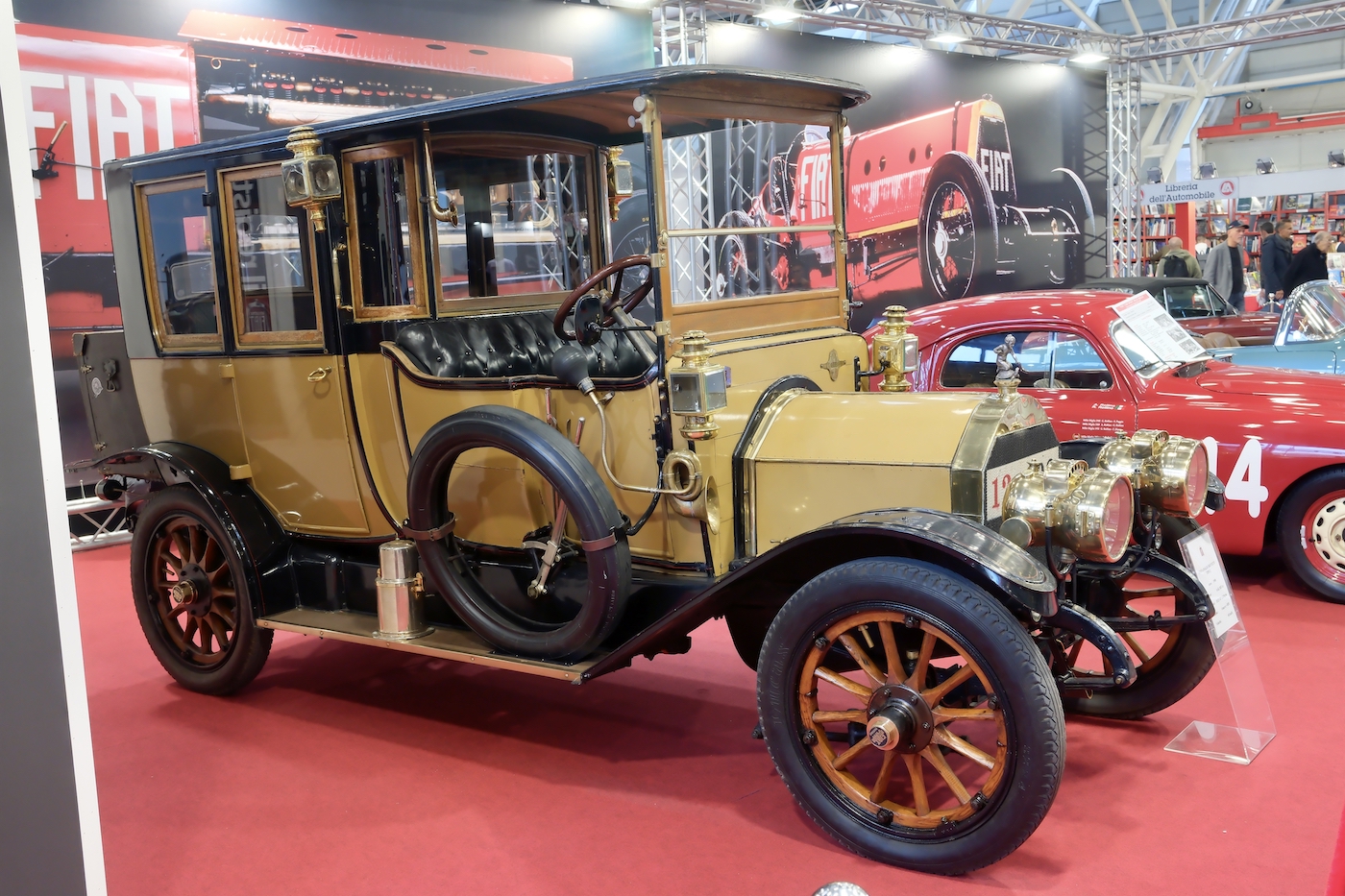
1908 Fiat Ansaldi Brevetti 15/25HP Tipo 2.
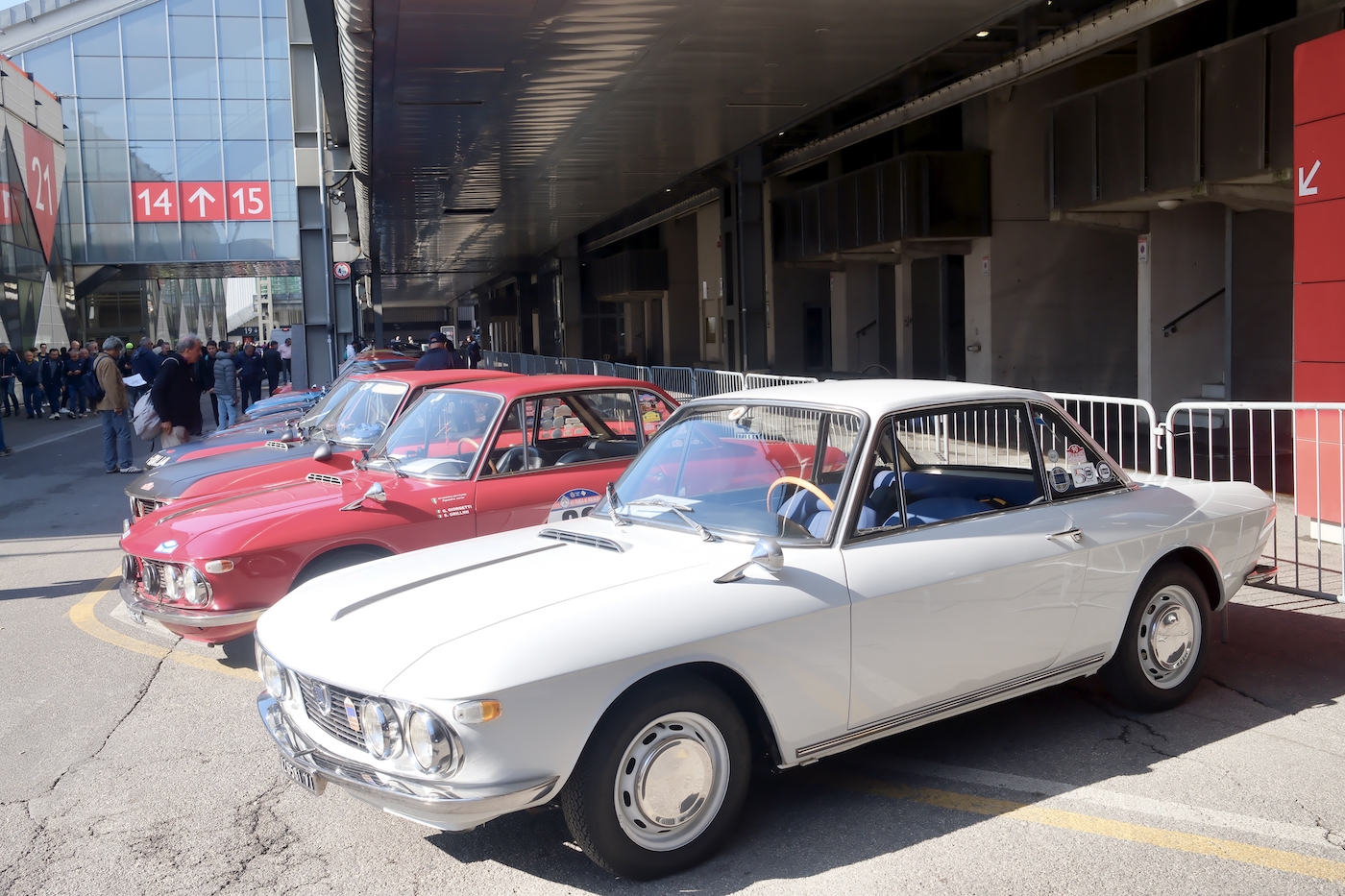
On the Saturday of the show many of the local car clubs put on displays in the areas around the exhibition halls with the Lancia Clubs being very much in evidence in this, the marque’s 120th anniversary.
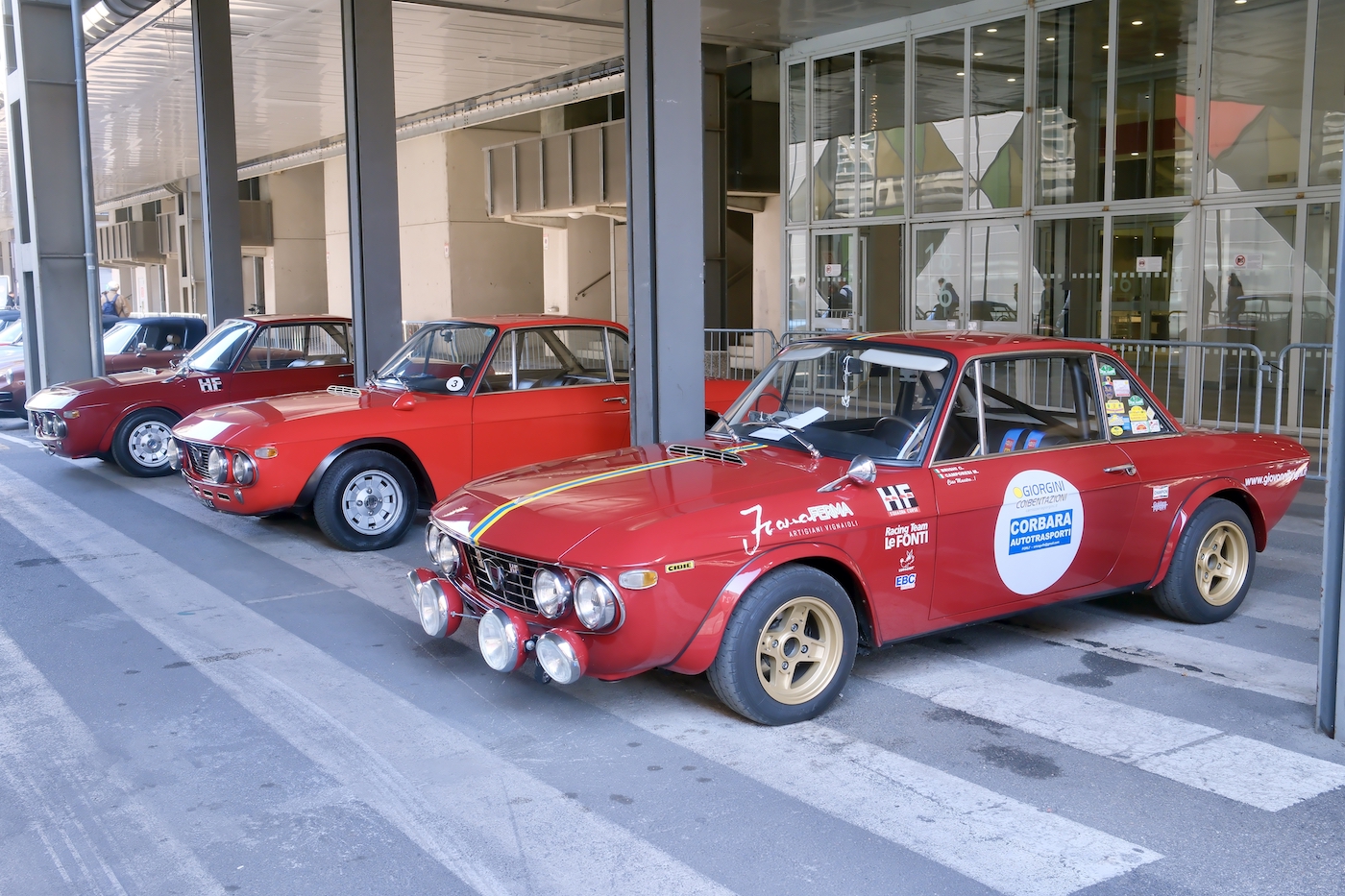
And the HFs…
Leave a Reply