
The Online Magazine for Italian and French Classic Car Enthusiasts
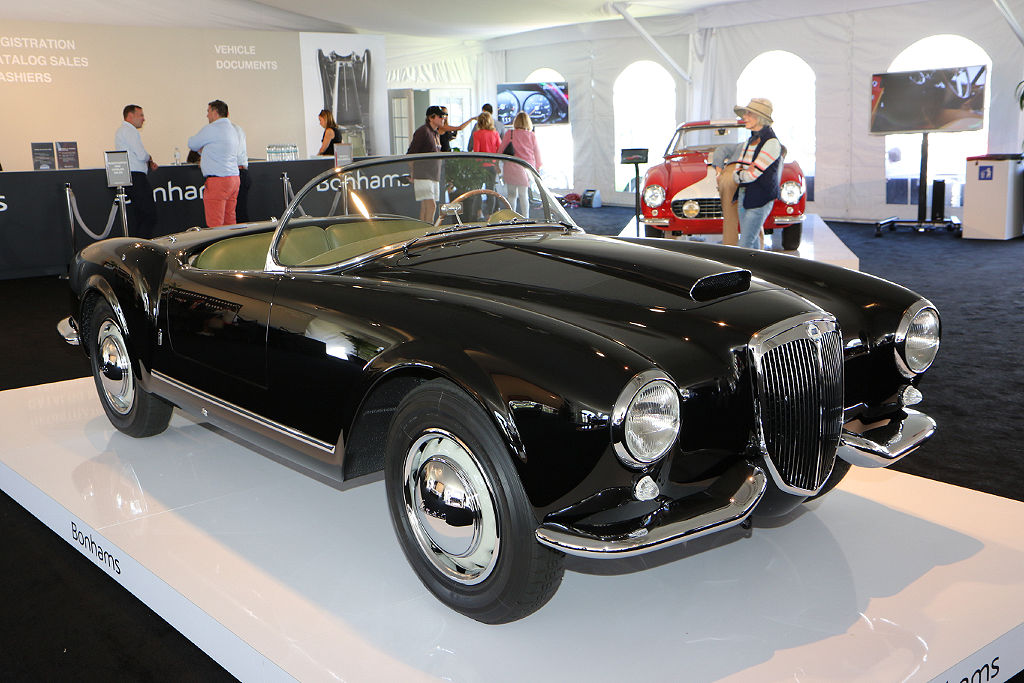
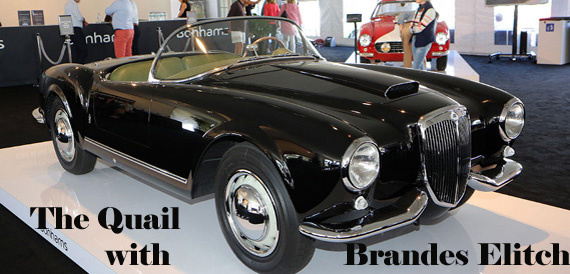
2 Million USD for a Lancia Aurelia at Quail’s Bonhams…a record?
The Quail, A Motorsports Gathering, 2015 edition
By Brandes Elitch
Photos by Hugues Vanhoolandt CLick to ENLARGE
Because many VeloceToday readers don’t live in California, let’s start with a brief overview of why the Carmel-Monterey area attracts so many people – about 7 million leisure visitors annually. Recently, Travel&Leisure magazine rated Carmel as the number three city in the world for romance, just behind Paris and Venice. [Read more…] about The Quail at Monterey, Courtesy Brandes Elitch
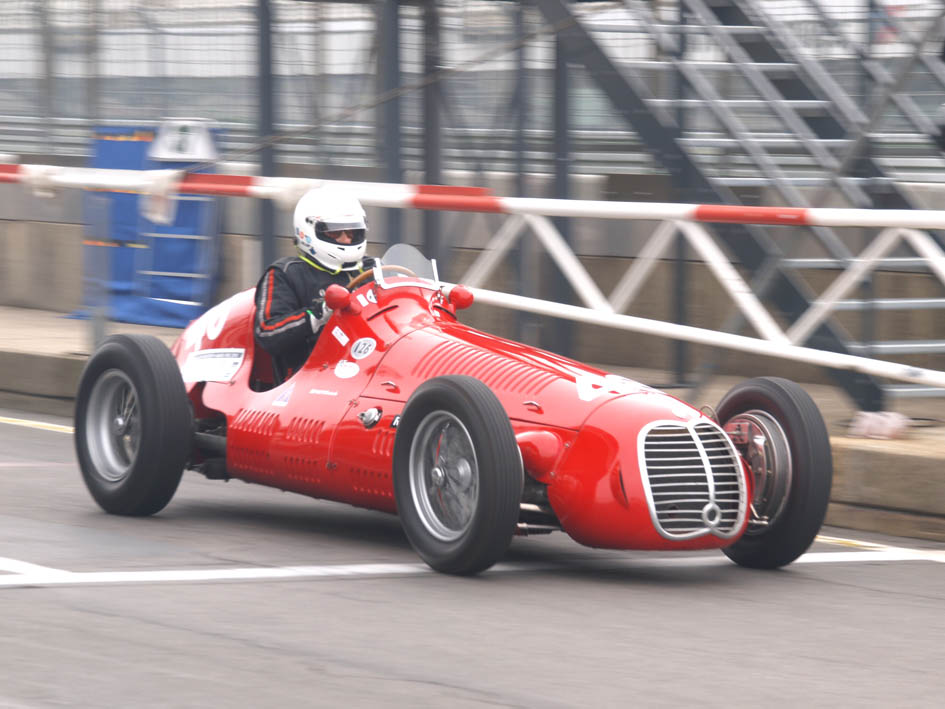
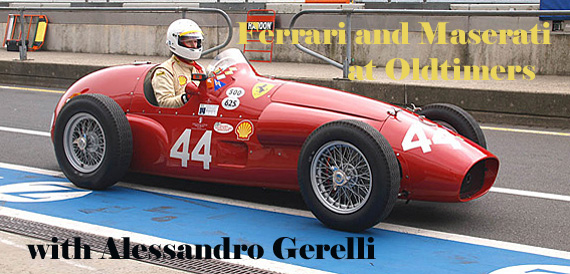
Maserati 4 CLT, 1948.
Photos by Alessandro Gerelli
Alessandro Gerelli goes garage-hopping at the Nurburgring Oldtimers and features detail images of a host of rare Maseratis:
Maserati 8C3000
Maserati 6C/34
Maserati 4CLT/48
Maserati 6CM
Maserati 250F and CMs
Maserati based TecMec
Plus a few significant Ferraris. Scroll down for 35 images and CLICK TO ENLARGE!
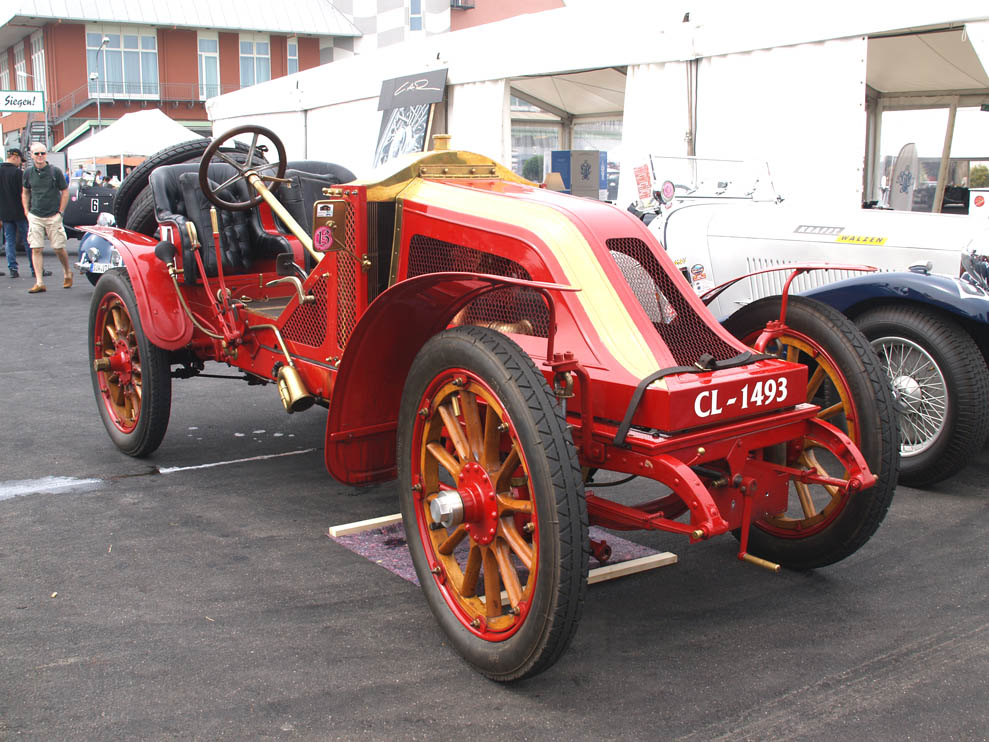
1907 Renault Rennsport.
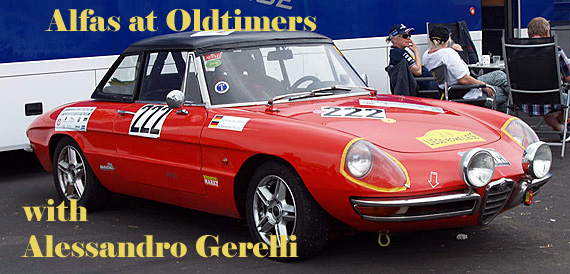
Photos by Alessandro Gerelli
Alessandro Gerelli has been wandering off to the Oldtimer’s event at the Nurburgring since 1997, often in the rain, but always coming back with plenty of photos of vintage racing, the German way. Gerelli has covered the Nurburgring Oldtimers for VeloceToday in 2002, 2004 and then every year since 2006! This year is no exception and as usual, it is a remarkable contrast to Monterey Car week. Not better or worse, but certainly different. Gerelli also noted that “At the 43rd edition of the Oldtimer Grand Prix, as many others events of this type, the title ‘oldtimer’ is becoming more and more ‘youngtimer’. But thankfully, at the Ring among the many recent cars, it is still easy to find also few jewels of the now-distant past.” Onward, Olditmers.
He covers the Ferraris and Maseratis in a separate article.
Scroll down for 25 images and CLICK TO ENLARGE!
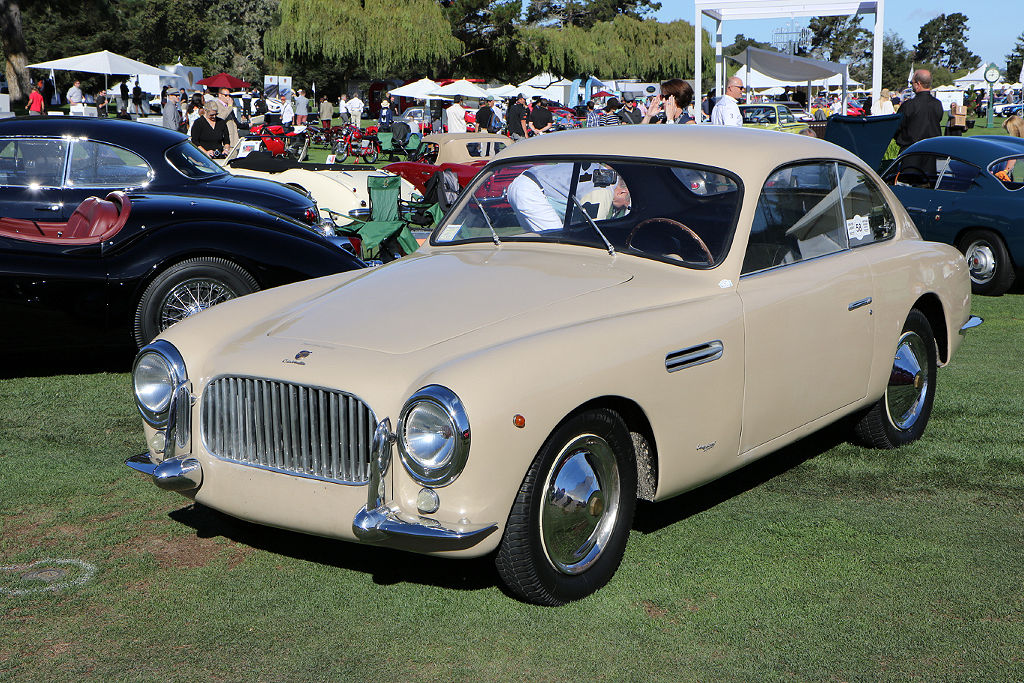
One of eight known to exist Cisitalia 303 DF berlinettas of 1953, still in original condition.
Photos by Hugues Vanhoolandt
Click photos to ENLARGE
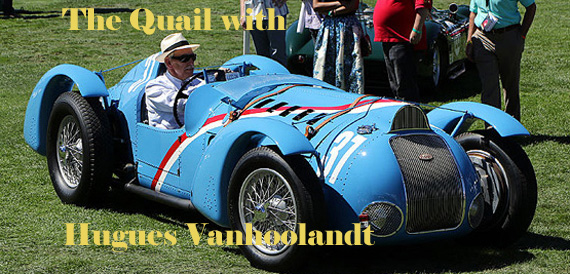
Some of Hugues Vanhoolandt’s favorites from The Quail, 2015. [Read more…] about At the Quail with Hugues Vanhoolandt
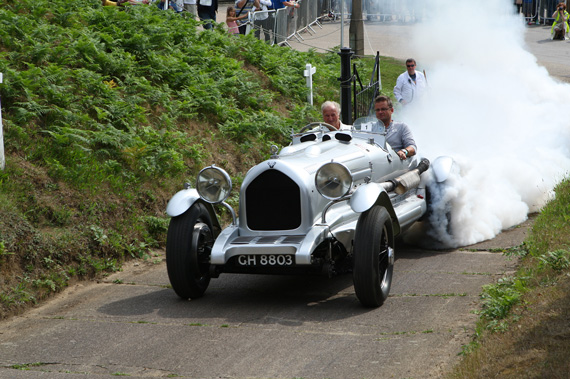
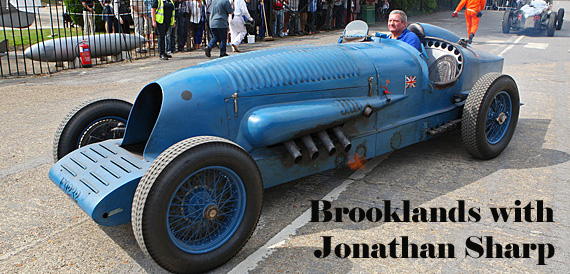
Merlin powered Hadlye at Brooklands.
Story and photos by Jonathan Sharp
To most people in the world of old cars, mid-August means one thing, Monterey Car Week. But there are other things going on. Take for example Sunday the 16th.
This was the day for a nice leisurely run up to the Brooklands Racing Circuit in Surrey. [Read more…] about Brooklands Reunion, 2015
This week, a few from our archives; Monterey coverage will begin next week.
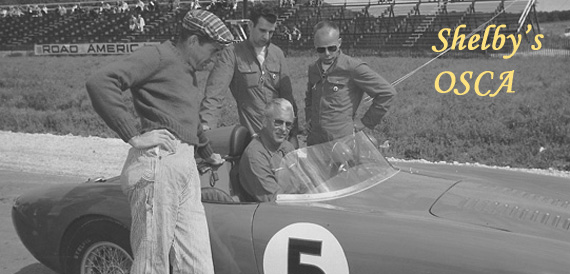
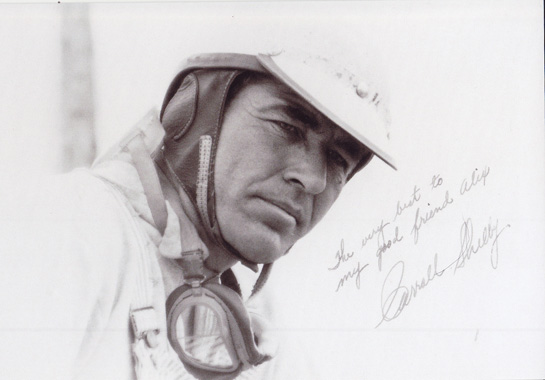
A Shelby portrait taken in about 1956 by racing photographer Alix Lafontant. It is inscribed “The very best to my good friend Alix. – Carroll Shelby.”
By Carl Goodwin
Photos by Alix Lafontant copyright Carl Goodwin.
1956 was a great year for Carroll Shelby driving the Italian cars he loved. Up until a late-season off-course excursion in the sand at Thompson Raceway, he had notched 19 wins at road courses from coast to coast, driving a Ferrari 4.4, Ferrari Monza, Maserati 300S, and a Maserati 450S.
We were accustomed to seeing Shelby toss around the big Ferraris and Maseratis owned by John Edgar and Tony Parravano, but he was also a great driver in under two liter Italian cars such as the OSCA. One such race was at Road America. [Read more…] about Shelby Drives an OSCA
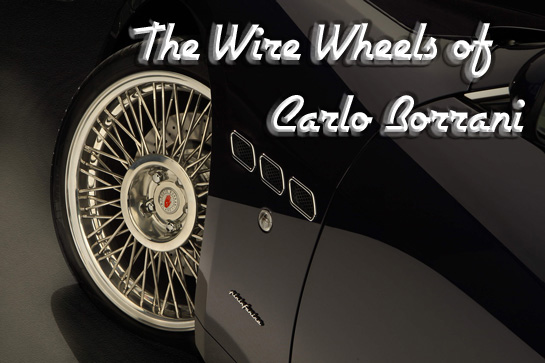
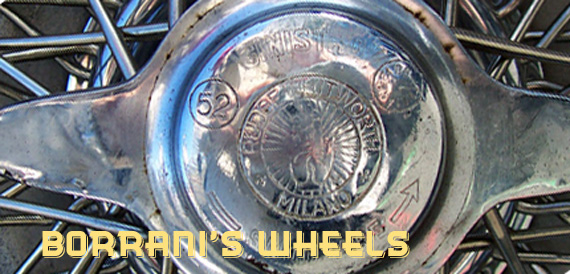
The latest wire wheel from Ruote Borrani is the X Ray, here making a big difference for the Maserati GTS.
In 2010, Borrani Americas partnered with Ruote Borrani Milano to be the exclusive importer and restorer of Borrani rims in North, Central and South America, thus bringing to the forefront a very relevant new story with a significant historical aspect that is rarely told. Our thanks to Ruote Borrani Milano, Borrani Americas, Roberto Motta, and David Seielstad for their help with this article.
For classic car enthusiasts, the name Borrani is synonymous with excellence. Their famed wire wheels have become an icon, known for quality, performance and design. In fact, the strength of Borrani is in its history and quality of its products. Borrani is still producing quality products, including their famous Borrani Classic wire wheels and new line of Xray, Sray and Bi Metal alloy wheels.
[Read more…] about Borrani Wheels: Overview and History
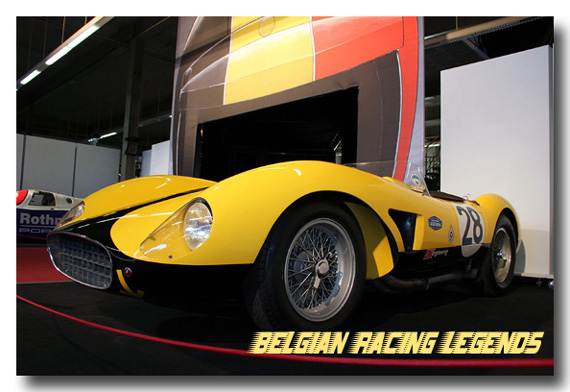
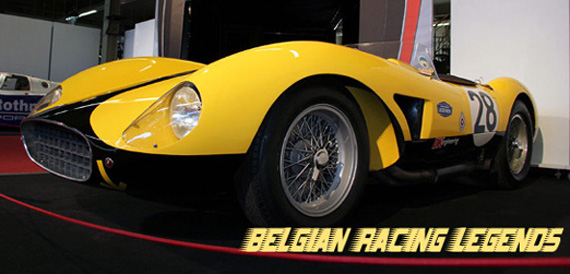
Above: Ferrari 500 TRC s/n 0682 MD TR was entered by Ecurie Nationale Belge at Le Mans in 1957, and placed 7th overall with the team of Bianchi/Harris.
Photos and text by Hugues Vanhoolandt
When one thinks of Belgian race drivers, the name of Olivier Gendebien, Paul Frere and Jacky Ickx (whose daughter, Vanina, is also a race driver) naturally come to mind. [Read more…] about Belgian Race Drivers and Teams
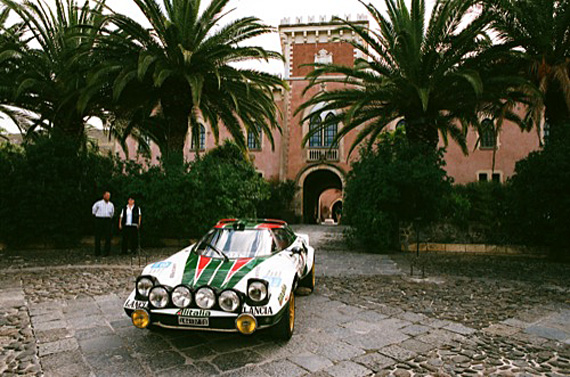
A magic blend, the Stratos and Sicily…
By Dino Brunori
1000 km event to be held from September 27 to October 3, 2015
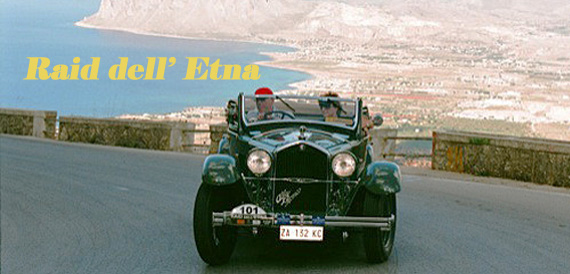
Sicily, the great Italian island known for its stunning landscape featuring volcanoes, islands, mountains, deserts, the Mediterranean, medieval towns; the friendship and warmth of the inhabitants and, last but not least, some great Italian roads, circuits and hillclimb races. [Read more…] about Raid dell’Etna