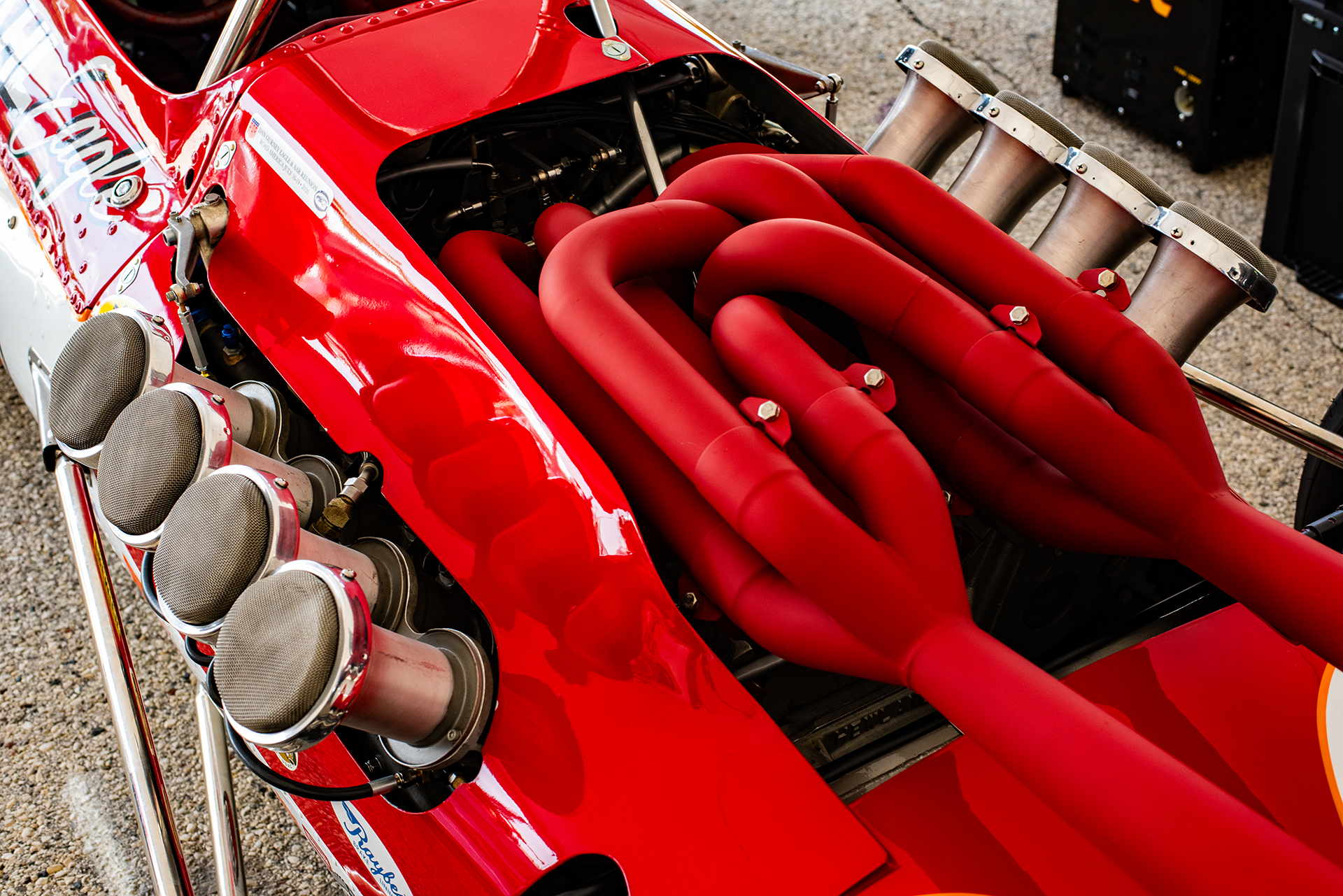
Eagle IV Bardahl: Color, repetition of shapes, contrast of form.
Photos by Scott Callan
Here’s what Scott Callan sees, what his camera sees, what we see…
and what do you see?
We’ve covered Scott Callan’s illustrious work from time to time in the past. Last week he dropped us an email; when he sends along a few new links to his already impressive website, we feel compelled to take a look. Then taken aback.
For whatever it is that makes an artist, he’s got it in spades, to paraphrase Katherine Hepburn. Callan describes his work as ‘an art director with a camera.’ The camera in this case is a fully manual Nikon D810, described as “ a professional-grade, 36.3-megapixel full-frame digital SLR camera built with a durable magnesium alloy body, weather-sealing, and high-end imaging capabilities tailored for working experts.”
Why is the camera relevant? Because for every processed composition he takes five or so bracketed exposures. Take it from an editor, art directors are a pain for any photographer. The skilled use of the Nikon allows the camera to see and record what Scott sees, not what the camera sees.
So come along on a visit to the Brian Redman Vintage Races at Road America a couple of weeks ago. We selected only 10 of the images, and focused on detail shots that particularly affected the orbital globes.
On his website, see how Scott captured the day from wildfire smoke as thick as 1960’s LA smog to an epic tropical cloudburst in 588 exposures that became a 99 page feature article. His uncompromising eye framing Group 5 cars at speed in the haze, a Gurney Eagle get together, to the unlikely and interesting vintage racing signature of a Midwest summer storm.
Scott’s more artistically formatted website allows him to present the images in full-size, immediately, right now, right in your face, big, bold, beautiful. Due to the older VT format, we have to get you to click on the photo to enlarge. But do it, you’ll be compensated.
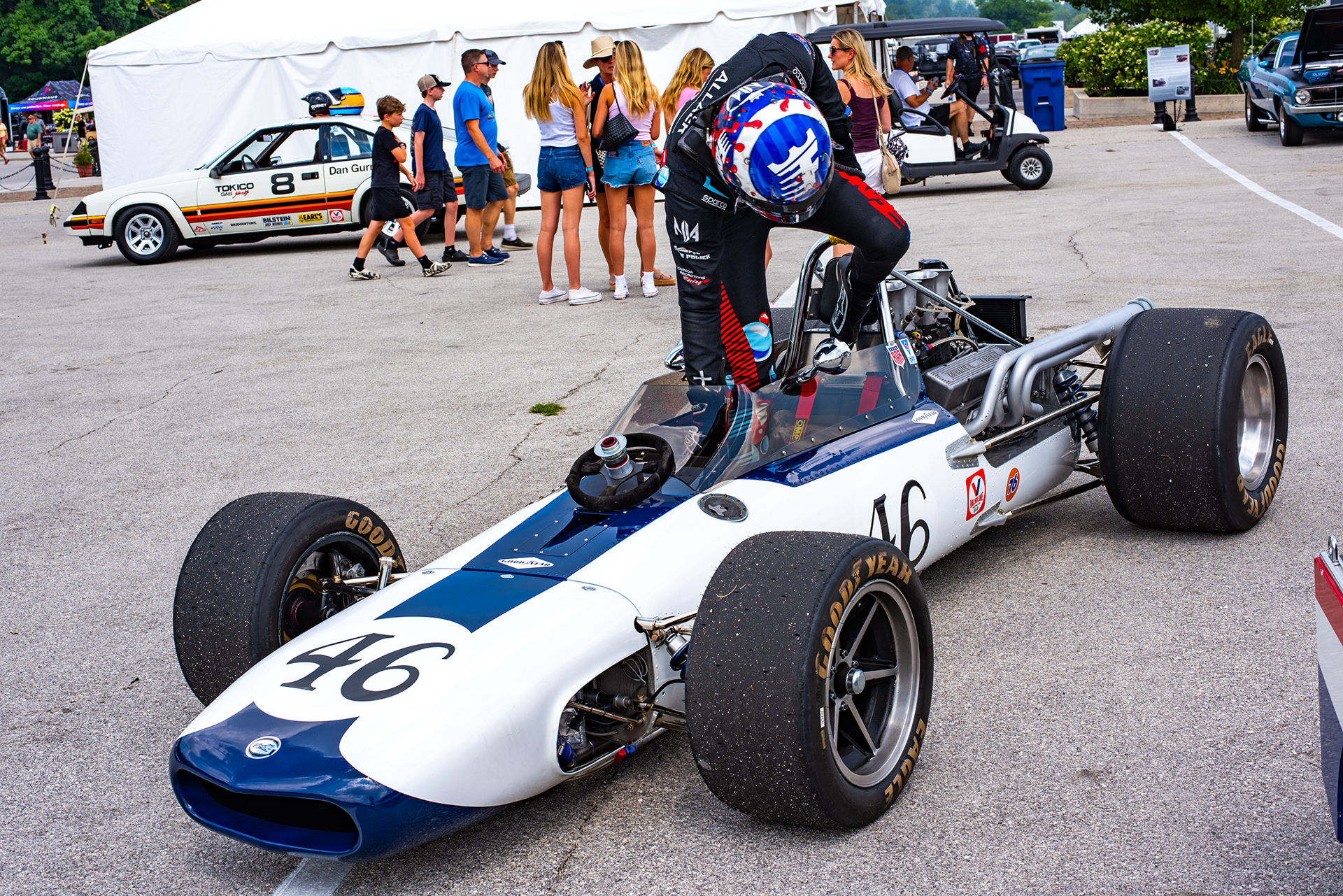
Gurney Eagle MK IV: Girls, helmet, Eagle all blue and white.
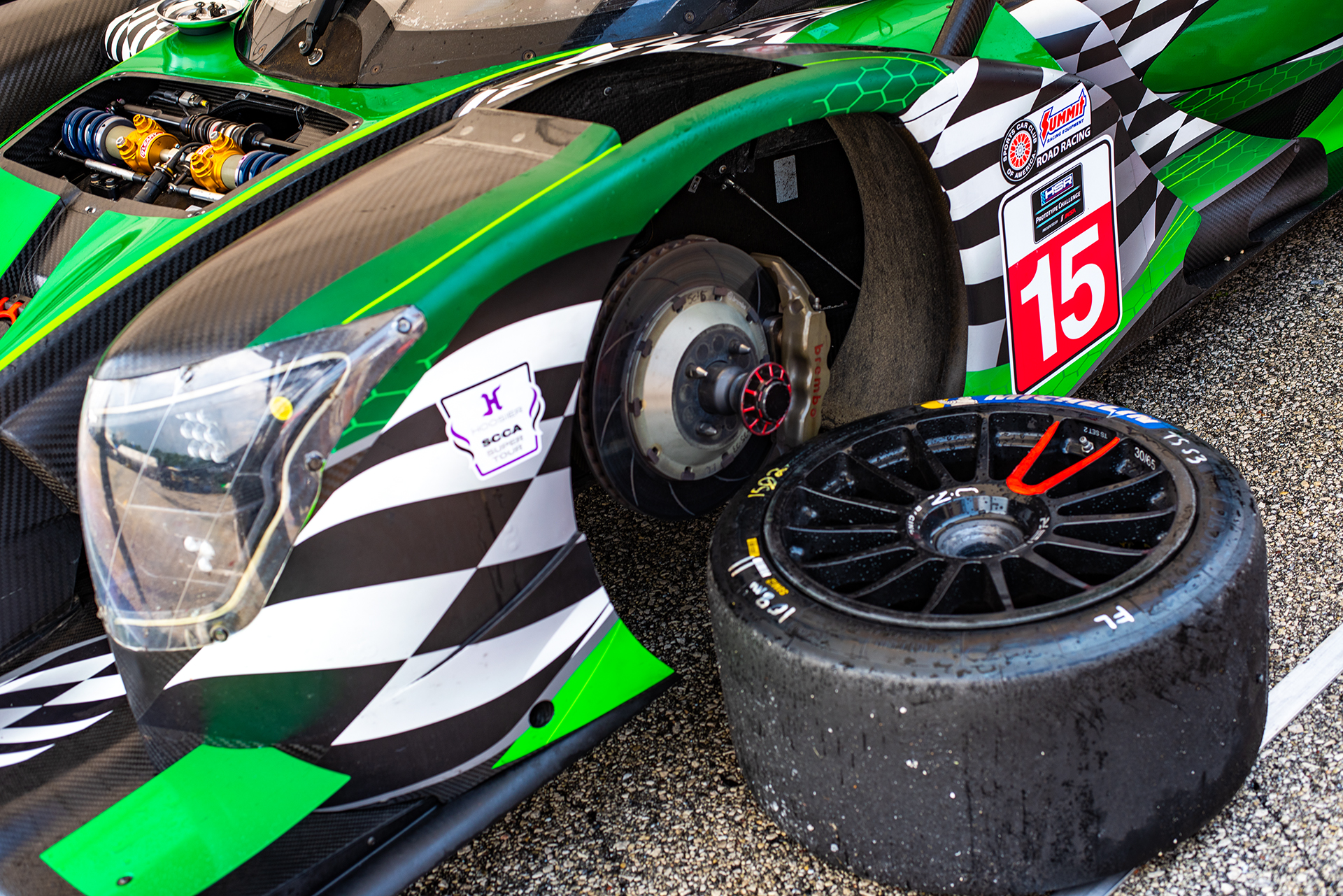
Was that wheel moved to that position by the photographer?
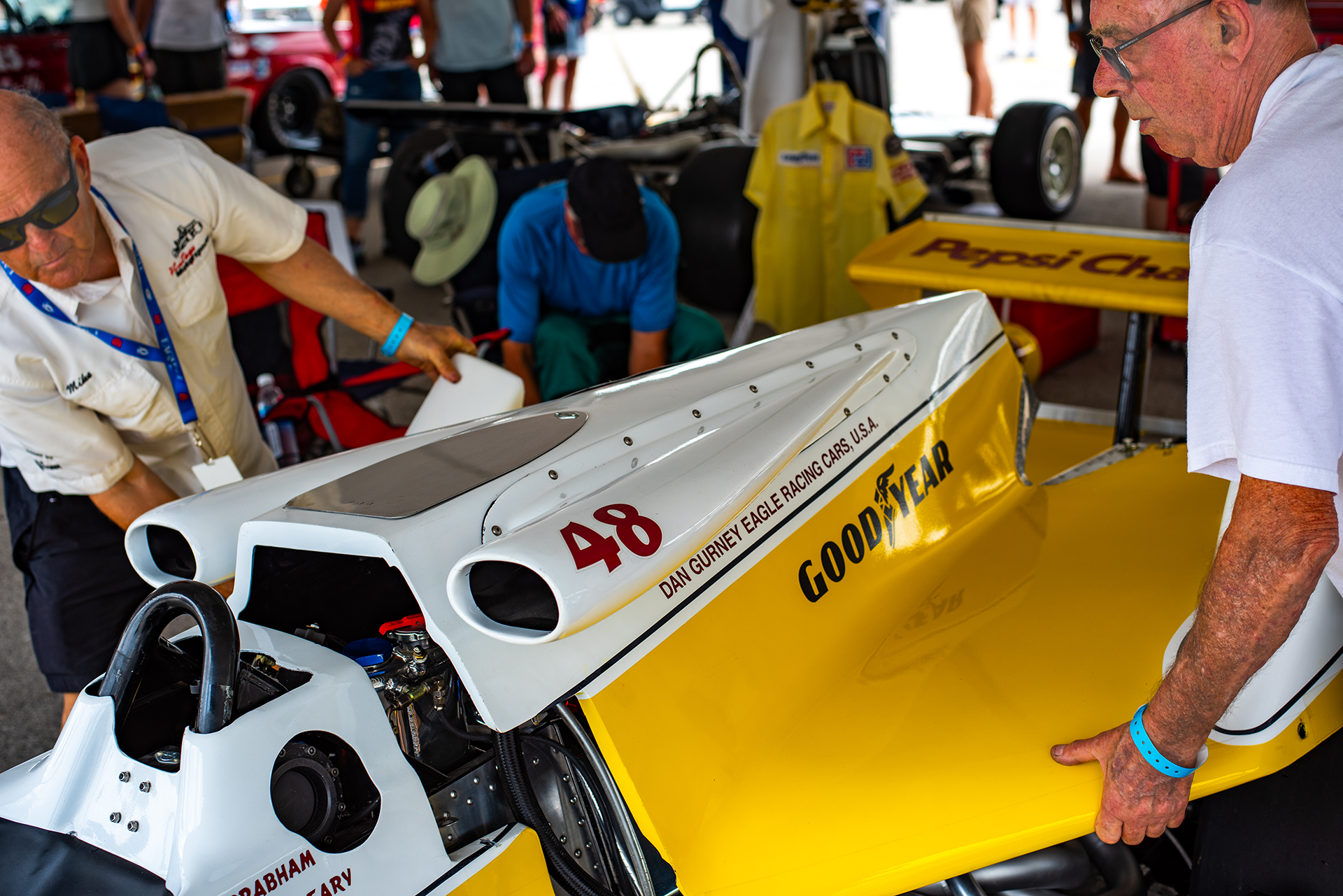
Eagle 8100: All hands on deck.
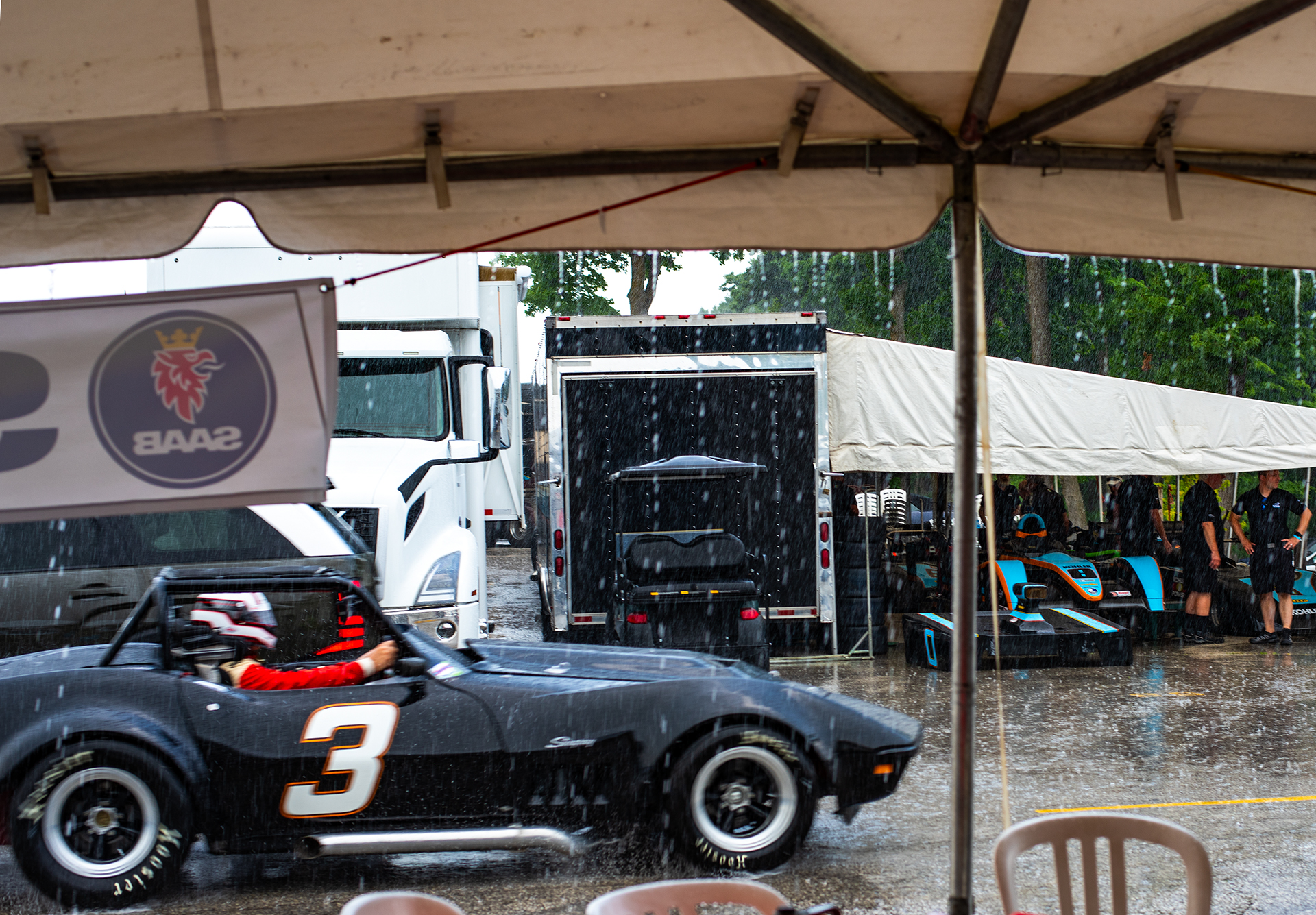
“We’ll wait, thank you!”
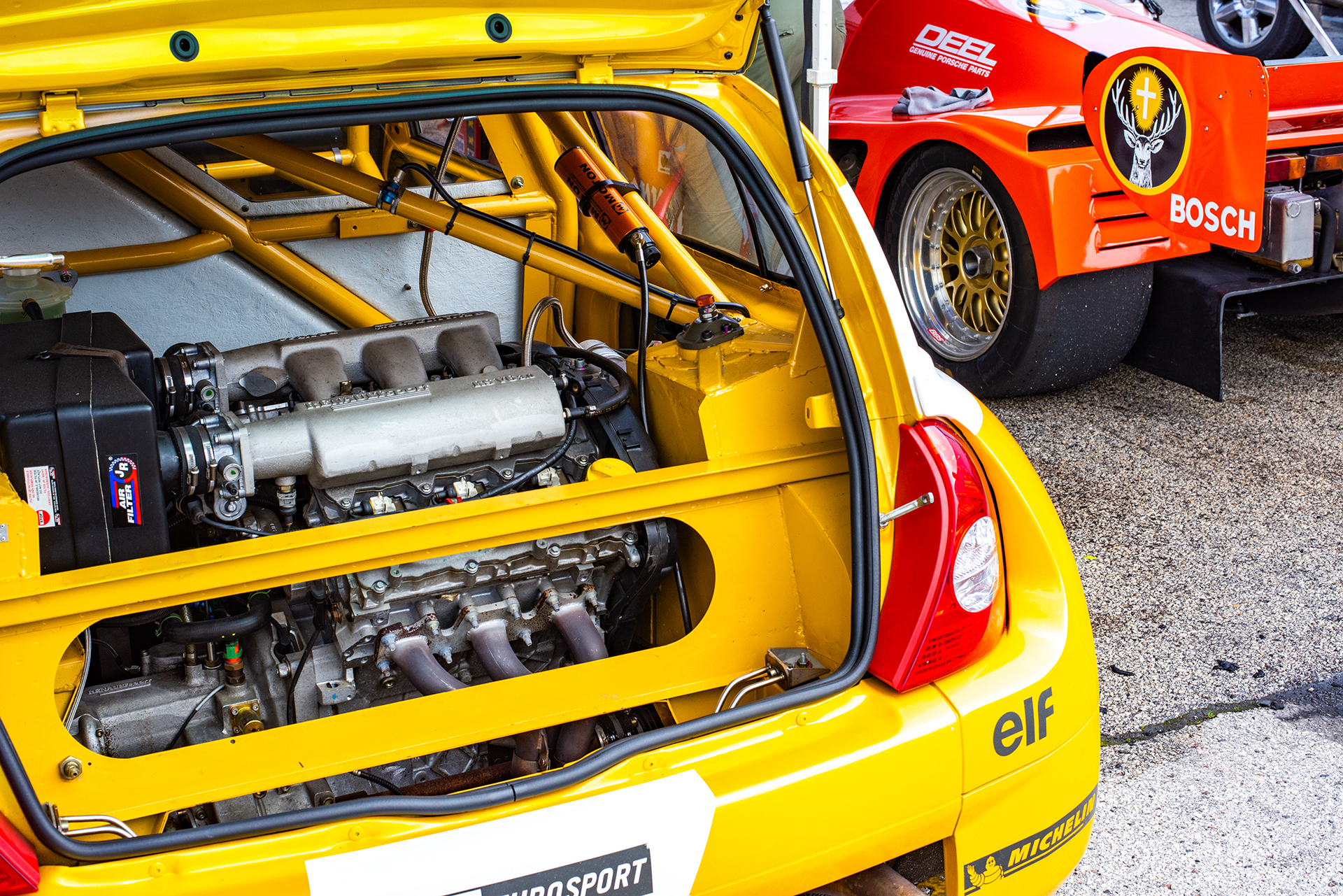
Renault R5: Hey honey, look what I found at Walmart!
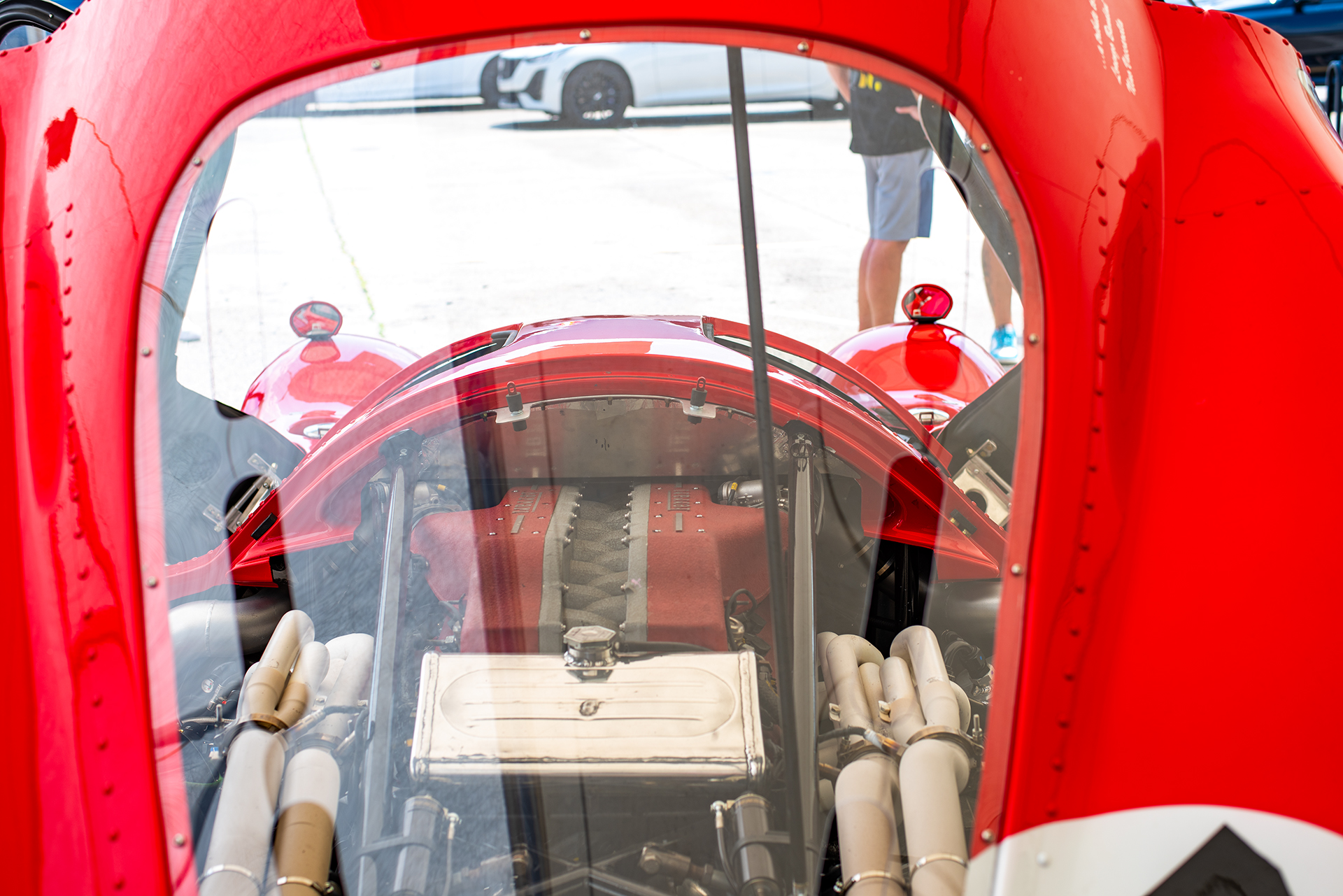
P4 in the pits: Shooting through a convex perplex rear window with no distortion or shadows.
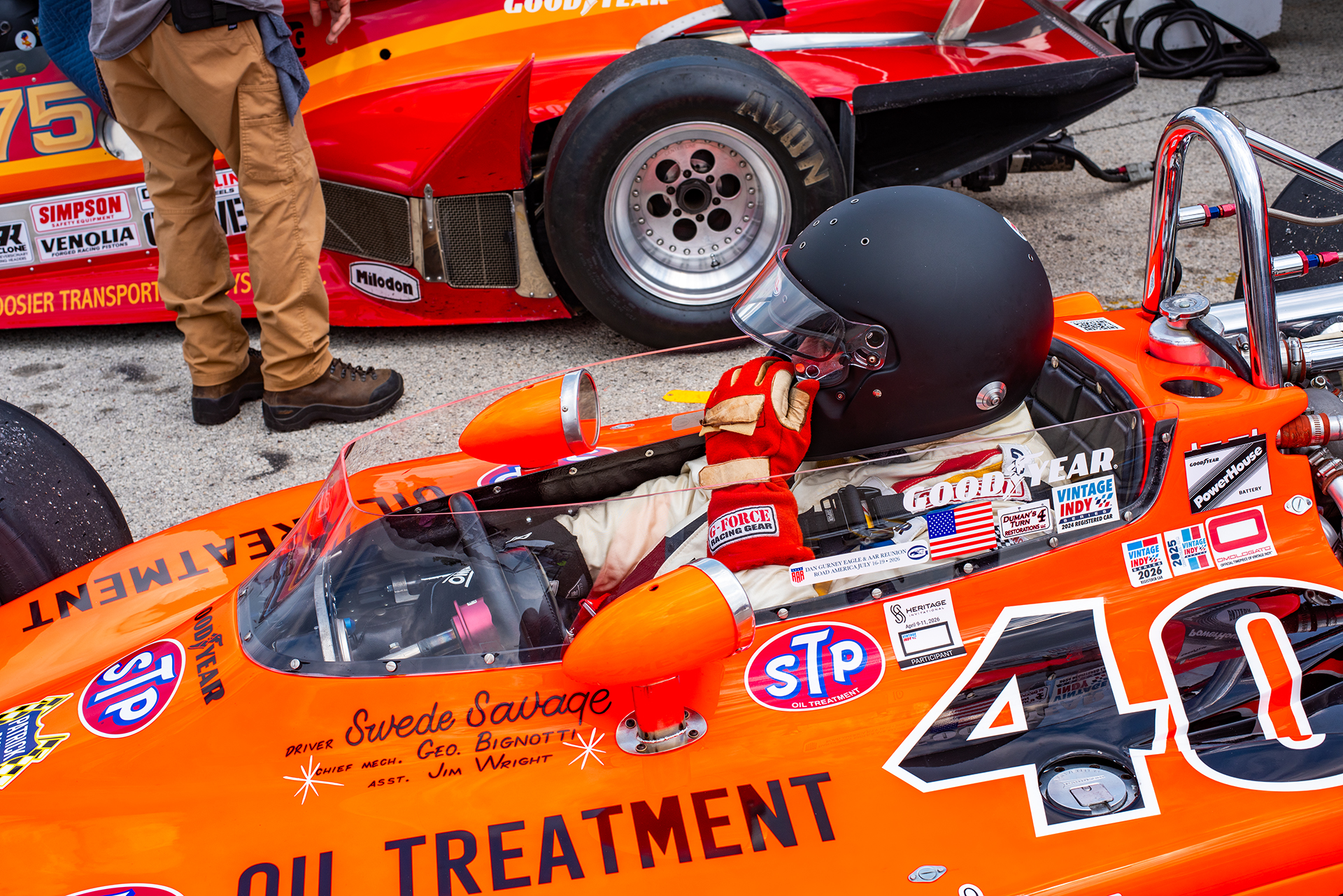
1972 Eagle: No time to sneeze.
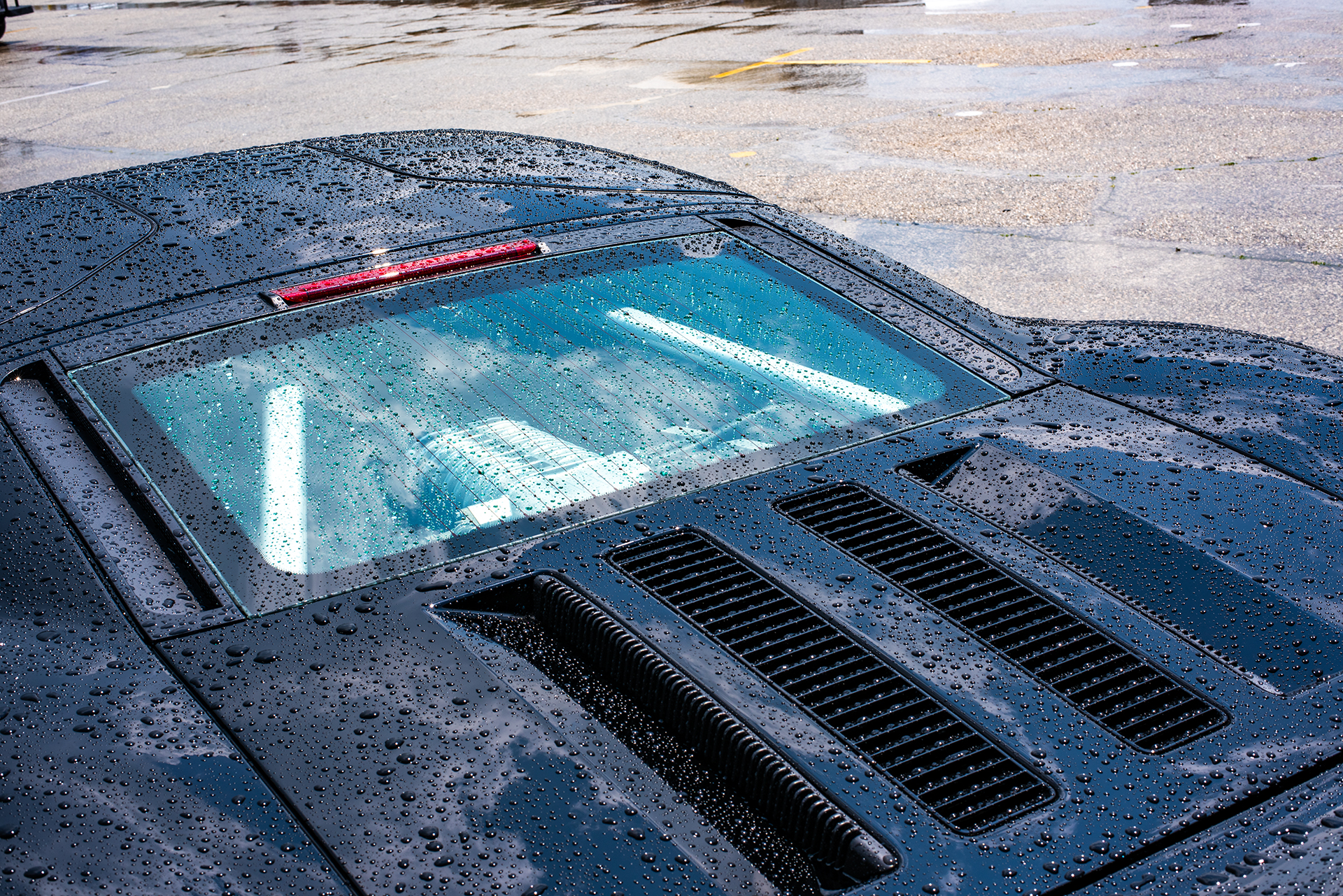
Ford GT: It must be raindrops.
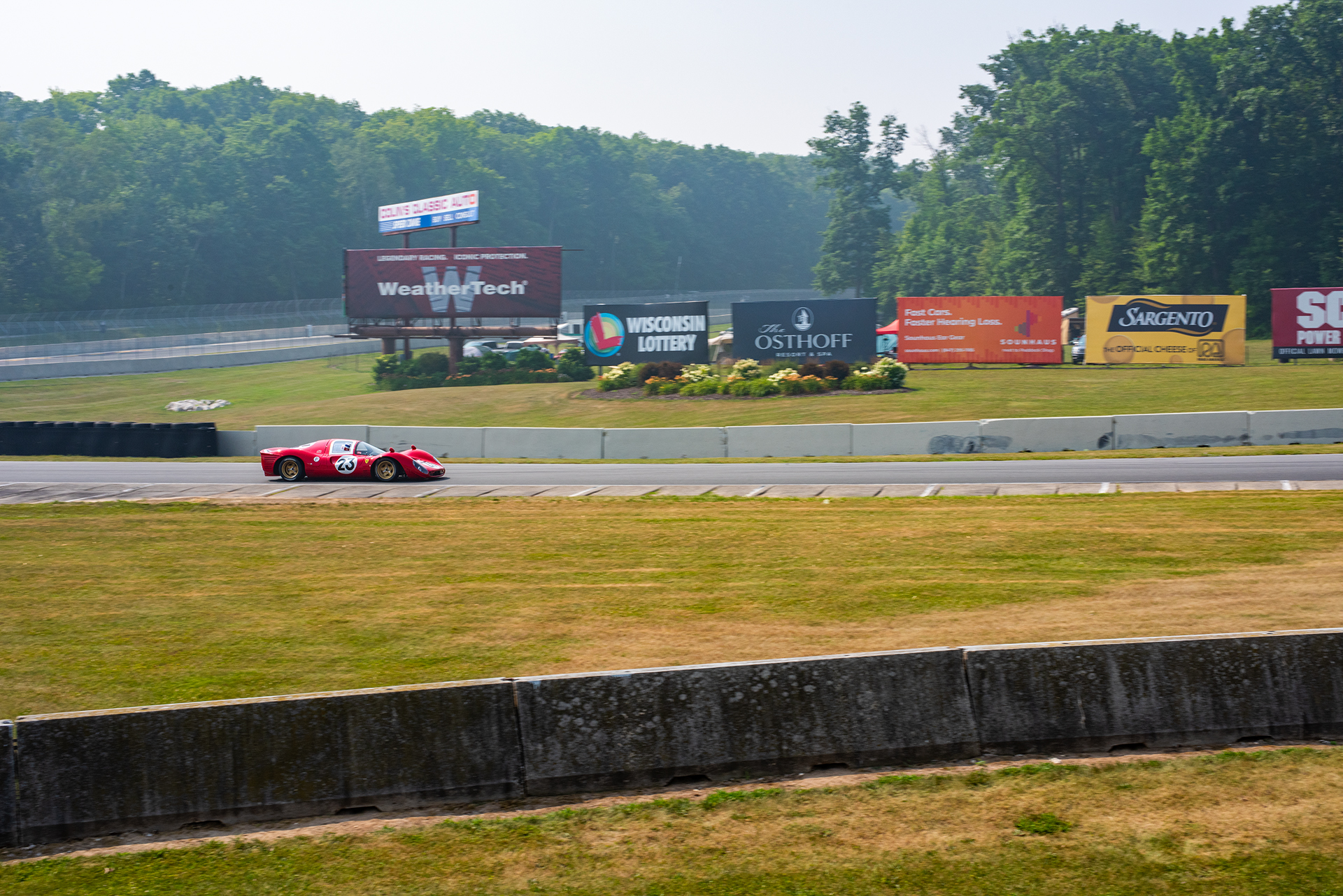
Let the haze begin
Here’s the link to Scott’s Road America story:
http://www.velocitygroup.net/TheBrianRedmanAtRoadAmerica2026/
Actually, that Renault 5 looks rather like a Renault Clio V6
From Scott:
“I stand corrected! That is my notation that Pete used. I stood there for the longest time discussing with the driver the performance of the car and his on track experience dicing with other drivers through the corners.
When he mentioned it was one of the last made in the series, that seemed to explain that fabulous V6 engine rather than the four. It had been so long since I had seen a 5, and the fact I was dealing with the rapidly changing light conditions, I didn’t notice the Clio lights and C pillar.
Truth be told, I was thinking of when I was working in Italy and wanted to get Zagato to build a car around the Laverda V6. (1980s)”
Excellent work!