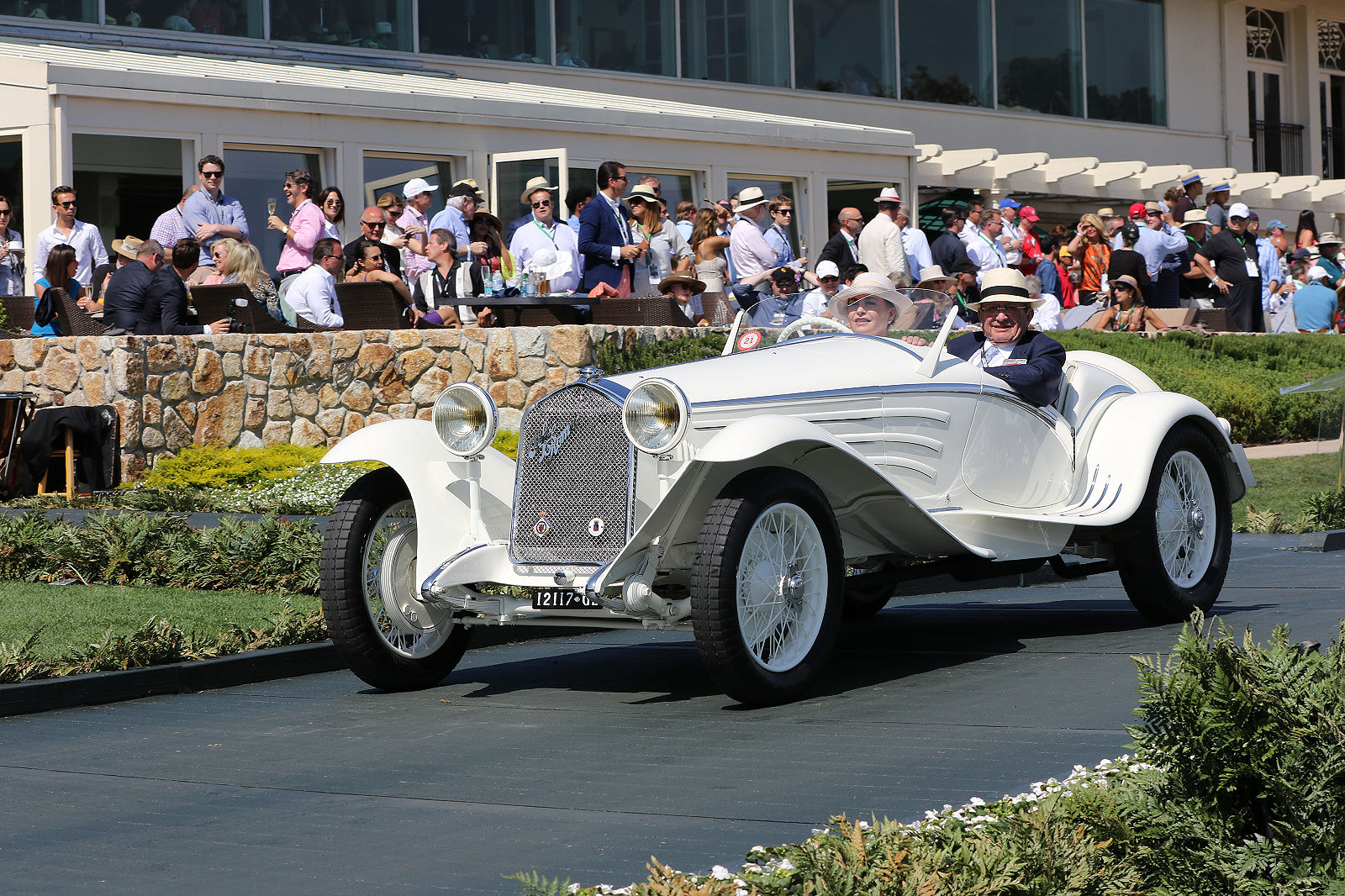
Marque et modele: Alfa Romeo 6C 1750 Gran Sport Touring “Flying Star.” Chassis number 10814341
Story by Brandes Elitch
Photos by Hugues Vanhoolandt
About thirty years ago, someone gave me a copy of a book titled Touring Superleggera, by Carlo Felice Anderloni. It was published in 1983. I started to go through it and was overwhelmed by the staggering beauty of Mr. Anderloni’s creations. Even though I had been observing automobile design for many years previously, I had never seen anything like this before. At some point, I had to physically put the book down and take a deep breath. I had to revise my conceptions of automotive design.
With the help of Hugues Vanhoolandt, let us look at eight examples covering four decades from Touring from 1930 to the 1960s. This is what astounded me so long ago, and still amazes me. We will weave these examples throughout the text below.
As we approach the Monterey Historics, three famous shows, Quail Lodge, Pebble Beach, and the Concorso Italiano, I imagine that I will see some of these cars again. And while there will certainly be beautiful cars from England and France and the USA, I suspect that I will be drawn to the Italian cars on display. And why, I had to ask, were there so many beautiful cars originating from this country?
I thought I might take a stab at this idea. Yes, this is a very controversial topic, one where sophisticated and knowledgeable people might disagree, some along the lines of politics and religion. After all, beauty is in the eye of the beholder. Or, as my friend the artist Francois de la Cloche says, “A chacun son mauvais gout!” I also realize that design is reflective of the period when it was created. The Classic Car Club is always careful to state that their list of CCCA recognized cars is about an era. And as someone once said, “There were no ugly cars in 1932,” which seems an overgeneralization, but one I find pretty accurate.
Here are a few of my personal observations about Italian car design. Feel free to disagree.
You might say that the Italian DNA for art goes back to the Renaissance. It goes back much further, long before the Roman era, but High Renaissance art (1490-1527) was centered in Rome and the art that began in Florence in the early fifteenth century flourished in Siena, Milan, Venice, Umbria, and Naples. Great artists included da Vinci, Michelangelo, Raphael, and Donatello. Italy was a group of city states for a thousand years and fought over by bigger neighbors, but they had the Vatican and about half of the most important bankers of the Middle Ages. Therefore, they had the money and the impetus to fund artistic work, and they did. This is their heritage.
I think it is safe to say that until WWII, many of the cars we find most desirable today either had custom coachwork or had a “senior series” like Packard that offered custom bodies. To use two obvious examples, there was no “factory-bodied” Duesenberg or Rolls-Royce before the war. If you wanted a car, you bought a chassis and then you chose a coachbuilder to build it for you. This wonderful practice did not survive the forties in the USA, and only marginally in the UK and in France.
But not only did it survive in Italy, but flourished. Here are some examples.
Touring was galvanized by the arrival of Anderloni Senior in 1925. Superleggera means using a tubular steel skeleton and handmade lightweight aluminum panels welded together to save weight, a pretty radical idea when everyone else was using a heavy wood-framed body. His son Carlo managed the firm after the war until 1966.
Pininfarina In some respects the greatest of all carrozzeria, it started when Battista Farina left his brother’s firm (Farina) and set off on his own. In 1961 the Italian government allowed him to change his brand name to Pininfarina. We should also acknowledge that the Cisitalia 202, considered one of the most pivotal designs in history, was produced by the firm but actually designed primarily by Savonuzzi.
Bertone, founded by Giovanni in 1921 and later managed postwar by his son Nuccio, and perhaps unique for the famous stylists who worked there: Franco Scaglione, Marcello Gandini, and Giorgetto Giugiaro. Giugiaro was voted the premier car designer of the Twentieth Century by a distinguished panel of 130 experts from 30 countries.
Ghia, founded in 1931, the factory was bombed heavily in the war, but it was revived in 1946 and continued making coachbuilt cars into the sixties, including the fabulous Chrysler dream cars (two of which are here in Sacramento!).
Vignale opened his coachworks in 1945, assisted by Giovanni Michelotti, and in the late 1960s sold out to De Tomaso, who was busy acquiring great marques such as Maserati and Moto Guzzi.
Frua Trained at Farina, Pietro Frua built beautiful cars until being bought out by Ghia in the mid 1950s and then independent again from 1958, building cars for another decade after that.
Scaglietti, who started building bodies for Ferrari in 1951 and was committed to Ferrari almost exclusively. FIAT bought Ferrari in 1969 and Scaglietti continued to manage the body design until he retired in 1985.
Zagato was founded way back in 1919. Few firms have had such a powerful, immediately identifiable product, almost magical, and not just for the double-bubble roof, surviving as an ongoing concern until 1993, now doing design consulting work.
In the landmark book, Carrozzeria Italiana, Cultura e Progetto, edited by Toto Anselmi in 1978, 96 Italian coachbuilders were listed and described. There is no such comparable list of eminent coachbuilders and designers anywhere else in the postwar period. And, just think of what they did for Maserati, Lancia, Alfa Romeo, Ferrari, Lamborghini, ISO, OSCA, and the FIAT 8V, plus many non-Italian car companies!
How these firms succeeded in a post WWII environment is part of the post war miracle. Italy was devastated by WWII. Most Americans don’t know that while September 1943 saw Italy agree to an armistice with the U.S., the Germans responded by occupying hundreds of villages and cities. They built their principal defense system in northern Italy, called The Gothic Line. The Allies fought until May 1945 to displace them in the Italian campaign. Tens of thousands of soldiers and thousands of civilians were executed by the Germans. Whole cities were destroyed. The Italian campaign was brutal. American casualties at Anzio alone were 59,000 and Allied casualties were about 330,000. Even in Sant’Anna, a small mountain village near Lucca, Germans killed more than 500 civilians, including children, women, and the elderly. Italy was completely devastated, physically and emotionally, almost unimaginably so, literally in ruins.
Somehow, against all odds, the art, culture and artistic DNA survived in the Italian people. The war left Italy financial crippled, which led to unemployment, hunger, homelessness, and civil war. The US provided Italy with $1.5 billion in aid from 1948-1952, part of the Marshall Plan. The Italian economic miracle occurred from 1958-1963 and helped Italy transform from a poor rural country into a global industrial power. In 1957 the European Common Market was created, and provided Italy with more investment and enhanced exports. The major manufacturing centers of Milan, Turin, and Genoa had nine million Italians migrate from the south to the north, uprooting whole communities and creating modern metropolitan cities. Between 1950 and 1962, Italian GDP doubled. This period is when many of the greatest automobile designs became reality in the coachbuilders listed above. Perhaps strife encourages art, I don’t know.
But I do know that while there are many ugly Italian cars, the majority are very attractive if not beautiful, as witnessed by the Touring confections alone. Post war Italian cars will remain a high point in automotive culture, art and history.
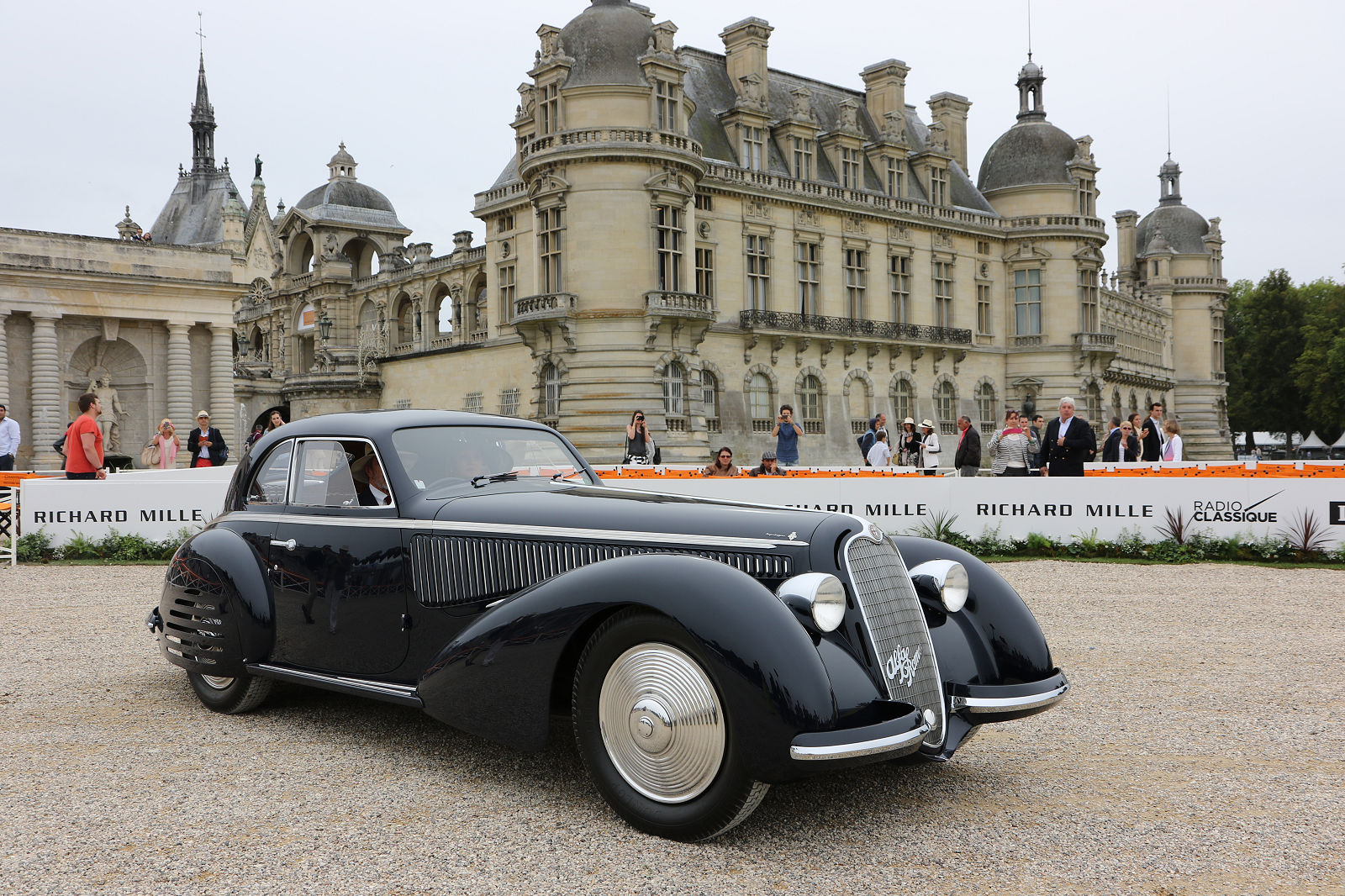
Alfa Romeo 8C 2900B berlinetta Touring. No de chassis 412020
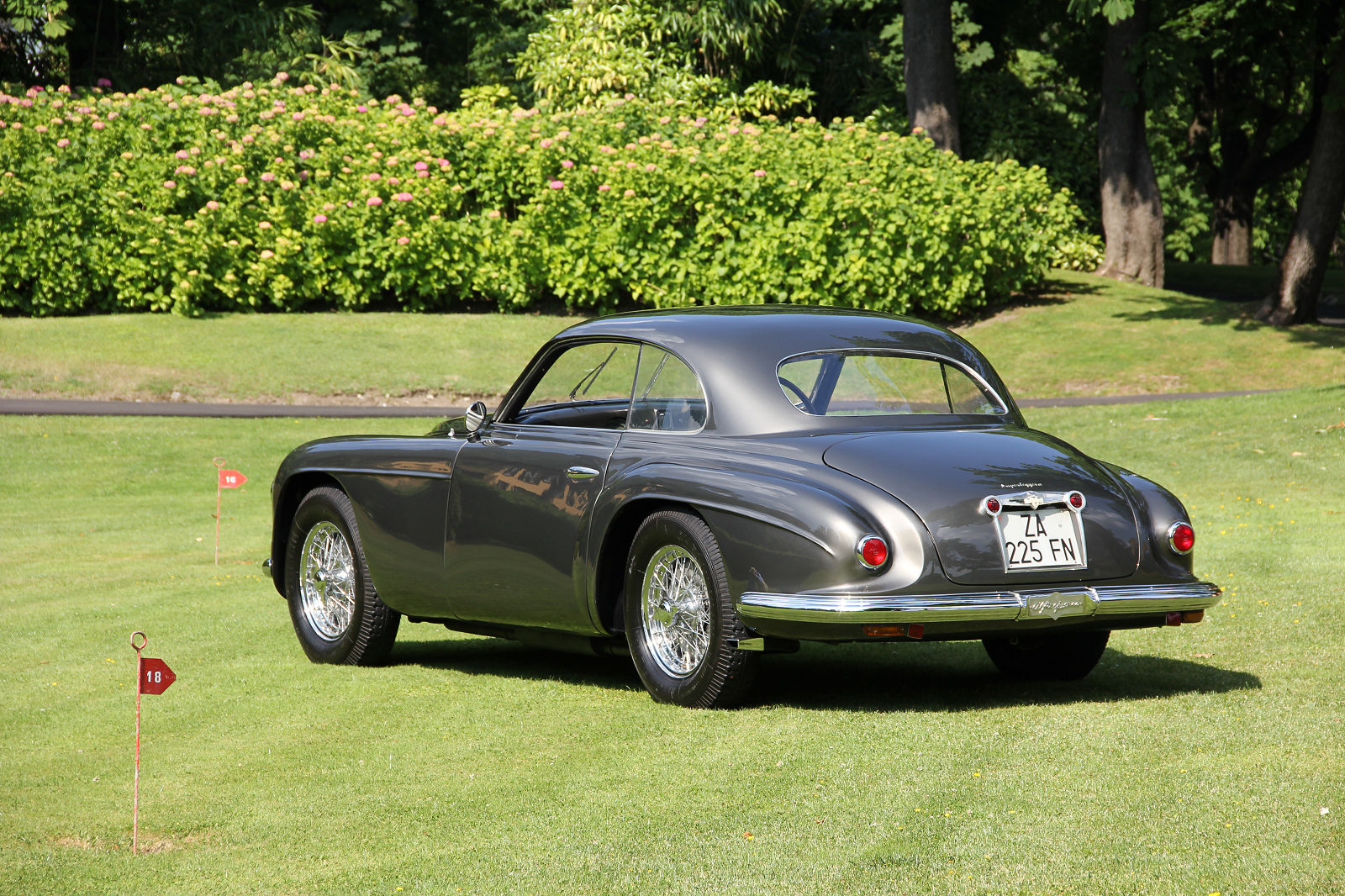
Alfa Romeo 6C 2500SS Villa d’Este coupé Touring. No de chassis 915916
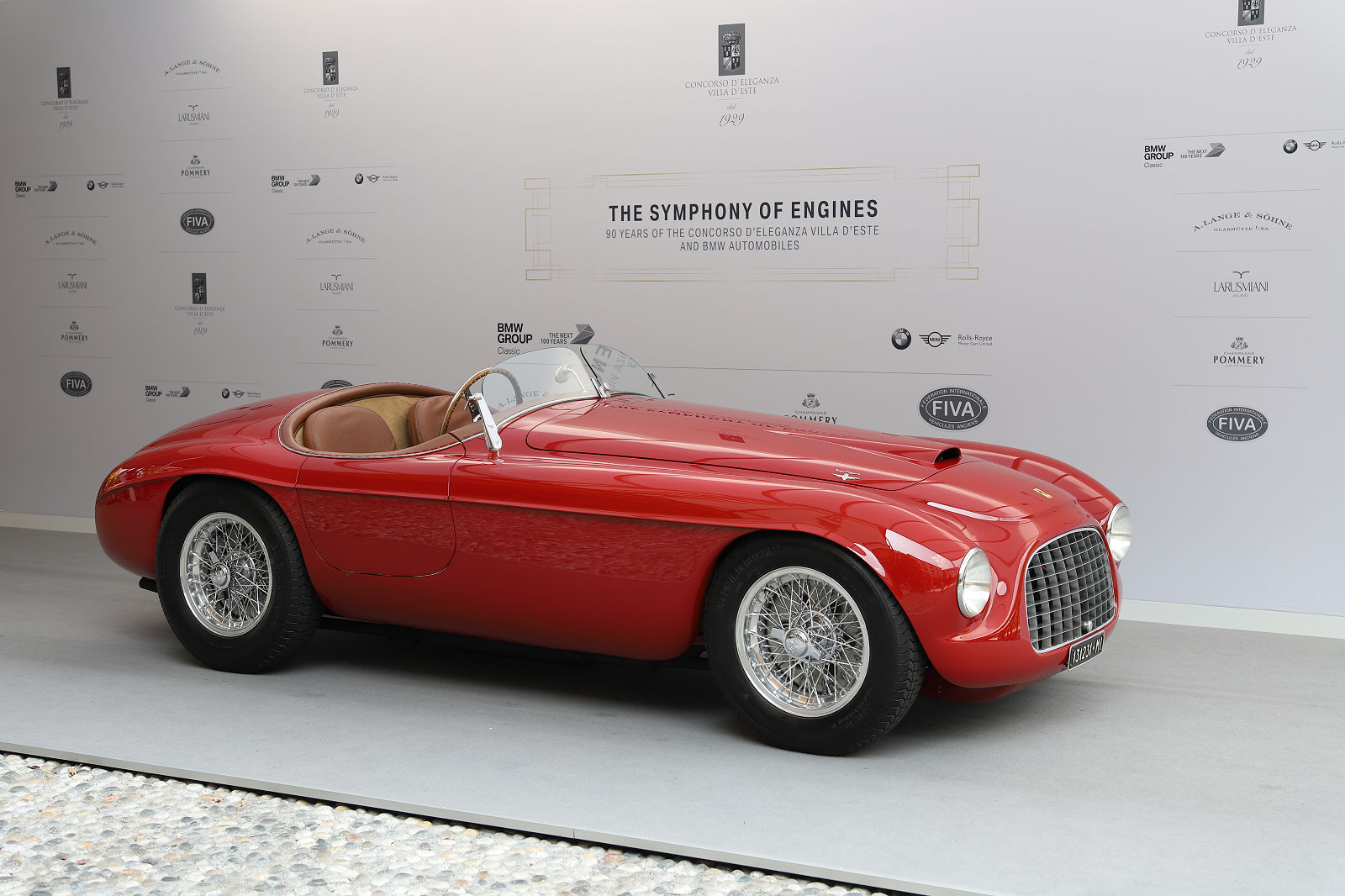
Ferrari 166 MM barchetta Touring. No de chassis 0006 M
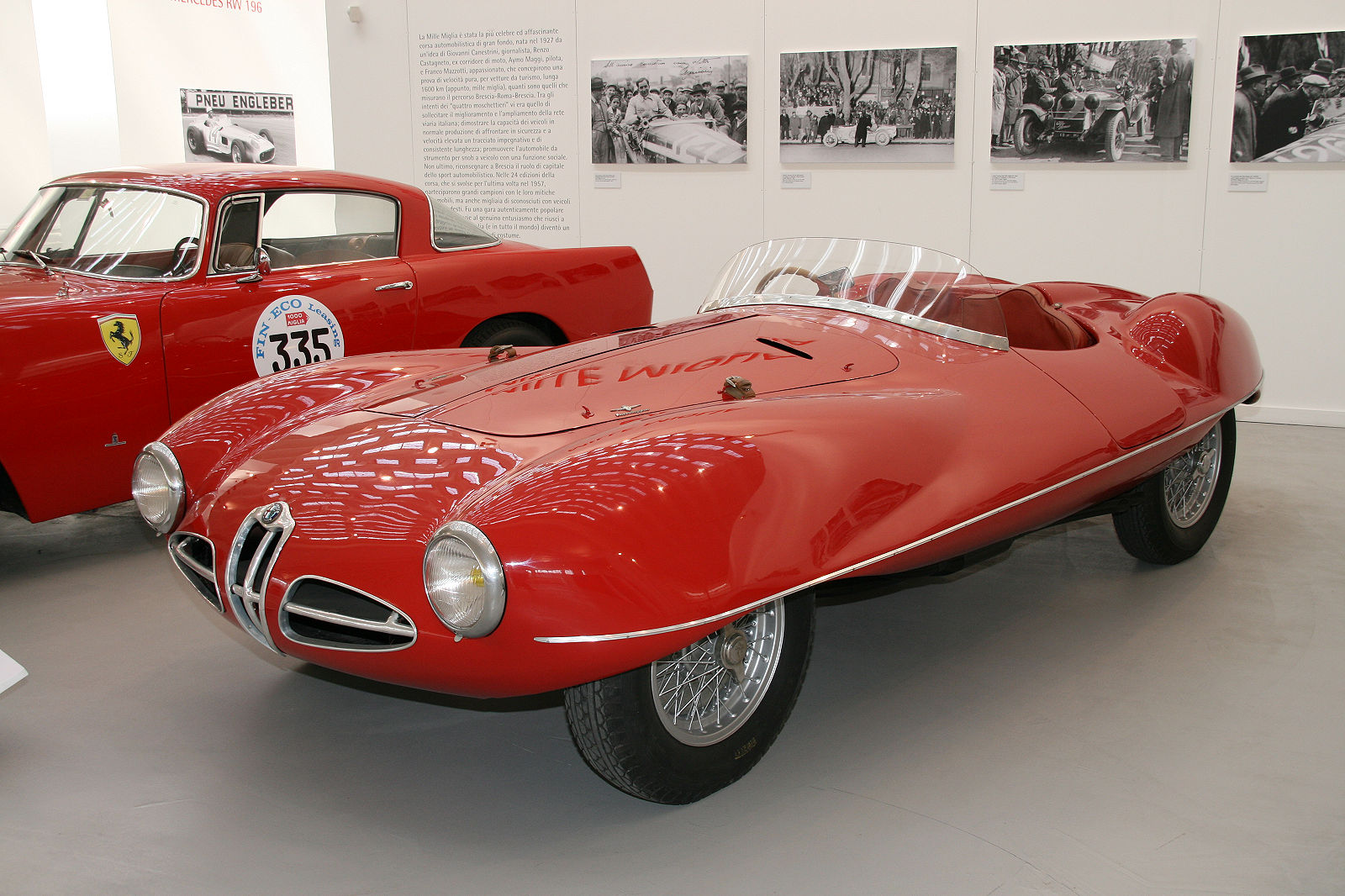
Alfa Romeo 1900 C52 “Disco Volante” Spider Touring. No de chassis 1361.00011
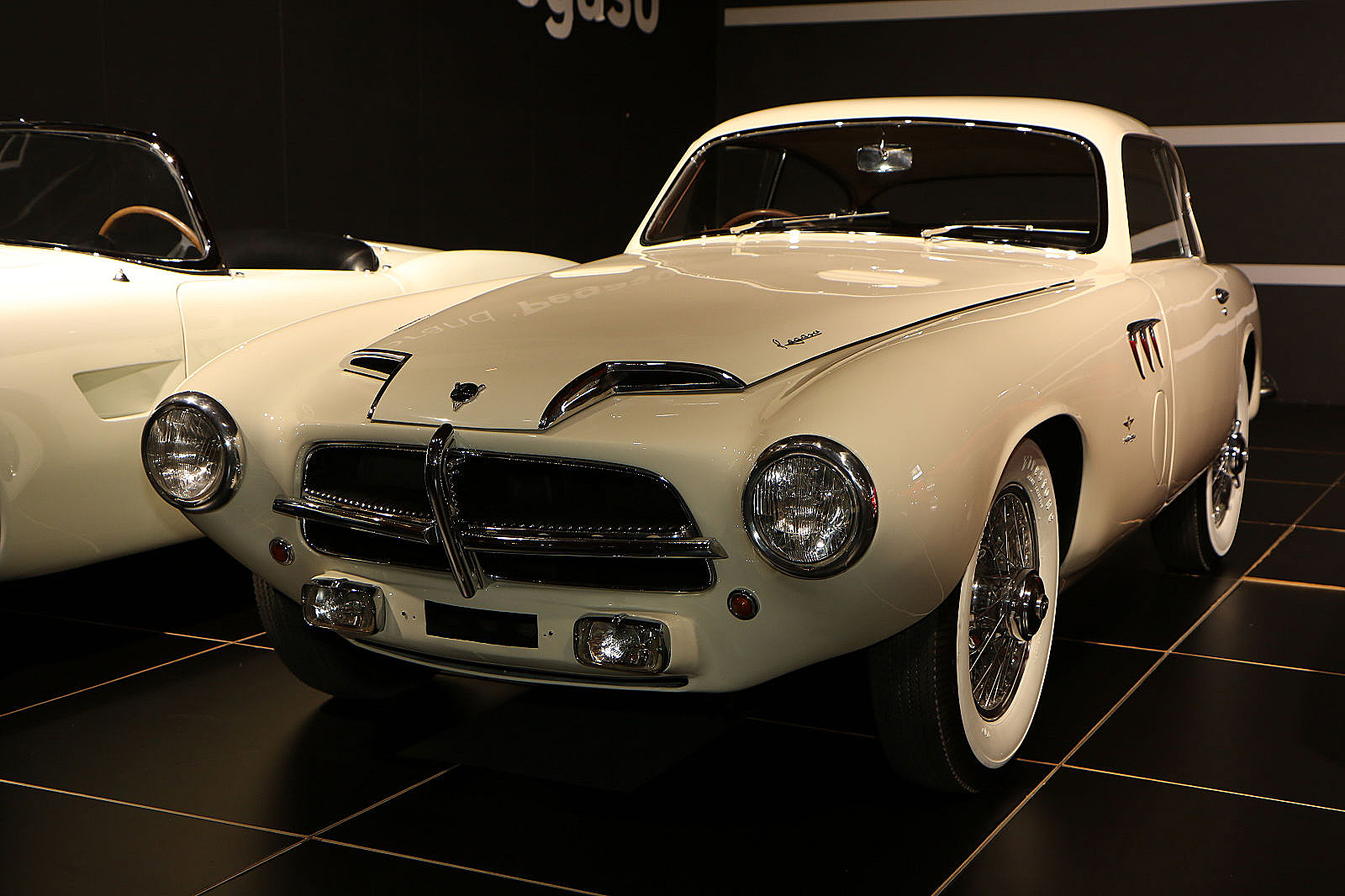
Pegaso Z-102 Touring No de chassis 0162
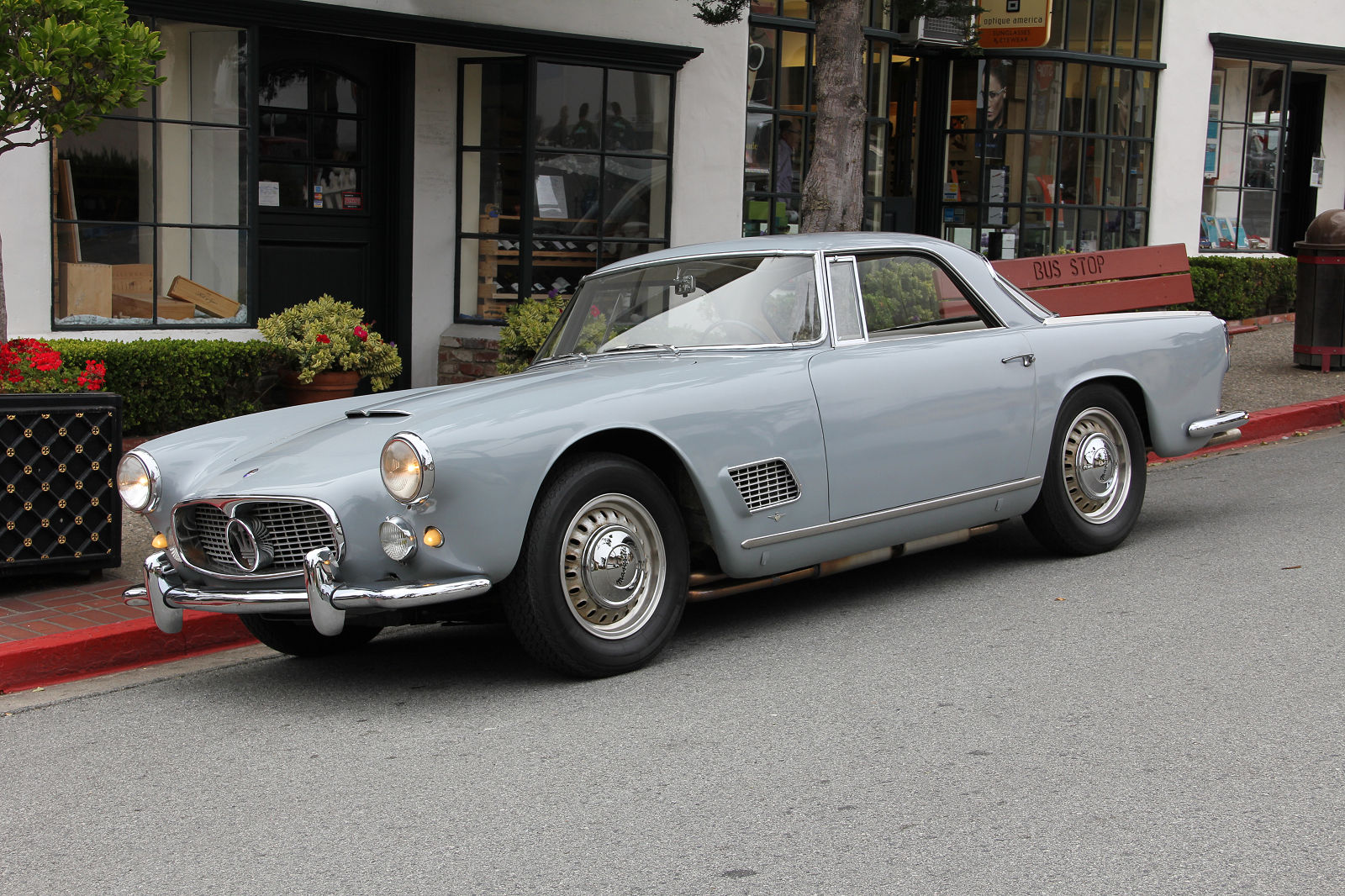
Maserati 3500 GT coupé Touring
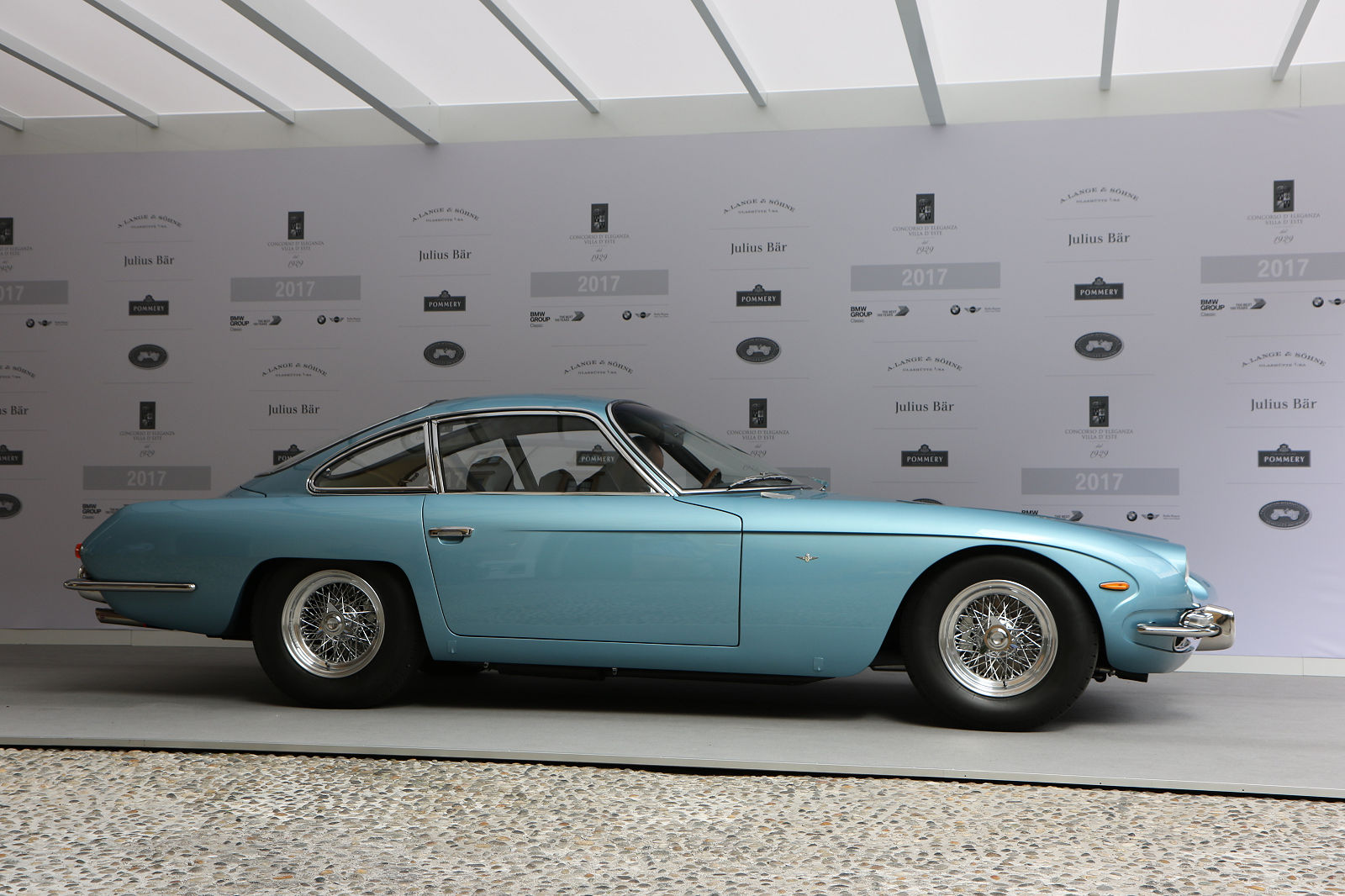
Lamborghini 350 GT. No de chassis 0265
I am going to my first Monterey car week this year and can’t wait. Thanks for getting me even more excited!
A great story well researched and written with passion. Thank you. One small correction, if I may….Pegaso was Spanish.
Of course, Pegaso was Spanish, but with Italian coachwork
Another well researched and well written article by Mr. Elitch.
As a life-long Italian car enthusiast and owner, and having lived in Italy, toured many of those Carrozzeria, I have long thought about this also. I totally agree with Brandes’ theory on this subject.
Hello Brandes,
Why are Italian cars so beautiful? You answered the question very well, but I would also add that when you live in such a beautiful country, that influences your artistic passion as well. Few would argue that Italy is not the most beautiful of countries on this planet. Their passion for life is obvious in the cars they build, and their art that has been passed on to us.
I too have had the Touring book since being published, and the quality and quantity of their work is amazing. Thanks for ending this article with the profile view of the Touring Lamborghini 350 GT. I’ve owned a 400 GT+2 for nearly 50 years, sitting next to contemporary Ferrari, Alfa, Maserati, Lancia and ISO models from other Italian coachbuilders. All beautiful in their own way, but I have always admired how Touring could carry over some of their trade mark design features into the future designs. Zagato is famous, and rightfully so, for aerodynamic innovation, but the Touring bodied cars were often remarkably aerodynamic as well. This 350 GT is a good example. Nearly 15 MPH faster than the similar powered Pininfarina Ferrari 330/365 GTC.
Wishing you a great Monterey Week, Denton
Not being Italian maybe makes it easier to see their mastery. This answer, conjecture really, tangentially (Coach Works) touches on a, I’d guess, keen aspect in as much as most forms resulted from a direct human tactile construction. The singular vision of these apex design men easily trumps the Committee ethos as well I ‘spose. There’s SO many but might there be room for the motorcycles? Ciao, Pj
Hi Brandy,
This is beautifully written and the images are spectacular. I can hear your voice in your writing. I need to find a way to do the Monterey Historic’s next year. Great work.
A beautifully written article about a great subject although I think there is more to it. In the 1990s I spent a lot of time in Italy and worked with Nuccio Bertone for almost five years, a wonderful classic Italian gentleman whose friendship and time I spent with him I still treasure, even though he is gone.
I am Italian myself and a car designer also and my time in Italy was revealing to me and it opened my eyes to the artistic Italian culture that dates back to the early Etruscans who really started the ball rolling regarding the aesthetic art of Italy. They were such good farmers in a country with good weather and soil that they had time for other pursuits, like art and the cooking of great food. Turin became the manufacturer of metal weapons of war and the art was translated into those military tools, the culture of metalworking with artistic character was then passed into coach building. No surprise that the cars would be beautiful as the preceding weapons also were.
The important thing here is the ‘Appreciation of Art’. Car designers are artists, many avoid that signature but those who do realize it and to excel they are then able to include the achievements of past artists into their work. Proportion, form language, graphics, architecture and more are all managed by the artist in any art form. Italy is a beautiful country and have you not noticed that everything in Italy has a measure of art, be it a fine leather purse, a perfectly curving arcade or the shape of a car? Art has been passed on for centuries in Italy, it is ingrained in the personalities and intellect of it’s people. How they speak, their sense of humor, how they dress and actually in everything they do. Young Italians are imbued with the Italian culture of art without even realizing it. Everyone in Italy is some kind of artist, the least by association.
Car designers have to do a lot of work to finally gain confidence in their abilities as artists. Few today are able to impart their own artistic character into a car as the industry has many pitfalls that reject artistic content, some do succeed. Car design programs with safety requirements make the design process much longer than it used to be, hence designers are mired in details instead of creating and evolving new automotive themes quickly.
Studying the designers mentioned you will see the evolution of design character that was made with each car design that they accomplished. You can also see a different design character as expressed by the different Italian designers of that day, like sculptors or painters. Each designer also advanced his own experience and skill as each car was developed aesthetically, some at different rates of course. The progression of ever more artistic sophistication that enhanced and realized the beauty that could be included in the forms of an automobile are clearly seen in the evolved work of Giorgetto Giugiaro.
I do not agree that he was the most significant car designer of the twentieth century.
That was Harley Earl of General Motors who single handedly created the profession of car design. He invented the clay model that is still used today around the world and he was instrumental in the building of the iconic General Motors Technical Center, the plan that all modern automotive campuses are patterned after even today over sixty years later. He was also responsible for many beautiful cars himself and had great appreciation for Italian design, the coach builders and the cars.
To see a beautiful Italian car, and there are many, is a visual and sensual treat. A dynamic vision of a culture from a country that has dedicated itself to excellence in art, a tradition that has been carried on and advanced for centuries. There are no others like it.
And cacio de pepe is pretty darn good too!
i’d give a box of krispy kremesto anyone who could read the faded/rubbed name of a carrozzeria that pete coltrin took bill pryor and me to in modena in ’66. it wasn’t very big, maybe 60’x30′, and the owner begged me to give him a new mustang and $6k for which he’d rebody it to one of several beautiful designs he’d drawn (and any mods i’d like to make to them) and a complete leather interior. he had the traditional big tree stump at the back with various contours carved out of it. he said while they had a decent income repairing accidents due to their reputation for quality workmanship, his sons were becoming dissatisfied and were thinking of quitting the family business and doing something else. the drawings were traditionally italianate and beautiful but my callow thought was at the end of it all, all i’d have is a beautiful one-off mustang! we get so soon old and so late smart!
omitted detail: the name is on a 1″x2″ metallic stickon he gave me. i put it on the toilet tank in my bathroom as i didn’t have a toolbox. the house has been thru several owners since ’86 and my niece bought it back into the family a few years ago and that stickon is still on the john!