Story and photos by Jonathan Sharp
Having sent the Editor the photographs for this piece, he asked me to tell our audience why a Brit who drives an Alfa appreciates Bentleys. An interesting question, and one to which I had never given much thought. The stock answer might be that I am English, and that we are hard-wired to appreciate Bentleys as much as we appreciate the Spitfires and Hurricanes of the Battle of Britain; it is in our DNA.
Well, maybe it is, but I think my appreciation stems from the stories behind many of the cars. Certainly, all the examples featured at last year’s Hampton Court Concours (September 6-8) in celebration of the marque’s centenary have great stories to tell. I have read and enjoyed the stories about the antics of Bentley Boys and their hedonistic life styles. And while I doubt that I would have enjoyed their company or tolerated their behavior, I am glad that they existed.
When I was growing up in the 1960s, we had four framed pencil drawings of famous old cars on our living room wall; I think my Dad got them by buying Regent petrol or the like. One of the drawings was of the Birkin single-seater Blower Bentley, and I knew that I really wanted to see that car one day. As to what the other three drawings were, I cannot recall. My Dad was a coach painter working in Hornsey in London during the 1950s, very near to Colin Chapman’s work shop. Dad used to tell me how the mechanic in one of the other railway arch workshops, I think his name was Sid Lawrence, used to tune vintage Bentleys by taking off the exhaust manifold and adjust the carbs by the color of the flame, which sounded fantastic to a 10 year old junior petrol head. I can also recall one afternoon in the 1970s going for an afternoon walk with my parents and coming across a British Racing Green Prewar Le Mans type Bentley sitting on the driveway of a rather nice house which must have made an impression on me as I can still picture the moment in my mind.
So if I had the money to own a Bentley today, would I? Probably not as I would spend the money on an Alfa Romeo which I love, But I really do appreciate Bentleys. Well, the old ones anyway.
Here are a few of the old ones taken at Hampton Court Concours last year. Information for the captions obtained from the placards or the relevant Internet site.
The Not-So-Famous Blue Train Bentley*
Terence Cuneo, when painting his well-known Bentley vs The Blue Train served it up with two slices of artistic license. Cuneo was a prolific English painter noted for his scenes of railways, horses and military actions. He was also the official artist for the Coronation of Queen Elizabeth II in 1953. His painting of the Barnato run depicted the Bentley Gurney Nutting Fastback neck and neck with the Blue Train itself.
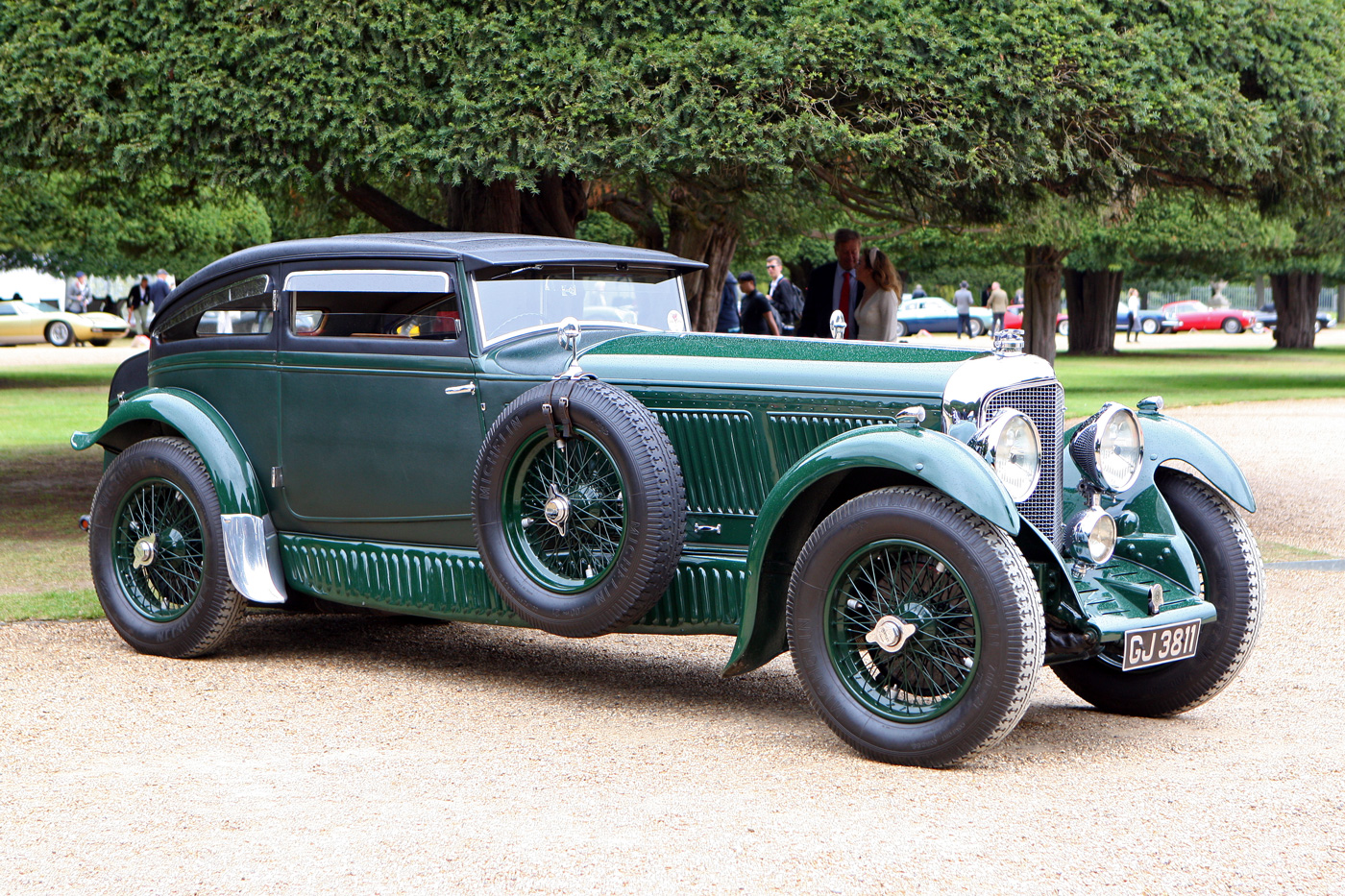
Whilst sipping cocktails in the bar of the Carlton Hotel in Cannes, the conversation between Woolf Barnato and his drinking companions turned to the Rover and Alvis Motor company’s recent and well publicized race of the Blue Train from Cannes to Calais. A Rover light 6 had beaten the train by 20 minutes, and the Alvis by 3 hours. In Barnarto’s mind both feats hardly deserved any merits and he wagered £100 that, driving his Bentley Speed Six, he could get all the way to England before the famous train arrived in Calais.
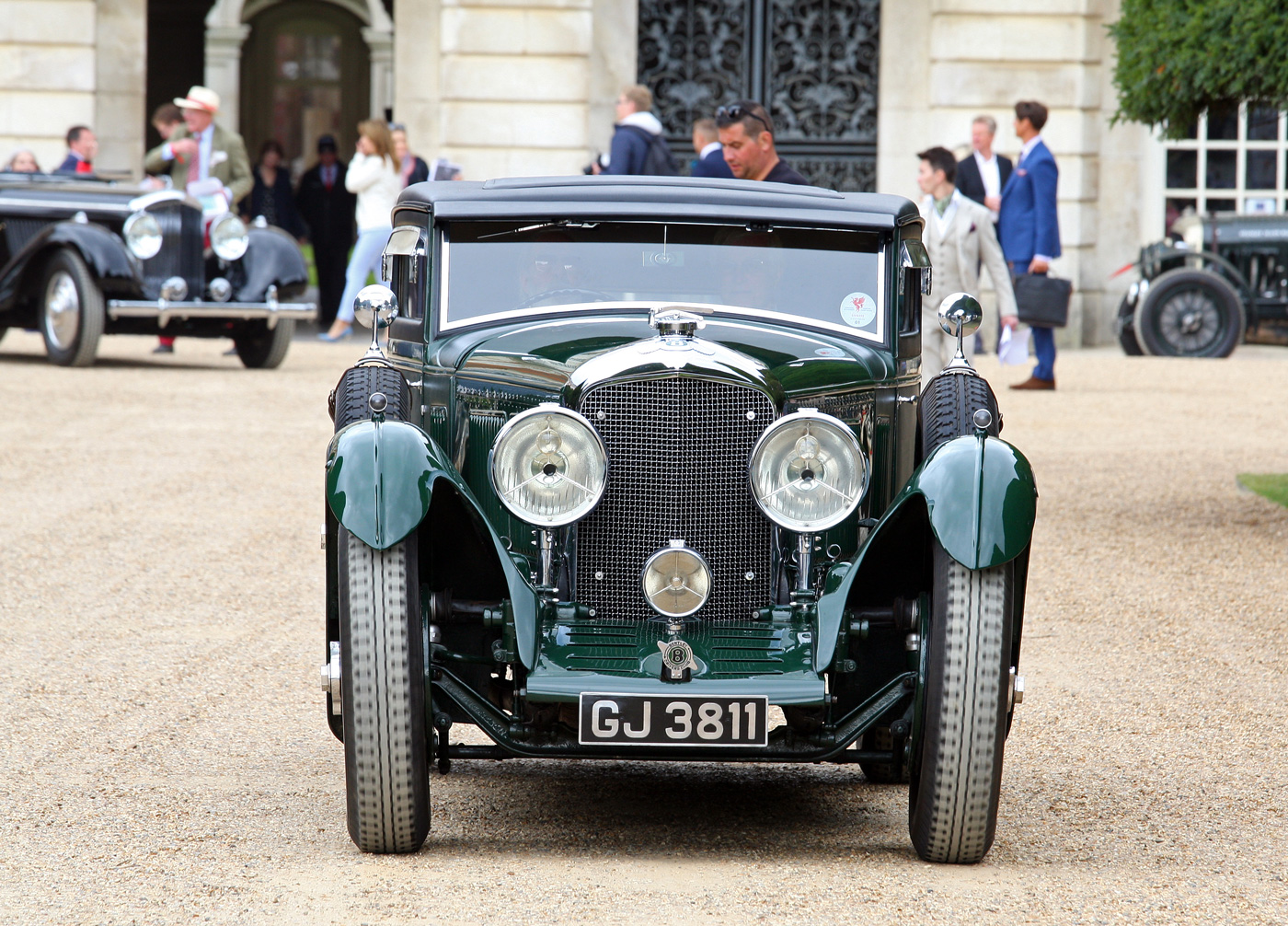
Barnarto was deadly serious but also rather clever. He had already studied the train’s timetable noting that after leaving Cannes, the train chugged alone the coast to Marseilles where it stopped for an hour before travelling up to Paris, where it took a further three and a half hours to cross the city before continuing onto Calais. And Barnarto had simply wagered that he would beat the train, he had not wagered that he would follow the same route as the train. Placing the car next to the train was Cuneo’s first slice of artistic license.
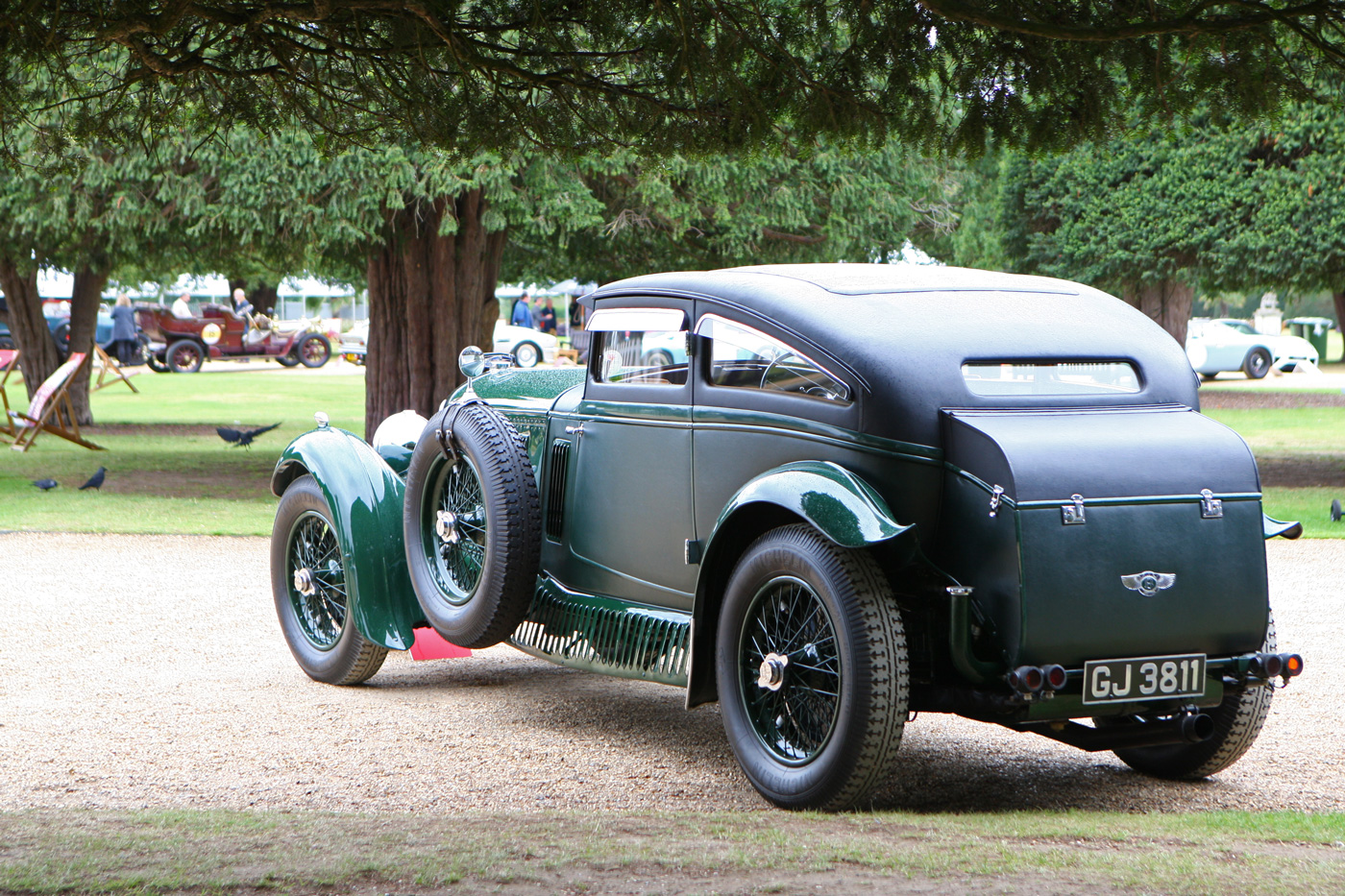
Preparation for the run was as just thorough as for any race run at La Sarthe. On the afternoon of Thursday the 13th March Barnarto, with his chosen co-driver, Dale Bourne, sipped their drinks at the bar of the Carlton whilst waiting for news that the train had departed (at 5.54pm), and then departed for Aix-en-Provence where they topped up. Barnato had already arranged for a petrol station at Lyon to remain open until midnight and they arrived bang on schedule. Upon leaving Lyon it rained, which slowed them a bit. At Auxerre he had arranged for a petrol tanker to be on standby at 4am but they did not arrive until 4.20am, then lost time finding the tanker. They arrived in Paris about three quarters of an hour behind schedule and soon after leaving Paris they burst a tyre and as they only carried the one spare they reduced their pace somewhat. They arrived in Calais at 10.30am exactly one hour before the Boulogne Folkstone boats scheduled departure which allowed them time to enjoy a hearty breakfast. After a pleasant one hour twenty minute sea trip and a swift trip through customs, they were on their way to London with the wager already won. Seeing no more reason to hurry, they motored on leisurely into London. It was whilst driving past Victoria station that Barnato noticed that the time on the station clock showed 3.20pm; the train was scheduled to arrive in Calais at 3.24pm so they decided to confirm their run by clocked in at Bournes Club in St James and then at the R.A.C Club. So what was Cuneo’s second slice of artistic license? Barnato did the run in a different Speed Six. The 1930 Gurney Nutting bodied Speed Six known as the Blue Train Bentley and photographed here, was not constructed until after the event, to a design drawn by Barnato on the back of an envelope. The design included a side facing rear seat and some rather unusual rear straps more often seen in a gynecologist consulting room. I will leave you to ponder on his design choices.
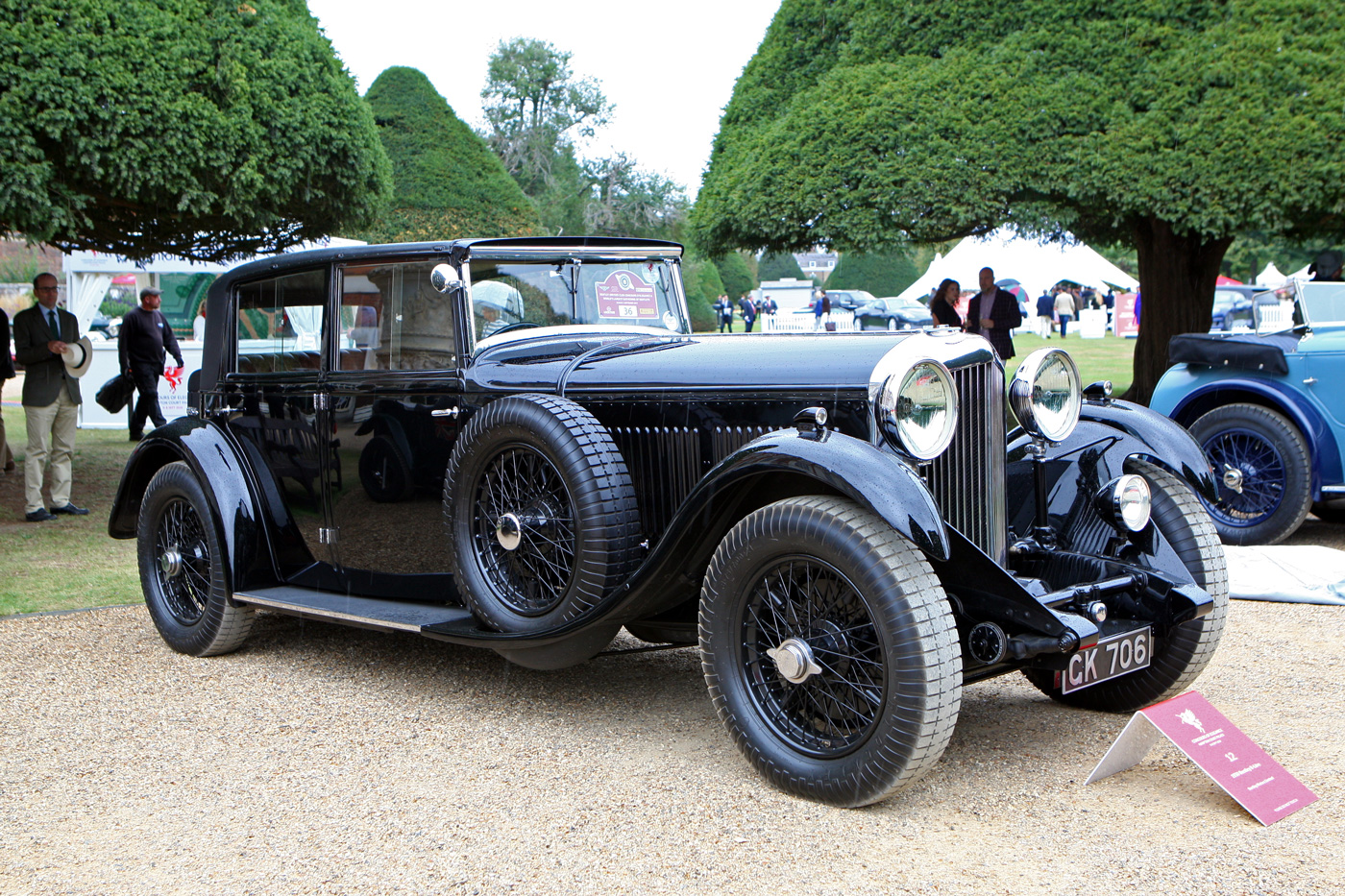
Entered by Bentley Motors, this 1930 short chassis Bentley 8 Liter with coachwork by Mulliner, the second example built, was WO Bentley’s own car which, after his company was sold to Rolls Royce, he used to drive all over the UK and the Continent.
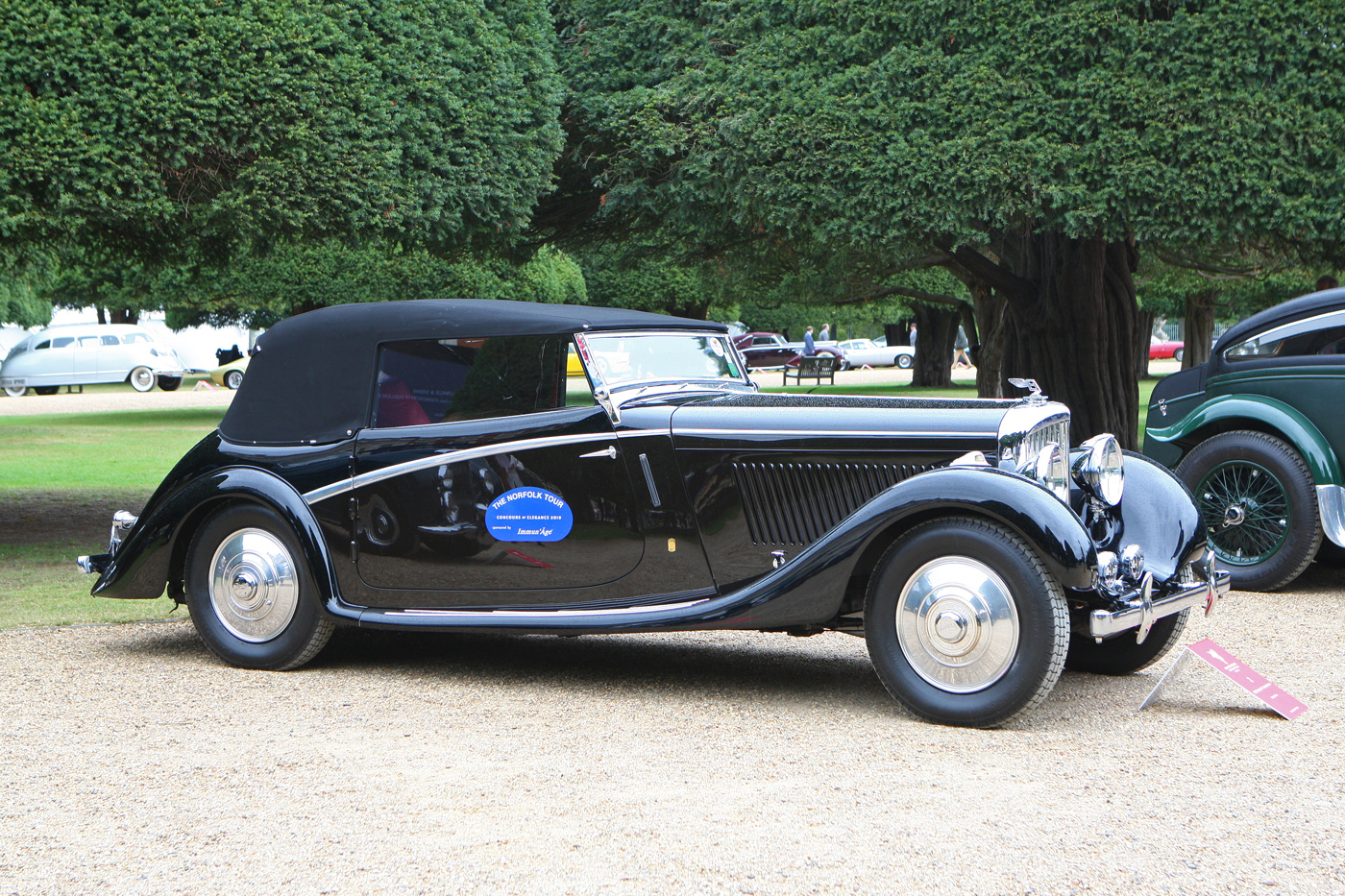
Paris based Greek shipping magnet and serial Bentley buyer, Andre Embiricos ordered this 1936 Bentley 4 1/4 and commissioned the coachbuilder Jean Antem of Courbevoie, Seine to create this elegant cabriolet. In 1940, just prior to the fall of Paris to the Nazis, Andre managed to ship the Bentley to the USA where he continued to enjoy the car until 1945. Several USA based owners followed before coming into the care of Byron White of Rhode Island who kept the Bentley for four decades. Entered by Stephen Braur fully restored and complete even down to the original tool kit and Bentley Driver’s Instruction Book.
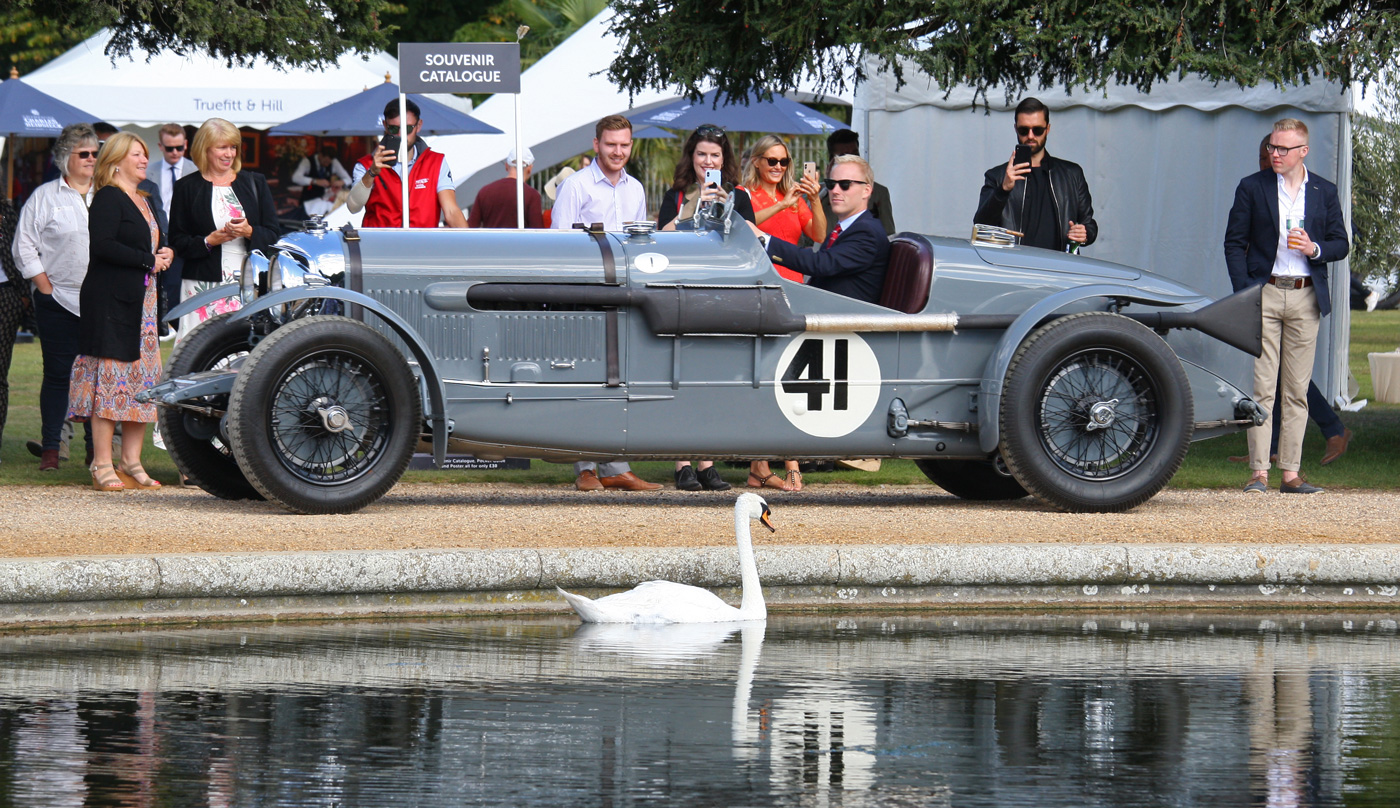
You may be familiar with the term “William The Conquer’s Battle axe, three new handles and two new heads but it is still his battle axe.” That thought came to my mind when reading about the history of this 1929 Bentley Speed Six known as “Old Number One.” Built as a racing car, and for the whole of its race career was owned either by Bentley Motors, Or the company chairman, and famous Bentley Boy, Woolf Barnato. Frequently modified to remain competitive, it was originally fitted with a Vanden Plas four seater body to meet Le Mans regs, but also sometimes fitted with a second racing body built for racing at Brooklands. At Le Mans in 1929, driven by Barnato and Birkin, and having to carry the weight equivalent to three passengers, Old Number One led from the start and never once had to have her bonnet opened throughout the 24 hours, winning at an average speed of 73.63 mph. At the Brooklands Six Hours Old Number One won with ease. Glen Kidston then finished 2nd in the Irish GP.
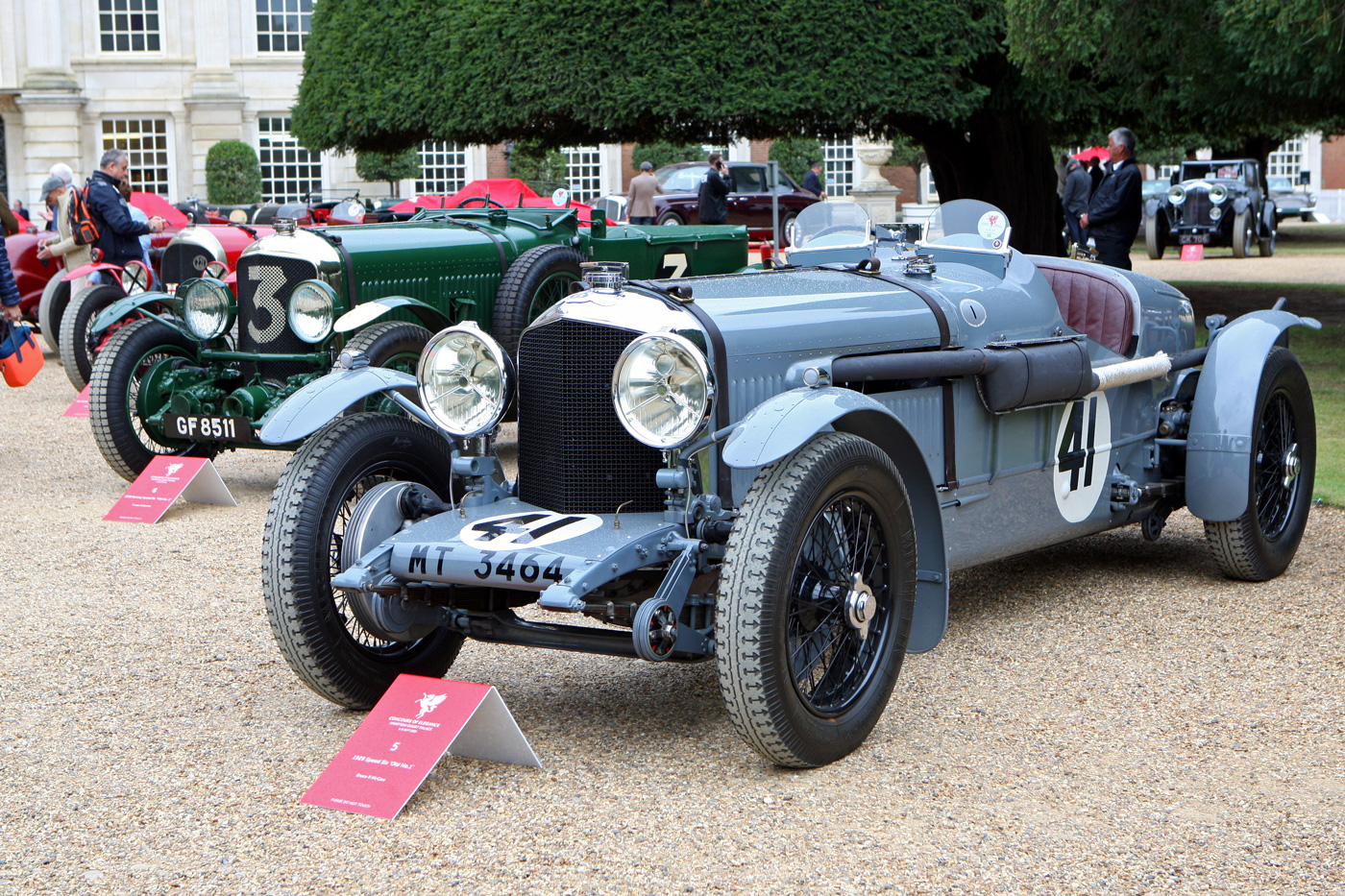
In 1930 Barnato, with Kidston drove her to victory at Le Mans. After the 24 hour race Barnato decided to retire but in 1931 he put back the Vanden Plas body but with a streamlined tail for the 500 mile race at Brooklands and driven to victory by Jack Dunfee and Cyril Paul. By 1932 Baranto had decided the 6.5 Liter engine no longer offered sufficient power so had the car rebuilt at his Belgravia mews garage fitting a new 8 Liter engine and new bodywork by Gurney Nutting but retaining the same chassis number. Her final race ending in tragedy when at a speed of about 127 mph Dumfee lost control and was killed. Barnato later had the car rebuilt for road use. The car today remains in its 1932 Brooklands form.
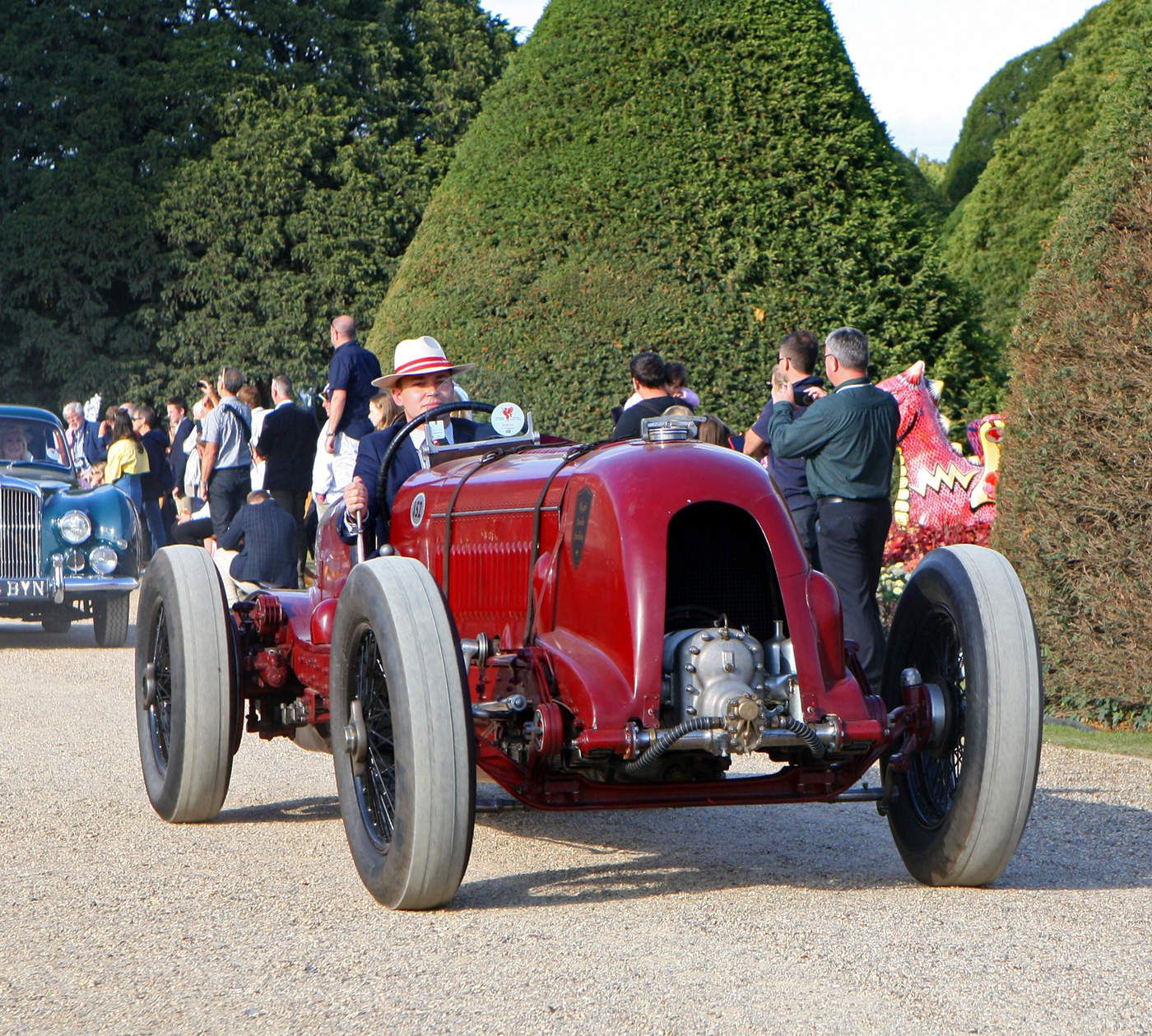
Sir Henry Tim Birkin, or Tiger Tim as WO Bentley called him, by 1928, had determined that more power would be required to remain competitive. Rather than simply increasing the engine capacity as was WO’s usual route he realized that a small light and powerful engine would be preferable. Together with racer Mike Couper he set up his own engineering company and with Amhurst Villiers set about fitting a supercharger onto a Bentley crankshaft. The result being an increase in power from 110 to 175 bhp with 242 bhp being possible in racing form.
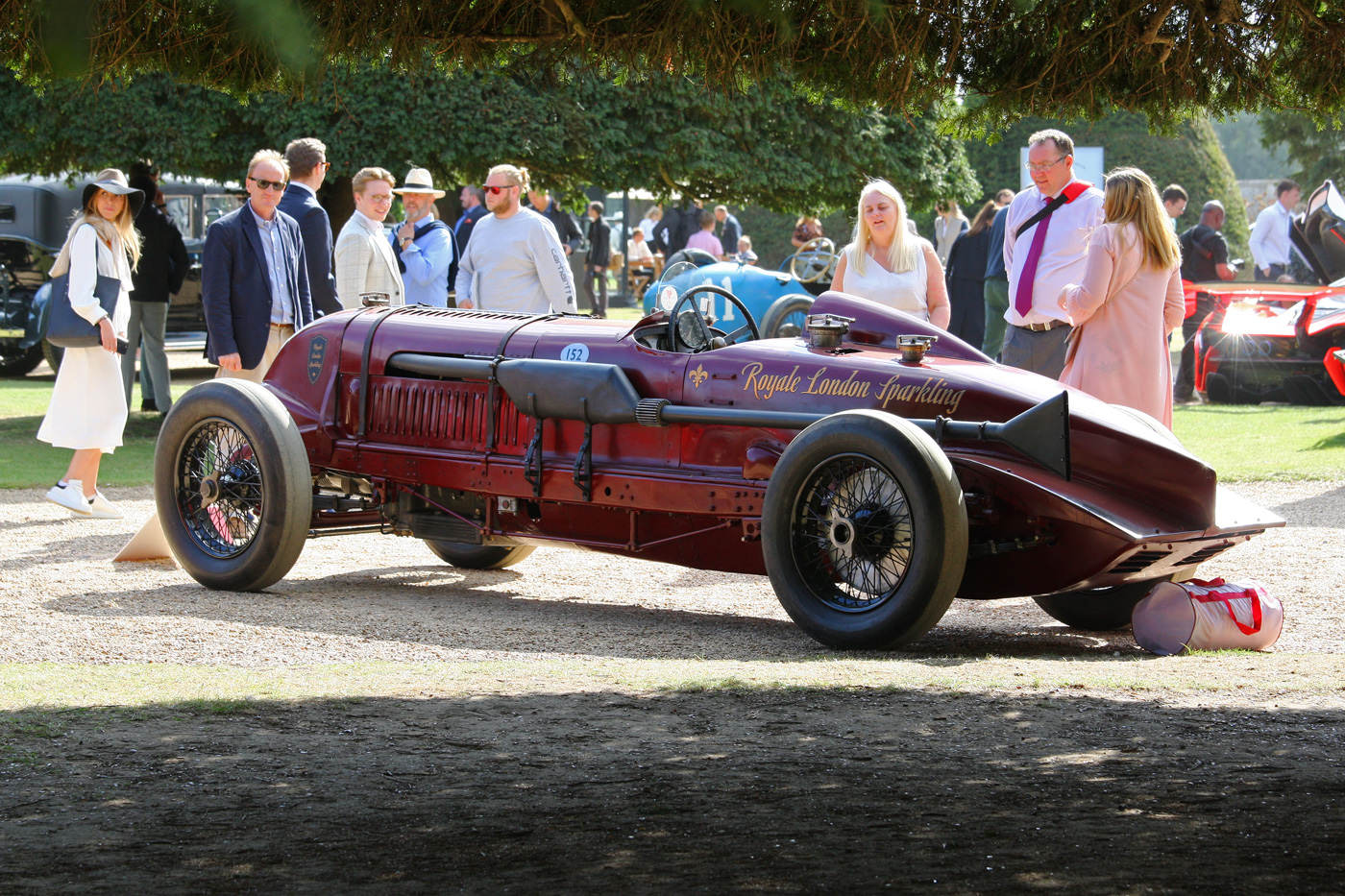
Bentley Blower No 1 a 1929 4.5 Liter shown here first appeared at the Essex 200 mile race fitted with a canvas body but it proved to be unreliable. At the Brooklands 500 mile race Tiger Tim had to extinguish the a fire before continuing. Soon after Number 1 was re bodied in aluminum by Reid Railton as a single seater. Woolf Barnato, as company backer, then managed to persuade WO, who had an aversion to superchargers, to build the 50 examples required to allow entry to Le Mans. One time holder of the Brooklands lap record with a speed of 137.96 mph the single seater was owned for many years by renowned watch builder George Daniels.
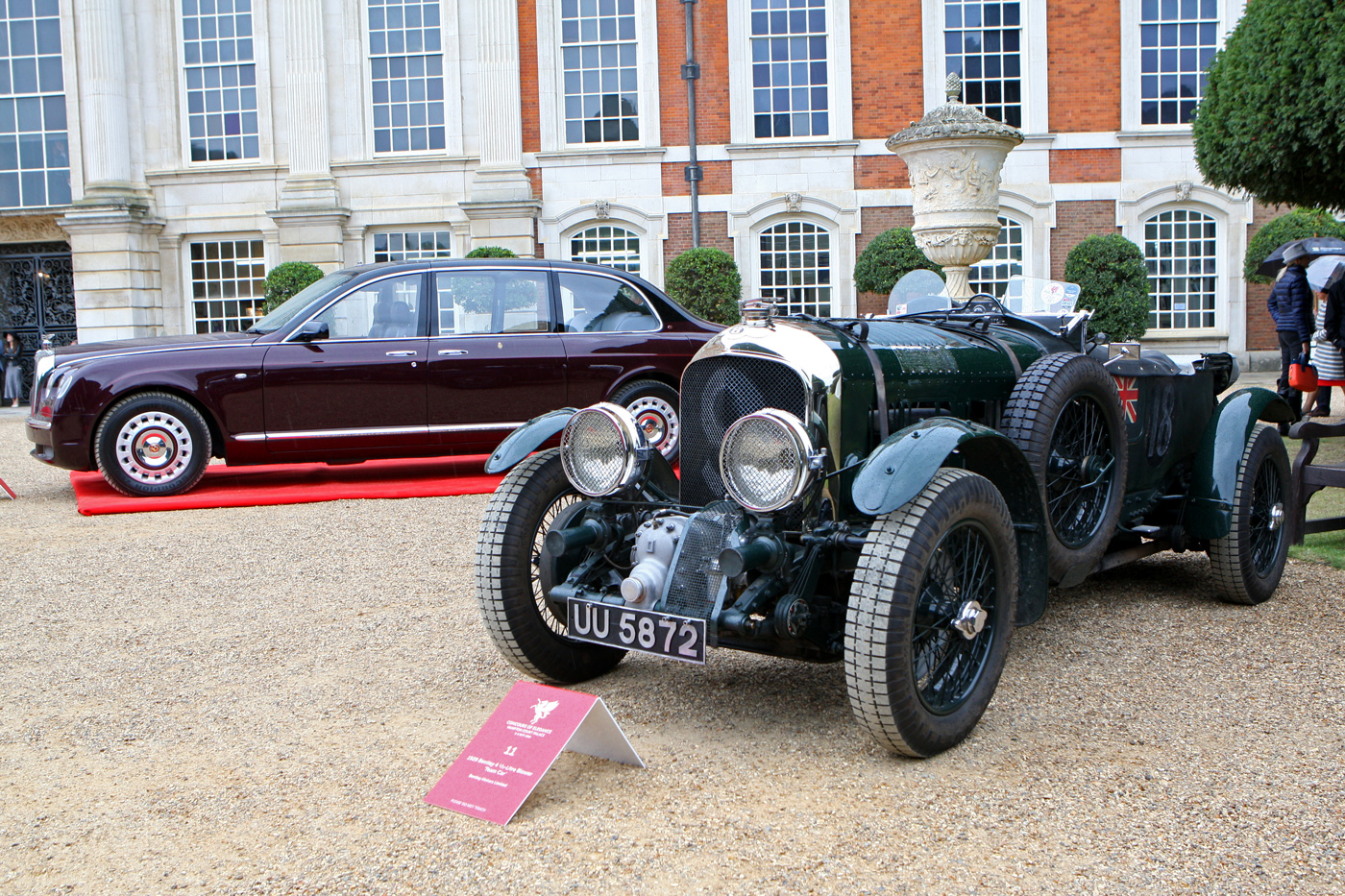
Another entrant from Bentley Motors, entirely original as raced by Birkin at Le Mans, the 1929 4.5 Liter blower Bentley team car number two. Whilst the Speed Six, piloted by Barnato and Glen Kidson, took the victory, it was team car no 2 which acted as the hare to Rudolf Caracciola’s supercharged Mercedes SSK leading, ultimately, to Caracciola’s retirement. Blower No 2 also retired but not before setting a lap record speed of 89.69 mph.
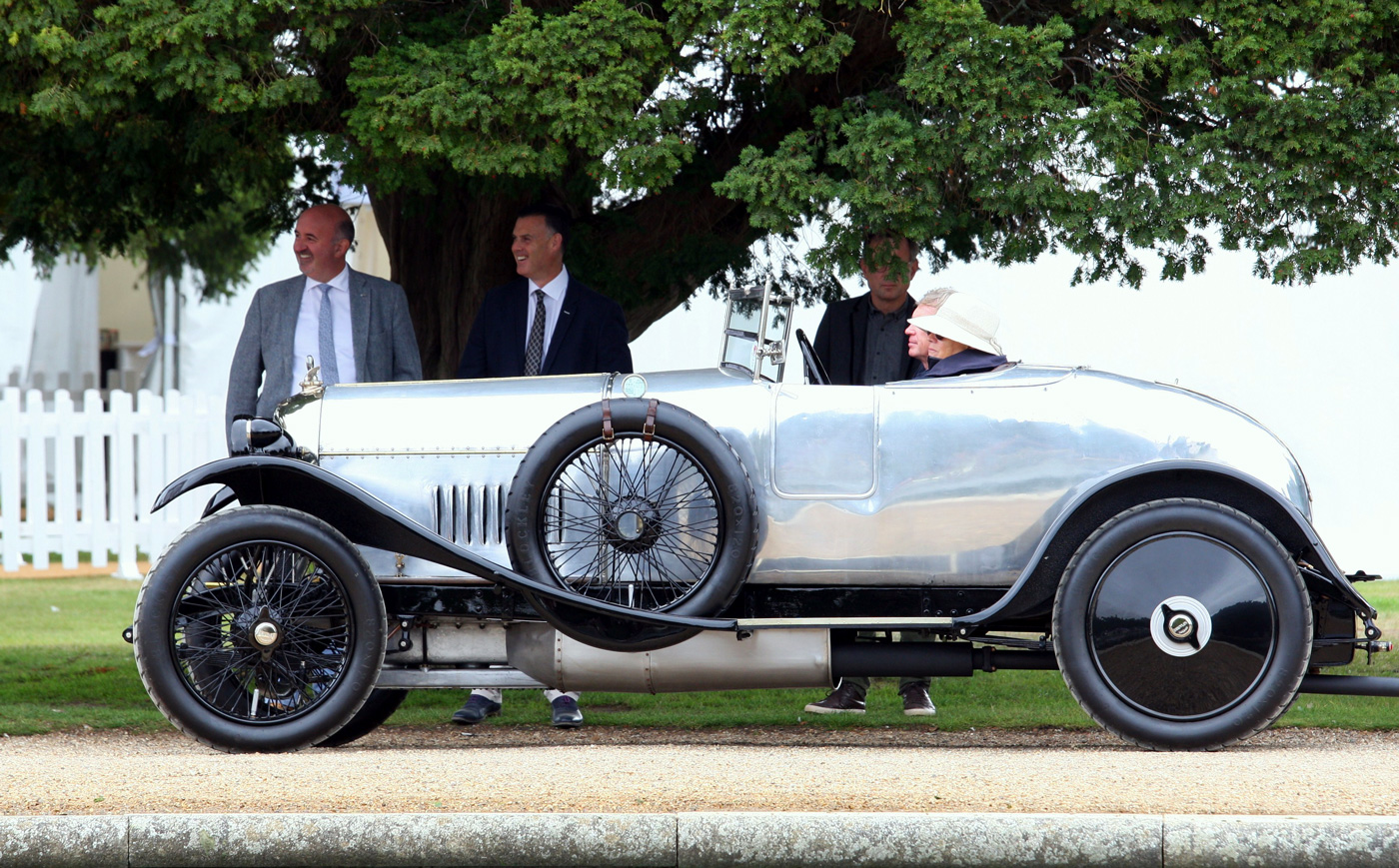
This 1921 Bentley 3 Liter, Chassis 3, Engine number 4 was handed over to her first owner, Mr Ivor Llewelyn of Blaen-y-Pant Monmouthshire on the 3rd August 1921, becoming the first Bentley to be delivered to a customer. Whilst his car was the first delivered, Bentley kept it quiet, as they wanted the first car delivered to be chassis No 1 which was delivered to KPG Financier Noel van Rialto, at least a month later than chassis 3. Mr Llewelyn specified a simple 2 seater bodywork by Harrisons of Stanhope with unpainted aluminum body panels, black wheels and chassis and unpleated black leather upholstery. Shortly after delivery, Mrs Lleweyln asked for the body to be modified, fitting a dickey seat to the rear. One member of the family certainly enjoyed riding in the dickey seat was Desmond, their seven-year-old son, who later became famous playing the part of ‘Q’ in 17 James Bond Films.
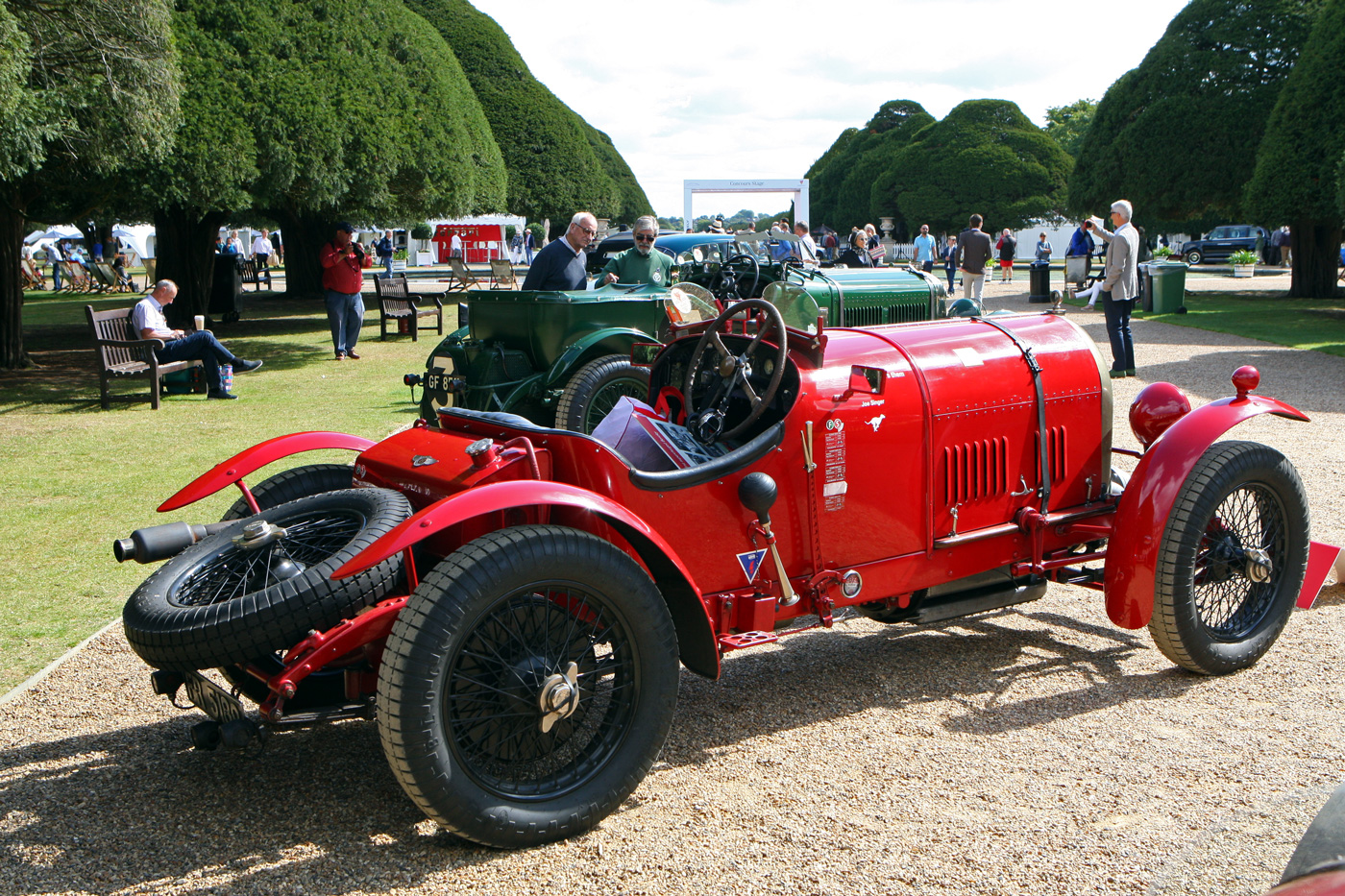
To most people, me included, a Blower Bentley brings to mind a big brutish British Racing Green 4.5 Liter. And yet this red 1923 3.0 Liter was actually the first blown Bentley, and the only Bentley to be supercharged by the factory. Painted red and fitted with a raised compression engine, chassis 221 was delivered in March 1923 to George Porter, who raced the car at Brooklands. Later, Porter crashed the car in 1925 and was killed. Chassis 221 was rebuilt by the factory where it was fitted with a supercharger. WO was not keen on superchargers and refused to modify his engines to allow for their fitment but by 1926 he had lost full control of the company to Woolf Barnato, who had no issues with supercharging. Due to the design of the engine the supercharger had to be fitted to end of the crank case in front of the radiator giving Blower Bentleys their distinctive look. Running 25 lb of boost the motor produced 150 bhp but the stresses did cause mechanical issues, just as WO had predicted. Fully rebuilt and capable of 115 mph the Cunliffe family purchased the car and it was raced enthusiastically by their daughter May who had started racing at the age of 16. As the Bentley was the family car, she would drive it to and from the race meetings.
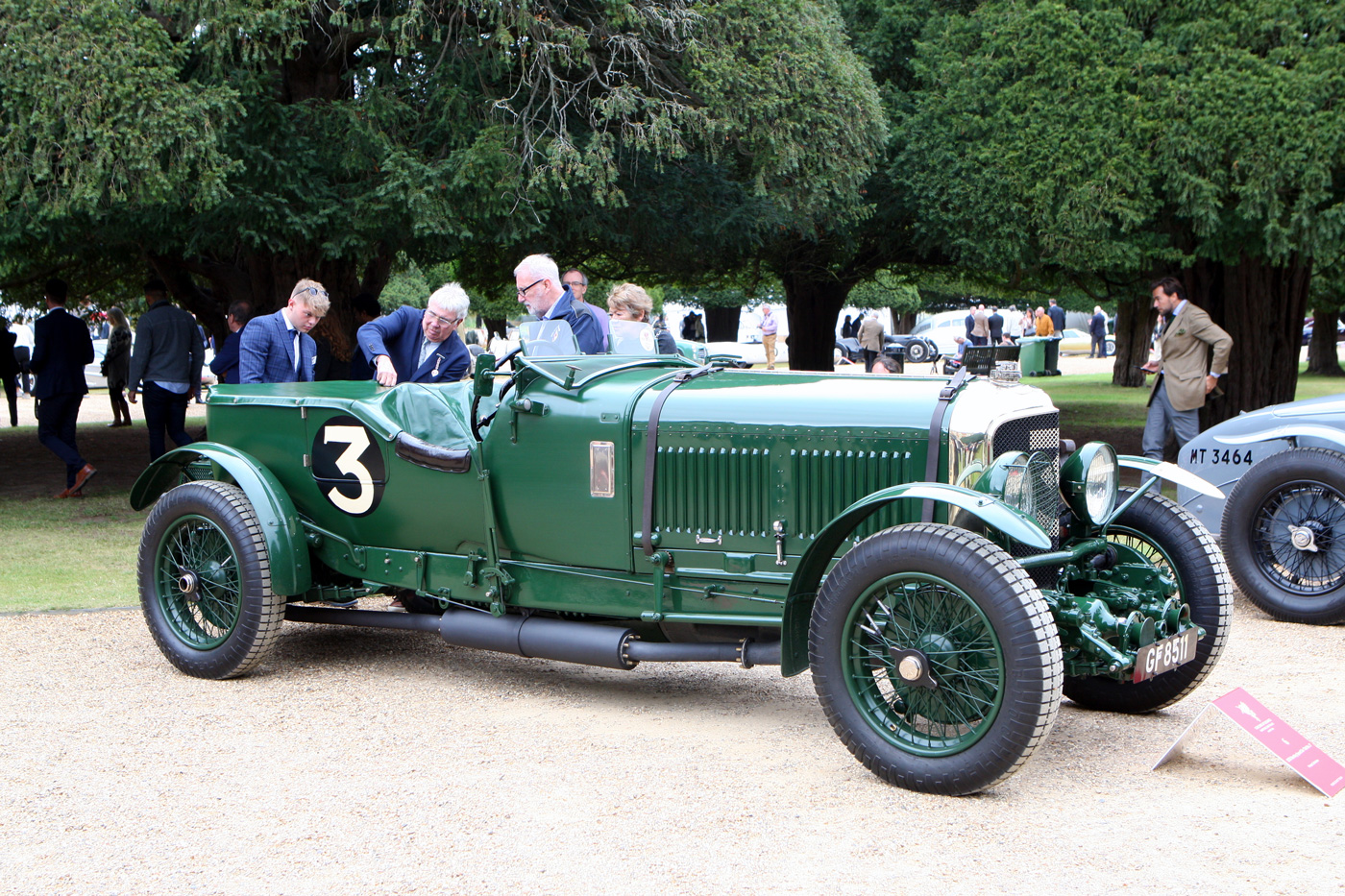
The magnificent Speed Six had become a legend by the time “old number 3”, one of the last two completed, was constructed in 1930. Its first works outing at the Double Twelve in May. Driven by Sammy Davis and Jack Dunfee, old number 3 took the second spot. Later at Le Mans, Dunfee, having taken over from Davis, crashed at the Pontlieue hairpin where, despite trying to dig the car out of the sand bank using the headlight glass as a shovel, old number 3’s race was over. It was then sold to Humphrey Cook who let Tim Birkin drive it in the 1931 Double Twelve only to retire after 2 hours. In 2000 after many different owners, old number 3 came into the care of her current custodian who returned her to her 1930 Le Mans specification.
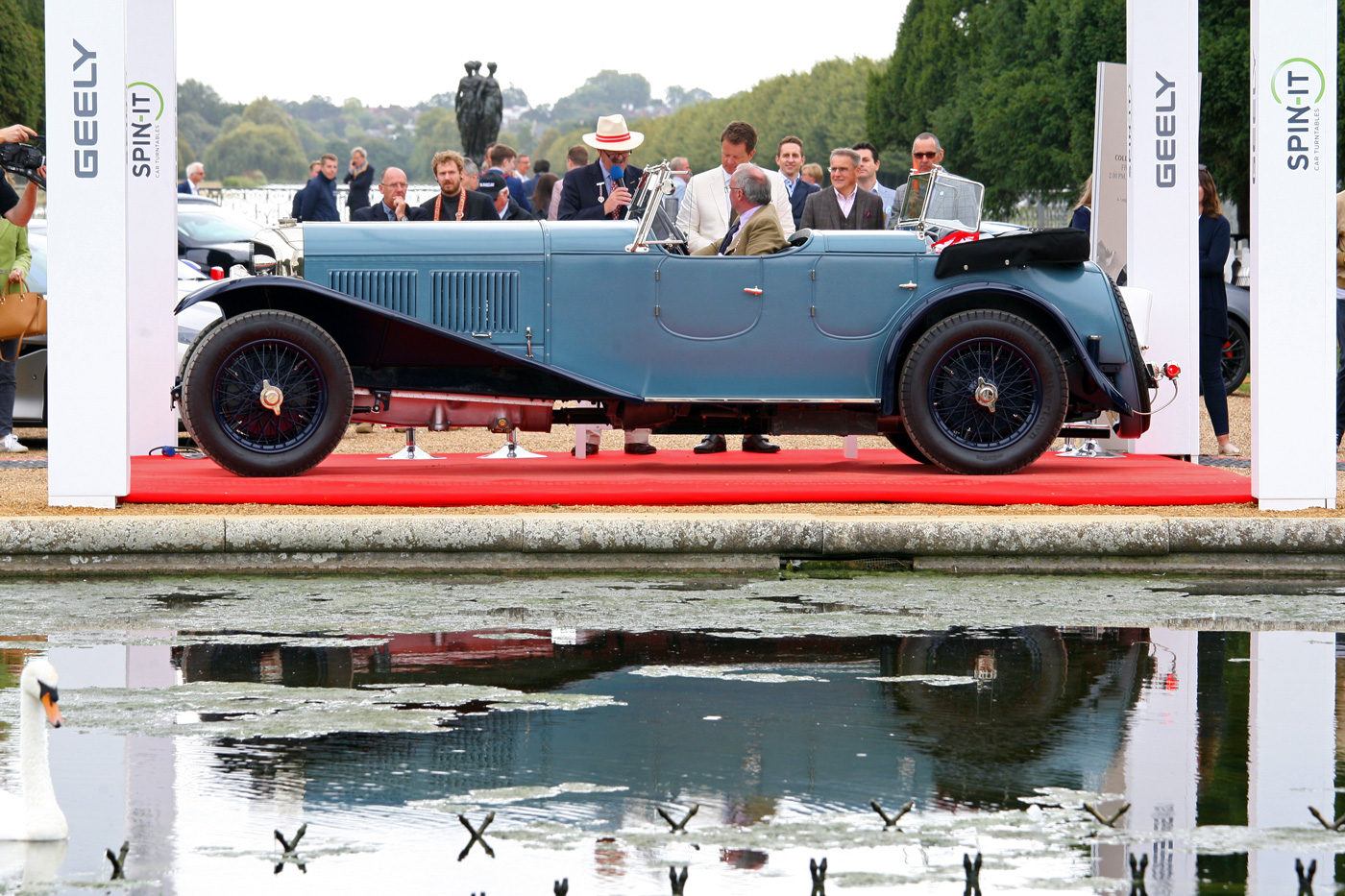
This Speed Six, one of only six built with this coachwork, was sold to its first owner Major Sir Egbert ‘Bertie’ Cadbury, the grandson of Cadbury chocolate founder John Cadbury. Major Bertie was a Quaker and pacifist who none the less became an aviator in World War One, shooting down two Zepplins. Bertie later wrote that it was done “…by a perfectly peaceful live-and-let-live citizen who has no lust for blood or fearful war spirit in his veins.” Following the war Bertie took over the reins of the family business. Many years later the car came into the care of the Scot, Willie Dale, who lent the car to the BBC to appear in the drama Lord Peter Wimsey, becoming the TV sleuth’s own car. Later the car became part of the Petronis collection in the USA before returning to the UK.
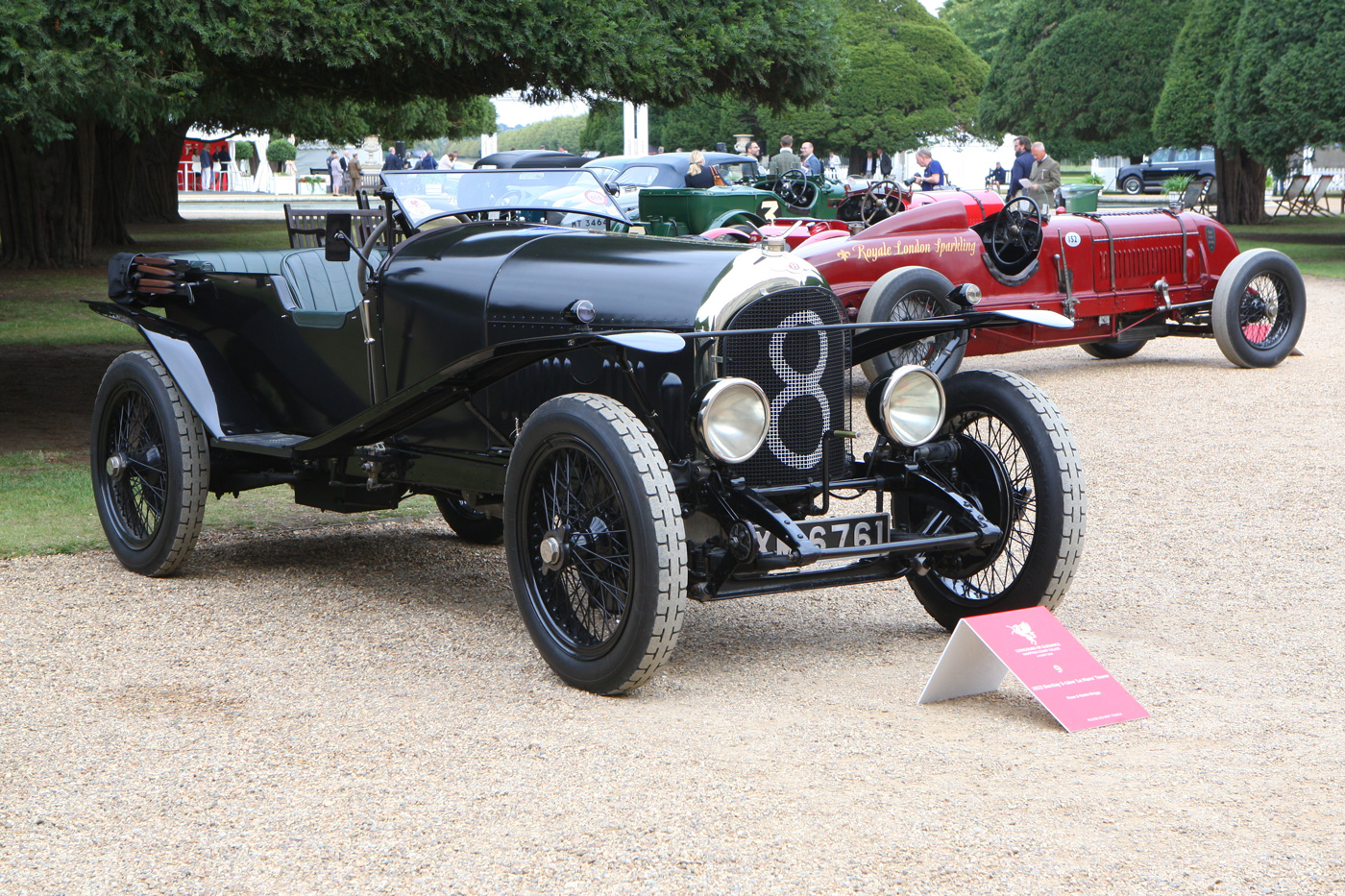
Chapter one of the Bentley marques history at Le Mans starts here, as in fact does the history of British cars racing at Le Mans. Chassis 141, a 1922 3.0 Liter Le Mans Tourer, was entered and driven by privateer and Bentley dealer John Duff with co-driver Frank Clements became the founders of the Bentley Boys tradition. Setting a lap record of 66.69 mph the pair finished fourth despite having run out of fuel due to a punctured fuel tank. A month after Le Mans, whilst leading the San Sebastian Grand Prix Duff crashed after a stone hit him in the face but he still managed to win the 3.0 Liter class. John Duff was the archetypal Boys own hero, born in China to Canadian parents, when war was declared he travelled across Russia by rail, sailed to his mother country and enlisted. In 1917 Captain Duff was severally wounded at Passchendaele, later marrying his nurse. After the war he set up the Duff & Aldington car dealership and set about racing and breaking records. He survived crashing the Blitzen Benz at Brooklands, emerging from the trees unscathed. Following another major accident at the Rockingham Speed way he fulfilled a promise he had made to his wife to give up racing “if it bit him.” He later moved his family to Santa Barbara to teach fencing and became a Hollywood stunt man.
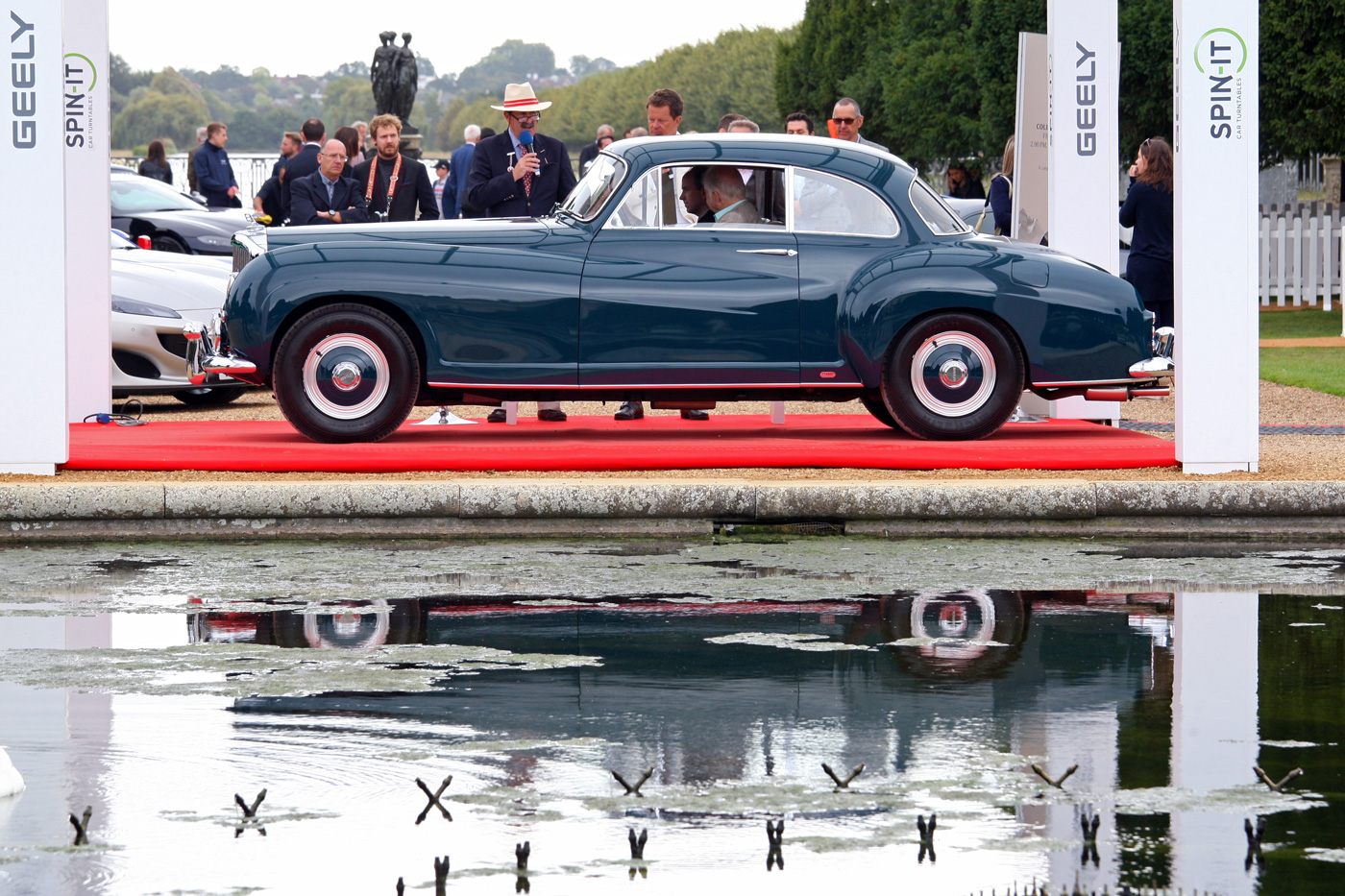
Only 207 Bentley Continentals where built. “The most perfect piece of road machinery I have ever driven…this Bentley is the equal of many modern racing cars, and superior to some,” so wrote Raymond Mays in 1953 having enjoyed 2,700 miles at the wheel of a Continental. This 1955 example, one of the last built, was one of five chassis to be bodied by Franay, two having a very different notch back style coachwork. Its first owner was Charles Perround, then passed to Captain Paul Arnison-Newgass of the Royal Dragoon guards. Its current owner is Fred Kriz.
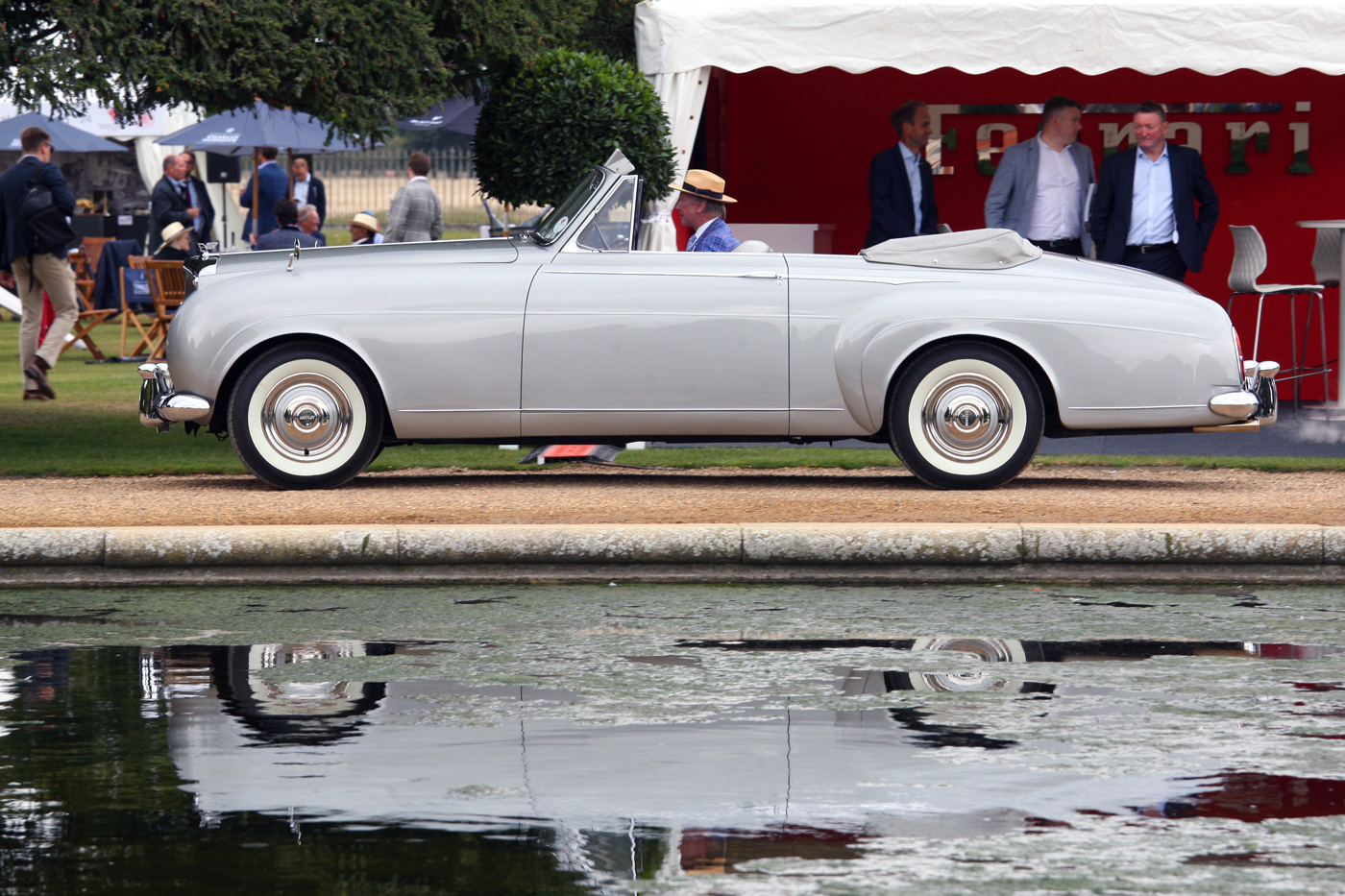
This 1956 Bentley S1 Drophead Coupe is one of only a dozen built with HJ Mulliner design no 7409 with aluminum bodywork. Specially ordered by Mr AJN Barrs of Repton Park, it was finished in Shell Grey with a light grey leather interior and a dark blue top.
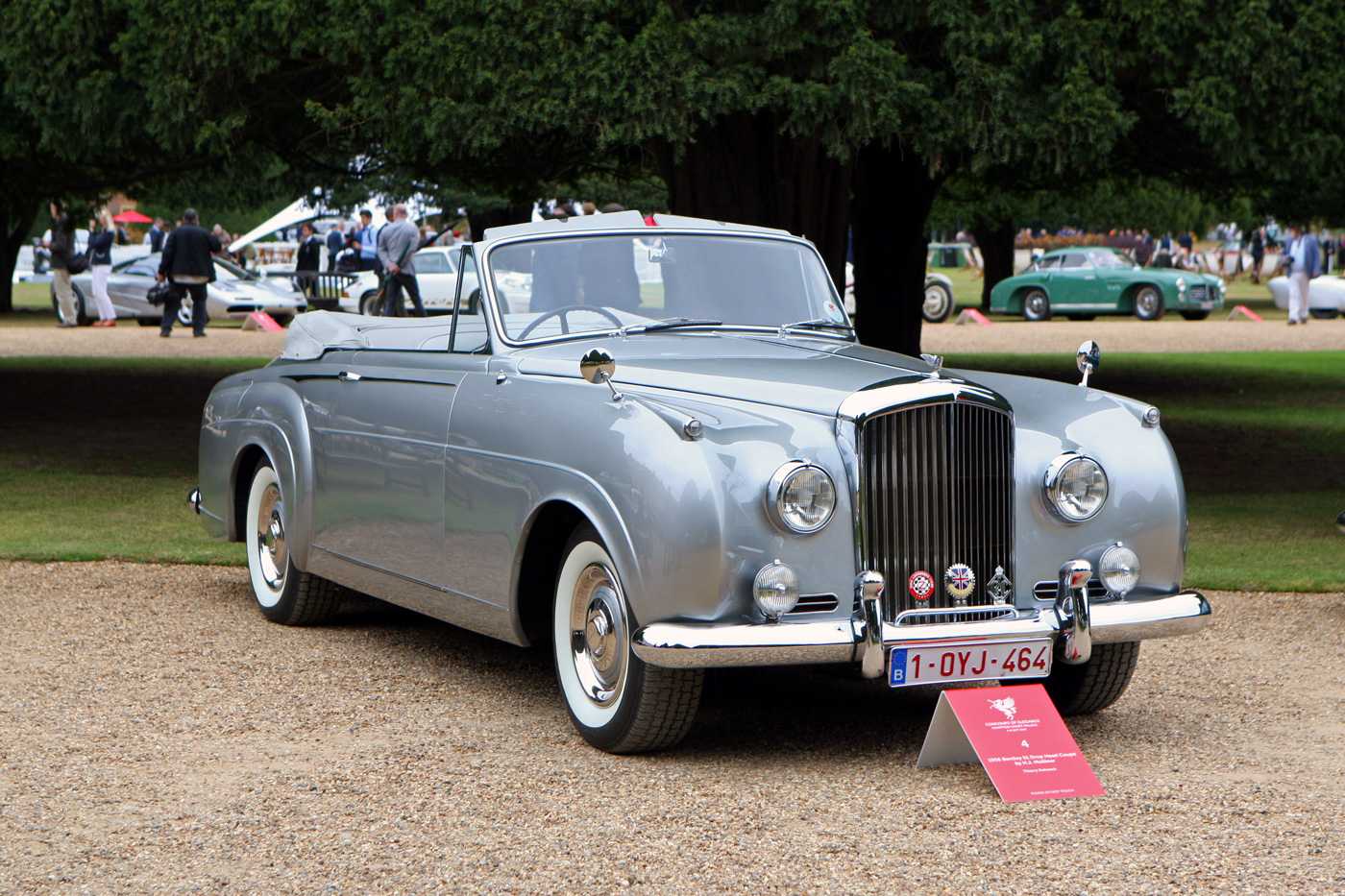
Bentley-S1-Drophead by Mulliner. After Mr Barrs’ tenure the S1 passed to a dealer in Epsom, then to Scotland, then to the USA. The current owner, Thierry Dehaeck found the car in New York in 2010, in very poor condition. He took the car home to Belgium to undergo a three year restoration.
* Information about the Blue Train episode found in: Foulkes, Nicholas (2006). The Bentley Era: The Fast and Furious Story of the Fabulous Bentley Boys. Quadrille Publishing. ISBN 9781844002412
I was living in Washington, DC in the early 1970’s. In my Georgetown neighborhood there was a young man who had a small garage with “exotic” cars, that he would find around the mid-Atlantic, and had them for sale.I was a partner in an international real estate consulting firm, and one evening, I was walking around Georgetown with some clients from Texas (wealthy of course), and we dropped by the garage. There was, among a Maserati Mistral and a Bentley Continental. a S-2 Standard Steel Saloon. My clients said why don’t you buy this car. So I did. Shortly thereafter I moved to Florida and thereafter for several years drove the car as a daily driver. It was very impressive to my clients (and probably contributed to the success of my practice). Years later I sold the car to a collector. Probably should have kept it (a regret I have for a few cars I should have kept).
Great article, as always. Tom Wall, Oakton, Va
Very nice & complete article on the Bentleys… I am lucky enough to be intimately acquainted with one of them, namely GF 8507, which my grandfather, Carl E. Mueller (late of Oconomowoc, WI) , owned for +/- 35 years, serving as North American President of the Bentley Drivers Club for most of that time. That particular Speed Six wore the very distinctively looped # 2 on its nose at the 1930 Le Mans event, the sister car to “Old #3” (GF 8511) in your article. Love those big green machines. Thank you for the comprehensive write-up!