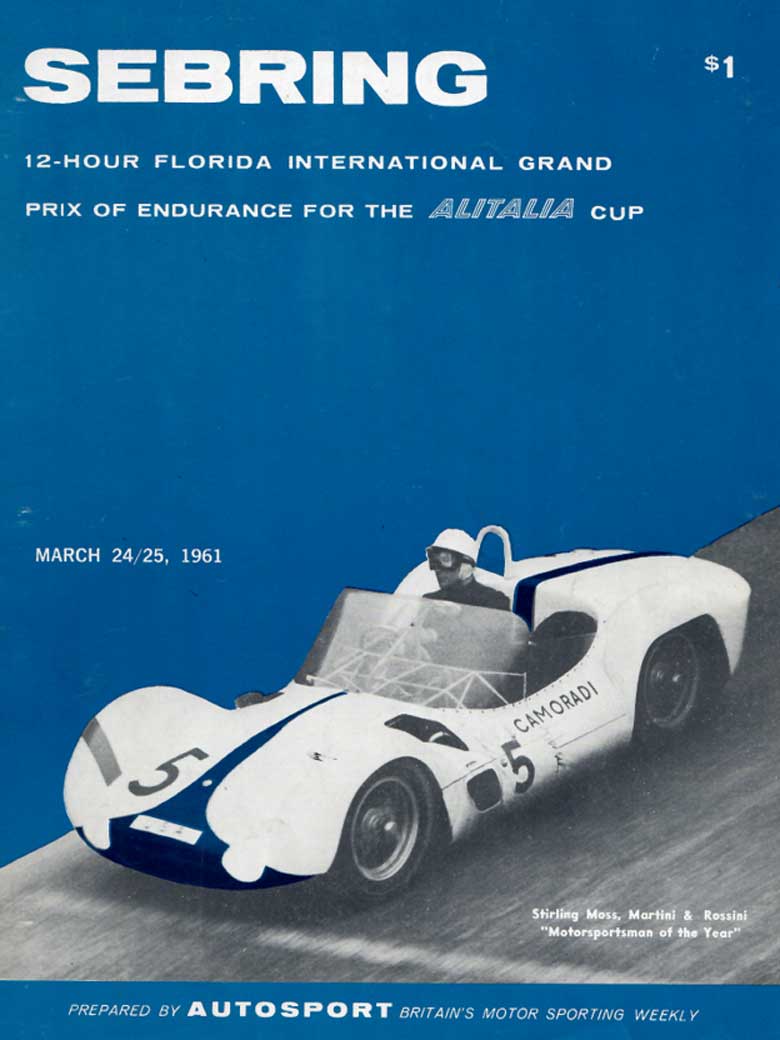
Story and photos by Jeff Allison
Jeff Allison continues the series looking at Ferraris he photographed – this time in 1961.
The Online Magazine for Italian and French Classic Car Enthusiasts
Story and photos by Jeff Allison
Jeff Allison continues the series looking at Ferraris he photographed – this time in 1961.
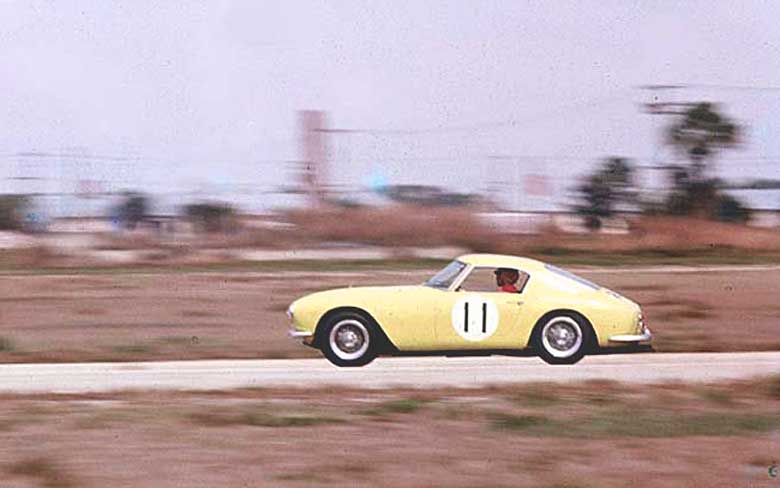
Story and photos by Jeff Allison
Jeff Allison continues the series looking at Ferraris he photographed – this time in 1960.
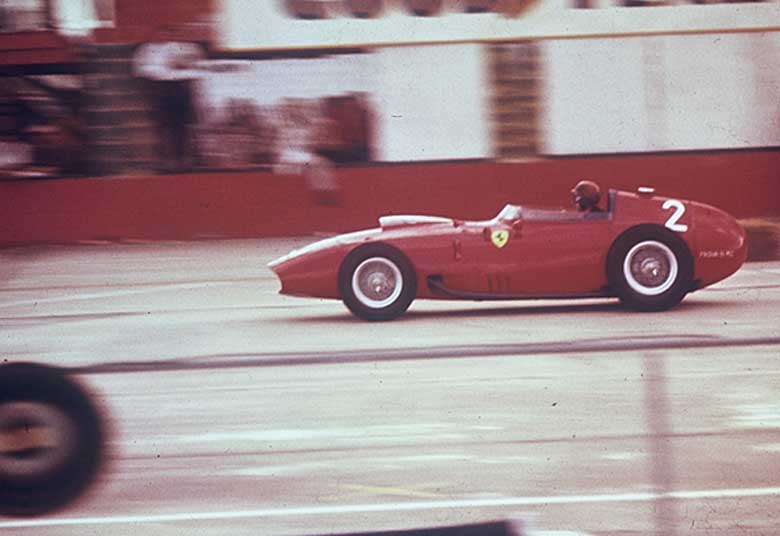
Ferrari Dino 246 F1 (Chassis 0004), United States Grand Prix, Sebring, Florida, December 12, 1959, jeff-allison
Story and photos by Jeff Allison
VeloceToday continues the series inviting readers to send in their photos to share with the readers. Jeff Allison continues his photographic journey – this time with part 2 of a two-part look at Ferraris photographed in 1959.
USAC/FIA 1000KM race at Daytona International Speedway on April 4-5, 1959
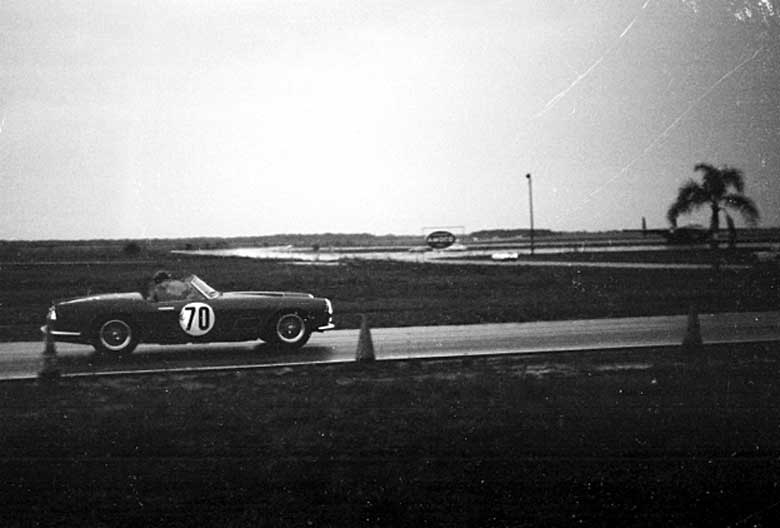
1958 250 GT LWB Spyder California (Chassis 1085GT), Twelve Hours of Sebring, March 21, 1959-jeff-allison
Story and photos by Jeff Allison
VeloceToday extends the series inviting readers to send in their photos to share with the readers. Jeff Allison continues his photographic journey – this time with part 1 of a two-part look at Ferraris photographed in 1959.
Anticipating the arrival of a new issue of SPORTS CAR ILLUSTRATED, my sports car buddy Jack Leete and I raced (well, it was in an MG TD!) to his house after school to check the mail. A new issue was there, and I remember it as though it was yesterday. There on the cover of the September 1958 issue of SPORTS CARS ILLUSTRATED was the one-off Ferrari 4.9 Superfast. Describing its acceleration, Stephen Wilder wrote, “Blasting once on the Marchal Stridor air horn, we fled the scene at full throttle, rending the air with not-so-quiet thunder and leaving a faint trace of abused rubber on the concrete.” This was possibly the moment I caught this unrelenting disease, and I’m sure many VeloceToday readers can tell a similar story.
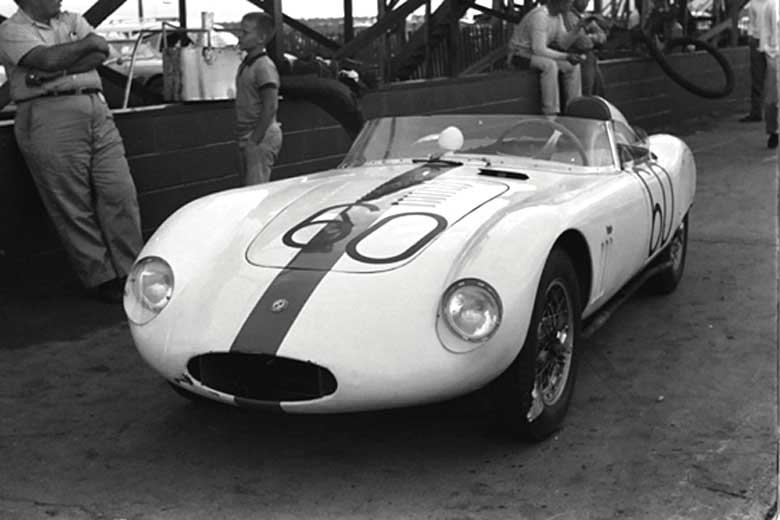
OSCA S750 Morelli Spyder (Chassis number 760), Sebring 12 Hours, March 20-21, 1959-jeff-allison
Story by Jeff Allison
Noted author Karl Ludvigsen (Classic Racing Engines, 2001) described OSCAs as “…brilliant small-displacement screamers…” Certainly they were an effective combination of chassis, engine and aerodynamic bodywork, most often fashioned by Bologna metal bender Morelli. Some say they were built to the standards of a grand prix racer. For sure, they were consistent and prolific class winners almost everywhere – from small regional Italian races and hill climbs to Sports Car Club of America races to major international venues. A 1452CC, 130HP OSCA MT4 (chassis 1137) was the surprise upset overall winner of the 1954 Twelve Hours of Sebring, outlasting bigger and more powerful cars from Allard, Cunningham, Ferrari, Jaguar and Lancia.
Here are the OSCAs I saw and photographed from 1959-1963. Enjoy!
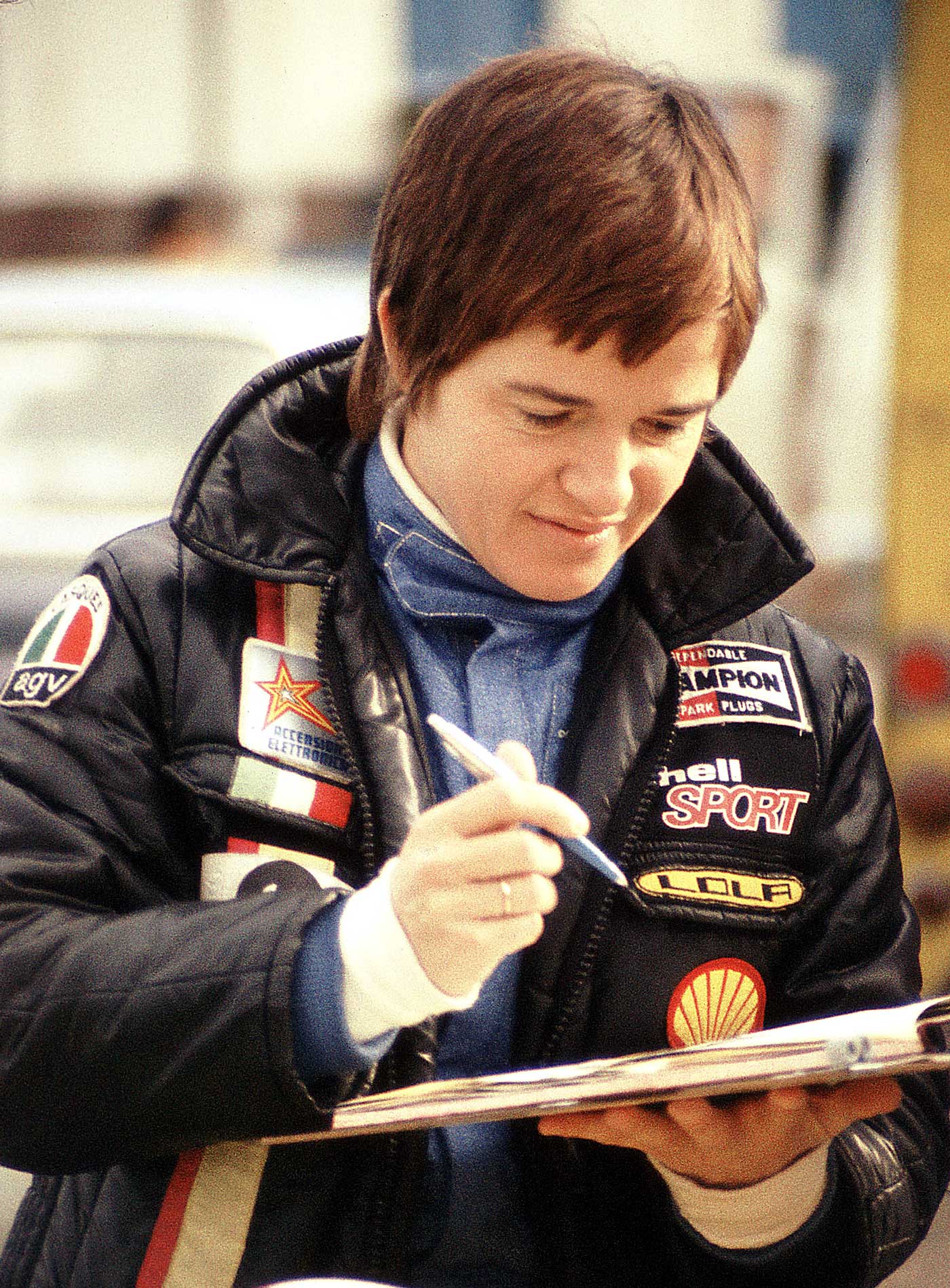
Italian Lella Lombardi is unique in Formula One history as the first and only woman to score a championship point in the seventy-five years of the modern Formula One championship since 1950. (Rothmans 5000 European Championship, Mallory Park, England, October 13, 1974) Photo by Jeff Allison
Story and photos by Jeff Allison
Maria Grazia “Lella” Lombardi is the only woman to score points in a world championship Formula One race. In the seventy-five years of the modern Formula One championship, only five women have entered a Formula One race and only two have qualified and raced. Italian Maria Teresa de Filippis (1958-1959) was the first, and it would be fifteen years before another woman, Lella Lombardi, would qualify and race in Formula One.
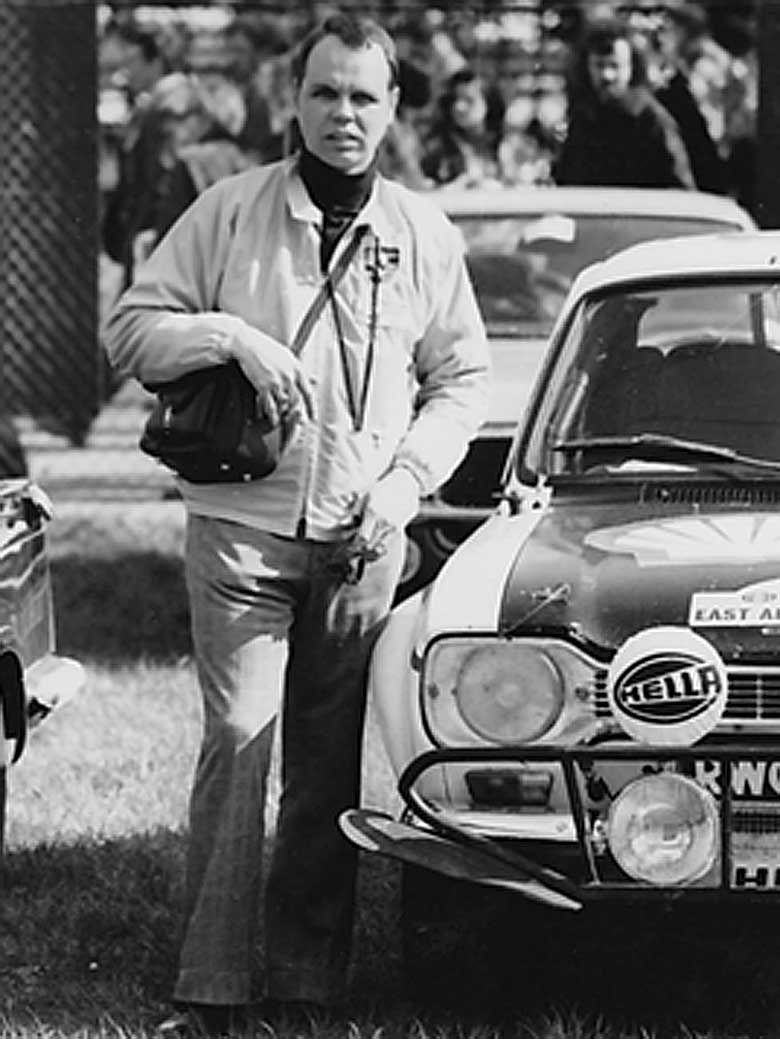
The author next to the 1798cc Ford Escort RS 1600 MkI, which had just won the 1972 East Africa Safari Rally. BOAC 1000KM, Brands Hatch, England, April 16, 1972-dick-lees
Story and photos by Jeff Allison unless otherwise noted
Read Part 1
Part 2 continues “Head Shots” taken by Jeff Allison at races in the U. S., England and Monaco.
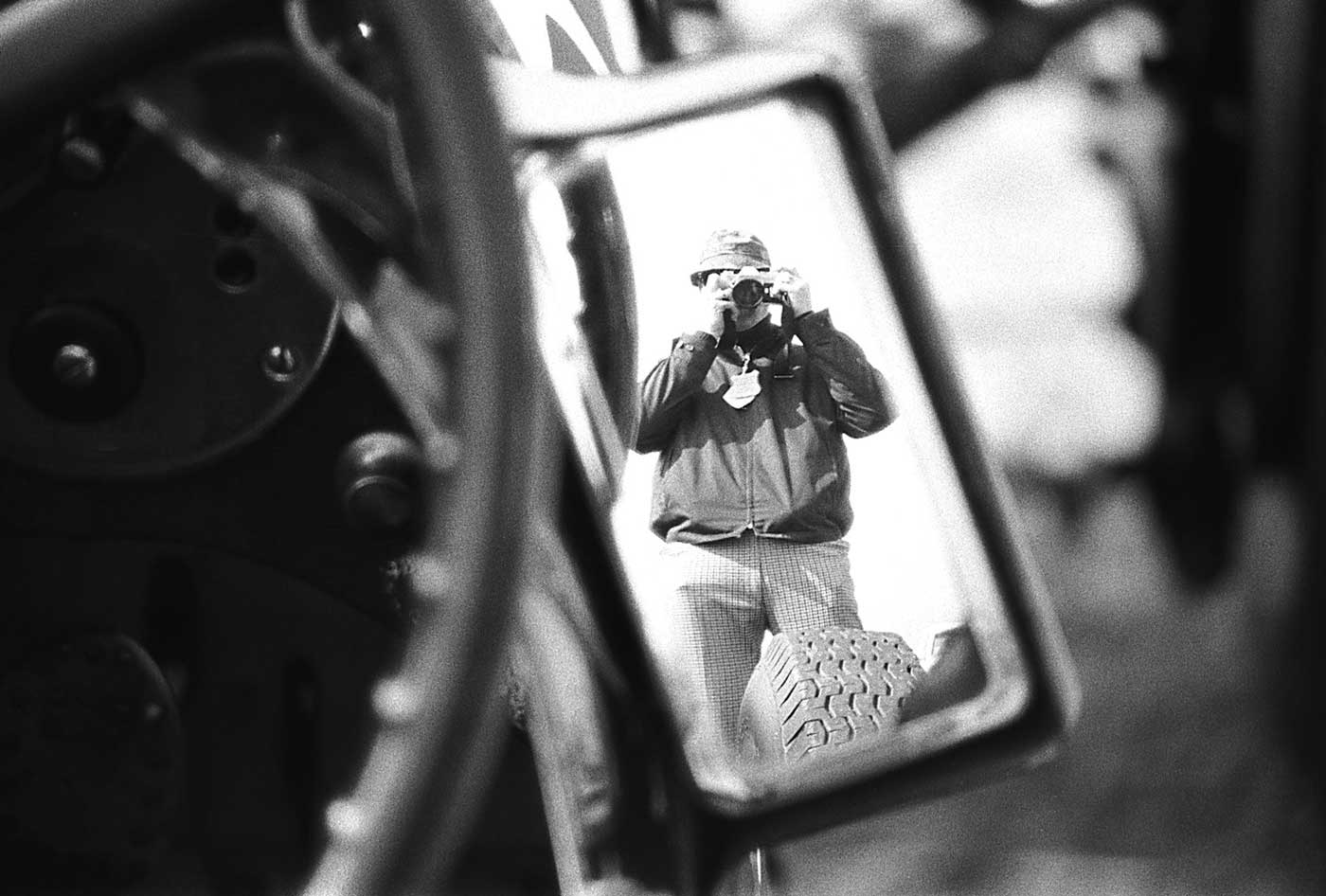
The author getting fancy with a self-portrait using the mirror of an open-wheel vintage racer at the Daily Express International Trophy at Silverstone, England on April 7, 1974.
Story and photos by Jeff Allison
I recently finished a project to put my “head shots” of drivers in one place and thought maybe the readers of VeloceToday might enjoy seeing some. I began photographing races in 1959 with my last “real” race, i.e., not vintage, in 1997. I didn’t take many “head shots” in my early years as I thought it was an affront to the drivers. However, as time went on, I loosened up (a telephoto lens helped) and began to photograph drivers as well as cars. Most were photos of opportunity while wandering the paddock and pits when I wasn’t out on the track.
Here are some of my favorites…
In addition to our comments section below each article, VeloceToday often gets very nice compliments, sent via email or included in a note with a subscription check. These comments rarely get published, but are meant as recognition of the work done by our contributors, who create the content that makes VeloceToday what it is. Magazines are nothing without good content, and therefore contributors are our greatest and most valuable assets.
They are historians, authors, editors, photographers, columnists, journalists, judges, drivers, restorers, artisans, collectors and constructors. They hail from the United States, Great Britain, Australia, Germany, France, Belgium and Italy. Here are the names of thirty-three whose contributions made the year 2024 one to remember.
Jeff Allison, Gary Axon, Giles Chapman, Bob Cullinan, Rodney Diggens, Joseph Duray, Brandes Elitch, Graham Gauld, Greg Glassner, Bob Harrington, Joe Hurwich, Stefan Ivanov, Vince Johnson, Jackie Jouret, Allen R. Kuhn, Dale LaFollette, James Lanoway, Frederic Levaux, Bernard Linck, Roberto Motta, Herb Miska, Chris Nugent, Willem Oosthoek, Paul Sable, Charley Seavey, Jonathan Sharp, Jim Sitz, Roy Smith, Sean Smith, Pete Vack, Hugues Vanhoolandt, Paul Wilson, Robert Young
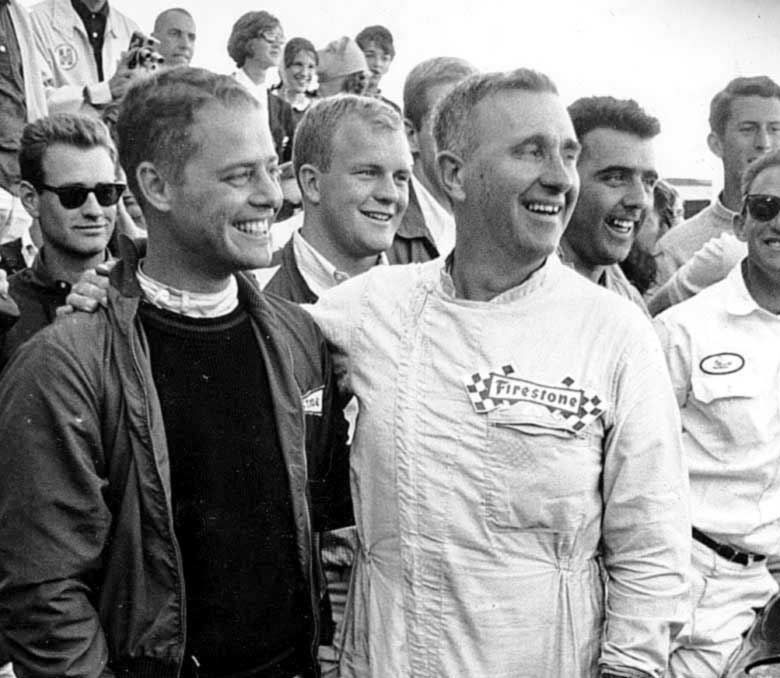
The smiling Augie Pabst (left) and co-driver Walt Hansgen after winning the 1964 Road America 500 in their Ferrari 250 LM (6047). (photo Road America Archives)
By Jeff Allison
One of America’s finest and most popular drivers, August “Augie” Pabst Jr., died on October 9, 2024 at 90, leaving a legacy of excellence in racing in the U.S., Canada and internationally at Le Mans, Brands Hatch and Nassau. He was the great grandson of Captain Frederick Pabst, who became the president of the Pabst Brewing Company in 1872. In an interview with Forza (April 2013), Pabst mentioned “… I used to work at the brewery in the summertime in the packaging department,” but that was his only association with the brewery until much later in his life.
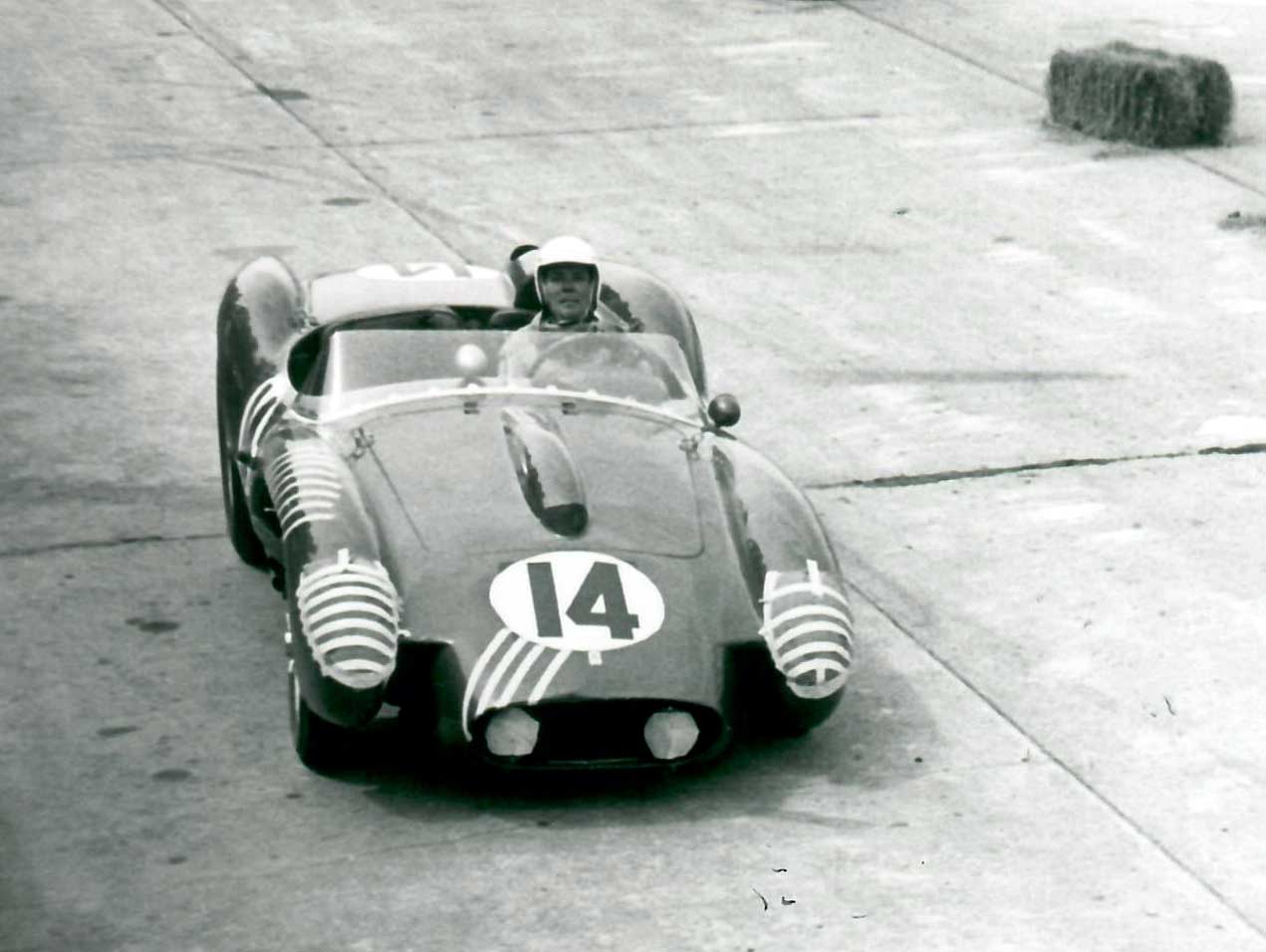
Pabst, E.P. Lunken and Gaston Andrey Ferrari 250 TR (0720TR) at the 1959 Sebring 12 Hours. (photo courtesy of E.P.Lunken)
Photos courtesy Jeff Allison, Willem Oosthoek, Tom Shultz, Alan Boe and others
Jeff Allison and Willem Oosthoek scoured their files for photos in the short time available after learning of Augie Pabst’s death. They’re not all conclusive, but they do show his talent and versatility driving such a diverse variety of cars with different teams, at different tracks and in different conditions. He was one of the best!
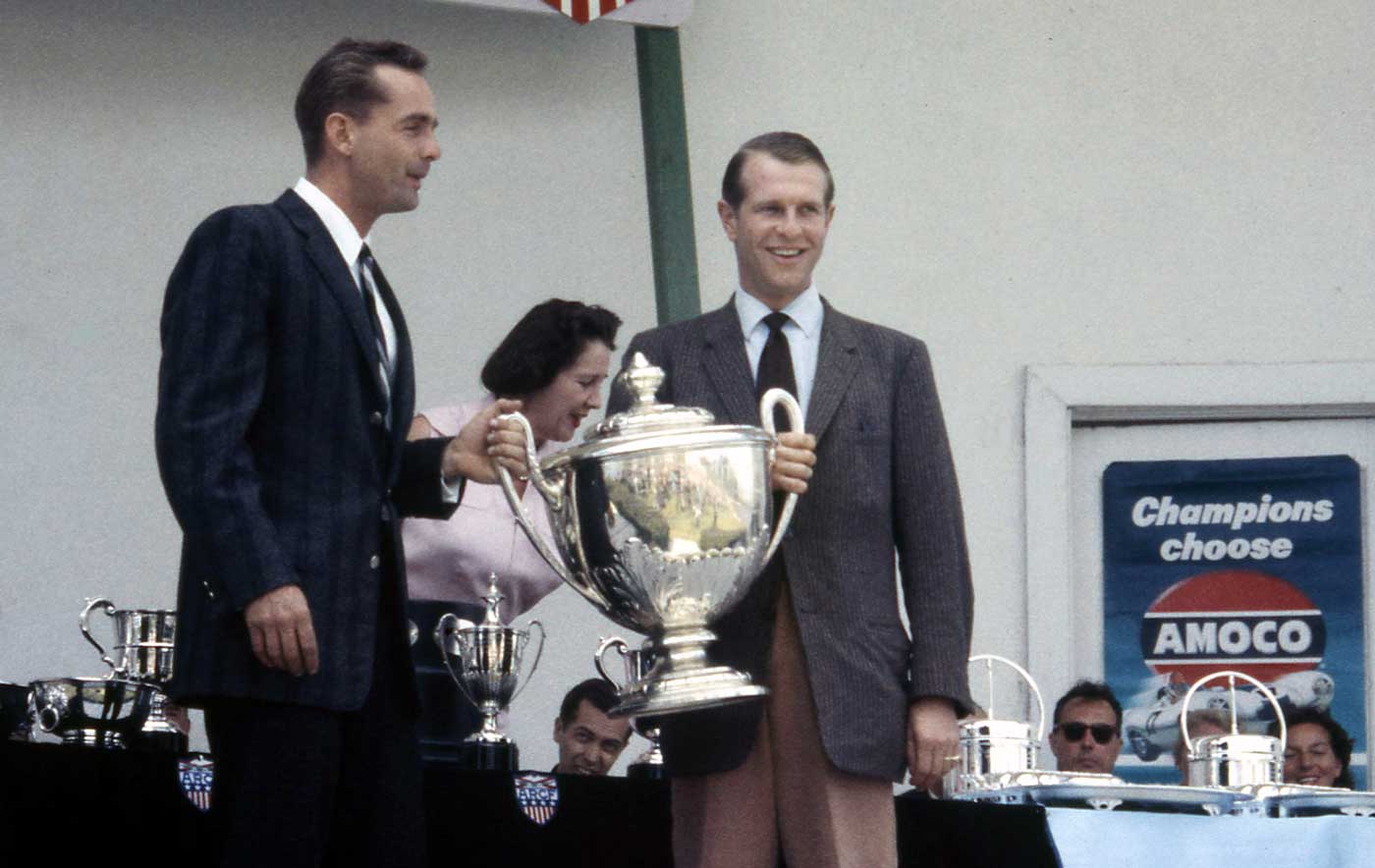
After their victory in the January 1958 Buenos Aires 1000 KM, Phil Hill and Peter Collins scored again at Sebring, and they did so in the same Ferrari 250TR, chassis 0704. Did their massive AMOCO trophy end up in Maranello? In the background is Alec Ulmann’s wife Mary.
By Willem Oosthoek
All photos by Bob Jackson [Willem Oosthoek Collection], unless stated otherwise.
The top Sebring results were not unexpected, in spite of the strong opposition. Just like in Buenos Aires, Testa Rossas finished 1-2, with a Porsche in third place. But some of the other finishers in the top ten came as a huge surprise.