By Paul Wilson
The doors and body sides of my BAT were the last major areas to be built, and not an appealing job–lots of mechanical puzzles and fitting, no real design decisions. So all work and no play.
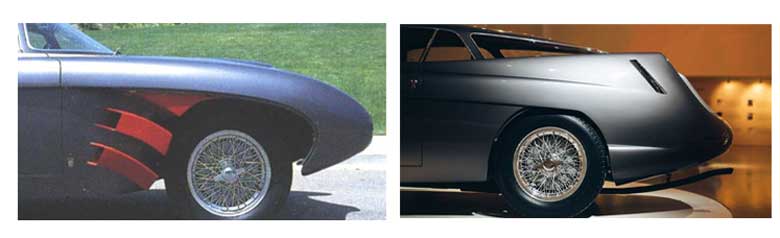
Well, almost. I did have some fun considering the addition of 300SL-like louvered vents behind the front wheels. They look great on the Mercedes, and would nicely fit that panel behind my car’s front wheels. Both BAT 7 and the 300SL appeared in 1954, so they’re just right for the period.
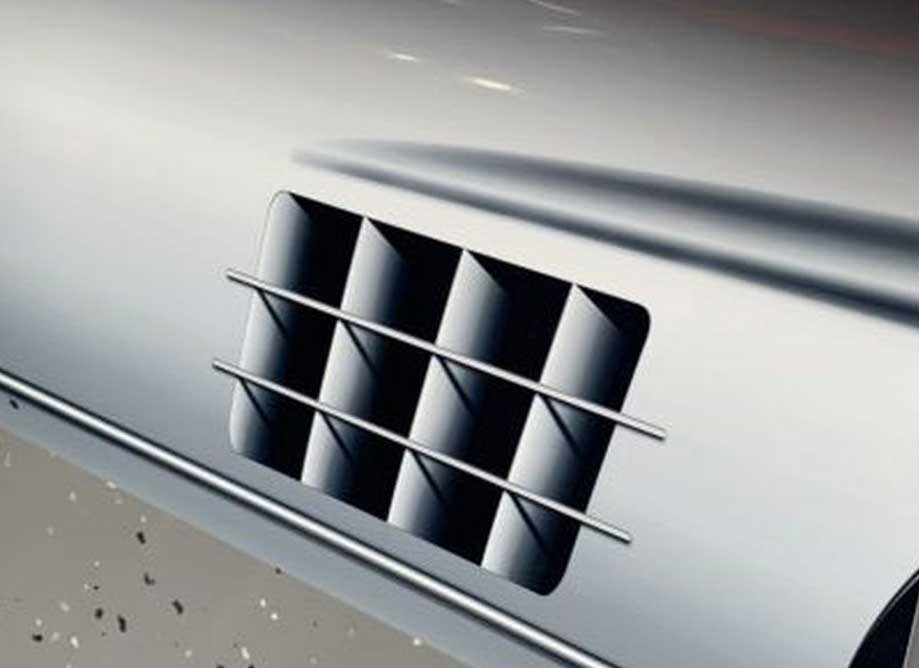
The problem was functional: they vent engine heat on the Mercedes, but on the BAT, that panel is next to the footwell. OK, why not use them for cabin ventilation? But there’s a structural box-section there. Cutting big holes in it isn’t a good idea. The vents are so cool looking, why do they need to do anything? But–huge fake vents? That was just too dishonest. Reluctantly, I gave up the idea.
My plan is for all the body pieces to be removable. They will be set aside while the chassis is restored. First everything must be taken off–suspension, steering, gas tank–and then the main structure will go to a place where it sits for a month or so in a chemical bath to remove all the rust. The parts left behind will be cleaned and rebuilt.
When the chassis returns, I’ll weld in new sections where needed, paint it, and bolt everything together again. The body parts will go on again for a final fit, then be sent out for paint.
Doesn’t it sound easy, described like this? If you believe that, I’ve got some shares in a uranium mine I’d like to sell you.
Doing the doors
I already had a VW Karmann-Ghia roof, but in order to get the side windows and mechanism I ended up buying another whole parts car. I realized, seeing it sitting there, that rather than making my own doors I could just use the K-G doors, with latches and the window winders still in place. I got lucky: they were a perfect fit. I removed the outer skin and cut off part of the crash intrusion beam to save weight.
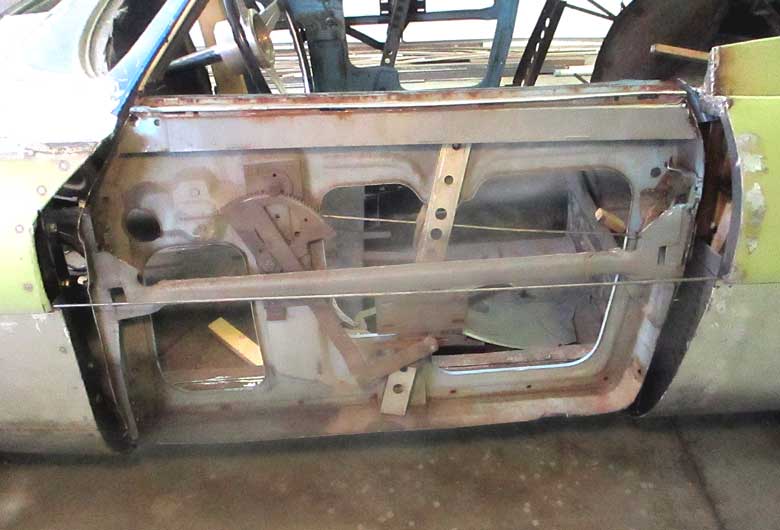
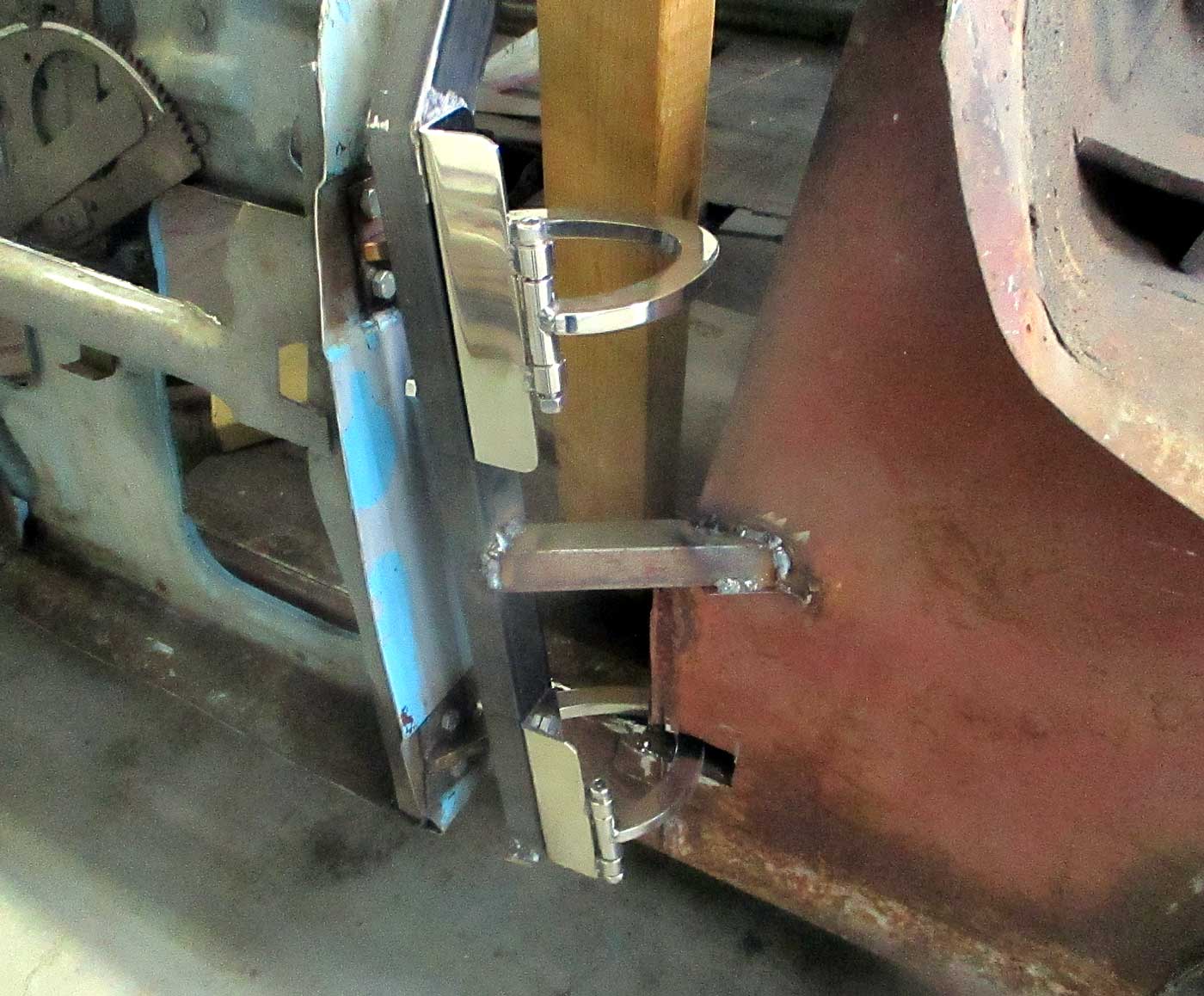
Big curved hinges allowed them to swing outwards as they opened, so that the wide shoulder bulge doesn’t pinch at the front .
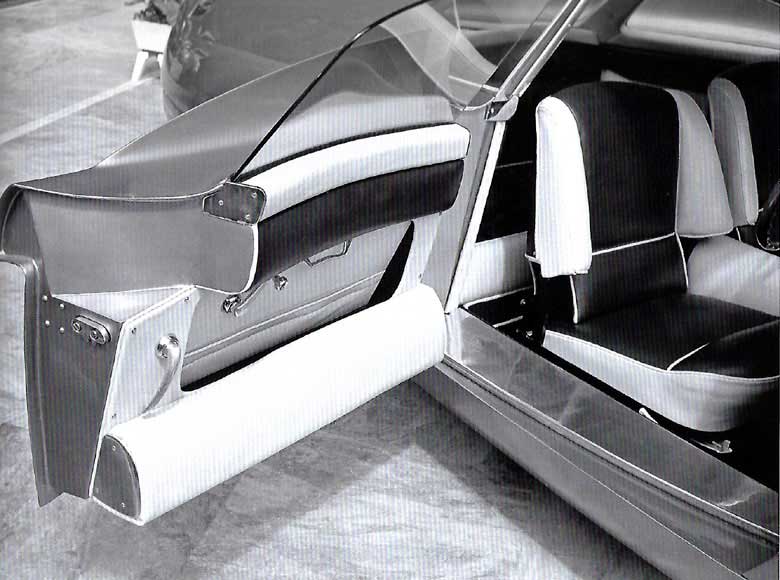
I don’t like the looks of BAT 7’s fat middle, but my slimmer car was also simpler to make. BAT 7’s doors are so thick that only hinging them at the rear (for a straighter shut-line) and using complex shapes and geometry made them fit.
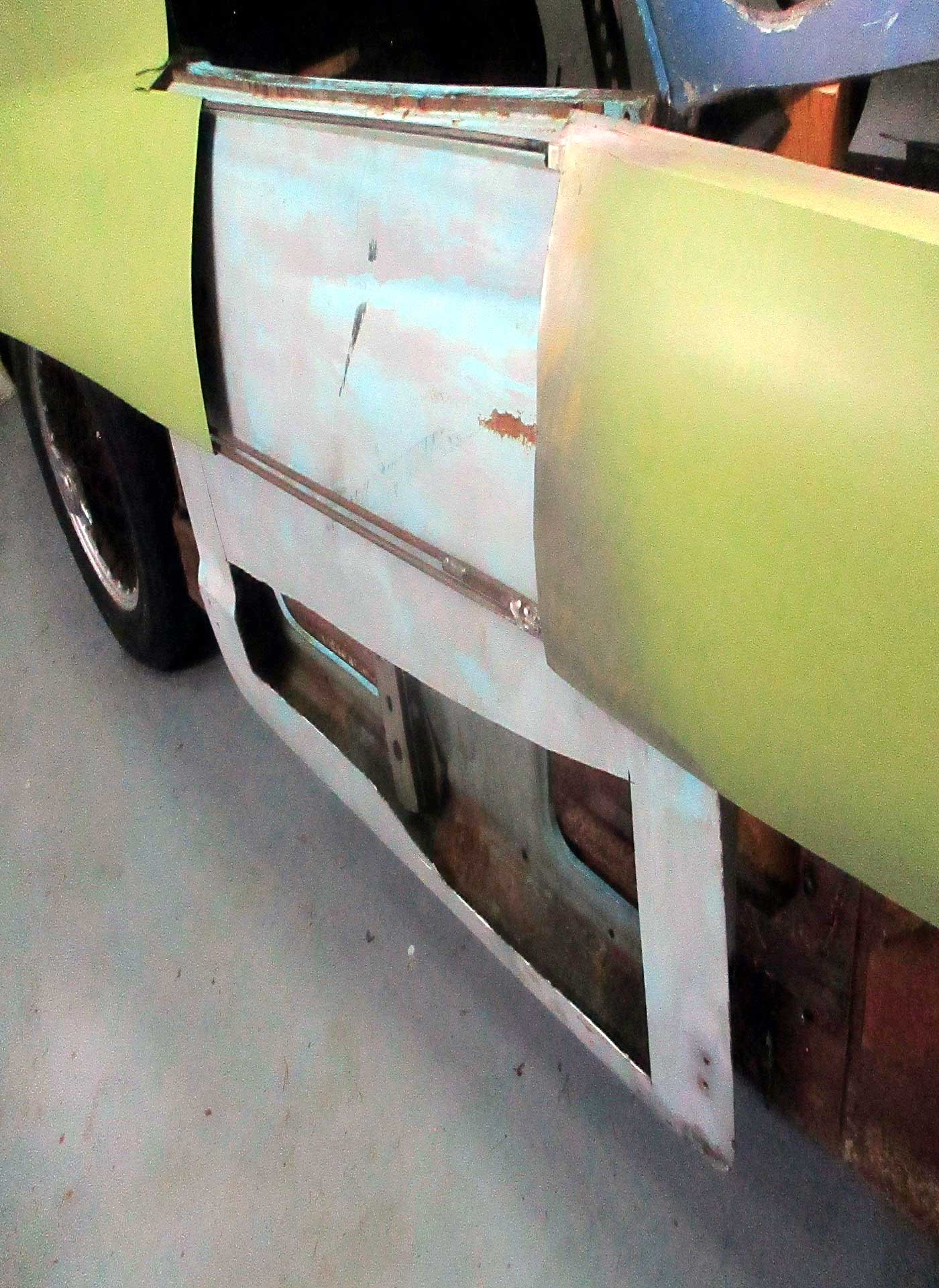
When removed, the body sections must be rigid so the paint won’t crack when the car is reassembled. The fenders are naturally fairly stiff, but if the lower sides were connected by a sill under the door, that would surely flex. Maybe it could be made as a separate piece?
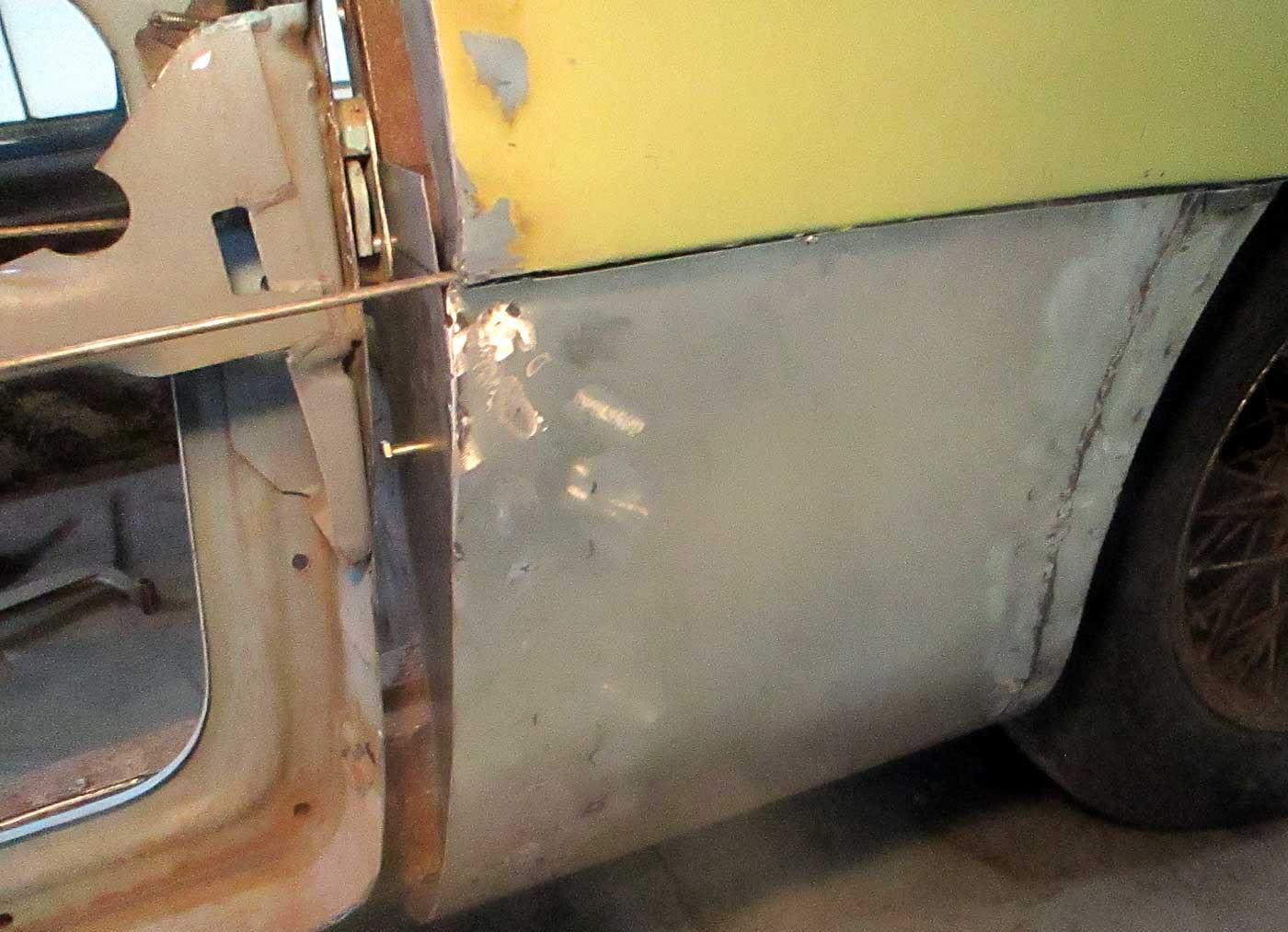
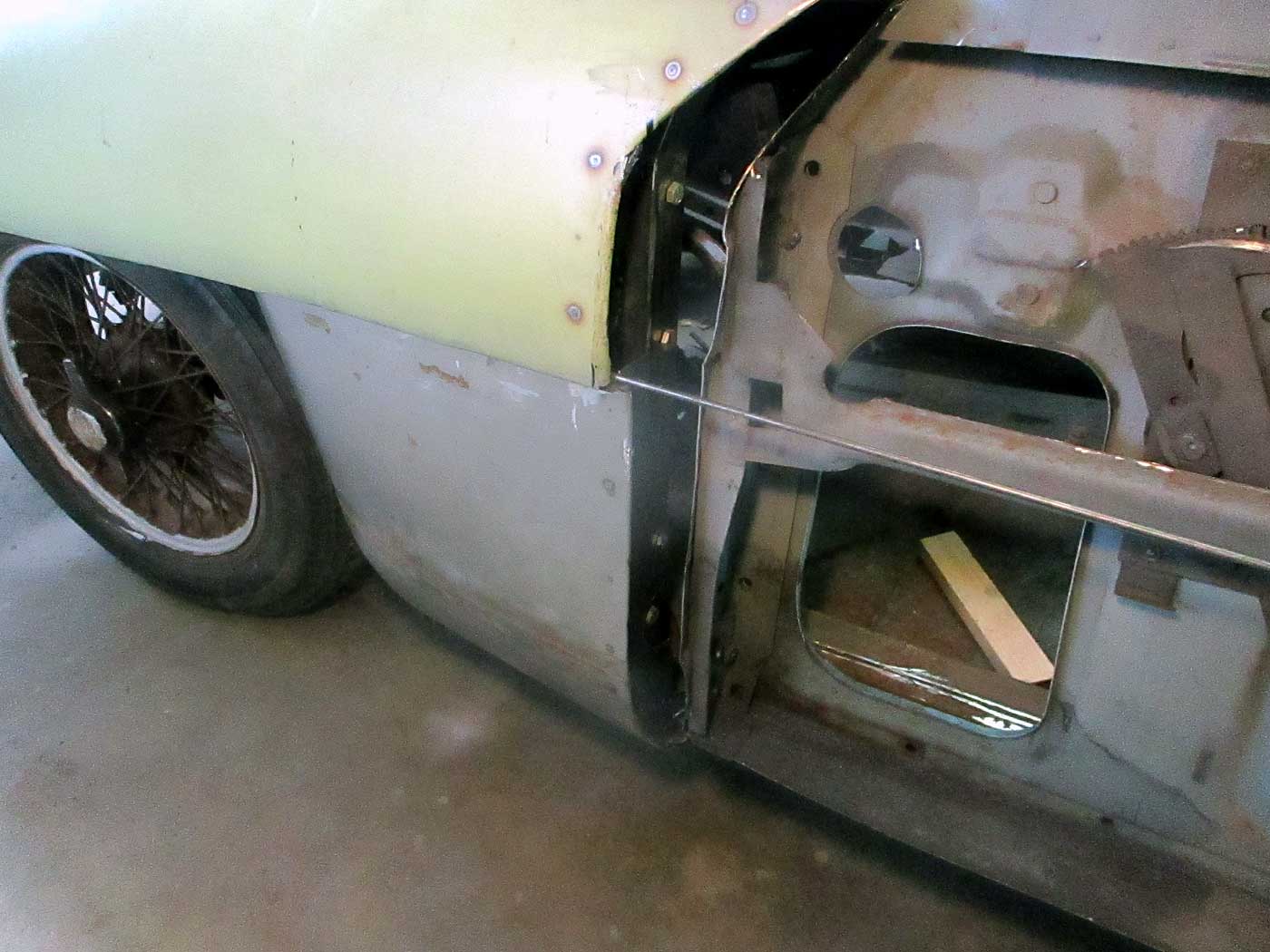
When the solution occurred to me, it seemed obvious: a sill wasn’t needed at all if the doors were full height, going down to the bottom edge of the body sides. In fact, an early Touring-bodied Alfa 1900 I once owned had deep doors with no sills. Separate panels in front of and behind the doors were not hard to make.
Seeing the light(s)
I postponed making concealed headlights but thought I had an easy solution. I once had a 1970 Opel GT with headlights in pods that swiveled upside-down; when closed, the hood surface was smooth.
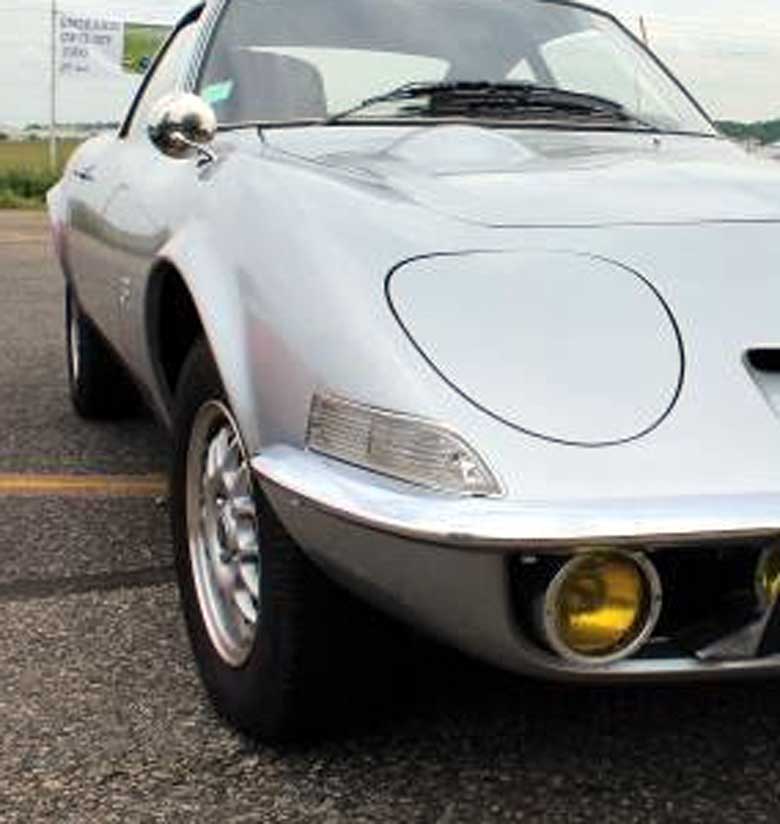
They worked well, from a handle in the cockpit. I thought I could just buy a pair of these and install them, complete with actuation mechanism. But they were much too big. Next I made my own pods, using small lights from a Fiat 500, still planning to use the Opel mechanism.
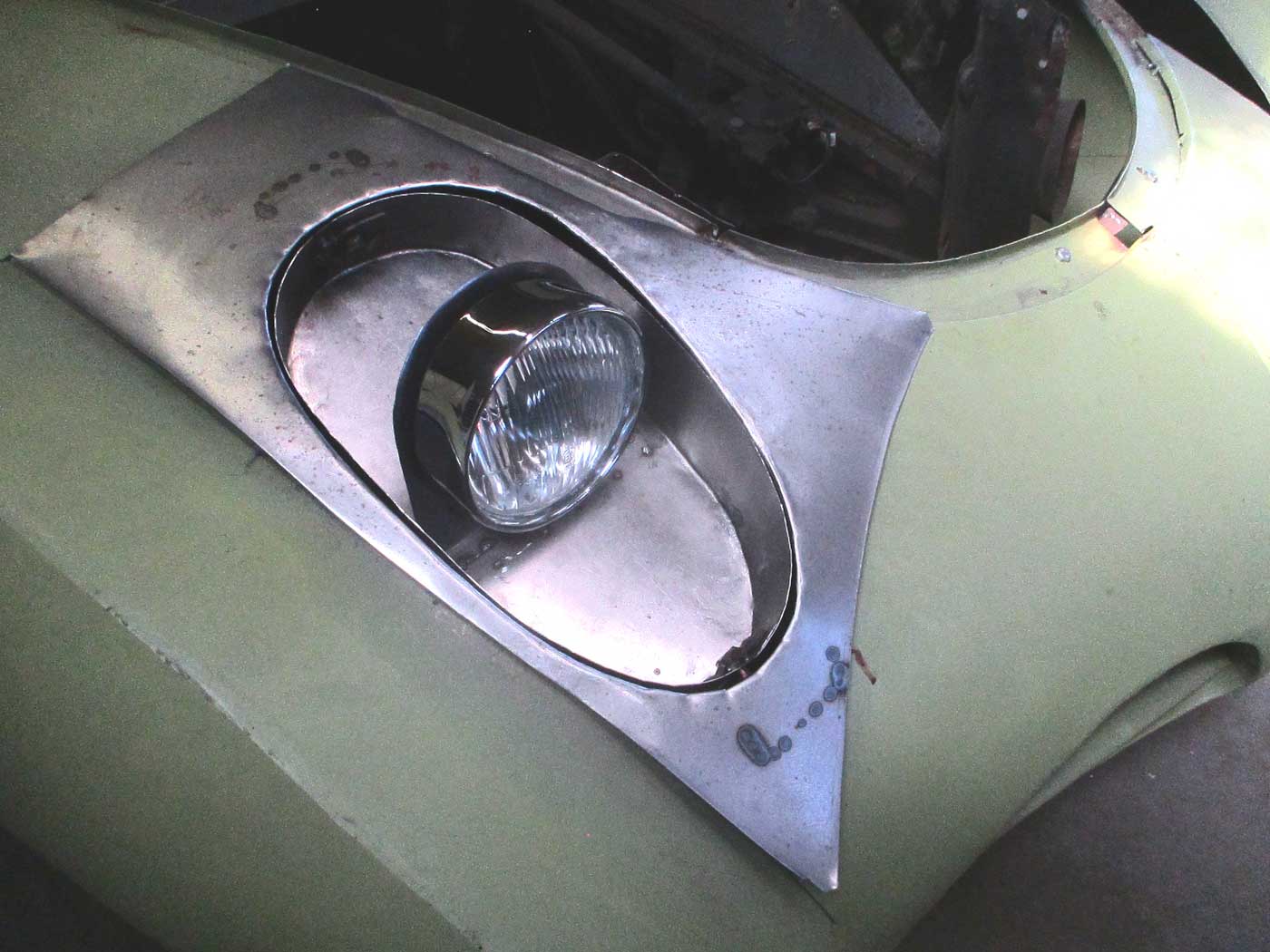
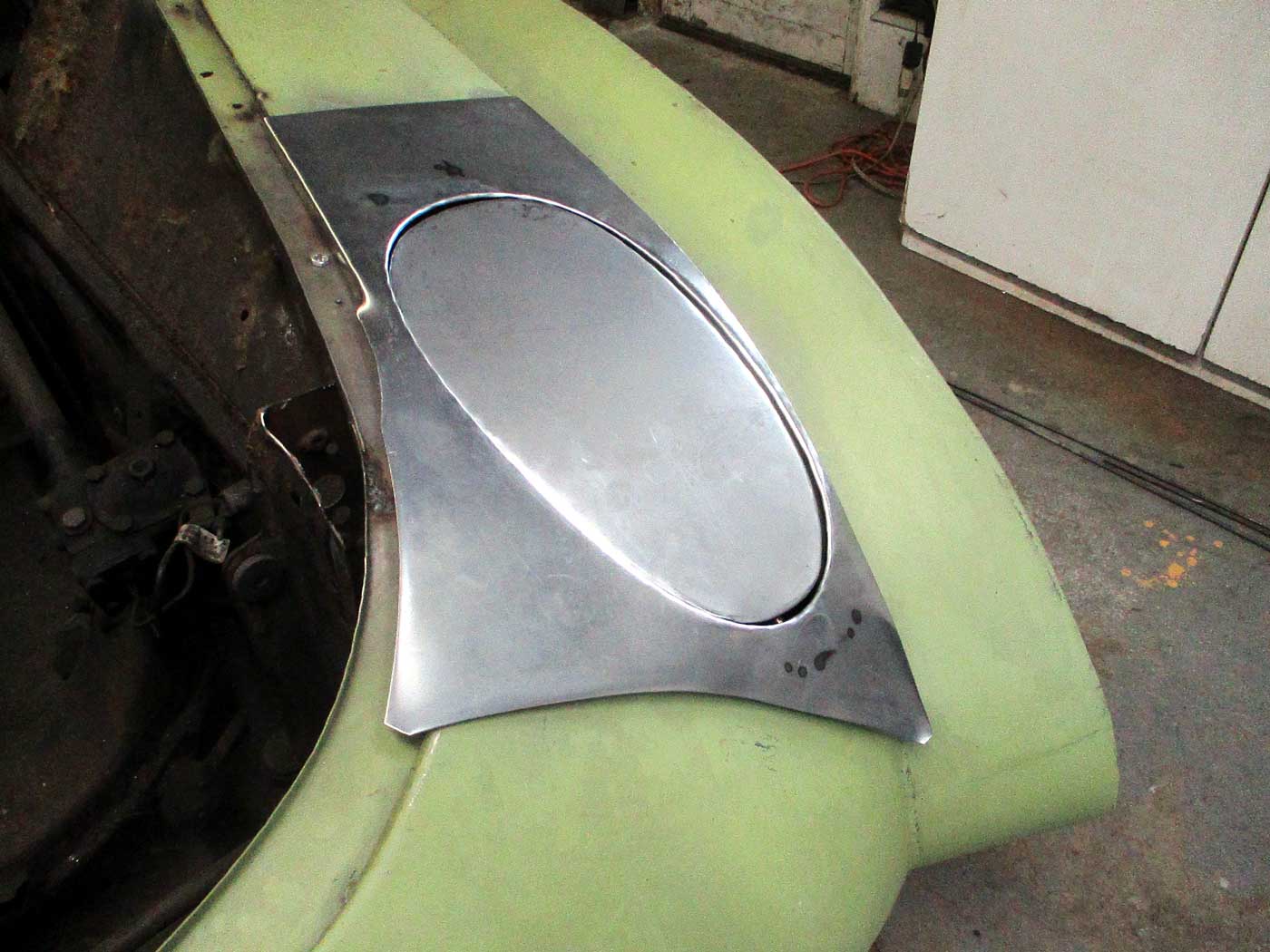
Fitting the units to the openings was a long and tedious job, and once they were finished, other problems popped up. The Opel mechanism was needed to convert a 90-degree cable pull to a 180-degree upside-down flip, but the pivots at the pod ends were too close to the body skin for it to be attached directly.
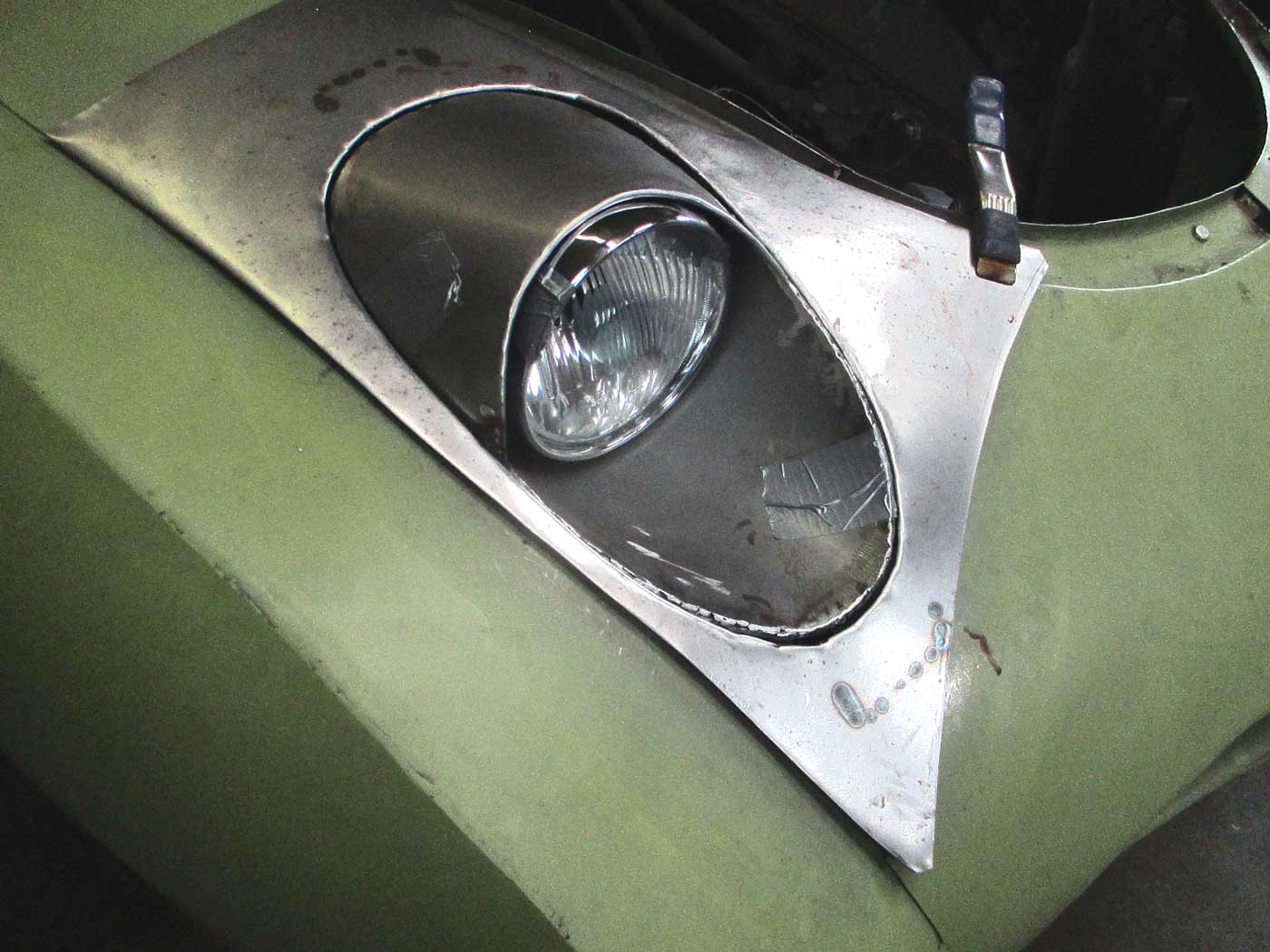
I tried an indirect drive, first using a U-joint, then a flexible cable. I replaced the Opel’s cable actuation with an ugly contraption using an electric window lift motor. Nothing worked well enough. Finally, a friend advised me that what I really needed (not 1954 technology, but I’m now desperate) is a remote-control servo. What he showed me looks promising. But until it’s in and working, no champagne yet.
And now, what have we wrought?
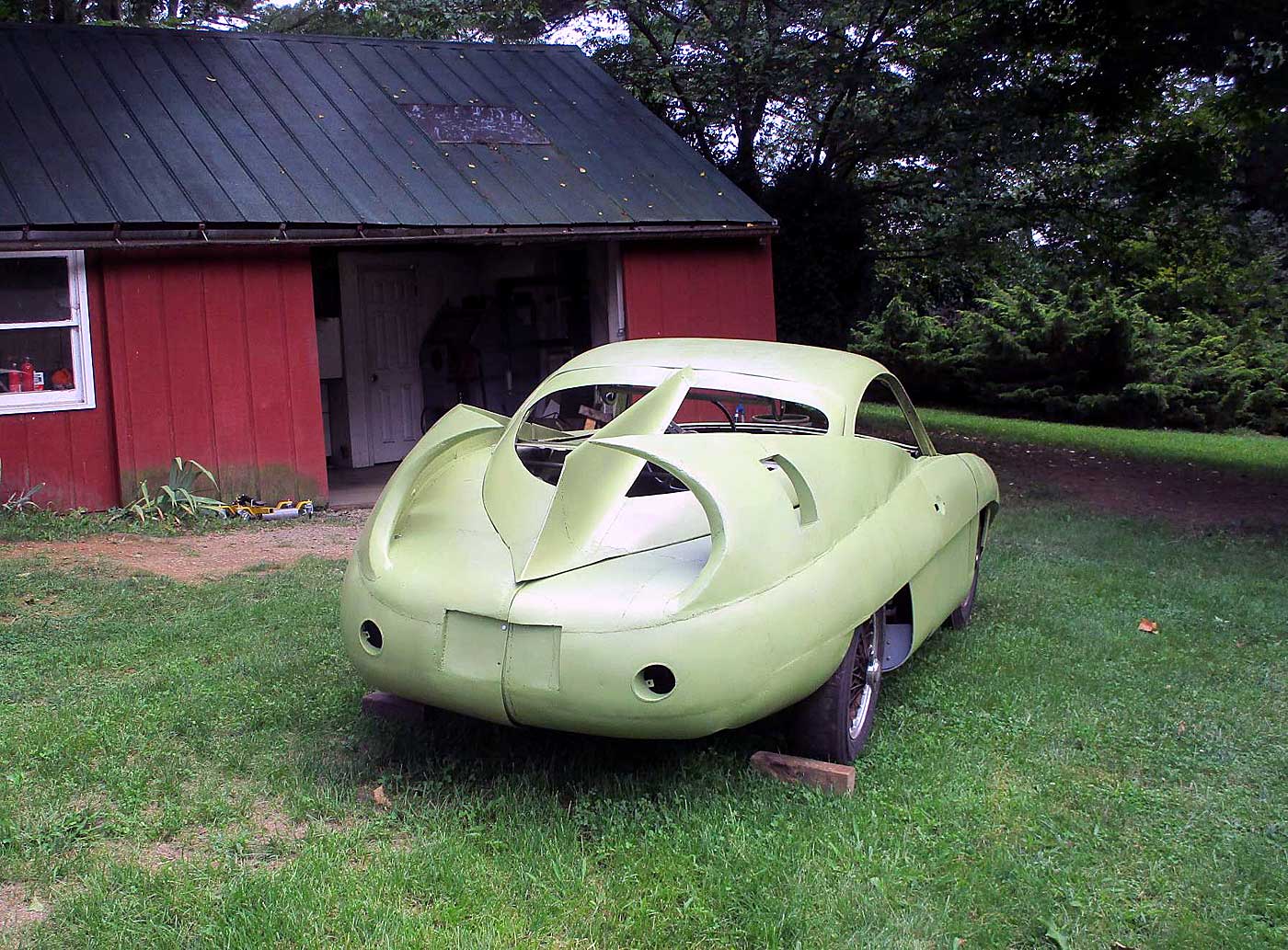
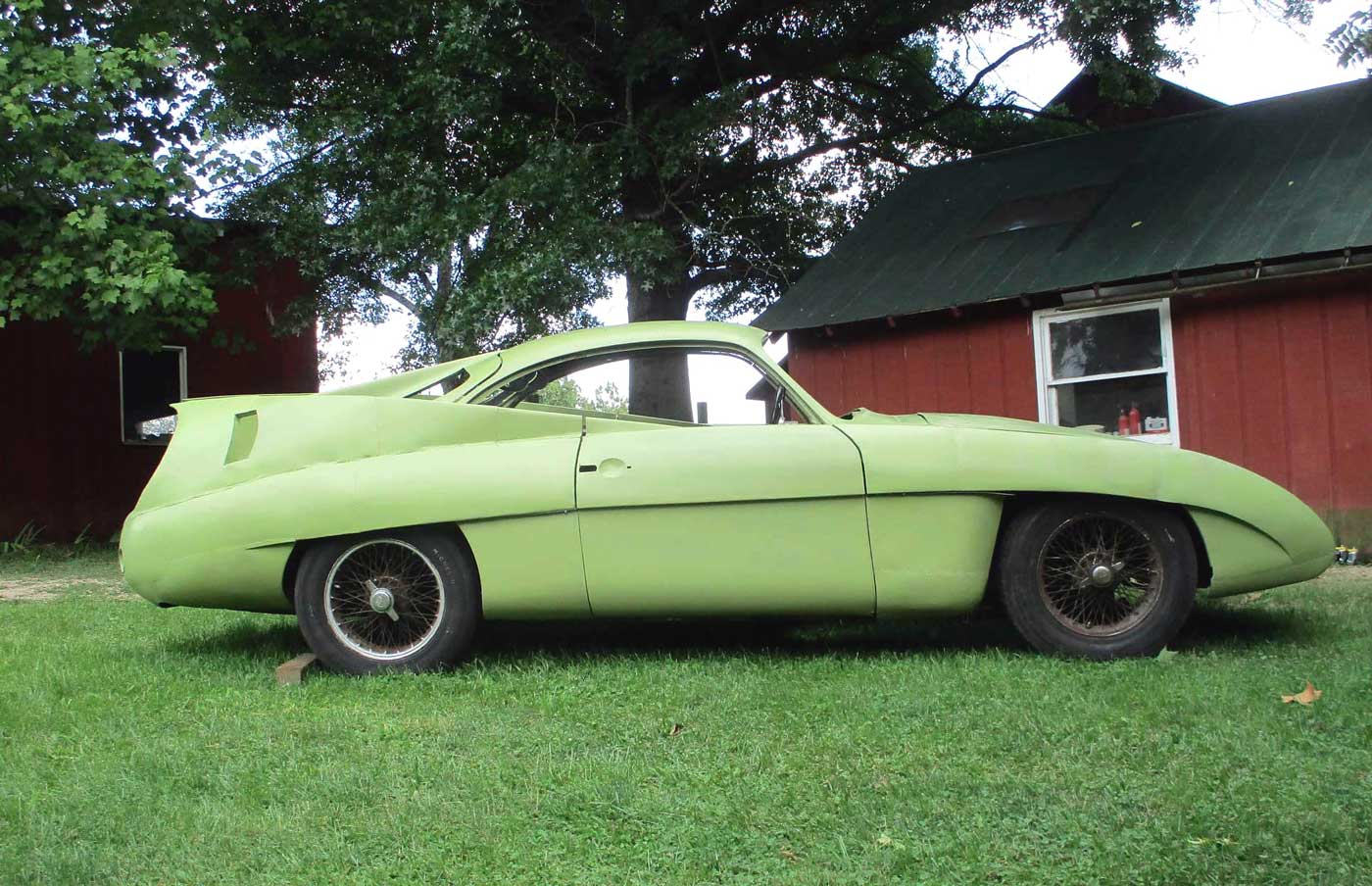
As the date approached for delivery of the bare chassis at the dip-strip place, I rushed to complete the body. When it was done, I unbolted it, stripped the paint off the roof, carefully washed and dried everything, then applied primer paint. When it was all together again, I rolled it outside, where it could be seen as a whole.
That was a critical moment: even I, its designer and builder, could only picture it in my mind’s eye before this. In the shop, I had a closeup view of this part or that, never from a distance. I criticized BAT 7 for its haphazard side design, its lack of overall cohesion. Was mine any better? For the first time, I could judge.
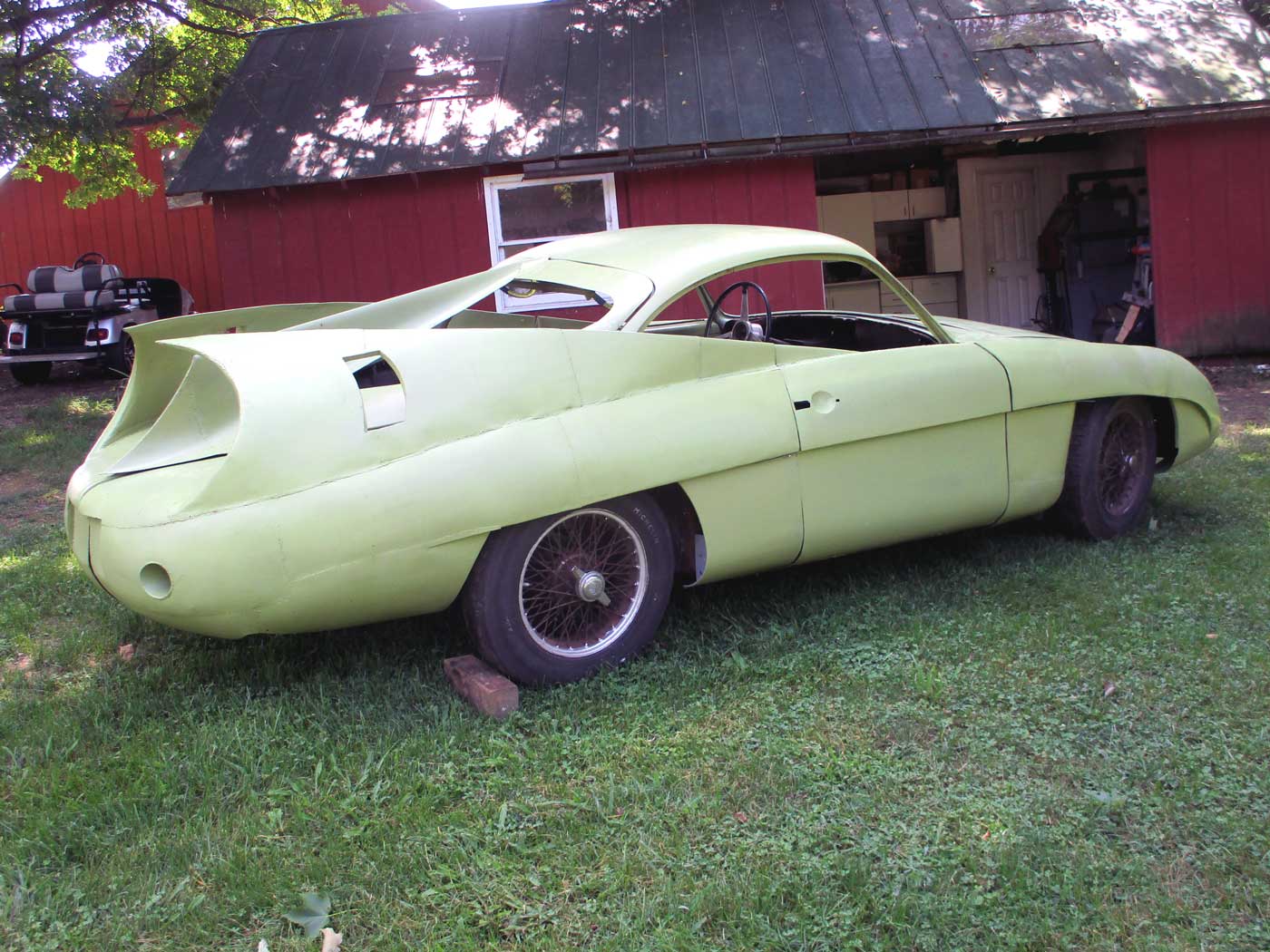
The front, side, and rear each have unique design goals. The rear follows BAT 7 pretty closely. But my criticism, in earlier pieces, was that its side view lacked coherence. My front 1/4 shot shows how that side crease connects the whole car with a dramatic sweep. The side view shows how the fins don’t overwhelm the overall proportions of the car: the rising and falling lines of the fins, side creases, and window opening work really well together.
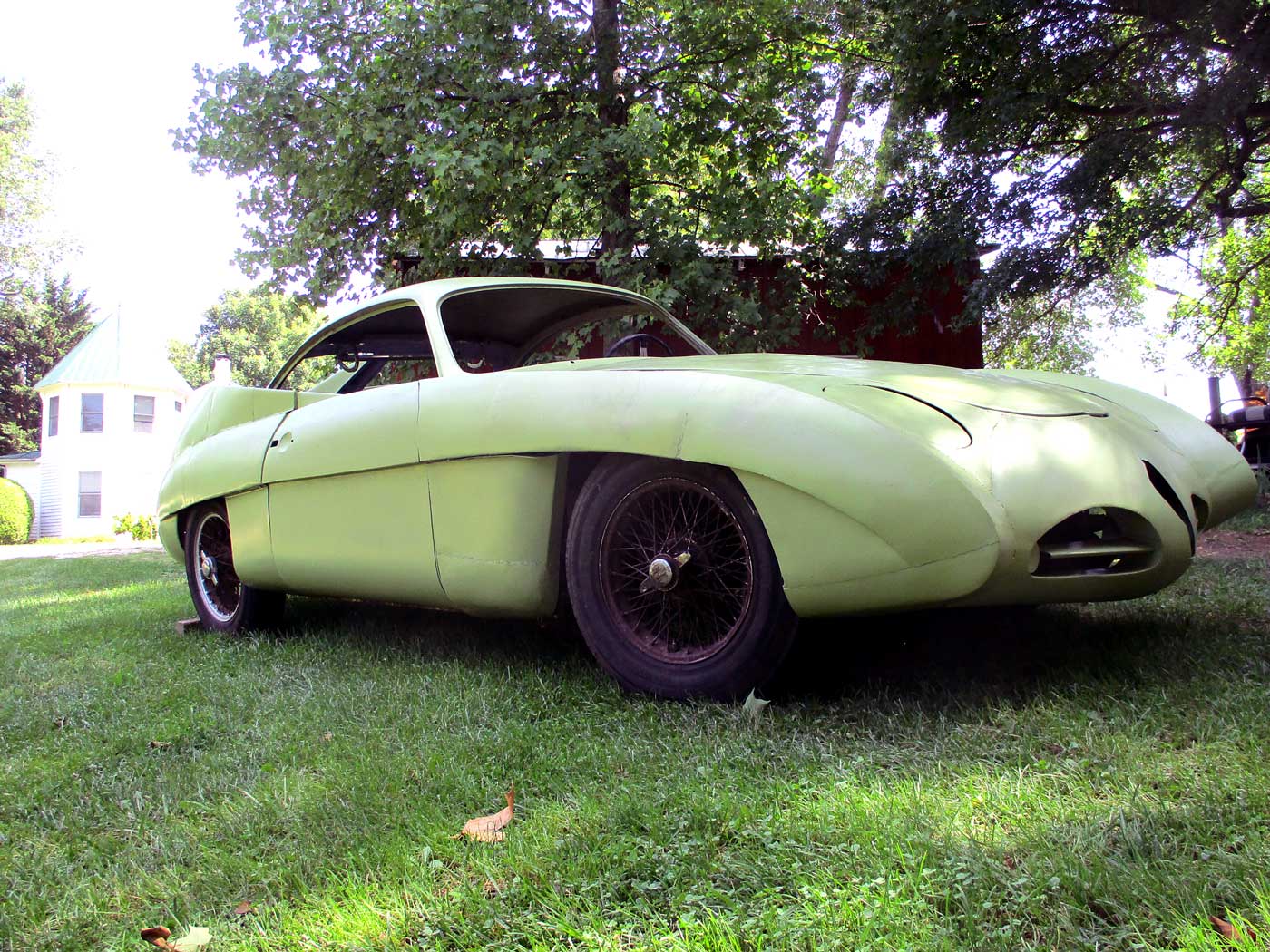
When I finally could see the car at a distance, the success of its overall proportions was what thrilled me most. It was a free gift, really. I knew that the roof line and window opening were pretty in themselves but the way they harmonize with the rest of it was something impossible to judge until it was all together.
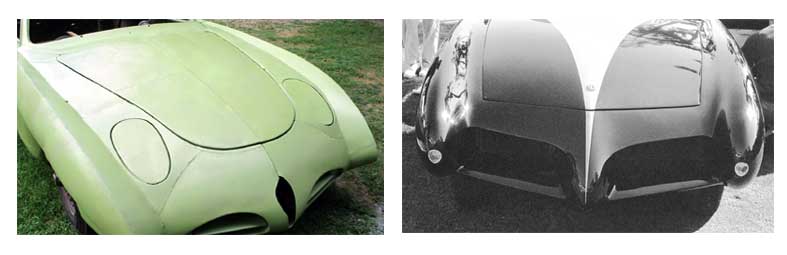
I wasn’t completely satisfied. From some angles the rear wheel opening is awkward. And there’s nothing exciting about the wide, bland hood area. BAT 7 at least has a center chrome strip. Maybe I should borrow the dramatic two-tone spear it had once in its life?
It did confirm my opinion that hiding the wheels was a major mistake. Even the rusty wheels on my car look good. Sparkling new ones will transform it. Just a peek at BAT 5 without its skirts shows the potential they concealed.
A general view of the car also makes clear my purpose–to celebrate and extend the spirit of the originals, not to create something fundamentally different. Look at BAT 5’s front fender line. I think it’s beautiful, and simply copied it. What’s best in my car should be credited to Franco Scaglione, not me.

Simply amazing workmanship and persistence ! To be instilled with such talent is truly remarkable. Bravo for your efforts !
Hat’s off to you, sir.
Hi. Thanks for the article. I used to do stress analysis on vehicle structures and have worked on quite a few Jaguar convertibles as well as F1 stress analysis having been lucky enough to work on 3 championship winning F1 cars. Unfortunately doors do virtually nothing for body stiffness. The clue is that they are only attached to the structure with 2 hinges and a latch! Including a sill structure in a door is totally useless. Could be useful for side impact though! When I saw video of the Aston Martin Bulldog at Pebble this year with the door open I winced. The complete absence of any kind of sill structure was an affront to any engineer. Good luck with the project!